REVIEW · GYEONGBOKGUNG PALACE & HANBOK TOURS
Time Travel in Seoul: Gyeongbokgung, Folk Museum & Bukchon
Book on GetYourGuide →Operated by Minari Travel · Bookable on GetYourGuide
Three hours, and Seoul turns historic. You’ll move from Gyeongbokgung Palace to daily-life stories at the National Folk Museum, then slide into Bukchon backstreets where traditional hanoks are still part of the neighborhood rhythm. It’s “time travel” in the practical sense: each stop adds context, not just photos.
I love how guide Mina (the name that shows up most often with Minari Travel) answers questions clearly and keeps the pace comfortable. I also love the quiet Bukchon side streets plus a final cup of tea at a hanok café with a view. The main drawback is that it’s a walking tour through lanes and alleys, and it’s not suitable for people with mobility impairments.
You’re capped at a max of 6 guests, so you’re not shouting across a crowd. And yes, it runs rain or shine, so plan on bringing weather-friendly gear.
Key highlights worth knowing
- Small-group pace: Max 6 people means more time for questions and better photo stops.
- Gyeongbokgung Palace context: You don’t just see gates and courtyards; you get the “why” behind them.
- National Folk Museum focus: Everyday objects and traditions help you connect royal Korea to real life.
- Bukchon streets with breathing room: You’ll spend time on quieter backroads, not only the busiest lanes.
- Tea with a palace view: The stop at a hanok café gives you an easy, scenic breather.
In This Review
- Gyeongbokgung Palace: seeing Joseon power in a human-scale way
- National Folk Museum: the everyday life chapter you’ll miss alone
- Bukchon Hanok Village: quiet lanes, working houses, and craft spaces
- The hanok café pause: tea with a view and time to reset
- Price and logistics: where the $54 value comes from
- Who should book this Seoul history walk
- Should you book Time Travel in Seoul with Minari Travel?
- FAQ
- How long is the Time Travel in Seoul tour?
- Where do we meet the guide?
- What group size is this tour?
- What’s included in the tour price?
- Does the tour run in bad weather?
- What should I bring?
- Is this tour suitable for mobility impairments?
Gyeongbokgung Palace: seeing Joseon power in a human-scale way
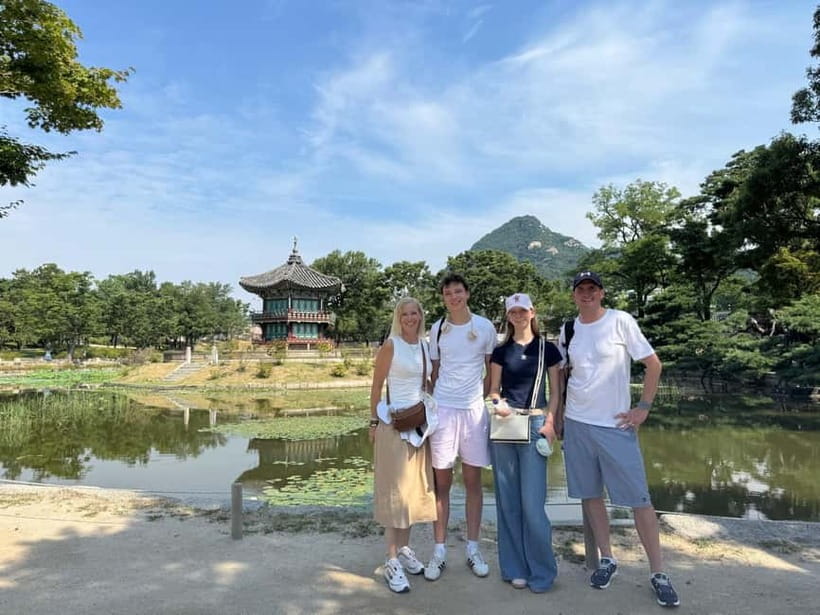
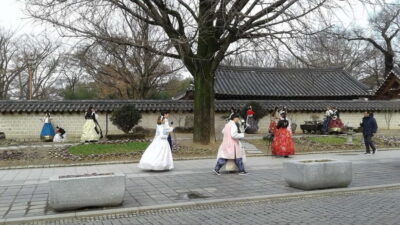
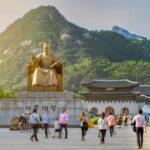
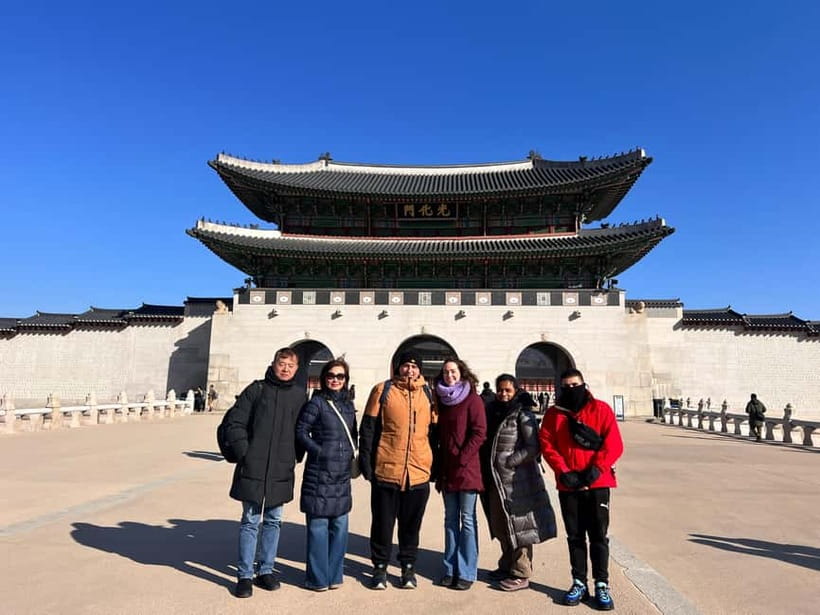
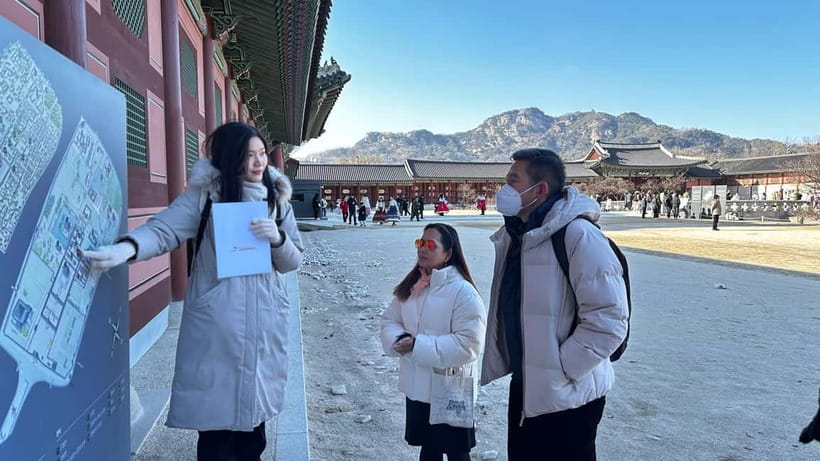
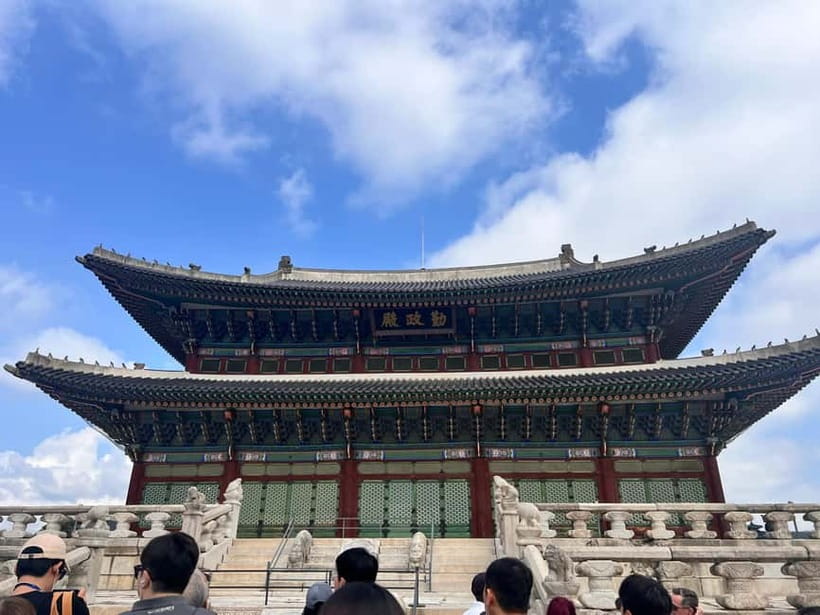
Gyeongbokgung is the big one. It’s the grandest Joseon Dynasty palace complex, and even if you know the basics already, the scale lands in your body: walls, courtyards, gates, and sightlines that make the place feel designed for ceremony. Starting here also helps your brain lock onto the timeframe, because later stops suddenly make more sense.
This isn’t a rushed “see everything” shuffle. You’ll get a guided walk through the palace grounds with stories tied to what you’re looking at—kings, queens, and architectural details that explain how the palace worked as a system, not just a pretty backdrop. If you’re the type who likes to understand the logic behind what you see, this structure helps.
Photo tip: bring your camera and expect you’ll want angles from different points. A guide who knows where to pause makes a difference, especially at places where people naturally gather. Also, wear comfortable clothing; palace stone and palace paths can be surprisingly tiring if you’re dressed for sightseeing, not walking.
Practical note: this portion includes palace entry, so you’re not wasting time figuring out tickets while everyone else already has a spot and you’re still in line.
National Folk Museum: the everyday life chapter you’ll miss alone
Palaces tell the story of authority. The National Folk Museum tells the story of everyone else—how Korean people lived, worked, and celebrated across generations, right down to everyday objects and traditions. That shift is the secret sauce of this tour. Without it, Bukchon can feel like a pretty district. With it, you understand what makes a hanok a home, not a costume.
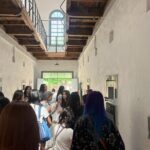
The museum visit is guided, with time to walk and absorb at a comfortable rhythm. You’re not forced through every room at a sprint pace. Instead, you get the through-line: the culture behind the objects, the meaning behind traditions, and the continuity between past and present.
What I like about this stop is that it changes how you’ll look at Bukchon. When you reach the hanok alleys, you’re not only asking what the buildings look like. You’re thinking about how people used those spaces, and why certain details matter.
If you tend to get museum-fatigue in big halls, the guided focus helps you choose what to remember. And because the tour keeps moving, you’re not stuck spending hours deciding where to go next.
You can also read our reviews of more museum experiences in Seoul

Bukchon Hanok Village: quiet lanes, working houses, and craft spaces
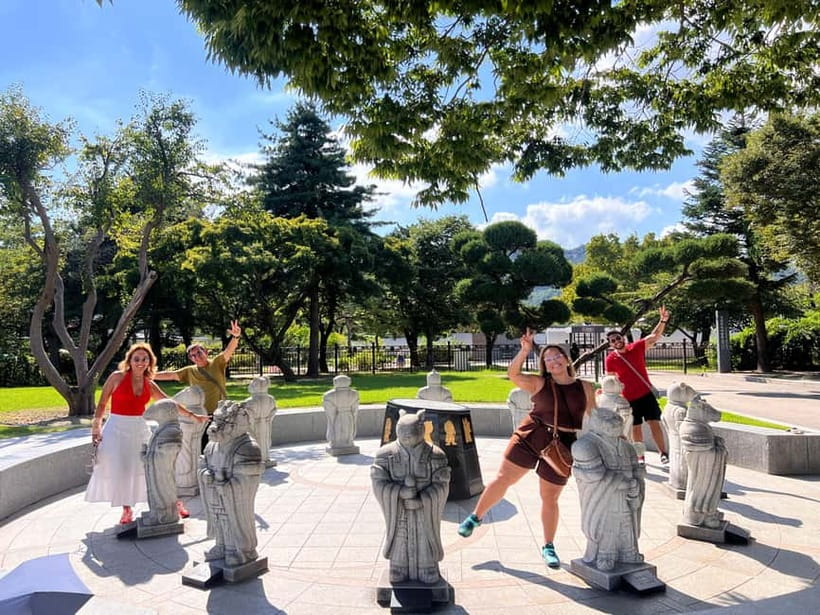
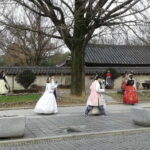
Bukchon Hanok Village is famous, but it’s also easy to get stuck on the most crowded lanes. Here, you’re guided through the neighborhood with an emphasis on calmer backstreets, so you spend more time actually noticing houses and less time negotiating foot traffic.
You’ll also visit a selection of traditional hanok houses. This matters because a hanok isn’t just an exterior look. It’s a living layout, with the shape of rooms and the flow of space. Even if you only see parts of the houses, you come away with a better sense of how these structures support daily routines.
Along the way, you’ll have stop-and-go moments in cultural spaces, galleries, and artisan shops tucked into the alleys. This is where the tour stops feeling like a checklist and starts feeling like a guided conversation with the neighborhood. You’ll notice details you would probably skip if you were going alone—small signs of craft, the rhythm of workshops, and the way the area holds onto tradition while still functioning as a real community.
One practical consideration: alleys and backstreets mean uneven walking surfaces and lots of foot steps. Bring comfortable shoes and expect some uphill or tight turns. You don’t need to be an athlete, but you do need solid walking comfort. If your mobility is limited, this is the part that becomes hard fast.
The hanok café pause: tea with a view and time to reset
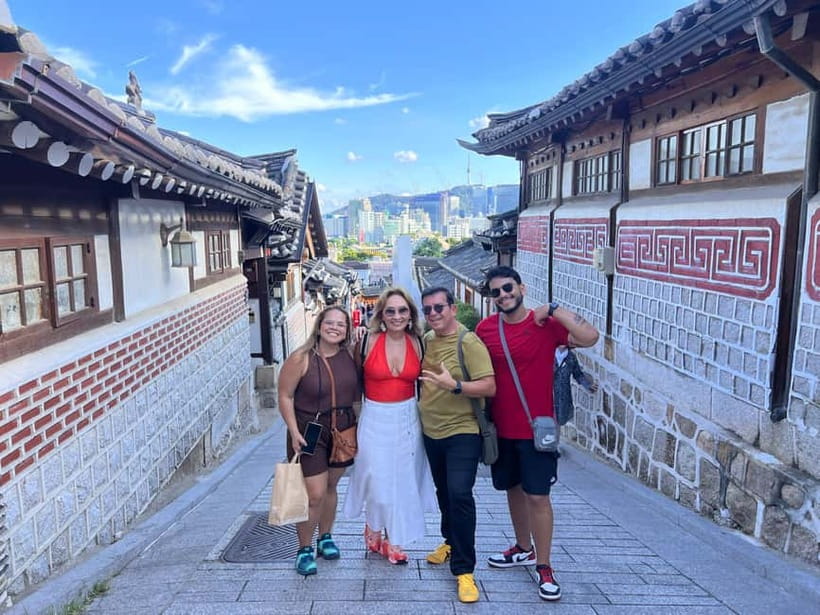
The tour ends with something simple that’s easy to undervalue until you’re tired: a cup of tea at a hanok café with a view. This is the moment to slow down and let all the palace-and-museum input settle.
It’s not just a break for your feet; it’s also a gentle sensory transition. One moment you’re in history lessons and house visits. The next, you’re sitting in a traditional setting, looking out over the palace area in a way that feels more personal than a quick photo stop. If you’re traveling with someone who gets cranky mid-day, this café stop helps keep the mood calm.
Because the tour includes one drink (tea or coffee), you don’t have to decide what to order while you’re hungry or overheated. Just take your time. Sit upstairs if there’s seating available there—views can be a big part of why this café works.
Small-group setting helps here too. You’re more likely to get a comfortable pace, and it’s easier to chat with your guide for a few last questions before you head on with your afternoon.
Price and logistics: where the $54 value comes from
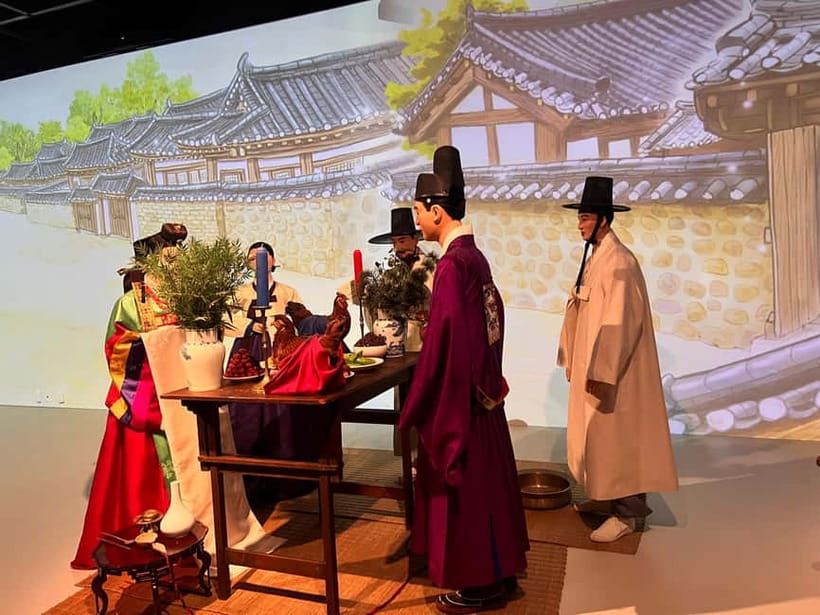
At $54 per person for about 3 hours, the value is mostly in three places: the guide, the included entries, and the fact that you’re not spending your energy on navigation.
You’re getting:
- An English-speaking certified local guide
- A small walking group capped at 6
- Entry to Gyeongbokgung Palace
- Entry to the National Folk Museum of Korea
- Visits to multiple hanok houses in Bukchon
- One drink at a hanok café (tea or coffee)
If you try to assemble this on your own, costs creep up quickly once you add museum tickets, palace admission, and the time cost of figuring out the flow between sites. The included guide time is what ties it together. You’re not only collecting sights—you’re building context, and that’s the main reason the tour feels smoother than piecing it together yourself.
Logistics are straightforward but still worth planning. The meeting point is Gyeongbokgung Station (Line 3), Exit 4, outside. The guide meets you with a sign that says Minari Travel. Transportation to and from the meeting point isn’t included, so map your subway route ahead and plan to arrive a few minutes early.
Also plan for weather. The tour runs rain or shine, and the walking happens through alleys. Bring an umbrella or raincoat when the forecast is questionable. You’ll enjoy the experience more if you’re not soaked and irritated halfway through.
Who should book this Seoul history walk
This tour is a strong match for you if:
- You want a compact, well-connected “history + present-day culture” afternoon
- You prefer small-group attention over big-bus crowds
- You like getting explanations that help you understand what you’re looking at, not just where to stand for photos
- You want time for a calm tea stop instead of rushing straight from one site to another
I wouldn’t pick this tour if:
- You have mobility limitations that make uneven backstreets and longer walking difficult
- You strongly dislike walking tours and would rather do museums and neighborhoods at your own pace
- You’re hoping for a long, slow, open-ended exploration with no structured guidance
If you’re a first-timer in Seoul, this is also a smart “second layer” outing. The palace and museum give you framing, then Bukchon shows you how tradition lives in small details, not only in monuments.




Should you book Time Travel in Seoul with Minari Travel?
Book it if you want your afternoon to feel guided, coherent, and efficient—palace to museum to hanok neighborhood, with a breather at the end. The $54 price works well because you’re paying for more than entry tickets; you’re buying someone else’s knowledge and routing so you can spend your energy actually looking and learning.
Skip it only if walking through alleys is a problem for you. Otherwise, it’s a solid, small-group way to see Gyeongbokgung, understand daily-life Korea at the National Folk Museum, and experience Bukchon in a quieter, more thoughtful way than you’d manage alone.
FAQ
How long is the Time Travel in Seoul tour?
The tour lasts 3 hours.
Where do we meet the guide?
You meet at Gyeongbokgung Station (Line 3), Exit 4 (outside). The guide will be waiting with a sign that says Minari Travel.
What group size is this tour?
It’s a small-group walking tour limited to a maximum of 6 people.
What’s included in the tour price?
Included are a certified, English-speaking local guide, entry to Gyeongbokgung Palace, entry to the National Folk Museum of Korea, visits to multiple traditional hanok houses in Bukchon, and one drink (tea or coffee) at a hanok café.
Does the tour run in bad weather?
Yes. The tour runs rain or shine, so it’s smart to bring an umbrella or raincoat.
What should I bring?
Wear comfortable clothing and bring comfortable shoes. It’s also a good idea to bring a camera.
Is this tour suitable for mobility impairments?
No. The tour is not suitable for people with mobility impairments.