REVIEW · COOKING CLASSES
Seoul: Royal Seoul Cooking Class in a 100-Year-Old Hanok
Book on GetYourGuide →Operated by PPGLOBAL · Bookable on GetYourGuide
A 100-year-old home makes Korean cooking feel real. You’ll spend two focused hours in a preserved hanok near the Palace area, working on classic royal-inspired dishes with Chef Park guiding you step by step. I really like the way this experience turns Korean food into something you can actually recreate, not just admire.
Two things I especially liked: first, the setting. A hanok dining space feels calm and special compared with standard cooking studios. Second, the format. It’s capped at 6 people, so Chef Park can slow down, correct details, and keep the class comfortable even if you’re a beginner.
One possible drawback to plan around: the class runs close to two hours, but at least one person noted it may run a bit longer. Also, it’s not suitable for children under 10, so it’s more of an adults-focused evening.
In This Review
- Key highlights you’ll care about
- A 100-Year-Old Hanok Steps from Insadong
- The Royal-Style Menu: What You’ll Cook and Why It Works
- LA Galbi as the default anchor
- Fresh kimchi you can talk about
- Haemul pajeon for the savory comfort slot
- Tangpyeongchae to round out the table
- Dietary requests are possible
- Chef Park’s Small-Group Teaching Style
- What “beginner-friendly” looks like here
- Bangjja Bronzeware and the Makgeolli Dinner Table
- Timing, Price, and the One Thing to Watch
- What to keep in mind
- Who This Fits Best in Your Seoul Plan
- Should You Book This Hanok Royal Cooking Class?
- FAQ
- What is the duration of the Seoul Royal Cooking Class?
- Where do I meet for the class?
- How big is the group?
- What dishes are included in the class?
- Can I request a different menu if I do not want beef?
- Is the cooking class taught in English?
- What if I have allergies or food restrictions?
- Is it refundable if my plans change?
Key highlights you’ll care about
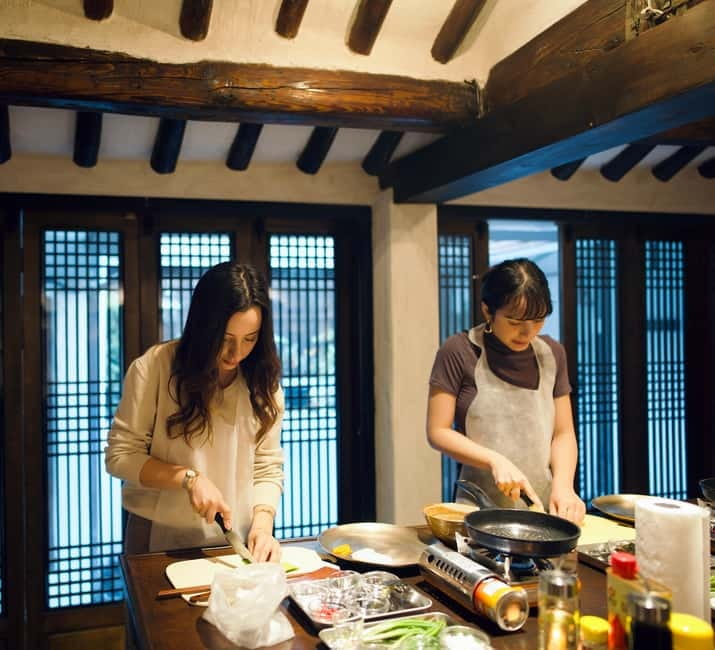
- Small-group instruction (max 6) so you get hands-on time and real attention
- 100-year-old hanok setting in central Seoul near Insadong
- Royal-style menu built around LA galbi, fresh kimchi, haemul pajeon, and tangpyeongchae
- Bangjja bronzeware dining that makes the meal feel ceremonial
- Fresh makgeolli plus traditional desserts included with your dinner
- English-led class with flexible options if you request chicken or vegetarian
A 100-Year-Old Hanok Steps from Insadong
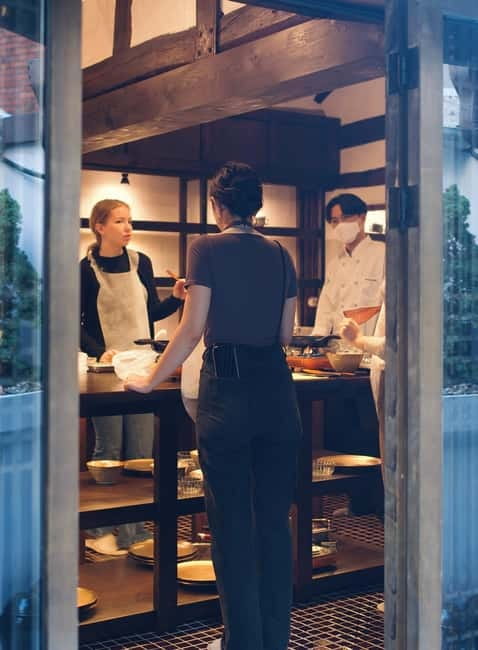
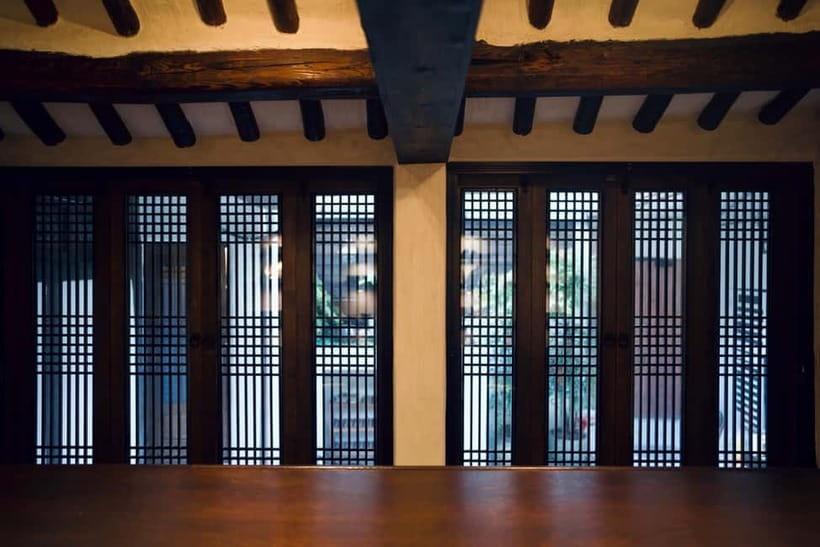
If Seoul has a speed setting, this class cuts it down to a softer rhythm. You’re meeting right behind the Insadong IBIS Ambassador Hotel (make sure you’re at the Insadong one, not the other IBIS properties with similar names). Once you arrive, the biggest difference hits fast: you’re not in a mall kitchen or a demo space. You’re in a preserved hanok that feels like it belongs in an older Seoul.
That matters because Korean cooking isn’t just about technique. It’s tied to daily life, family meals, and how people ate before everything got modern and streamlined. In a hanok, the dining area feels naturally suited for a long meal. Even if your time on site is “only” two hours, it doesn’t feel rushed.
The building also changes how you learn. When the space feels warm and grounded, it’s easier to pay attention to what your hands are doing. And Chef Park uses that attention well. Many comments mention the instructions feel clear even if you’ve cooked almost nothing before, which usually comes down to the pace and the teacher’s willingness to check in.
You can also read our reviews of more cooking classes in Seoul
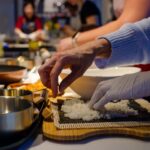
The Royal-Style Menu: What You’ll Cook and Why It Works
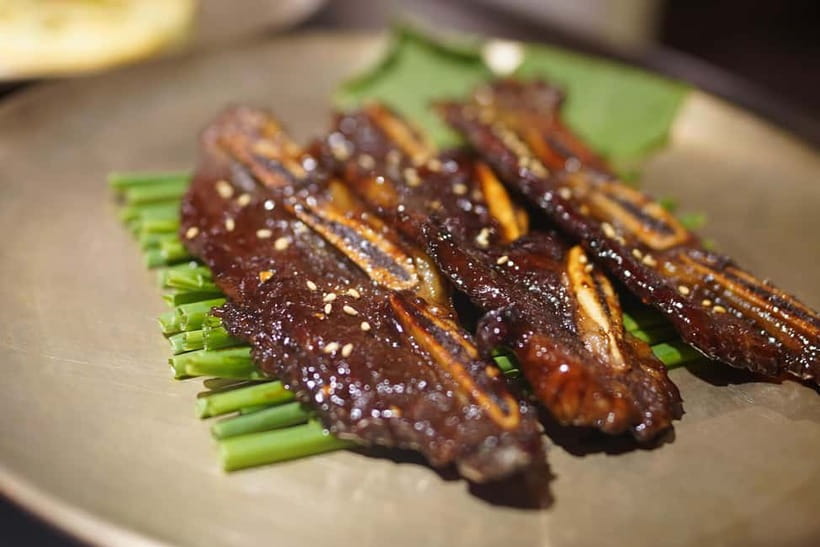
This class is built around a menu that covers salty, savory, fermented, and crowd-pleasing comfort—so you end up with a meal that makes sense as a Korean dinner, not random samples.
LA Galbi as the default anchor
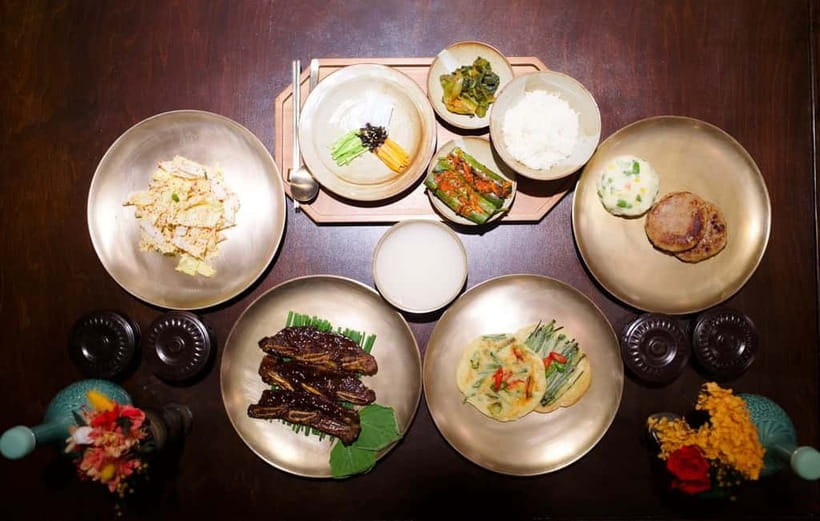
LA galbi (beef ribs) is the default. It’s the kind of dish that feels “special” without being complicated at home. The ribs-and-sauce style also lets you understand how Korean flavors build: sweet, savory, and a little tang, balanced so it tastes good even before you get into finer details.
Fresh kimchi you can talk about
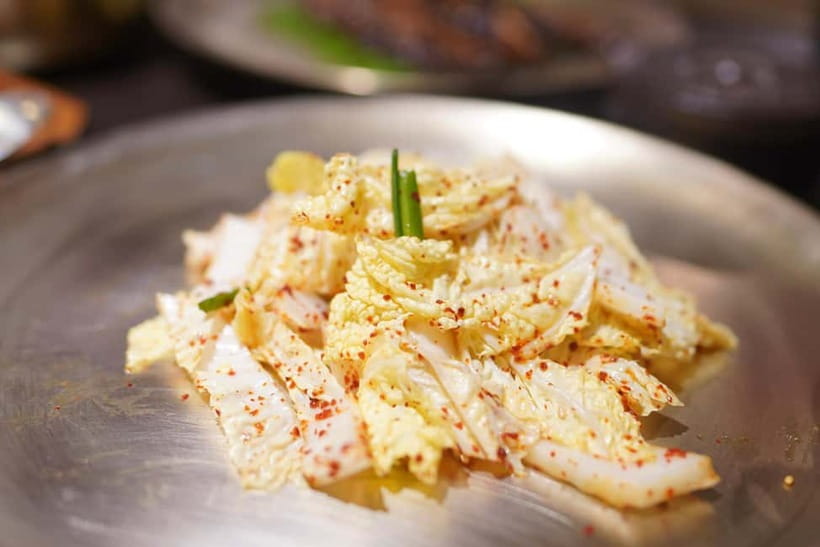
You’ll also craft fresh kimchi, not just eat it. That’s a big deal. Kimchi is one of those foods people think they understand, then realize they’ve never tasted it at its “freshly made” stage. Here, you get the chance to experience how ingredients and seasoning create the final flavor profile.
Haemul pajeon for the savory comfort slot
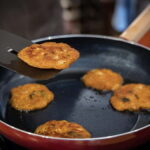
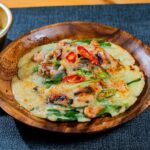
Haemul pajeon (seafood pancake) is the dish that turns “learning” into “dinner you want seconds of.” Pajeon is also a great way to practice Korean cooking because it forces attention on texture and balance—while still being approachable in a guided setting.
You can also read our reviews of more tours and experiences in Seoul
Tangpyeongchae to round out the table
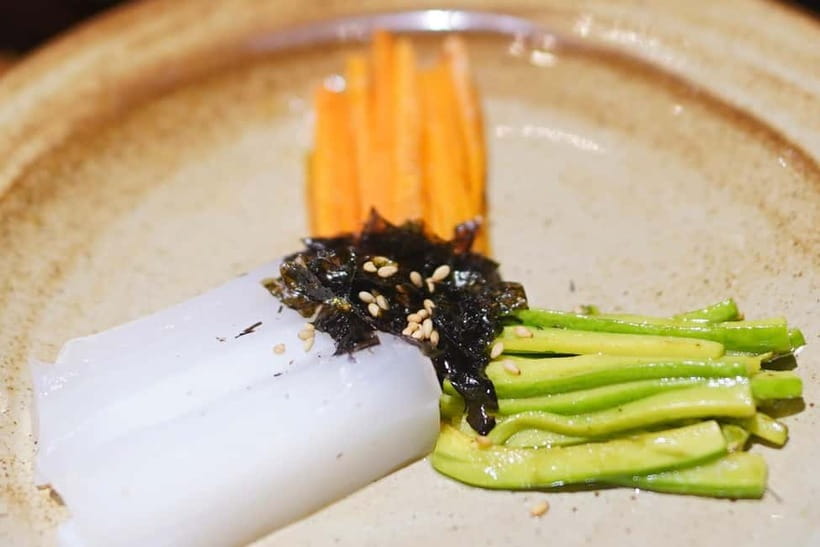
You’ll make tangpyeongchae as well. This adds contrast to the heavier, bolder dishes. It’s the kind of side that helps the meal feel complete and not one-note.
Dietary requests are possible
If you don’t eat beef, note the key booking detail: the default menu is LA galbi, but you can request Dak galbi (chicken) or a vegetarian option when you book. If you have allergies or restrictions, tell the organizer in advance so they can adjust appropriately.
The menu choice is smart for value. You’re not just tasting four items. You’re cooking a set of flavors that work together, so when you recreate it later, you know what should pair with what.
Chef Park’s Small-Group Teaching Style
The class is led by English-speaking, certified chefs, and Chef Park is the name that shows up again and again. People describe him as patient, warm, and very communicative—especially for first-timers.
With a max group size of 6, the learning experience changes. In a bigger class, you can disappear into a line of cooking chaos. In a small one, the chef can watch what each person is doing, correct small mistakes, and keep you from getting stuck. That is why even cooking newbies end up with food they feel proud of.
You’ll also notice a social side to the teaching. Multiple comments mention conversation happening naturally—about food, culture, and little technique tips. That’s not “extra filler.” In practice, it helps you remember the reasoning behind Korean flavors.
What “beginner-friendly” looks like here
Based on the feedback, the recipes aren’t presented as chef-only magic. Instructions are clear, steps feel manageable, and even participants who rarely cook manage to produce great results. The best part is that you can understand what you did, not just follow a script.
And since this is a two-hour session, it’s paced so you’re always moving. You’ll cook, then sit down to eat, then cook again. That rhythm keeps it fun instead of feeling like a long workshop.
Bangjja Bronzeware and the Makgeolli Dinner Table
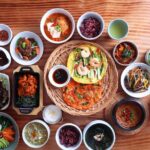
One of the most memorable aspects is the dining setup. You’ll eat on handcrafted bangjja bronzeware (bangjja plates and related serving pieces). This is traditional Korean metalware, and it changes your meal in a very physical way. Food looks different under warm metal tones. Portions feel more intentional. And the dinner feels like a real Korean table instead of a cafeteria moment.
After you finish cooking, you also get a glass of freshly brewed makgeolli. Makgeolli is that lightly milky Korean rice wine that brings a soft tang and a comforting sweetness. It’s a good pairing because it doesn’t overpower the flavors you made. It also makes sense culturally: this is the kind of beverage that belongs with home-style Korean food.
Traditional desserts are included too, which rounds off the meal properly. It means you don’t leave thinking you still need to find dessert elsewhere.
If you care about “why certain experiences feel different,” this is the answer. The dishes are important, but the way you eat them is part of what you’re paying for.
Timing, Price, and the One Thing to Watch
The price is $96 per person for about two hours. That’s not cheap compared with buying food in Seoul. But it’s not a street-food deal either.
Here’s how it becomes value:
- You’re paying for instruction, not just tasting.
- The chef-led guidance matters because you’re learning a full set of dishes, including fermented kimchi.
- The hanok setting and the included dinnerware (bangjja) make the meal feel like a special occasion.
- You also get makgeolli and desserts, not just tea and a snack.
If you’re the type who learns best by doing, this is where the value shows up. You’ll likely leave with a clearer idea of ingredient balance and technique, so your next Korean dinner at home or in a restaurant feels more meaningful.
What to keep in mind
- Time: It’s described as a two-hour class. One person noted it may run a bit longer, so don’t book something critical immediately afterward.
- Child age: It’s not suitable for children under 10, so it’s better for adults and older teens.
- Menu requests: If you want Dak galbi or vegetarian, request it when booking. Default is LA galbi.
Who This Fits Best in Your Seoul Plan
This is a strong choice for a few types of travelers.
Great fit if you want:
- A hands-on cultural experience rather than another walking tour.
- A meal you can recreate, with a clear explanation of what you’re making and why it tastes the way it does.
- A relaxed, small-group evening where you’re not fighting for space or supplies.
It’s also a good option for couples. Several comments mention it works well as a duo activity, and the intimate setup helps it feel more personal than a group food tour.
If you’re a solo traveler, this kind of small class can be surprisingly comfortable. You’re not just eating with strangers; you’re cooking alongside a chef who can guide you.
And if you’re picky about food, you should be fine as long as you communicate needs early. The class includes guidance on accommodating dietary requirements, and you can request chicken or vegetarian options when booking.
Should You Book This Hanok Royal Cooking Class?
If you want Seoul cooking that feels genuine, calm, and genuinely practical, I’d book it. The combination of a 100-year-old hanok, a max-6 class size, and a menu that covers both grilling and fermentation is hard to beat for the price. It’s the kind of experience that turns Korean food from background noise into something you understand.
Skip it only if you’re looking for a big, flashy show, or if you need a class designed for kids under 10. And if your schedule is ultra tight, give yourself buffer time because it can run slightly long.
FAQ
What is the duration of the Seoul Royal Cooking Class?
The class lasts 2 hours.
Where do I meet for the class?
Meet right behind the Insadong IBIS Ambassador Hotel in Seoul. The address is 25, Samil-daero 32ga-gil, Jongno-gu, Seoul (서울시 종로구 삼일대로 32가길 25).
How big is the group?
The experience is a small group with a maximum of 6 participants.
What dishes are included in the class?
The default menu includes LA galbi (beef ribs), fresh kimchi, haemul pajeon, and tangpyeongchae. A glass of freshly brewed makgeolli and assorted traditional Korean desserts are also included.
Can I request a different menu if I do not want beef?
Yes. The default menu is LA galbi, but you can request Dak galbi (chicken) or a vegetarian option when booking.
Is the cooking class taught in English?
Yes. The instructor is English-speaking.
What if I have allergies or food restrictions?
Let the organizer know in advance about allergies or food restrictions so the menu can be adjusted.
Is it refundable if my plans change?
You can cancel up to 24 hours in advance for a full refund.