REVIEW · CONCERTS
SEOUL: Gugak – Korean Traditional Music Museum&Concert Tour
Book on GetYourGuide →Operated by Aha · Bookable on GetYourGuide
Gugak sounds like Korean culture made audible. This 140-minute experience pairs a guided visit to the Korean Traditional Music Museum with a live performance at the National Gugak Center. You’ll learn how Gugak developed, plus what makes specific instruments sound the way they do.
I especially love the clear, English live guidance—with names like Elisa showing up in past groups as a standout teacher. I also like how the concert stays practical: you hear the music up close, including the soft plucking feel of the gayageum and the energy of ensemble pieces.
One thing to consider: transportation isn’t included, so you’ll want to plan how to get yourself to the museum and back to the meeting point.
In This Review
- Key things that make this Gugak tour worth your time
- Gugak in the Museum: Learning the Instruments Before You Hear Them
- The Guide Matters: Getting from Facts to Enjoyable Listening
- National Gugak Center Concert: Hearing Soft Strings and Strong Ensemble Energy
- The 140-Minute Timing: A Tight, No-Stress Cultural Block
- Price and Value: What $49 Really Buys You
- Location in Gyeonggi Province: Plan Your Own Way There
- Who This Tour Is Best For (and Who Might Want Another Option)
- Quick Practical Tips for Getting the Most From the Concert
- Should You Book This Gugak Museum + Concert Tour?
- FAQ
- How long is the Gugak museum and concert tour?
- What’s included in the price?
- What language is the tour guide?
- Is this a small group?
- Do I need to bring money for meals?
- How do I get to the museum?
- Where can I get help before the tour?
Key things that make this Gugak tour worth your time
- Museum guidance for understanding Gugak: you get context on the music and instruments, not just a look around.
- English tour with a small group (max 10): you’re more likely to ask questions and stay oriented.
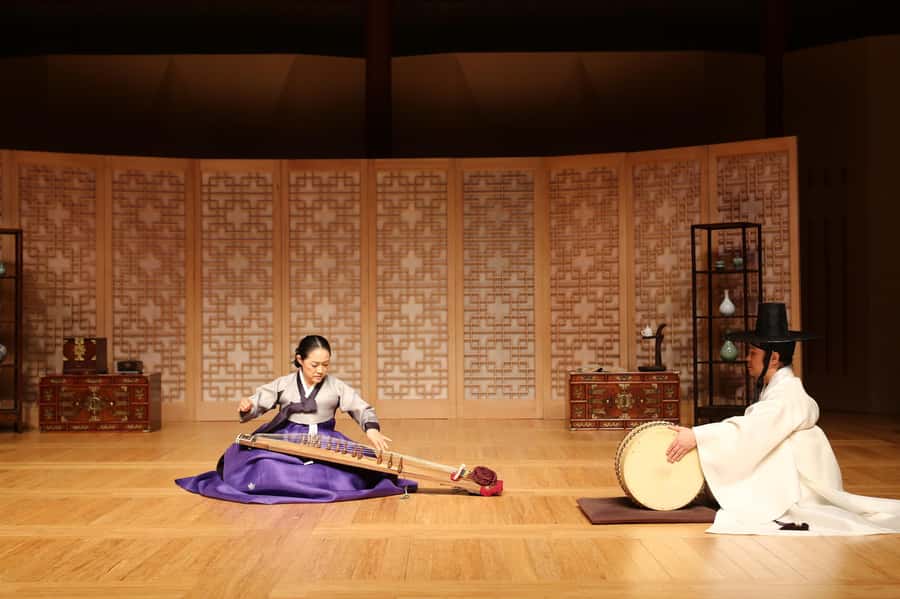
- Concert at the National Gugak Center rehearsal hall: it’s built around performance, not a distant viewing setup.
- Instrument moments you can actually hear: the gayageum and ensemble playing styles are part of the show.
- A simple, timed format: 40 minutes museum + 80 minutes concert keeps the story and sound together.
Gugak in the Museum: Learning the Instruments Before You Hear Them
The Korean Traditional Music Museum is where the tour makes sense. Instead of dropping you into a concert with no background, you start by mapping Gugak into real objects: instruments, how they work, and how the music evolved.
What I like about this setup is the order. When you first hear the names of instruments and understand what makes each one tick—string vibration, plucking techniques, ensemble roles—later notes feel less like background noise and more like a language. You’re not hunting for meaning in the dark.
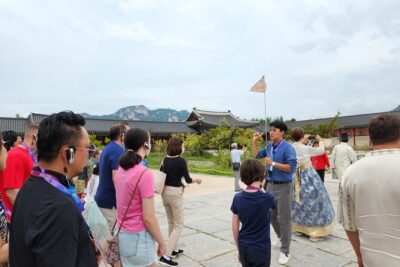
The museum visit is guided and clocks in at 40 minutes. That’s long enough to absorb the basics without turning into a lecture marathon. You’ll get a guided walkthrough focused on Gugak’s history and the instruments tied to it.
If you’re the type who gets restless in slow museums, this time structure helps. And if you’re into music but don’t read Korean well, this is still a strong fit because you’re not relying on signage alone.
You can also read our reviews of more museum experiences in Seoul


The Guide Matters: Getting from Facts to Enjoyable Listening
This tour leans on a friendly, knowledgeable English guide, and that’s not a small detail. In music experiences, the difference between a good show and a memorable one often comes down to how someone explains what you’re seeing and hearing.
One name that shows up in the experience is Elisa, described as sweet and clear in explanations. That matters because Gugak has its own rhythms, textures, and performance style. If you can follow the logic—what an instrument is doing, why an ensemble piece shifts—you’ll enjoy the concert more even if you’ve never heard Korean traditional music before.
So, when the guide talks about instruments and the story behind them, listen like you’re collecting little “listening cues.” For example: pay attention to what changes when the ensemble starts, and how the lead instrument interacts with the others. Those cues become your roadmap in the concert.
And since the group is capped at 10 participants, the experience doesn’t feel like you’re watching a guide from far away. You’re more likely to get personal clarification if something is confusing.
National Gugak Center Concert: Hearing Soft Strings and Strong Ensemble Energy
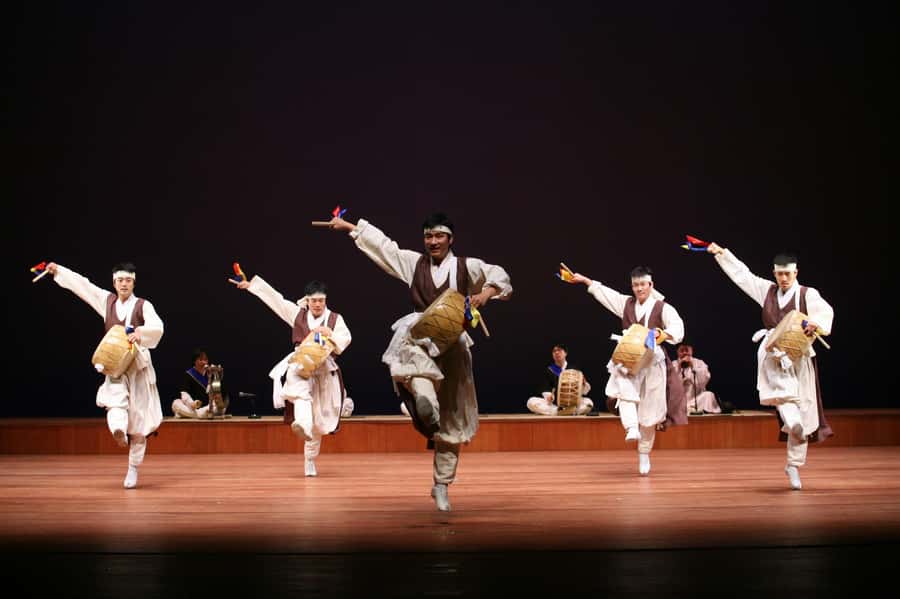
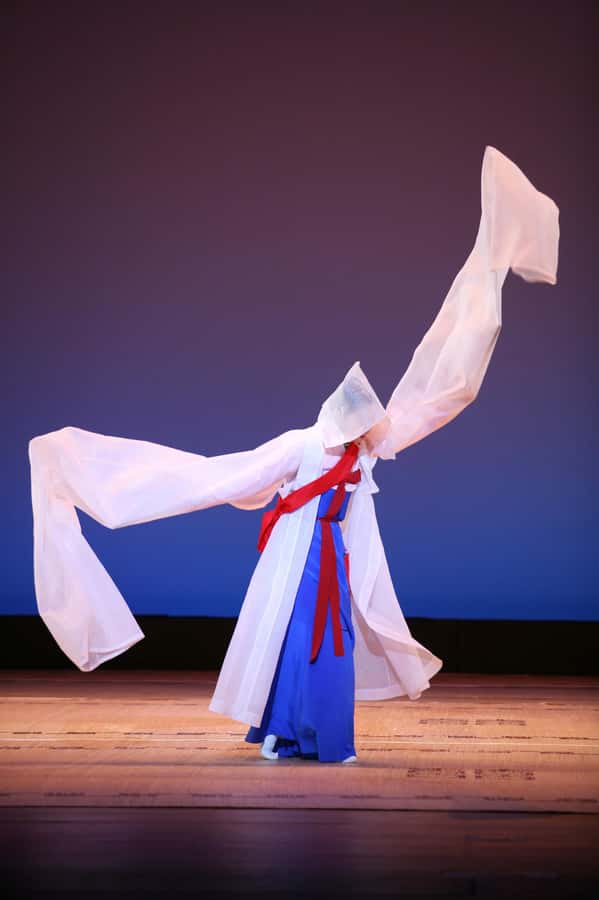
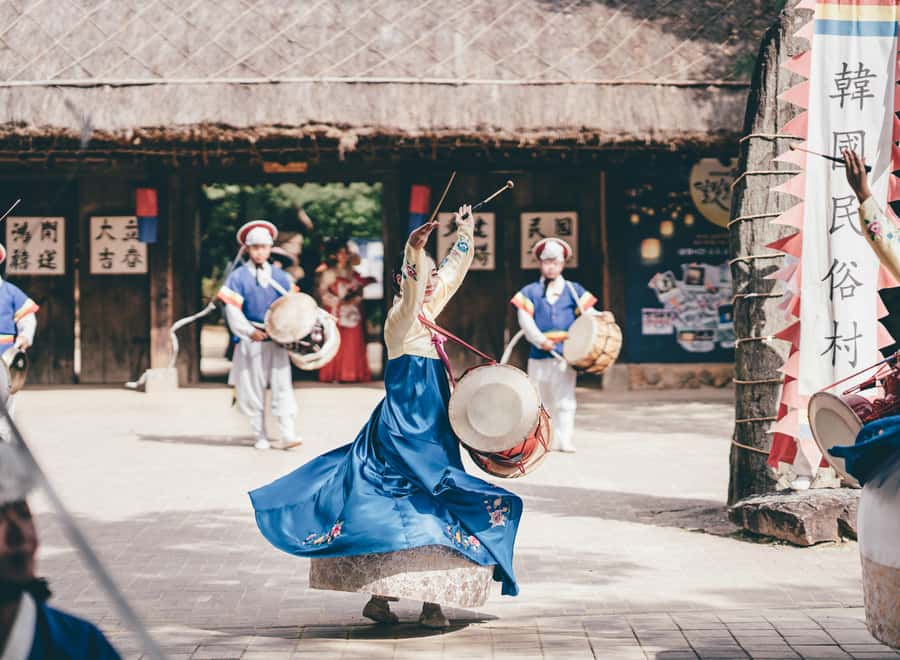
After the museum, you head to the National Gugak Center (Performance Rehearsal Hall) for the concert portion. This is where the day turns from understanding to experiencing.
The concert runs 80 minutes, which is a good length for a traditional music program. It gives time for contrast: moments that feel quieter and more delicate, followed by ensemble pieces that bring more momentum. If you only have a short time in Seoul or nearby, this balance is exactly what you want.
The description of the music highlights two things you should know before you go:
- the gayageum with its soft plucking character
- the dynamic feel of ensemble performances
That combination is important. A single instrument can teach you tone and technique, but ensembles show you structure—how parts lock together, when the performance pulls attention to one voice, and how shifts happen.
Also, since this is held at a performance-focused venue (a rehearsal hall setting), you’re not just passively consuming music. You’re watching performers do what they do in a real performance context. That typically makes the sound feel closer and more detailed.
What you can expect, practically: you’ll spend most of your time seated and listening, but not bored. Gugak programs often have enough variety in texture and tempo to keep your attention moving.
The 140-Minute Timing: A Tight, No-Stress Cultural Block
This is a 140-minute experience. That’s the right kind of short for people who want culture without sacrificing an entire day to it.
Here’s the smart part: the timing is split into meaningful blocks.
- 40 minutes at the museum with guidance
- 80 minutes at the concert
Then you’re returned to the meeting point at the end. No confusing “and then you’re on your own” feeling built into the middle.
This format also works well with a Seoul-based schedule. Even though the activity is listed under Seoul, it takes place in Gyeonggi Province. That means you should think of it as a nearby cultural trip rather than a city-center wander.
If you like your days organized—one guided stop, one performance—this fits that style.
Price and Value: What $49 Really Buys You
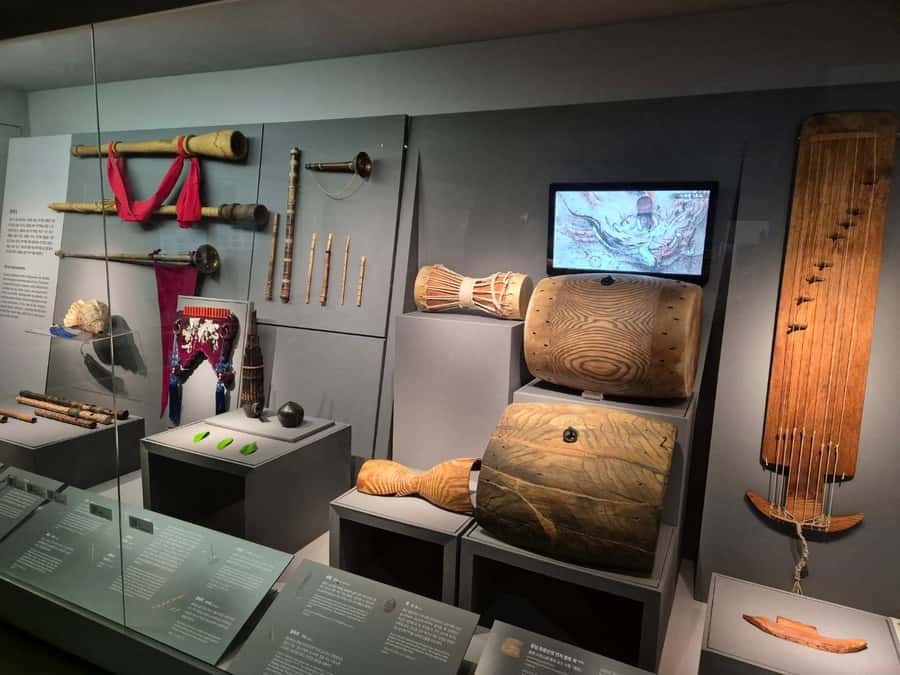
At $49 per person, this tour can feel like a bargain or a splurge depending on what you compare it to.
In my view, the value comes from three things you’re actually getting together:
- Guided museum time (40 minutes) focused on the music and instruments
- A live concert (80 minutes) that turns your learning into sound
- An English guide in a small group (max 10)
You’re not just buying a ticket to a concert. You’re buying the “bridge” that helps you understand what you hear. In traditional music, that bridge can be the difference between feeling impressed and feeling connected.
Also, the group size matters. When you’re in a small setting, guides can often explain with more clarity and pace. That’s part of why the experience earns strong feedback, including praise for Elisa’s teaching style.
So if you’re budgeting and trying to pick one music experience, this is a solid pick because you get both context and performance in one session.






Location in Gyeonggi Province: Plan Your Own Way There
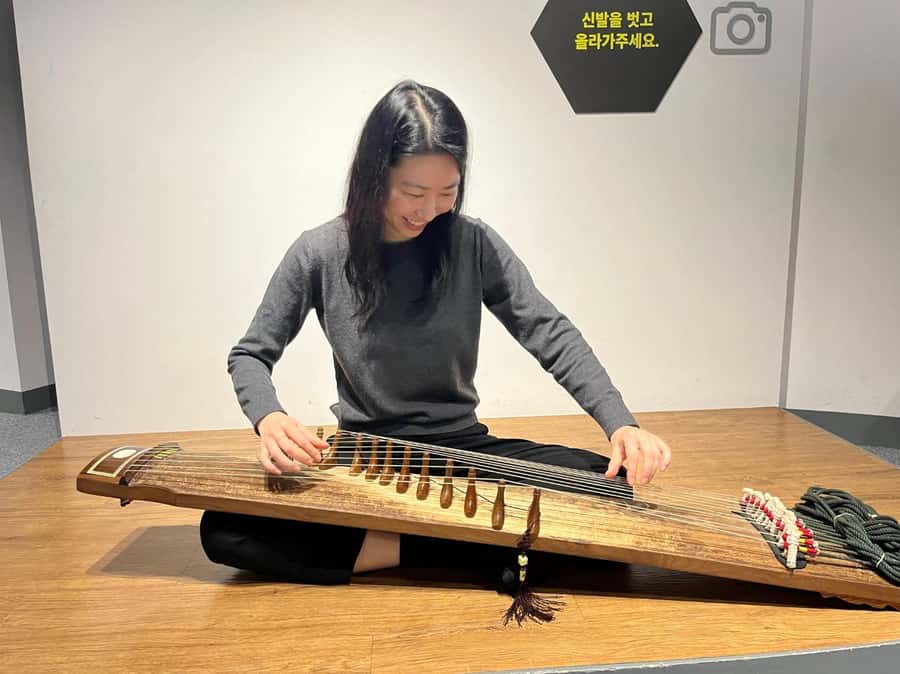
Because transportation to and from the museum isn’t included, you’ll want to plan your travel to the meeting point and on to the museum yourself. That doesn’t make the tour hard, but it does make it less “grab-and-go” than some city-center activities.
The meeting point details are sent before the tour, and the start location is listed as 2364. The important practical note: expect the specific address or pickup instructions to arrive with your booking info, then plan your route based on that.
Tip: build a little buffer. Even in good transit systems, getting to a start time cleanly is what prevents stress from stealing the enjoyment of a performance.
Who This Tour Is Best For (and Who Might Want Another Option)
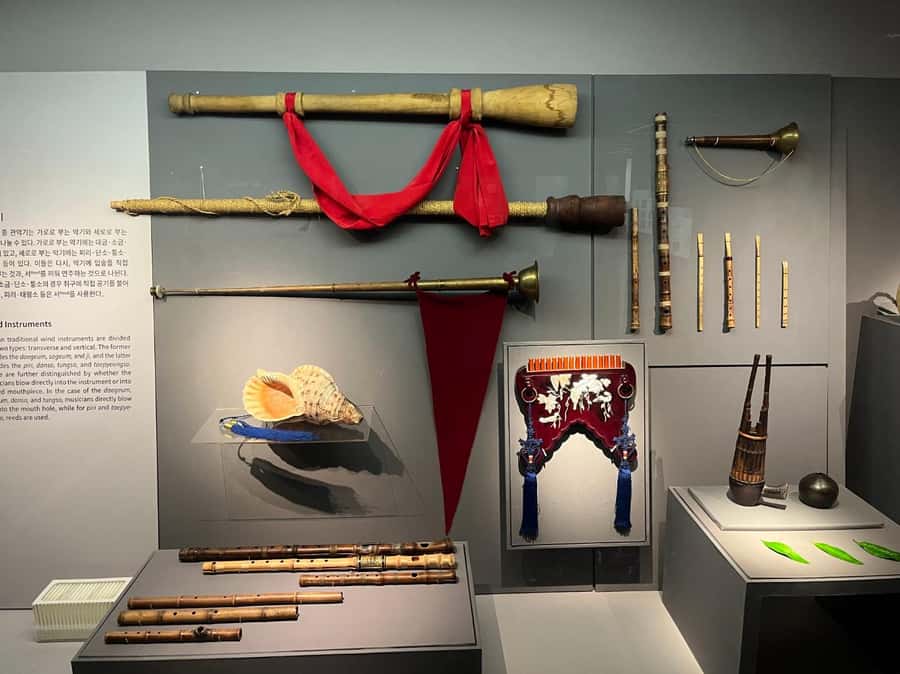
This experience is a great match if:
- you’re curious about Korean traditional music but don’t know where to begin
- you want an English-guided learning component
- you like concerts that come with context so you know what to listen for
- you prefer small groups over large bus-style tours
It may be less ideal if:
- you only want a passive evening concert with no explanations
- you’re strongly dependent on someone else to handle logistics like transportation
But if you fall in the first group, you’ll likely come out with a much clearer sense of what Gugak instruments do and how ensemble music “moves” as a performance.
Quick Practical Tips for Getting the Most From the Concert
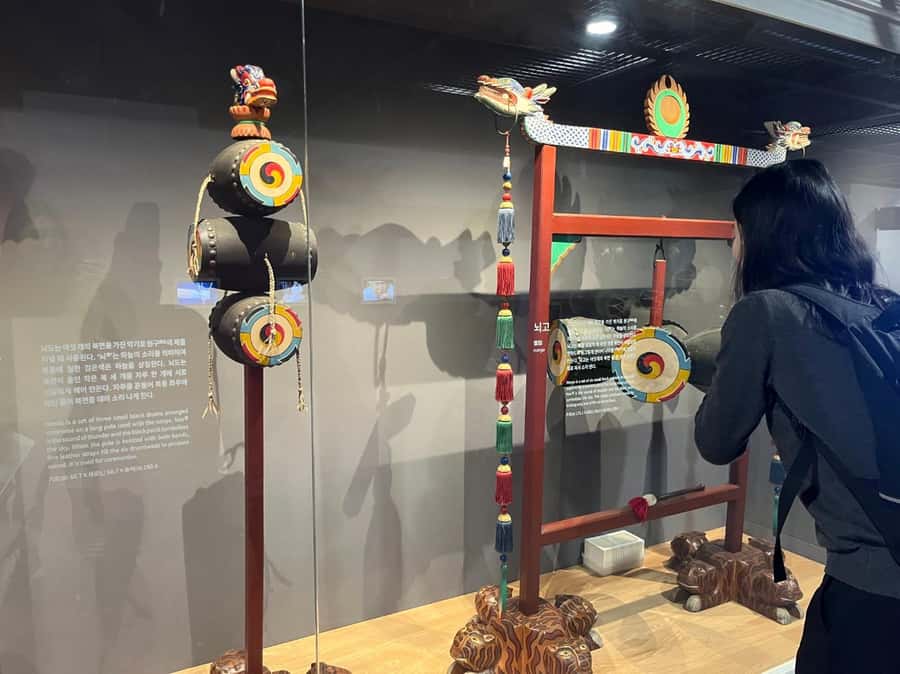
No fancy preparation needed. Just set yourself up to listen well.
- Arrive with the mindset that you’re learning how to hear, not “testing” your music knowledge.
- During the museum portion, grab your mental notes: which instrument sounds like what; what role it plays.
- During the concert, track changes when ensemble pieces start. That’s often where structure becomes obvious.
And remember: Gugak can sound unfamiliar at first. That’s normal. The tour’s big advantage is that it gives you listening tools before the concert begins.
Should You Book This Gugak Museum + Concert Tour?
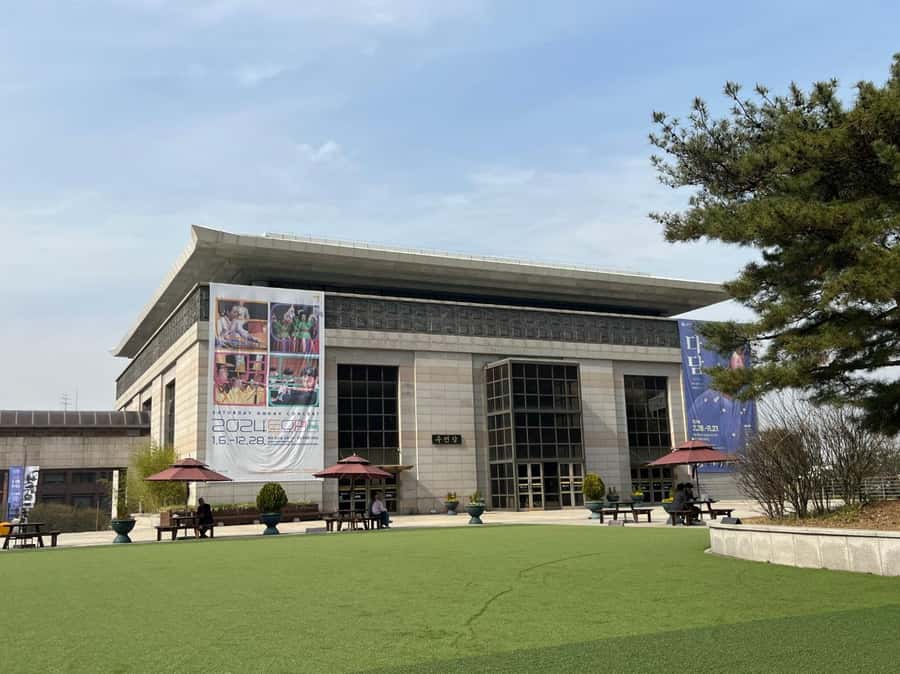
I’d book this if you want a focused, guided introduction to Gugak that doesn’t waste your time. For $49, you get both the explanation (museum guidance on Gugak history and instruments) and the payoff (an 80-minute live program at the National Gugak Center). The small-group size and English guide help make it feel personal instead of generic.
I wouldn’t book it only if getting to the museum is a hassle for your schedule, or if you’d rather spend your time on something with less listening involved. Because this is designed for people who enjoy being present for the music.
If you like learning while you travel—and you want your concert experience to come with a soundtrack you can actually follow—this one is a strong choice.
FAQ
How long is the Gugak museum and concert tour?
The total duration is 140 minutes, made up of a 40-minute guided museum visit and an 80-minute concert.
What’s included in the price?
The price includes the visit to the Korean Traditional Music Museum, a live Gugak concert, and a friendly English-speaking guide.
What language is the tour guide?
The live tour guide speaks English.
Is this a small group?
Yes. The group is limited to 10 participants.
Do I need to bring money for meals?
Meals and drinks are not included.
How do I get to the museum?
Transportation to and from the museum is not included, so you’ll need to plan your own way to the meeting point and the museum.
Where can I get help before the tour?
You’ll receive detailed information before the tour. If you have questions, you can text WhatsApp at 82-10-6263-5744.