REVIEW · GYEONGBOKGUNG PALACE & HANBOK TOURS
Seoul City Half Day Tour-Gyeongbok Palace Guard Changing Ceremony
Book on Viator →Operated by VIP TRAVEL Co.Ltd · Bookable on Viator
Seoul’s guard ceremony is a photo mission. This half-day tour stacks three high-impact sights in one morning, with hotel pickup to reduce hassle and Gyeongbokgung’s Changing of the Guard as the main event. I like how it also threads in a quieter Buddhist moment at Jogyesa, then keeps you moving with a coach route that’s made for first-timers.
Two things I really like: the guide-led pacing (you get explanations during the ride, not just at the stops) and the focus on the palace ceremony at Gwanghwamun Gate. One thing to consider: later in the tour there’s a ginseng/amethyst stop, and some people find it sales-heavy, so decide in advance what you want to do.
You’ll be done in about 3 hours, dropped near central Seoul (City Hall or Itaewon), and left with the afternoon to roam on your own. It’s a good “set your bearings” morning if you’re not trying to build an itinerary from scratch.
In This Review
- Key points to know before you go
- A morning coach route built for your first Seoul day
- Jogyesa Temple: the calm break before palace drama
- Cheongwadae Sarangchae and the Presidential Blue House area
- Gyeongbokgung at Gwanghwamun: the Guard Changing ceremony
- The Tuesday catch: if Gyeongbokgung is closed
- National Folk Museum of Korea: beyond the postcard version
- Ginseng and amethyst stop: how to handle the sales pitch
- Price and logistics: what $38 really buys you
- Group size and the guide effect
- Practical tips for a smoother ceremony morning
- Should you book this Seoul half-day tour?
- FAQ
- How long is the Seoul City Half Day Tour?
- How much does the tour cost?
- Is hotel pickup included?
- Where does the tour start and end?
- What language is the guide?
- Are admission tickets included?
- Does the tour include the Blue House?
- What happens on Tuesdays?
- What is the maximum group size?
- What if the weather is poor or the tour needs to be canceled?
Key points to know before you go
- Hotel pickup and coach transport keep the morning smooth and time-efficient
- Gyeongbokgung ceremony timing gives you a real shot at seeing the Guard Changing at Gwanghwamun Gate
- Jogyesa Temple offers a calm contrast: trees, a classic pagoda, and Buddha sculpture time
- Cheongwadae Sarangchae exhibits connect the dots between presidents, culture, and UNESCO themes
- National Folk Museum stop adds context on Korean daily life and heritage
- Ginseng/amethyst shop time can feel like a sales pitch, so go in with eyes open
A morning coach route built for your first Seoul day
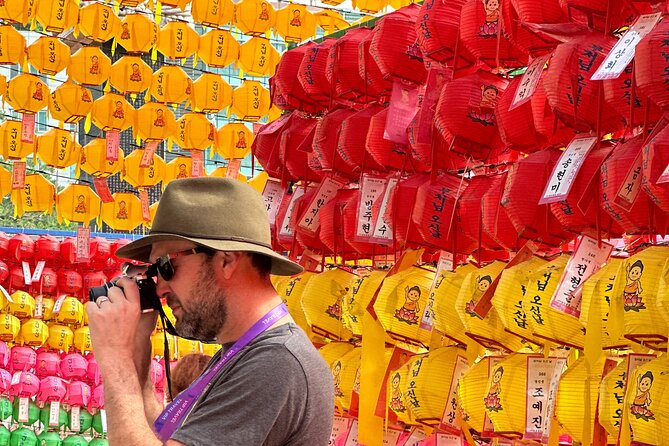
This tour is designed for the part of Seoul travel that usually goes wrong: you’re tired, you’re still sorting out neighborhoods, and the city feels too big. The answer here is simple. You ride in a coach, you hit major sights with guided context, and you don’t waste your limited daylight on transit wrangling.
The best value is how much is packed into roughly three hours without it turning into a blur of running. You’ll have short, structured time at each stop, plus narration from your guide as you move between them. Several guide names pop up in the experience feedback—Kelly, Ray, Crystal, Emily, Sunny, Lynn, and others—which usually signals consistency in how the stories are explained and how the group is managed.
Drawback number one is the sales stop later. If your ideal Seoul morning is temples and palaces only, this part can feel mismatched. More on how to handle that below.
You can also read our reviews of more city tours in Seoul
Jogyesa Temple: the calm break before palace drama
You start at Jogyesa Temple, one of the key Buddhist sites in central Seoul. Even though you’re in a busy city area, the temple entrance shifts the mood quickly—think tree-lined approach and a pocket of quiet that makes the rest of the day feel more meaningful.
Inside the visit, your guide helps you notice the right things. You’ll see the temple’s seven-story pagoda, then walk through to view an important Buddha statue. It’s not just sightseeing for sightseeing’s sake; the guide explanations are what turn these visuals into something you can place in Korean Buddhist tradition.
Time here is about 40 minutes, and admission is listed as free. That matters because it keeps the schedule balanced—you’re not paying extra just to enter the calm part of your morning.
One practical note: this is an outdoors-to-indoors mix, and you’ll likely do some walking on uneven surfaces. If you’re traveling in hot weather, build in water and shade breaks where you can.
Cheongwadae Sarangchae and the Presidential Blue House area
After Jogyesa, the tour shifts gears from spirituality to national storylines. You’ll head to Cheongwadae Sarangchae, an exhibition hall with displays tied to Korea’s presidents, Korean cultural traditions, and UNESCO World Heritage themes in Korea.
This stop is valuable because it gives you a framework for what you’re seeing later. When you pass the Blue House (Cheongwadae) area, you’re not just clocking a landmark—you’re starting to understand why it matters in modern Korea. It’s also a smart break in the flow of walking and photographing, since an exhibition hall naturally slows you down.
Even if you’re only casually curious about politics, the way this stop connects presidents and cultural heritage helps you interpret the palace day that comes next.
Gyeongbokgung at Gwanghwamun: the Guard Changing ceremony
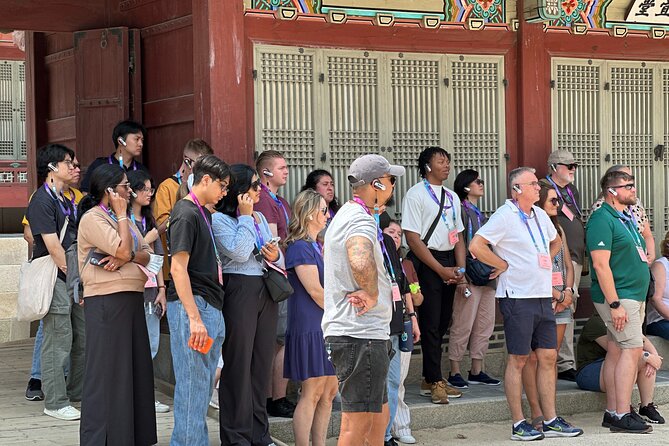
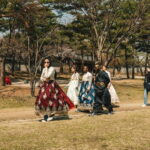
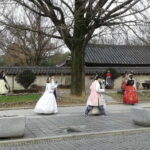
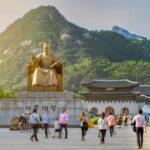
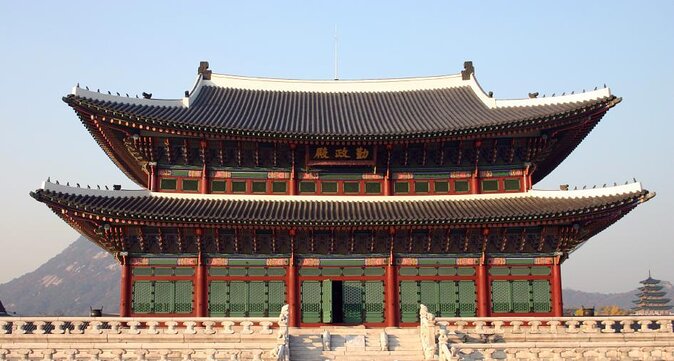
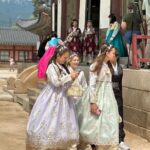
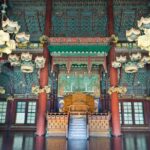
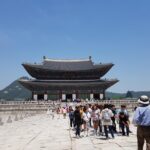
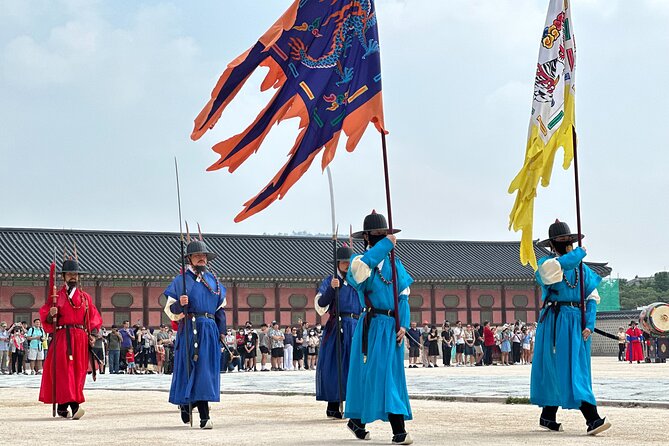
This is the headline. The tour brings you to Gyeongbokgung Palace, built in 1394, and the largest of the Five Grand Palaces. Your guide focuses you on the compound and then stops at Gwanghwamun Gate for the ceremony: the choreographed Changing of the Guard tradition at the palace.
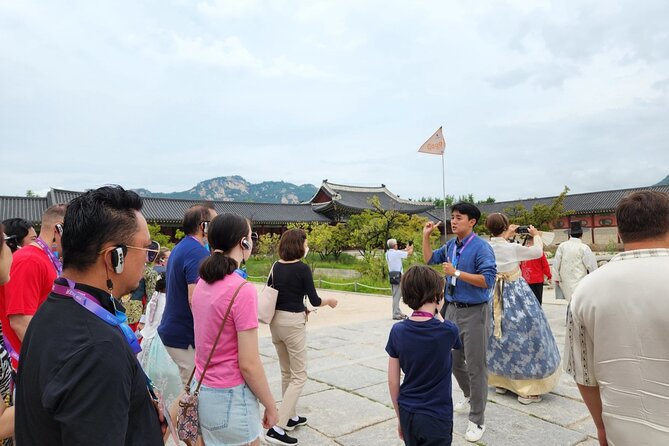
The ceremony experience is usually what people remember most, and the details matter. In the feedback, guides were praised for positioning groups well—people described being put close enough to see the full action and for getting clear guidance on where to stand for the best view and photos. Ray, for example, is repeatedly mentioned for helping find the best spot for pictures. That kind of practical on-the-ground help makes the difference between watching from the back and actually catching the sequence.
Time at this main moment is about one hour, and the palace ceremony admission is listed as included.
Quick reality check: this is a timed, in-person event. If you’re the type who needs the perfect photo angle, dress for it, stand where your guide tells you, and stay flexible if the crowd thickens. The tour pace is built around making that possible, not around giving you endless re-tries.
The Tuesday catch: if Gyeongbokgung is closed
If you’re traveling on a Tuesday, plan for substitutions. Gyeongbokgung Palace and the National Folk Museum are closed on Tuesdays, and the tour updates the plan. The info provided indicates a switch to Deoksugung Palace, and it also references alternatives involving Changdeok Palace and Bukchon Hanok Village instead of Gyeongbokgung/National Folk Museum.
So if the Guard Changing ceremony at Gyeongbokgung is your non-negotiable, you’ll want to avoid Tuesdays when you can.



National Folk Museum of Korea: beyond the postcard version
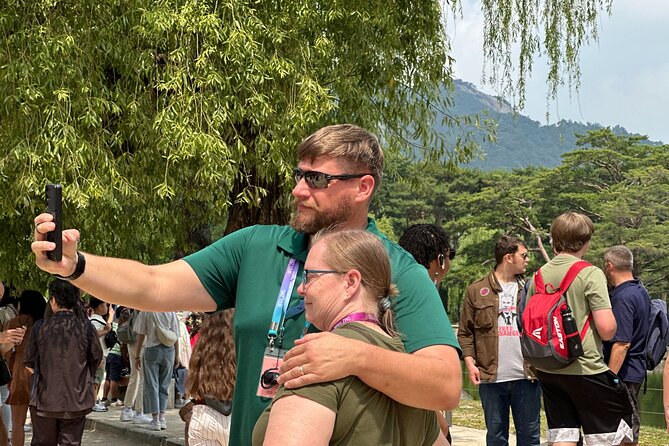
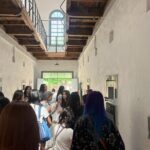
After the palace moment, you get a museum stop: the National Folk Museum of Korea. It’s about 30 minutes, and museum admission is listed as included.
This is a strong pairing with the earlier sights because it shifts you from royal architecture into everyday culture. The museum began as the Korean Imperial Museum in 1908, and later changed name and location multiple times. Once you know that, the museum feels less like a random stop and more like part of Korea’s own story of preservation and identity.
If you want to understand what you’re looking at while you walk around Seoul—why certain customs persist, how traditions evolved—this museum helps you anchor those themes. You won’t walk out with a full course in Korean culture, but you will leave with clearer context for how the city presents itself.
Ginseng and amethyst stop: how to handle the sales pitch
Here’s the part that divides opinions: the tour includes a ginseng center or amethyst factory stop, about 30 minutes, and it’s listed with free admission. On paper, it sounds like a light cultural add-on. In practice, the feedback shows it can feel like a heavy sales push—described by some as a shop visit plus a hard sell, with people left frustrated because they expected more of a museum-style experience.
So what should you do?
- If you love Korean wellness products and don’t mind shopping, treat this like a quick browse stop, not a life decision.
- If you don’t plan to buy, prepare for persistent persuasion. Being polite but firm helps.
- Set your own limit before you arrive. If you don’t want to spend, don’t let a “brief history” presentation pressure you into a purchase.
The silver lining: this stop still gives the tour a break from outdoor walking, and some people did end up buying, so it’s not automatically a waste. It’s just not everyone’s idea of a cultural highlight.
Price and logistics: what $38 really buys you
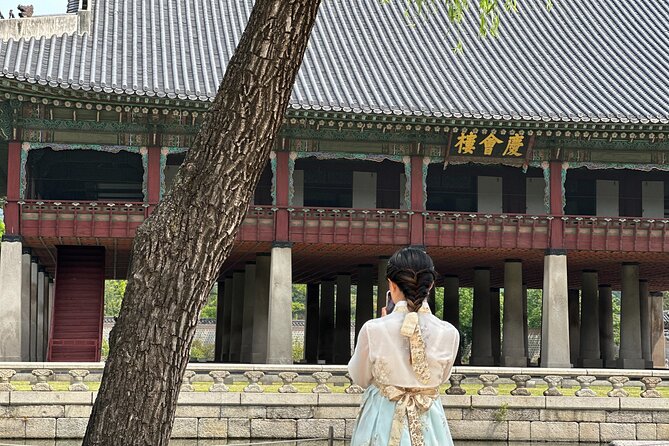
At $38 per person for about three hours, the value depends on what you’d otherwise be doing. Without a guide and pickup, you’d spend time figuring out routes, paying for individual tickets, and stitching together a morning that hits multiple neighborhoods.
This tour includes:
- a professional guide (English or Chinese)
- hotel pickup
- included entry for the palace ceremony portion and the National Folk Museum
- taxes and handling fees
It does not include lunch, and you’re dropped off near City Hall or Itaewon afterward rather than back at your exact hotel.
In other words, you’re paying for organization and a guided morning that targets the biggest “first time in Seoul” hits. If you’re staying near downtown transit areas, you’ll feel the value most.
If you’re staying far away and hate group logistics, check the pickup/dropping zones carefully, because the convenience benefit can shrink.
Group size and the guide effect
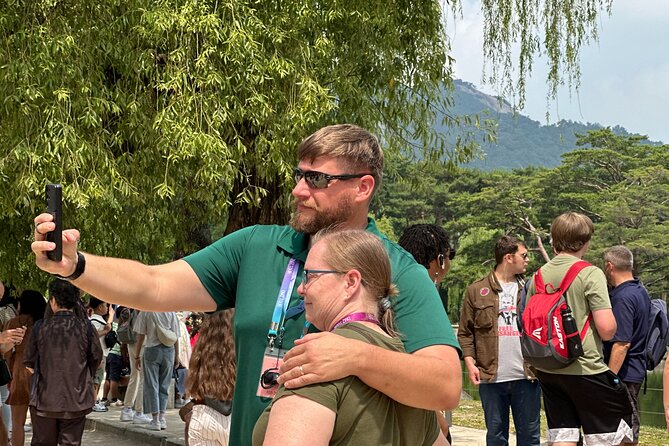
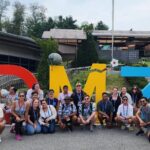
The group size cap is 40 travelers. That’s not tiny, but it’s also not the mega-coach chaos that can make photos and listening harder.
What really shows up in the feedback is guide quality. Names like Kelly, Emily, Hana, Yuna, Gabby, Nancy, Sunny, Lynn, and Crystal come up with praise tied to clarity, friendliness, and practical help. One person even noted that the driver guided them to regroup after they got lost on the way to City Hall Station—so the tour team clearly watches for issues and tries to fix them fast.
If you’re the kind of traveler who cares about context, this is where the tour can outperform doing stops on your own. You’re not just ticking boxes; you’re getting meaning for what you’re seeing.
Practical tips for a smoother ceremony morning
A few smart moves will help you enjoy this more, especially around Gyeongbokgung.
Wear layers and plan for weather. The palace and temple areas involve outdoor time. A hat is mentioned as helpful for sun, and cold weather can make waiting uncomfortable at the ceremony.
Bring phone storage. The ceremony and palace scenery are very photo-friendly, and guides may position your group where you can capture the full sequence.
Pay attention to where your guide places you. Reviews mention front-row or very close positioning for the ceremony. That means your best photos likely depend on listening and standing where instructed.
Go in knowing the tour rhythm. Short stops mean you’ll move on before you feel fully done at any one place. That’s the deal with a half-day city orientation tour—great for a first visit, not ideal if you want slow, deep exploration.
Should you book this Seoul half-day tour?
I’d book it if:
- You want a fast, organized morning covering Jogyesa Temple, Gyeongbokgung, and the Guard Changing ceremony without planning logistics.
- You like having a guide explain what you’re looking at, especially at the palace event and museum.
- You’re okay with a short shopping stop and you can handle sales pressure calmly.
I’d skip it or choose a different option if:
- The Guard Changing ceremony at Gyeongbokgung is your only priority and you’re traveling on a Tuesday.
- You really hate shopping stops or want a strictly cultural itinerary with no sales component.
- Your ideal pace is slow and you don’t want a coach-group schedule.
If you want Seoul in one morning and you’ll treat the ginseng stop like a quick, optional add-on, this is a solid way to get your bearings fast.
FAQ
How long is the Seoul City Half Day Tour?
The duration is about 3 hours.
How much does the tour cost?
It costs $38.00 per person.
Is hotel pickup included?
Yes. Hotel pickup is included.
Where does the tour start and end?
It starts at City Hall Station and ends with drop-off at Seoul City Hall (listed) and also notes drop-off at City Hall or Itaewon.
What language is the guide?
The tour includes a professional guide in English or Chinese.
Are admission tickets included?
Jogyesa Temple admission is listed as free. Gyeongbokgung Palace for the Changing of the Guard ceremony and the National Folk Museum of Korea admission are listed as included.
Does the tour include the Blue House?
You pass by the Presidential Blue House area, and you also visit the Cheongwadae Sarangchae exhibition hall.
What happens on Tuesdays?
When Gyeongbokgung Palace is closed on Tuesdays, the tour visits Deoksugung Palace instead. The plan also references substitutions involving Changdeok Palace and Bukchon Hanok Village instead of Gyeongbokgung and the National Folk Museum.
What is the maximum group size?
The maximum number of travelers is 40.
What if the weather is poor or the tour needs to be canceled?
The experience requires good weather. If it’s canceled due to poor weather, you’ll be offered a different date or a full refund.