REVIEW · GYEONGBOKGUNG PALACE & HANBOK TOURS
Seoul Half-Day City Highlight, Palace Tour with Hanbok
Book on GetYourGuide →Operated by TRIPPER · Bookable on GetYourGuide
Korea in costume beats postcards. This half-day highlights tour strings together Hanbok dressing, Changing of the Guard spectacle at Gyeongbokgung, and then the old-stone-and-wood streets of Bukchon Hanok Village. Two things I especially like: the way you get plenty of photo chances while you’re in costume, and the fact that you pair the outdoor palace sights with museum time at the National Palace Museum. One thing to consider is that it’s a walking tour, and time gets eaten up by getting into and out of hanbok.
Guides like Lia, Pearl, Gina, and Landy are repeatedly praised for staying on pace without making you feel rushed, while also taking photos and sharing Joseon-era context. The only real downside I’d plan around is that 4 hours goes fast, so if you love lingering in one place, you’ll need to do a little Seoul homework after the tour.
In This Review
- Key highlights worth circling
- Why this 4-hour Seoul highlight tour works
- K star Hanbok: start here so the photos look right
- Gyeongbokgung Palace: the Changing of the Guard moment
- National Palace Museum of Korea: artifacts that make the palace make sense
- Korean snack break: small reset, smart pacing
- Bukchon Hanok Village: the walk turns into a neighborhood story
- Baek In-je’s House: early 20th-century elite life
- Price and value: what $49 includes, and what it doesn’t
- Walking-tour reality check: comfort, timing, and weather
- Photo strategy: how to get great shots without ruining the day
- Who should book this tour
- Quick logistics you’ll want to know
- Should you book this Seoul Half-Day City Highlight with Hanbok?
- FAQ
- How long is the Seoul half-day tour?
- Is this a walking tour?
- What’s included in the price?
- Is hotel pickup and drop-off included?
- Will the tour run in rain or snow?
- Do I need makeup service?
- Where does the tour drop you off?
Key highlights worth circling
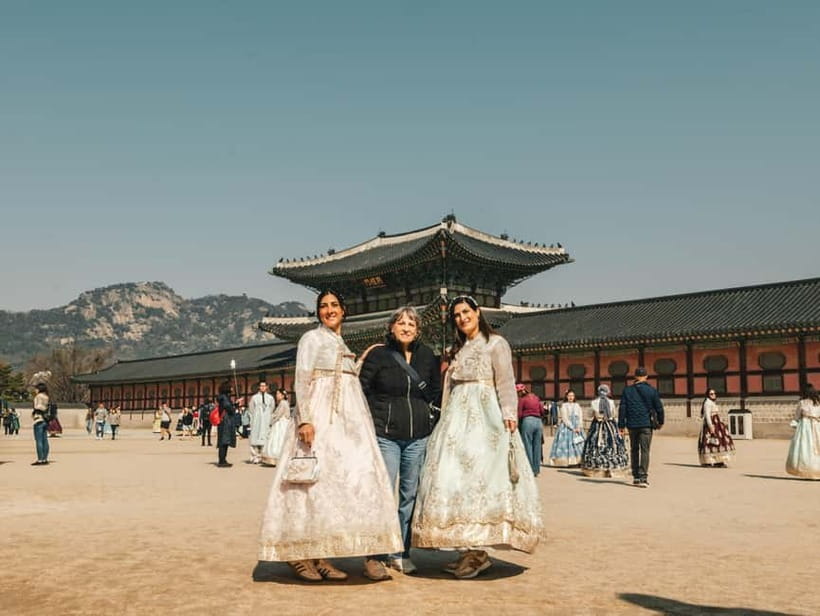
- Hanbok dressing before the palace so your photos match the setting, not your outfit lagging behind.
- Changing of the Guard at Gyeongbokgung with costume-and-motion choreography built for pictures.
- National Palace Museum focus on Joseon royal artifacts, not just building selfies.
- Bukchon Hanok Village lanes where the walk feels like a living neighborhood, not a theme park.
- Baek In-je’s House for a look at upper-class life in the early 20th century.
Why this 4-hour Seoul highlight tour works
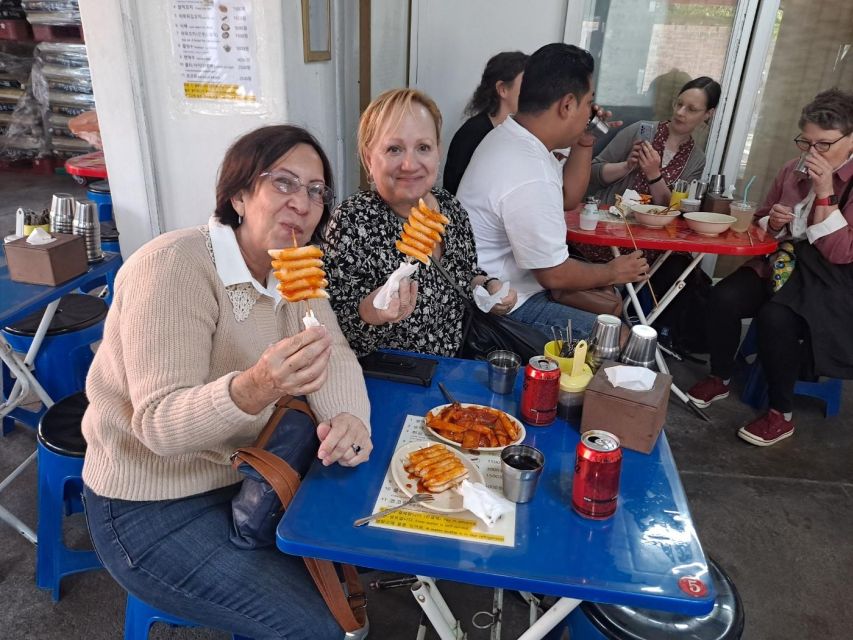
Seoul is huge, and palace days can sprawl. This one keeps things tight and purposeful, so you hit the big visual payoff of Gyeongbokgung plus two neighborhoods that feel totally different on foot.
You get a live English-speaking guide and a structured flow that helps first-timers get their bearings fast. It also includes entrance fees, a premium hanbok rental (depending on option), seasonal Korean snack, and bottled water, which means fewer surprise costs mid-day.
The vibe is part history lesson, part photo session, and part “walk with a local who knows the shortcuts.” That mix matters because Gyeongbokgung and Bukchon can turn into a crowd funnel if you’re wandering without a plan.
You can also read our reviews of more city tours in Seoul
K star Hanbok: start here so the photos look right
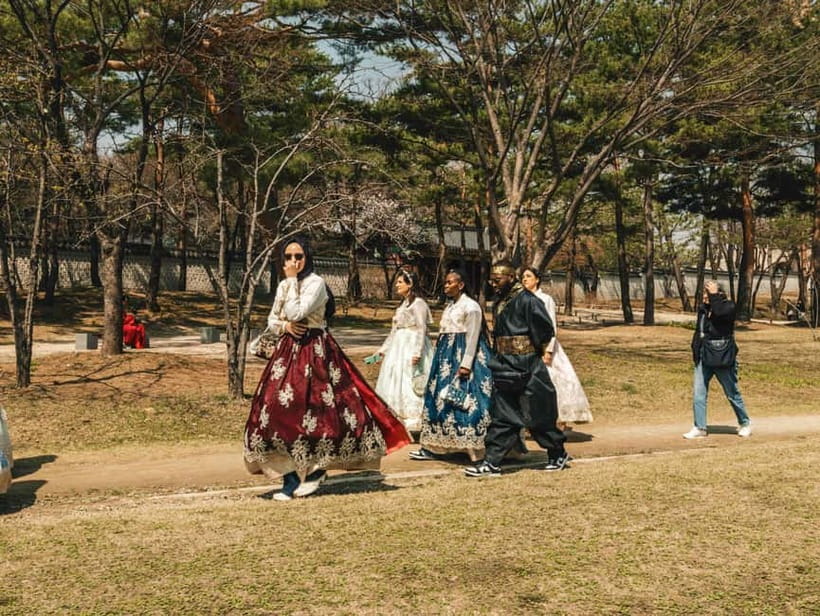
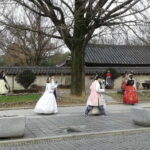
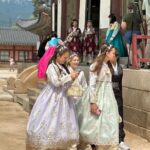
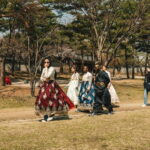
The tour begins at a hanbok rental shop (around 30 minutes). This first stop is more than a costume change. It sets you up for proper palace photos when you’re already dressed for the setting, rather than slipping into hanbok after you’ve missed the best light or key moments.
Plan for small delays. You need time to put on and return the hanbok, and if you’re cold, hot, or indecisive about how you want it fitted, that timing matters. The guides in this experience tend to manage it well, and many guests describe the rental as smooth and fun.
Practical tip: wear comfortable clothes underneath and bring something simple you can manage quickly. Hanbok is not heavy hiking gear, but you will spend time on uneven palace grounds and village streets right after.
Gyeongbokgung Palace: the Changing of the Guard moment
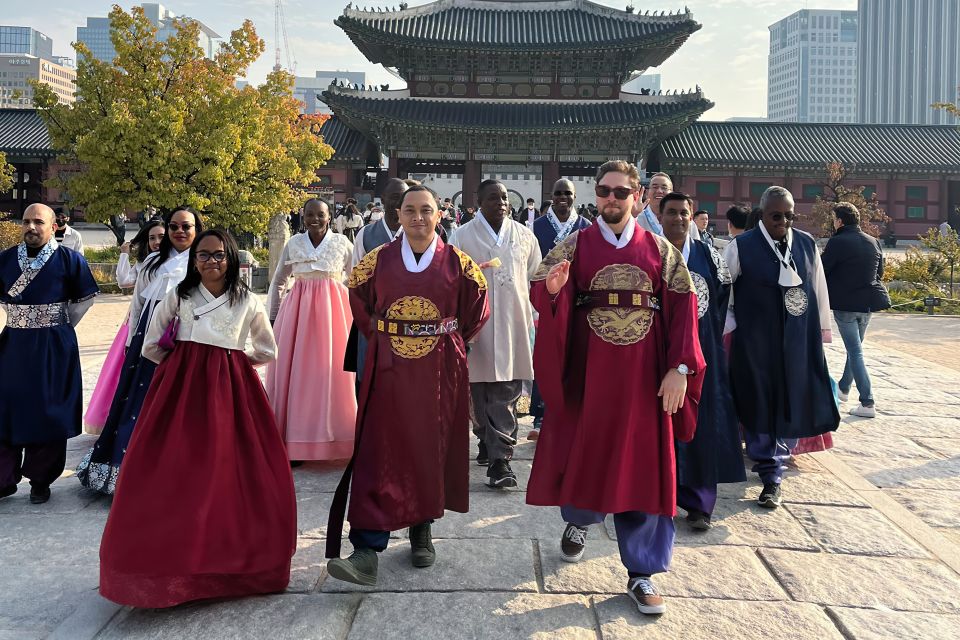
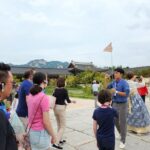
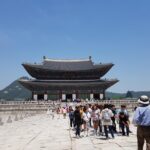
Gyeongbokgung is the headline because it’s tied to the Joseon dynasty and the palace buildings are made for drama. You’ll get a photo stop, then time for a guided visit and sightseeing (about 1.5 hours total at the palace area).
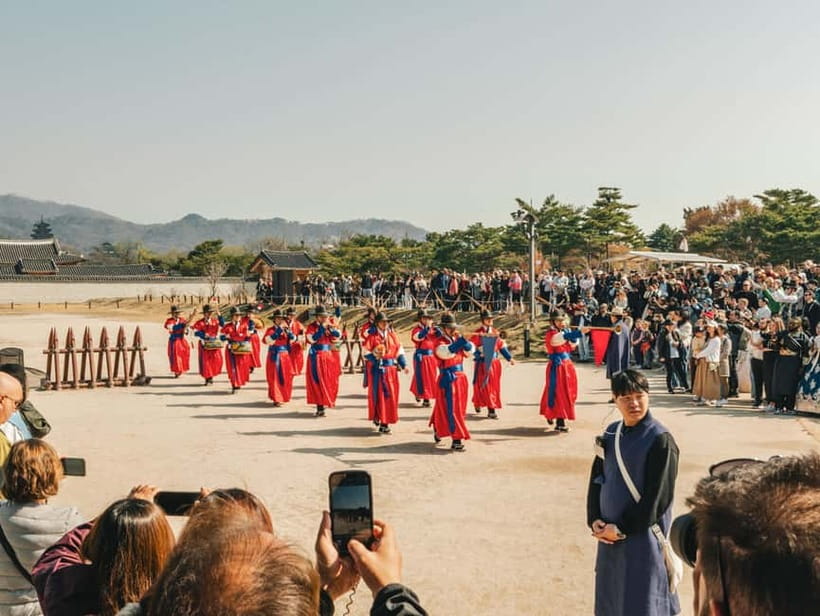
The star event is the Changing of the Guard ceremony. It’s visually busy in the best way: uniforms, precision movement, and a backdrop that instantly turns your photos into something more than a generic tourist snapshot. If you care about pictures, this is the moment to slow down and follow your guide’s suggested angles.
This is also where the guide’s storytelling pays off. The best guides on this route explain what you’re looking at in plain language, not as a list of dates. Guests mention guides taking tons of photos and giving instructions on where to stand so you’re not stuck fighting other camera people.
One consideration: ceremonies can be time-sensitive. In a tightly scheduled tour, you’ll want to be ready at the right place when your guide tells you to gather.
National Palace Museum of Korea: artifacts that make the palace make sense
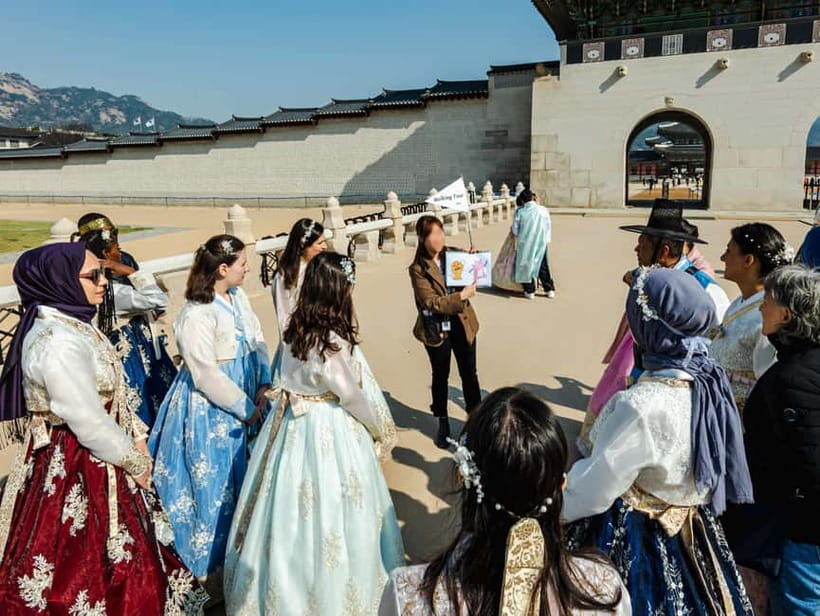
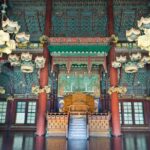
After the palace, you move to the National Palace Museum of Korea for history and artifacts (the experience notes royal artifacts from the Joseon era). Museums here aren’t filler if you let the guide connect the objects to what you saw outside.
Think of this as the “why” behind the “wow.” Palace buildings give you the setting; artifacts explain the craft, the hierarchy, and the everyday reality behind royalty and power.
Your visit time is shorter than a full museum day, so you’ll want to focus. If you get excited by objects with names and functions, you’ll love having a guide pointing out what matters.
Also, museum timing is where many tours fail. This one keeps you moving between stops without making the museum feel like a rushed hallway sprint.
Korean snack break: small reset, smart pacing
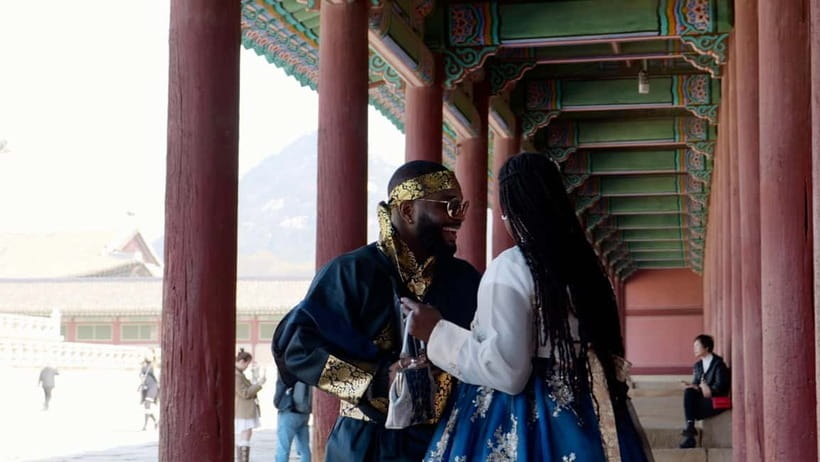
You’ll get a seasonal Korean-style snack break (about 30 minutes). The snack is described as cool in summer or warm in winter, which is a nice detail because it matches the day you’re actually living in.
This break matters more than it sounds. When you’re in hanbok, walking can feel warmer than expected, and your feet will start negotiating with you. A short snack pause helps you reset so you still enjoy Bukchon instead of surviving it.
If you’re the type who plans meals carefully, note that this tour includes water and a snack, not a full lunch. You’ll likely want to plan a proper meal after the tour ends.
You can also read our reviews of more tours and experiences in Seoul

Bukchon Hanok Village: the walk turns into a neighborhood story
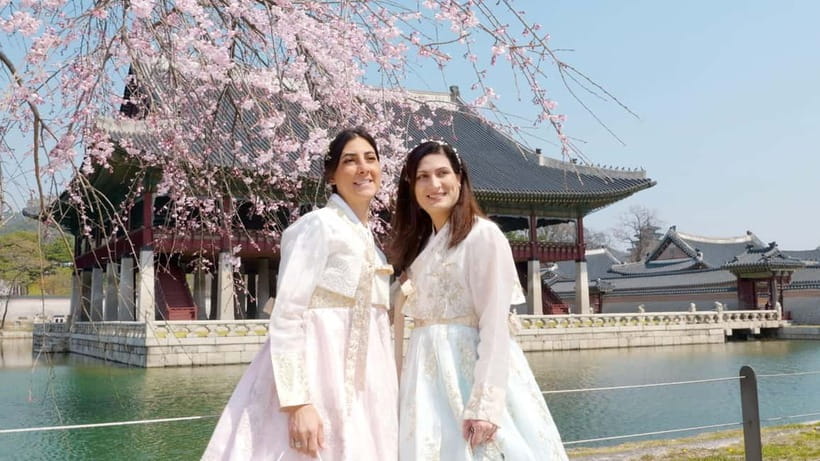
Next comes Bukchon Hanok Village, with a photo stop, guided tour, sightseeing, and a walk through the narrow lanes (about 1 hour). This is one of those places where the point isn’t a single view—it’s the constant rhythm of old houses, stone steps, and turns that keep changing the scene.
The best part is how it feels lived-in rather than staged. You’re walking through traditional Korean houses lined along streets, and the guide helps you see patterns you’d miss if you were just snapping photos.
Timing note: hour-long walks sound simple until you factor in photo stops and crowd flow. One theme from guest feedback is that guides manage the pace well so you get picture time without losing the thread of what you’re seeing.
Comfort tip: bring shoes you can trust. Palace grounds and village stone can be unforgiving, and hanbok makes you notice every step.
Baek In-je’s House: early 20th-century elite life
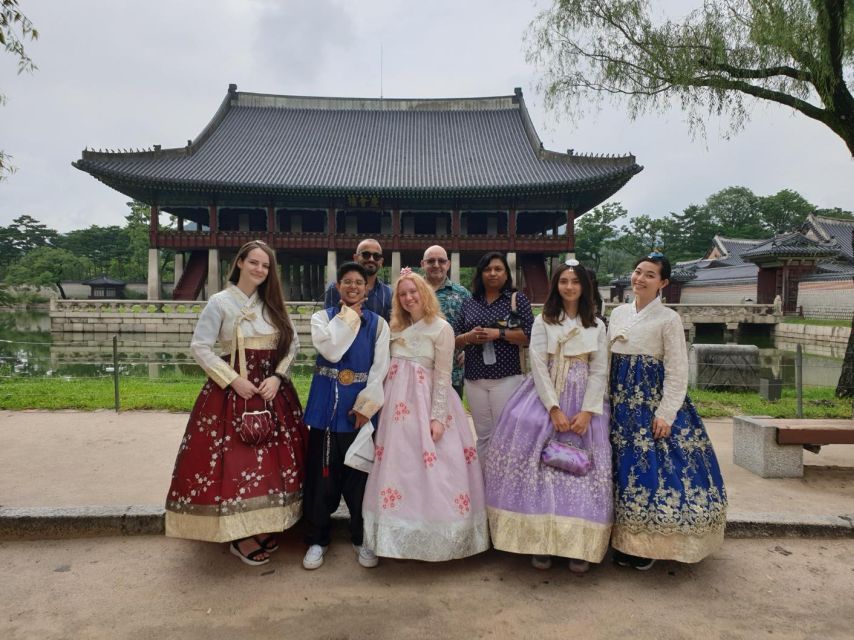
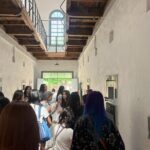
The tour culminates at Baek In-je’s House for a guided visit (about 30 minutes). This stop shifts the story. Instead of focusing only on the Joseon dynasty era you saw at the palace, you step into the world of early 20th-century elite life, with a historic home preserved in its opulence.
This house gives you a different kind of context: social status, taste, and how the upper class lived as Korea moved through change. It’s a good final note because it reframes what “history” means. It’s not only court ceremonies and official buildings. It’s also domestic life, objects, and the feel of a home.
If you like architecture and interiors, this is where your camera may slow down. You’ll get a guided explanation that helps you notice details instead of only admiring the overall look.
Price and value: what $49 includes, and what it doesn’t
At $49 per person for a 4-hour guided experience, the value comes from what’s bundled. You get a historical guide, entrance fees, premium hanbok rental (depending on option), a seasonal Korean snack, and bottled water.
That’s a lot to cover in a short window. Without a guide, you’d likely spend time figuring out entry logistics and you’d miss some of the interpretive value—especially around ceremony timing and museum context.
What’s not included matters too. Hotel pickup and drop-off isn’t part of the base package, makeup service isn’t included, and shopping is not the focus. If you’re relying on hotel pickup, check whether your specific option includes it. The guidance here notes pickup is optional, and meeting may happen at a hotel first floor before the start.
Bottom line: this price tends to make sense if you want a guided, door-to-door style half-day that cuts through decision fatigue and gives you costume-and-ceremony photos without stress.
Walking-tour reality check: comfort, timing, and weather
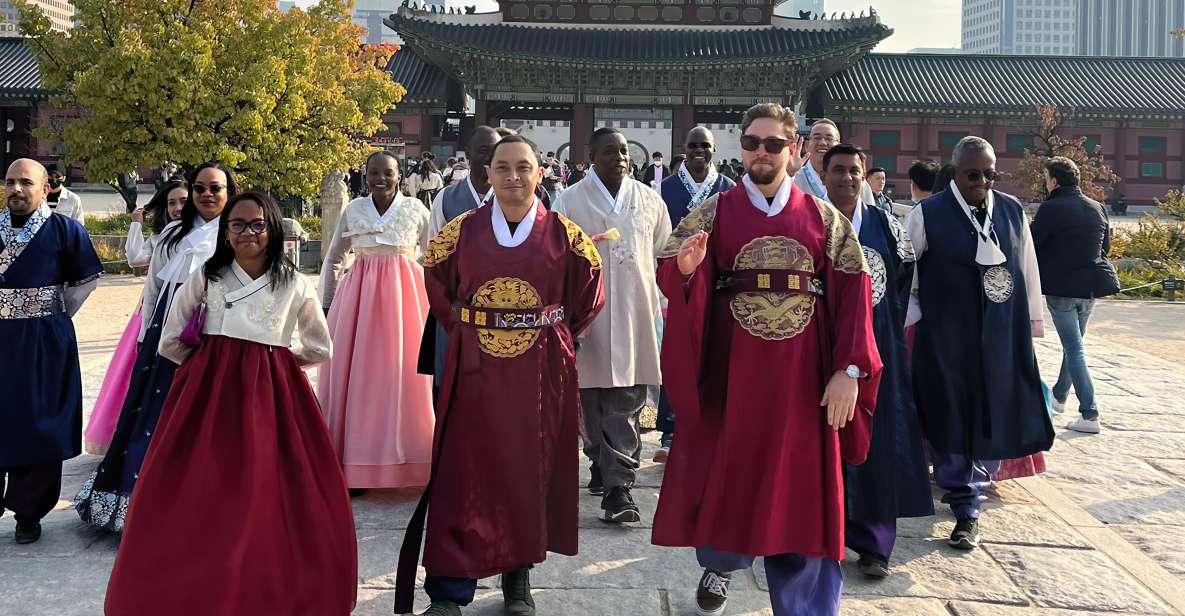
This is a walking tour, and the tour info is clear that it operates as scheduled even in rain or snow. That’s good news for planning, but it also means you should bring weather-ready choices.
Hanbok can be fun in cold weather and surprisingly warm in mild weather, especially when you’re standing for a ceremony. A few practical moves help: dress in layers under your hanbok, carry water, and use breaks when your guide offers them.
Also plan for the “hanbok tax” on your schedule. It takes time to put on and return it, so it’s not a quick costume swap. Your guide’s pacing matters here, and many guests praise guides for keeping the day manageable.
Photo strategy: how to get great shots without ruining the day
This tour is built for photos, and guides often take an active role in helping you get the right angles. Multiple guests describe guides photographing them around the palace grounds and hanok streets, which can be a relief if you’re traveling in a couple or family group.
Still, you need to cooperate a bit. Be where your guide tells you to be. Keep your phone accessible and charged. And don’t treat every stop like a social media shoot; if you linger too long, you’ll feel the schedule squeeze later.
My advice: use the palace and village stops for your main photo sets, then let the museum and Baek In-je’s House be for slower, steadier shots.
Who should book this tour
This is a strong fit if:
- You’re in Seoul for a short time and want royal palace highlights plus a traditional neighborhood walk.
- You want a hanbok experience that actually lands you at the big visuals first.
- You prefer a guided pace over planning your own route across Gyeongbokgung, Bukchon, and museum time.
It’s also good for families, because several guest notes mention guides being thoughtful and attentive, keeping groups together and making space for photos.
You might reconsider if:
- You hate walking or you’re sensitive to standing around for ceremony timing.
- You want a long, quiet museum day with no schedule pressure. This is more “high-impact half-day” than “slow-study afternoon.”
Quick logistics you’ll want to know
Meeting point can vary by option, so confirm exactly where to gather. If you choose optional pickup, the guidance says you’ll meet on the first floor of your hotel about 10 minutes before the tour starts, even if your lobby is on another floor.
Drop-off is in the Insa-dong area (the provided info lists Insa-dong twice, but the practical takeaway is that you’ll end around there). That’s a helpful detail because Insa-dong is a convenient zone to continue exploring after the tour.
Language is English, and a private group is available if you want a smaller, more tailored pace.
Should you book this Seoul Half-Day City Highlight with Hanbok?
Yes—if your goal is a well-paced taste of Seoul’s palace life and traditional streets, wrapped into one guided morning/afternoon. The biggest reason to book is the combo: hanbok dressing plus Changing of the Guard at Gyeongbokgung, then Bukchon Hanok Village, then artifact context at the National Palace Museum, and finally Baek In-je’s House.
I’d say book it especially if you like history but don’t want to spend your day guessing where to go and when to be in the right spot. The included entrances, guide time, and hanbok rental make the $49 feel more like a packaged experience than a basic sightseeing walk.
Just plan for one thing: wear comfortable shoes, bring layers, and accept that 4 hours means you’ll see a lot, not everything. If you handle that tradeoff, this is one of the more efficient ways to get a memorable first hit of Seoul.
FAQ
How long is the Seoul half-day tour?
It lasts about 4 hours.
Is this a walking tour?
Yes. The experience notes that it is a walking tour.
What’s included in the price?
You get a historical guide, entrance fees, premium hanbok rental (depending on the selected option), a Korean-style snack based on the season, and bottled water.
Is hotel pickup and drop-off included?
Hotel pickup and drop-off is not included, but pickup may be optional depending on the option you select. If pickup is offered, you meet on the first floor of your hotel about 10 minutes before the tour starts.
Will the tour run in rain or snow?
Yes. It operates as scheduled even in rain or snow.
Do I need makeup service?
No. Makeup service is not included.
Where does the tour drop you off?
You’ll be dropped off at three locations listed around Insa-dong.