REVIEW · DMZ TOURS
[Small Group] Aegibong and DMZ Closest Views of North Korea
Book on Viator →Operated by Sunny Seoul Korea Tour · Bookable on Viator
The DMZ is history you can see. This small-group day tour strings together the places that explain Korea’s division, then tops it with closest-possible views of North Korea. You’ll start at Imjingak, move through the restricted DMZ zone with an ID check, and end at Aegibong for clear looks across the border.
I especially love two parts: the 3rd Infiltration Tunnel experience (it’s sobering in a very physical way), and the practical way the day is paced so you’re not stuck watching the world through the window of a crowded bus. One consideration: this is a long day (about 8–9 hours) with a moderate amount of standing and walking, and it depends on good weather for the clearest viewing.
In This Review
- Key highlights you’ll feel right away
- DMZ day in a small group: how the 8–9 hours adds up
- Imjingak Pyeonghwa Nuri Park: start with the emotion, not the map
- ID check and the Unification Bridge: this is where the day becomes real
- The Third Tunnel experience: close quarters with Cold War tactics
- Dora Observatory: rare sightlines beyond what most people expect
- DMZ Theater & Exhibition Hall: turning scenes into context
- Aegibong Peace Eco Park: closest views of North Korea, with a calmer pace
- Timing and comfort: what matters for a long border day
- Price and value: why $120 can be fair for this access
- Who this tour is best for (and who might want a different day)
- Booking call: should you choose this DMZ and Aegibong day?
- FAQ
- How long is the tour?
- Where does the tour start and end?
- What time will I reach Myeong-dong?
- What are the main stops?
- Do I need a passport?
- Is pickup included?
- Is lunch included?
- Is coffee or tea included?
- How big is the group?
- What happens if the weather is bad?
- Is there a free cancellation window?
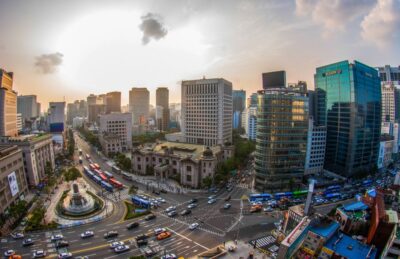
Key highlights you’ll feel right away
![[Small Group] Aegibong and DMZ Closest Views of North Korea - Key highlights you’ll feel right away](https://1.visitseoulkorea.com/wp-content/uploads/small-group-aegibong-and-dmz-closest-views-of-north-korea-1.jpg)
- Small-group feel with an English guide (max 40 people), plus careful timing around bus tours
- Tunnel + observatory combo: the human story and the “what you can actually see” story
- Dora Observatory views that reach beyond Panmunjeom to surrounding DMZ areas
- Aegibong Peace Eco Park for some of the closest, unobstructed looks toward North Korea
- A stop at Starbucks Aegibong Peace Ecopark (use it as a break; drinks aren’t included)
DMZ day in a small group: how the 8–9 hours adds up
![[Small Group] Aegibong and DMZ Closest Views of North Korea - DMZ day in a small group: how the 8–9 hours adds up](https://1.visitseoulkorea.com/wp-content/uploads/small-group-aegibong-and-dmz-closest-views-of-north-korea-2.jpg)
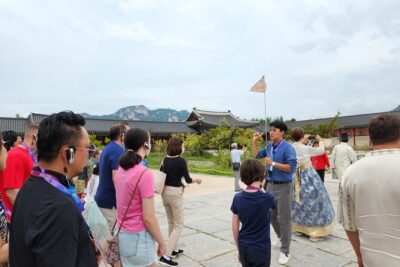
This tour is built like a full day, not a quick sampler. Plan on roughly 8 to 9 hours total, with pickup offered and an air-conditioned vehicle for the driving time between sites. You’ll also get admission tickets included for the stops listed, so you’re not scrambling for add-ons mid-day.
The schedule matters here. DMZ access is controlled and observation points are time-sensitive. The most-liked part of the experience is that the day keeps moving with a calm, efficient rhythm, which makes the heavy content easier to absorb. You’ll end around 15:00 at Aegibong Peace Eco Park, then be dropped back in Myeong-dong with an estimated arrival around 16:00.
You can also read our reviews of more tours and experiences in Seoul.

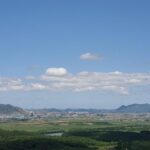
Imjingak Pyeonghwa Nuri Park: start with the emotion, not the map
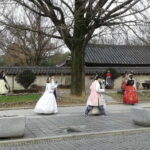
Most DMZ tours jump straight to the hardware: tunnels, fences, and distant shapes. Here, you start at Imjingak, a unification and security complex filled with monuments and memorial sites that help you understand what people mean when they talk about division and hope for reunification.
At Imjingak Pyeonghwa Nuri Park, you’ll explore the Imjingak Pavilion and the surrounding North Korea-related exhibits in a way that gives your later border views context. It’s not just “look at war stuff.” It’s a reminder that this is a living, human geography—families separated, communities reshaped, and negotiations that never fully closed the door.
I like that this opening doesn’t try to be dramatic. It sets the tone with readable signals: memorials, relics, and a unification theme you carry into the DMZ itself.
ID check and the Unification Bridge: this is where the day becomes real
![[Small Group] Aegibong and DMZ Closest Views of North Korea - ID check and the Unification Bridge: this is where the day becomes real](https://1.visitseoulkorea.com/wp-content/uploads/small-group-aegibong-and-dmz-closest-views-of-north-korea.jpg)
Before you go deeper, you go through an ID check. Bring your passport. This isn’t a “show your phone and go” situation—DMZ access has rules, and the process is part of the experience.
After the ID check, you cross the Unification Bridge into a restricted area. That transition is more than logistics. It’s your mental cue that you’re leaving normal travel space and stepping into a zone where international agreements shape what you can do and what you can see.
If you don’t enjoy paperwork days, don’t make it harder than it needs to be. Keep your passport easy to reach, and treat the security steps as the start of the story, not an inconvenience.
The Third Tunnel experience: close quarters with Cold War tactics
![[Small Group] Aegibong and DMZ Closest Views of North Korea - The Third Tunnel experience: close quarters with Cold War tactics](https://1.visitseoulkorea.com/wp-content/uploads/small-group-aegibong-and-dmz-closest-views-of-north-korea-4.jpg)
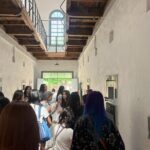
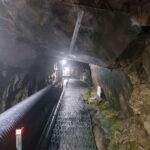
Next comes the 3rd Infiltration Tunnel, discovered in 1978. It’s one of the invasion tunnels built for sending forces from North Korea toward South Korea, and it sits at the closest distance to Seoul among the tunnels found so far—about 52 km.
What makes this stop hit hard is the scale. Even if you can only spend a limited amount of time in the tunnel area, it’s a physical reminder of planning, intention, and the belief that war could be engineered quietly. It’s history you feel in your shoulders and steps, not history that stays safely behind a display case.
You’ll also appreciate why this is a top-rated stop. People consistently rate the tunnel as a standout because it turns abstract conflict into something concrete.
Dora Observatory: rare sightlines beyond what most people expect
![[Small Group] Aegibong and DMZ Closest Views of North Korea - Dora Observatory: rare sightlines beyond what most people expect](https://1.visitseoulkorea.com/wp-content/uploads/small-group-aegibong-and-dmz-closest-views-of-north-korea-5.jpg)
From the Dora Observatory, you get some of the closest official viewing possibilities near the DMZ zone. It’s described as the closest DMZ observatory to Panmunjeom, and that matters because on clear days your eyes can track what the peninsula looks like from the edge of the demilitarized area.
The view is not only Panmunjeom. You can also see Daeseong-dong within the DMZ, along with surrounding mountains and farmlands. That wider view helps you understand the border isn’t just a single point. It’s a working environment mapped into valleys, fields, and ridgelines.
One practical tip: if visibility is limited by weather, your photos and your mental picture may not match what you hoped for. This tour requires good weather for the best viewing, so be ready to accept what the day gives you.
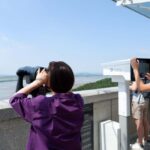




DMZ Theater & Exhibition Hall: turning scenes into context
![[Small Group] Aegibong and DMZ Closest Views of North Korea - DMZ Theater & Exhibition Hall: turning scenes into context](https://1.visitseoulkorea.com/wp-content/uploads/small-group-aegibong-and-dmz-closest-views-of-north-korea-6.jpg)
Between the outdoor viewing points, you’ll also spend time at the DMZ Theater & Exhibition Hall. This is where the day shifts from “what you see” to “why it happened,” with information about the Korean War, the armistice agreements, and peace-building efforts.
I like this stop because it gives you language for what you just saw. When you’ve walked around memorials and stared across the border, it’s easier to remember details if you’ve just heard the straight-line explanations—who signed what, what the armistice did and didn’t do, and what peace-building efforts aim for.
If you’re the type who wants emotional impact and also wants clean facts, this is the middle anchor.
Aegibong Peace Eco Park: closest views of North Korea, with a calmer pace
![[Small Group] Aegibong and DMZ Closest Views of North Korea - Aegibong Peace Eco Park: closest views of North Korea, with a calmer pace](https://1.visitseoulkorea.com/wp-content/uploads/small-group-aegibong-and-dmz-closest-views-of-north-korea-7.jpg)
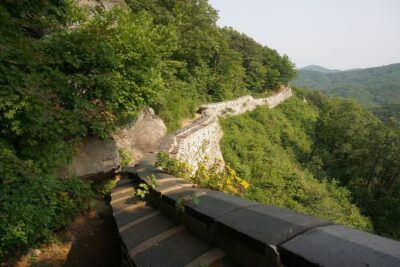
Then comes the part many people book this tour for: Aegibong Peace Eco Park, noted as the closest point for views toward North Korea. This stop feels different from the tunnel and observatory segments. It’s scenic and spacious, with walking trails and viewpoints that put your attention on distance and detail rather than on restricted areas.
From here, you’ll be able to marvel at clear looks toward North Korean villages and farmlands and what life might look like from this edge. It doesn’t turn the political situation into something casual. It simply lets you see the geography that shapes daily life.
Aegibong also includes a small bonus: you’ll stop at Starbucks Aegibong Peace Ecopark. Think of this as an easy break during a long day rather than a mission. If you want coffee, plan to pay for it yourself—coffee and tea aren’t included.
You’ll also visit the Jogang Observatory, described as a place that offers a unique close-up view, allowing observation of villages and farmlands. That combo—park time plus observatory time—keeps the end of the day from feeling rushed.
Timing and comfort: what matters for a long border day
![[Small Group] Aegibong and DMZ Closest Views of North Korea - Timing and comfort: what matters for a long border day](https://1.visitseoulkorea.com/wp-content/uploads/small-group-aegibong-and-dmz-closest-views-of-north-korea-8.jpg)
This tour runs about 8–9 hours, and it’s not just sitting. You’ll move between sites, and the DMZ-related stops include areas that require moderate physical fitness. Wear comfortable shoes you trust. Bring a light layer if the day is chilly—observatories and open areas can feel colder than you expect once you’re standing still.
Also keep in mind this is weather-dependent. When visibility is poor or conditions aren’t good, the tour may be canceled and you’ll be offered a different date or a full refund. So if your travel schedule is tight, make sure you’ve got flexibility.
Finally, food is on you. Lunch is not included, and coffee or tea purchases are also not included. Build in a plan: either eat before you start (if timing works for you) or bring something light if the pace allows it.
Price and value: why $120 can be fair for this access
At $120 per person, the value comes from what you don’t have to organize yourself. You’re paying for:
- air-conditioned transportation
- an English guide
- admission fees for the listed sights
- private transportation as part of the day plan
- a guided flow through a restricted-access region
DMZ access is the big-ticket piece, and it isn’t something you casually build on your own without time and complexity. When admission and a guide are included, $120 feels more reasonable—especially for a small-group setup.
If you’re comparing prices, watch for the common trap: “cheap DMZ tours” that leave out entrances, add fees at each step, or make you hunt for tickets during the day. Here, the structure is simpler.
Who this tour is best for (and who might want a different day)
This fits best if you want a guided, structured day that balances emotion and context. You’ll likely love it if you:
- want the tunnel experience plus border-area views in one day
- like learning through explanations as you move from site to site
- want small-group pacing with an English guide
It may feel like a lot if you prefer slow travel, lots of free time, or minimal walking. It’s also not ideal if you’re very sensitive to long standing in viewing areas. The tour is built around controlled stops, and your day will be “on the go.”
Booking call: should you choose this DMZ and Aegibong day?
If you’re aiming for the clearest, most focused DMZ experience possible in a single day, I’d book it. The strongest reasons are the pairing: tunnel + observatory views, grounded by exhibits that explain the Korean War and armistice logic. Add small-group pacing and the consistent praise for guides like Jung, Sophia, Eunice, and Mimi, and you have a tour that feels cared for rather than assembly-line.
Do it if you can handle a long day and you’re traveling with flexibility for weather. If your schedule is tight or you hate walking, you might choose a shorter, less view-heavy option instead.
FAQ
How long is the tour?
The tour runs about 8 to 9 hours.
Where does the tour start and end?
It starts at Imjingak Pyeonghwa Nuri Park in Paju-si and ends with drop-off in Myeong-dong, Seoul.
What time will I reach Myeong-dong?
The estimated arrival time at Myeong-dong is around 16:00.
What are the main stops?
You’ll visit Imjingak Pyeonghwa Nuri Park, go through an ID check, visit the 3rd Infiltration Tunnel, see views from Dora Observatory, and spend time at Aegibong Peace Eco Park (including the Jogang Observatory). A stop at Starbucks Aegibong Peace Ecopark is also included.
Do I need a passport?
Yes. You’ll need to bring your passport for the ID check.
Is pickup included?
Pickup is offered, and the tour includes transportation in an air-conditioned vehicle.
Is lunch included?
No. Lunch is not included.
Is coffee or tea included?
No. Coffee and tea are not included.
How big is the group?
The maximum group size is 40 travelers.
What happens if the weather is bad?
The tour requires good weather. If it’s canceled due to poor weather, you’ll be offered a different date or a full refund.
Is there a free cancellation window?
Yes. You can cancel up to 24 hours in advance for a full refund.