A trip to the DMZ is never just sightseeing. What makes this one work is the retired military leadership and the tight focus: tunnels, observatories, and key border landmarks, without padding. I especially like how the guide stories stay grounded in real operations and how the route is built around one practical goal, getting a clear North Korea view. One consideration: the day runs longer than you might expect, since it includes a lot of bus time and you’ll need to follow strict checkpoint rules.
If you want a “classroom on wheels” vibe, this tour is set up for that. Guides such as SJ, Captain Eddie, Julie, Dylan, and Jay are repeatedly praised for making the history understandable, answering questions, and using personal experience to explain what you’re seeing. My only heads-up is simple: it requires good weather and your itinerary can shift due to visibility and operating conditions.
In This Review
- Key highlights to know before you go
- A DMZ day led by retired officers, not just tour talking points
- What I like about the guide approach
- A practical drawback
- Entering the DMZ area: Bridge of Freedom, Mangbaedan, and checkpoint reality
- Considerations at checkpoint time
- The 3rd Invasion Tunnel: close quarters and a better sense of scale
- What you’ll learn by walking it
- A realistic drawback
- Dora Observatory vs Odusan Deck: how the tour chases the clearest North Korea view
- Dora Observatory: two landmarks in one sightline
- Odusan Unification Observation Deck: closest point from Seoul
- The key lesson from the weather factor
- Mangbaedan, the Gyeongui Line locomotive, and Bridge of Freedom again
- Timing, transfers, and the real meaning of half-day
- Price and what you get for $45
- If your group is 10+ people
- What can change during the day
- Who should book this DMZ tour, and who should think twice
- The practical checklist: what to pack and how to prepare
- Should you book this PLK Travel half-day DMZ tour?
- FAQ
- FAQ
- How long is the DMZ tour from Seoul?
- What does the $45 price include?
- Which observatory will I visit, Odusan or Dora?
- Do I need a passport?
- Is lunch included?
- What if the weather is bad?
- Is the tour suitable for everyone physically?
Key highlights to know before you go
- Retired military officers as guides, with hands-on context and real-world border stories
- Tunnel time on the 3rd Invasion Tunnel course, with close-up scale
- Odusan or Dora Observatory chosen by the day’s visibility, using weather/CCTV logic
- DMZ checkpoint ID checks plus historic border-side landmarks like Bridge of Freedom and Mangbaedan
- Admissions and roundtrip transfer included in the $45 price
- Groups of 10+ get free hotel pick-up, which can be a big convenience factor
A DMZ day led by retired officers, not just tour talking points
This isn’t a sit-back-and-watch kind of border trip. It’s run by PLK Travel with guides described as retired military officers, including specialists like an infiltrations-tunnel expert and officers with combat and command backgrounds. That matters because the DMZ isn’t abstract. You’re staring at engineering, geography, and strategy that were built for one purpose: conflict readiness.
In practice, the tour energy tends to be “Q and A friendly.” Many reviews describe guides like SJ and Captain Eddie as funny but serious, and very comfortable explaining terminology, distances, and what people mean when they talk about threat posture. Guides such as Dylan are also noted for strong English and even Japanese ability, which helps if your group has mixed-language needs. You’ll feel the difference between a guide who memorized a script and one who can answer what your brain keeps asking.
You can also read our reviews of more tours and experiences in Seoul

What I like about the guide approach
- You get clear context for each site, not just a plaque reading.
- You can ask questions at the stops and during the bus ride, and the answers usually connect back to what you’re seeing.
A practical drawback
Because the content is structured and the schedule is fairly tight, you should come with the mindset that this is a guided program first, sightseeing second. If you’re hoping for lots of free time or wandering, you’ll likely feel a bit rushed.
Entering the DMZ area: Bridge of Freedom, Mangbaedan, and checkpoint reality
The day starts with orientation and visuals before you even go fully into the controlled area. You’ll see the Bridge of Freedom and Mangbaedan Altar as part of the pre-DMZ look-through, then you’ll go through ID check before moving deeper into the tour zone. That checkpoint step is one reason this feels more real than other border tours: you’re operating under the same rules that keep everything controlled.
Bridge of Freedom is short on time here, but it’s heavy in meaning. It’s the kind of place where the camera won’t tell the whole story until the guide explains why it matters. Reviews also connect this stop to the idea of a suspension bridge view, and it fits the feel of the site—open, exposed, and visibly part of a boundary narrative.
Mangbaedan is the human side of the DMZ. It’s an altar where separated families pay tribute to ancestors facing north across the DMZ. You don’t need extra context to understand why it hits people. The tour gives it enough time to register what it is, but it’s still part of a larger flow, not a long pause.
Considerations at checkpoint time
- Bring a current valid passport. No passport, no entry.
- The tour is set up for people with moderate physical fitness, and you’ll want to move steadily through the guided flow.




The 3rd Invasion Tunnel: close quarters and a better sense of scale
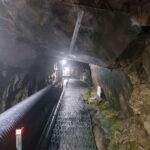
The standout “wow” stop is the Third Tunnel experience. You walk through a tunnel course associated with North Korea’s third invasion tunnel. What’s striking is how specific the scale is: it’s described as about 1.95 meters high and 2.1 meters wide, with a length figure around 1,635 meters (as listed for the experience).
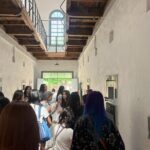
Even if you’re not claustrophobic, the tunnel forces your body to understand the reality. Your movements slow down. Your sense of direction gets weird. Sound changes. It’s one of those experiences where the guide’s explanation becomes physical instead of theoretical.
What you’ll learn by walking it
A good tunnel explanation isn’t only about history. It’s about how planning and engineering show up in the ground under your feet. Guides credited as tunnel specialists (like Eddie in the tour concept) tend to connect the tunnel’s dimensions and purpose to the broader border mindset: hiding routes, timing, and how far planners expected an invasion to go.
A realistic drawback
This is a walking course inside a tunnel. If you have mobility limits, knee or back issues, or you simply don’t like tight spaces, you’ll need to think carefully before choosing this tour. The good news is the listed duration is manageable at about 40 minutes, including ticket time.
Dora Observatory vs Odusan Deck: how the tour chases the clearest North Korea view
Here’s a smart, practical design choice: the tour doesn’t lock you into one observatory every day. Instead, it chooses between Dora Observatory and Odusan Unification Observation Deck based on the day’s weather, visibility, and live CCTV checks. The idea is simple: you’re not paying just to stand somewhere. You’re paying to see, when seeing is actually possible.
Dora Observatory: two landmarks in one sightline
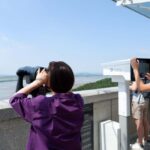
At Dora Observatory, you get a northern view that may include the Gaeseong Industrial Complex and Songhaksan Mountain in a single sightline. This stop is listed at 40 minutes with admission included, which gives you time to adjust to the view and ask questions without feeling like you’re being rushed out.
Odusan Unification Observation Deck: closest point from Seoul
At Odusan, you’re visiting a deck described as about 2 km from North Korea and positioned as one of the closest points from Seoul where you can see North Korea territory clearly. That “closest” phrasing is the lure, but the real value is how the tour tries to match that closeness with actual visibility on your specific date.
The key lesson from the weather factor
One review notes that heavy smog reduced visibility, and the guide compensated by using extra time to explain what you could not clearly see. That’s the best way to handle the DMZ: if optics fail, you still need interpretation.
Mangbaedan, the Gyeongui Line locomotive, and Bridge of Freedom again
After the more dramatic stops, the tour shifts toward memorials and historical anchors. You’ll visit Mangbaedan again as a dedicated stop (listed around 10 minutes), plus a quick look at the Steam Locomotive at Jangdan Station of the Gyeongui Line (about 5 minutes). The locomotive was destroyed during the Korean War by U.S. forces in 1950 to block the Chinese advance while transporting UN supplies northward, and it’s now treated as a lasting symbol of division.
This part of the route matters because it connects the border to the movement of people, supplies, and war logistics. When you’re only focused on tunnels and distant views, it’s easy to imagine the DMZ as a static line. The locomotive reminds you that this was a system. Rail lines, bridges, routes, and choke points shaped outcomes.
You’ll also see Bridge of Freedom again as its own listed stop (about 5 minutes). Even with short time, it helps the tour land the theme: the border is both physical and symbolic, and the same landmark can feel different once you’ve already walked a tunnel and stood at an observatory.
Timing, transfers, and the real meaning of half-day
This is marketed as a half-day DMZ tour, but you should plan it like a full outing. The tour duration is listed at 6 to 7 hours, and that includes traffic hours on the bus. The day is built around checkpoints, travel, and the observatory-choice logic, so don’t schedule something tight right after.
Price and what you get for $45
At $45 per person, the value comes from three things that are explicitly included:
- Licensed professional tour guide
- Roundtrip transfer from Seoul
- Admission fees for DMZ sites and the selected observatory
Lunch is not included, so bring money or plan to eat after the tour. The tour also uses mobile ticketing and is described as a private activity for your group, though it still has a minimum number of guests to proceed.
If your group is 10+ people
For groups of 10 or more, free hotel pick-up is included. That’s not just a perk. It can turn a stressful meeting point into a smooth start, especially if you’re staying outside central Seoul or have multiple hotels.
What can change during the day
The schedule can shift due to military training schedule changes, traffic, or weather. That’s not unusual for DMZ logistics, but it’s worth internalizing so you don’t get frustrated if timing moves. The tour also requires good weather for the experience to work well, with the possibility of switching dates or receiving a refund if conditions prevent the tour.
Who should book this DMZ tour, and who should think twice
This tour is a great fit for you if:
- You want the DMZ to be explained by retired officers with practical context, not only by general history guides
- You like structured travel where you cover major border highlights without shopping stops
- You’re curious about how geography, tunnels, and observation points connect to strategy and the story of Korean division
You might think twice if:
- You don’t handle tight spaces well, since the Third Tunnel is a walking course in confined dimensions
- You need a lot of free time for wandering or spontaneous detours
- You’re visiting during a period where weather visibility might be poor, since the view depends on conditions
If you’re a solo traveler, the schedule and guide structure can feel reassuring. If you’re traveling with friends, it’s also easy to bond over shared questions—especially since many guides are praised for answering questions and keeping things interactive.
The practical checklist: what to pack and how to prepare
I can’t see your closet, but I can tell you what matters for this specific day:
- Passport: required for ID checks
- Moderate fitness: you’ll be moving through a guided route and tunnel walking
- Comfortable shoes: you’ll appreciate solid footing, especially underground
- Weather gear: since observatory visibility can hinge on conditions, come prepared for wind, cold, or heat
Also, keep expectations realistic. You’re viewing the most tightly regulated border area on Earth. Even when the day is clear, you won’t get “TV show” details. You’ll get something more useful: a better understanding of distance, infrastructure, and why these locations are so tightly controlled.
Should you book this PLK Travel half-day DMZ tour?
If you care more about context than comfort-food sightseeing, I’d say yes. The combination of retired military leadership, ticketed access to major DMZ stops, and the observatory decision based on real visibility is a strong value package for $45. Plus, reviews consistently highlight guides like SJ and Captain Eddie for making the information stick through stories, humor, and direct answers.
Book this tour if your schedule can handle a long day and you’re ready for structured time at checkpoints and key sites. Skip it if you’re mainly chasing casual photos or if tunnel conditions would be a dealbreaker for you.
FAQ
FAQ
How long is the DMZ tour from Seoul?
The total duration is about 6 to 7 hours, including travel time by bus.
What does the $45 price include?
It includes a licensed professional guide, roundtrip transfer from Seoul, admission fees for DMZ sites, and entry to one observatory (either Odusan or Dora Observatory).
Which observatory will I visit, Odusan or Dora?
The tour chooses Odusan or Dora Observatory based on weather, visibility, and live CCTV, so you won’t pick it in advance on the day.
Do I need a passport?
Yes. A current valid passport is required on the day of travel for the ID check.
Is lunch included?
No. Lunch is not included.
What if the weather is bad?
The experience requires good weather. If it’s canceled due to poor weather, you’ll be offered a different date or a full refund.
Is the tour suitable for everyone physically?
It’s listed as requiring moderate physical fitness. The tunnel portion involves walking through a confined course, so that’s something to consider.