REVIEW · DMZ TOURS
Full Day Private Tour DMZ (The 3rd Tunnel) & Suspension Bridge
Book on Viator →Operated by Lucky Korea Travel · Bookable on Viator
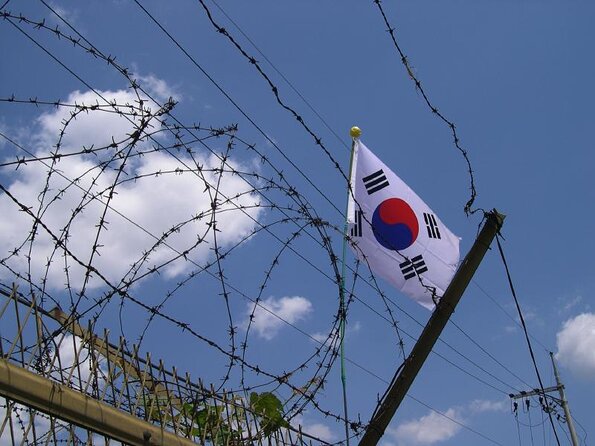
A DMZ tour feels oddly personal. This private day links big-picture Korean history with concrete places you can actually stand in, starting at Imjingak and moving into the Third Tunnel, Dora Observatory, and Tongilchon-gil. Then it adds a breather on the Gamaksan Chulleong Suspension Bridge, so the day doesn’t end at politics and concrete.
Two things I like a lot: the English-speaking guide experience is practical and tailored to your group, and the private setup keeps you from herding with strangers while you move between sites. One possible drawback to plan for: the day is packed, so if you want a slower, more emotional walk through the human cost of the Korean War and the Korean division, you may feel some parts are a bit efficient.
If you’re going to do this, go in with the right expectations. The DMZ portion can shift due to weather or military operations, and the suspension bridge comes with some uphill walking. Bring a moderate fitness level mindset, and you’ll get a lot out of the combination of history stops and viewpoint time.
In This Review
- Key highlights at a glance
- Private pickup and a real schedule you can trust
- Imjingak Pyeonghoa-Nuri Park: your intro to the split
- The Third Tunnel: video first, then reality underground
- Dora Observatory: three floors of what you can see
- Tongilchon-gil unification village: souvenirs with context
- Gamaksan Chulleong Suspension Bridge: war-era ground meets big views
- Price and value: what $160 really covers
- The guide experience: timing, English, and flexibility
- Who should book this DMZ plus bridge day
- Should you book this tour?
- FAQ
- FAQ
- How long is the tour?
- Is hotel pickup and drop-off included?
- What stops are included in the full-day itinerary?
- Is lunch included?
- Are entrance fees included in the price?
- Does the tour require good weather?
- Can the schedule change?
- What fitness level is recommended?
- Is there a cancellation refund window?
Key highlights at a glance
- Private door-to-door pickup in a climate-controlled vehicle, sized for just your group
- Third Tunnel visit with an intro video and time in the exhibition space before you go in
- Dora Observatory with three floors of displays tied to inter-Korean moments, including 2018
- Tongilchon-gil unification village in a civilian off-limits area, with time to browse DMZ-style souvenirs
- Gamak Mountain Chulleong Suspension Bridge plus a short hike to a strong viewpoint
- A guide-led pace that helps you avoid feeling lost, even on a high-information day
Private pickup and a real schedule you can trust
This tour is built around convenience. You get hotel pickup and drop-off, plus a free air-conditioned vehicle just for your group, which matters on a 7 to 8 hour day. You’re not waiting around for a bus, and you’re not stuck trying to interpret the day with a group that’s moving at a different speed than yours.
The guide component is the glue. In the experiences I’m basing this on, the guides communicate clearly ahead of time and handle pickup timing with real-world traffic. For example, Taylor coordinated pickup details via WhatsApp the night before and adjusted a few minutes later depending on where the hotel was and how traffic looked.
You still need to be ready for a long day. The DMZ portion alone is structured and time-boxed, and the bridge stop adds walking. If you’re the kind of traveler who likes to linger, ask your guide early where you can gain an extra few minutes without throwing off the whole route.
And yes, the tour can pivot. The DMZ schedule may change if weather worsens or if there are military operations, so treat the plan as flexible rather than rigid.
You can also read our reviews of more private tours in Seoul

Imjingak Pyeonghoa-Nuri Park: your intro to the split
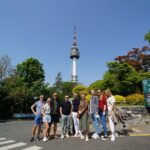
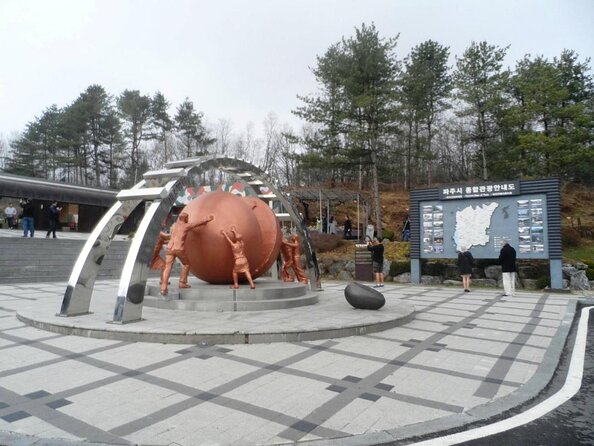
Imjingak Pyeonghoa-Nuri Park is your first “orientation stop,” and it’s not just a quick photo break. It’s a representative unification tourism site, and you’ll spend time there before entering the more controlled DMZ areas.
From Seoul, it’s about 70 minutes each way to reach the park area. When you arrive, you buy a DMZ ticket and register your information to continue to the DMZ portion. That little admin step is part of how the day works, and it also helps you understand why movement in this zone isn’t like normal tourism.
This is the moment to start framing the day. Your guide should help you connect what you’re seeing at Imjingak to the bigger theme: how the division of Korea shaped daily life, border policy, and what visitors are allowed to witness. If you’re curious about history but also want it explained in a way you can remember later, this is the right place to ask your first questions.
Time here is roughly part of a longer morning block, so don’t plan anything rushed before pickup. The day already assumes you’ll arrive ready to learn and walk a bit.
The Third Tunnel: video first, then reality underground
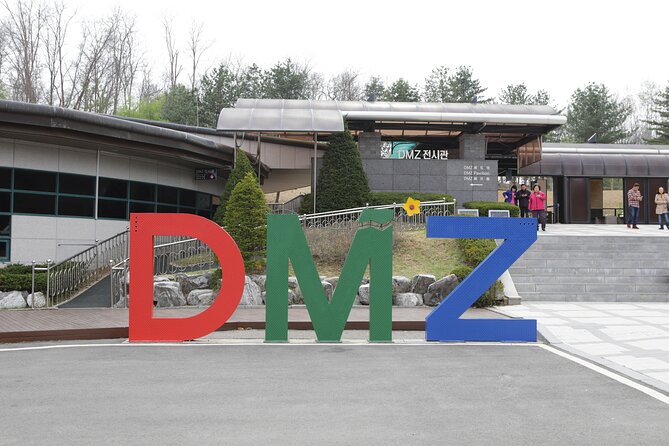
The Third Tunnel is the heart of the itinerary, and the structure tells you something about how visitors are meant to absorb the site. You start with about 8 minutes of DMZ-related video clips in a theater. Then you get time for the exhibition hall—useful if you want context before stepping into the tunnel itself.
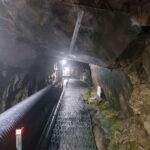
After that, you go to the Third Tunnel, built by North Korea. You’ll spend about 1 hour and 20 minutes at this stop. The tunnel time is where the day stops being abstract. You’ll feel the scale, the engineering choices, and the intent behind the construction.
Practical tip: wear shoes you trust. Even if you don’t have details on floor conditions or steps, tunnels and controlled sites are rarely “gentle.” Also, if you’re sensitive to enclosed spaces, mention it to your guide. A good guide can help you pace yourself during the indoor segments and keep the day comfortable.
I also appreciate that this tour doesn’t dump you straight into the tunnel without context. The theater intro and exhibition time are there for a reason: they give you a framework so you don’t just feel you’re walking through a set piece.
Dora Observatory: three floors of what you can see
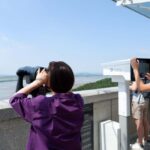
Next comes Dora Observatory, with about an hour on-site. The building is organized across three floors, and each level changes what you’re looking at and how you read the experience.
Your first floor includes photos and displays tied to the 2018 inter-Korean summit meeting between former presidents Moon Jae-in and Kim Jong-un at JSA. That’s a powerful anchor point because it connects the DMZ’s hard line history to the moments when dialogue became visible, even briefly.
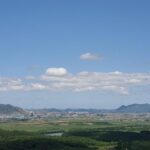
The value here isn’t only the view direction. It’s the way the displays help you understand what visitors are allowed to see and how the site frames that visibility. You’re standing in a place designed to be watched, and the building encourages you to connect the act of looking with the political reality behind it.
This is also where guide personality really matters. In the accounts I’ve used, guides like Eugene and Shane are praised for strong English and for going beyond basic talking points—letting you ask questions in a way that feels respectful, not rehearsed.
If you’re the sort of traveler who hates rushed museum time, Dora can be your chance to slow down a bit. Ask your guide which floor is best for what you care about most—history timeline, architecture, or the view-related exhibits.
Tongilchon-gil unification village: souvenirs with context
After the observatory, you head to Tongilchon-gil, also called unification village. This is a residential area inside the civilian off-limits area, and it’s tied to how communities survived and adapted around the border zone.
You’ll spend around 50 minutes here, and it’s free admission. A key detail you’ll want your guide to explain is that around 500 South Korean farmers cultivate gaesung ginseng and soybeans. That’s not just trivia. It helps you see the DMZ as something that affects normal production and daily rhythms, not only military planning.
You’ll also have time to browse and buy DMZ souvenirs. The best approach: buy something small, then ask your guide what it represents and why it’s sold in this kind of setting. That simple habit turns a shopping stop into a learning stop.
If you’re worried about this portion feeling too commercial, I get it. The overall day is on the edge between education and structured tourism. The solution is to keep your questions focused on lived reality and policy, not only gift-shop items.
Think of Tongilchon-gil as the “civilian layer” of the DMZ story. It’s different from the tunnel and observatory, and that contrast is exactly why it belongs in the full-day format.
You can also read our reviews of more tours and experiences in Seoul
Gamaksan Chulleong Suspension Bridge: war-era ground meets big views
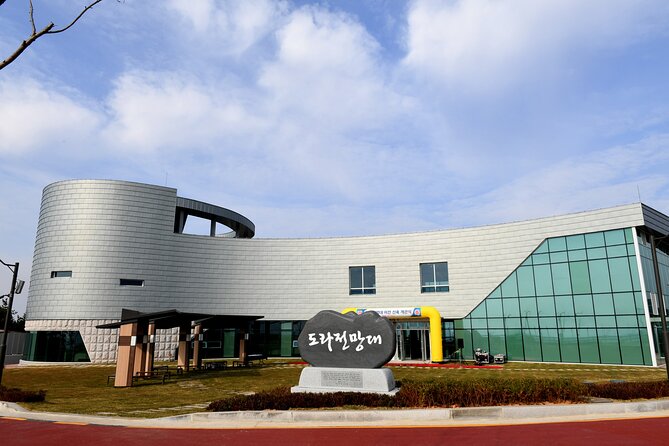
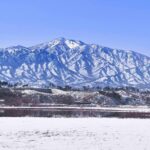
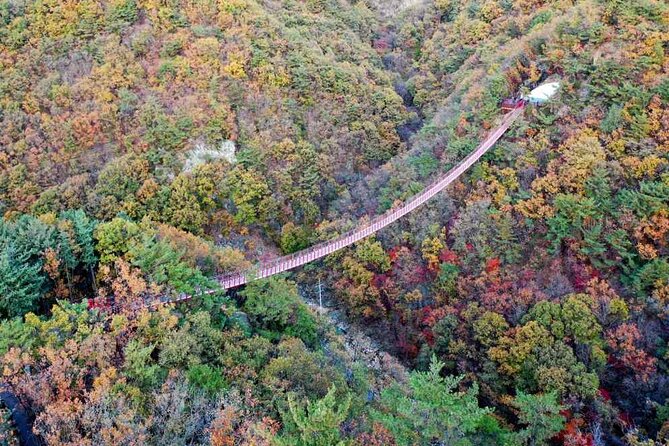
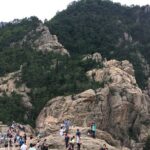
After the DMZ portion, the schedule changes tone with nature and viewpoints. You’ll go to Gamak Mountain Chulleong Suspension Bridge, described as one of the longer suspension bridges in Korea at about 150 meters.
There’s also a short hiking component to reach the top viewpoint. Even though the tour includes time for it (about 2 hours and 10 minutes), you should expect uneven ground and some uphill walking. Plan for breath-rate climbing, especially if it’s humid or windy.
Here’s why I like this stop: it reconnects you to the real physical setting. The bridge area is tied to the Korean War, and you’ll learn it was used as a fierce battle field. So while the views can feel serene, they’re not “forget the past” views.
When your guide ties the bridge location back to the war context, it keeps the day from turning into two unrelated halves. Instead of ending with a political outlet and then calling it a day, you end with a place that makes you think about terrain, movement, and why borders get drawn where they do.
This stop is also a nice payoff for good timing. If the weather is solid, the viewpoint time feels like a reward. If it’s windy or foggy, you still get the experience, but your view may be limited, so keep expectations flexible.
Price and value: what $160 really covers
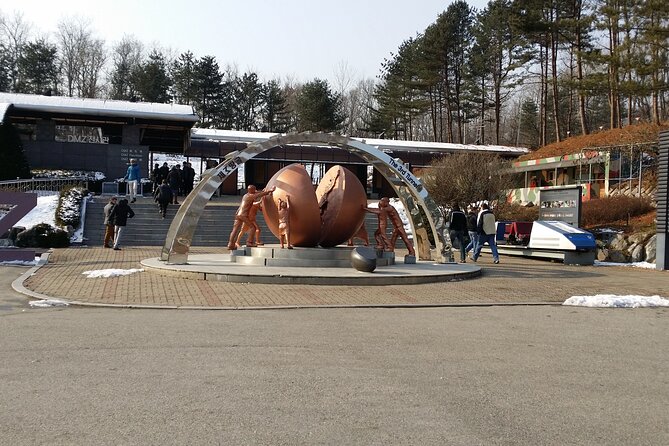
At $160 per person, this tour is not the cheapest way to see the DMZ. But it’s priced like a private day with transport, guides, and entrances bundled together.
What you actually get for your money:
- Private transportation in a free air-conditioned vehicle
- English-speaking tour guide
- Hotel pickup & drop-off
- All fees and taxes, plus entrance fees
- Lunch included
- A day plan that covers multiple major DMZ sites and the bridge addition
Value comes from two places: the logistics and the pacing control. With private transport, you don’t waste time aligning buses or waiting for slow walkers. And with a guide who speaks English well, you don’t have to play history detective while trying to keep up.
Is there a cost risk? Yes, because the day is weather-dependent and can shift. But the included lunch and the fact that the tour tries to cover the major sites in one go helps you feel like the day was built to pay off.
If you’re traveling with family, the private angle can be a strong deal. One guide, Andy, was praised for helping a mom who used a small compact wheelchair at age 98—an example of how the guide’s handling can make a meaningful difference. That sort of accommodation is where private value turns into real comfort.
The guide experience: timing, English, and flexibility
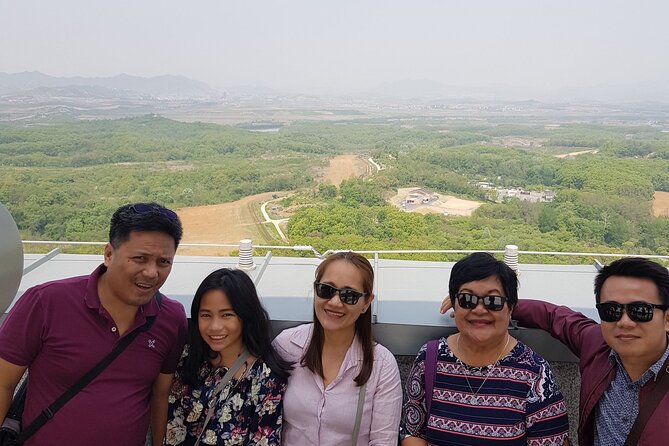
You’ll notice a theme in the high praise: the guides are rated highly for professionalism and English, and they adjust smoothly to real constraints.
Taylor coordinated in advance via WhatsApp around 8pm and adjusted pickup timing after checking traffic and hotel location. Emily was highlighted for punctual pickup and careful attention to time so the day didn’t feel chaotic. Won and others were praised for giving strong historical knowledge while still working with the realities of where people can and cannot move comfortably.
One subtle thing I’d focus on: flexibility in how the day feels. A full-day DMZ itinerary can feel rushed if the guide sticks to a rigid script. The better guides leave room for questions, and they keep you from sprinting between stops. Some people do want more depth in certain areas, like the UN role and the human cost of securing freedom. If that’s your priority, make it easy on your guide by mentioning it at the start: tell them you’d like the explanation to include how peacekeeping and losses are discussed, not only the big timeline.
For best results, pick your questions in advance. Bring 2 or 3 things you care about—tunnel purpose, observatory displays, civilian life at Tongilchon-gil—and ask them early. A good guide will steer you to the most relevant parts of each site.
Who should book this DMZ plus bridge day
This tour works best for you if you:
- Want DMZ highlights in one full day without group chaos
- Prefer a guide-led explanation in English
- Like mixing history with a nature and viewpoint stop at the end
- Are okay with a moderate physical fitness level, including some short walking and a hiking portion for the bridge
It may not be ideal if you want a slow, reflective pace. The itinerary is tight, and some explanations may feel more factual than emotional. If you’re the kind of traveler who wants every story told in depth and has strong feelings about missing parts of the narrative, you may need to ask for that depth directly.
It also depends on your comfort level with controlled sites. The tunnel stop is underground and structured. If you’re sensitive to enclosed spaces or have mobility limits, talk with your guide before the day starts so they can help plan your movement at a pace that keeps you comfortable.
Should you book this tour?
Book it if you want a private, efficient, guided way to see the Third Tunnel, Dora Observatory, and Tongilchon-gil, with the smart bonus of the Gamaksan Chulleong Suspension Bridge. The value is strongest when you factor in private transport, included entrances, lunch, and a guide who can handle questions.
Skip or consider another option if you dislike packed schedules or you’re hoping for a longer, more human-centered narrative about the war’s losses and outside forces. In that case, this can still be a great day, but you’ll get more out of it if you set expectations early and ask for the topics you care about.
FAQ
FAQ
How long is the tour?
It runs about 7 to 8 hours.
Is hotel pickup and drop-off included?
Yes. You get hotel pickup and drop-off.
What stops are included in the full-day itinerary?
The tour includes Imjingak Pyeonghoa-Nuri Park, the Third Tunnel, Dora Observatory, Tongilchon-gil (unification village), and Gamaksan Chulleong Suspension Bridge.
Is lunch included?
Yes, lunch is included.
Are entrance fees included in the price?
Yes. All fees and taxes, including entrance fees, are included.
Does the tour require good weather?
Yes. The experience requires good weather. If it’s canceled due to poor weather, you’ll be offered a different date or a full refund.
Can the schedule change?
Yes. The DMZ tour schedule may change due to sudden weather deterioration or military operations.
What fitness level is recommended?
You should have a moderate physical fitness level.
Is there a cancellation refund window?
Yes. You can cancel up to 24 hours in advance for a full refund. Less than 24 hours before start time is not refunded.