REVIEW · DINING EXPERIENCES
Essential Gangnam Tour (Incl. Dinner)-Hot Place of Seoul
Book on Viator →Operated by Bergen travel · Bookable on Viator
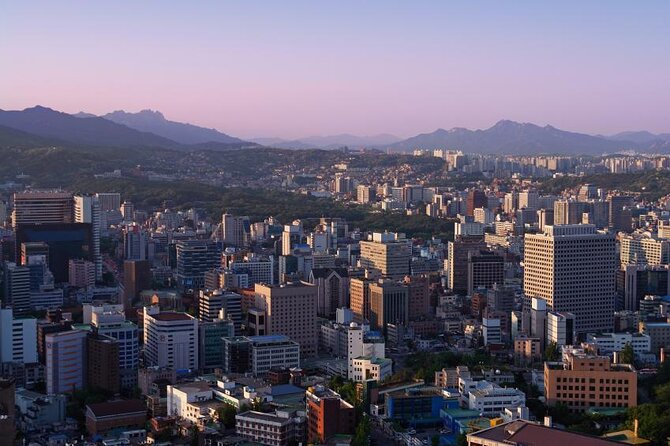
Gangnam is more than neon and pop songs. This 6-hour tour ties Seoul’s style district to old-school temple life, royal tombs, and serious street food, with an English-speaking guide and round-trip hotel transport. I like that you get a guided route that actually makes sense, not random hopping. I also like the mix of stops that feel very different from each other, from Bongeunsa’s calm to COEX’s design-forward shopping. One thing to consider: if you’re going on a Monday, some included sights can be closed, so confirm which stops your date will run.
You’ll start in the early afternoon (1:00 pm) and move through Gangnam at a comfortable pace, with time for photos, browsing, and short, guided explanations. Dinner is built into the package, along with a snack break featuring Korean tea and cookies, so you’re not stuck guessing where to eat next.
This experience is best if you want a guided “greatest hits” of Gangnam and nearby areas without the stress of figuring out transit, entrances, or timing. If you prefer to roam completely on your own, the set route may feel a bit structured—still, that structure is part of the value at this price point.
In This Review
- Key things to know before you go
- A tight 6-hour loop through Gangnam’s real personality
- Bongeunsa Temple: 794-era Silla roots and living Buddhist practice
- Starfield COEX Mall and The Unfolding Sky design concept
- Seolleung & Jeongneung royal tombs: stone, statues, and a Buddhism connection
- Gangnam Underground Shopping: fashion browsing, youth energy, and makgeolli
- Kwangjang Market: Korea’s first commercial market and street-food classics
- Included dinner, plus tea and cookies that keep the day moving
- Price and date reality check: is $279 worth it?
- Who should book this Gangnam experience?
- Should you book this Gangnam tour?
- FAQ
- How long is the Gangnam tour?
- What time does the tour start?
- Is hotel pickup and drop-off included?
- Is dinner included?
- What are the main stops on the itinerary?
- Are admission tickets included?
- Do I get any food besides dinner?
- Is this tour private?
- Can I cancel and get a full refund?
Key things to know before you go
- Hotel pickup and drop-off make this easy if you’re staying in central Seoul
- A licensed English-speaking guide helps you understand what you’re seeing at each stop
- Bongeunsa Temple offers more than sightseeing; you’ll learn about Buddhist practices like tea ceremonies and ritual meals
- COEX Mall is more than shopping, thanks to its design concept called The Unfolding Sky
- Gangnam Underground Shopping is a youth-fashion scene, with time to browse and refuel with makgeolli
- Kwangjang Market delivers classic Korean street food in a market that dates to 1905
A tight 6-hour loop through Gangnam’s real personality
You’re paying $279 per person for a reason: transportation, a guide, scheduled stops, and included food moments. The day runs about 6 hours, starting at 1:00 pm, and you’ll have a full hotel pickup and drop-off using an air-conditioned vehicle. That matters in Seoul, because travel time can eat your day if you’re not careful.
This is also a private tour experience, meaning only your group participates. That usually makes a difference for questions—like what to look for at a temple carving or how to order at a market—because the guide isn’t rushing to herd a large crowd.
You’ll use a mobile ticket, and you’ll have group discounts (so if you’re traveling with friends or family, it can lower your total). The official tour team is led by a licensed English-speaking guide; in operator communication, Bergen Park is named as a point of contact, and Tony is also credited in praise for guiding.
You can also read our reviews of more tours and experiences in Seoul
Bongeunsa Temple: 794-era Silla roots and living Buddhist practice
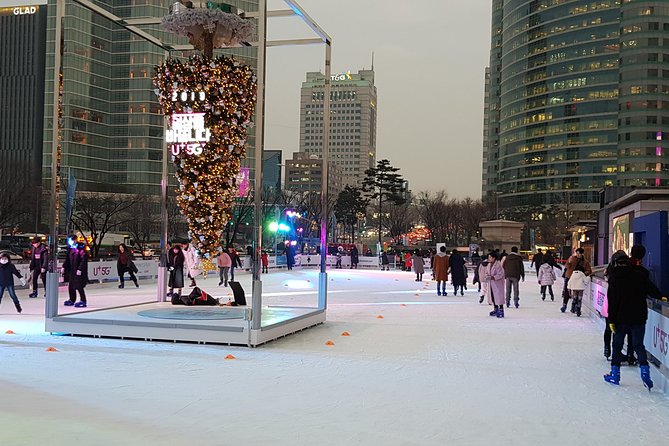
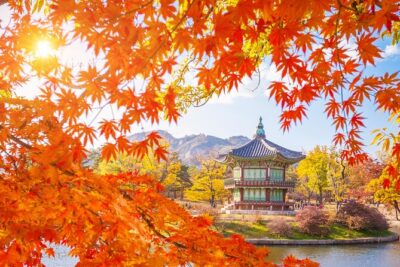
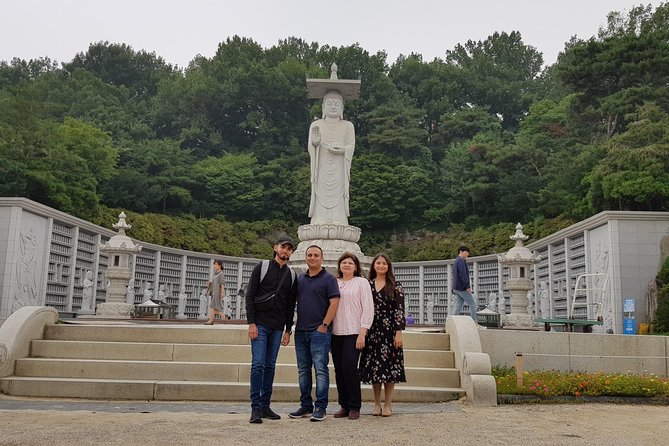
Bongeunsa Temple is the calm anchor of the tour, and it’s not just a pretty photo stop. The temple traces back to 794 during the Silla period, which makes it feel like you’re stepping into centuries of Korean religious life. One detail I love here is the presence of woodblock carvings related to the Avatamsaka Sutra (Flower Garland Sutra). You’ll also learn how Bongeunsa connects to traditional Buddhist culture through programs and practices offered in multiple languages.
The temple experience can include simple activities tied to daily rhythm—like a dawn service or Korean Zen meditation. You may also hear about Dado, a tea drinking ceremony, and Balwoogongyang, a Buddhist meal with traditional bowls. If your travel timing lands in May, Bongeunsa holds the Lotus Lantern Festival in nearby Samseong-dong, which adds a seasonal layer to the story.
You only spend about 40 minutes here, so think of it as a guided introduction rather than a slow temple day. That’s still enough time to understand what you’re seeing and not feel lost in translation. Admission is free for this stop, which is a nice bonus.
Starfield COEX Mall and The Unfolding Sky design concept
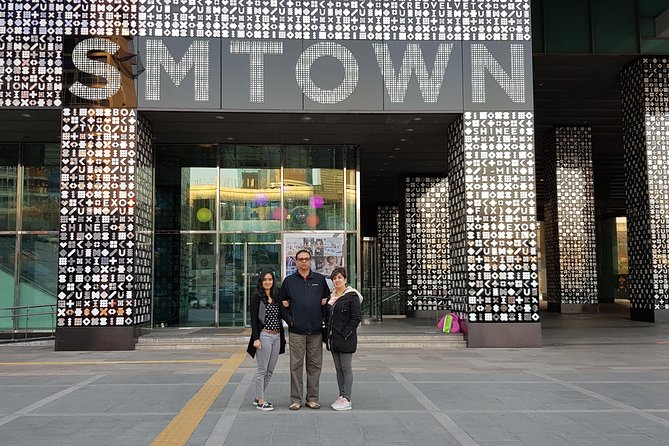
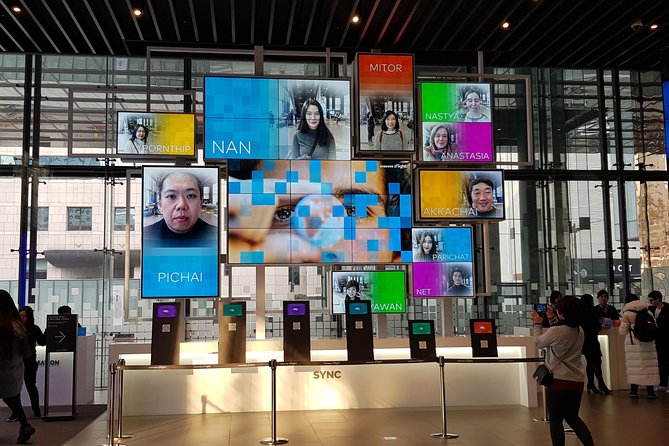
From quiet temple stone to modern glass and retail, COEX Mall is a big tonal shift—and that’s the point. COEX reopened on November 27, 2014 after a large renovation, and the design concept is called The Unfolding Sky. The idea is to bring in natural light more thoughtfully and to improve how people move through the space, so it feels less like a maze.
World-renowned architectural firm Gensler is associated with the redesign, and once you’re inside, you can see how the mall is organized around themed squares. There’s a movie theater complex and plenty of dining options, plus big-name fashion, accessories, beauty, and lifestyle brands. If you’ve ever wondered what Gangnam shopping feels like beyond Instagram, this is a good place to see it up close.
The stop is about 40 minutes and admission is free. In that time, I suggest you focus on the architecture and the flow first, then use the rest for quick browsing. If you’re more interested in local markets than malls, you may enjoy COEX mostly as a visual break between stops.
Seolleung & Jeongneung royal tombs: stone, statues, and a Buddhism connection
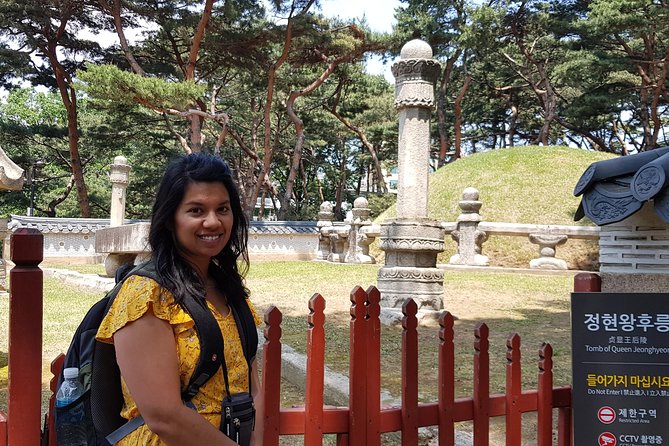
Next comes a slower, more historical stop: Seolleung & Jeongneung Royal Tombs. This site is tied to the Joseon Dynasty and includes the burials of two kings and one queen. The way the tombs are arranged helps you understand hierarchy and era-specific design choices.
At the westernmost tomb, you’ll learn about King Seongjong (1469–1494), and his wife Queen Jeonghyeon (1462–1530), who is buried here too. One small but meaningful visual difference is that Queen Jeonghyeon’s grave has a stone fence encircling the mound, while King Seongjong’s tomb uses a retaining wall. You’ll also notice statues of civilian and military officials and their horses positioned in front of the graves.
This stop has an extra layer if you connected Bongeunsa earlier: Queen Jeonghyeon had a deep interest in Buddhism and founded the nearby Bongeunsa. It’s one of those “wait, so that’s why this link matters” moments that makes the route feel smarter.
You’ll spend around 40 minutes. Admission is included here. If you’re the kind of person who likes to read signage and look at details, you’ll get a lot out of this stop without needing a full day.
Gangnam Underground Shopping: fashion browsing, youth energy, and makgeolli
After temples and tombs, you’ll hit the modern street-life side of Gangnam. The Gangnam Underground Shopping area is connected to Gangnam Station on Seoul Subway Line 2, which makes it easy to understand why locals and young visitors treat it like a hangout.
This stop is especially oriented toward women in their 20s and 30s, with the newest fashion trends—cosmetics, clothing, shoes, accessories, and more. It’s also a place where you can browse at your own pace and keep up with Gangnam-era pop culture style, even if you’re not shopping heavily.
Here’s the practical part: after browsing, you’ll eat Korean traditional food and drink Korean rice wine (makgeolli) at a restaurant in the area. That’s a real value add because it saves you from the hard part of travel—finding something that fits your taste, budget, and location.
You spend about 1 hour 30 minutes here, with admission listed as free. Use the time to reset your energy. And if you’re sensitive to crowds, pick your browsing style—this area can be lively since it’s right by the station.
You can also read our reviews of more tours and experiences in Seoul
Kwangjang Market: Korea’s first commercial market and street-food classics
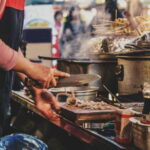
Kwangjang Market is where the tour stops pretending food is optional. It opened in 1905 and is described as Korea’s first commercial market, which instantly makes it historically interesting beyond the usual tourist-market setup.
The market’s early days were shaped by competition: Namdaemun market had been the biggest, but during the Japanese occupation period, Namdaemun was impacted, and Korean merchants opened Kwangjang in 1905 to compete. Today, the mix has shifted. While fashion items show up, the big draw is eating—street foods that are famous for being affordable and varied.
This stop is also about 1 hour 30 minutes. Admission is free, and you’ll have time to wander and pick what looks good. I like this segment because it’s not just guided commentary; it’s the hands-on part where you can try tastes at your own speed.
If you’ve only ever eaten Korean food in restaurants, a market stop helps you understand what everyday Korean food feels like. Go hungry enough to snack, not stuffed from dinner earlier in the day.
Included dinner, plus tea and cookies that keep the day moving
Food is built into the pacing here, and that’s one reason the tour feels less stressful than a typical self-guided itinerary. Along the way, you’ll get snacks: a tasting of traditional tea and cookies at a Korean traditional tea house. It’s a small break, but in a schedule like this, small breaks keep you from burning out.
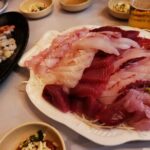
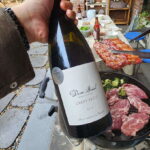
Dinner is also included. You’ll be served Korean foods along with Korean traditional wine. The tour doesn’t market it as a luxury banquet, and that’s fine. The value is that you don’t have to coordinate dinner around the rest of your sightseeing.
If you’re someone who gets tired of making choices while you’re moving between neighborhoods, these built-in eating moments are genuinely helpful. They also help you try a couple of Korean staples without spending time searching.
Just keep in mind that the tour schedule is fixed, so you may want to keep your shopping ambitions flexible. The best use of this day is to treat food as part of the route, not as an extra task.
Price and date reality check: is $279 worth it?
At $279 per person for about 6 hours, the value depends on two things: how much you’ll benefit from the included transport and how smoothly your date runs. You’re getting round-trip hotel pickup and drop-off, private transportation, an English-speaking licensed guide, admission for most stops (and free for many), plus dinner and snack tastings.
That sounds expensive until you price out the same ingredients separately. In Seoul, hiring a guide for a half-day plus paying for transit and admission adds up quickly. Here, dinner and tea-cookie tasting sweeten the package, and the guided explanations prevent you from missing the meaning behind places like the tomb layout and Bongeunsa’s practices.
The main concern is timing. One important consideration: some of the included attractions can be closed on Mondays. Since the tour runs on a set route, that could reduce your satisfaction if your date lands on a closure day. My advice is simple: before you book, ask your operator which stops are operating on your exact day and what the replacement plan is if needed.
Who should book this Gangnam experience?
Book this if you want a structured Gangnam sampler that mixes old and new without you planning every turn. You’ll enjoy it most if you like a blend of culture (Bongeunsa and royal tombs), modern life (COEX), and real local atmosphere (Gangnam Underground and Kwangjang Market).
It also fits well if you’re traveling with limited time and don’t want to rely on multiple transfers. The hotel pickup and drop-off are a big deal, especially if your hotel is not next to major subway lines.
Skip it or consider alternatives if you’re mainly chasing nightlife, because the tour is daytime-heavy and guided shopping/food focused. Also, if you dislike set itineraries, you might find the schedule a bit tight for roaming.
Should you book this Gangnam tour?
I’d say yes if you want to understand Gangnam beyond the headline version. This route works because it keeps changing gears: temple calm, design-forward shopping, royal-era tomb etiquette, fashion-street shopping, and market food. The included dinner and tea break turn what could be a rushed day into something you can actually enjoy.
Do one homework task first: check whether your travel day hits a Monday closure risk for included stops. If your date runs smoothly, this tour is a good way to get your bearings fast—and it gives you real context for a neighborhood many people only know from entertainment.
FAQ
How long is the Gangnam tour?
It runs for about 6 hours.
What time does the tour start?
The start time is 1:00 pm.
Is hotel pickup and drop-off included?
Yes. Pickup and drop-off at your Seoul hotel are included.
Is dinner included?
Yes. Dinner is included, with Korean foods and Korean traditional wine.
What are the main stops on the itinerary?
You’ll visit Bongeunsa Temple, Starfield COEX Mall, Seolleung & Jeongneung Royal Tombs, Gangnam Underground Shopping area, and Kwangjang Market.
Are admission tickets included?
Admission is free for Bongeunsa Temple and Starfield COEX Mall. Admission is included for Seolleung & Jeongneung Royal Tombs. The other stops are listed as free.
Do I get any food besides dinner?
Yes. There’s a tea and cookie tasting at a Korean traditional tea house, plus traditional food and makgeolli during the Gangnam Underground Shopping portion.
Is this tour private?
Yes. It’s private, and only your group participates.
Can I cancel and get a full refund?
You can cancel up to 24 hours in advance for a full refund.