REVIEW · SUWON HWASEONG FORTRESS TOURS
From Seoul: Suwon Hwaseong Fortress Tour
Book on GetYourGuide →Operated by I LOVE SEOUL TOUR Co., Ltd. · Bookable on GetYourGuide
Suwon Hwaseong doesn’t do small. I like the way a live guide turns the UNESCO fortress walls into an actual story you can walk through, and I also love the optional full-day add-on at Korean Folk Village, where cultural performances and daily-life details from the late Joseon period make history feel close. One thing to keep in mind: your exact walking coverage and which special shows happen can shift by day, so not every “big moment” is guaranteed.
If you want a smooth Seoul-to-Suwon day without coordinating trains, this one is built for that. You meet the guide outside Exit #10 of Myeongdong Station, then ride out by air-conditioned bus or minivan, with drop-off back near Myeongdong. Guides such as Shin, Leo, Sophie, and Stella are repeatedly praised for answering questions clearly and keeping the day moving (which matters when you’re dealing with heat and museum hours).
The other practical reality: this isn’t a good fit if you need wheelchair access, and it’s definitely a “wear real shoes” kind of outing. Also, food is on you, even on the full-day format (you get lunch time, not lunch itself).
In This Review
- Key things that make this tour worth your time
- Suwon Hwaseong Fortress: Why This UNESCO Wall Hits Different
- Hwaseong Haenggung Palace: The Royal Stop That Shows the Stakes
- Korean Folk Village (and Dae Jang Geum Park): Late Joseon Life, Up Close
- What the Day Actually Looks Like: Seoul Pickup, Wall Time, Then Back to Myeongdong
- Price and Value: What $52 Actually Buys You
- Guides Make the Difference: How Shin, Leo, Sophie, and Stella Change the Visit
- Practical Tips: Shoes, Heat, and Seasonal Show Expectations
- Should You Book This Suwon Fortress and Folk Village Tour?
- FAQ
- Where is the meeting point?
- How long is the tour?
- Does the full-day tour include lunch?
- What’s included in the price?
- What language is the live tour guide?
- Is hotel pickup available?
- Is this tour suitable for wheelchair users?
- What should I bring?
Key things that make this tour worth your time
- Guides who connect walls, palaces, and everyday life (names that show up often include Shin, Leo, Stella, and Sophie)
- Hwaseong Haenggung Palace explained as a working royal stop during wartime travel, not just pretty architecture
- Korean Folk Village as a hands-on look at late Joseon customs, with restored homes and seasonal programs
- Fast, comfortable transport from Seoul on an air-conditioned bus or minivan
- A day plan designed around limited time, so you leave with the big highlights (even if not every wall segment is covered)
Suwon Hwaseong Fortress: Why This UNESCO Wall Hits Different
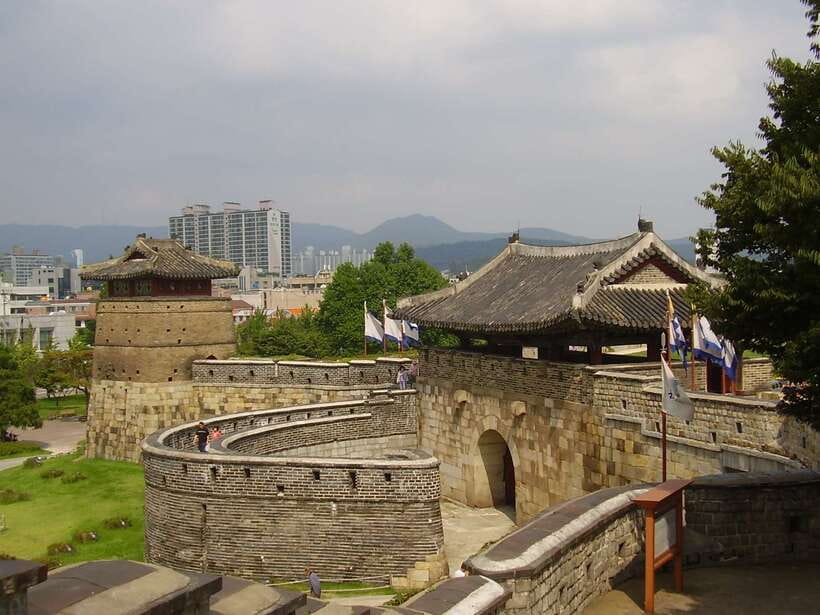
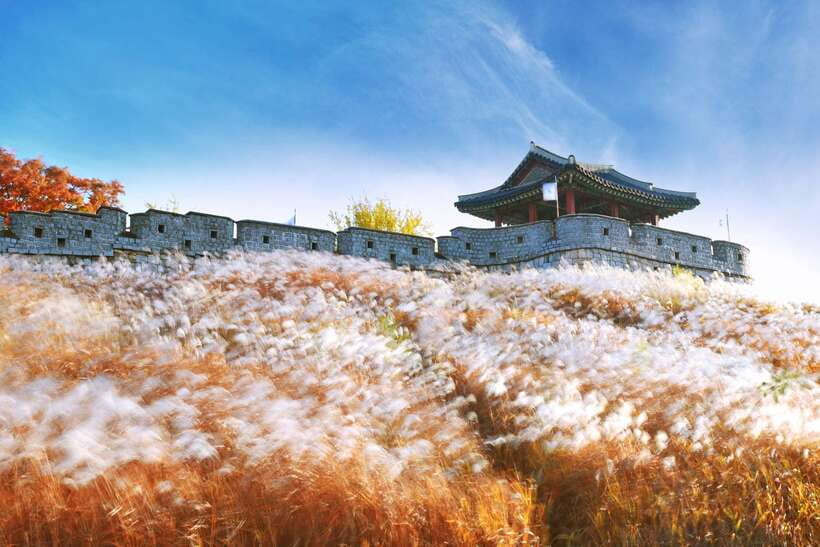
Suwon Hwaseong Fortress is one of those places where your first reaction is physical. The walls look enormous in person, and once you start walking, you feel how the design supports defense, movement, and control of the area. This fortress was built in the late 18th century by King Jeongjo of the Joseon Dynasty, and that background matters because you’re not just sightseeing—you’re reading the logic of the structure as you go.
A good guide helps you “see” the fortress the way it was meant to function. I like that the tour is built around a guided walk along the walls, rather than a quick photo stop where you miss the why of the place. In the stories shared by guides like Shin and Leo, the fortress becomes more than a backdrop: it’s tied to Joseon politics, travel, and the constant need for security.
One practical note: the fortress is big. Even with a well-planned route, you might not cover every meter of wall in a single outing. That’s not the tour failing you—it’s math. You’ll get the highlights, but your exact walking sections can depend on pacing and what else is happening during your visit.
You can also read our reviews of more tours and experiences in Seoul.

Hwaseong Haenggung Palace: The Royal Stop That Shows the Stakes
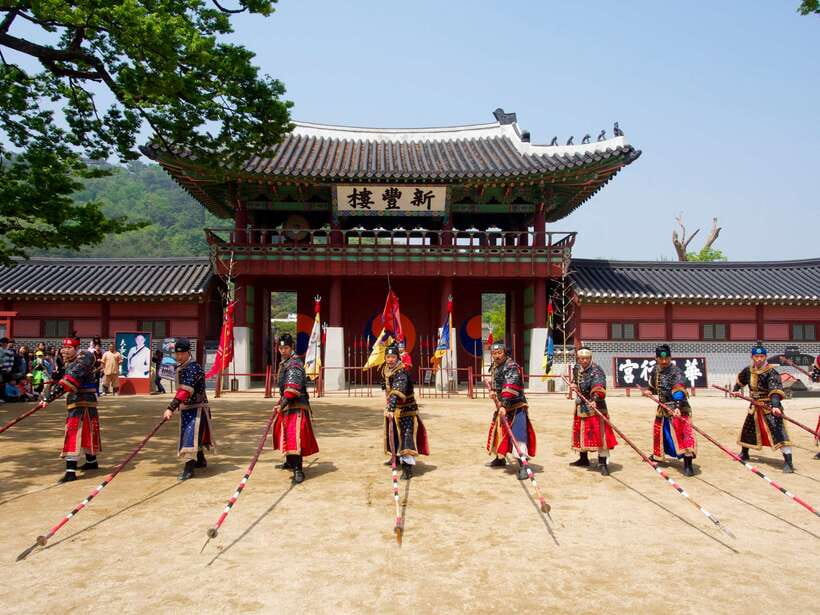
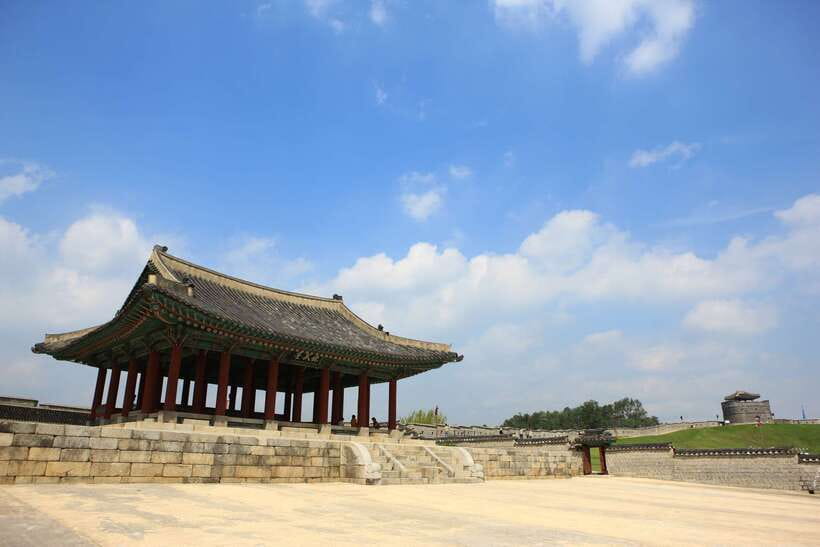
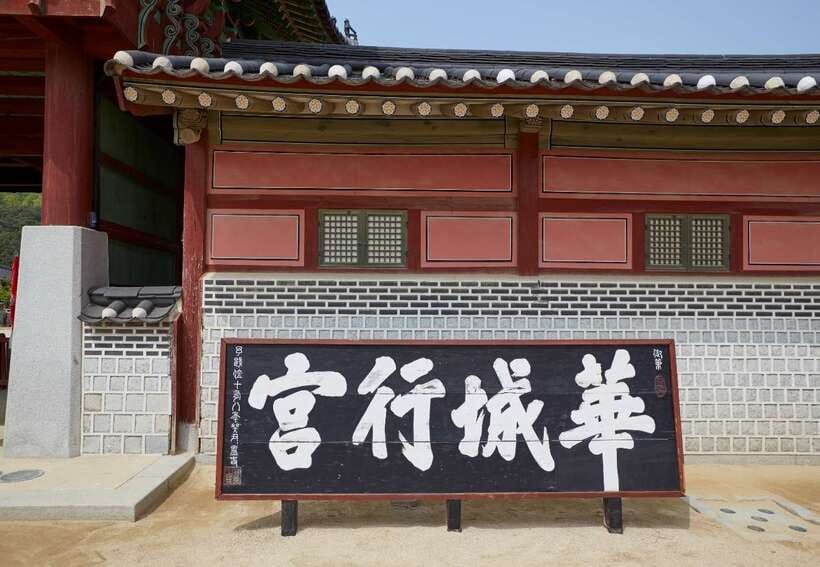
Right inside the fortress complex is Hwaseong Haenggung, a fortified palace used as a temporary residence for Joseon kings and their entourage when they traveled outside the capital. This is the part of the day that often surprises people, because it shifts the vibe from walls and defense into human life and decision-making.
Instead of treating it like a static “old building,” the tour explains it as a lived-in space with purpose. You’ll look at traditional architecture while your guide shares what this palace meant during times when travel wasn’t casual—it was strategy. Guides such as Matthew, Sue, and others who lead these tours are often praised for making that context simple to follow, which is a big deal if history is not your usual hobby.
If you’re thinking about photos, this is where they help. The palace buildings and gates give you angles you can’t get from only the walls. And if you like learning while you look, Haenggung rewards you: your brain starts connecting the architecture to the story, not just admiring it.
Korean Folk Village (and Dae Jang Geum Park): Late Joseon Life, Up Close
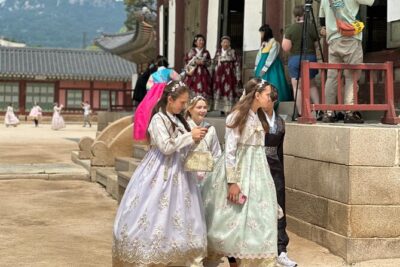
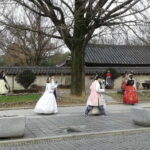
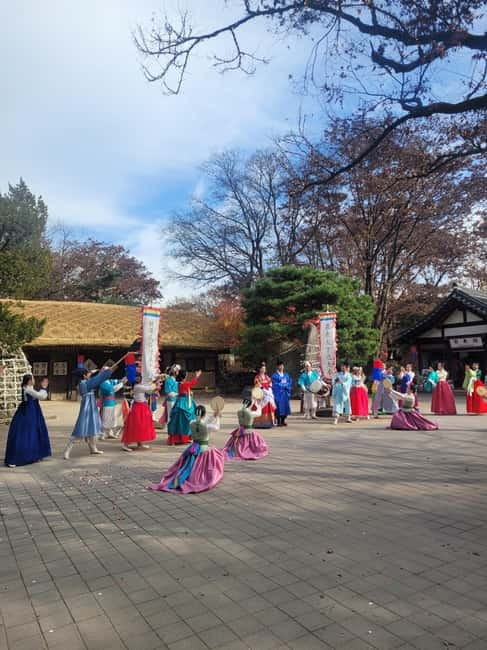
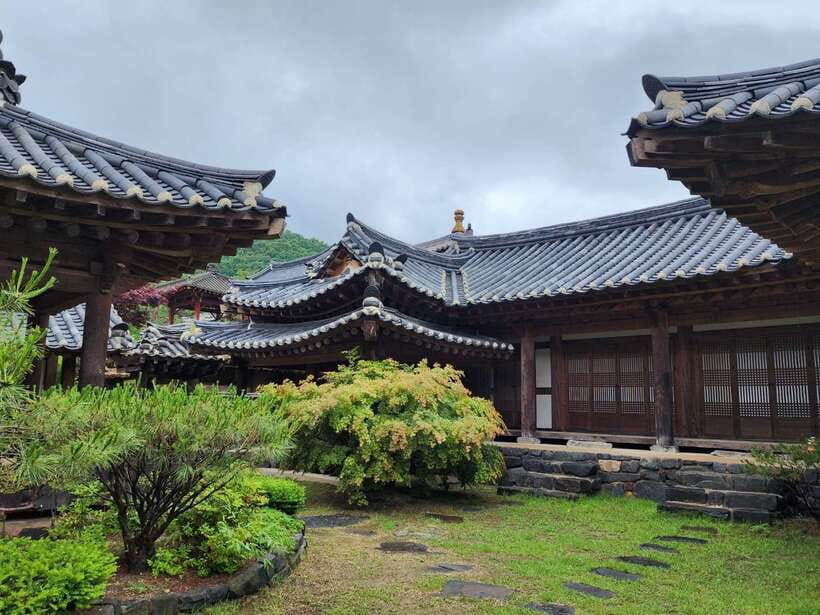
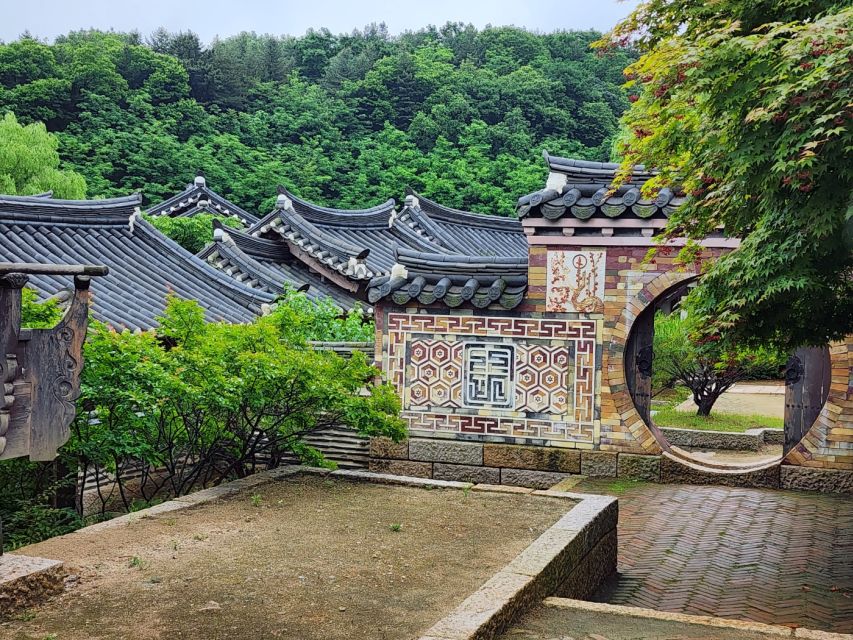
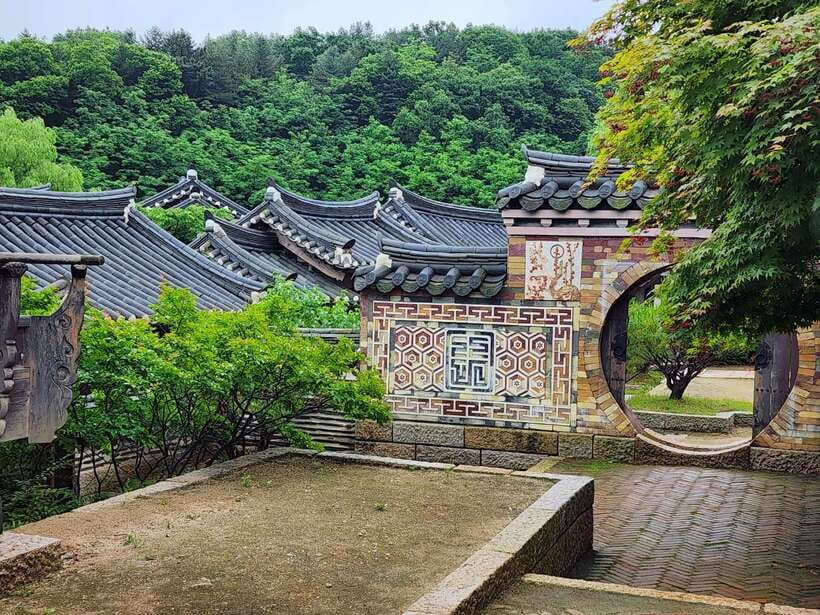
If you book the full-day option, you’ll add a second experience that takes the focus from fortifications to everyday culture. The Korean Folk Village in Yongin is an open-air museum-style site built to show traditions from the late Joseon period, using restored houses and cultural programming. Think of it as history with props: you’re walking through reconstructed settings and watching or learning how customs worked.
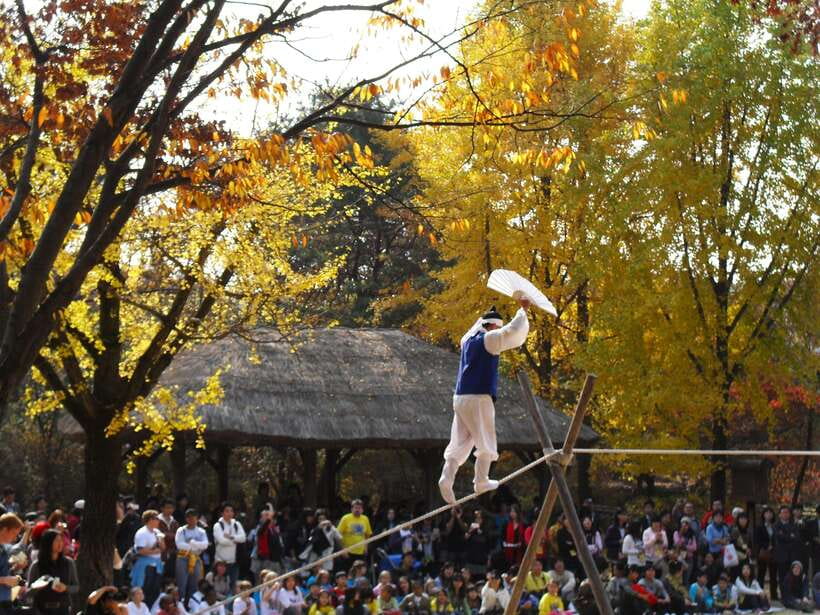
What makes it valuable is the variety. The village highlights seasonal customs, cultural classes, and elements of belief such as shaman faith. On performance days, you can see things like nongak (farmer’s music), martial arts displays (including horseback performances when the program is running), and even traditional wedding ceremonies. The schedule is seasonal, so treat performances like a bonus, not a guarantee.
Some days include shows that people come specifically for. Others don’t. That variation shows up in real experiences, and it’s worth planning your expectations accordingly. You’ll still get the cultural setup, restored Joseon-era environment, and guided context—but the “spotlight moments” can depend on what’s on that day.
There’s also an alternative full-day stop: Dae Jang Geum Park may be included instead of Folk Village, depending on the exact option you choose. Either way, the goal is the same—give you a second layer of Korean history and culture without forcing you to arrange it yourself.
What the Day Actually Looks Like: Seoul Pickup, Wall Time, Then Back to Myeongdong
This is a day trip designed around convenience and time control. You start in Seoul and meet your guide outside Myeongdong Station (Exit #10). If you choose optional pickup, the tour may collect you from centrally located areas such as Gangnam, Myeongdong, Gwanghwamun, Itaewon, and Dongdaemun, or from the nearest practical hotel/subway point if your place is hard to access. That matters because it reduces the “I’m late and stressed” factor that ruins sightseeing.
The tour duration ranges from 4 to 8 hours, which usually translates to either a half-day fortress focus or a full-day format that includes the folk-culture stop. In the full-day version, there’s lunch time built in, but food and drinks are not included—you pay on your own. In other words: plan to budget for lunch, not just snacks.
Transport is repeatedly praised for comfort, and you’re riding an air-conditioned bus or minivan. That’s a big deal in summer or any day where your walking time will add up. Your driver and guide’s job is to keep the group organized so you spend more time looking and learning than waiting.
At the end, you’re dropped off back in Seoul near Myeongdong area, which is handy if you’re staying around central tourist zones.
Price and Value: What $52 Actually Buys You
At about $52 per person, the value depends on which format you pick.
For the fortress-focused option, you’re paying for:
- admissions to the sites
- a live English or Japanese guide
- comfortable door-to-door-style logistics (meeting point and the ride)
- the drop-off near Myeongdong
For the full-day option, you’re also getting the extra cultural stop (Korean Folk Village or Dae Jang Geum Park). That’s where the math usually becomes more appealing, because you’re effectively adding a second major destination and paying the same base fare for the same style of managed touring.
In plain terms, you’re buying someone else’s planning. If you’ve ever tried to piece together Suwon and Yongin on your own with limited time, you know how quickly it turns into transfers, timing worries, and “where do we go next?” stress. This tour sidesteps that.
One fair caution: some people feel the price is high if they expected longer wall coverage or more scheduled performances. The best way to protect yourself is to treat the tour as a structured highlights package, not a promise of every possible photo angle or every possible seasonal show.




Guides Make the Difference: How Shin, Leo, Sophie, and Stella Change the Visit
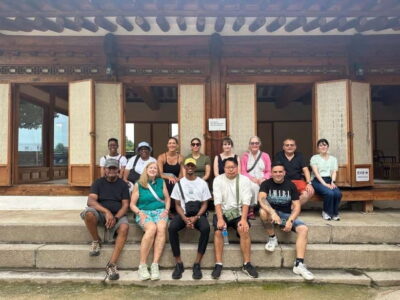
One of the strongest signals in the guide feedback is consistency: guides don’t just recite facts—they answer questions, adjust pace for comfort, and explain the connections between places.
You’ll see names like:
- Shin, often mentioned for explaining culture and religion as part of everyday life
- Leo, praised for story-driven history that even keeps younger visitors engaged
- Sophie, highlighted for being helpful and informative, plus strong group support
- Stella, noted for clarity and enthusiasm at both the fortress and the culture stop
- Thomas, Henry, Winnie, and Rachel/Chloe, praised for organization, attentiveness, and making the route feel easy
That matters for you because Hwaseong Fortress and Joseon palace history can turn dry if nobody gives you the “why.” With these guides, the day becomes more conversational. If you like asking questions—about kings, defense design, or what everyday faith looked like in Joseon life—this tour tends to be the kind where your curiosity gets rewarded.
Also, there’s a practical upside: guides often help the group stay comfortable during busy days. If it’s hot, they plan around it. One experience even notes using a rail-style option around the wall area to avoid too much heat, then returning to walking for the nearby attractions. That’s exactly the kind of real-world adjustment that makes touring smoother.
Practical Tips: Shoes, Heat, and Seasonal Show Expectations
Here’s how to make this day trip work like a pro.
- Wear comfortable shoes. You’re walking fortress paths and palace grounds. The ground can be uneven, and your feet will feel it by the end.
- Expect walking to be substantial, but not infinite. You’ll cover major highlights, but you might not do every wall segment in one outing.
- Treat special performances as seasonal. Korean Folk Village programs can include nongak, traditional wedding ceremonies, and martial arts shows (including horseback), but not every day runs the same lineup.
- Plan for lunch costs. Lunch time is provided on the full-day version, but food isn’t included.
- Bring water and keep it simple. Food isn’t included, and you’ll want to pace yourself between sites. (Water isn’t listed, but it’s a practical move when you’re walking outdoors.)
Rules are straightforward: alcohol and drugs aren’t allowed, and the tour isn’t set up for wheelchair users. If you’re traveling with kids, note the unaccompanied-minors restriction.
If you’re sensitive to heat, aim for a cooler part of the day when possible. And if you care about horseback martial arts specifically, understand that it’s schedule-dependent—so don’t build your whole trip around one “must see” performance.
Should You Book This Suwon Fortress and Folk Village Tour?
Book it if you want a guided, no-stress way to see Suwon Hwaseong Fortress and learn Joseon-era context without building the route yourself. It’s also a smart pick if you want the full-day cultural add-on—Korean Folk Village brings late Joseon life into focus with restored homes and seasonal activities.
Skip (or choose a different plan) if you need wheelchair access, or if your main goal is to see every possible section of the fortress wall and every single performance every day. This tour is built around good coverage and comfort, not unlimited walking and guaranteed show lineups.
If your priority is getting the story right and leaving Seoul with a packed-but-managed day, this one makes a lot of sense.
FAQ
Where is the meeting point?
The guide meets you outside Exit #10 of Myeongdong Station.
How long is the tour?
The duration is 4 to 8 hours, depending on the option you choose.
Does the full-day tour include lunch?
You get lunch time during the full-day format, but food and drinks are not included, so you pay for your own meal.
What’s included in the price?
Admission fees, a guide, transportation by air-conditioned bus or minivan, and drop-off in Seoul near the Myeongdong area are included. For the full-day tour, Folk Village or Dae Jang Geum Park is included.
What language is the live tour guide?
The live guide offers English or Japanese.
Is hotel pickup available?
Pickup is optional from centrally located hotels in Seoul such as Gangnam, Myeongdong, Gwanghwamun, Itaewon, and Dongdaemun, or from a nearby central hotel/subway station if your hotel is harder to access.
Is this tour suitable for wheelchair users?
No. It is not suitable for wheelchair users.
What should I bring?
Bring comfortable shoes.