REVIEW · DMZ TOURS
From Seoul: Cheorwon DMZ and 2nd Tunnel Tour with Lunch
Book on GetYourGuide →Operated by TRIPPER · Bookable on GetYourGuide
One day in the DMZ, zero fluff. From Seoul, this Cheorwon route pairs the 2nd Tunnel walk with views near the Cheorwon Guard Post, plus the Peace Observatory and an outdoor finisher at Hantangang Y-Bridge. The day is tightly planned, with no shopping stops, so you spend your time where it counts.
I especially like the human side of the tour: guides such as Sam and Andrew are praised for turning heavy Korean War history into clear, memorable stories. The second thing I like is the included meal setup—breakfast/snacks on the way out and a premium bibimbap set lunch in Cheorwon, with fresh vegetables.
One thing to consider: the 2nd Tunnel can mean steep descents and climbs, and it can get slippery in winter. Bring solid walking shoes and expect some physical effort.
In This Review
- Key highlights that make this DMZ day feel worth it
- Cheorwon DMZ in one day: why this route works better than a rush
- Getting from Seoul: transfers, timing, and what to expect on the road
- The DMZ zone stop: what you’re really there to understand
- The 2nd Tunnel walk: 3.5 km, close-to-the-border scale, and shoe choice
- Peace Observatory and DMZ History Museum: the monorail ticket and the line you can’t unsee
- Lunch in Cheorwon: premium bibimbap set that actually feels like a meal
- Hantangang Y-Bridge: the walk that gives your brain a breather
- Value check: is $95 a good deal for this much DMZ time?
- Who should book this DMZ day trip (and who should skip it)
- Should you book this Cheorwon DMZ and 2nd Tunnel tour from Seoul?
- FAQ
- How long is the Cheorwon DMZ and 2nd Tunnel tour?
- What’s included in the price?
- Is pickup from my hotel in Seoul included?
- Is lunch included, and what will I eat?
- Do I need a passport?
- Can I take photos inside the DMZ sites?
- Is the Hantangang Y-Bridge crossing included?
- What happens if the DMZ is closed due to political events?
- Does the tour run in rain or snow?
- What if the 2nd Tunnel is unavailable on the day?
Key highlights that make this DMZ day feel worth it
- Cheorwon-focused DMZ route that centers on the North Korean Guard Post area rather than racing through everything
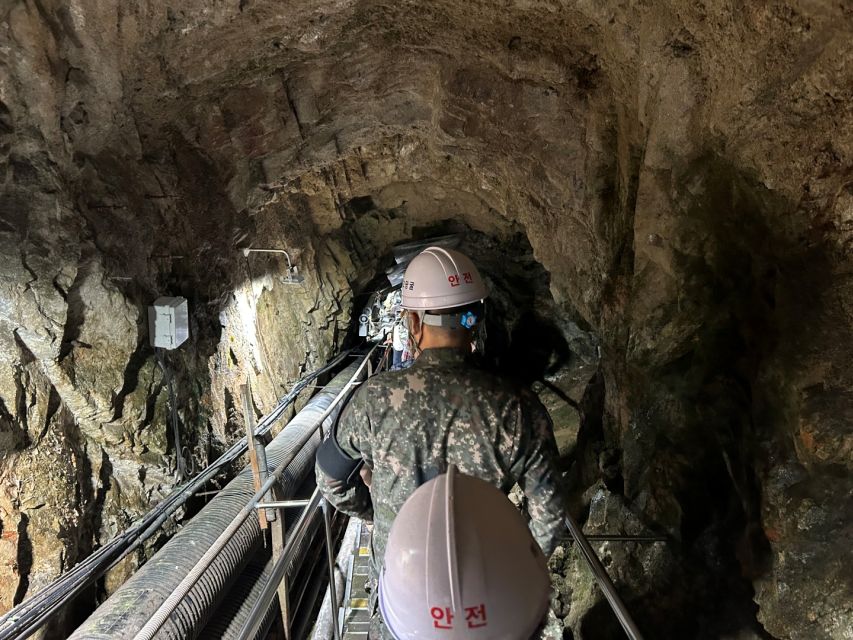
- 2nd Tunnel walk (3.5 km) that’s close enough to feel the stakes, with low passage sections where you’ll want to move carefully
- Peace Observatory + DMZ History Museum stops, with a monorail ticket included so you don’t waste time figuring it out
- Lunch in Cheorwon: bibimbap set with fresh vegetables (and easy for vegetarians who like Korean sides)
- Hantangang Y-Bridge viewpoints with a free observatory deck, plus optional on-site tickets if you want to cross
Cheorwon DMZ in one day: why this route works better than a rush
A DMZ trip from Seoul always has the same headline. You go. You look. You try to process what you’re seeing.
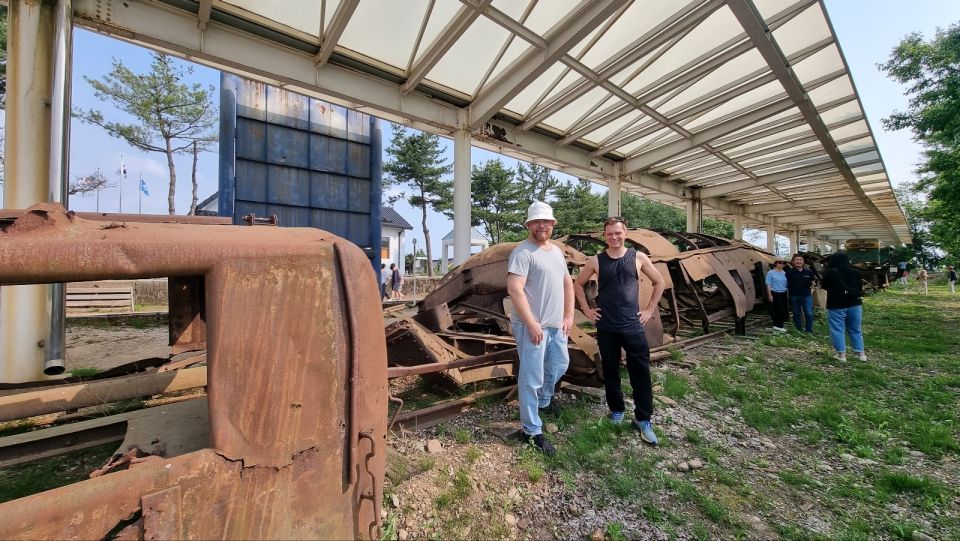
What makes this version stand out is the pacing and the choices. Instead of sprinting between generic photo stops, the route is built around Cheorwon’s specific storyline: the tension near the North Korean Guard Post area, then the 2nd Tunnel experience, then the Peace Observatory and museum. It feels like a sequence, not a checklist.
I also like that it’s framed as authentic and less about overtourism. In practical terms, that often means fewer detours and less time spent in “optional” locations that don’t add meaning. You still get breaks, but you don’t lose the day to shopping sprawl.
And because the trip starts early enough to count as a full working-day outing (it runs about 8 hours), you’ll come back to Seoul with your head full instead of your camera full. That’s the right goal for a place this serious.
You can also read our reviews of more tours and experiences in Seoul

Getting from Seoul: transfers, timing, and what to expect on the road
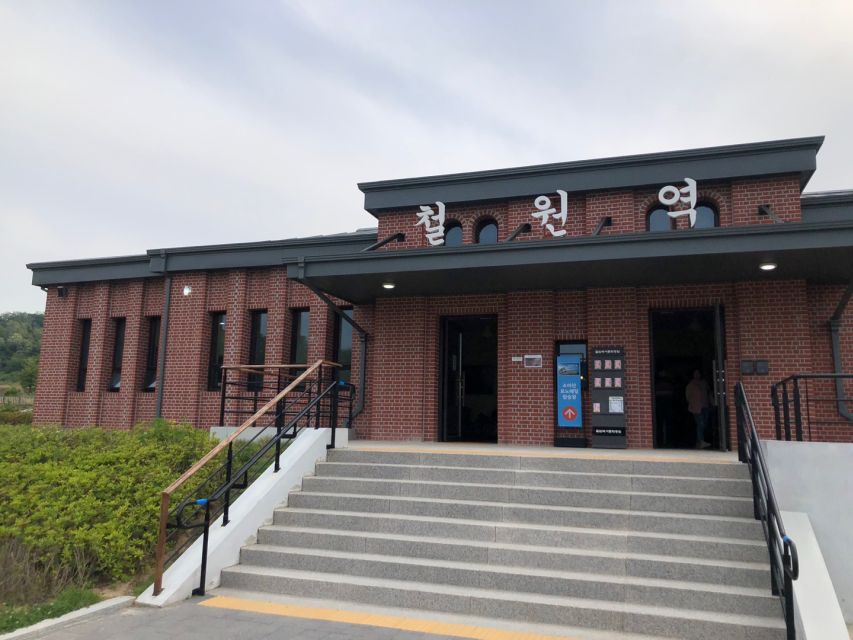
The day begins with pickup that depends on your booking option. Some departures include pickup/drop-off as part of a private tour, while the general plan is round-trip transfers from Seoul.
Once you’re on the bus/coach, the drive time is about 1 hour to reach the Cheorwon area. Then you’ll get a short “reset” stop—think breakfast and local snacks, with about 20 minutes for a quick break.
This matters more than it sounds. DMZ days can feel long even when you’re not walking much. If you’re the type who gets cranky when food is delayed, this tour’s early-break routine helps you keep your energy for the parts that require attention (especially the tunnel section).
The DMZ zone stop: what you’re really there to understand
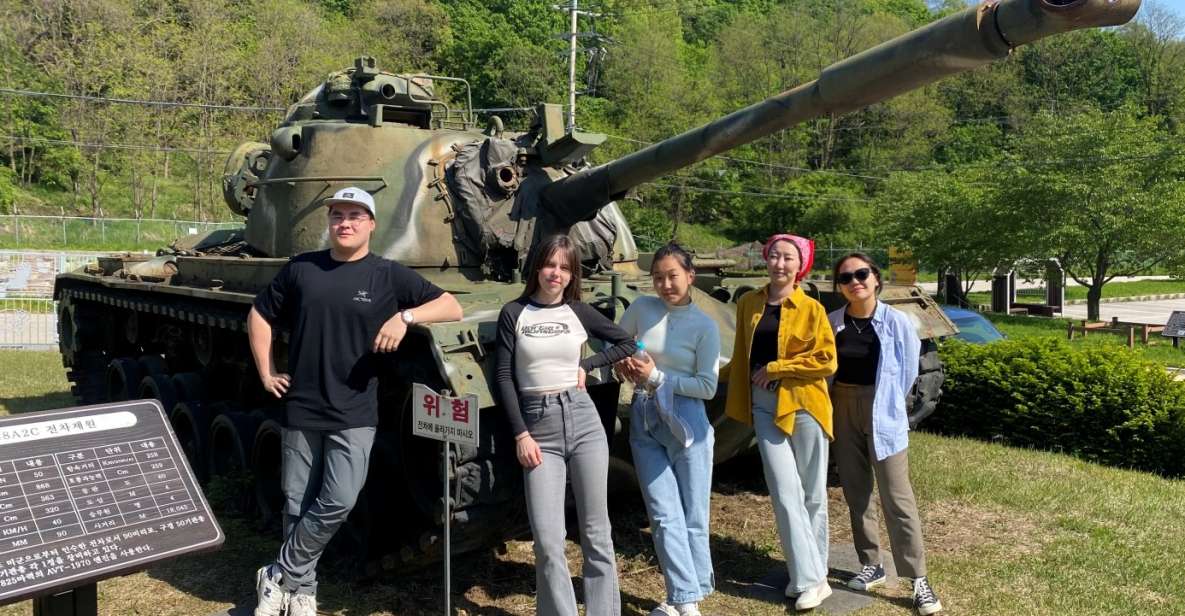
The first on-site block is about 30 minutes in the DMZ zone area. In that time, you’re not meant to “hang around.” You go, you listen, you look.
The focus is Cheorwon’s connection to the military geography of the Korean Peninsula. You’ll get guided context for what you’re seeing, including the modern significance of the DMZ and what the division means in everyday terms.
Also note the rule that affects how you experience the site: no photography inside. That can feel restrictive at first, but it changes your behavior in a helpful way. You stop trying to capture everything and start noticing the small details guides point out.
One more practical note: the “real tension” factor is part of the narrative here. Even when you’re not seeing dramatic scenes, the proximity to the border area shapes the mood. Guides do a good job of explaining why that matters.
The 2nd Tunnel walk: 3.5 km, close-to-the-border scale, and shoe choice
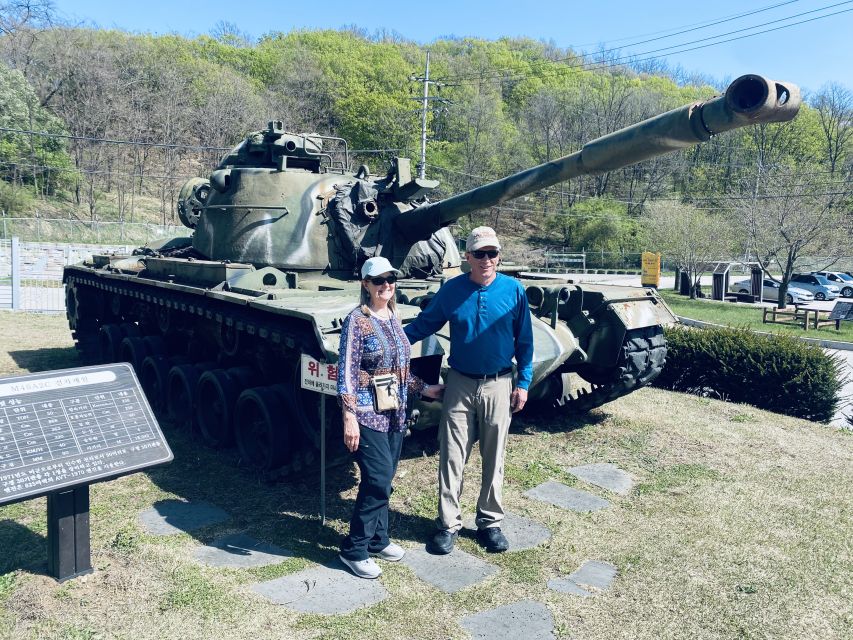
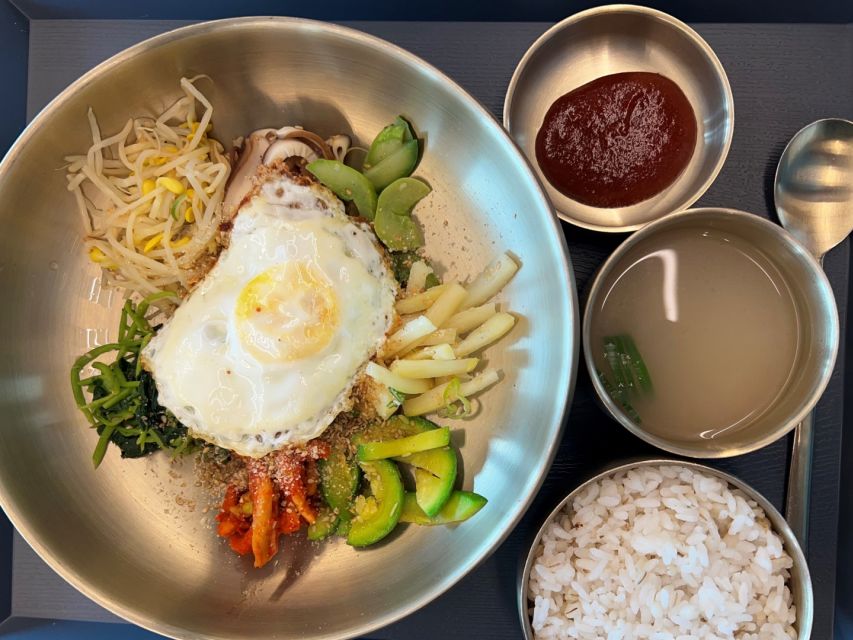
This is the heart of the day, and it’s not a casual stroll. The plan includes a guided visit to the 2nd Tunnel, described as the widest and closest infiltration tunnel in this set, discovered in 1975.
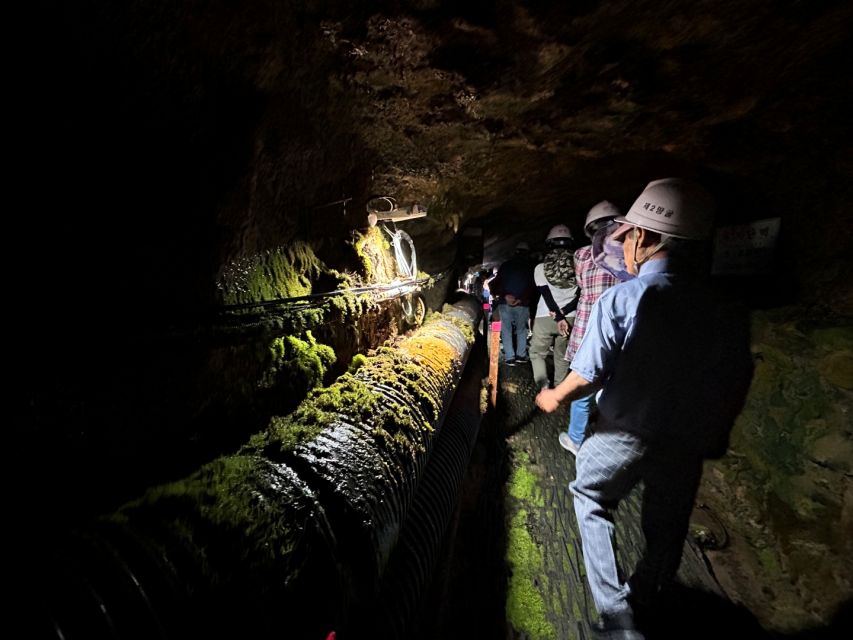
You’ll walk about 3.5 km during the tunnel segment, and it’s scheduled for about 1 hour. The tunnel is cool and enclosed, and you’ll likely spend part of that time moving carefully through low or tight sections. Several past guests specifically mention the need to duck and move with attention.
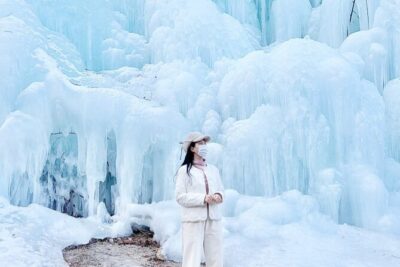
Here’s what I’d treat as the main consideration: the walking can involve steep descents and climbs, and winter conditions can make footing slippery. Even if you’re fit, you’ll want stable shoes with grip. Bring something you trust. If you slip once in a tunnel, the whole day goes sideways.
Also remember this is a guided storytelling experience, not just an engineering tour. The guide typically shares context about the tunnel as an invasion route and includes stories connected to North Korean workers. The point is to connect the physical structure with the human costs of that era.
If the tunnel happens to be affected by safety operations on the day (landmine-related clearance is one reason mentioned in real experiences), the guide should adjust the day so you still see the rest of the planned highlights. The lesson: be mentally flexible. You’re there for meaning, not only for a single location checkmark.
Peace Observatory and DMZ History Museum: the monorail ticket and the line you can’t unsee
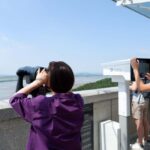
After the tunnel, you move toward the Peace Observatory and related museum stops. This portion runs about 1 hour and includes time at both the observatory area and the DMZ History Museum.
A small but important inclusion: the monorail ticket is covered. That saves time and stress. On a day like this, I’d rather spend my energy listening than figuring out transport inside a controlled zone.
What you’ll focus on here is the Military Demarcation Line and how it shaped the present. Guides typically explain the DMZ not just as a barrier, but as a political reality with ongoing consequences.
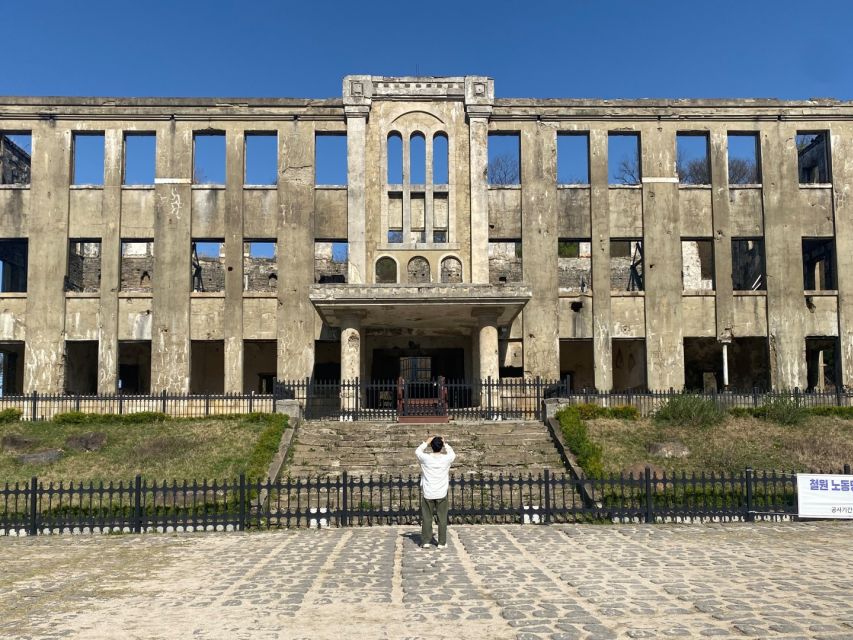
You’ll also see ruins tied to the Korean Workers’ Party Headquarters. That sounds abstract until you’re there. Ruins do a strong job of grounding the story in what physical destruction looks like.
Even though the topic is heavy, guides usually keep the pacing steady. They’ll connect what you saw in the tunnel to what you see at the observatory, so you leave with one coherent mental picture instead of separate scenes.


Lunch in Cheorwon: premium bibimbap set that actually feels like a meal
After the main DMZ blocks, you’ll eat lunch in Cheorwon for about 1 hour.
The included lunch is a premium bibimbap set, made with fresh vegetables and served with side dishes and soup. Based on how guests describe it, this meal isn’t just “included food.” It’s meant to be good enough that you look forward to it.
This is also where vegetarian-friendly travelers will likely feel relieved. The bibimbap concept here is vegetable-forward, and Korean side dishes can make the meal work well even if you’re not eating meat.
If you’re sensitive to spicy food, check at the restaurant counter when you sit down. Bibimbap often comes with gochujang, and it’s easy to adjust if the staff helps you.
Bottom line: the lunch stop matters because it’s timed when you need it. After tunnels and museum-level attention, a real meal helps you reset before the final scenic viewpoint.
Hantangang Y-Bridge: the walk that gives your brain a breather
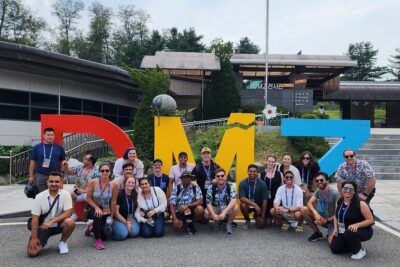
The final stop is 한탄강 Y-형 출렁다리 (Hantangang Y-Bridge Observatory). You’ll have a 20-minute photo stop and free time for the viewpoints.
This is the fun part of the day, in the best way. You’ll get panoramic views of the Y-shaped suspension bridge and the dramatic river setting, plus volcanic rock formations. It’s a different tone from the DMZ. Your body loosens. Your mind gets a chance to absorb the day.
Observatory access is free. If you want to cross the bridge itself, that requires buying tickets on-site.
Should you cross? If you like walking with a view and you don’t mind spending a little more time, crossing can be a satisfying ending. If you’re tired—especially after tunnel stairs—it’s totally fine to treat the observatory as the main experience.
Value check: is $95 a good deal for this much DMZ time?
For $95 per person and an ~8-hour day, this tour prices itself as a practical value.
Here’s why it can feel fair:
- You get round-trip transport from Seoul (and pickup can be available depending on the option)
- The guide is licensed and stays with you through the key DMZ components
- Entry fees are included
- The Peace Observatory monorail ticket is included
- Lunch is included (not a snack box)
- There are no shopping stops designed to eat your time
The only costs you should mentally plan for are the bridge crossing ticket (observatory is free) and your own spending on anything personal. If you’re comparing DMZ options, the inclusion of the tunnel + observatory flow + lunch at this price point is often what makes this one feel like better value than the “transport and a ticket” approach.
Also, transport gets good marks for comfort. That’s not glamorous, but on a long day, it helps.
Who should book this DMZ day trip (and who should skip it)
This tour is a strong fit if:
- You want a Cheorwon-focused DMZ day that’s not rushed
- You like guided explanation and want the context behind what you’re seeing
- You care about a real break and a real lunch, not just vending-machine timing
- You’re okay with a physically active tunnel segment (bring proper shoes)
You might want to think twice if:
- You have limited mobility. The data includes wheelchair access language, but it also says it’s not suitable for wheelchair users. The tunnel and controlled site routes can make that contradiction matter. If you use a wheelchair, I’d contact the operator before booking and ask how you’d handle the tunnel portion.
- You’re expecting a “photo tour.” Photos are restricted inside parts of the DMZ zone.
Should you book this Cheorwon DMZ and 2nd Tunnel tour from Seoul?
I’d book it if you’re aiming for a DMZ day that feels structured, human, and efficient. The combination of the 2nd Tunnel walk, the Peace Observatory + museum pairing, and the included bibimbap lunch turns it into a complete story rather than a few disconnected stops.
It’s also a good choice for travelers who don’t want the day eaten by shopping side quests. If you care about authenticity and you’re willing to do a bit of walking and careful movement in the tunnel, this hits the sweet spot.
Just go in prepared for two realities: the tunnel can be physically demanding, and photography rules inside controlled areas mean you’ll rely on your guide’s explanations more than your camera.
FAQ
How long is the Cheorwon DMZ and 2nd Tunnel tour?
The duration is 8 hours.
What’s included in the price?
The package includes a licensed guide, all entry fees, the Peace Observatory monorail ticket, lunch (premium bibimbap), and round-trip transfers where applicable to your selected option.
Is pickup from my hotel in Seoul included?
Pickup is available from any hotel in Seoul, but pickup and drop-off are specified for private tour options. Your exact details depend on what you book.
Is lunch included, and what will I eat?
Lunch is included and is a premium bibimbap set in Cheorwon made with fresh vegetables.
Do I need a passport?
Yes. You should bring your passport.
Can I take photos inside the DMZ sites?
Photography inside is not allowed.
Is the Hantangang Y-Bridge crossing included?
Observatory access is free. If you want to cross the bridge, you can purchase tickets on-site.
What happens if the DMZ is closed due to political events?
The tour may switch to alternative tourist destinations if DMZ access is affected.
Does the tour run in rain or snow?
Yes. The tour operates as scheduled even in rain or snow.
What if the 2nd Tunnel is unavailable on the day?
In cases where the tunnel is closed due to safety or clearance work, the guide is expected to adjust the day so you still get the planned activities.