REVIEW · DMZ TOURS
DMZ Tour from Seoul – Optional Suspension Bridge Experience
Book on Viator →Operated by I Love Seoul Tour · Bookable on Viator
A quiet drive, then history right at the fence. This half-day DMZ tour from Seoul takes you to Imjingak Pyeonghoa-Nuri Park, the 3rd Tunnel, and Dora Observatory, where a clear day can mean a telescope view toward North Korea.
I like the included coach/minivan transport from central Seoul, because it cuts the hassle. I also love that the stops are specific and practical, especially the 3rd Tunnel details and the Dora Observatory views toward places like Gaeseong and Geumamgol.
The big catch is that the DMZ is run by the military. Stops can change fast, and the tour can be canceled without prior notice—so don’t plan anything fragile right after.
In This Review
- Key Takeaways
- What the DMZ Tour Experience Really Feels Like From Seoul
- Imjingak Pyeonghoa-Nuri Park: War Memory Meets Unification Hope
- Third Tunnel: A Walk Through Tight Space and Big Military Math
- Dorasan Station and the Reality of Military Closures
- Dora Observatory: The Telescope Moment (Weather Is Part of the Deal)
- When the Plan Changes: Alternative Routes Inside the DMZ Zone
- Price and Time: Getting Value From $27.50
- Optional Suspension Bridge and Other Add-Ons: How to Think About Them
- Transport From Central Seoul: Pickup, Meet Points, and What to Expect
- What to Bring and How to Prepare (Without Making It Complicated)
- Who This DMZ Half-Day Tour Is Best For
- Should You Book This DMZ Tour From Seoul?
- FAQ
- What is included in the DMZ tour price?
- How long does the tour take?
- Is hotel pickup included?
- Do I need a passport?
- Which DMZ sites do you visit?
- Can I see North Korea through a telescope?
- Is Dorasan Station guaranteed?
- Is lunch included?
- Are there any age limits for pistol shooting?
- What if the tour is canceled or parts change?
Key Takeaways
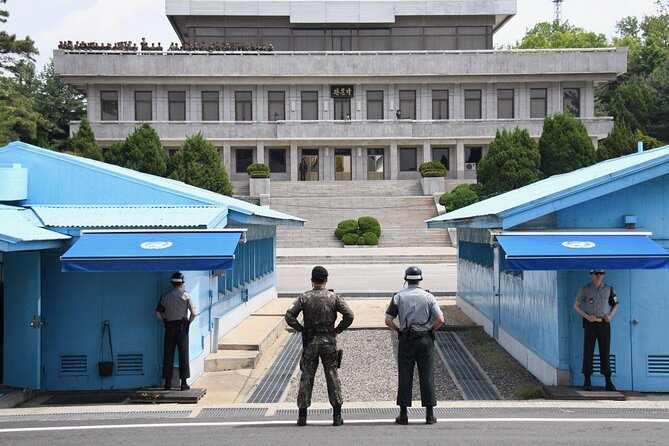
- Clear-day telescope time at Dora Observatory is the star moment, aimed at North Korea from the south
- 3rd Tunnel scale is part of the impact: about 1,635 m long, and very tight in width and height
- Imjingak Park frames the human story with monuments tied to the Korean War and hopes for unification
- Dorasan Station may be closed for military reasons, so the schedule can shift
- No shopping-center detours, which keeps the day focused on the border
- Small group size (max 40) helps the day stay organized on a tight timeline
What the DMZ Tour Experience Really Feels Like From Seoul
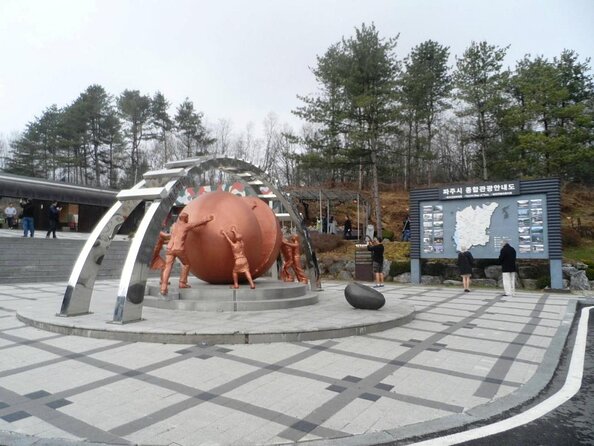
The DMZ doesn’t feel like a theme park. It’s more like walking into a real-world boundary—one that’s been there for decades and still affects daily life on both sides. Even on a half-day format, you’ll get enough context to understand why this place is such a powerful symbol.
This tour runs about 7 hours, but your real experience can stretch closer to 8–9 hours. Early departures plus road and crowd realities matter here. The upside: you’ll return to Seoul with a lot to think about, not just a checklist of photos.
I also like that the day stays reasonably structured. You’ll have a professional local guide, and the itinerary has clear stops: park, tunnel, and observatory—plus flexibility if a military decision changes the plan.
You can also read our reviews of more tours and experiences in Seoul.

Imjingak Pyeonghoa-Nuri Park: War Memory Meets Unification Hope
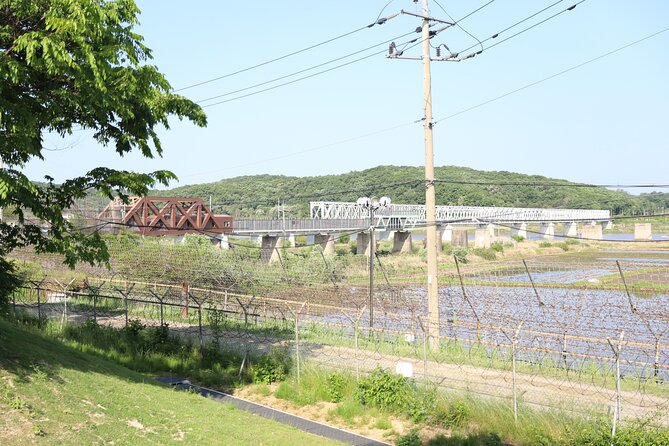
Imjingak Pyeonghoa-Nuri Park is your emotional warm-up. It sits about 7 km from the Military Demarcation Line, so you’re already close to the border zone even before you get into the stricter areas.
You’re here for the story, not the thrill rides. Built in 1972 with the hope of future unification, the park is surrounded by monuments and connected spaces like Unification Park and the North Korea Center. It’s the kind of place where even short stops feel meaningful, because the setting is designed to point you toward the same question: what happens after conflict?
The park stop is about 40 minutes. That’s enough time to see the main highlights with your guide’s explanations, but it’s not a long wandering day. If you’re the type who likes to take slow photos, plan on moving at a group pace.
Third Tunnel: A Walk Through Tight Space and Big Military Math
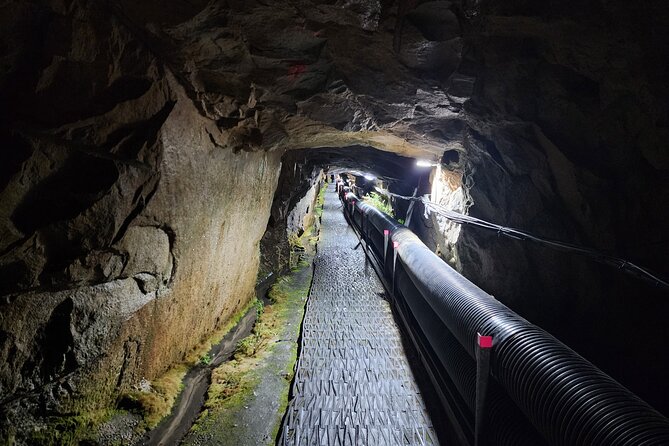
The 3rd Tunnel is the stop that grabs your attention fast. The tunnel was discovered by South Korea in 1978, and it spans roughly 1,635 meters. The dimensions are narrow—about 2 meters wide and 2 meters high—so it’s not just a viewing point. It’s a reminder of how real movement logistics would have worked if the tunnel were used.
The tour time at this stop is around 40 minutes, with the admission included. That time matters because the tunnel visit is one of those experiences where you’re balancing moving, looking, and reading/understanding. I recommend you keep your phone handy but also let your eyes do some of the work—this site makes more sense when you can see the scale in front of you.
Also, this tunnel is often described in terms of volume and speed. It’s estimated that about 30,000 soldiers could move through per hour. Whether you focus on the number or the cramped dimensions, the takeaway is the same: this was engineered for serious operations.
Practical note: dress for cool-to-cold conditions and expect enclosed spaces. Even if the day outside is warm, you’ll likely want layers.
Dorasan Station and the Reality of Military Closures
Dorasan Station is the northernmost stop on South Korea’s railway line. It’s located about 56 km from Seoul and around 205 km from Pyeongyang. It sounds like a perfect photo-op, right?
Here’s the reality: Dorasan Station can be closed for military reasons. In that case, your time won’t be spent there, and the day will run by whatever timing and access the operator can secure that day.
So don’t treat every name on the schedule as a guaranteed moment. Treat the overall arc—park, tunnel, observatory—as the promise. If something closes, you’ll still get DMZ time, and you’ll get guided context for why access changed.
Dora Observatory: The Telescope Moment (Weather Is Part of the Deal)
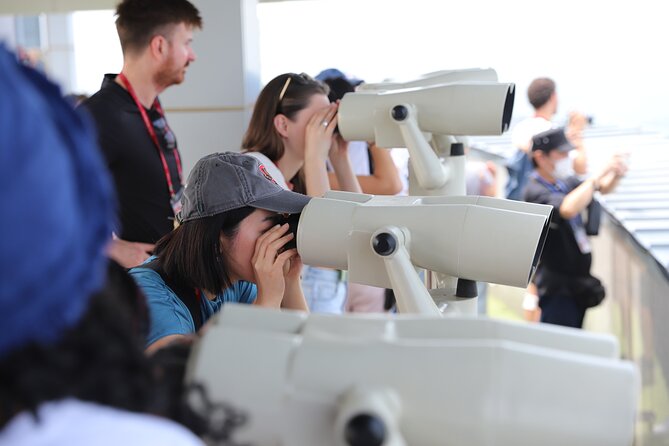
Dora Observatory is where the DMZ tour turns from history explanation into something you can almost picture as present-tense. This is the place where you look over North Korea and specific sites, and a telescope can help on clear days.
The time here is about 30 minutes, and admission is included. Short window, so the best strategy is to be ready to look fast. Ask your guide where to focus. The view is most satisfying when you know what you’re looking for.
From this observatory, you can overlook areas including Gaeseong, Songaksan, the Kim Il-Sung Statue area, and Cooperation Farm (Geumamgol). On a clear day, that telescope view can feel surreal—because it turns long-distance maps into a line-of-sight moment.
If the day is foggy or stormy, your view can be limited. That’s why this stop is such a “weather bet.” You can’t control it, but you can control your attitude: dress for the conditions, keep your eyes open, and use the guide’s pointing to make the most of whatever visibility you get.



When the Plan Changes: Alternative Routes Inside the DMZ Zone
Because the DMZ is operated by the military, the itinerary can shift. Road conditions, weather, government orders, and military training can all affect the schedule. And yes, the whole trip may be canceled without prior notice.
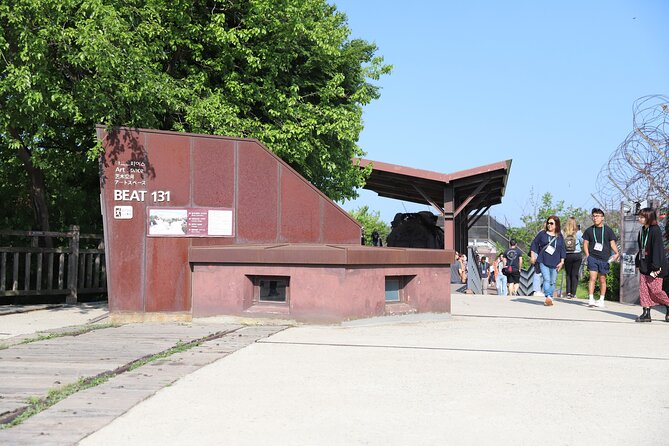
What helps you mentally is that there’s an alternative route ready. If things change, you could see a different mix such as Art Space BEAT 131, Odusan Unification Observatory, and the War Memorial of Korea, with dismissal at City Hall or Myeongdong instead of the original drop-off point.
This flexibility is a big part of why the tour can still feel like a complete experience even when a single stop becomes unavailable. You’re not just stuck waiting—you’re routed to other border-unification context points that keep the day moving.
Price and Time: Getting Value From $27.50
At $27.50 per person, this is one of the more budget-friendly ways to do the DMZ from Seoul—especially because key parts of the visit are covered. You’re paying for a guided group day, air-conditioned coach/minivan transport, and admissions for major components (the 3rd Tunnel and Dora Observatory).
You’re also paying for time structure. Getting out to the DMZ area and moving between stops isn’t trivial. If you tried to DIY it, you’d spend a lot of effort coordinating transport and timing. This tour handles the “how do we get there” part so you can focus on the “what am I looking at.”
A few things that affect value:
- Lunch isn’t included, so you’ll want to budget for food on your own after the tour (or bring snacks if the operator allows it on your day).
- The day can run longer than the posted duration when crowds and road traffic build up.
- You might deal with waiting time at the start on busy days, especially when the DMZ is operating with high visitor volume.
That said, one theme shows up in the good experiences: guides make the day flow. People often highlight guides who keep timing tight and explain why each site matters, not just what you’re seeing. Names that have come up include Stella, Kenny, Chloe, Leo, Jun, Jung, and Chong. If you’re lucky and you get a guide with strong English and energy, the experience feels much more satisfying.
Optional Suspension Bridge and Other Add-Ons: How to Think About Them
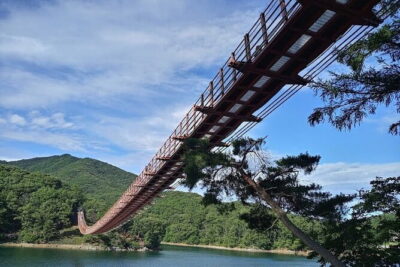
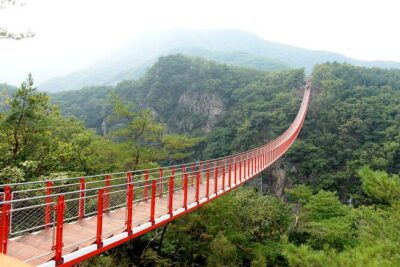
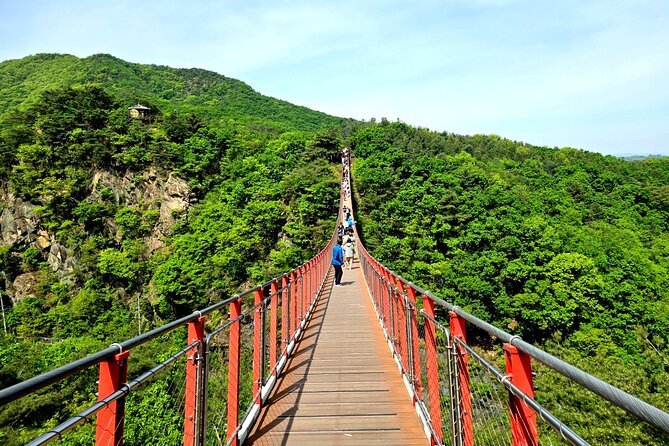
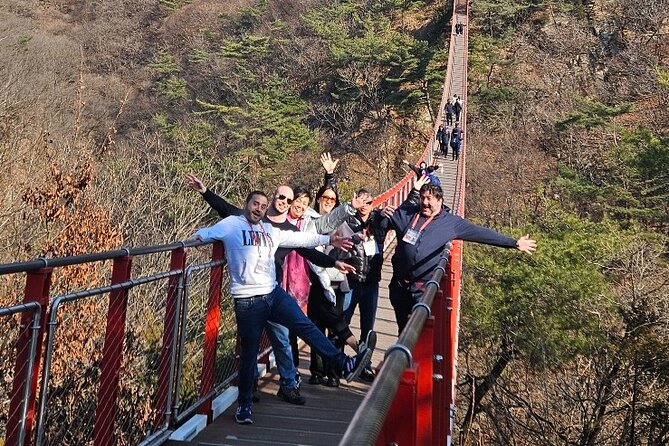
Your tour version includes an optional suspension bridge experience. Since the core DMZ stops are the main focus, treat the bridge as a possible extra that may depend on what’s permitted and how timing works that day.
There is also an optional pistol shooting component mentioned as part of what the operator can include if you select it. The pistol shooting option is available only for participants over age 14.
My advice: if you’re the type who wants the DMZ first and foremost, don’t build your day around the bridge. Plan your expectations around Imjingak, the tunnel, and Dora Observatory. If the add-on happens, great. If it doesn’t, you haven’t lost the main reason to book.
Transport From Central Seoul: Pickup, Meet Points, and What to Expect
The tour includes transport by air-conditioned coach or minivan. Drop-off is at City Hall or Myeongdong.
Pickup works like this in practice: there is pickup service for centrally located Seoul hotels (areas like Gangnam, Myeongdong, Gwanghwamun, Itaewon, and Dongdaemun are specifically mentioned). If your accommodation isn’t in Seoul—like Incheon—you can choose to make your own way to Seoul or pay an extra charge based on distance traveled.
If you don’t get a confirmation email with pickup time, contact the operator by email or call. This is worth doing, because on a DMZ day, small timing confusion can snowball quickly.
One more detail that helps: if your hotel is behind alleys, staff meet you in front of the nearest central hotel or nearest subway station. So don’t assume they’ll find you at your exact front door.
What to Bring and How to Prepare (Without Making It Complicated)
You’ll need a current valid passport required on the day of travel. For this kind of day, no passport, no show.
Dress for layers. You’ll be outside at times, and you’ll go into enclosed places like the tunnel. Wear comfortable shoes you don’t mind tightening up for a brisk group pace.
Also, plan for a moderate physical fitness level. The stops don’t sound like an all-day hike, but you will be moving through checkpoints and walking on uneven surfaces.
And since lunch isn’t included, I’d plan your meals around the tour window. Consider a light breakfast and bring snacks if that’s practical for your schedule and allowed by the operator.
Who This DMZ Half-Day Tour Is Best For
This is best for people who want a structured DMZ introduction without giving up an entire day. The stop combo works well: it starts with a memorial-minded park, moves to the engineered tunnel experience, then lands at the observatory for the telescope view when conditions allow.
It’s also ideal if you like learning with a guide. Many of the strong experiences are tied to guides who can connect what you’re seeing to the Korean War and the ongoing tension behind the border.
If you’re a person who wants total freedom—stopping and starting whenever you feel like it—this might feel a bit tight. The day is planned, access can change, and you follow the group rhythm.
If you hate surprises, keep your expectations flexible. Military access rules mean the DMZ can change under your feet. But the upside is you still get an education-forward day with enough context to understand the stakes.
Should You Book This DMZ Tour From Seoul?
Yes, I think you should book it if:
- You want the main DMZ stops in one half-day format from Seoul
- You’re okay with weather affecting the telescope view
- You’d rather have a guided route than figure out logistics on your own
I’d pass (or at least wait) if:
- You need guaranteed, every-stop access on a strict schedule
- You’re traveling on a day where you can’t handle potential cancellations or reroutes
- You’re hoping for a slow, unstructured day with lots of free time
If you want my quick mental checklist: bring your passport, wear comfortable shoes, and keep your eyes open for the Dora Observatory moment. Even with a schedule that can shift, the core experience gives you something rare—real border geography paired with clear explanations.
FAQ
What is included in the DMZ tour price?
The tour includes a professional local guide, transport by air-conditioned coach or minivan, and admission tickets for the Third Tunnel and Dora Observatory. Drop-off is provided at City Hall or Myeongdong. Pistol shooting is included only if you select that option.
How long does the tour take?
The tour is listed at about 7 hours, but the end time can differ depending on the number of tourists and traffic.
Is hotel pickup included?
Hotel pickup is available for centrally located Seoul hotels. If your accommodation is not in central Seoul (for example, Incheon), you may need to make your own way to Seoul or pay an extra charge based on distance.
Do I need a passport?
Yes. A current valid passport is required on the day of travel.
Which DMZ sites do you visit?
You visit Imjingak Pyeonghoa-Nuri Park, the Third Tunnel, and Dora Observatory. Dorasan Station may be closed for military reasons.
Can I see North Korea through a telescope?
On a clear day, you can look through a telescope at Dora Observatory, depending on weather conditions.
Is Dorasan Station guaranteed?
No. Dorasan Station is closed due to military reasons, and the itinerary may adjust if access changes.
Is lunch included?
No. Lunch is not included.
Are there any age limits for pistol shooting?
Yes. For pistol shooting, participants must be over age 14.
What if the tour is canceled or parts change?
The DMZ is operated by the military, so the trip may be canceled without prior notice, and the itinerary may be altered due to military or weather-related reasons. Refunds are not guaranteed.