REVIEW · GYEONGBOKGUNG PALACE & HANBOK TOURS
Small-Group Royal Palace and Seoul City Tour (hotel pick-up)
Book on Viator →Operated by Seoul N Tour · Bookable on Viator
Two palaces in one smooth day.
This small-group tour strings together Seoul’s biggest royal sites, starting with Jogyesa Temple and ending at Namdaemun, with hotel pickup that saves you planning time. It’s also one of the easiest ways to get the palace story without getting lost in guidebooks.
I like the pacing. You get real time at Gyeongbokgung and then switch gears to Changdeokgung (the UNESCO palace people come for). I also like that the guides, including names like Mr. Young and BK, keep the day practical: where to stand for photos, what to look for, and how the Joseon-era court actually worked.
One consideration: Seoul traffic means more bus time than you might expect, and the royal guard changing ceremony can be altered or cancelled due to weather. If you hate waiting, plan to bring patience and a good camera strap.
In This Review
- Key Highlights You’ll Actually Feel
- Hotel Pickup + Small-Group Format: The Real Value
- The Morning Game Plan: Jogyesa, Blue House Views, and Gwanghwamun
- Gyeongbokgung Palace: Where the Joseon Court Makes Sense
- National Folk Museum: Daily Life Between Dynasties
- Ginseng Center Stop: Optional-Feeling, but Easy
- Insadong Antique Street: Tea House Vibes and Real Shopping Time
- Changdeokgung Palace (UNESCO): The Garden-Drama Factor
- Namdaemun Market and Soongryemun: A Traditional Seoul Finish
- Price and Logistics: Does It Feel Worth $56.44?
- Best Fit: Who This Tour Serves Well
- Should You Book This Seoul Highlights Tour?
- FAQ
- How long is the tour?
- What’s included in the ticket price?
- Is lunch included?
- Where does the tour drop you off?
- What happens if the royal guard changing ceremony is cancelled?
- Which palaces are closed on certain days?
- How big is the group?
Key Highlights You’ll Actually Feel
- Hotel pickup in central Seoul helps you start fast without navigating transit in the morning rush
- Two major palaces in one day, including UNESCO-listed Changdeokgung
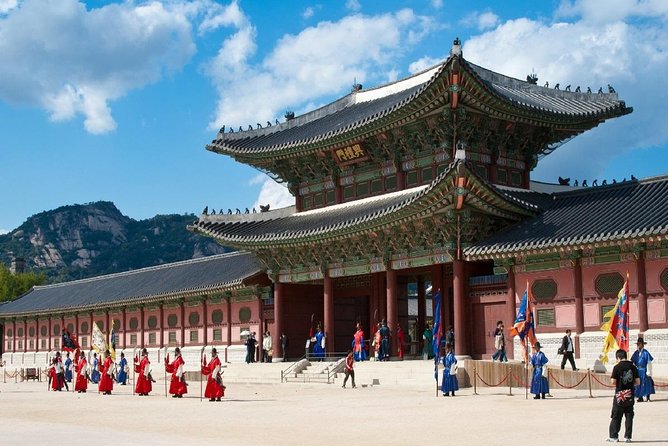
- Royal guard changing ceremony at Gwanghwamun Gate, if weather cooperates
- Insadong antique streets plus Namdaemun Market for a true culture-and-shopping finish
- Small group size (max 16) keeps the day from turning into a stampede
Hotel Pickup + Small-Group Format: The Real Value
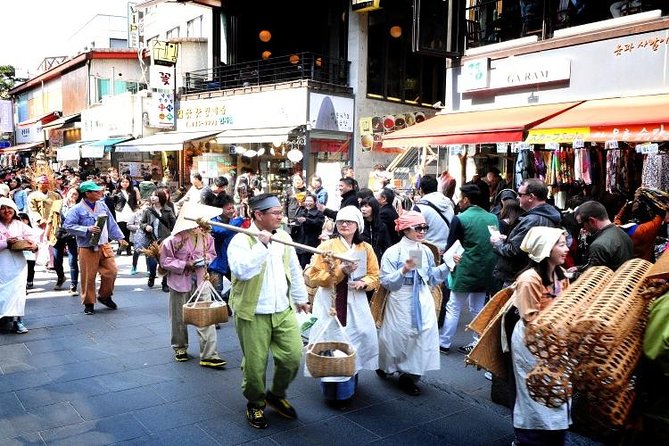
For a first visit, Seoul can feel like a lot at once. This tour’s biggest win is the start-to-finish structure. You’re picked up from central Seoul, driven between sites in a comfortable vehicle, and dropped in the general City Hall or Myeongdong area. That means less time hunting directions and more time actually seeing things.
The small group matters too. With a maximum of 16 people, you usually get breathing room at stops and time for questions. In the guide crew you’ll often hear names like Mr. Young, BK, Sookee, and Lua mentioned often in connection with good pacing and helpful photo timing. Even without naming every guide, the pattern is consistent: the day is organized, and your guide works to keep it flowing.
Also, entrance fees and key guided stops are handled for you. For the price, that reduces decision-fatigue. You’re not constantly thinking, Should I buy a ticket now? or Where do I go next? The tour just keeps moving.
You can also read our reviews of more city tours in Seoul
The Morning Game Plan: Jogyesa, Blue House Views, and Gwanghwamun
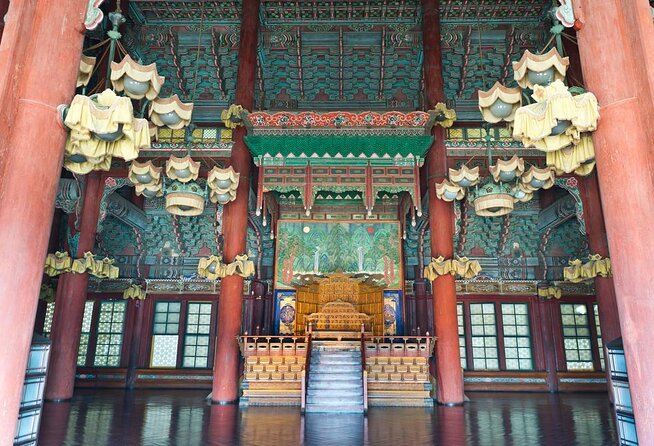
The day starts with a classic Seoul contrast: busy streets, then a calm temple. First up is Jogyesa Temple, a Zen Buddhist temple and a real urban refuge in the Jongno district. This stop is short, but it’s scenic enough to reset your brain. Look for the temple’s colorful decorations and large golden Buddha statues as you orient yourself in the area.
Next you get to Cheong Wa Dae, the Blue House. You’re not going inside. You’re viewing the area from outside with Mt. Bukak in the background, which is still a memorable perspective because it ties modern Korea to the land that once held royal grounds.
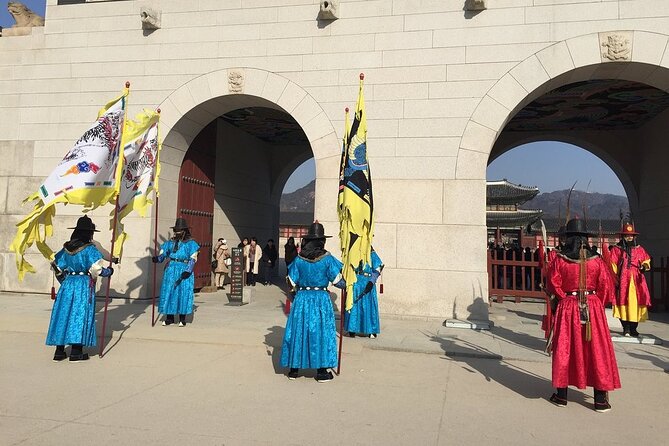
Then you head to Gwanghwamun Gate for the changing of the royal guards ceremony. This is the big showy moment. Keep your camera ready, but also keep your expectations flexible. The ceremony might be cancelled or adjusted because of weather, and the tour may adapt accordingly.
I like this sequence because it builds momentum. You start serene (Jogyesa), then shift to political symbolism (Blue House area), then hit the visual drama (Gwanghwamun ceremony). It’s a great rhythm for people who want both culture and spectacle.
Gyeongbokgung Palace: Where the Joseon Court Makes Sense
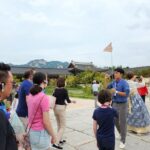
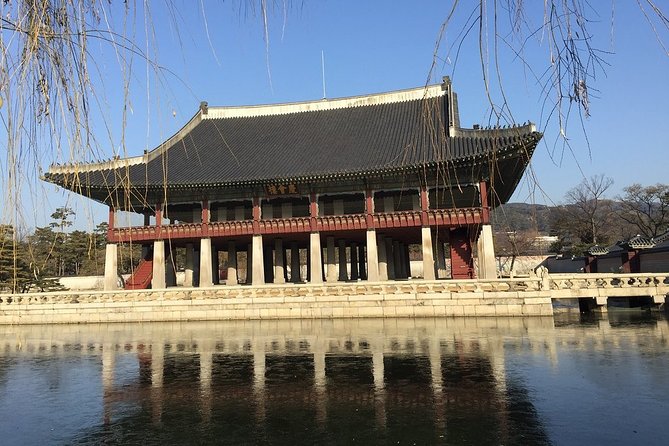
After the ceremony, you move into Gyeongbokgung Palace, the main Joseon dynasty palace. This is the one where the scale and layout help you understand why Korea’s royal period mattered. Even if you’re not a walking encyclopedia, you can follow along because your guide frames what you’re seeing.
A full 1 hour at the palace is enough to cover the core highlights without rushing through the entire site. The trick is to pay attention to the gate-to-courtyard-to-main-hall logic your guide points out, because palace grounds can otherwise feel like open space.
This stop is also where you’ll often feel the biggest payoff for booking a guided day. Palace architecture is not only pretty; it’s functional. Once you notice how the spaces relate to royal authority, the photos stop being just photos and start being context.
National Folk Museum: Daily Life Between Dynasties
Right after the palace area, you’ll visit the National Folk Museum of Korea. The time here is shorter (about 20 minutes), but it’s a smart add-on. Palaces can make history feel distant and elite. The museum helps bring it back down to earth by showing how ordinary people lived through different eras.
This is one of those stops that works best when you treat it like orientation. Instead of trying to absorb everything, focus on a few exhibits and let the guide connect the dots. It turns your palace visit from an impressive stage set into part of a bigger story.
If you’re the kind of traveler who likes museums but hates spending half a day in them, this museum timing is a good compromise.
Ginseng Center Stop: Optional-Feeling, but Easy
Between the palace and Insadong, you’ll stop at a government-approved Korean ginseng center. It’s about 30 minutes, and admission is listed as free in the tour outline. You’ll have a chance to taste Korean ginseng tea and see ginseng products.
I won’t pretend this is everyone’s favorite stop. Still, it can be useful if you’re curious about how Korea explains certain traditional remedies and what products actually look like in real stores. And it’s also a practical break in the middle of a long day.
If you’re not into buying food or supplements, consider this mostly an educational stop and a chance to rest your feet for a bit.


Insadong Antique Street: Tea House Vibes and Real Shopping Time
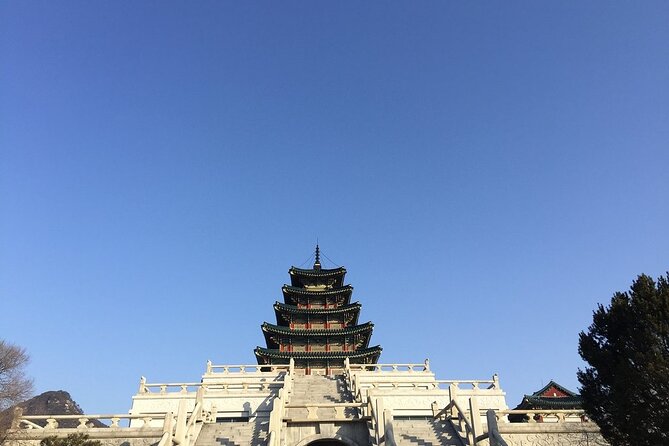
Insadong is where the tour turns from formal history into everyday culture and browsing. You get around 1 hour 20 minutes, which is a solid chunk of time to wander and decide what you like.
This area is famous for antique shops and traditional culture. You can browse goods, pop into an old-style shop setting, and experience the neighborhood’s slower tempo. If you feel like it, you can also enter a Korean tea house. Even if you skip buying anything, the point is to notice the contrast with the palace grounds.
One practical note: lunch expectations changed. Starting September 1, 2024, lunch is no longer included. You’ll have free time in Insadong to choose your own meal. That flexibility is good if you have strong food preferences, but it means you should plan a little time for ordering and paying.
For my money, this is the best part of the day for souvenir hunting that doesn’t feel like a trap. You’re shopping in a neighborhood that already feels like it’s built for it.
Changdeokgung Palace (UNESCO): The Garden-Drama Factor
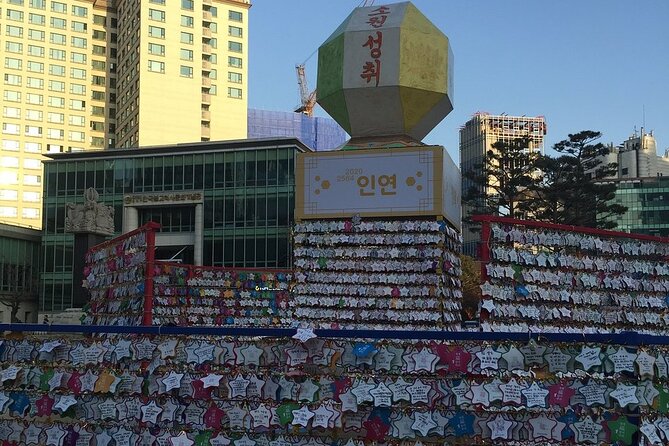
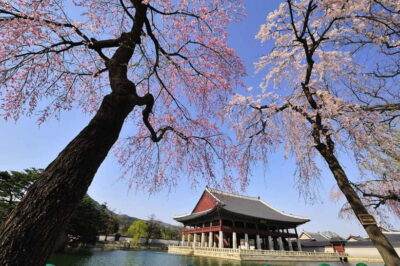
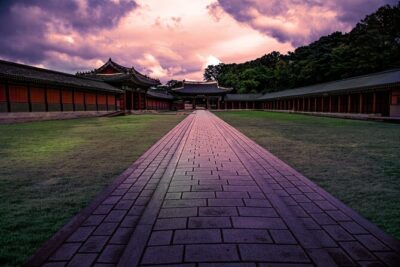
In the afternoon, you’ll visit Changdeokgung Palace, the UNESCO-listed royal palace that’s often praised for being more well-preserved and connected to how Joseon kings lived day to day. You’ll have about 1 hour at the palace.
This is the tour’s second big history anchor, and it’s where the day often clicks for people who thought two palaces sounded like overkill. Changdeokgung helps you see the Joseon court in a different way: not only grand buildings, but also the relationship between space, nature, and daily royal life.
Be aware of a scheduling rule: On Mondays, Changdeokgung Palace is closed, and the tour route adjusts. On Tuesdays, Gyeongbokgung and the National Folk Museum are closed, and the day swaps so you still see Changdeokgung, with the secret garden included in that Tuesday plan. So if you care about specific palace timing, check the day of your trip.
Also, palace sites mean you’ll be outside for parts of the day. Winter or hot weather can change how “pleasant” the day feels. Wear shoes you can walk in for real, not just for photos.
Namdaemun Market and Soongryemun: A Traditional Seoul Finish
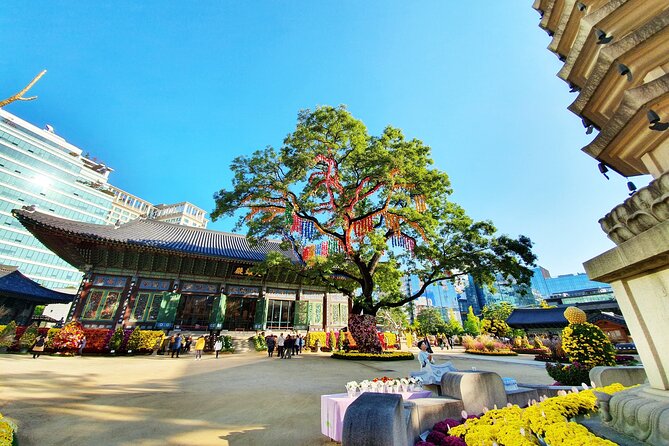
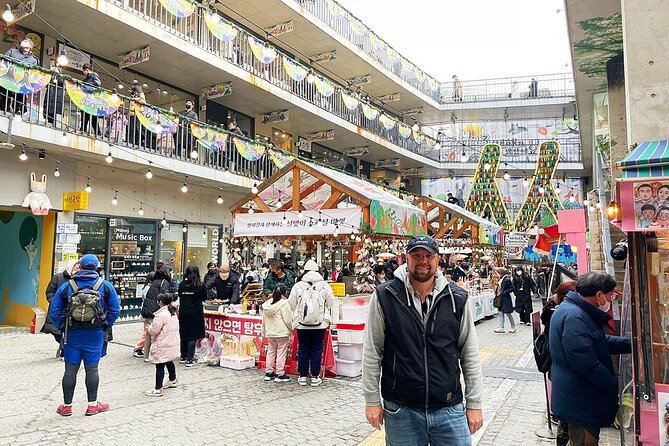
To close out the tour, you’ll head to Namdaemun (Soongryemun) and then into Namdaemun Market. The gate itself was built in 1396, and it’s recognized as an important National Treasure in the tour description. Time here is around 30 minutes, so you’re not meant to do a deep food pilgrimage, but you can absolutely get a sense of the market’s energy.
This stop works well as a final chapter because the day has been structured around palaces and culture, and the market is where you turn those impressions into something tangible. You can browse, snack if it lines up with your schedule, and pick up small gifts.
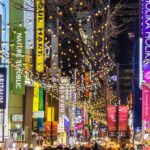
The vibe here is different from Insadong. Insadong feels curated and artsy. Namdaemun feels like commerce and local life running on schedule.
Price and Logistics: Does It Feel Worth $56.44?
At about $56.44 per person, the value comes from what’s bundled rather than from one single wow moment. You get hotel pickup, an English-speaking local guide, driver support, bottled water, and guided access to multiple major sites. Entrance fees are included for the guided palace and museum stops.
If you tried to recreate this yourself, you’d likely spend money on entry tickets and you’d spend time on transit and coordination. This tour compresses the “figuring it out” part into one plan, which is exactly what most visitors want on a first trip or on a tight schedule.
The biggest variable is time. The day is long enough that you’ll feel bus travel. If your idea of a perfect day in Seoul is wandering without rides between zones, you might prefer a slower, self-guided plan. But if you want an efficient highlights loop that doesn’t leave you stuck outside a closed gate, it’s hard to beat.
Best Fit: Who This Tour Serves Well
This tour is a strong match for you if:
- You want two palace experiences without building an itinerary yourself
- You like your sightseeing paired with explanations that connect the dots
- You’re short on time and want a guided highlights day
It’s not ideal if:
- You hate structured schedules or you want long, slow stops
- You prefer lunch included in the price (current policy is free time in Insadong instead)
- You’d be upset if the guard ceremony changes due to weather
Should You Book This Seoul Highlights Tour?
I’d book it if you want the fastest path to Seoul’s “royal Seoul” storyline, plus a real taste of neighborhoods like Insadong and Namdaemun. The combination of two palaces, a temple stop, a museum add-on, and guided city focus is exactly what helps you feel oriented on day one.
If your travel dates land on a Monday or Tuesday, double-check how the palace closures will swap your stops. The tour adapts with alternatives, but the best experiences depend on your priorities. Either way, you’ll leave with a clearer mental map of Seoul—and that’s worth a lot when you return to explore on your own.
FAQ
How long is the tour?
It runs about 8 hours.
What’s included in the ticket price?
You get hotel pickup in central Seoul, an English-speaking local guide, a driver/guide, bottled water, and entrance fees for the listed included sites. Mobile ticket is provided.
Is lunch included?
Starting September 1, 2024, lunch is no longer included. You’ll have free time in Insadong to choose your own meal.
Where does the tour drop you off?
The drop-off is at City Hall or Myeongdong only.
What happens if the royal guard changing ceremony is cancelled?
The ceremony might be cancelled due to weather conditions, and the plan may adjust.
Which palaces are closed on certain days?
On Mondays, Changdeokgung Palace is closed, and the tour goes to Bukchon traditional Hanok Village instead. On Tuesdays, Gyeongbokgung Palace and the National Folk Museum are closed, so the tour adjusts to include Changdeokgung (including the secret garden) and goes to Bukchon Hanok Village in the afternoon.
How big is the group?
The tour has a maximum of 16 travelers, and it runs with a minimum of 2 people.