REVIEW · COOKING CLASSES
Seoul: Experience Korean Cooking in Modern Hanok Kitchen
Book on GetYourGuide →Operated by O'ngo Food Communications · Bookable on GetYourGuide
Your dinner becomes a hands-on lesson. In Bukchon, you cook Korean classics in a renovated modern Hanok kitchen, and you’ll love learning the rhythm of bibimbap while building your own two-dish meal. One possible drawback: you only have 2 hours, so you cook a limited menu and should flag diet needs up front.
The class is led in English by a professional chef, and it’s built around doing, not watching. I also like how the teaching style is patient and step-by-step, so even if Korean cooking feels intimidating, you can follow along and get to the tasty part fast. Just note there’s real cooking involved (chopping, sizzling, and handling gochujang spice), so it’s not a sit-and-snack kind of activity.
In This Review
- Key Highlights You’ll Actually Care About
- Inside The Renovated Hanok Studio In Bukchon
- How The Class Typically Runs (And Why That Timing Works)
- Bibimbap: The Rice Bowl You’ll Want To Recreate
- Your Second Dish: From Jeyuk-bokkeum Heat To Bulgogi Comfort
- Jeyuk-bokkeum (Spicy Pork Barbecue)
- Bulgogi (Korean National Dish Beef)
- Japchae (Non-Spicy Noodles With Vegetable Mix-Ins)
- Diet Options: Customization That Actually Helps
- The Teaching Style: Why You Finish With Confidence
- Taste Testing And What It Teaches You About Flavor
- Price And Value: $84 For A 2-Hour, Two-Dish Skill Builder
- Who This Cooking Class Suits Best
- Should You Book This Bukchon Hanok Cooking Class?
- FAQ
- Where is the meeting point?
- How long is the class?
- What will I cook in the class?
- Is the class taught in English?
- Does the chef teach while you cook, or is it mostly a demo?
- Are diet restrictions and allergies accommodated?
- Is the class spicy?
- Can I book a private or customized class?
- What if I’m late?
- What’s the cancellation policy?
Key Highlights You’ll Actually Care About
- Modern Hanok kitchen in Bukchon: traditional setting, practical studio setup for hands-on cooking
- Chef-led English instruction: you get clear guidance plus cultural context while you work
- You cook at your own station: not just demo time; you make your own dishes
- Bibimbap technique focus: seasonal veg + warm rice + sunny egg so it’s balanced, not heavy
- Gochujang and comfort foods: expect spicy pork barbecue flavor or swap-friendly non-spicy options
- Diet flexibility when you communicate early: the class can be customized, and the kitchen adapts quickly
Inside The Renovated Hanok Studio In Bukchon
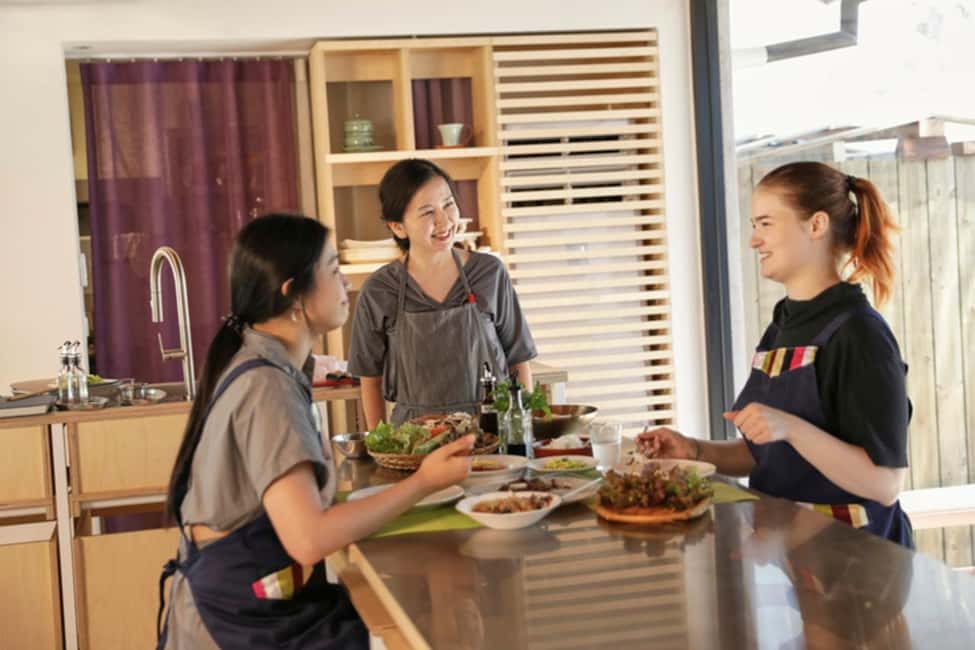
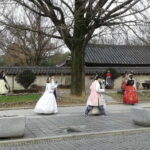
This experience lives in the Bukchon area, where traditional hanok houses are part of the neighborhood’s identity. The kitchen itself is a recently renovated modern Hanok studio, which matters more than it sounds. You get the atmosphere of a classic Korean home setting, but with the structure and workflow you want for a cooking class: ingredient prep within reach, tools where you need them, and clear space to cook.
The meeting point is O’ngo Food Communications, 137-11 Bukchon-ro, Jongno-gu Seoul. Plan to arrive a little early so you can check in and settle before the chef starts. The class runs for about 2 hours, so there’s not much downtime. If you’re late, you risk missing participation, so treat it like a firm appointment.
The biggest value here is the way the kitchen experience is designed. You’re not paying to watch someone else cook. You’re paying to learn the flow: prep first, then cook, then taste, with feedback as you go. One of the standout teaching moments is the chef doing a demo of ingredient prep and the cooking process before you take over. That order reduces stress. It also helps you repeat the dish later, because you remember the steps, not just the final flavor.
You can also read our reviews of more cooking classes in Seoul
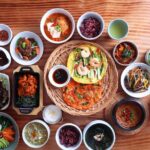
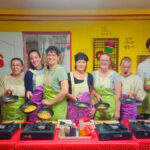
How The Class Typically Runs (And Why That Timing Works)

Even though your exact dish pairing can vary, the structure is consistent. You’ll start with a chef-led explanation in English. Then you’ll see how ingredients are prepared and how the cooking process works. After that, you move into action at your station.
At a practical level, this is smart for two reasons:
First, Korean cooking rewards timing. Vegetables that go on the bowl need to be cooked properly and seasoned so they don’t turn bland once mixed. Second, sauces like gochujang-based marinades deepen as you cook and stir. If you skip the prep logic, it’s easy to end up with a dish that looks right but tastes flat.
The class is also built for learning Korean food culture while you cook. In one example, the chef teaching style comes with calm patience and cultural storytelling, so you’re not just collecting recipes. You’re learning the why behind the flavors—soy and sesame grounding, garlic’s background depth, and how heat is used (sometimes for punch, sometimes just for warmth).
Finally, the pacing is designed around a home-meal mindset. You’re not chasing an elaborate feast. You’re building a couple of dishes the way people actually cook and eat in Korea: rice at the center, sides mixed in, and bold flavors balanced so the meal feels satisfying but not overwhelming.
Bibimbap: The Rice Bowl You’ll Want To Recreate
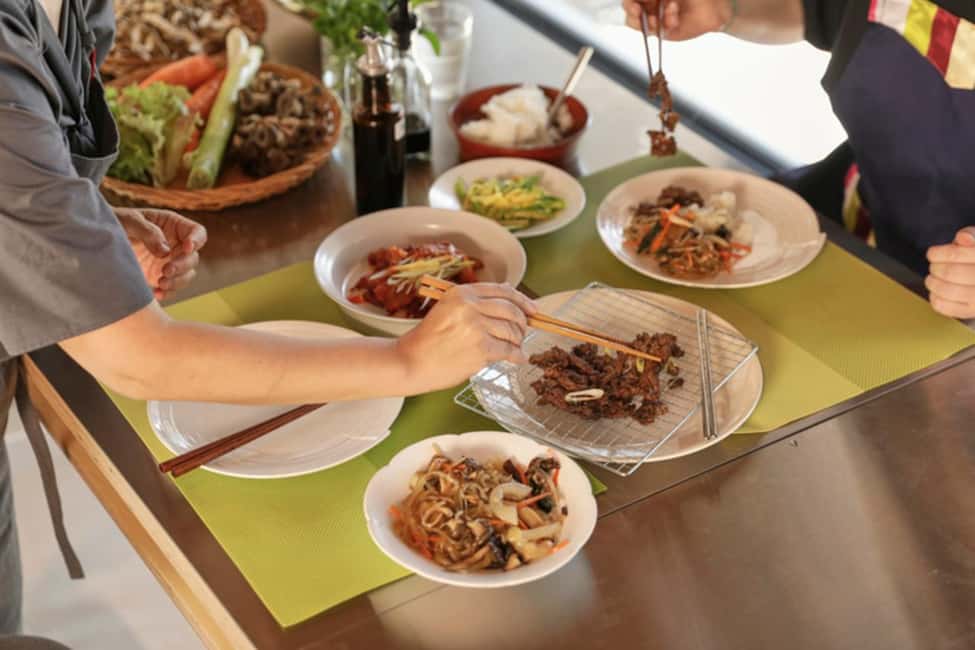
If you take Korean cooking seriously, bibimbap is the dish to learn first. It’s also the dish the experience focuses on most clearly. The goal is to master a bowl that combines warm rice with toppings that make sense together: seasonal vegetables (cooked, seasoned, and ready to stack), plus a sunny-side-up fried egg.
Here’s what you learn that’s genuinely useful at home:
- How to treat vegetables so they taste good on their own, not just as a sad garnish
- How rice becomes the base that balances everything
- How the egg ties the bowl together, adding richness so you don’t need extra sauce
- How the overall bowl stays healthy and nutrient-packed even with bold seasonings
In other words, bibimbap isn’t complicated because it’s fancy. It’s complicated because it’s precise. Each element needs to taste right before it joins the group. That’s why the chef’s step-by-step demo matters. You want to see what properly cooked vegetables look like and how seasoned they should be.
Also, you’ll likely get a chance to taste your work. This is where the lesson sticks. When you notice that a topping is too salty, too sweet, or not quite hot enough, you understand what to adjust next time.
Your Second Dish: From Jeyuk-bokkeum Heat To Bulgogi Comfort
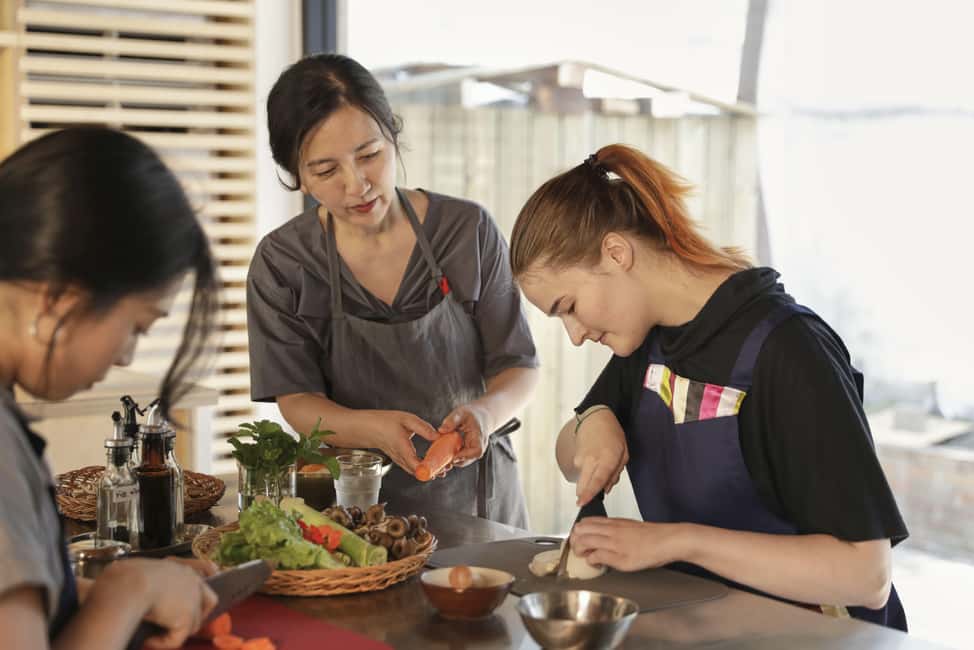
The class lets you create and taste two Korean dishes. Your second dish pairing often comes from the lineup of popular Korean favorites. Two of the most common are spicy pork barbecue and bulgogi beef, both known for big flavor and clear techniques.
Jeyuk-bokkeum (Spicy Pork Barbecue)
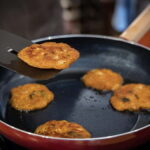
Jeyuk-bokkeum is the spicy pork barbecue built around marinated pork seasoned with a special gochujang-based sauce. If you’re a heat fan, this is the one that delivers immediate satisfaction. Gochujang doesn’t just make things hot. It adds a sweet, fermented depth that coats the meat and turns quick stir-fry into something richer.
The cooking skill you take home isn’t just the flavor. It’s the control: how to cook the pork so it stays tender while the sauce clings, and how to stir enough for even coating without drying things out.






Bulgogi (Korean National Dish Beef)
Then there’s bulgogi, often called Korea’s national dish in this lineup. It’s made with thinly sliced prime beef, marinated in a blend of soy sauce, sesame, and garlic. The result is savory, aromatic, and not overly complicated once you understand the marinade and how it reacts to heat.
If you like food that tastes like home cooking but looks impressive, bulgogi is a strong pick. One of the nice parts of this class is how it keeps the process low-stress. The approach feels structured: the chef explains the recipe steps clearly, and then you cook along. Afterward, that matters because you can actually repeat the dish later instead of thinking you need restaurant-level skills.
Japchae (Non-Spicy Noodles With Vegetable Mix-Ins)
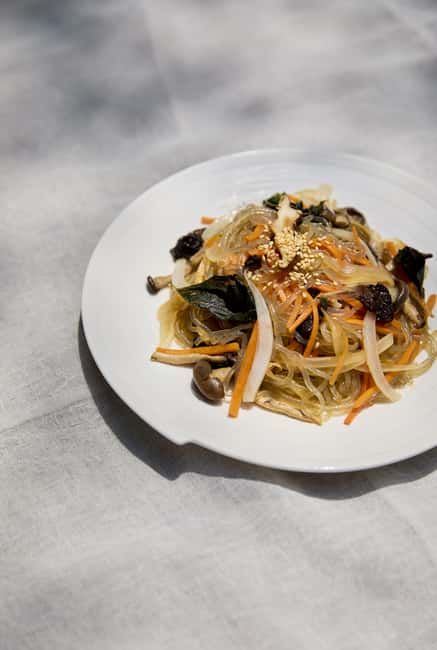
If you’re looking for something less spicy, japchae fits the bill. It’s a non-spicy favorite built from glass noodles mixed with a variety of vegetables, giving you a noodle salad vibe that’s lighter than the heat-forward dishes. Even if you’re not a noodle person, japchae teaches you something important: how vegetables and noodles can work together without needing heavy spice to be satisfying.
A good way to think about your menu choices: if you want a bold heat dish, choose the gochujang pork. If you want savory comfort, go for bulgogi. If you want gentler flavors, japchae brings balance.
Diet Options: Customization That Actually Helps
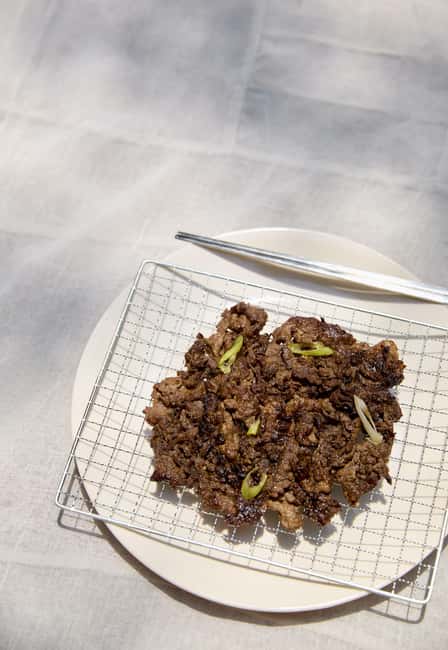
One of the best parts of this class is that it’s designed to be customized for all diet options. That matters because Korean home cooking often includes meat, seafood-based sauces, or ingredients people don’t expect.
The key rule is simple: tell the team about dietary restrictions or allergies. Don’t wait until you’re already in the kitchen. Provide the info early so the chef can plan ingredient choices and avoid last-minute changes.
That said, the kitchen has shown it can adapt fast. In one real case, someone forgot to mention they didn’t eat meat, and the chef came up with a tofu alternative quickly, which turned out to be a hit. That doesn’t replace the need to communicate, but it’s a reassuring sign that the chef can adjust without panicking.
If you have preferences like vegetarian, no beef, or lower spice tolerance, you’ll be happier if you share that before the class begins. It helps the chef build your dish pairing so you leave with something you truly want to eat, not something you tolerate.
The Teaching Style: Why You Finish With Confidence
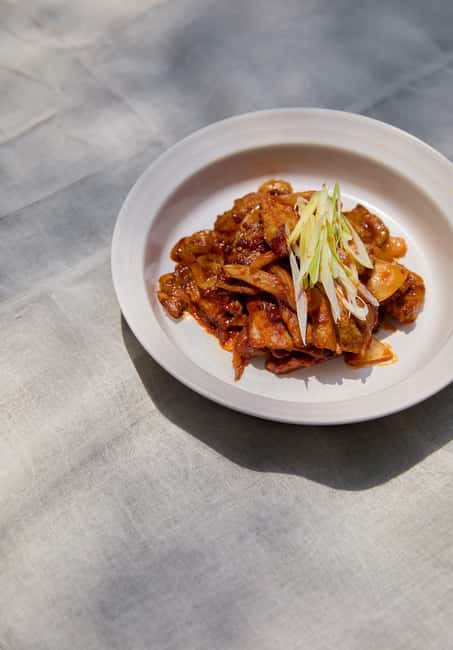
This isn’t just about getting food on the plate. It’s about feeling confident enough to repeat what you learned. The teaching style is calm and structured. In particular, the name Jia shows up in feedback again and again for explaining things with patience, and for adding culture notes along the way.
A standout moment is when the chef demonstrates the recipe first, including ingredient prep and cooking flow. That demo reduces guesswork. It also helps you understand how Korean dishes are built: seasoning isn’t random. It’s part of the structure.
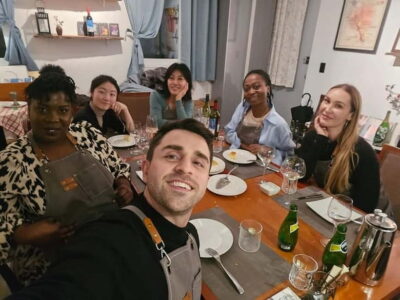
You’ll also appreciate the hands-on format. Each participant prepares their own dishes at their own station, so you’re not stuck watching other people work. And if your group is small, you tend to get quicker help and more attention when something needs adjusting. (Small group care can happen, and it makes a difference when you’re learning a new cuisine.)
Taste Testing And What It Teaches You About Flavor
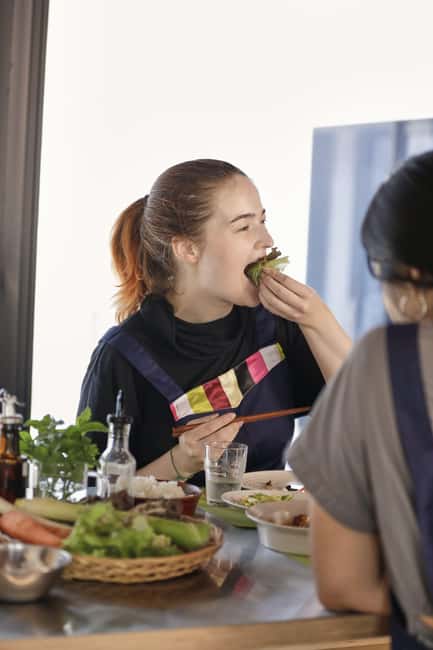
The tasting part might sound basic, but it’s where the value clicks.
When you eat your own bibimbap and your second dish, you can connect flavor to technique. You’ll notice how the egg richness changes the way the vegetables and rice taste together. You’ll also feel how a marinade or gochujang sauce coats meat and changes the overall balance.
This is the real reason these classes are worth paying for: you don’t just learn a recipe. You learn taste logic. And taste logic is what makes you successful when you cook again at home, even if your ingredients aren’t identical.
If you want to get the most out of the tasting, keep a simple mental checklist while you eat:
- Does it taste evenly seasoned, or do you need more balance?
- Is the heat where you want it, or too strong?
- Do the toppings and main dish complement each other, or compete?
That’s the shortcut to cooking like you know what you’re doing.
Price And Value: $84 For A 2-Hour, Two-Dish Skill Builder
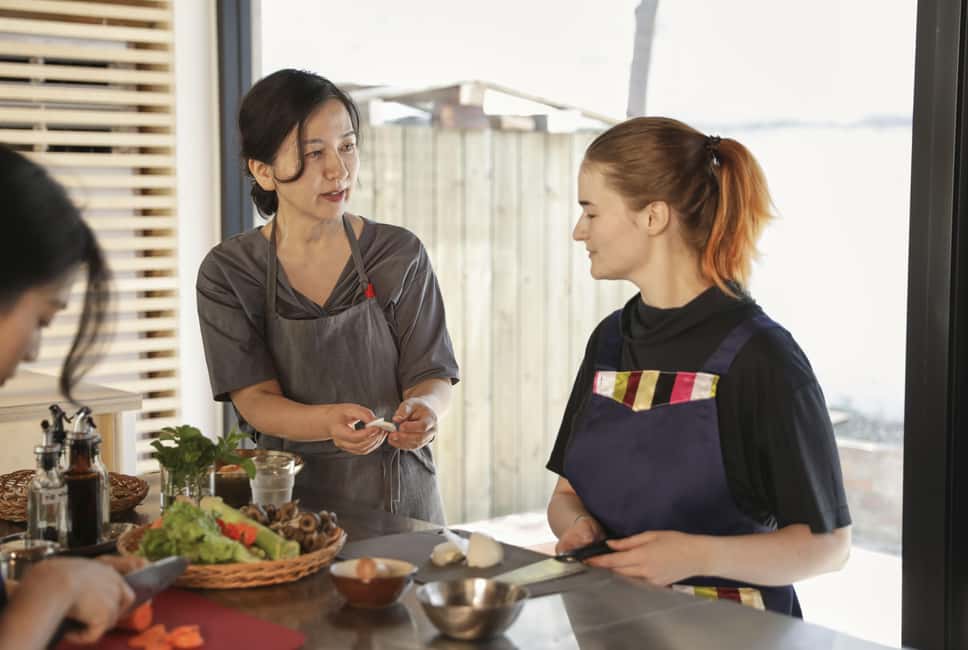
At $84 per person for about 2 hours, this class sits in the “worth it if you want hands-on learning” category.
Here’s what you get for the money, in practical terms:
- A professional chef leading the class
- English instruction
- You cook your own dishes, not just a demo
- Ingredients are provided
- You create and taste two Korean dishes
- The experience is set in a modern Hanok studio in Bukchon, not a bland commercial kitchen
In Seoul, the cost makes sense when you treat it as a skill-building session. You’re paying for time, coaching, and the ingredients you need to make the dishes properly. If you were to cook these at home without guidance, you’d spend extra money on trial-and-error sauces, and you might still wonder what went wrong.
The only real value risk is if you don’t like structured cooking. It’s an active class. If you’re hoping for a mostly observational food tour, you might feel under-scheduled. But if you like learning while cooking, the price-to-result ratio feels solid.
Who This Cooking Class Suits Best
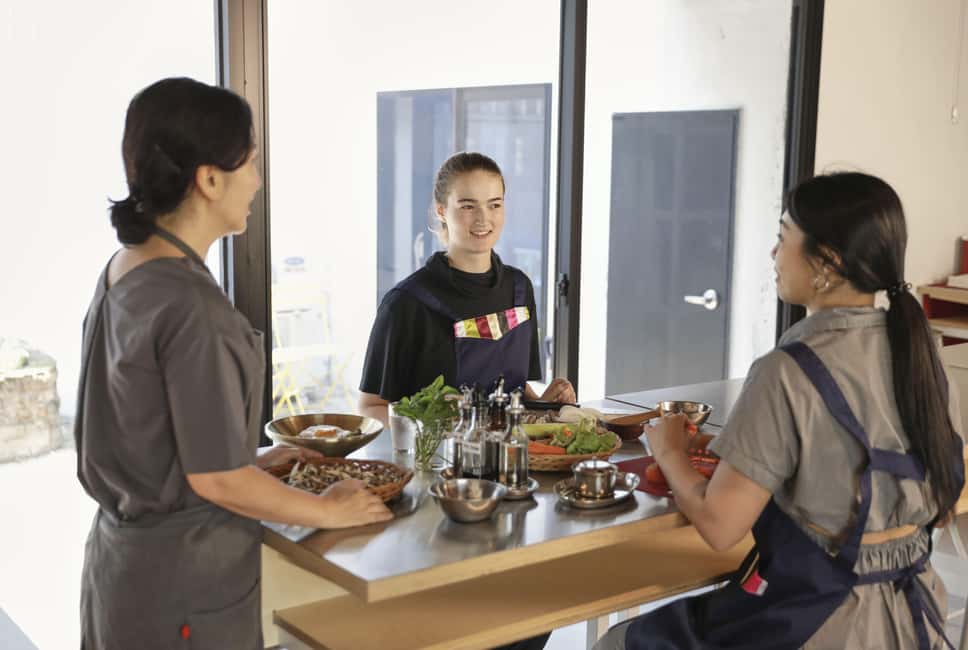
This is a great fit if you:
- Want to learn Korean home cooking beyond takeout
- Like interactive classes where you cook at your own station
- Are excited about bibimbap and want the key techniques
- Want one spicy option (jeyuk-bokkeum) and/or one savory comfort option (bulgogi)
- Need diet flexibility and plan to communicate your restrictions early
It’s also a nice choice for visitors who want a memorable activity without a full-day commitment. Two hours is long enough to learn and taste, short enough to keep the rest of your day free.
Should You Book This Bukchon Hanok Cooking Class?
If you like practical travel experiences, I’d say yes—especially if bibimbap is on your must-eat list. The biggest reason to book is the hands-on format: you cook your own dishes with professional guidance, then taste what you made. That combo turns Korean food from something you order into something you can reproduce.
Do it if you’re comfortable cooking for yourself, even if you’re a beginner. And do it if you can share your dietary needs in advance, so your dish pairing matches what you actually want to eat.
Skip it only if you’re hoping for a quick snack tour with minimal work. This class is designed for your hands, your wok, and your bowl.
FAQ
Where is the meeting point?
The meeting point is O’ngo Food Communications, 137-11 Bukchon-ro, Jongno-gu Seoul.
How long is the class?
The duration is 2 hours.
What will I cook in the class?
You will create and taste 2 Korean dishes. Bibimbap is included, and the second dish is chosen from popular Korean options like jeyuk-bokkeum, japchae, or bulgogi.
Is the class taught in English?
Yes. The class includes English instruction.
Does the chef teach while you cook, or is it mostly a demo?
It’s hands-on. The chef leads the class, and each participant cooks their own dishes after the process is shown.
Are diet restrictions and allergies accommodated?
Yes. You should let the team know about dietary restrictions or allergies so your dishes can be customized.
Is the class spicy?
Some dishes in the options include spice, such as jeyuk-bokkeum with gochujang. If you want non-spicy options, mention your preference—japchae is described as non-spicy.
Can I book a private or customized class?
Yes. Private and customized classes are available by request.
What if I’m late?
If you are late, you are responsible for any missed participation in the program.
What’s the cancellation policy?
You can cancel up to 24 hours in advance for a full refund.

![Private Seoul Wall Trekking [Inwangsan, Bugaksan, Naksan Park, N-Seoul Tower] - How the route works: Inwangsan to Bugaksan to Naksan to Namsan](https://1.visitseoulkorea.com/wp-content/uploads/private-seoul-wall-trekking-inwangsan-bugaksan-naksan-park-n-seoul-tower-400x267.jpg)