REVIEW · 5-DAY EXPERIENCES
From Seoul: 5-Day Tour of Korea with UNESCO Sites
Book on GetYourGuide →Operated by US TRAVEL KR · Bookable on GetYourGuide
Five days, and Korea hits every button. This route strings together UNESCO World Heritage stops in Gongju, Jeonju, and Gyeongju, and it also delivers the kind of food moment you remember later at Jagalchi Fish Market. One thing to plan around: the schedule is tight, and Suncheon Bay Garden can sometimes be closed on certain dates, which can cut your time there.
What I like most is the way the trip is run: an English-speaking guide keeps things moving, and the operation has included coordination by guides such as Justin with Mr. Kim handling on-the-ground logistics. The only consistent catch is that hotel quality can depend on the specific room category you get, even when the hotel name stays the same.
In This Review
- Key moments worth circling on your calendar
- Starting in Seoul: Gwanghwamun meeting point and day-one expectations
- Day 1: Gongju UNESCO tomb and fortress, then Jeonju Hanok-area sleep
- Day 2: Gwangju’s modern-democracy sites, Suncheon Bay Garden, then Yeosu’s Admiral Yi path
- Day 3: Jinjuseong Fortress, Jagalchi seafood overload, and Busan beach-time
- Day 4: Gyeongju UNESCO icons, Andong Hahoe’s Joseon village, then Pyeongchang reset
- Day 5: Mt. Seorak National Park UNESCO biosphere, plus the cable car option and October reality
- Hotels, meals, and the pace math that affects your enjoyment
- Price and value: what $999 buys you on the ground
- Who this tour suits best (and who should reconsider)
- Quick practical checklist before you go
- Should you book this UNESCO Korea 5-day tour?
- FAQ
- Where do I meet the guide in Seoul?
- What is included in the tour price?
- Are lunch and dinner included?
- Which UNESCO sites are included?
- Do I always visit Mt. Seorak in October?
- Is the cable car to Gwongeumseong Fortress optional?
- What should I bring?
- Should I prepare KRW in advance?
- What time does the tour return to Seoul?
Key moments worth circling on your calendar
- UNESCO in a concentrated run across Gongju, Jeonju, and Gyeongju instead of treating them as separate trips
- Jagalchi Fish Market plus Busan’s sea-front views at Haeundae Beach and Dongbaek Park
- Yeosu’s Admiral Yi walking route for history that feels like a stroll, not a museum
- Andong Hahoe Folk Village as a preserved Joseon-era village setting (including a noted visit by Queen Elizabeth II)
- Mt. Seorak National Park as the final big nature payoff, with the option of a cable car for fortress views
- Guide-led pacing that still works during busy periods, even when crowds or events complicate timing
Starting in Seoul: Gwanghwamun meeting point and day-one expectations
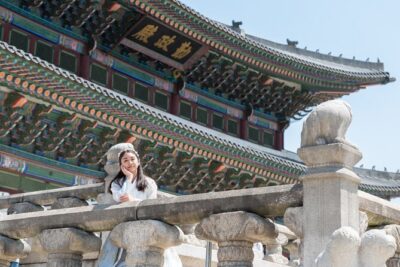
You begin at the Donghwa Duty Free Shop Building at Gwanghwamun Intersection. Your guide meets you holding a K-shuttle sign board, and the most direct access is Metro Gwanghwamun Station, Exit 6. Also note the important practical bit: there’s no hotel pickup from Seoul, so you’ll want to make your own way to the meeting point on day one.
This matters because the itinerary is designed around getting out early and keeping transfers smooth. The trip uses air-conditioned transportation, and the vehicle size can change depending on how many people join, so don’t expect a single fixed bus the whole time. If you’re the type who hates being crammed, bring patience and plan to keep your most-used items easy to reach.
You’ll also want to show up with comfortable shoes ready to do real walking. This tour includes fortresses, villages, and national park access where the terrain is not always gentle.
You can also read our reviews of more tours and experiences in Seoul
Day 1: Gongju UNESCO tomb and fortress, then Jeonju Hanok-area sleep
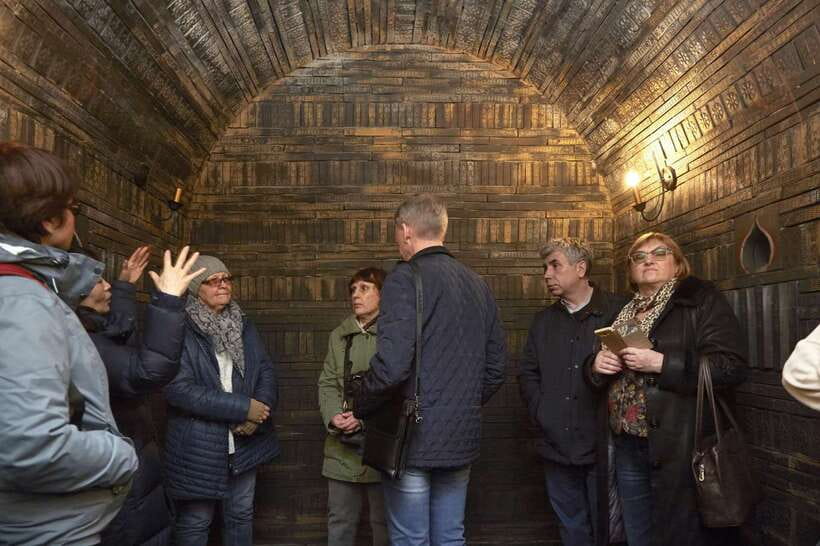
Day one is a strong opener because Gongju gives you two major UNESCO targets back to back. You’ll visit the Tomb of King Muryeong, one of Korea’s best-known royal-era sites, then move to Gongsanseong Fortress, also UNESCO-listed. The value here isn’t just the label. Fortresses like this are where you start understanding how geography shaped defense, travel, and settlement in ancient Korea.
After that, the trip heads to Jeonju and checks you into a hotel close to Hanok Village. This is a smart staging choice because Jeonju’s old-town atmosphere is best enjoyed on foot. Even if your schedule is busy, having your base near the Hanok area saves you time and hassle later.
Practical timing thought: day one is already doing a lot of sightseeing before you even reach your evening neighborhood. If you want calm photos at sunset, consider doing a short walk near your hotel after dinner (when you’re free to choose your own pace).
Day 2: Gwangju’s modern-democracy sites, Suncheon Bay Garden, then Yeosu’s Admiral Yi path
Day two starts with a transfer to Gwangju, specifically tied to Korea’s modern democratic movement. You’ll pay your respects at the May 18th National Cemetery. This stop is heavier than the other UNESCO-style visits on the trip, and I recommend treating it like a moment of quiet focus rather than a quick photo stop.
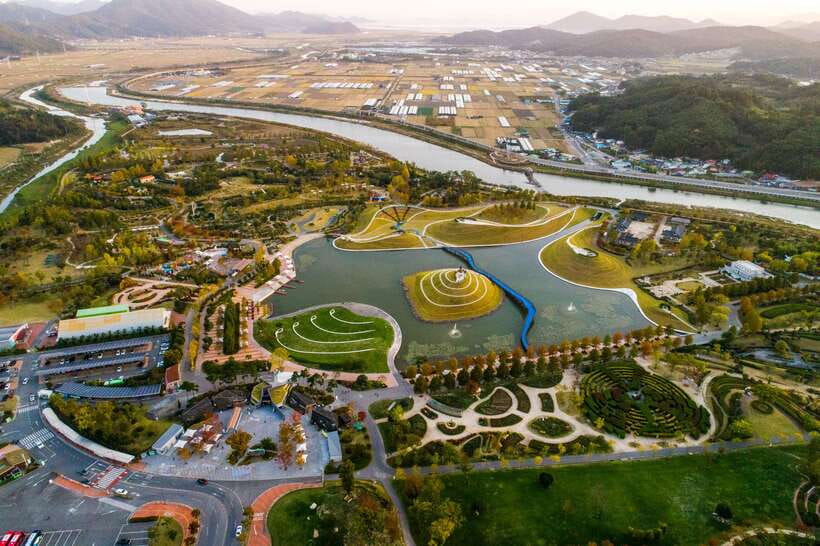
From there, you go to Suncheon Bay Garden. This is one of the itinerary items that can be impacted by closures on specific dates. If your dates line up with a closure, the day still moves forward, but your planned garden time may be reduced, and that can affect how much you enjoy the slow, scenic part of the day.
Next comes Yeosu and the Historic Site of Admiral Yi Sun-sin’s Path. This is a nice change of pace from cemetery solemnity and garden walking because you’re back to story + place. Admiral Yi is a well-known figure, and the walking route format makes it feel more human-scale than another building-to-building day.
You’ll check into a hotel in Yeosu for the night. The big takeaway for day two: your emotions will swing, and that’s the point. It’s not only about monuments. It’s about how Korea remembers both struggle and survival along the coast.
Day 3: Jinjuseong Fortress, Jagalchi seafood overload, and Busan beach-time
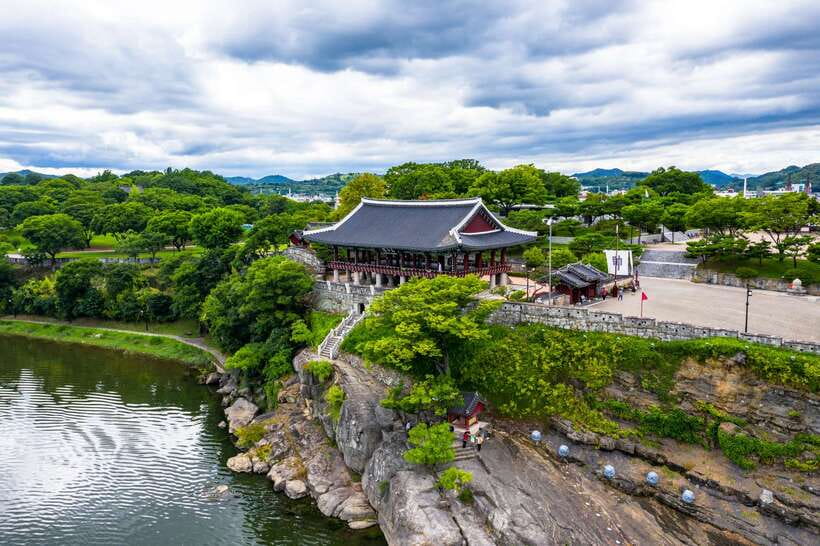
Day three connects history with food and sea views, which is exactly how you keep a 5-day trip from getting monotonous. You begin at Jinjuseong Fortress, including the Chokseoknu edifice. The site is linked to the Japanese invasion in 1592, so you’ll get an on-site reminder that fortifications were made for real military pressure, not just scenic overlooks.
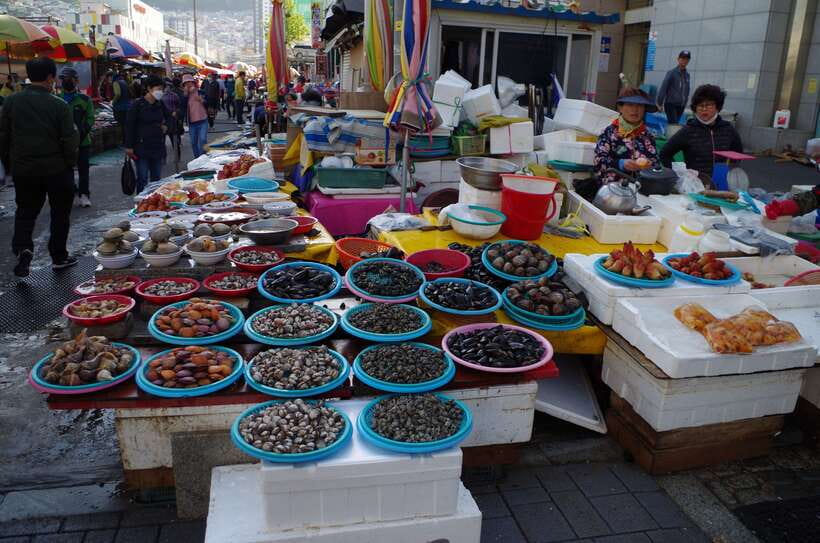
Then it’s onward to Busan, and the first major “you’ll feel it” moment is Jagalchi Fish Market. This is Busan’s largest seafood market, and it’s the kind of place where you smell, see, and hear the city’s working life. Even if you don’t go all-in on buying seafood (you’ll have to decide what fits your appetite), the market experience itself is worth your time.
After Jagalchi, you shift to Haeundae Beach and Dongbaek Park for views. This pairing works because it balances the market’s intensity with open sea air and calmer walking. If the weather is decent, this portion becomes one of the most relaxing stretches of the whole tour.
Finally, you end in Gyeongju and check into your hotel. Gyeongju is the next day’s UNESCO base, so the hotel is less about fancy downtime and more about getting your legs ready.
Day 4: Gyeongju UNESCO icons, Andong Hahoe’s Joseon village, then Pyeongchang reset
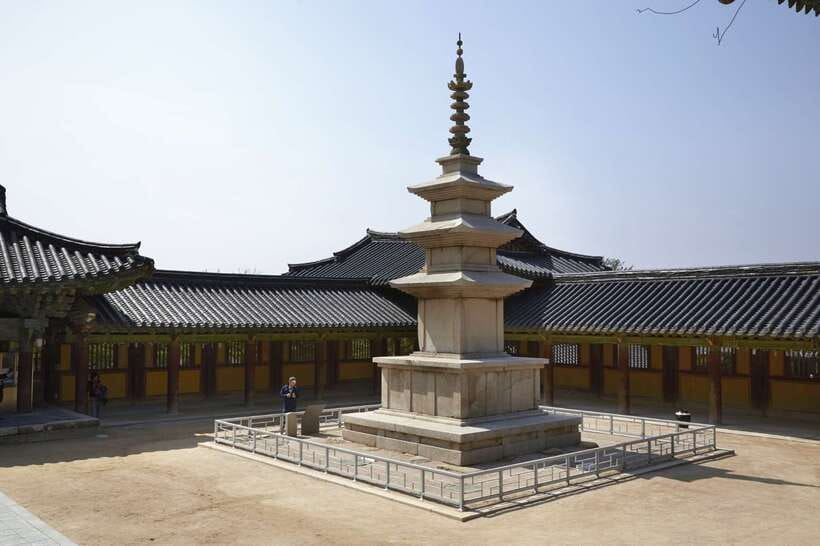
This day is where Gyeongju really earns its reputation. You start with Seokguram Grotto (UNESCO) and Bulguksa Temple (UNESCO). The key thing to know is that these aren’t just one-off sights. They show two sides of Gyeongju’s religious and artistic legacy, and the pairing makes the day feel like a complete story rather than separate stops.
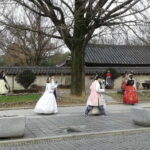
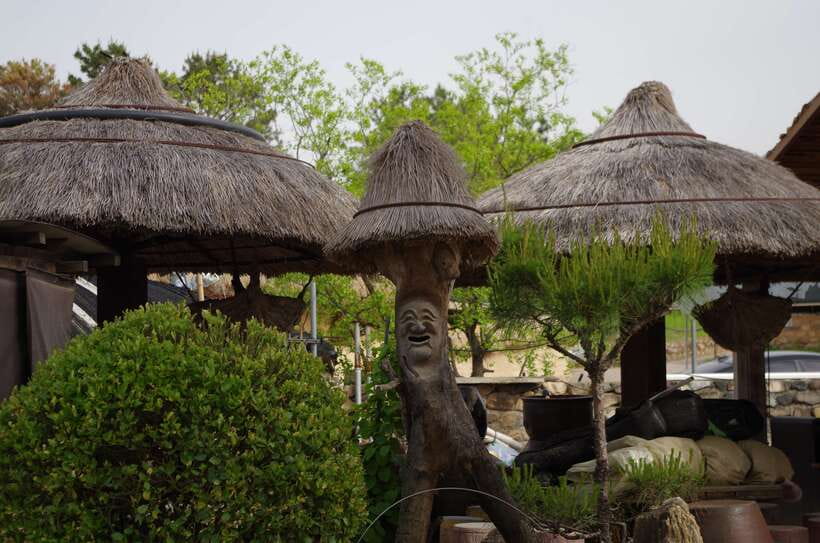
From Gyeongju, the route goes to Andong Hahoe Folk Village (UNESCO), described as preserved Joseon Dynasty ancient housing and culture, and it’s also noted as a site visited by Queen Elizabeth II. That detail matters because it points to why the village is preserved: it’s a living style of architecture and settlement, not a theme park recreation.
Day four can feel long because you’re covering two UNESCO-heavy blocks (Gyeongju and Andong) plus travel. If you like to take breaks, use them. Don’t try to sprint through. Slower pacing here actually helps you notice details like layout and building style.
Then you transfer to Pyeongchang and check into your hotel. The itinerary gives you leisure time at the end of the day, which is smart. Use it to eat something simple, plan what you want from Mt. Seorak tomorrow, and let your feet recover.


Day 5: Mt. Seorak National Park UNESCO biosphere, plus the cable car option and October reality
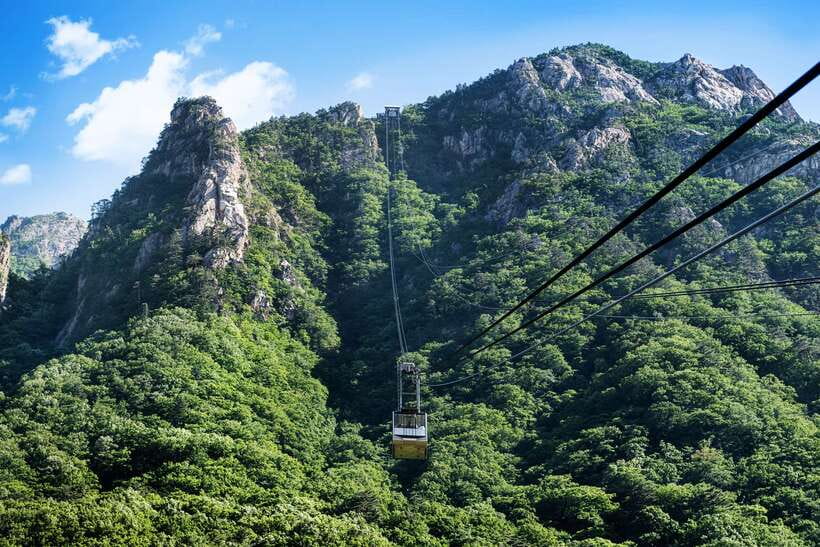
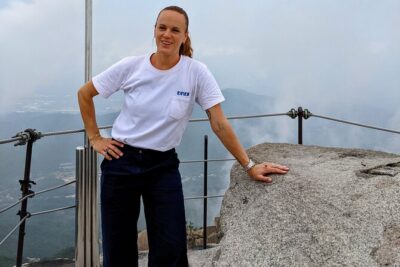
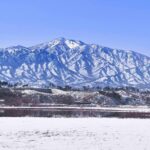
Day five is the nature climax: Mt. Seorak National Park, a UNESCO biosphere preservation district. This is the part of the trip that shifts gears from human history to scale—valleys, rocky peaks, and that feeling that the land has its own schedule.
There’s also an optional cable car to Gwongeumseong Fortress. The itinerary notes this as tied to the Shinheungsa temple area. If you’re not up for a long walk, the cable car option is a practical way to still get big views without spending the entire day on foot.
One critical planning note: visiting Seoraksan could be restricted and may be skipped in October. The tour information also warns that Seoraksan National Park may restrict buses for entry, and you must walk about 3.6 km from the parking lot to the entrance. So if you’re traveling in October or similar shoulder seasons, treat Mt. Seorak as an “adventure mode” day, not a guaranteed short stroll.
The tour finishes with a transfer back to Seoul at 17:00, returning you to Gwanghwamun. That fixed end time is useful for planning dinner or onward travel the same day.
Hotels, meals, and the pace math that affects your enjoyment
You get 4 nights of hotel accommodation, typically twin or triple sharing, plus breakfast every morning. Hotel names are given as options or similar equivalents, including Jeonju Ramada Hotel (or similar), Ramada Plaza by Wyndham Yeosu (or similar), Gyeongju Commodore Hotel (or similar), and Ramada Hotel Pyeongchang (or similar).
Here’s the honest tradeoff: the trip packs many places into five days, so you’re not choosing hotels for luxury. You’re choosing them for location and sleep. Based on feedback from the experience, room categories can vary, and some bookings have ended up with less ideal room placement (like rooms near roads or parking). If you care a lot about quiet rooms and you’re sensitive to noise, it’s worth being mindful that you may not have full control over the exact room assignment.
Lunch and dinner are not included. That’s actually a good thing for many people because it gives you flexibility to eat local dishes when and where you want, rather than being steered into set menus every day. Just remember you’ll need to budget time for meals since the itinerary is active.
Price and value: what $999 buys you on the ground
At $999 per person, you’re paying for organization plus the heavy lifting: English-speaking guide time, air-conditioned transportation, selected entry tickets, and 4 nights with breakfast. In a trip like this, the biggest cost sink is usually not only tickets, but the logistics of moving across multiple regions without getting lost in schedules and language barriers.
This itinerary also strings together major UNESCO sites that would be annoying to coordinate independently, especially when you’re trying to get from Gongju to Jeonju, then to Gwangju/Yeosu, then to Busan/Gyeongju, then to Andong/Pyeongchang, and finally Mt. Seorak. That’s a lot of driving and timing wrapped into one plan.
So the value question becomes: do you want the freedom to pick your own pace, or do you want someone else to handle routing and timing? If you’re the second type, this is a good match. If you hate strict schedules, you might feel rushed—some feedback suggested adding extra days would improve the overall comfort.
Who this tour suits best (and who should reconsider)
This tour is a strong fit if you want a single organized run that covers UNESCO sites across several regions, plus major Korean culture moments like Jeonju’s Hanok-area setting and Andong Hahoe’s preserved Joseon-era village. It’s also good for food lovers because Jagalchi Fish Market is built into the schedule, and Busan’s beach and park time gives you a mental break from indoor history.
It may not suit you as well if:
- You’re trying to travel at a slow, unstructured pace.
- You need lots of time at each stop to wander without pressure.
- You’re traveling in October and strongly want Seorak to be a guaranteed, easy outing, since restrictions and walking distance can change the experience.
Quick practical checklist before you go
- Wear comfortable shoes. Some days include fortress and village walking.
- Bring enough KRW before departure, because exchanging currency during the trip can be hard.
- Plan for a day-by-day pace. Even with transport help, you’ll be on your feet.
- Keep a flexible mindset for seasonal changes around Mt. Seorak in October.
If you value having the guide and tickets handled, this package is a solid way to see Korea beyond a single-city bubble. And if your dates allow you to adjust, free cancellation up to 3 days in advance makes it less stressful to commit.
Should you book this UNESCO Korea 5-day tour?
I’d recommend booking if you want a guided, high-efficiency route that hits UNESCO sites in Gongju, Jeonju, and Gyeongju, adds meaningful cultural stops in Gwangju and Yeosu, and ends with Mt. Seorak as the nature payoff. The strongest reason to choose it is that it saves you the planning headache while still giving you variety: temples and tombs, a real fish market, preserved Joseon housing, and mountain scenery.
Skip it or adjust your expectations if you’re someone who needs long pauses at each place or you’re traveling in October and want Seorak to be completely predictable and low-walking.
If you do book, treat it like an organized road trip through history and scenery, not a relaxed vacation. Your feet will know it. Your photos will too.
FAQ
Where do I meet the guide in Seoul?
Meet your guide at the Donghwa Duty Free Shop Building at Gwanghwamun Intersection. The guide will be holding a K-shuttle sign board, and you should use Metro Gwanghwamun Station Exit 6.
What is included in the tour price?
The tour includes 4 nights of hotel accommodation (twin or triple sharing), hotel breakfast, an English-speaking guide, entry tickets for selected attractions, and air-conditioned transportation.
Are lunch and dinner included?
No. Lunch and dinner are not included, so you’ll need to budget for meals each day.
Which UNESCO sites are included?
The tour includes UNESCO World Heritage sites such as the Tomb of King Muryeong and Gongsanseong Fortress (Gongju), Seokguram Grotto and Bulguksa Temple (Gyeongju), and Andong Hahoe Folk Village. Mt. Seorak National Park is also part of the itinerary and is noted as a UNESCO biosphere preservation district.
Do I always visit Mt. Seorak in October?
The information says Seoraksan could be restricted and may be skipped in October. Bus restrictions may also apply, with about a 3.6 km walk from the parking lot to the entrance.
Is the cable car to Gwongeumseong Fortress optional?
Yes. The itinerary notes an optional cable car to Gwongeumseong Fortress, with the information that it’s linked to the Shinheungsa temple area.
What should I bring?
Bring comfortable shoes. The tour includes walking at fortresses, villages, markets, and national park areas.
Should I prepare KRW in advance?
Yes. You’re advised to prepare enough KRW before departure because it may be hard to exchange currency during the trip.
What time does the tour return to Seoul?
On the final day, the tour concludes with a transfer back to Seoul at 17:00, with timing noted for Gwanghwamun.
![Andong Hahoe Village [UNESCO site] Premium Private Tour from Seoul - Stop 1: Andong Hahoe Folk Village walk through traditional homes](https://1.visitseoulkorea.com/wp-content/uploads/andong-hahoe-village-unesco-site-premium-private-tour-from-seoul-400x267.jpg)