REVIEW · 5-DAY EXPERIENCES
5-Day Korea Golden route by K-shuttle Tour from Seoul Including Busan, Yeosu
Book on Viator →Operated by US Travel Korea · Bookable on Viator
This route hits Korea’s big themes fast. It strings together Baekje-era history, UNESCO stone temples, and real coast-and-market time, all without you wrestling trains or translations. I really like the way the guide brings the sights to life—on many departures it’s Justin Choi (one of the most praised guides), and the story-telling style makes you slow down and look closer. One possible drawback: the days are busy, and the long stretches of driving mean you’ll want stamina, not just good intentions.
The second thing I like a lot is the mix of “old Korea” and “modern Korea.” You get the quiet, craft-focused atmosphere of Jeonju Hanok Village, then you swing over to Busan’s seafood energy and end with mountain views in Seoraksan. If you’re the kind of person who enjoys seeing a lot in a little time, this format will feel satisfying; if you want lots of unplanned wandering, you might feel slightly rushed.
In This Review
- Key things that make this tour work (and feel fun)
- Price and logistics: what $999 buys you (and what it doesn’t)
- The welcome drill: where you meet, what to bring, and how the day starts
- Day 1: Gwanghwamun to Jeonju’s hanok streets and Baekje royal tombs
- Day 2: May 18 Memorial meaning, Suncheon nature, and the Admiral Yi connection
- Day 3: Busan’s Jagalchi seafood and Haeundae’s big-sky seaside
- Day 4: Bulguksa and Seokguram UNESCO stone, then Hahoe’s river curve
- Day 5: Olympic-era Alpensia, Seoraksan’s mountain drama, and the Donghwa finish
- Hotel reality check: good breakfast support, mixed accommodation levels
- How much walking and driving should you expect?
- Your guide matters: how to get more out of every stop
- Should you book the 5-Day Korea Golden Route?
- FAQ
- What’s included in the $999 price?
- Are lunch and dinner included?
- Do I need to pay admission tickets during the tour?
- Where do we meet and where does the tour end?
- What’s the guide language and group size?
- What luggage size is allowed?
- How far in advance do I need to cancel for a full refund?
Key things that make this tour work (and feel fun)
- UNESCO temples are the center of gravity: Bulguksa + Seokguram get their own focused time.
- You’re not planning transport: door-to-door vehicle transfers connect far-flung stops.
- A strong guide can make history click: guides like Justin Choi, Mina, Brandon, Andy, and Cooper are mentioned as standouts.
- Markets and food streets are built in: Jagalchi Market in Busan is a highlight stop.
- You sleep for 4 nights with breakfast: it’s one less thing to budget and sort out.
- Group size stays manageable: the tour max is 50 people.
Price and logistics: what $999 buys you (and what it doesn’t)
At $999 per person, you’re paying for the big-ticket “glue” of the trip: the vehicle transfers between cities, a professional English-speaking guide, 4 nights of lodging, and 4 breakfasts. That’s the part that usually costs you the most in real time and real effort when you plan Korea yourself—especially when you’re moving across regions like Seoul → Gongju/Jeonju → Busan → Gyeongju area → Andong/Seoul return.
What’s not covered is food. Lunch, dinner, and snacks aren’t included (unless a stop specifically says otherwise), so budget for meals on your own during most daytime hours. Also, some optional add-ons can cost extra—things like entry surcharges or special transportation tied to certain sites.
Logistically, the route is built around a fixed start and end point. You meet near Donghwa Duty Free by Gwanghwamun around 8:00am, and the tour finishes around 18:00 in front of Donghwa Duty Free on day 5. You’ll use the day’s schedule like a track—helpful if you want structure, limiting if you like spontaneity.
You can also read our reviews of more tours and experiences in Seoul
The welcome drill: where you meet, what to bring, and how the day starts
Meet-up is at the parking lot next to Donghwa Duty Free Shop, near Gwanghwamun Subway Station exit 6, at 8:00am. The tour ends in front of Donghwa Duty Free Shop around 18:00 on the last day. Since you’re not doing a long Seoul sightseeing block, plan your Seoul time either before or after this tour.
Bring walking shoes. The tour notes a moderate amount of walking, and you’ll be on your feet at temples, fortress areas, and historic villages. If you’re visiting in winter, warm clothes are strongly recommended, because you’ll be outdoors at multiple stops.
For luggage, you get one carry-on bag with dimensions about 24″ x 16″ x 11″. If you travel with multiple bags, check how you’re planning to manage them inside the vehicle and during hotel changes.
Day 1: Gwanghwamun to Jeonju’s hanok streets and Baekje royal tombs
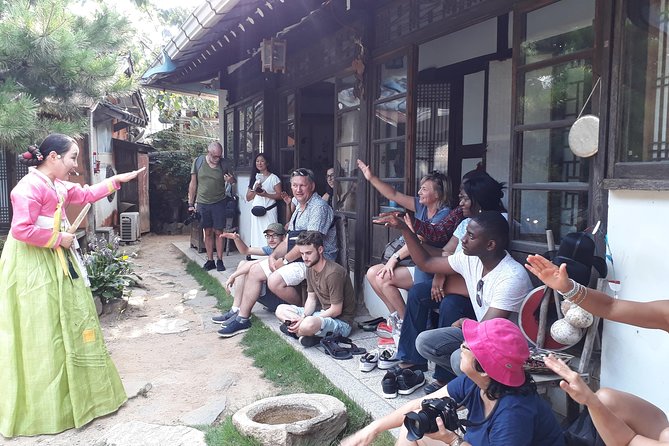
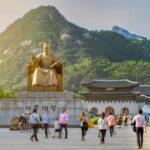
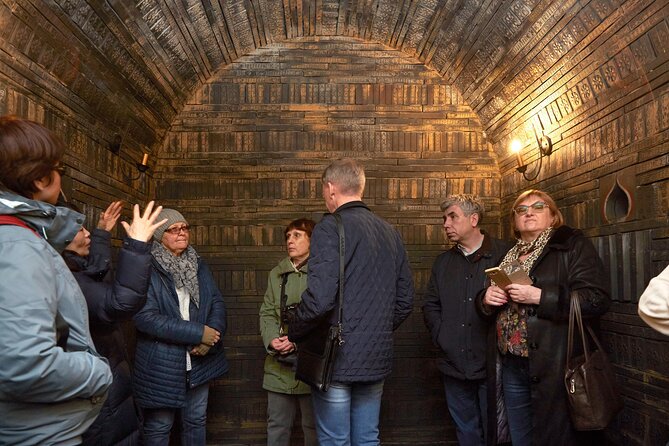
Day 1 has an excellent “orientation through history” vibe. You start at Gwanghwamun’s meeting point, then head to the royal world of the Baekje Kingdom through the Songsan-ri Tombs and the Royal Tomb of King Muryeong. It’s not just a site stop—it’s a chance to understand how early Korean kingdoms built power and memory into stone and earth.
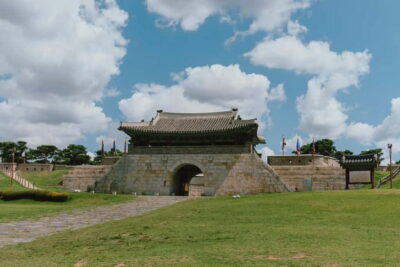
Next comes Gongju and the mountain fortress at Gongsanseong Fortress. The focus here is the view and the climb rhythm. Even when the actual time on site feels short, the setting helps you understand why forts were chosen where they were—high ground, long sightlines, and a natural defense angle.
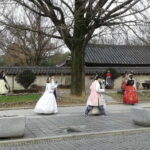
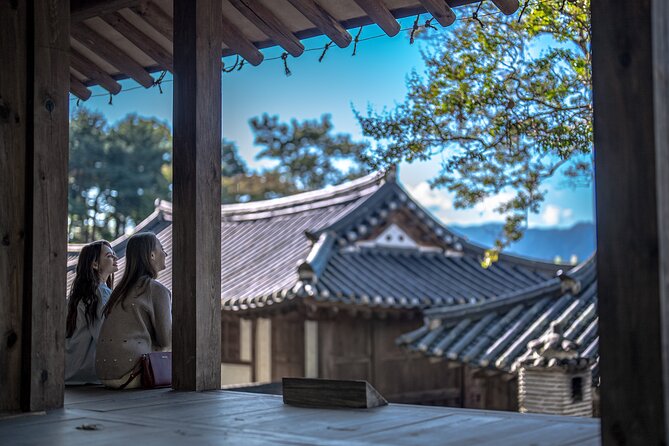
Then you land in Jeonju Hanok Village, where the atmosphere changes. This is one of the best moments for slow looking: the hanok roofs have those distinctive lines and edges that feel almost graphic in photos, but they’re more impressive in person. This is also a good place to grab a snack or drink on your own and get oriented to Korean food smells and street-life without leaving the historic mood.
Day 2: May 18 Memorial meaning, Suncheon nature, and the Admiral Yi connection
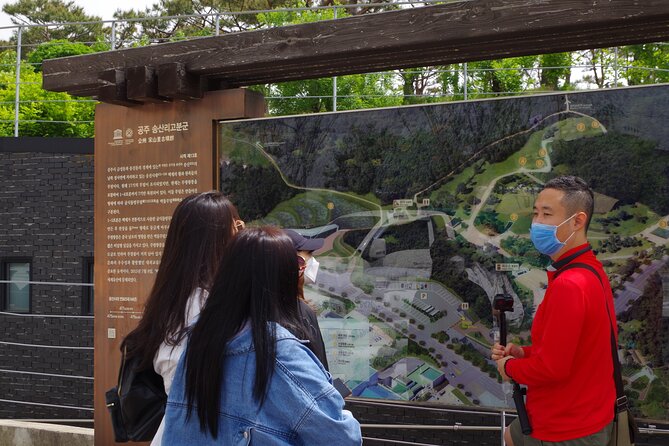
Day 2 begins at the May 18 National Cemetery, in front of Mudeungsan Mountain. This stop is emotionally serious, focused on the victims during the struggle for democracy in May 1980. It’s the kind of place where the guide’s framing matters; you’ll understand more when someone explains what you’re seeing beyond the layout of graves.
After that, you head toward Suncheon Bay Garden, a conservation area with a strong biodiversity focus. The official emphasis here is the protected habitat and the range of trees and flowers—so even if you’re not a “plant person,” the stop makes you pause and notice how Korea manages green space.
Then there’s the Statue of Admiral Yi Sun-sin stop, tied to the Imjin War era. This is one of those “history that connects to place” moments. You’re not just learning dates—you’re learning the geography of leadership and where strategic decisions were made.
Some departures include time in the broader south-coast area (Suncheon/Yeosu region). Based on what people have noted, there can be a fish market stop in that zone. If seafood markets are your thing, keep an appetite ready.
Day 3: Busan’s Jagalchi seafood and Haeundae’s big-sky seaside
Day 3 is your energy shift. Jinjuseong Fortress comes first, with a focus on historical links to the Japanese invasion in 1592. After the earlier tomb and temple tone, you get a more defensive, watchtower feel—again, the setting does a lot of the teaching.
Then you go straight to Jagalchi Market in Busan, Korea’s largest seafood market. This is one of the best stops for a real taste of how coastal life works. You’ll see both live and dried fish, and even if you don’t buy anything, it’s a loud, visual lesson in local markets.
Next up is Haeundae Beach. You get classic seaside scenery plus the modern side of Busan, because the area is tied to major events and international visitors. It’s also a strong contrast to the morning fortress stop: morning history, afternoon sea.
If you want one practical tip here, it’s simple: plan to spend a little extra time watching people and photographing shoreline views. Your official time on site is fixed, but your own pace at the beach can still feel flexible.


Day 4: Bulguksa and Seokguram UNESCO stone, then Hahoe’s river curve
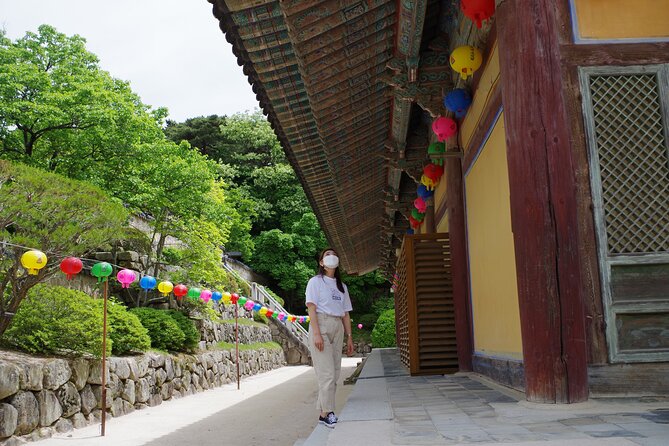
This is a big day for anyone who likes temples, stone craft, and UNESCO-level “why does this look so perfect?” design.
Seokguram and Bulguksa Temple are both UNESCO-designated. Seokguram is described as an artificial stone temple made with granite. The pairing is smart: Seokguram gives you the “wow, how did they build this” perspective, and then Bulguksa adds context as the representative relic of Gyeongju. Together, they make Korea’s temple architecture easier to understand as a system, not just separate monuments.
In practical terms, this day also tends to reward camera patience. You might feel like you’re moving quickly between places, but the temples themselves need a pause. Let the guide’s explanations land before you rush into photos.
The day finishes at Andong Hahoe Folk Village (Hahoe Village). The selling point is the river curve of the Nakdong River, plus the scenery around Buyongdae Cliff and the pine trees. It feels like a living stage set built by nature. This is also a good moment for your “slow Korea” craving—less crowd pressure than a big city market, more quiet, older rhythm.
Day 5: Olympic-era Alpensia, Seoraksan’s mountain drama, and the Donghwa finish
Day 5 starts with the Alpensia Ski Jump Lounge, connected to the Pyeongchang 2018 Winter Olympics. It’s not the typical Korea choice, and that’s why it works: you get a modern Korea snapshot paired with the rest of the trip’s older sights.
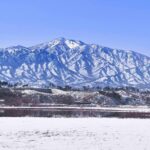
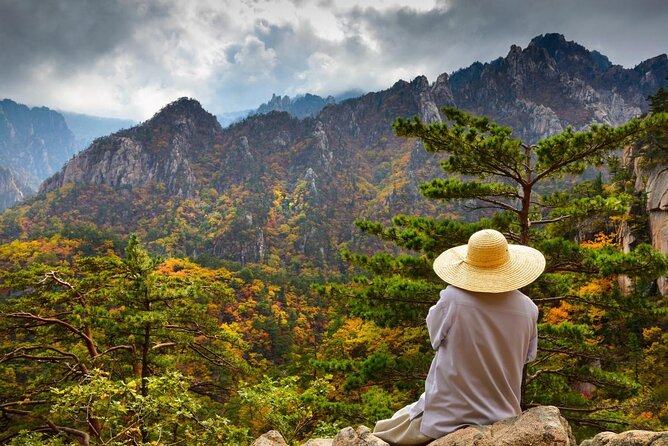
Then you go to Seoraksan National Park and the nearby Sinheungsa area. The tour description highlights Sinheungsa & Seorak Mountain. Even without over-selling it, this is where you get that classic mountain drama: peaks and valleys, plus temples in the mix. If you like nature photos, you’ll understand why people schedule Korea around seasons.
The day ends back in Seoul-area at Donghwa Duty Free around 18:00. You’ll be done with the structured tour part, but you’ll have enough energy (or at least enough stories) to decide whether you want a late dinner near your hotel or a calmer night-in.
Hotel reality check: good breakfast support, mixed accommodation levels
You get 4 nights of accommodation with breakfast included. That alone is a strong value point because it reduces daily meal decision fatigue.
What can vary is the hotel quality. Some people praise hotels as clean and comfortable, while others flag certain stays as older or poorly maintained. Since the tour notes that hotels can vary by weather, traffic, and unforeseen circumstances, you should expect a range of room conditions rather than a guaranteed modern hotel experience.
A practical move if you’re picky about lodging: keep your expectations realistic and put your effort into the parts you can’t “self-fix”—the guide-led stops, the UNESCO focus, and the set geography. Also, if you’re arriving for dinner on your own, one simple strategy is to ask your guide where the closest easy food options are near your hotel.
How much walking and driving should you expect?
The pacing is fast-paced by design. You’ll cover a lot of kilometers across a handful of regions, with a stop-and-see pattern rather than long open-ended exploration blocks. The tour also mentions that most travelers can participate, which suggests the physical demands are manageable for many people—but it still helps to wear shoes you trust.
If you get carsick, plan ahead. Even if the vehicle is comfortable and air-conditioned (and that’s often part of the experience), the sheer amount of time on the road can add up. Bring water habits into your day even though you may not get meals included.
Your guide matters: how to get more out of every stop
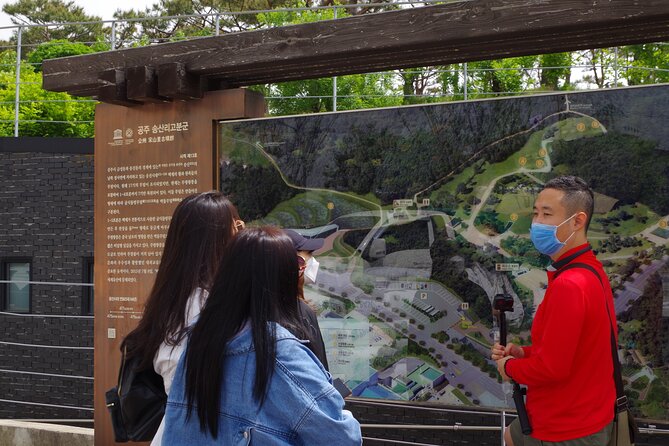
This route works best when you treat the guide like part of your itinerary—not an extra. The most praised aspect across guide names like Justin Choi, Mina, Brandon, Andy, and Cooper is the storytelling angle: explaining why a site looks the way it does and what happened there historically.
When you’re at a major site, I’d use a simple mindset: ask one question in your head, then see if the guide answers it. If not, ask after the stop or during the bus transfer. At temples and historic villages, those explanations help you notice the little details you might otherwise skip.
Also, take the guide’s food suggestions seriously. Even without included lunches or dinners, the guide can steer you toward practical local choices that fit the day’s schedule.
Should you book the 5-Day Korea Golden Route?
Book it if you want a structured “taste of Korea” across regions, with UNESCO temples as anchors and enough variety to keep the days from feeling repetitive. At $999, the value is strongest when you compare it to the hassle of arranging intercity transport, booking hotels for 4 nights, and paying for a guide to tie history and geography together.
Skip it (or consider something slower) if you’re the type who needs lots of unplanned time. This route is intentionally packed, and you’ll feel the travel days. It’s best for people who like checklists, big sights, and a guide doing the context work.
FAQ
What’s included in the $999 price?
The tour includes transportation to all places on the itinerary, a professional English-speaking guide, 4 nights of accommodation, and breakfast for 4 mornings.
Are lunch and dinner included?
No. Lunch, dinner, snacks, and other drinks or food are not included unless specifically noted at a stop. You’ll plan your own meals most days.
Do I need to pay admission tickets during the tour?
Many stops list admission as free, but the tour also notes optional admission fees for certain items, such as entry to Seokguram Grotto and other add-ons like monorail or cable car/temple entry, depending on what’s offered in the program.
Where do we meet and where does the tour end?
Meet at 8:00am at the parking lot next to Donghwa Duty Free Shop near Gwanghwamun Station (exit 6). The tour ends around 18:00 at Dongwha Duty Free Shop.
What’s the guide language and group size?
You’ll have a professional English-speaking guide. The tour has a maximum group size of 50 travelers.
What luggage size is allowed?
You’re allowed one carry-on bag measuring approximately 24″ x 16″ x 11″.
How far in advance do I need to cancel for a full refund?
You can cancel up to 6 days in advance for a full refund. You must cancel at least 6 full days before the experience’s start time.