REVIEW · 2-DAY EXPERIENCES
Best 2 Days Guided DMZ and Seoul City Tours from Seoul
Book on Viator →Operated by VIP TRAVEL Co.Ltd · Bookable on Viator
The DMZ is history you can touch. This two-day guided combo links the most tense chapter of modern Korea with classic Seoul sights, so you get context instead of just snapshots. I like how the border story starts with memorial space, then moves into the infrastructure of conflict, and finally returns you to the everyday rhythm of the city.
For my money, I love the DMZ pacing: you’re not just dropped at viewpoints. You also watch a short 7–8 minute video at the DMZ Theater after doing the tunnel, which helps the whole place click in your head. I also love the Seoul day balance—temples and palaces in the morning, then real market time later.
One watch-out: some signage (especially in the DMZ area) may have limited English, so you’ll want to rely on your guide and a translation app if you’re picky about details. Also, the Third Tunnel is a closed-space walk—if that stresses you out, you can wait by the exit.
In This Review
- Key highlights worth marking on your map
- Two days that start at the border story
- Imjingak Park: memorials, the Korean peninsula shape, and Peace Bell time
- Freedom Bridge and the prisoner return walk
- Third Tunnel: the best kind of uncomfortable (and when you should pause)
- DMZ Theater: how the 7–8 minute video helps the whole day click
- Dorasan Observatory: binocular views and clear-day payoff
- Jogyesa Temple: downtown Seoul with the right quiet rhythm
- Gyeongbokgung Palace and the Joseon scale shock
- National Folk Museum: royal life, everyday details, and 500 years on display
- Insadong: hand-crafted shopping that still feels human
- Namdaemun Market: Seoul’s oldest large market energy
- Ginseng Museum stop: a quick culture add-on
- Price and logistics: is $110 good value?
- Should you book? Who it fits best
- FAQ
- FAQ
- What is the tour price?
- Does the tour include pickup?
- Are admission tickets included?
- Is lunch included?
- Which days are Gyeongbokgung Palace and the National Folk Museum closed?
- How long is the tour?
- Is cancellation free?
Key highlights worth marking on your map
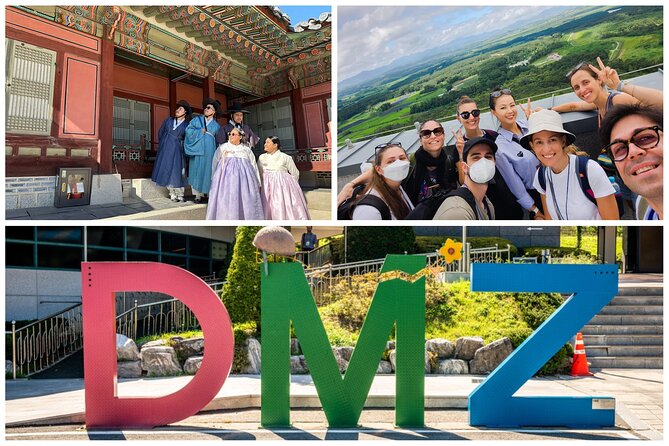
- Imjingak Park’s memorial setting and a chance to see Peace Bell + Unification Pond
- Freedom Bridge walk tied to the return of prisoners in 1953
- Third Tunnel visit (and the option to pause at the exit if it feels too tight)
- Dorasan Observatory binocular views toward Gaesong and beyond on clear days
- Jogyesa Temple in downtown Seoul, including the Iljum pillar gate
- Insadong + Namdaemun shopping for crafts, snacks, and everyday Seoul energy
Two days that start at the border story
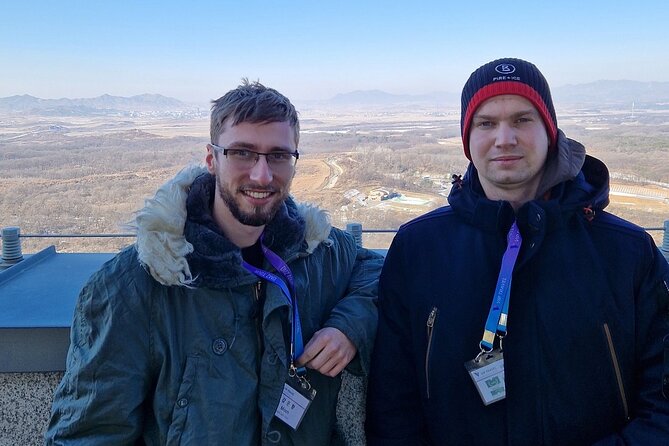
This tour works because it doesn’t treat the DMZ like a theme park. The day is built around meaning: memorial space first, then a walk linked to the war’s aftermath, then the tunnel (a physical reminder), then the theater video to tie it together. By the time you reach Dorasan Observatory, you’re looking with questions in mind instead of guessing what you’re seeing.
Then day two flips the mood back to Seoul. You go from spiritual calm at Jogyesa Temple to the scale of Gyeongbokgung Palace. After that, you add a museum stop that focuses on everyday royal life, then finish with shopping in Insadong and Namdaemun—two places where you can actually browse, snack, and pick up useful souvenirs without feeling like you’re rushing.
The practical win: you get an air-conditioned vehicle, a guide, and admission tickets bundled in for the included stops. The tour is also limited to a maximum group size of 100, which usually keeps the pace manageable when you’re moving through busy areas.
You can also read our reviews of more guided tours in Seoul

Imjingak Park: memorials, the Korean peninsula shape, and Peace Bell time
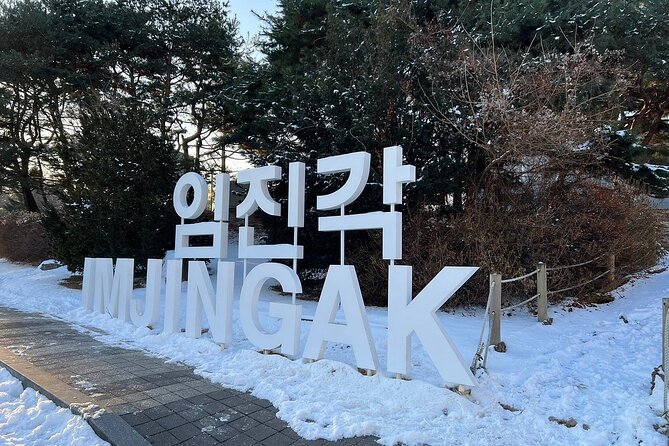
Imjingak Park is where the story starts in a way that feels human, not political. It was created as a safe place for refugees who came from North to South during the Korean War. Standing here, you get the sense of loss on both sides, and it reframes the rest of the DMZ day.
You’ll notice a railway connection in the park’s context—one of those quiet details that makes the break between the Koreas feel real. You’ll also see the Mangbaedan altar, where refugees traditionally bow toward ancestors in the direction of the graveyard as part of Chuseok. Even if Chuseok isn’t happening during your visit, knowing what that spot represents makes the photos feel less like selfies and more like memory.
Photo lovers get a couple easy moments. The Unification Pond, shaped like the Korean peninsula, is made for quick shots. And the Peace Bell adds a final, calm stop before you move on to something more dramatic.
If you’re short on time or you prefer only big spectacle stops, Imjingak might feel slower than you expect—but it’s the emotional “setup,” and it matters.
Freedom Bridge and the prisoner return walk
Next comes the Bridge of Freedom, built to liberate 12,773 prisoners in 1953. You’ll walk across a bridge tied to homecoming—South Koreans returning after separation and captivity. That specific “number + year” detail is the kind of thing your brain holds onto, which is why the bridge stop works.
It’s also one of those places where the backdrop does some of the emotional heavy lifting. The route runs against natural scenery, so it’s not just grey concrete and slogans. It’s a walk that’s easy to do at a human pace.
Tip: bring your camera, but also take a minute to look up and around. This is the part where it’s tempting to speed through, because you’re excited to get to the DMZ main sites. That’s fine, but don’t skip the pause. The meaning is in the walking, not only the photos.
Third Tunnel: the best kind of uncomfortable (and when you should pause)
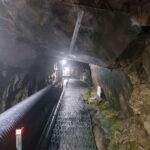
The Third Infiltration Tunnel is the stop that most people remember, mainly because you can step inside the structure and feel the scale. It was discovered in 1978, and it was intended for invasion from North Korea. The tunnel is listed as about 1,635 meters long, around 2 meters high, and 2 meters wide—so yes, plan for tight space.
Here’s the reality: walking through can feel like stepping back into a different era. The good news is the tour explicitly offers an out—if you’re not comfortable with closed spaces, you can wait by the exit instead of forcing it.
Two practical tips if you’re considering going in:
- Wear shoes that let you move confidently in a confined area.
- Keep your phone ready, but don’t expect Instagram-level clarity. This is a dim, enclosed setting, and the experience is about the physical sense of confinement more than picture quality.
When I talked to people who did the tour with the guide Wendy, they liked how she kept everyone on time and pointed out what mattered while the group flowed smoothly through each step. That guidance is especially helpful here, because you don’t want to get stuck focusing only on your surroundings and miss why the tunnel matters.
DMZ Theater: how the 7–8 minute video helps the whole day click
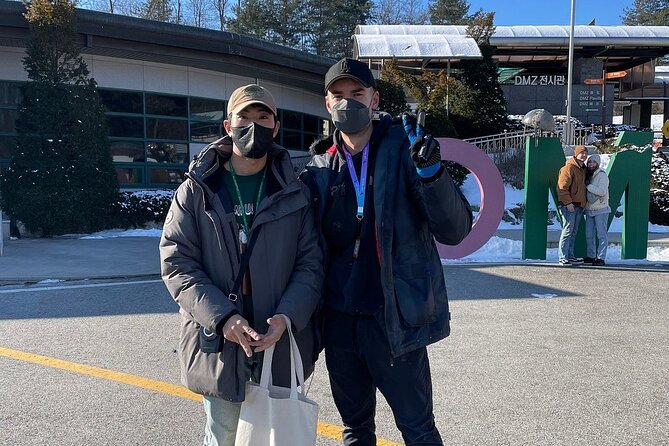
After you’ve seen the tunnel, you’ll sit down for a short video at the DMZ Theater. It runs about 7–8 minutes, and it gives a South Korean perspective on the Korean War and how the DMZ came about. It also provides background on the infiltration tunnels—this is the “explain it in plain terms” step.
This order is smart. If you watch the video first, you may treat it like information you’ll forget. But after walking through the tunnel, the video stops feeling abstract. Your brain has a frame: you just experienced the setting, so the story lands harder.
You’ll also see a Reunification Statue moment as part of the experience. It’s the kind of visual that gives your photos an extra layer of context beyond the obvious.
You can also read our reviews of more city tours in Seoul

Dorasan Observatory: binocular views and clear-day payoff
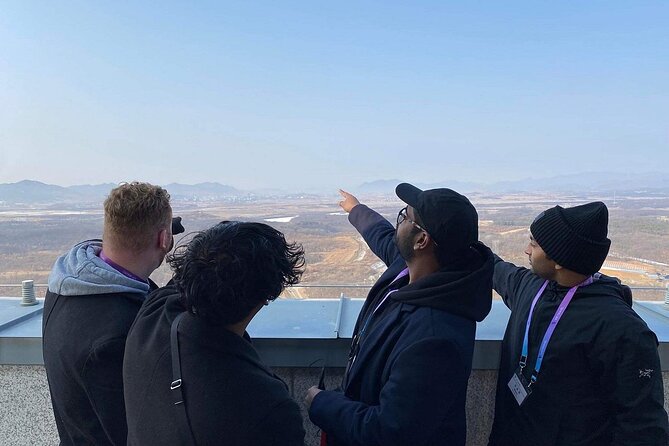
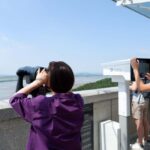
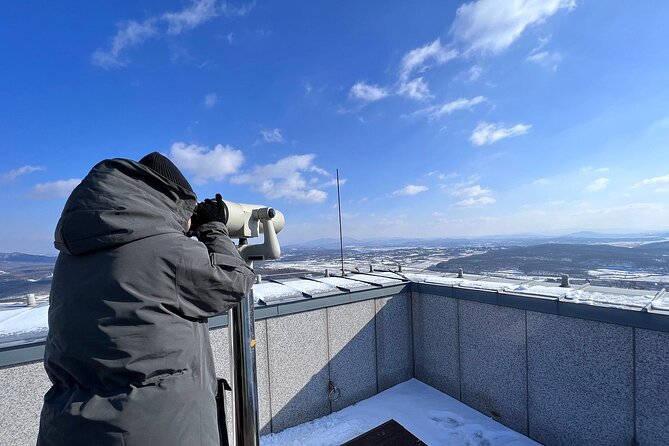
Dorasan Observatory is one of the DMZ day’s biggest highlights because it gives you the closest legal look into the North-facing side of the demarcation area. The observatory sits at the top of Dorasan, built for viewing across the border.
You’ll have access to high-powered binoculars on the third floor. What you can spot depends on visibility, but the tour information notes you may be able to see the North’s propaganda village inside the DMZ, and on clear days you can see as far as Gaesong. There’s also a mention that you might see the bronze statue of Kim Il-sung if conditions are right.
Practical take: don’t bank your whole day on perfect weather. Still, even on less-than-ideal days, this is the part where you can connect the geography to the story. It’s one thing to hear about distances and another to aim binoculars and understand what “closest to the border” really looks like.
Also, some people want more time at the observatory. On pace-based tours, you may feel a bit rushed, but the time is built into the flow. If you care about details, ask your guide what to look for—then you’ll use your minute-to-minute time better.
Jogyesa Temple: downtown Seoul with the right quiet rhythm
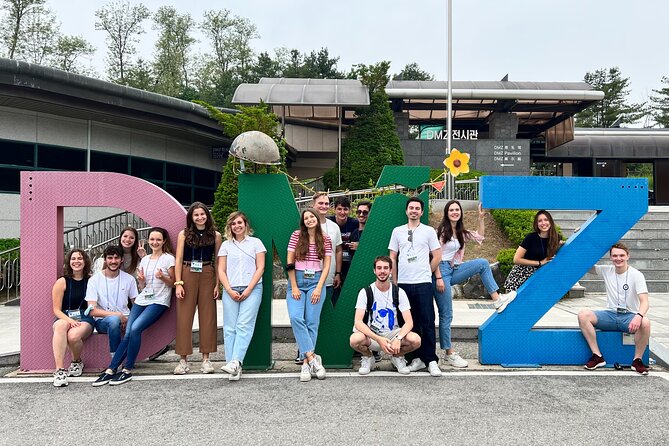
Day two begins with Jogyesa Temple, one of Korea’s key Buddhist landmarks. It’s located in downtown Seoul, which means you get a surprising mix: modern city buildings nearby, and then temple space that feels slower and more grounded.
The tour highlights the temple’s long timeline—established back in 1935—and points out an ancient white pine tree on the grounds. The spiritual focal point for visitors is the entry ritual through the Iljum pillar gate. The Iljumun concept is presented as a symbolic division between the living world and the Buddha holy world. It’s a neat way to set your mindset before you wander the interior spaces and golden statues.
Even if you’re not deeply into temple etiquette, this stop is worth it because it teaches you what to notice. When you know the meaning of the entry gate, the whole scene feels less like scenery and more like practice.
Gyeongbokgung Palace and the Joseon scale shock
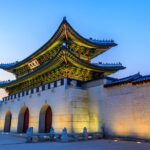
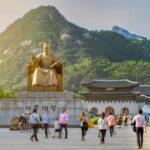
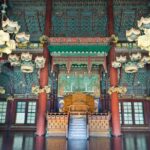
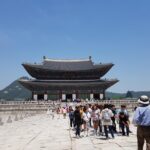
Next up is Gyeongbokgung Palace (except Tuesdays). This is the Joseon Dynasty’s main home, constructed in 1395, and it’s famous for the sheer scale—7,700 rooms is the number you’ll hear. You’ll walk the grounds and take in restored buildings, and you’ll also get the story of destruction and rebuilding over time.
The tour covers big historical hits: the palace took damage during the Imjin War (1592–1598). Then a major portion was destroyed in the 20th century under Imperial Japan. Restoration efforts have brought it back, which is why what you see today feels both grand and historically layered.
One practical note: palace time can turn into a blur if you rush. The group schedule gives you about 1 hour 30 minutes here, which is enough to see major areas without forcing a sprint. If you want photos, plan to slow down near gates and courtyards, not only in front of the biggest buildings.
National Folk Museum: royal life, everyday details, and 500 years on display
After the palace, you visit the National Folk Museum of Korea (closed on Tuesdays). This stop focuses on artifacts and royal treasures tied to the Joseon Dynasty palaces and the Korean Empire.
The museum holds about 45,000 artifacts overall, and the tour information notes 14 National Treasures located here. The display includes a long sweep of life across the centuries, with the stated goal of helping you understand what it was like to live as Joseon kings and queens.
If you enjoy museums, this is a great breather between outdoor walking. If you don’t, you still get value because it explains the context behind palace visuals. It’s easier to appreciate rooms and traditions when you’ve seen how royal life is presented in the museum setting.
Insadong: hand-crafted shopping that still feels human
Insadong is where the tour shifts from official history to lived culture. You’ll spend about 1 hour 30 minutes at the Insadong Arts and Crafts Market, known for hand-crafted goods and small stalls.
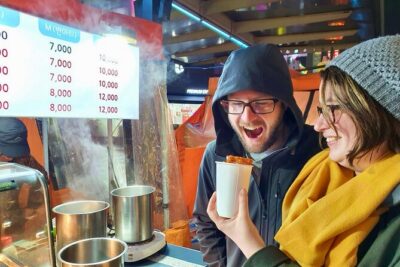
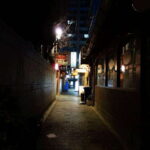
This part is especially fun if you like browsing without feeling forced to buy. You can walk a main street full of shops, then wander into side alleys where you may find ceramics and food vendors. The tour even mentions quick snack ideas—like matcha and plum tea waffle-style treats—and a playful cafe with a themed concept.
For me, the best value here isn’t a specific item. It’s the chance to understand what kinds of crafts are actually made for visitors and locals alike. It’s also a good place to pick small gifts that won’t require heavy packing.
Namdaemun Market: Seoul’s oldest large market energy
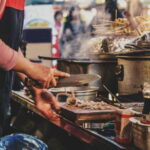
After Insadong, you head to Namdaemun Market, one of Seoul’s oldest and largest markets. You’ll have about 50 minutes to browse, which is just enough to sample the atmosphere and check a few aisles without burning out.
The variety is the point. You can find traditional Korean crafts and clothing, but also electronics and fashion. That mix makes the market feel like Seoul, not like a museum of Seoul. It’s also a practical stop for souvenirs you can buy in one location.
A good way to use the time: pick your priority first—souvenirs, snacks, or specific items. Then shop with a plan. Markets are big and fast, and the time limit encourages smart choices rather than endless wandering.
Ginseng Museum stop: a quick culture add-on
You’ll also stop at a Ginseng Museum (listed as 청하고려인삼(주)), about 30 minutes, and the admission is free.
This isn’t presented as a heavy research stop, but it gives you a useful cultural angle on ginseng and how it’s treated in Korean life and commerce. If you want to keep your pace light, it’s a reasonable add-on. If you dislike any “shopping-related” museum stops, treat it as a short break and move on with your energy intact.
Price and logistics: is $110 good value?
The price is $110 per person for a two-day guided experience that includes pickup, air-conditioned transportation, and admission tickets for the included stops. That’s the big value equation: you’re not paying separately for the DMZ access-style components plus palace/temple admissions across two days.
Also, note the schedule includes a mix of time-consuming areas:
- DMZ day involves multiple separate stops and travel time between sites.
- Seoul day packs palace, museum, and two shopping areas.
So you’re paying for organization as much as for sightseeing. I generally think this kind of package is worth it when the alternative is trying to coordinate a border day plus several top Seoul sites on your own.
What you might not love is the English situation and the pace in certain areas. One person in my tour conversation did say there was too much walking/free time for the group, and that it was hard to read everything because not much is in English. Even if your experience matches that, a guide helps a lot—especially when they’ll point out what matters quickly so you’re not stuck guessing.
Should you book? Who it fits best
This tour fits you if:
- You want the DMZ without dealing with planning details on your own.
- You like a structured day with built-in context, not just photo stops.
- You want a “best of Seoul” mix that balances palace, temple, museum, and markets.
You might skip it if:
- You hate enclosed spaces and don’t want any possibility of tunnel time. You can wait by the exit, but the stop is still part of the flow.
- You need lots of English signage and detailed written explanations at every step. The guide is where clarity comes from.
If you’re choosing based on guides, this company has had stand-out reviews tied to pacing and knowledge. One guide name you’ll hear in the feedback is Kelly, praised for being very knowledgeable, and another is Wendy, praised for staying on time and highlighting what’s important.
FAQ
FAQ
What is the tour price?
The tour costs $110.00 per person.
Does the tour include pickup?
Yes, pickup is offered, and the tour ends back at the meeting point.
Are admission tickets included?
Admission tickets are included for the listed stops, and fees and taxes are included as well.
Is lunch included?
No. Lunch is not included, and the guide will recommend places to eat.
Which days are Gyeongbokgung Palace and the National Folk Museum closed?
Gyeongbokgung Palace is listed as except Tuesdays, and the National Folk Museum of Korea is listed as closed on Tuesdays.
How long is the tour?
It’s scheduled as 2 days (approx.), starting at 9:00 am.
Is cancellation free?
Yes, you can cancel for a full refund up to 24 hours in advance of the experience start time.
If you want, tell me your travel dates and whether you’re claustrophobic about tunnels. I can help you decide how much to prioritize the Third Tunnel stop versus using the exit option.