REVIEW · GYEONGBOKGUNG PALACE & HANBOK TOURS
Best Seoul City Tour (Gyeongbokgung Palace,Insadong,Namsan Tower)
Book on Viator →Operated by VIP TRAVEL Co.Ltd · Bookable on Viator
One-day Seoul can feel like chaos, unless it’s organized. This tour strings together Gyeongbokgung Palace, Insadong, and N Seoul Tower in one smooth day, with pickup so you’re not hunting trains first. I especially like the free central-hotel pickup and the fact that you get an English or Chinese guide to connect the dots between places. The trade-off: the schedule is tight, so you’ll move fast and won’t linger as long as you might on your own.
What you’re really buying is time and context. You start at 9:00am, ride in an air-conditioned vehicle, hit key landmarks and traditional neighborhoods, and end in a shopping-friendly area like Myeongdong or Namdaemun. The group can be up to 45 people, so it’s best if you’re good with a brisk pace and occasional lines.
In This Review
- Key things that make this Seoul tour worth it
- Why this 7.5-hour Seoul loop works for first-timers
- Getting on the van: pickup, meeting points, and why they matter
- Cheonggyecheon and Jogyesa Temple: a calm start before the crowds
- Gwanghwamun Gate and Gyeongbokgung Palace: the big royal moment
- Tuesdays change everything: Gyeongbokgung closes, Changdeokgong steps in
- National Folk Museum and Bukchon Hanok Village: the neighborhood texture stops
- Cheongha Korea Ginseng Museum: a quick cultural lesson or a sales stop
- Insadong: craft streets you can actually shop in
- Gwangjang Market: food chaos with guidance, not guesswork
- Namsangol Hanok Village and the Namsan climb: tradition meets the view
- Where you end up: Myeongdong, Namdaemun, or Seoul City Hall
- Price and value: is $58.65 a good deal for Seoul?
- What I’d do differently if you have mobility limits or weather fears
- Who should book this tour, and who should skip it
- Should you book this Best Seoul City Tour?
- FAQ
- How long is the tour?
- What does the tour cost?
- Do I get hotel pickup?
- What language will the guide speak?
- What does the tour include for N Seoul Tower?
- Is lunch included?
- Which palace do I visit on Tuesdays?
- Are Gyeongbokgung and the National Folk Museum always included?
- How many people are on the tour?
Key things that make this Seoul tour worth it
- Hotel pickup in central Seoul saves you the morning planning headache
- English or Chinese guides help you understand what you’re seeing, not just where to stand
- Weekday swaps let you see the right palace and areas depending on what’s open
- Cheonggyecheon + temples give you a calmer start before the big palace sites
- N Seoul Tower cable car makes the day’s final views feel like a payoff, not a chore
- Market time (Insadong and Gwangjang) gives you Seoul’s everyday energy without needing a reservation plan
Why this 7.5-hour Seoul loop works for first-timers
If you only have a few days, Seoul can be a lot. This tour does the smart thing: it bundles the “big names” with the in-between streets that make the city feel real. You’ll see royal gates and palace grounds, then pivot into temple calm, and later into arts streets and food markets.
I like that the day isn’t just sightseeing photos. It’s set up to build a story: how Seoul works from spiritual traditions (Jogyesa), to royal power (palaces and their gates), to modern identity (views from Namsan and shopping stops).
The pace is the only real downside. Even though it’s about 7 hours 30 minutes, it still feels like a “greatest hits” day. If you want slow wandering and deep reading time, you may wish you had an extra half-day or booked a smaller, private option.
You can also read our reviews of more city tours in Seoul
Getting on the van: pickup, meeting points, and why they matter
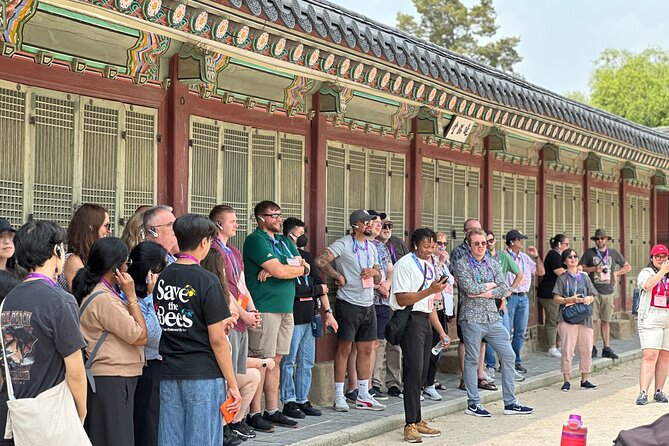
This one starts with less friction than many Seoul city tours. You get free hotel pickup from selected downtown hotels, or you can meet the group at convenient central spots: Myeongdong Subway Station (Exit 9) or Seoul City Hall Subway Station.
That matters because Seoul’s transit is good, but a full-day tour is when jet lag meets walking. Pickup helps you stay in “tour mode” instead of figuring out lines, stations, and transfers.
You’ll also use a mobile ticket, which is handy for keeping things simple when you’re bouncing between multiple sites. One more practical point: the vehicle is air-conditioned, which is great when the weather turns from pleasant to sweaty (or rainy and cold).
Cheonggyecheon and Jogyesa Temple: a calm start before the crowds
Your day begins with a soft landing at Cheonggyecheon, a restored 11-kilometer urban stream running through central Seoul. It’s a nice change of pace right at the beginning. You get a sense of the city’s modern “recovery” story—an old canal made walkable again—before you head into palace and market intensity.
Then you move to Jogyesa Temple, described as the heart of Korean Zen Buddhism since 1395. For me, temples like this work especially well early in the day. Your eyes aren’t tired yet, and you can actually notice the details—incense atmosphere, courtyard energy, and the feeling that Seoul isn’t only concrete and commerce.
There’s no admission fee listed for this stop, and the time on site is about 30 minutes. That’s just enough to experience the place without turning it into a long museum detour.
Gwanghwamun Gate and Gyeongbokgung Palace: the big royal moment
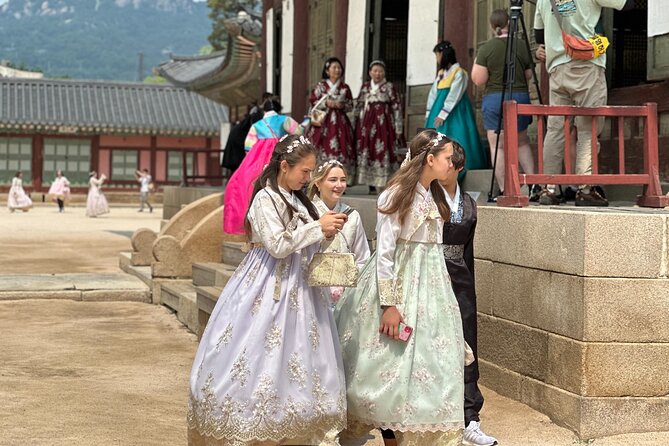
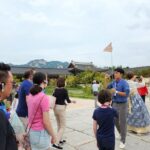
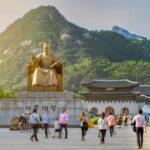
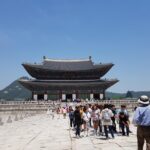
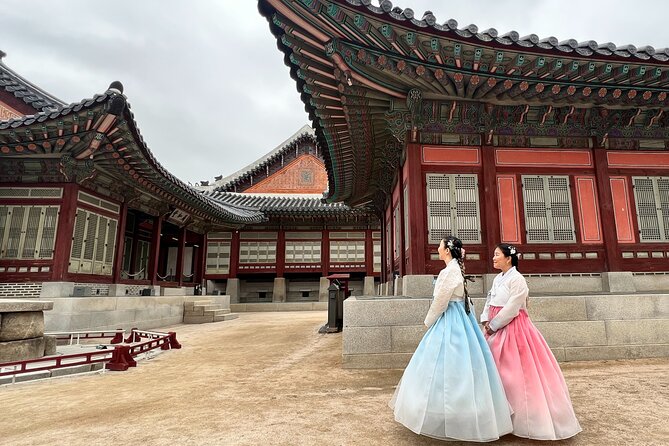
From Jogyesa, the tour swings toward royal Seoul through Gwanghwamun Gate, the main entrance to Gyeongbokgung Palace. This is where the day starts to feel “classic Korea” in the best way—wide stone, gate framing, and that sense of Seoul as a historical capital.
The palace stop is about 1 hour, and admission is included (with a big weekday caveat). The tour is designed to include the Changing of the Guard Ceremony on days it runs. That detail is why this stop is so popular with first-timers: you’re not just looking at buildings, you’re seeing a living tradition.
Here’s the one consideration: this part can be crowded, and the walking is real. If you’re sensitive to stairs or long distances, tell your guide early. I’ve seen guides (like K, in one case) handle different needs and pacing, including stair limitations.
Tuesdays change everything: Gyeongbokgung closes, Changdeokgong steps in
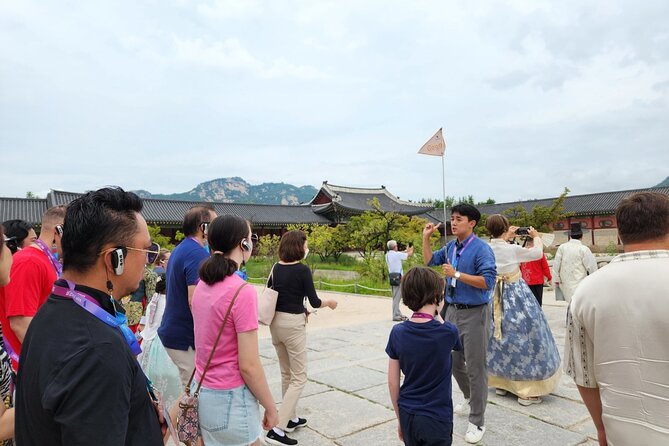
This tour has a smart logic for weekdays: it adapts when sites close. On Tuesdays, Gyeongbokgung Palace is closed, so the schedule swaps in Changdeokgung Palace instead. Also on Tuesdays, the Changing of the Guard Ceremony at the palace won’t be available.
Changdeokgung is a UNESCO World Heritage Site built in 1405, and you’ll get about 1 hour there on the Tuesday version of the route. The tour also changes the museum and neighborhood stops on Tuesdays, which means your “shape of the day” will be a little different.
If you care about a specific palace or ceremony, check your weekday before you book. It’s not a small detail—it determines what you actually see.


National Folk Museum and Bukchon Hanok Village: the neighborhood texture stops
When the route includes National Folk Museum of Korea, it’s about 20 minutes and admission is included—except Tuesdays, when it’s closed. This is one of those stops that can help you understand what you’re looking at later. Even in a short visit, you get cultural context that makes palace and traditional neighborhoods feel less like random “old stuff” and more like part of a system.
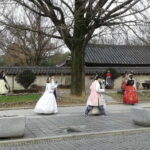
On Tuesdays, that museum stop turns into Bukchon Hanok Village for about 30 minutes. Bukchon is a living museum of hanok homes, the traditional Korean houses. Even if you don’t go into many interiors, walking the streets gives you that “Seoul is layered” feeling—old forms still present, right next to modern life.
One practical note: these stops can involve walking on uneven ground and narrow lanes. If you need to move slowly, the guide matters a lot.
Cheongha Korea Ginseng Museum: a quick cultural lesson or a sales stop
Midday includes Cheongha Korea Ginseng Museum, which is listed as free and about 20 minutes. The museum angle is the cultural role of ginseng and its long history in Korean medicine and culture—something like 1,500 years is mentioned.
Still, it’s worth being realistic. Some visitors feel this stop can function more like a shop than a museum experience. If you’re the type who hates being pressured, treat it like a quick cultural stop and don’t let it steal time from Insadong or the markets.
Insadong: craft streets you can actually shop in
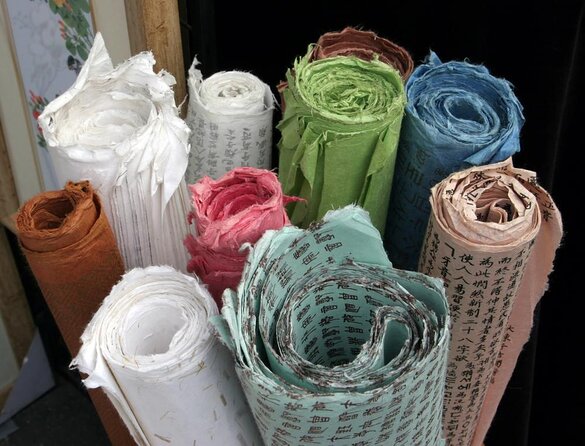
Insadong is where the tour gives you a full hour for arts and crafts shopping. This is one of Seoul’s best-known areas for handmade-style items: pottery, calligraphy brushes, and hanji paper crafts are the kind of things you’ll see along the street.
I like Insadong on a group tour because the guide can point out what’s worth looking for versus what’s more like mass-produced souvenirs. Also, having a set chunk of time helps you avoid impulse-buy panic later.
If you want gifts, this is a good place to focus. If you just want photos, you can keep it lighter. Either way, it’s a stop that feels distinctly Seoul rather than generic city-center shopping.
Gwangjang Market: food chaos with guidance, not guesswork
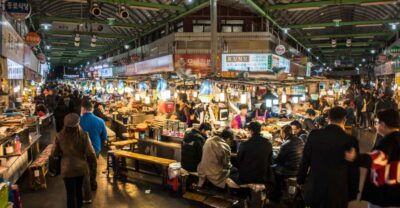
Next up is Gwangjang Market, about 30 minutes. This is one of Seoul’s oldest traditional markets, active since 1905, with food stalls and textile history nearby.
This is also a stop where the day’s reality can change. If traffic or demonstrations disrupt routes, your guide may have to adjust. I’ve seen cases where Gwangjang time got shortened or cancelled due to street conditions, and the guide redirected people and helped them get back by metro.
So go into this expecting the market to be lively and crowded. The win of doing it on a tour is simple: you’re not deciding what to eat alone, and you’re not waiting around with no plan. Some guides have steered groups toward popular comfort food ideas like hand-cut noodle soup and other quick bites.
Namsangol Hanok Village and the Namsan climb: tradition meets the view
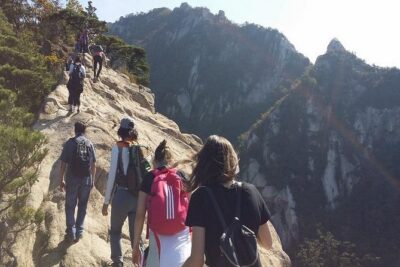
After markets, the tour heads to Namsangol Hanok Village, about 40 minutes. This is a preserved enclave of restored Joseon-era hanok homes at the foot of Namsan Mountain. It’s a calmer kind of traditional stop than Bukchon, and it works well as a bridge between street-level Seoul and the big viewpoint.
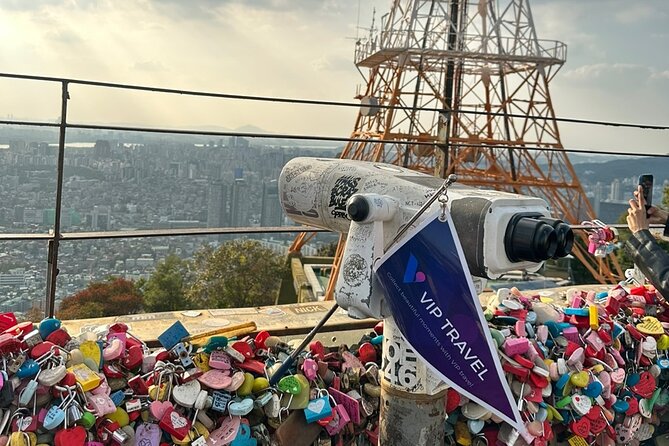
Then comes Namsan Cable Car (round trip), about 30 minutes. This is more than a transport method. It’s a fun mini-ride that gets you above the traffic line and into a “Seoul at angles” perspective.
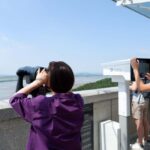
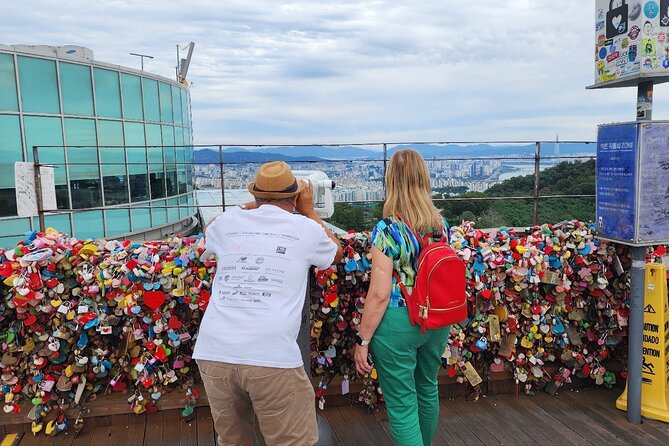
Finally, you reach N Seoul Tower. The package specifically notes round-trip cable car inclusion. You’ll spend about 1 hour at the tower area, and this is where the day often feels like it pays off—wide skyline views, night-or-day photogenic angles, and that moment where Seoul stops being “a checklist” and starts becoming a city you can feel.
One watch-out: some people feel the time split between the cable car area and the tower zone isn’t perfect. If you’re the kind who wants a long sit-down view moment, ask your guide how best to use the time once you’re there.
Where you end up: Myeongdong, Namdaemun, or Seoul City Hall
The tour doesn’t end at the exact same spot it starts. Drop-off options include:
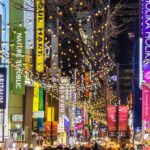
- Myeongdong: a lively shopping area, plus the chance to see Myeongdong Cathedral
- Namdaemun Market: Seoul’s oldest and largest open-air market, with long-running stall energy
- Seoul City Hall area: a mix of historic and modern sights, with nearby references like Deoksugung Palace and the public-photo spot called I SEOUL U
This matters because your remaining hours after the tour aren’t random. If you want skincare shopping, street food, or late browsing, Myeongdong is a strong finish. If you want traditional market vibes and bargain energy, Namdaemun can be a good last stop.
Price and value: is $58.65 a good deal for Seoul?
At $58.65 per person (7 hours 30 minutes), you’re paying for a bundle: guide time, transport, multiple major admissions, and the N Seoul Tower cable car portion.
Here’s why that can be good value:
- Pickup + air-conditioned vehicle remove the hardest part of DIY planning.
- A guide in English or Chinese helps you make sense of what you’re seeing, including the weekday swaps between palaces.
- You get a full circuit: palaces + temples + neighborhood streets + markets + a skyline finish.
When it might not feel like a great deal:
- If your main goal is slow, detailed palace wandering, this schedule may feel rushed.
- If you dislike shop-like stops (for example, ginseng), you might wish you had a tighter route.
- If your day hits protests, road closures, or weather problems, the itinerary can shift. A good guide will work around it, but you can’t control street conditions.
So I think the price makes sense if you’re time-pressed and want a structured sampler of Seoul’s best-known areas with explanations in a language you can follow.
What I’d do differently if you have mobility limits or weather fears
I like that many guides handle pacing and needs with care. I’ve seen mention of support for stair limitations, plus constant checking that everyone is okay and safe.
Still, the tour includes palaces, markets, and walking lanes. If mobility is an issue, think about what you can comfortably handle and plan to move slowly. Bring water, wear shoes that forgive uneven ground, and have a rain layer ready if forecasts look wet.
Also, protests can change routes in real time. If you’re traveling on a day when streets might get complicated, stay flexible and follow your guide’s instructions. When that happens, it helps to be with a guide who can adjust instead of sticking stubbornly to the original plan.
Who should book this tour, and who should skip it
This tour is a great fit if:
- You’re on a short trip and want a big Seoul overview in one day
- You like having a guide connect palace stories, temples, and neighborhood context
- You want an easy win like Namsan Cable Car + skyline views without planning the route yourself
- You enjoy shopping and food markets, not just monuments
You might want to skip or supplement it if:
- You hate rushing and want longer time inside major sites
- You’re very picky about shopping and don’t want any “museum-style shop” experience
- You want fully flexible pacing for weather and photography
Should you book this Best Seoul City Tour?
Yes, if you want Seoul’s highlights stitched into one day with pickup, a guide in English or Chinese, and an ending that makes you feel like you really climbed above the city. The value at $58.65 works best for first-timers and people who don’t want to wrestle with transit while tired.
I’d book it with one mindset: you’re collecting experiences fast. If that matches how you travel, you’ll likely have a great day and finish with a stronger sense of where Seoul fits into Korean culture. If you prefer slow, deep, low-stress sightseeing, consider adding a second day elsewhere or swapping part of this route for a more relaxed plan.
FAQ
How long is the tour?
It runs for about 7 hours 30 minutes.
What does the tour cost?
The price is $58.65 per person.
Do I get hotel pickup?
Yes. There is free pickup from selected hotels in downtown Seoul, or you can use meeting points at Myeongdong Subway Station (Exit 9) and Seoul City Hall Subway Station.
What language will the guide speak?
Guides are available in English or Chinese.
What does the tour include for N Seoul Tower?
The tour includes the round-trip cable car for N Seoul Tower.
Is lunch included?
No. Lunch is not included, and the guide will recommend restaurants and menus.
Which palace do I visit on Tuesdays?
On Tuesdays, Gyeongbokgung Palace is closed, so the tour replaces it with Changdeokgung Palace.
Are Gyeongbokgung and the National Folk Museum always included?
They are included on days they are open, but they are closed on Tuesdays. Tuesdays swap in other stops.
How many people are on the tour?
The group size has a maximum of 45 travelers.