REVIEW · HIKING & TREKKING
Small Group Hike on Mt. Bukhan’s Secret Paths & Local Lunch
Book on GetYourGuide →Operated by SeoulMateMin · Bookable on GetYourGuide
Hiking Bukhan without the crowd feels like cheating. This Mt. Bukhan walk trades summit chaos for quieter forest trails, guided by a local enthusiast named Min from SeoulMateMin. You get valley views, a possible stream stop, and you finish with a home-cooked Korean meal instead of another rushed tourist dinner.
I especially like two parts: starting on the lesser-known Hidden Wall (Sumeunbyeok) trail, and ending at a small restaurant run by a Korean grandmother. That combination makes the day feel local from start to finish.
One thing to consider: this is moderate fitness trekking, and it’s not a fit if you fear heights or have low mobility (or if you’re pregnant). Also, wear proper shoes—ice/slick patches can happen on mountain trails even when the weather seems fine.
In This Review
- Key things to know before you go
- From Gupabal Station to Bukhan: the smooth start you’ll appreciate
- Hidden Wall (Sumeunbyeok) and the quieter side of Bukhansan
- How the hike really plays out: timing, rest stops, and views
- The pace: guide support that keeps the day fun
- Forest-to-food transition: why the lunch feels like part of the hike
- Bus timing and total day flow (the part that affects your energy)
- Price and value: what $103 actually covers
- What to bring (and what to skip)
- Who this hike suits best (and who should pass)
- Weather reality: when plans change
- Should you book Mt. Bukhan’s Secret Paths & Local Lunch?
- FAQ
- How long is the Mt. Bukhan hike and lunch experience?
- Where do I meet the guide?
- Is this hike beginner-friendly?
- What fitness level is required?
- How large is the group?
- What’s included in the price?
- What should I bring with me?
- Does the lunch include makgeoli?
- What happens if the weather is bad?
- What if I have dietary restrictions or allergies?
Key things to know before you go
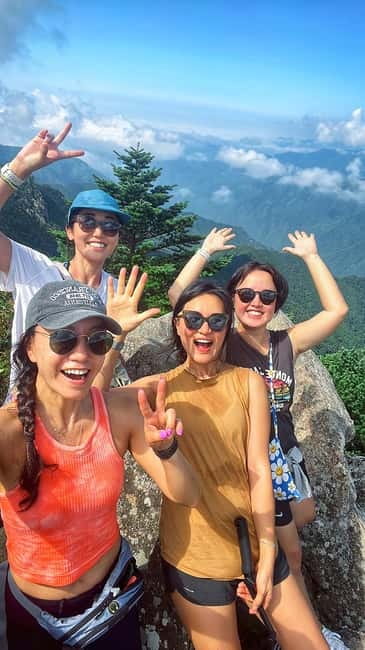
- Hidden Wall (Sumeunbyeok) start: a calmer route away from the busiest footpaths
- Small group (max 8): easier pacing, more time for photos, fewer awkward clumps
- Forest paths + viewpoint + valley return: variety without turning into a marathon
- Stream pause when water flows: a nice cooling break and great atmosphere
- Grandma-run lunch + makgeolli: a satisfying end that feels earned, not scheduled
From Gupabal Station to Bukhan: the smooth start you’ll appreciate
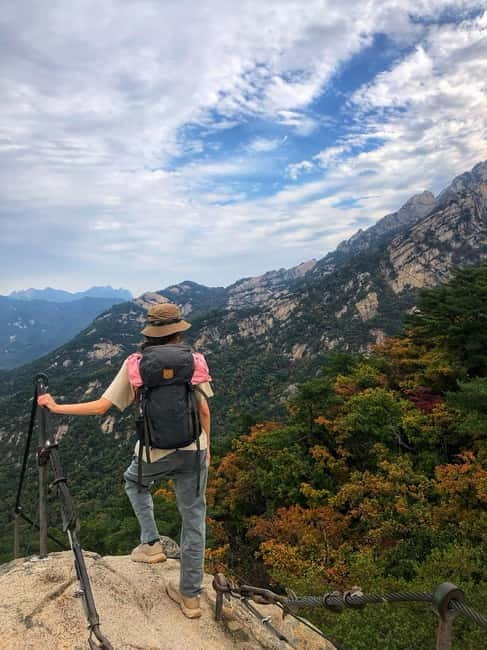
You meet right at Gupabal Station Exit 1, which is convenient because it keeps the morning simple. After that, you’ll ride a bus/coach for about 20 minutes to reach Bukhansan National Park. In Seoul, that kind of organized start matters—less fiddling, more time outside.
The group stays intentionally small (up to 8 people), so you’re not squeezed into a big pack. You’ll also be in contact with Min through WhatsApp after booking, which helps when it’s time to confirm the exact meeting time. That small bit of coordination can save a lot of stress.
You can also read our reviews of more tours and experiences in Seoul



Hidden Wall (Sumeunbyeok) and the quieter side of Bukhansan
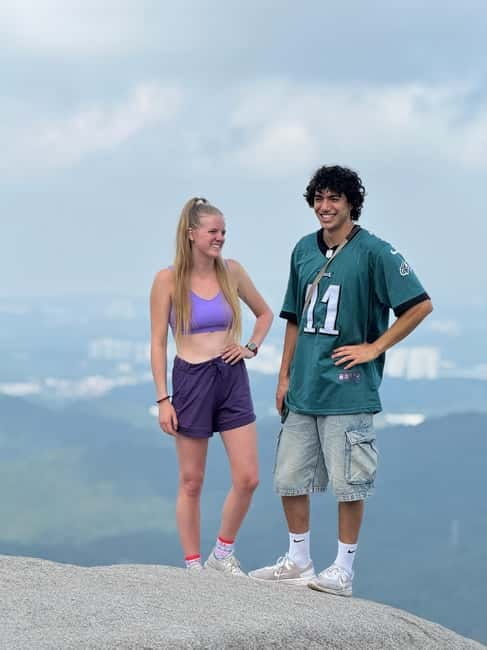
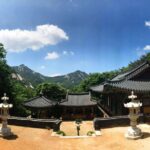
This hike is built around a lesser-known entry: the Hidden Wall (Sumeunbyeok) trail. The point isn’t to “hack” a shortcut to the top. The point is to experience Bukhansan in a way that feels more like a walk through nature and less like a sightseeing line.
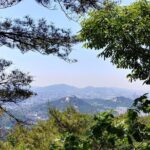
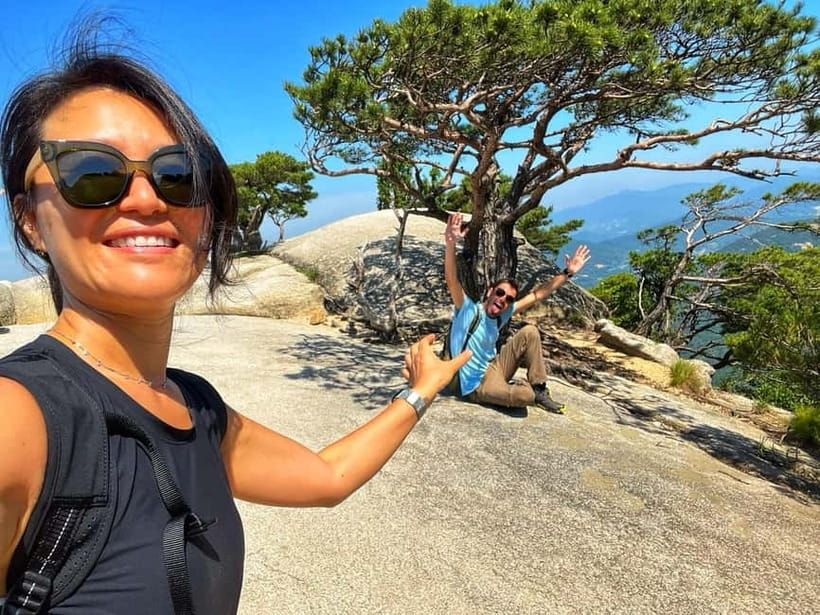
Expect peaceful forest paths, with chances to stop for photos and take in mountain views without constant pressure to keep moving. The route is described as beginner-friendly as long as you have moderate fitness, and it’s designed for a manageable walking rhythm with breaks. If you’re the kind of person who enjoys reading the scenery—trees, rock edges, distant ridgelines—this route fits you well.
You’ll head toward a scenic viewpoint, take a short rest there, and then head back down using a valley trail. That back-and-forth is important: it changes the angles on the scenery so the hike doesn’t feel like one long grind in the same direction.
How the hike really plays out: timing, rest stops, and views
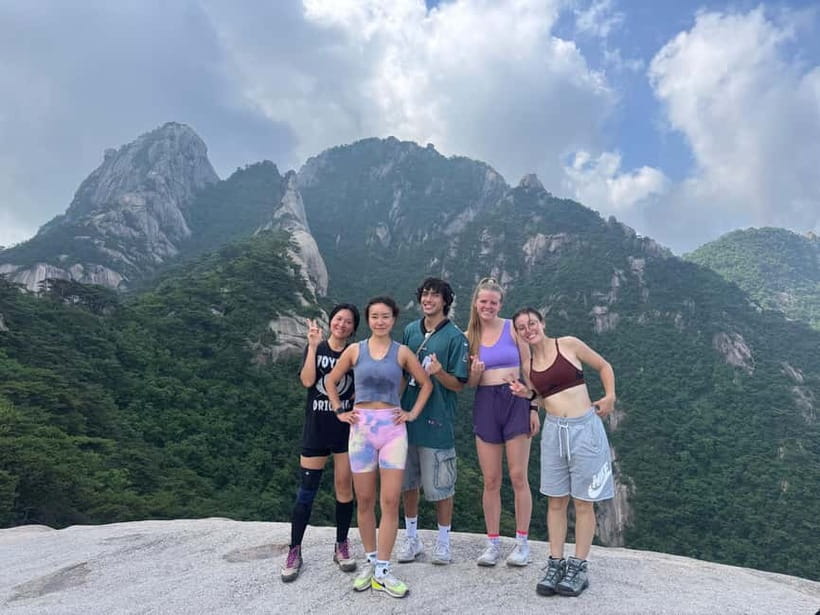
Even though the main route is about a 2-hour round trip, the overall “on-mountain” portion feels longer because you’re not just marching. The plan includes photo stops and breaks, which is exactly what makes a hike enjoyable instead of exhausting.
On the way up, you’ll move through quiet stretches of forest. You’re also building toward the viewpoint, so the day naturally feels like it has a payoff. If you’ve ever done a trail where the best view happens too early, you’ll like the way this one holds the good moment for later.
A standout detail is the stream break. If there is water flowing, the plan includes a stop by the stream so you can cool off and soak in the atmosphere. That’s not just a nice-to-have. It’s a practical reset for your body, especially in warmer seasons, and it often becomes one of those “wait, this is Korea?” moments.
Also, keep expectations realistic: you are on a mountain trail, so your footing matters. Even when conditions are decent, you’ll do better with hiking shoes that grip well. One guide tip you can take seriously: bring shoes you can trust on uneven ground, because slipping is the last thing you want to manage mid-hike.
The pace: guide support that keeps the day fun
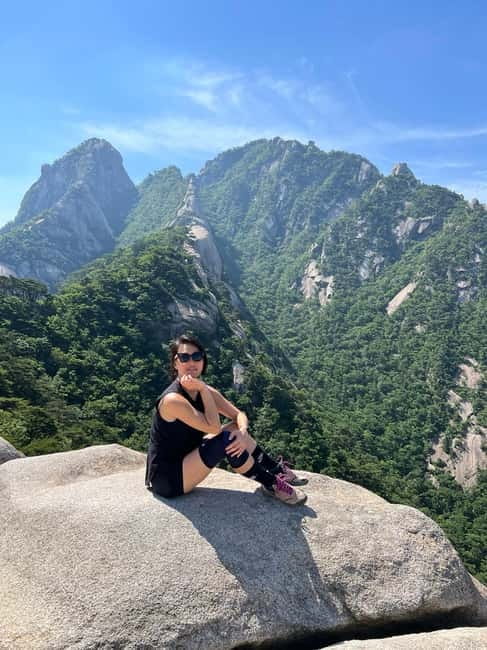
The guide on this experience is Min, a local hiking enthusiast leading in English and Korean. What I like about that pairing is simple: you get real trail guidance without losing the story behind what you’re seeing. Communication is smoother, and questions don’t get stuck in translation.
Min is described as patient and proactive, including adjusting to slower paces when needed. That’s a big deal on a hike like this, where the goal is enjoying the scenery rather than racing to a finish line. A small group helps, too. With fewer people, Min can keep everyone together without turning the hike into a stop-start negotiation.
You can also expect some Korea talk during the walk—how people eat, how they think about nature, and what to notice around you. It’s not the kind of experience that treats you like a numbered ticket. It feels more like hiking with someone who actually comes back to these paths.
Forest-to-food transition: why the lunch feels like part of the hike
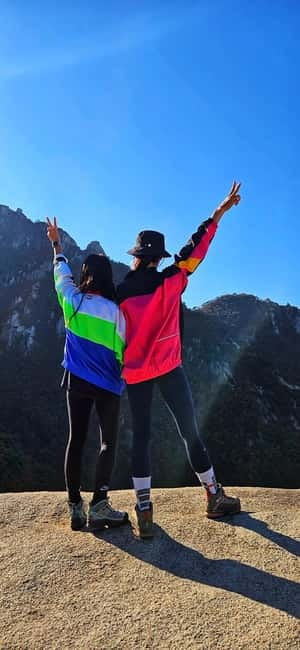
A lot of tours rush food and treat it like a checkbox. This one gives you a full 1-hour lunch after the walking time inside the park, so you’re not eating while still breathing like a train.
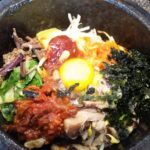
The meal is served at a small local restaurant run by a Korean grandmother, and it includes a traditional Korean lunch plus makgeoli (Korean rice wine). The “homemade” angle matters here because you’re eating in a place built around real cooking and real regulars, not a mass-produced tourist menu.
Practically, this finish works well because you’ll likely feel hungry in a good way after the hike. Mentally, it also closes the day nicely: you start outdoors, you earn the appetite, then you end in warmth and comfort. If you’ve spent your Seoul time hopping between landmarks, this kind of ending can feel surprisingly grounding.
One extra detail to be aware of: the tour provides local snacks during the hike and bottled water, so you’re not left hunting for quick energy halfway up. That makes it easier to focus on the trail and not on logistics.
You can also read our reviews of more hiking tours in Seoul

Bus timing and total day flow (the part that affects your energy)
This is a 6-hour experience overall, with travel time included. Your day moves like this: you meet at Gupabal, ride for about 20 minutes, spend a few hours in the park hiking and taking photos, then enjoy lunch, and then head back by coach for another 20 minutes to return to Gupabal.
That schedule length is a sweet spot for many visitors. It’s long enough to feel like you did something meaningful away from the city, but short enough that you still have time afterward for dinner or a relaxed evening in Seoul.
Where this matters most is your pacing. Since the tour includes rest breaks and photos (not just walking), you’ll probably finish feeling satisfied instead of wrecked. Still, don’t schedule a major night plan the way you’d do after a flat city stroll—your legs will notice this.
Price and value: what $103 actually covers
At $103 per person, this isn’t the cheapest hike on the map. But it also isn’t trying to compete with the $20 “walk around a park” options. Here’s what you’re paying for: a guided hike (with a local expert), snacks and bottled water, plus a traditional lunch and makgeoli at a local restaurant.
If you add up what those things typically cost on their own—guide time, food, drinks, and the convenience of someone handling the route—this starts looking more reasonable. The real value is that the tour stacks multiple experiences into one plan: you get the quieter trail and a local meal finish, without you needing to research and coordinate everything yourself.
What you still need to bring: the basics for comfort and safety, especially hiking shoes and comfortable clothing. Hiking gear isn’t included, so plan around that (and don’t assume you can borrow gear last-minute).
What to bring (and what to skip)
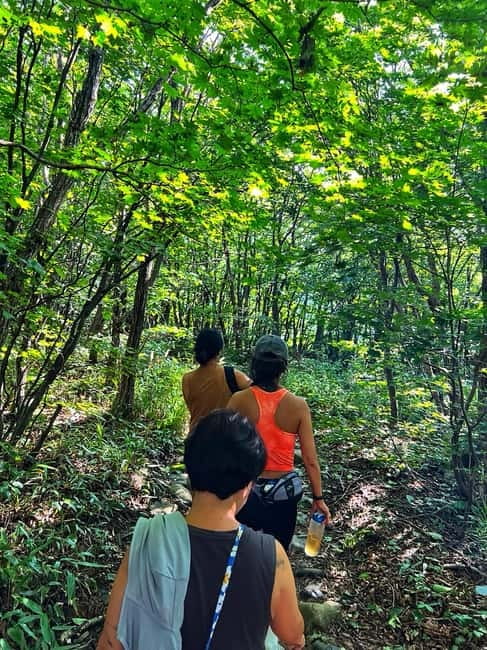
The tour is pretty straightforward on supplies, but your comfort depends on your choices.
Bring:
- Hiking shoes (important for grip on uneven ground)
- Comfortable clothes
- Sports shoes if they’re truly trail-appropriate
Skip big fantasies:
- Don’t rely on sneakers that are fine on sidewalks but not on mountain footing.
- Don’t assume your phone battery will survive constant photo-taking. Bring a power bank if you’re the camera-everywhere type.
Water and snacks are included, so you don’t have to carry everything for hydration. Still, you’ll want your outfit to match the conditions you’re hiking in that day.
Who this hike suits best (and who should pass)
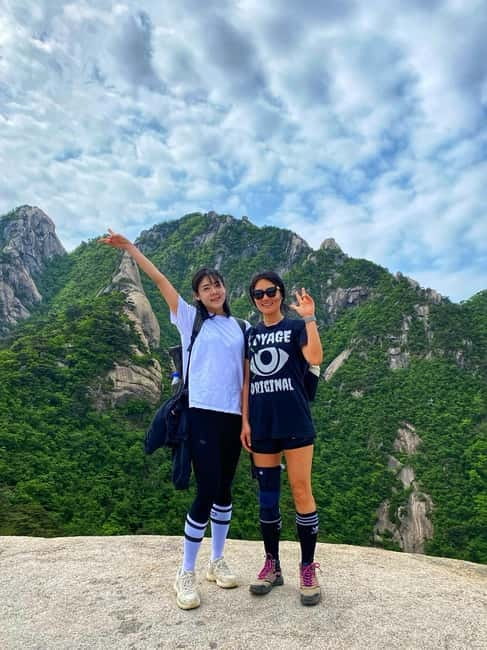
This experience is not for everyone, and that’s a good thing. It’s not suitable for:
- Children under 16
- Pregnant women
- Wheelchair users
- People afraid of heights
- People with low fitness
On the other hand, it’s a strong fit if you want a beginner-friendly hike with a moderate fitness requirement, and you prefer paths that feel calmer than the most crowded routes. If you enjoy nature, photos, and ending with real Korean food in a local setting, you’ll likely love the flow.
You’ll also get extra value if you like learning from a guide. Min’s approach is described as both knowledgeable on hiking and friendly in group settings, which makes it easier to enjoy the day even if you don’t hike often.
Weather reality: when plans change
Like any mountain outing, conditions matter. The hike may be canceled or rescheduled due to heavy rain or unsafe weather conditions. That isn’t a dealbreaker—just treat it like part of mountain life. If your schedule is tight, it’s smart to be flexible and keep your expectations adaptable.
Should you book Mt. Bukhan’s Secret Paths & Local Lunch?
Book it if you want a Seoul day that feels like getting out of the city without turning your schedule upside down. The combination of quieter Hidden Wall (Sumeunbyeok) trail time, a small group under 8, and a real grandma-run meal with makgeoli is exactly the kind of “one day, two worlds” plan that’s hard to replicate on your own.
Skip it if you’re not comfortable with moderate trekking, if heights make you uneasy, or if you need accessibility accommodations this route can’t provide. And don’t underestimate the footwear part—bring shoes you can trust on uneven ground.
If that all sounds like your style of travel, this is a strong value choice for experiencing Bukhansan like a local, then eating like one too.
FAQ
How long is the Mt. Bukhan hike and lunch experience?
The total experience lasts about 6 hours, including time getting to and from Bukhansan National Park and enjoying lunch.
Where do I meet the guide?
You meet in front of Gupabal Station Exit 1. The exact meeting time is confirmed by message after booking.
Is this hike beginner-friendly?
It’s described as suitable for beginners with moderate fitness, with chances to stop for photos and rest during the hike.
What fitness level is required?
You’ll need a moderate level of physical fitness. It’s not suitable for people with low fitness.
How large is the group?
The group is limited to a maximum of 8 participants for a more personal, relaxed pace.
What’s included in the price?
The price includes a guided hike, local snacks during the hike, bottled water, and a traditional Korean lunch with makgeoli at a local restaurant.
What should I bring with me?
Bring hiking shoes (recommended), comfortable clothes, and sports shoes. Hiking gear like shoes and backpacks isn’t included.
Does the lunch include makgeoli?
Yes. The lunch includes traditional Korean food and makgeoli (Korean rice wine).
What happens if the weather is bad?
In case of heavy rain or unsafe weather conditions, the activity may be canceled or rescheduled.
What if I have dietary restrictions or allergies?
You should inform the host in advance about allergies or dietary restrictions so they can plan accordingly.