REVIEW · COOKING CLASSES
From Forest to Table: A Hansik Cooking Journey in Seoul
Book on GetYourGuide →Operated by Soop Table · Bookable on GetYourGuide
Cooking in Seoul, with a calmer pace than most tours.
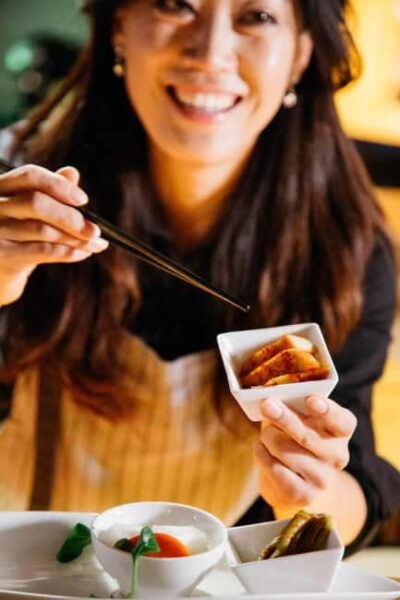
I love the Hanok-inspired studio feeling and the way the class is built around real hands-on steps. I also like the menu choice you get: you pick your main dish and soup, then you still get to learn and taste the full Korean-table rhythm. One thing to consider: this isn’t for vegans or vegetarians, and people with food allergies should think carefully.
With Woody leading in English (and sometimes Korean), the experience is both structured and relaxed. It’s a small group setting, so you’re not just watching while others cook. If you’re expecting a quick “Instagram meal,” the 210 minutes will feel slow in the best way—but plan on arriving hungry and staying flexible.
In This Review
- Key things that make this class worth your time
- The Hanok-Inspired Studio Where Cooking Feels Like Visiting Home
- Tea, Talk, and a Small-Group Pace That Helps You Actually Learn
- Making a Full Meal: Sides, Soup/Stew, and Bibimbap From Scratch
- Your Menu Choice (Main and Soup) Lets You Cook What You Care About
- The Side Dish Rhythm: How You Learn Korean Home Cooking Patterns
- Samgyeopsal and Ssam Wraps: The Host-Led BBQ Moment You Can’t Replicate at Home Yet
- Finishing Sweet: Dessert and the Small Touches That Make It Feel Complete
- Value for $89: What You’re Actually Paying For
- Who This Hansik Cooking Journey Is Best For
- Logistics That Matter: Time, Clothing, and What to Plan Around
- The Instructor Factor: Woody’s Teaching Style and the Room He Built
- Should You Book This Hansik Cooking Class in Seoul?
- FAQ
- What dishes will I cook and eat in the class?
- How long is the cooking experience?
- How big is the group?
- What language is the class taught in?
- Is this class suitable for vegans, vegetarians, or people with allergies?
- What’s included besides the cooking instruction?
Key things that make this class worth your time
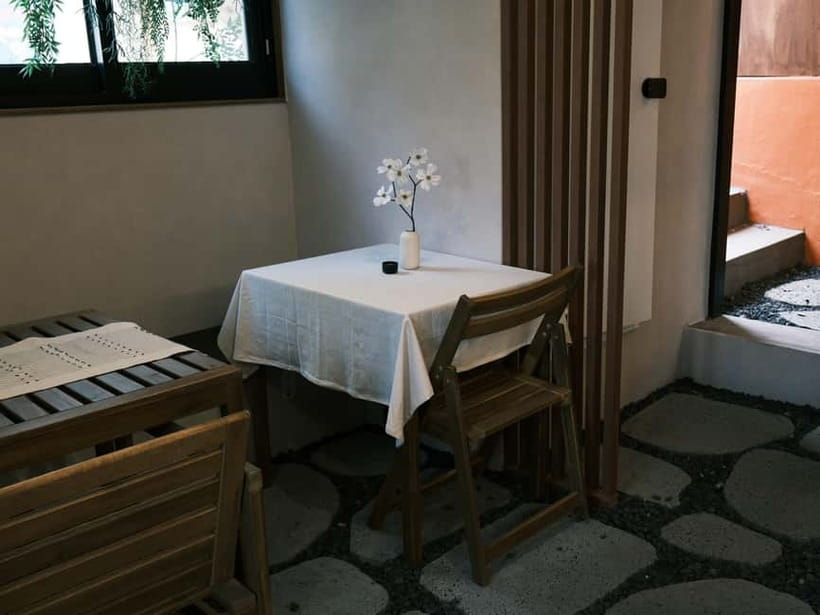
- Hanok-inspired kitchen atmosphere that makes cooking feel like visiting a friend’s home
- Small group size (limited to 8) so you get real guidance, even if you’re new to cooking
- Pick-your-own main and soup while still learning core Korean techniques
- Bibimbap plating with your own hands, not just a pre-made bowl
- Host-grilled samgyeopsal with ssam wraps served right at the table
- Digital recipes sent by photo so you can repeat the dishes later
The Hanok-Inspired Studio Where Cooking Feels Like Visiting Home
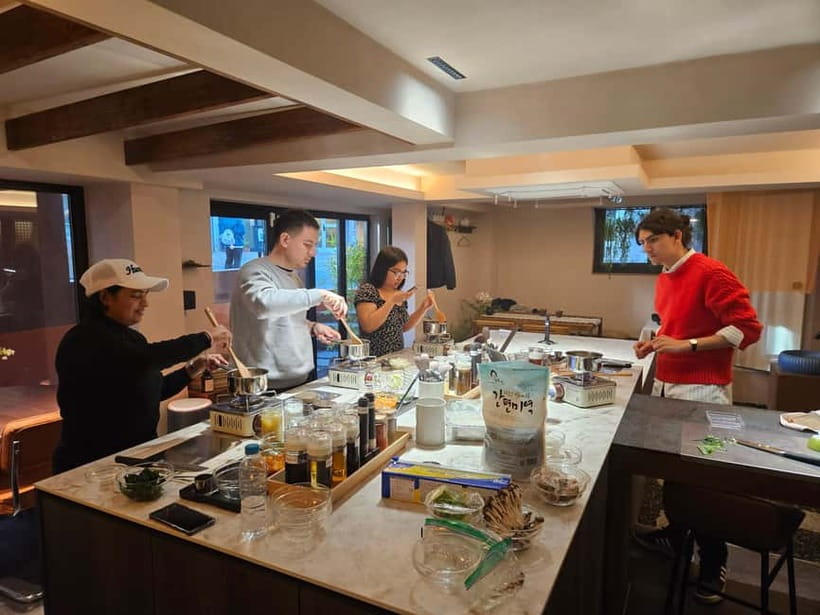
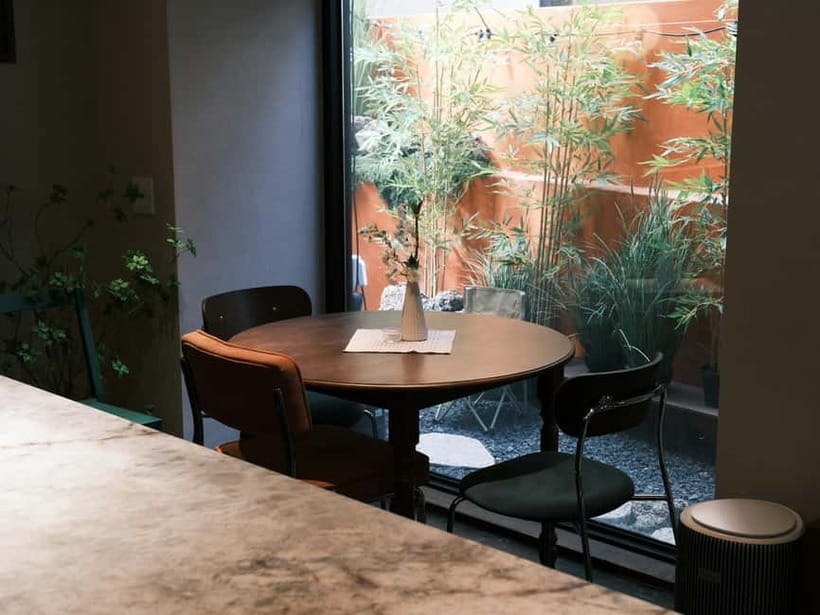
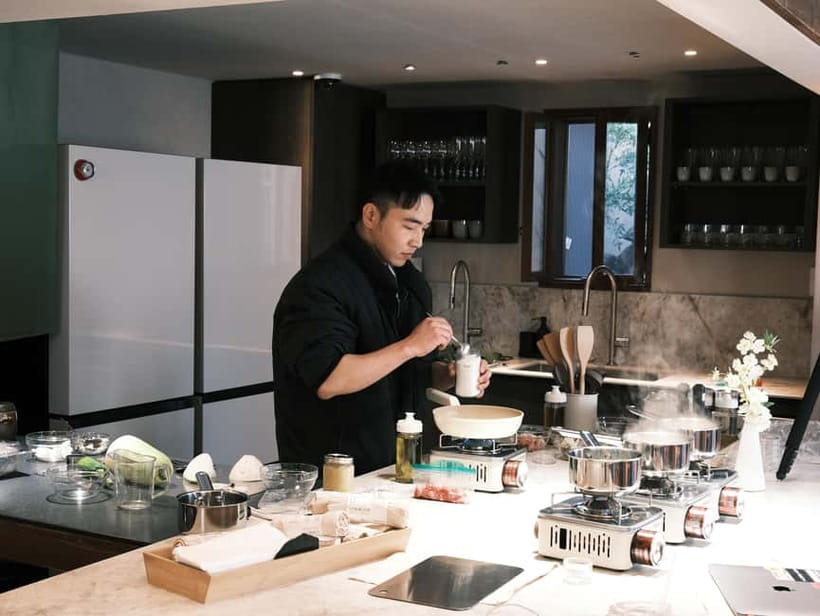
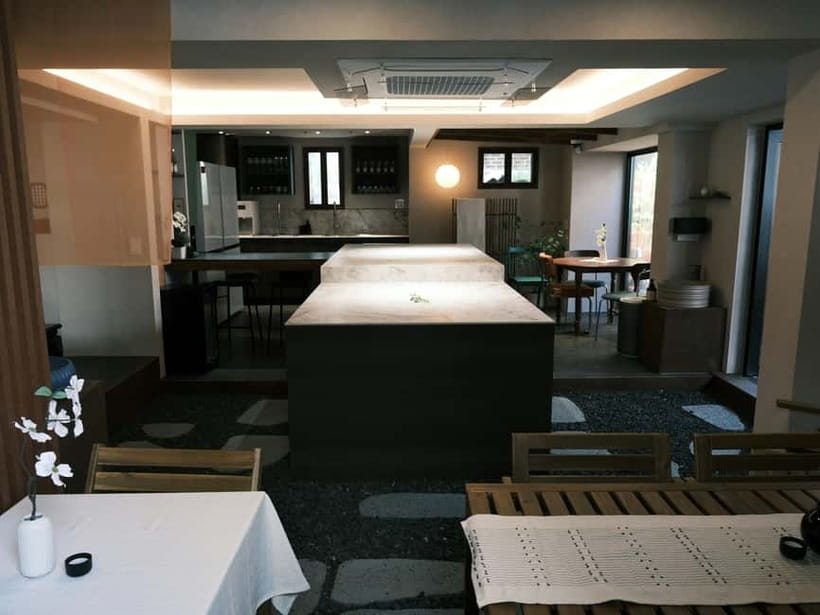
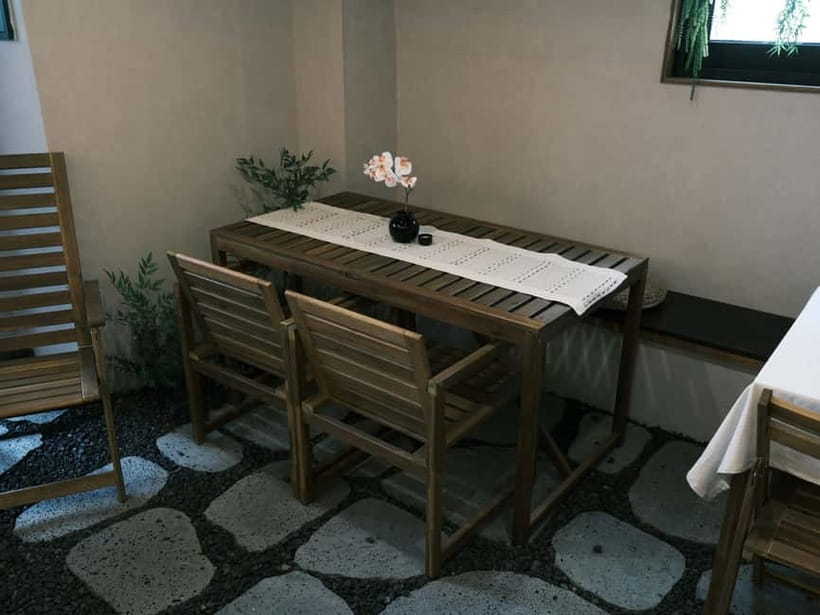
Seoul can be loud. This experience is the opposite in the best possible way. You’ll cook in a peaceful, Hanok-inspired studio space, the kind of room where your shoulders naturally drop. The kitchen setup is designed for learning: tools are ready, ingredients are portioned, and the flow keeps you from feeling lost in a sea of chopping boards.
The studio matters more than it sounds. A cooking class in a cramped, production-line space can feel stressful. Here, the vibe is warm and calm—soft background music, clean modern workspace, and a table you sit at together when the cooking ends. If you like the idea of learning Korean food without the usual “race the clock” feeling, this setting is a big part of the value.
And yes, it’s guided. You’re not thrown into the deep end with a sheet of recipes and a hope-and-pray attitude. Step-by-step instruction is the point.
You can also read our reviews of more cooking classes in Seoul
Tea, Talk, and a Small-Group Pace That Helps You Actually Learn
You start with traditional Korean welcome tea, then a short conversation about Korean food culture. That little kickoff does two things: it gives context for what you’ll be making, and it helps you understand why certain ingredients and textures matter.
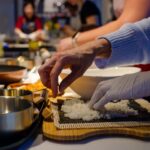
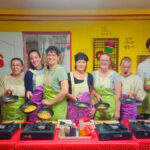
Then comes the hands-on portion with a guide-led rhythm. The group is limited to 8 participants, which changes everything. You can ask questions. You can slow down when you need to. You’re not standing behind someone else while they monopolize the instructor’s attention.
The class runs 210 minutes, so it’s not a rushed 60–90 minute “demo plus one dish.” You get time for side dishes, soup/stew, bibimbap, and a shared sit-down meal. That pacing is great if you’re cooking solo, with a friend, or as a family (though it’s not suitable for children under 10).
Language support is English with Korean also available. If you speak basic English, you’ll be fine. The structure is built for comprehension, not just for showing off technique.
Making a Full Meal: Sides, Soup/Stew, and Bibimbap From Scratch
The best way I can describe the cooking plan: it builds a full Korean-table meal without making you do “everything” in a panic.
You prepare:
- Four side dishes
- One soup or stew
- One main dish of your choice
- A beautifully plated bibimbap
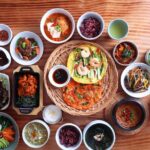
That’s a lot of food, but it’s divided into clear tasks. Side dishes teach you how Korean cooking balances flavors—salty, savory, sweet, and that signature umami depth that comes from ingredients like fermented sauces and seasoned aromatics (you’ll learn what to use and when).
Your soup or stew gets you into warm, comforting Korean textures. The guide walks you through the steps so you understand how to build flavor rather than just following a list.
Then there’s bibimbap—the final “wow” moment. You’re not just assembling something sloppy. You create a plated bibimbap, which means you’ll pay attention to arrangement, not only taste. It turns your meal into something you’ll feel proud eating.
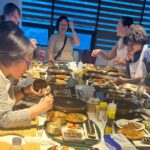
And you’ll still get to enjoy the class, because after the cooking, you sit down and eat slowly with conversation. This is the opposite of a class where everyone stands up to scarf food and leaves in 10 minutes.
Your Menu Choice (Main and Soup) Lets You Cook What You Care About
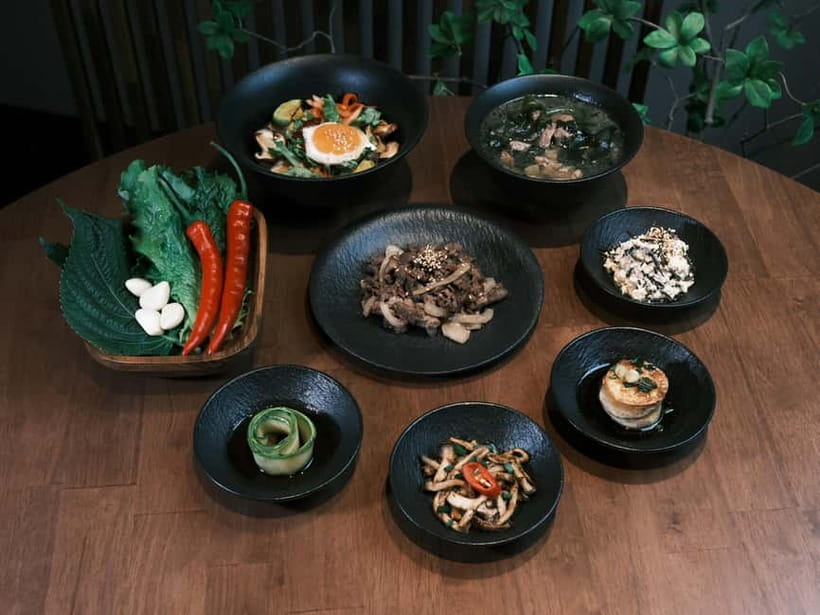
One of the strongest parts of this experience is that you choose your own main dish and soup. You’ll select from options provided by the class. This makes the lesson feel personal.
If you’re curious about Korean comfort food, lean into the soup/stew choice. If you want something more hearty for the main, pick the dish that sounds most satisfying to you. Either way, you still participate in the broader meal building—side dishes and bibimbap aren’t optional.
I like this approach because it removes a common problem in cooking classes: you’re stuck learning a dish you didn’t even want to eat. Here, you invest your attention in food that fits your preferences, so the learning feels meaningful.
Also, choice is a confidence booster for beginners. When you’re new in the kitchen, motivation matters as much as technique.
The Side Dish Rhythm: How You Learn Korean Home Cooking Patterns
Side dishes are where Korean home cooking really shows its logic. You’ll work through four of them, which means you’ll practice several foundational moves: prepping vegetables, seasoning properly, and balancing flavors across multiple small plates.
A good cooking class teaches technique, not just a final outcome. The side dishes are technique training disguised as tasty food.
You’ll likely notice that Korean side dishes often feel “small” on the plate but add up fast in flavor. That’s the point. Your meal won’t taste like one big dish. It’ll taste like a set of coordinated flavors working together.
A practical tip for you: wear comfortable clothes. Cooking can involve standing, chopping, and moving around the kitchen. You’ll want to move easily without worrying about your outfit.






Samgyeopsal and Ssam Wraps: The Host-Led BBQ Moment You Can’t Replicate at Home Yet
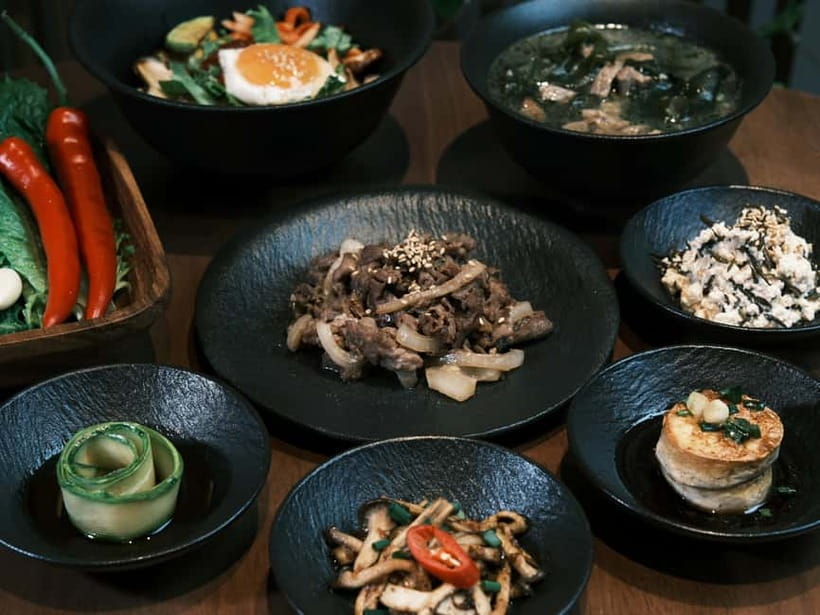
After all the cooking, comes one of the main highlights: samgyeopsal (Korean pork belly) grilled by the host and served with fresh ssam vegetables for lettuce wraps.
This part is special because it’s not something you’re doing in the same way as the other dishes. The host grills the pork belly personally, which means you get the quality and timing without needing the experience. Then you assemble wraps at the table—build, bite, adjust seasoning, repeat.
This is the kind of food that rewards attention. The contrast matters: crisp lettuce, savory pork belly, and the fresh crunch from the vegetables. If you like hands-on dining, this wrap session is a perfect bridge between “cooking lesson” and “shared meal.”
Even better: you eat it as part of your full table. You’re not eating samgyeopsal as an add-on while the real meal stays elsewhere. It becomes one of your centerpiece bites.
Finishing Sweet: Dessert and the Small Touches That Make It Feel Complete
After you cook and eat, you’ll finish with a simple Korean dessert. The class also includes filtered water during the meal, plus a welcome drink at the start.
For adults, there’s a glass of traditional Korean distilled liquor included with the experience. Extra alcohol isn’t included, so if you’re not drinking, you can still enjoy the meal at a relaxed pace.
You also get:
- A digital recipe sent via photo after the class
- A small souvenir gift
These “small” add-ons help you keep the class alive after you go back to your hotel. A recipe photo isn’t as fancy as a printed booklet, but it’s more useful than most souvenirs because it brings you back to the steps and ratios you practiced.
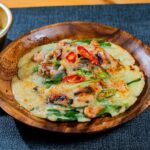
In some sessions, dessert may include treats like hotteok (one guest specifically mentioned it). You should expect a simple Korean dessert rather than a massive pastry production.
Value for $89: What You’re Actually Paying For
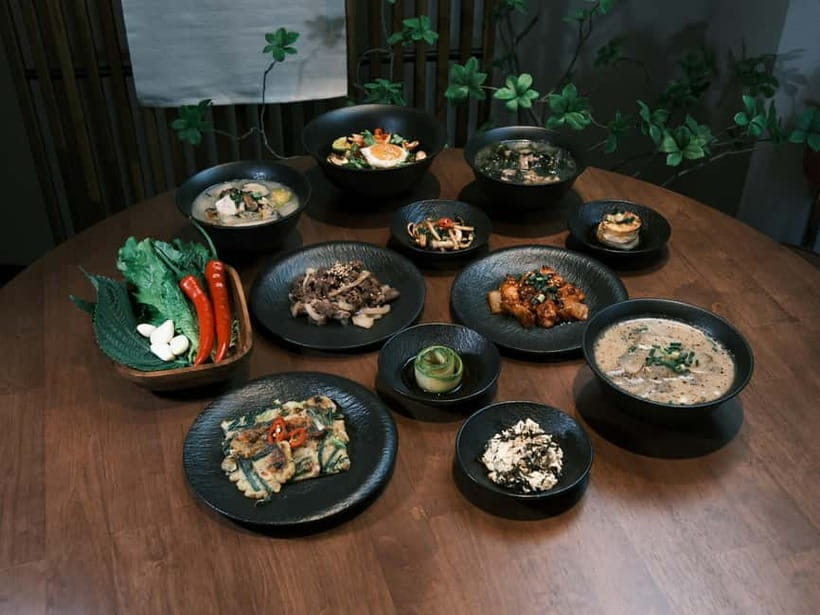
At $89 per person for a 210-minute class, the value depends on what you want from a Seoul food experience.
If you want to taste a lot of Korean food, eat in a comfortable setting, and also learn how to do it yourself later, this checks those boxes. You’re not just paying for ingredients. You’re paying for:
- All ingredients and prepared components (so you don’t spend your day shopping)
- Use of tools and an apron
- Guided cooking in English
- A full shared meal you made plus host-grilled samgyeopsal
- Recipes delivered after the class
If you only want one dish, or you’re mostly looking for a social activity with no interest in cooking technique, it might feel heavy. But if you care about learning how Korean home meals come together, it’s a fair deal—especially because you leave with the structure for building your own Korean-table spread.
Also consider the opportunity cost. One evening of food in Seoul can disappear quickly into multiple restaurants, and you get less skill out of it. This class converts your time into knowledge you can reuse.
Who This Hansik Cooking Journey Is Best For
This is an excellent fit if you:
- Want a practical cooking experience, not a lecture
- Enjoy Korean food and want to learn the logic behind side dishes, bibimbap, and soup/stew
- Prefer a calm, well-paced activity over a frantic “see everything” day
- Like guided structure but still want menu choice for the dishes you personally pick
It’s not suitable for:
- Children under 10
- Vegans
- Vegetarians
- Anyone with food allergies (the data explicitly flags that)
If you have dietary restrictions beyond vegan/vegetarian, you’ll want to check carefully before booking since the class includes multiple dishes and ingredients.
Logistics That Matter: Time, Clothing, and What to Plan Around
The session runs 3.5 hours. That’s long enough to feel like an experience, not a quick stop. Plan to eat before you arrive—not a full meal, but don’t show up starving and expecting to be finished in 30 minutes.
You’ll be standing, chopping, and working at the counters for a chunk of time. Bring comfortable clothes that you can move in. You’ll be given an apron, but your shoes and outer layers matter.
Transportation to and from the venue is not included, so you’ll need your own plan—taxi, public transit, or a rideshare.
Your meeting point is at SOOP TABLE – The Hansik Atelier.
The Instructor Factor: Woody’s Teaching Style and the Room He Built
The instructor, Woody, is a big reason this class gets consistently strong ratings. The teaching approach is patient and clear, especially for people who are brand new to cooking. What I like about the way the class is set up is that it supports different skill levels: culinary students and total beginners can both participate without feeling out of place.
Woody also leads with food culture context, not just instructions. That helps you understand why you’re doing each step. You’re learning to cook Korean meals, not merely assembling them.
Even the space is part of the experience. Woody designed the studio himself, and it shows in how clean and organized everything feels. It’s calm. It’s not chaotic.
If you want a friendly guide who can explain both ingredients and technique, this is exactly that kind of class.
Should You Book This Hansik Cooking Class in Seoul?
Book it if you want a hands-on Korean meal that goes beyond tasting. You’ll cook multiple dishes, choose your main and soup, plate bibimbap, then eat host-grilled samgyeopsal with ssam wraps. You’ll also get recipes after the class, which is the difference between a fun night out and actual skill gained.
Skip it if you’re vegan/vegetarian, traveling with food allergies, or you only want a quick tasting without cooking. And if you hate spending 210 minutes in one place, plan a different kind of activity.
For most food-focused visitors, though, this hits a sweet spot: it’s practical, relaxed, and genuinely structured around learning how Korean home dining works.
FAQ
What dishes will I cook and eat in the class?
You’ll prepare four side dishes, one soup or stew, one main dish of your choice, and bibimbap. You’ll also be served samgyeopsal (pork belly) grilled by the host with fresh ssam vegetables for wraps, plus a simple Korean dessert.
How long is the cooking experience?
The experience lasts 210 minutes.
How big is the group?
It’s a small group, limited to 8 participants.
What language is the class taught in?
The class is guided in English (and Korean is also listed).
Is this class suitable for vegans, vegetarians, or people with allergies?
No. It’s listed as not suitable for vegans, vegetarians, and people with food allergies.
What’s included besides the cooking instruction?
Included items are welcome tea, all ingredients, apron and cooking tools, the shared meal of dishes you make, samgyeopsal with ssam vegetables prepared by the host, a glass of traditional Korean distilled liquor for adults, a simple dessert, filtered water, a digital recipe sent by photo after the class, a small souvenir gift, and use of the Hanok-inspired studio space.