REVIEW · COOKING CLASSES
Seoul: Kimchi Dishes Cooking Class with Wine Pairing
Book on GetYourGuide →Operated by Manok · Bookable on GetYourGuide
Kimchi tastes totally different when you pair it. In Seoul, this 2-hour small-group class takes you through a kimchi tasting-first lesson and then to the stove, guided by Suyeon, a former wine bar owner and sommelier who pairs the meal with wine. I love that you start by tasting multiple kinds of kimchi, so you understand what changes between cabbage, white kimchi, radish, and aged kimchi before you cook. I also love that you get to choose what you’ll make from three beginner-friendly options, so the class feels personal rather than scripted.
One note to plan around: the session includes a standout specialty dish—aged kimchi with braised pork belly—but the host pre-makes it for you, which means you won’t cook that long, tricky component yourself.
In This Review
- Key points before you book
- Why this Seoul kimchi-and-wine class feels different
- Getting to the Kimchi & Wine Cooking Studio near Gyeongbokgung
- The first hour: tasting four kimchi types like a flavor detective
- How the cooking choice actually works (and what you should expect)
- Picking the right dish for your taste
- The signature finale: aged kimchi with braised pork belly
- Wine pairing: how Suyeon teaches you to match fermentation with glassware
- What you actually leave with: skills you can use the next day
- Price and value: is $58 fair for what you get?
- Who should book this Seoul kimchi class
- Quick FAQ for first-timers
- FAQ
- Is this class beginner-friendly?
- What kimchi types will I taste?
- Which dishes will I cook?
- Does the class include wine?
- How long is the experience?
- Where do I meet?
- Should you book this kimchi cooking class?
Key points before you book
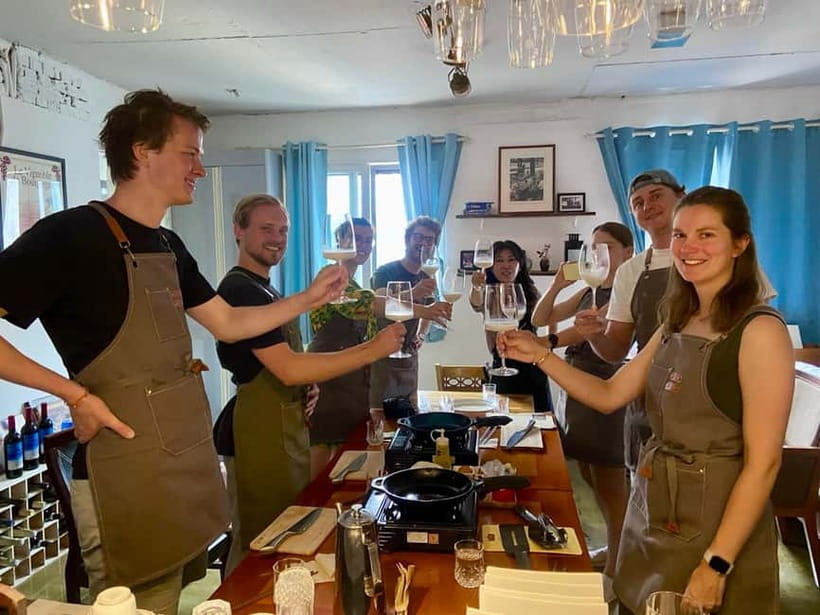
- Four kimchi styles first, cooking second: cabbage, white kimchi, radish, and aged kimchi, all tasted up front
- You pick your hands-on dish: kimchi pancake, white kimchi noodles, or radish-bacon stir-fried rice
- Sommelier-guided wine pairing: you’ll taste and learn which wines match Korean flavors
- Small group of up to 6: you get real attention while you prep and cook
- Aged kimchi + pork belly finish: the host’s specialty is included, even though it’s pre-made for timing and ease
Why this Seoul kimchi-and-wine class feels different
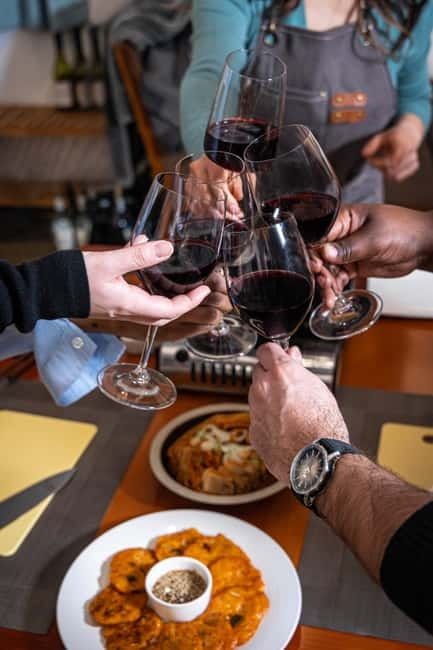
This isn’t just a cooking class where you follow steps and hope for the best. You get a real sensory lesson first. Fermentation has layers—salt, sour, funk, and a shifting level of heat—and tasting four different kimchi types before you cook makes everything click.
I also like the format because it keeps the pacing friendly. You’ll spend enough time tasting to build your instincts, then you’ll cook one chosen dish without feeling rushed. With only a small group, you’re not standing in the corner while someone else gets the attention.
And yes, the wine pairing is part of the point, not a random add-on. The sommelier-style approach helps you understand what to look for when you eat spicy, tangy food—so you can make smarter choices at home.
You can also read our reviews of more cooking classes in Seoul
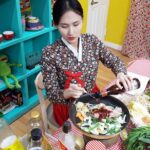

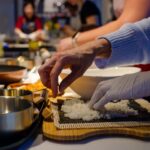
Getting to the Kimchi & Wine Cooking Studio near Gyeongbokgung
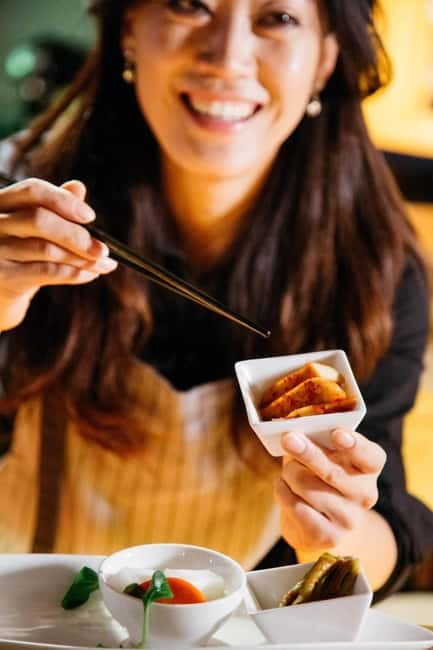
The studio is close to the Gyeongbokgung area, which makes it easy to fit into a day that includes the palace. If your Seoul route starts near Gyeongbokgung (it usually does), this class can act like a comfy landing spot: you’ll be fed, you’ll learn something useful, and you’ll end the day without hunting for dinner.
Here’s the practical direction path provided:
- From Exit 2 of Gyeongbokgung Station, walk straight about 200 meters until you see Woori Bank, then turn left
- Pass Cham bar
- Go to the destination on the 3rd floor of the building with Cuisine La Cle on the 1st floor
Tip: give yourself a few extra minutes on arrival. Korean buildings can look similar from the sidewalk, and you want a stress-free start since you’ll be tasting early.
The first hour: tasting four kimchi types like a flavor detective
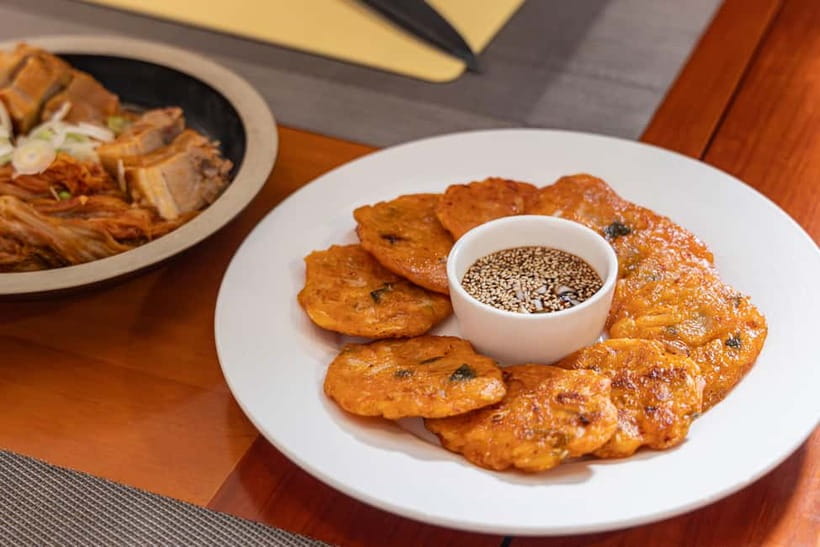
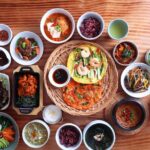
The class begins with tasting and learning. This is where the experience earns its name—because kimchi isn’t one flavor. It’s a family of styles with different textures and fermentation timelines.
You’ll sample four kinds of kimchi:
- Cabbage kimchi
- White kimchi
- Radish kimchi
- Aged kimchi
Then Suyeon walks you through what makes each one different—how the ingredients and fermentation changes affect taste and even how you’ll want to pair it with drinks. This matters because the cooking you do later will suddenly make sense. For example, you’ll be able to connect sourness and seasoning to what you’re tasting at the start, instead of treating the recipes like black boxes.
If you’re a foodie, this part scratches the history-and-culture itch too. The class uses kimchi as a doorway into Korean food habits and how people think about fermented flavors in everyday meals. In many sessions, that explanation lands with extra warmth; several guests note Suyeon’s patience and ability to answer questions clearly.
How the cooking choice actually works (and what you should expect)
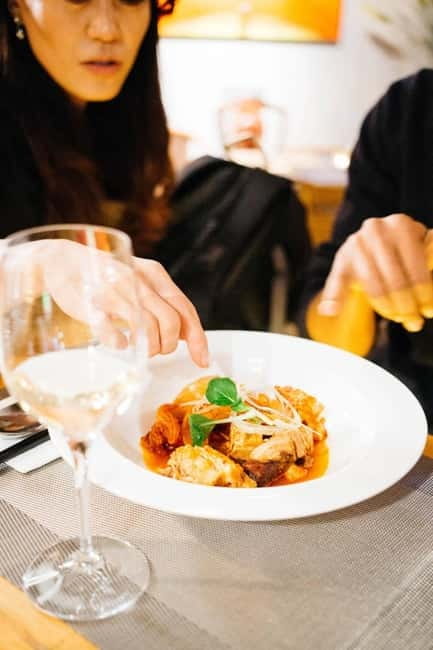
After the tasting, you’ll move into cooking. You won’t cook every option. Instead, you decide which dish you prefer from three choices:
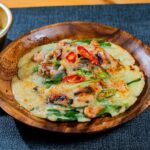
1) Kimchi pancake
2) White kimchi noodles
3) Radish-bacon stir-fried rice
The exact dishes can vary slightly depending on the group size, but the core options stay the same. This design is smart for beginners. You get hands-on time for one complete dish while still being able to understand the other recipes through group sharing later.
What you should expect during cooking:
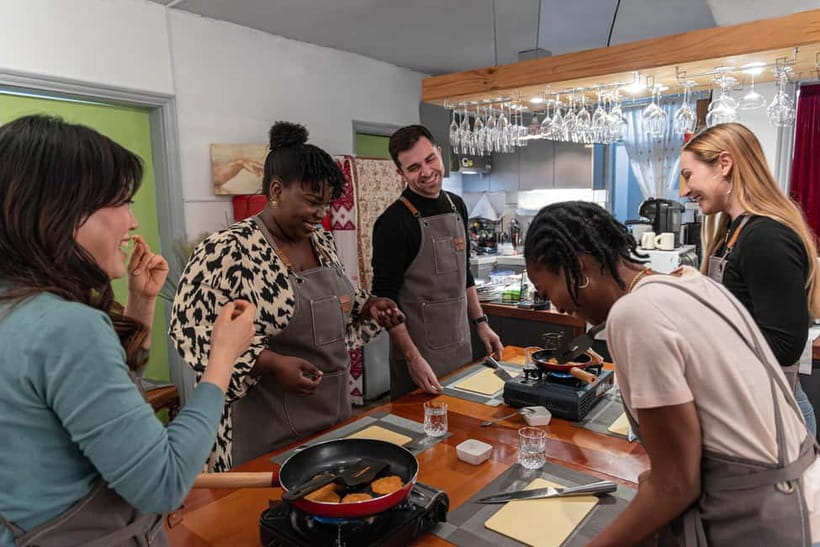
- You’ll do active prep and cooking steps with guidance
- Instructions are explained in English
- You’ll learn how kimchi behaves in heat—how it softens, concentrates, or changes flavor intensity in dishes
What I like for practical travelers: the recipes aren’t presented like fancy restaurant tricks. The goal is making you feel confident cooking them again back home with friends.
Picking the right dish for your taste
Choose based on what you want from the experience:
- Pick kimchi pancake if you want something comforting and straightforward. It’s often the easiest way to taste kimchi in a different texture.
- Pick white kimchi noodles if you like a gentler, lighter profile compared to more fiery red kimchi.
- Pick radish-bacon stir-fried rice if you want hearty and savory, with a mix of sweet-salty notes from both radish and bacon.
No matter which one you choose, the class ends by eating together, so you’ll get exposure to other plates too.
You can also read our reviews of more wine tours in Seoul

The signature finale: aged kimchi with braised pork belly
Here’s the standout included dish: aged kimchi with braised pork belly. The key detail is timing. This dish is pre-made by the host, because aged kimchi cooking and pork braising can take longer and can be harder for brand-new cooks.
So you’ll still get the payoff—big flavor, rich pork, and the deeper character of aged kimchi—but you won’t have to wrestle with the full cooking timeline yourself. For me, that feels like a fair trade. You get to taste and learn from the best part without the class turning into a marathon.
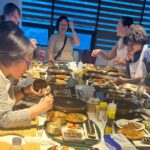
During the sharing portion, you’ll also get to see what others cooked. That group table moment is part of the fun. It turns the class into something more social than a solo cooking project.
Wine pairing: how Suyeon teaches you to match fermentation with glassware
The wine pairing is guided by the sommelier host, not just a casual pour. You’ll taste and learn how the wines work with the kimchi flavors you’re eating.
From the class format, you can expect a few practical ideas to come through:
- Spicy and tangy foods can need contrast, not just more intensity
- Fermented flavors can benefit from wines that bring acidity or balance
- A pairing should complement the dish, not fight it
One review specifically notes that an Italian white wine from Veneto was included in the pairing. Another mentions yuja makgeolli as part of the kimchi meal pairing. Since the exact pairings can vary, don’t lock your expectations to one bottle—just know that the host treats it like a real matching exercise.
If you care about drinking less randomly and more on purpose, this part is genuinely useful. Even if you don’t become a sommelier, you’ll leave with a simple framework for what tends to work with sour, salty, and spicy foods.
What you actually leave with: skills you can use the next day
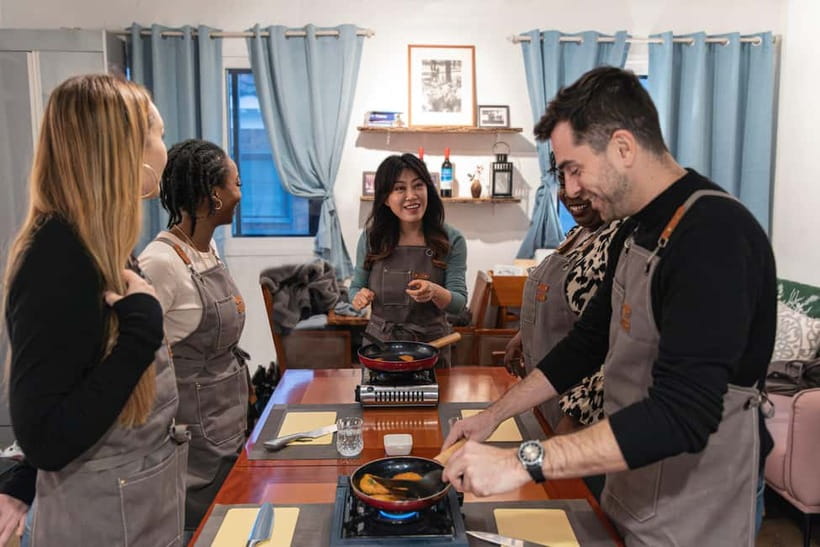
The class is only two hours, so you’re not leaving with a cookbook the size of a suitcase. Instead, you leave with something better for real life: confidence.
Because you cook one of the dishes yourself, you can recreate it at home without starting from zero. And because you taste four kimchi types, you’ll understand why the same kimchi can feel mild, sharp, or intense depending on age and ingredients.
You’ll also get the social benefit of sharing the meal you made—plus the host’s specialty dish—so you’re not just learning; you’re eating a complete experience.
Also, this class is in a small studio setting, which makes the conversation part feel natural rather than forced. Many guests highlight Suyeon’s patience and willingness to explain both the food process and the cultural context behind it.
Price and value: is $58 fair for what you get?
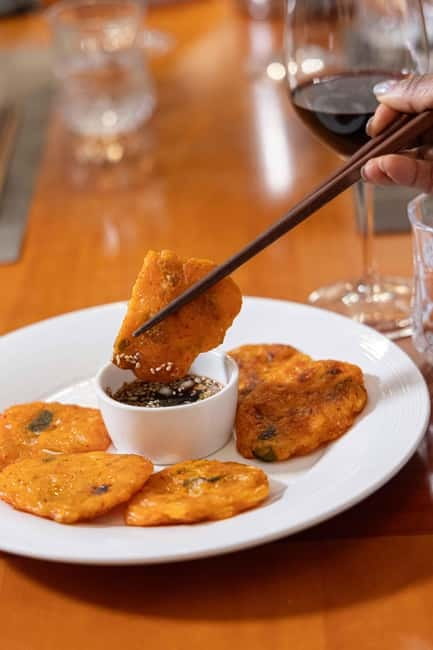
At $58 per person for a 2-hour class, you’re paying for more than a recipe sheet. You’re getting:
- Tastings of four kimchi styles
- Guidance from a sommelier who connects food flavor to drink pairing
- Hands-on cooking for one of three dishes
- Included specialty food: aged kimchi with braised pork belly
- A glass of wine pairing (as selected by the host)
In other words, the cost covers food, instruction, and the pairing education. If you like food experiences where you learn something you can use again—rather than just leaving full—you’ll likely see this as good value.
Who should book this Seoul kimchi class
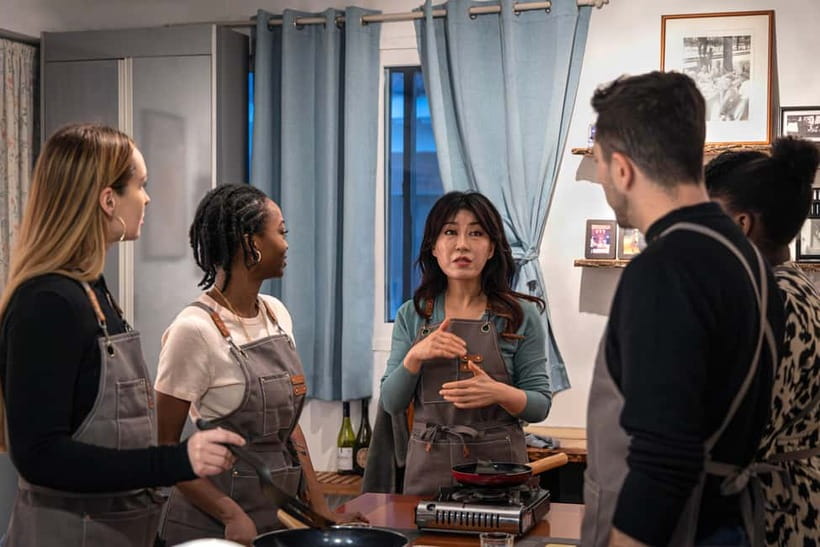
This fits best if you:
- Want a hands-on food experience without spending all day cooking
- Like kimchi but want to learn the differences between styles
- Enjoy pairing food with wine and want the logic behind it
- Prefer a small group setting where you can ask questions
It may feel less ideal if you:
- Want to cook everything yourself from start to finish (the aged kimchi pork belly is pre-made)
- Need a class that avoids alcohol entirely (a wine pairing and glass are included as part of the experience)
- Are traveling with kids under 18. The activity is listed as not suitable for children under 18 years, so follow that rule when you book.
Quick FAQ for first-timers
FAQ
Is this class beginner-friendly?
Yes. The format includes cooking one dish among three options, with guidance from the host. The aged kimchi pork belly is pre-made for ease and timing, which helps keep the experience friendly for newcomers.
What kimchi types will I taste?
You’ll taste four kinds of kimchi: cabbage, white kimchi, radish kimchi, and aged kimchi.
Which dishes will I cook?
You’ll choose one dish from three: kimchi pancake, white kimchi noodles, or radish-bacon stir-fried rice. Which dish you do can vary slightly depending on participant numbers.
Does the class include wine?
Yes. The sommelier host guides a wine pairing, and you’ll enjoy it with the meal.
How long is the experience?
It runs for 2 hours.
Where do I meet?
Meet at the Kimchi & Wine Cooking Studio. You can reach it from Gyeongbokgung Station Exit 2 by walking about 200 meters to Woori Bank, turning left, passing the bar Cham, and heading to the 3rd floor of the building where Cuisine La Cle is on the 1st floor.
Should you book this kimchi cooking class?
If you want a Seoul food experience that’s equal parts learning, tasting, and eating, this is an easy yes. The strongest reasons to book are the start-with-tasting approach and the wine pairing instruction that ties flavors together. You also get real hands-on cooking for one complete dish, plus a memorable included finale with aged kimchi and braised pork belly.
The main reason to pause is the adult-focused setup and the fact that you won’t cook the signature aged kimchi pork belly yourself. If that works for you, you’ll come away with recipes you can repeat and a better sense of how kimchi changes across styles.