REVIEW · BBQ
Seoul: Wine & Korean BBQ, Perfect Pairing Dinner in Sinchon
Book on GetYourGuide →Operated by TAEZA PRESENTS · Bookable on GetYourGuide
Few cities mix food and wine this naturally.
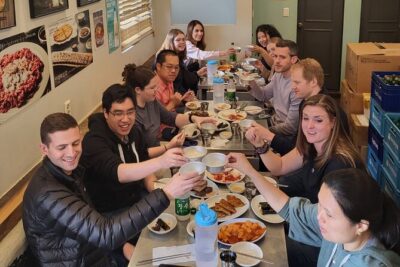
This Sinchon wine & Korean BBQ pairing dinner is built for people who want more than a checklist—expect a short neighborhood walk, a guided basics lesson, and a meal where the guide helps you match flavors on purpose. I like that it’s approachable for beginners, with simple wine lessons and practical Korean drinking manners you can use right away. I also like the human side: guide Taser (mentioned in reviews) keeps it relaxed and conversation-friendly, so it feels more like hanging out than performing.
One thing to consider: the menu and restaurant setup can change depending on your group size, and Korean-style meat dishes are the typical focus. If you’re picky about food, have allergies, or want lots more wine beyond the included budget, you should plan for possible extra charges.
In This Review
- Key things to know before you go
- Why Sinchon Works for a Wine + BBQ Evening
- Starting at Sinchon Station Exit 6: How the Evening Flows
- The Brief Walk That Gets You Oriented Fast
- Korean Drinking Manners 101 (So You Know What’s Up)
- The Wine Basics: What You Learn Without Feeling Out of Your Depth
- Korean BBQ at the Center: What the Pairings Are Aiming For
- Taser’s Role: When the Host Makes the Meal Feel Personal
- Small Group Dining vs. Bigger Tables: Why It Changes Your Mood
- Price and Value: Is $49 a Smart Deal in Seoul?
- What to Bring (and What to Skip Doing)
- Who This Experience Fits Best
- Practical Tips for a Smooth Dinner Pairing
- Should You Book This Sinchon Wine & Korean BBQ Pairing Dinner?
- FAQ
- Where is the meeting point?
- How long is the experience?
- What’s included in the price?
- Can I request wine or food preferences in advance?
- Are extra drinks included?
- What kind of food is served?
- Is this tour suitable for everyone?
Key things to know before you go
- Sinchon Station exit 6 is your clear start point, then you walk to dinner with a brief local orientation.
- Wine pairing plus basic lessons means you’re not just eating—you’re learning how to think about matches.
- Korean drinking manners 101 is part of the experience, so you’ll know what to do in the moment.
- Group size can be tiny (some groups are just a couple of people), which makes conversation easy.
- Restaurant changes by numbers: smaller groups eat at a local place; larger groups use a more spacious spot.
- Second-round drinks may cost extra, so decide your pace before you order more.
Why Sinchon Works for a Wine + BBQ Evening
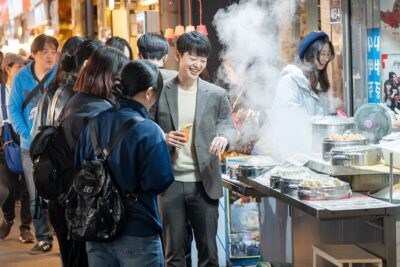
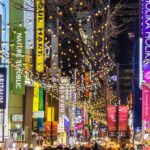
Sinchon is one of those Seoul neighborhoods where you can feel the city without needing a full day of sightseeing. It’s close to major transit, packed with food options, and easy to move through on foot. The best part for this kind of tour is that you get a bit of local context before you sit down to eat, instead of jumping straight into a meal.
This dinner also fits Seoul’s reality: people don’t just drink casually here—they follow social rules. Getting a crash course on those manners matters, because it turns an awkward “I hope I’m doing this right” situation into something you can enjoy.
And yes, Korean BBQ is a big deal. But the reason this experience is special is the pairing. You’re not only eating grilled meat; you’re learning how wine can shift with salt, smoke, fat, spice, and sauce.
You can also read our reviews of more wine tours in Seoul

Starting at Sinchon Station Exit 6: How the Evening Flows
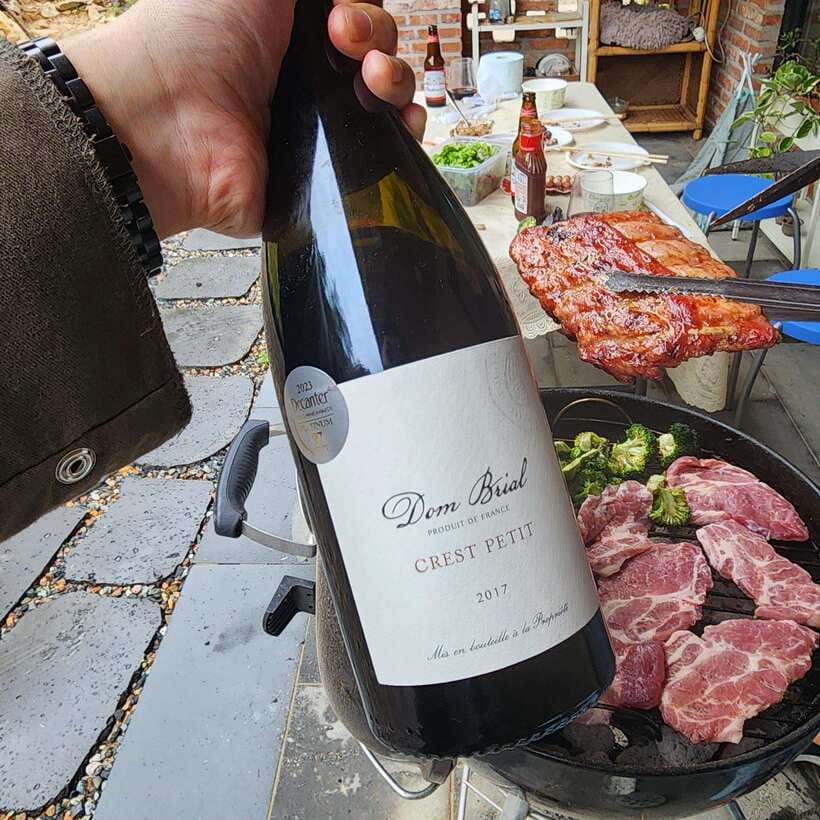
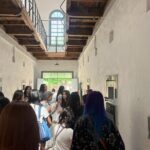
Your evening starts at Sinchon Station, exit 6. From there, your host guides you on a short walk toward the dining place. The walk isn’t long, but it’s enough to help you get oriented so you don’t feel lost once you arrive.
The total experience runs about 150 minutes. That timing is built around one core idea: you’ll have time to eat properly, sip thoughtfully, and still ask questions without feeling rushed.
Before you go, you’re encouraged to message the operator with your food and wine preferences and any allergies. The reason this matters is simple: wine pairing works best when the guide knows what you actually like and how cautious you need to be with ingredients.
The Brief Walk That Gets You Oriented Fast
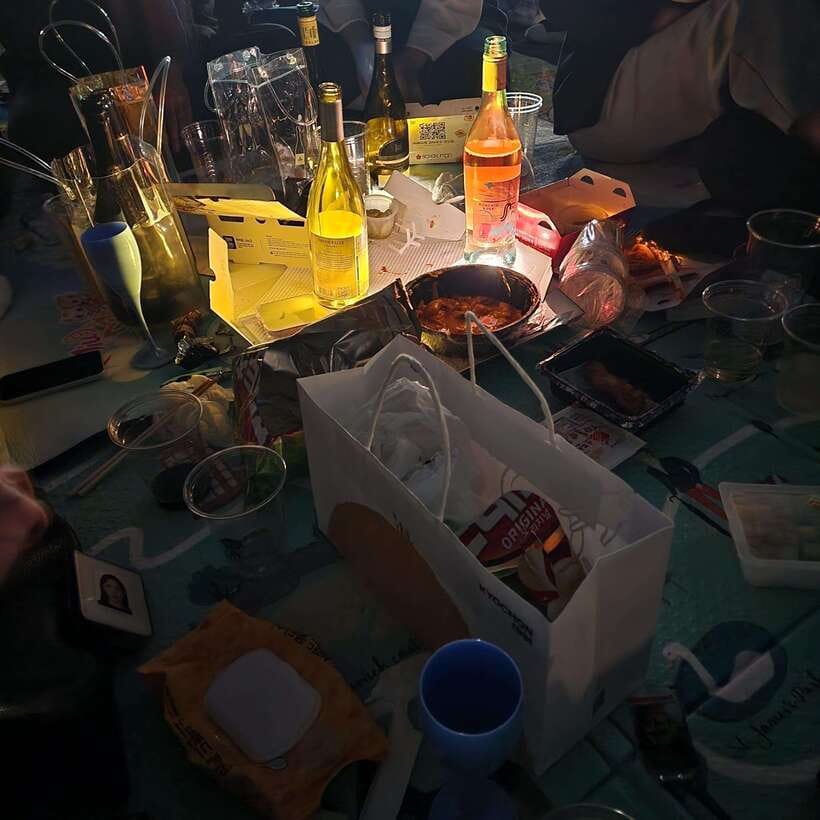
This tour includes a short guide-led walk through Sinchon on the way to dinner. For me, that’s a smart add-on. Seoul is huge, and the fastest way to enjoy a neighborhood is to have someone point out what you’ll actually see and use—street flow, how places cluster, and what to look for when you return later on your own.
It also helps you shift gears. You go from moving around the city—shops, people, street noise—to a calmer “sit down and eat” mode. In the reviews, this is where the vibe gets mentioned a lot: it’s not a stiff class. It’s a social evening with structure.
Wear comfortable shoes. You don’t need hiking gear, but you’ll be on your feet long enough to feel it if you choose worn-out soles.
Korean Drinking Manners 101 (So You Know What’s Up)
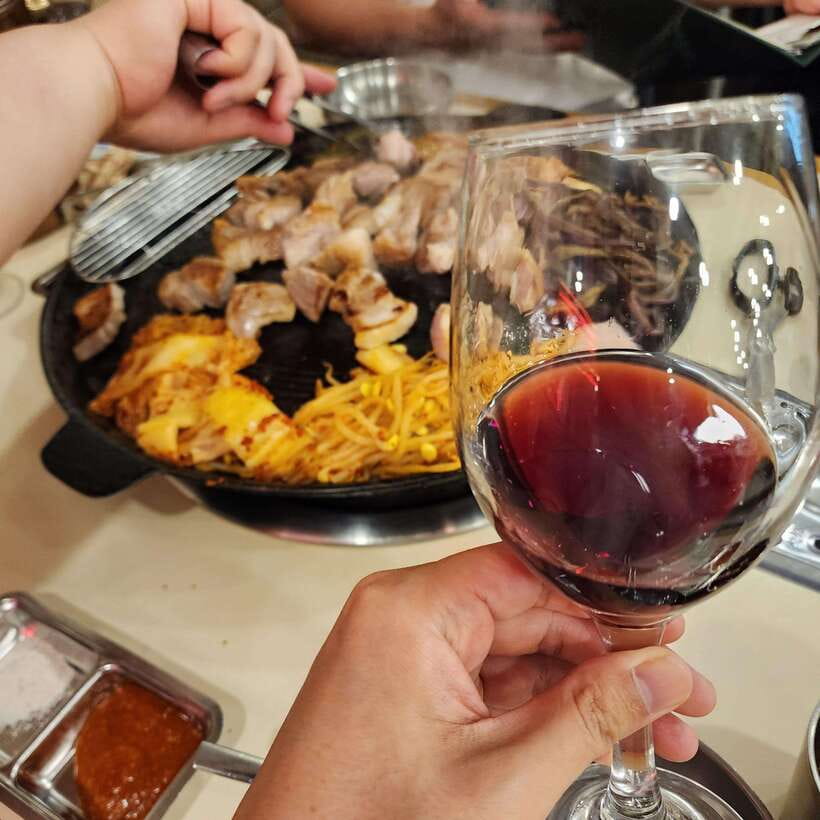
A big part of the experience is learning Korean drinking manners. This isn’t about memorizing rules like homework. It’s about avoiding common mistakes that can happen when you don’t share the local customs.
You’ll learn enough to feel confident during the meal—things like how to approach the group setting, how drinking etiquette typically works at the table, and what to watch for in a social dining flow. In plain terms, it helps you blend in.
This is one of those “small” inclusions that changes the whole mood. When you know what you’re doing, you can focus on the taste, the talk, and the moment instead of worrying about the next step.
The Wine Basics: What You Learn Without Feeling Out of Your Depth
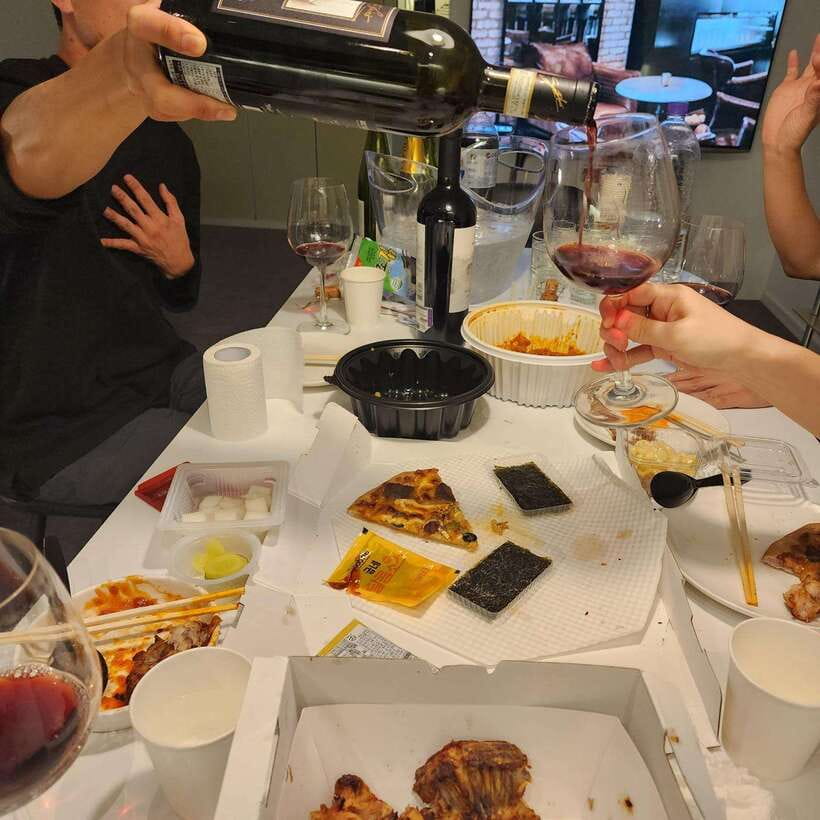
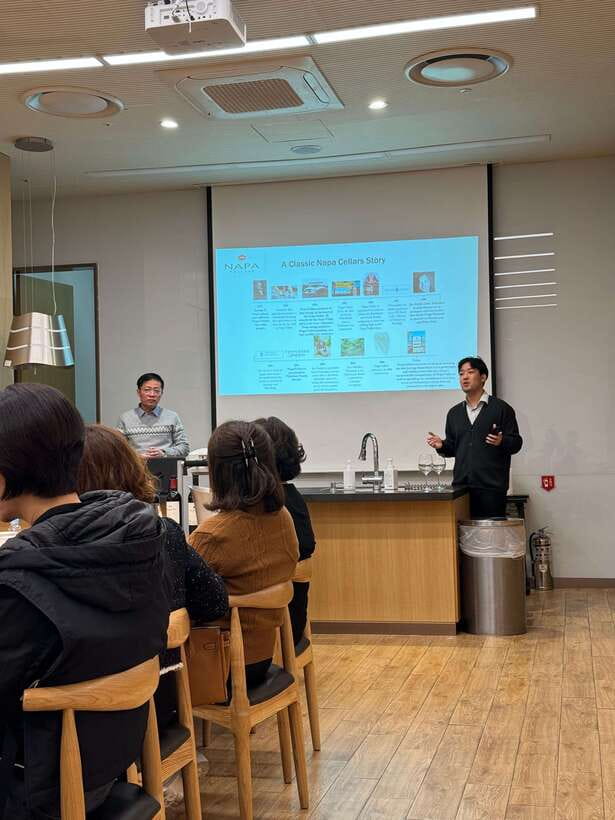
If wine is intimidating, this is where the tour earns its value. You’ll get a basic wine lesson built for beginners, plus an introduction to the tasting wines you’ll be trying during the dinner.
The goal is not to turn you into a sommelier in 150 minutes. It’s to give you a working framework so you can understand why the pairing is happening. That means you’ll likely get simple guidance on things like what to notice in a glass, how taste can change with food, and how to compare what you’re experiencing across different sips.
You’ll also be guided toward pairing choices through the course of the meal. That matters because wine matching isn’t one-size-fits-all. With Korean BBQ, the flavor changes quickly—fat, smoke, and spice all push the wine in different directions. The guide’s role is to keep those matches thoughtful and fun, not random.
You can also read our reviews of more tours and experiences in Seoul




Korean BBQ at the Center: What the Pairings Are Aiming For
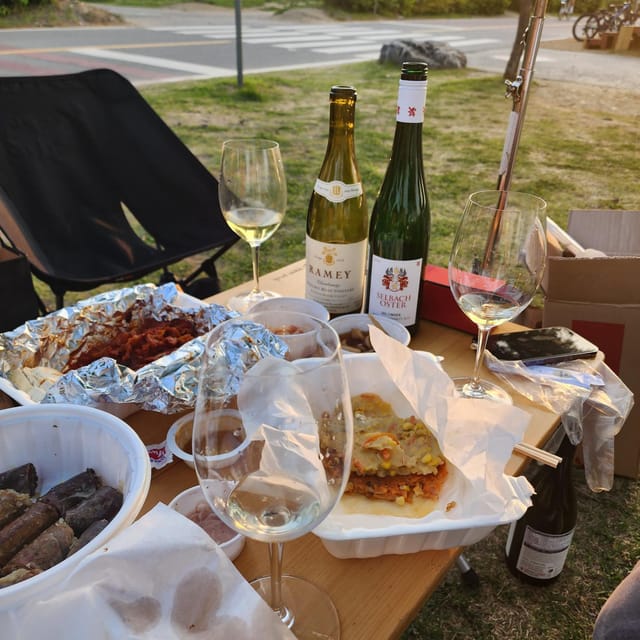
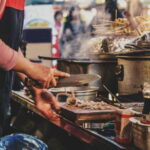
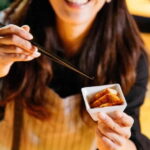
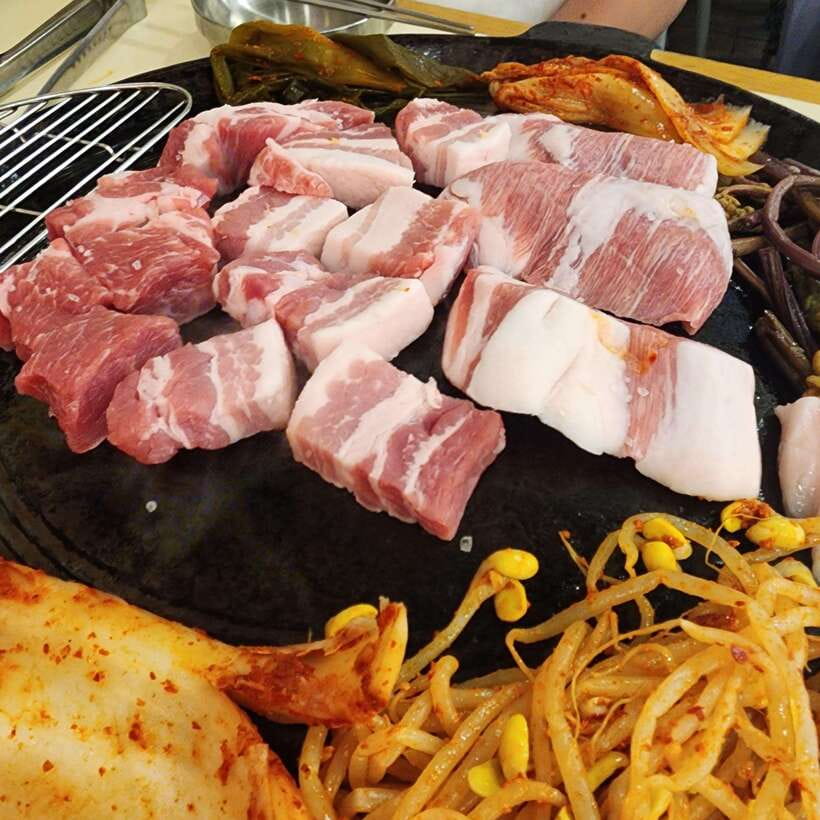
The menu typically features Korean-style meat dishes, and that sets up the entire pairing logic. BBQ flavors tend to be bold: savory, smoky, sometimes sweet, sometimes spicy, and often heavy on umami and fat. Those traits can either clash with wine or make wine feel more complex—depending on the choice and the sequence.
In this dinner, the guide recommends what fits best with each course or meat preparation style. You’re meant to eat and sip together as the evening progresses, then notice how the pairing shifts your perception of both food and wine.
One practical note: the exact restaurant and dish details can vary based on guest count. So if you’re hoping for a precise “this exact BBQ set” every time, you might want to confirm what’s typical for your group size. The experience is consistent in approach, even if the setting changes.
Taser’s Role: When the Host Makes the Meal Feel Personal
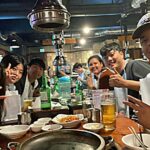
Reviews highlight the guide experience heavily, and the name Taser comes up in particular. The theme is consistent: he’s not only there to explain wine, but also to make the evening feel like a real hangout.
That matters, because the best food tours aren’t lectures. They’re conversations. When your host can answer questions, talk about Sinchon, and keep the tone relaxed, you actually remember the details—what you tasted, how the pairing worked, and what you might try again later.
You can also lean into the format. If you have a flavor preference—dry vs. sweeter wine, or you like wine that feels lighter versus fuller—this kind of guide-led setting makes it easier to get good matches instead of just taking whatever is poured.
Small Group Dining vs. Bigger Tables: Why It Changes Your Mood
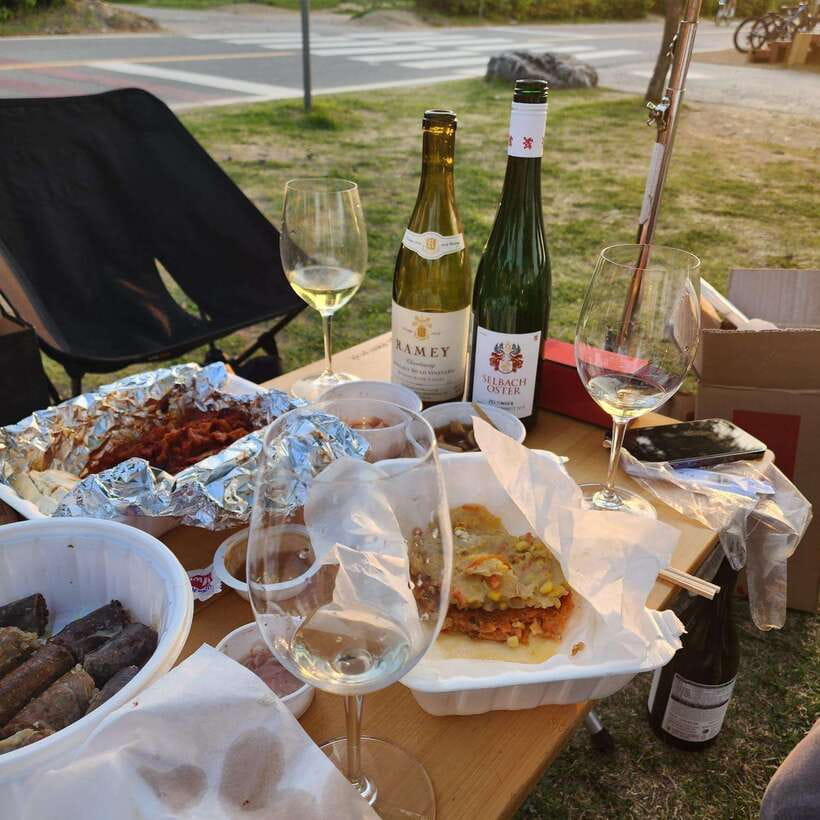
The operator notes that the dinner place is changeable based on the number of guests. Smaller groups typically dine at a local restaurant, while larger groups use a more spacious dining place.
This affects more than seating. In a smaller space, the meal tends to feel more personal and conversational. In a bigger setting, the pace can feel more social-buzz. Either way, the guide still leads the tasting and pairing.
If you’re booking for a special moment—visiting family, a birthday, or just a break from Seoul’s nonstop walking—small group dining can be a big advantage. One review mentioned a tiny group setup where conversation flowed easily, which is exactly what you want from a pairing dinner.
Price and Value: Is $49 a Smart Deal in Seoul?
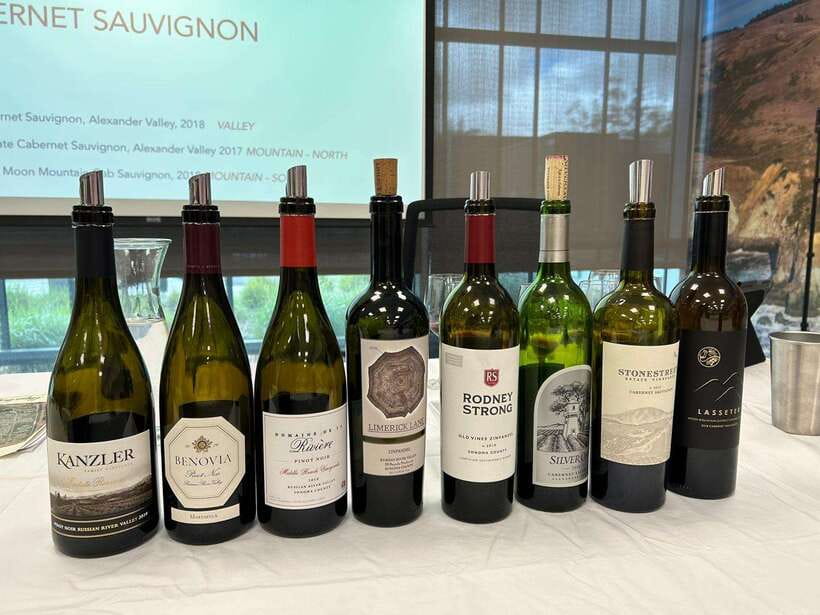
At $49 per person, you’re not paying for a generic meal. You’re paying for a package: the Korean BBQ meal, the wine pairing, and guided instruction (basic wine lesson + introduction to tasting wines), plus a short Sinchon walk.
Here’s how I think about the value:
- If you’d otherwise buy dinner and then separately pay for wine and a guide, the pricing starts to make sense.
- The educational component is small but practical. It’s designed so you can understand what you’re drinking and why it’s paired with the food.
- The experience saves you decision fatigue. Instead of standing at a restaurant trying to guess what pairs well with BBQ, you’re handed a plan.
The catch is also tied to price: additional drinks beyond the provided budget and a second round may require extra payment. So the best value comes if you’re happy with what’s included and pace yourself. If you’re a heavy “let’s order more” drinker, you should treat the $49 as the base for the structured pairing, not as an unlimited night out.
What to Bring (and What to Skip Doing)
Bring comfortable shoes, a camera, and water. You’ll appreciate water before dinner, especially if you’re coming straight from walking around Sinchon earlier in the day.
Don’t smoke during the tour (it’s not allowed). And there are also rules around alcohol in the vehicle, which matters mostly if you’re expecting group transport—this activity focuses on walking and dining, not drinking during transit.
Also, the tour isn’t suitable for everyone: it’s not appropriate for pregnant women, wheelchair users, people under 19, and people with food allergies. That allergy restriction is important. The data clearly lists it as not suitable, so if you have any serious allergy needs, you should look for another option where your requirements can be handled safely.
Who This Experience Fits Best
This is ideal if you:
- Want a guided food-and-wine experience that’s not overly formal
- Are curious about wine but don’t want to feel judged or confused
- Enjoy Korean BBQ and want help understanding what wines work with it
- Like social settings where a host can steer conversation and pairing
It’s especially good as a change from Seoul’s routine of shopping streets and long sightseeing days. Reviews point out that this feels different because it slows the pace and centers on shared enjoyment.
If you’re traveling with someone you want to connect with—your mom, a friend, or a small group—this format can also work really well because the structure supports conversation instead of competing with it.
Practical Tips for a Smooth Dinner Pairing
Here’s how to make the evening go well from your side:
- Message your preferences ahead of time. The tour invites you to share what you like in wine and food. Do it if you can.
- Decide your drinking pace early. Included wine is part of the pairing experience. If you plan to go for more, remember there may be extra cost.
- Eat with an open mind. The menu is typically centered on meat dishes, and the guide will pair wine to that style.
- Plan for a short walk. Comfortable shoes matter more than you think.
One more thing: since the restaurant can change with group size, try to focus on the experience rather than imagining a single specific venue. Your main win is the pairing guidance and manners lesson—not the exact décor.
Should You Book This Sinchon Wine & Korean BBQ Pairing Dinner?
I’d book it if you want a guided night that mixes Korean BBQ, wine pairing, and real social know-how in a compact time window. It’s a strong choice for couples, friends, and small groups because the tone is relaxed and the host can personalize the flow. The reviews repeatedly emphasize the host’s warm, thoughtful approach—Taser comes up as a standout—plus the feeling that it’s more like meeting someone local than joining a scripted activity.
Skip it if you’re dealing with serious food allergies, need wheelchair accessibility, or simply want an unlimited drink fest with no structure. Also skip if you hate meat-forward menus, because that’s the usual center of gravity.
If you’re on the fence, here’s the simplest deciding factor: if you want wine pairing guidance and practical Korean dining manners, you’ll get your money’s worth. If you just want to eat BBQ and drink on your own, you might be better off doing that independently.
FAQ
Where is the meeting point?
You meet in front of Sinchon Station exit 6.
How long is the experience?
It lasts about 150 minutes.
What’s included in the price?
The dinner includes a brief Sinchon tour walk, a Korean food and wine pairing dinner, a basic wine lesson, and an introduction to the tasting wines.
Can I request wine or food preferences in advance?
Yes. You should message with your food and wine preferences before the tour date, along with any allergies.
Are extra drinks included?
Only additional drinks beyond the provided budget are not included, and a second round may require extra fees.
What kind of food is served?
The menu typically features Korean-style meat dishes.
Is this tour suitable for everyone?
No. It’s not suitable for pregnant women, wheelchair users, people with food allergies, or people under 19.