REVIEW · DMZ TOURS
Private DMZ Tour with North Korean Defector + N Korean Lunch
Book on Viator →Operated by Jun tours · Bookable on Viator
The DMZ gets personal fast. I love how this private Seoul DMZ tour pairs border-area sights with stories from Jun, a North Korean defector, and I also love that your day includes a real North Korean lunch (not just a quick snack stop). One thing to consider: there’s no vegetarian option, so plan around what’s served.
This is built for a small group (up to 4 travelers) with hotel pickup and all the key admissions handled for you. The pacing stays tight across a few meaningful places, and you’ll spend more time understanding what you’re seeing than chasing photos.
In This Review
- Key things that make this DMZ day work
- Why a defector-led DMZ tour feels different
- Price and logistics: hotel pickup, admissions, and the $150 value test
- Stop 1 in Goyang: North Korean lunch run by a defector
- Odusan Unification Tower: binocular views 2 km away
- Imjingak Pyeonghoa-Nuri Park: refugees, the Freedom bridge, and the meaning of memory
- The final drop at Hapjeong Station: get back to Seoul fast
- Rules, food limits, and weather: the stuff that can change your day
- Who should book this private DMZ tour with Jun?
- Should you book this DMZ tour or choose another style?
- FAQ
- What time does the DMZ tour start?
- How long is the private DMZ tour?
- Is hotel pickup included?
- Does the tour include lunch?
- What sights do you visit during the day?
- Are admission fees included?
- Is the tour vegetarian-friendly?
- Is filming or streaming allowed during the tour?
- What if weather is bad?
Key things that make this DMZ day work
- Small group, not a bus load: max 4 travelers keeps the focus on the guide and your questions
- Defector-led context: Jun’s escape story gives the DMZ sights emotional weight
- Binocular views at Odusan: village and propaganda structures are viewed from about 2 km away
- Lunch with meaning: a Goyang restaurant run by a North Korean defector is part of the route
- Tour ends with easy city access: drop-off at Hapjeong Station (quick links to Itaewon and Yongsan)
- Weather matters: the experience requires good weather, or you’ll be offered an alternative date or a refund
Why a defector-led DMZ tour feels different
If you’re weighing DMZ tours, you’re probably comparing two styles: the big, scenic “see the border” route versus the story-heavy approach. This one is clearly in the second camp. The big difference is simple: Jun isn’t just narrating history—he’s describing what life felt like inside North Korea and what pushed him to leave.
That changes how the sights land. Standing near the DMZ areas is one thing. Hearing why the DMZ exists from someone who lived through the system is another. I like that the tour doesn’t treat you like you’re there for a checklist. It’s framed to help you connect the place to the human realities behind it.
You’ll also notice the tone. The reviews and tour description point to a mix of clarity and emotion. Jun’s story is meant to be hard to forget—heroic, tragic, and honest—so if you’re hoping for something light and breezy, this won’t be that. It’s also not just lectures in a vehicle; you’re moving from site to site while the story stays threaded through the day.
Finally, you should know this is a private DMZ tour experience. That matters because it gives you room for questions and keeps the day from turning into background noise. When the group is small, the guide can tailor explanations without racing.
You can also read our reviews of more private tours in Seoul

Price and logistics: hotel pickup, admissions, and the $150 value test
At $150 per person, this isn’t the cheapest way to reach the DMZ. But value here isn’t about getting the lowest sticker price—it’s about what you actually receive.
You get:
- Hotel pickup (so you’re not wrestling with transfers early in the day)
- Transport included
- All admission fees included
- Lunch included at a North Korean food restaurant run by a defector
- A mobile ticket, plus confirmation at booking
The duration is about 7 to 8 hours, starting at 10:30 am. That’s a real day, not a quick half-tour, and it gives enough time to cover multiple stops without feeling rushed.
Group size is limited to 4 travelers maximum. That’s a big deal for a site like the DMZ, where the guide’s commentary is part of the “why.” If you’ve ever done a big-group border tour and felt like you only got half the story because everyone was moving in a pack, this setup is designed to avoid that.
One more logistics point: the tour ends with a drop-off at Hapjeong Station. That’s practical if you want to get back to central Seoul quickly—Hapjeong gives you easy onward access toward areas like Itaewon and Yongsan.
Stop 1 in Goyang: North Korean lunch run by a defector
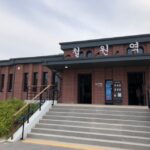
Lunch is not an afterthought on this itinerary. You start in Goyang with a North Korean local food restaurant operated by a North Korean defector, and you’ll spend about 2 hours there.
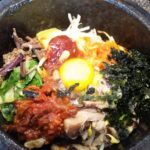
For many visitors, a DMZ day is all sensory intensity from the border area. What I appreciate here is that the meal anchors the day in everyday culture—what people eat, how food tastes, and what “normal” looked like before the break. The tour description also makes it clear this is one of the few places where you can try North Korean cuisine with that direct personal connection.
Practical note: no vegetarian option is offered. If you’re vegetarian (or have strict dietary needs), this is a deal-breaker. If you can eat what’s typical for the menu, it’s likely to be one of the most memorable parts of the day because it feels like part of the story rather than a separate activity.
Also, since lunch is included, you’re spared from hunting for a meal near the route. The tour description specifically points out you don’t need to bring snacks. That’s helpful because you can pack lighter and focus on comfort for a full day outside.
Odusan Unification Tower: binocular views 2 km away
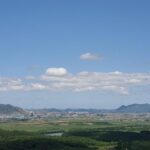
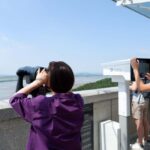
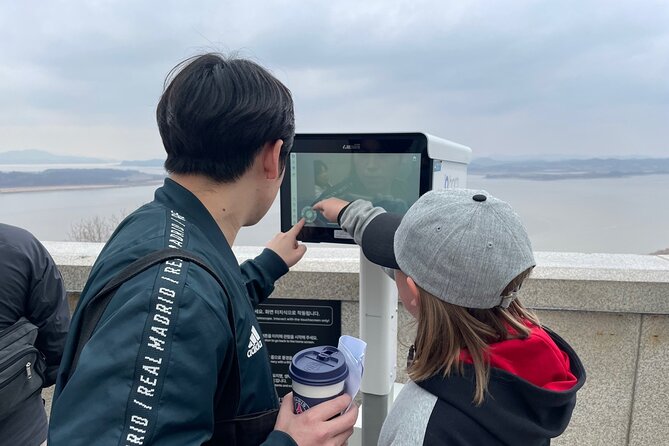
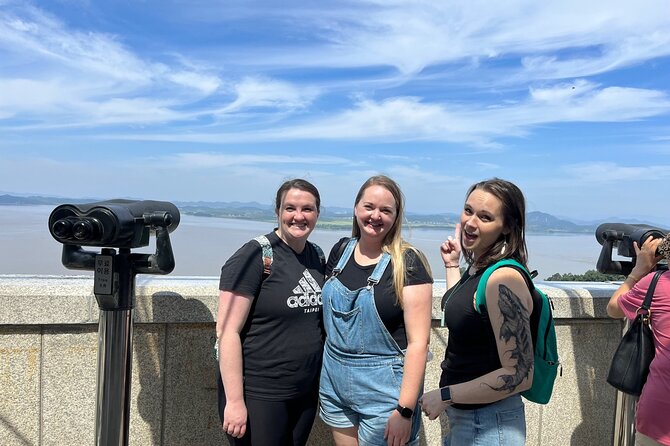
After lunch, the route moves to Odusan Unification Tower, where you get a chance to observe real North Korean villages about 2 km away. Through binoculars, you can see glimpses of everyday areas and also view propaganda buildings put in place by the North Korean government.
This stop is the classic “watching the border from a fixed viewpoint” segment, but the value comes from how it’s framed. Instead of treating the tower as a photo op, the tour connects what you see with why the DMZ exists and what separation means on the ground.
You’ll spend about 2 hours here. That’s enough time to focus on the visuals without feeling like you’re rushing. If you’re the type who likes details—how distances change what you can recognize, how political messaging is built into the scenery—this is likely to be one of your favorite moments.
A small but useful tip: bring the mental mode of a listener, not a tourist. This kind of viewpoint works best when you’re thinking, What would it be like to live on one side while looking at the other? Jun’s personal perspective is what turns the distance into something more than geography.
Imjingak Pyeonghoa-Nuri Park: refugees, the Freedom bridge, and the meaning of memory
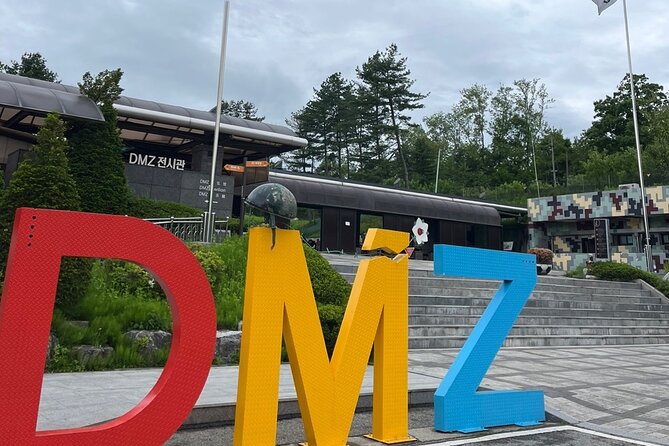
Next is Imjingak Pyeonghoa-Nuri Park, with about 1 hour on-site. This park was created for refugees who fled North Korea during the Korean War, which gives the stop a different emotional tone than a pure viewing platform.
You’ll also see the Bridge of Freedom, described as a structure temporarily constructed by the U.S. Army Corps of Engineers in 1953 to release 12,773 people. That kind of detail matters because it links the DMZ to a specific historical moment rather than leaving everything in broad, vague “tension” language.
What I like about this stop is that it shifts from “watching across the border” to “remembering what displacement actually meant.” The DMZ is often described in politics terms, but parks like this remind you the human cost is the core story.
Expect a more reflective pace. You’ll still be moving through a route designed for sightseeing, but the point here is memory—how landscapes become memorials, and how visitors learn to see a place as a record of real lives.
You can also read our reviews of more tours and experiences in Seoul

The final drop at Hapjeong Station: get back to Seoul fast
The tour ends with a drop-off at Hapjeong Station, with about 15 minutes allocated for this segment. The practical advantage is that you’re not stuck in a remote area with limited transit options.
Hapjeong is well placed for getting back to central neighborhoods such as Itaewon and Yongsan. So after a long day that starts at 10:30 am, you can head out for dinner or a late stroll without needing to plan complicated onward transport.
This “end where you can easily function” approach is underrated. Some DMZ tours dump you somewhere inconvenient, which can make the day feel longer than it is. Here, the logistics feel designed for travelers who actually want to enjoy the rest of their time in Seoul.
Rules, food limits, and weather: the stuff that can change your day
This experience runs only with good weather. If weather conditions are poor, the tour can be canceled and you’ll be offered an alternative date or a full refund. That’s worth keeping in mind if you’re building your Seoul itinerary around a tight schedule.
There’s also a clear rule about media: filming or streaming of personal information isn’t allowed. In practice, that means keep your phone away unless your guide tells you it’s okay. The goal is to protect privacy while still allowing you to enjoy the sights and learn the story.
Food is another constraint you should take seriously. Lunch is included, but there’s no vegetarian option. If that affects you, it may be better to choose a different tour rather than hope menus can be adjusted.
Finally, group limits are part of the experience design. With a maximum of 4 travelers, the day has a tighter feel. If you’re traveling solo or as a couple, this can be a great way to get a personal DMZ day without the discomfort of crowd-scale tours.
Who should book this private DMZ tour with Jun?
This is the kind of DMZ tour you book when you care about context, not just distance. If you want the DMZ explained through a defector’s experience—and you’re okay with an emotional, honest story—this fits well.
It also suits you if:
- You prefer a small group and more direct interaction
- You value included logistics (pickup, admissions, lunch)
- You want to see a few key sites in a full day rather than hopping across too many stops
You might think twice if:
- Vegetarian or strict dietary needs are involved (no vegetarian option)
- You’re looking for something casual and light
- You need lots of time for filming (the tour restricts filming/streaming personal information)
If you’re worried this will feel too heavy, that’s a fair concern. But it can also be exactly why the experience is so memorable. The DMZ doesn’t exist in a vacuum, and the tour keeps bringing you back to that reality in a grounded way.
Should you book this DMZ tour or choose another style?
I’d book it if your top goal is a meaningful DMZ day with story-led context, included transport, and lunch that feels connected to the theme of the day. The small group size and Jun’s firsthand perspective are the real “why,” and they’re what most people remember afterward.
I’d consider skipping if food limitations apply or if you strongly dislike emotional storytelling. Also, pick a day when the forecast looks cooperative, since weather affects whether the tour can run.
If you’re only choosing one DMZ experience in Seoul, this is a strong pick because it focuses on understanding—rather than just collecting border views.
FAQ
What time does the DMZ tour start?
The tour starts at 10:30 am.
How long is the private DMZ tour?
It runs for about 7 to 8 hours.
Is hotel pickup included?
Yes. Hotel pickup is included.
Does the tour include lunch?
Yes. Lunch is included, with North Korean food served at a restaurant operated by a North Korean defector.
What sights do you visit during the day?
You visit Odusan Unification Tower, Imjingak Pyeonghoa-Nuri Park, and you also have a lunch stop in Goyang, then you end at Hapjeong Station.
Are admission fees included?
Yes. All admission fees are included.
Is the tour vegetarian-friendly?
No. The tour notes no vegetarian option for meals.
Is filming or streaming allowed during the tour?
No. The tour states that filming or streaming of personal information is not allowed.
What if weather is bad?
The experience requires good weather. If it’s canceled due to poor weather, you’ll be offered a different date or a full refund.