REVIEW · DMZ TOURS
DMZ Highlights & Exclusive Defector Interview – True Human Story
Book on Viator →Operated by Cosmojin Agency · Bookable on Viator
Seoul feels normal, then the DMZ snaps that feeling into focus. This tour is interesting because you get a North Korean defector interview plus the major DMZ stops in one long day. I especially love the guide-led translation and Q&A time with Ms Cho, and I like that the Third Tunnel isn’t just a stop on a map. One drawback to consider: the DMZ can close suddenly with no notice, and you won’t always be able to follow the exact plan.
I came to this kind of tour expecting mostly scenery and facts. Instead, what stays with you is the human scale of the border story, from relics at Imjingak to what you can see from Dora Observatory.
If you want a smooth, low-walking day, plan carefully. The day includes real walking (including time at a tunnel) and you need passport-ready peace of mind.
In This Review
- Key things to know before you go
- DMZ From Seoul: A long day that runs on timing
- Imjingak Pyeonghoa-Nuri Park: Reunification you can walk through
- Third Tunnel: What 435 meters inside the border really means
- Dora Observatory: Binocular views turn names into places
- Tongilchon-gil and the unification farming idea
- Gamaksan Chulleong Bridge option: scenic views with a steep catch
- The defector interview with Ms Cho: the moment that changes everything
- Your guide makes the difference: SP Hong and the right balance
- Value at $27: why this can be a smart DMZ day
- The two real risks: tunnel walking and sudden DMZ changes
- Should you book this DMZ highlights tour from Seoul?
- FAQ
- What is the duration of the DMZ highlights tour?
- How much does the tour cost?
- Where do we meet, and what time does it start?
- Do I need a passport?
- Is lunch included?
- Is the mobile ticket included?
- What if the DMZ closes suddenly?
- Can I add the Gamaksan suspension bridge stop?
- FAQ (continued)
- How many people is the tour limited to?
- What is the cancellation policy?
- Are tickets and fees included?
- Is the tour suitable for everyone physically?
- Is travel insurance included?
- What language support do I get?
- What if I miss the departure time?
Key things to know before you go
- Defector Q&A with Ms Cho adds real depth beyond the usual DMZ facts
- Third Tunnel access makes the experience physical, not just visual
- Dora Observatory binocular views help you connect names like Gaeseong to what you can actually see
- Imjingak relics like the Freedom Bridge and the Mangbaedan Bridge keep the human story front and center
- Optional Gamaksan suspension bridge takes a 20–30 minute uphill walk and needs enough participants
- Group size stays controlled with a maximum of 90 people and an air-conditioned ride from Seoul
DMZ From Seoul: A long day that runs on timing
You start early from 92 Sejong-daero in Jung District, with an 7:30 am departure. The whole experience takes about 7 to 9 hours, which is just enough time to cover the big DMZ highlights without turning it into a two-day marathon.
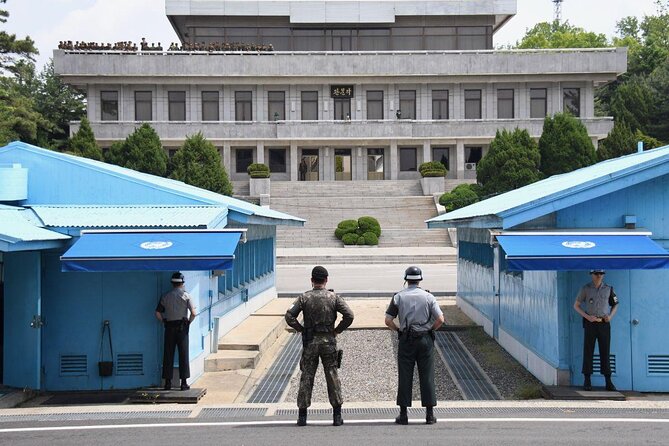
The logistics are simple but strict: you’ll travel by air-conditioned vehicle with a certified English guide, and it’s a mobile ticket day. You also need to bring your passport, because the DMZ is treated as a controlled military zone, not a normal sightseeing circuit.
Two practical tips make a difference. First, don’t count on lunch. Lunch isn’t included, and you can end up with a long stretch on the go, so bring a snack. Second, be on time for the departure. If you miss the cutoff, the tour rules are firm and there’s no reset waiting for you.
With a maximum of 90 travelers, it’s not a tiny private tour, but it also doesn’t feel like a chaotic bus parade. The guide’s job is to keep you moving through security and the shifting pace of the DMZ route.
You can also read our reviews of more tours and experiences in Seoul.

Imjingak Pyeonghoa-Nuri Park: Reunification you can walk through
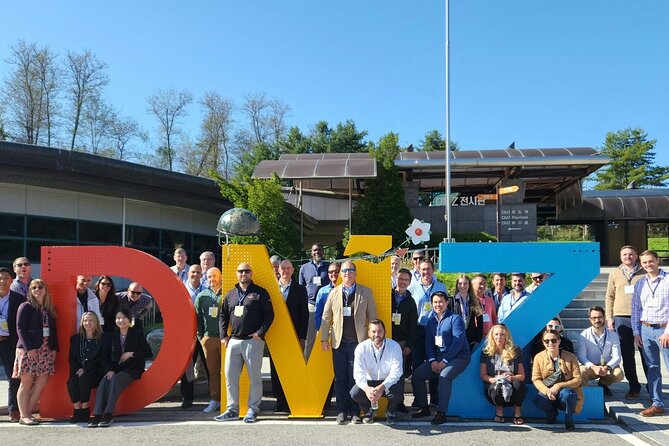
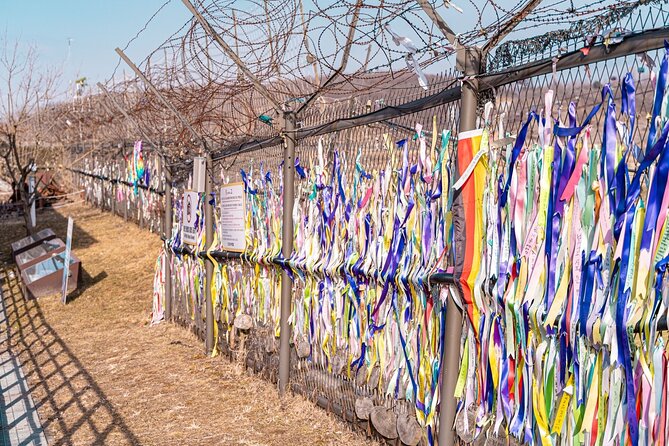
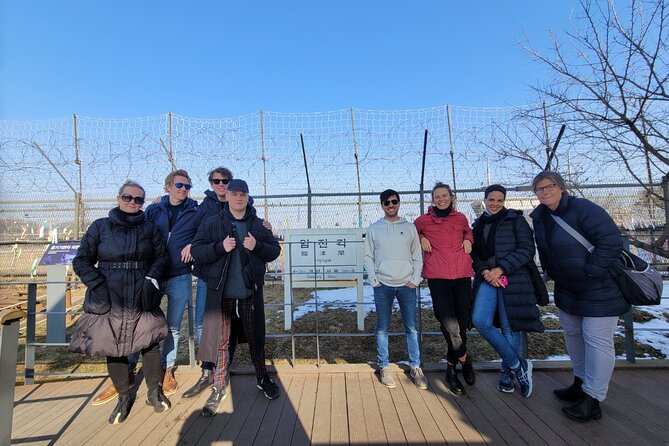
Imjingak Pyeonghoa-Nuri Park sets the emotional tone early. This place is built around the idea of reunification, and it does it in a way that feels tangible rather than abstract. You’ll see the mix of theme-park style and the sharp reminder of barbed-wire borders, plus historical relics that connect today’s politics to painful history.
The Freedom Bridge is one of the most powerful symbols here. It’s associated with 13,000 POWs who crossed in 1953. Next comes the Mangbaedan Bridge on the Imjing River, another reminder of the “return to freedom” story tied to those same POW crossings. Even without getting lost in dates, you’ll feel the weight of what those crossings meant.
The payoff of starting at Imjingak is that it gives you context before you hit the DMZ infrastructure. When you later stand in places built around separation, you’re not just seeing geography. You’re reading consequences.
Also, this is one of those stops where the atmosphere can surprise you. Several guides tend to explain the emotional purpose of the site while keeping the pacing relaxed enough to take photos and absorb the meanings.
Third Tunnel: What 435 meters inside the border really means
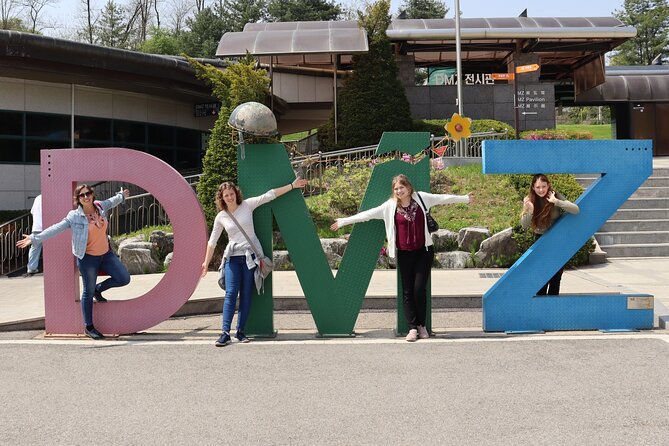
If you only do one DMZ highlight that feels physically real, make it the Third Tunnel. You’ll spend about an hour on this part of the day, including time that typically involves a documentary and a view into the tunnel experience.
The key fact is the distance: the Third Tunnel extends 435 meters into South Korea. That detail matters because it helps you understand how much effort went into creating underground access and how the border isn’t just a line on the surface. It’s engineering, strategy, and risk.
This is also where the “moderate physical fitness” recommendation becomes real. Walking down and moving through the tunnel environment can feel like a workout, and it can be especially challenging if you’re not comfortable with enclosed, uneven conditions or if you’re expecting a purely observational stop. In plain terms: plan for it as effort, not a quick photo op.
The reward is that you finish the tunnel with a clearer picture of what people did and feared during the conflict period. It’s not only about what the North might have planned; it’s about how both sides thought and prepared.
Dora Observatory: Binocular views turn names into places
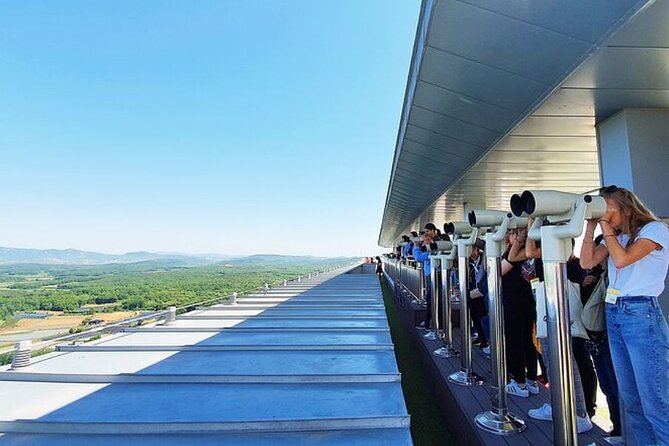
Dora Observatory is the DMZ stop that turns distant geography into something you can actually study. You’ll get a view toward North Korea, including areas tied to Gaeseong City and the Gaeseong Industrial Complex.
One reason this stop feels more satisfying than it looks on paper is the viewing setup. The experience includes binocular viewing, which helps you connect the guide’s explanation to what you can physically make out. You don’t just hear names. You try to spot what the guide points to.
You’ll also see the idea of Propaganda Village, described as a fake North Korean border village. That concept matters. It shows how distance doesn’t stop messaging. Even when you can’t cross, you can still be targeted by what’s staged, displayed, and pointed at.
Dora Observatory also gives you a moment to reset after the tunnel. If the Third Tunnel is the body, Dora is the eyes and the mind. It helps you pull the day back into a coherent story: relics at Imjingak, engineering at the tunnel, then perspective over the border.
Tongilchon-gil and the unification farming idea
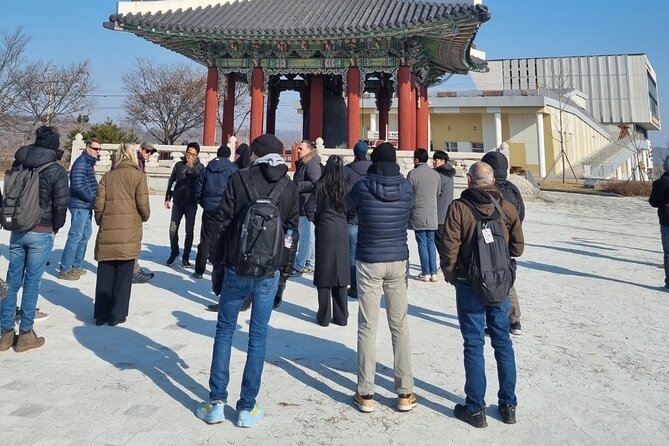
After the major DMZ sights, you’ll have a shorter stop connected to Unification Village, known for agricultural products. This area is located north of the Civilian Control Line, so it’s part of the broader DMZ framework rather than a random roadside photo stop.
What makes this interesting is the theme: reunification isn’t only about treaties and military postures. It also appears in the idea of everyday production and what crops could look like in a different future. You may hear about products such as Jangdan ginseng and Jangdan soybeans, which helps shift the focus from conflict to continuity.
This stop is usually brief, so don’t expect long museum-style pacing. Use it for connection: ask questions, watch how the guide ties the agricultural theme to the political reality, and then you move on while the day is still fresh.


Gamaksan Chulleong Bridge option: scenic views with a steep catch
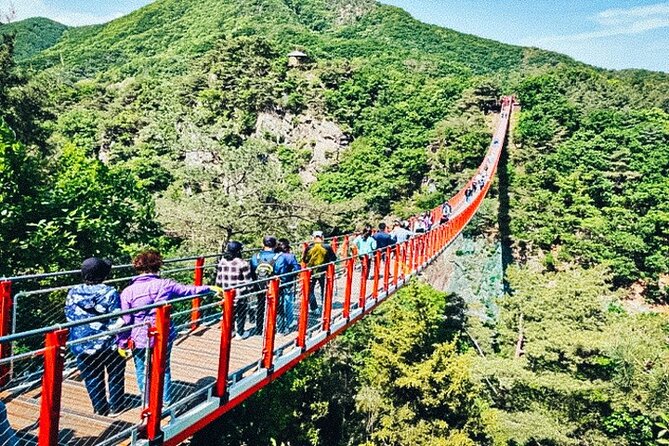
There’s an optional add-on that can add a scenic break from DMZ intensity: the Gamaksan suspension bridge, also called Gamaksan Chulleong Bridge. It’s known as one of Korea’s longer suspension bridges at 220 meters, and it opened in 2016.
Here’s the real thing you need to know: reaching it requires a 20–30 minute uphill walk. Comfortable shoes are a must, and you should take the time requirement seriously. This isn’t a flat promenade where you can stroll, rest, and still keep your energy.
There’s also a planning consideration. The option runs only if there are enough participants. If that minimum isn’t met, you may need a different course.
If you’re traveling with mobility limits or you already feel worn down from the tunnel, I’d treat this as a bonus rather than a must. On a day where security and route timing can shift, energy management is part of choosing wisely.
The defector interview with Ms Cho: the moment that changes everything
The highlight isn’t only the physical sites. It’s the human story you hear from a North Korean defector during the interview/Q&A session.
This is where the tour becomes more than a history lesson. You get vivid personal accounts, including struggles and hopes, and you can ask questions through the guide’s translation. The guide’s job here is unusually important: clear English plus calm structure helps you ask good questions and actually understand the answers.
Many people focus on whether it’s scary. What stands out instead is how focused and thoughtful the session can be. The Q&A tends to feel serious, but also surprisingly normal in tone once you’re listening closely. That matters, because it turns a distant political topic into something you can relate to: fear, survival, and the search for a new life.
If you’re the type of traveler who likes to understand how ordinary decisions get shaped by systems, this part is your best reason to pick this tour over a basic sightseeing-only DMZ day.
Your guide makes the difference: SP Hong and the right balance
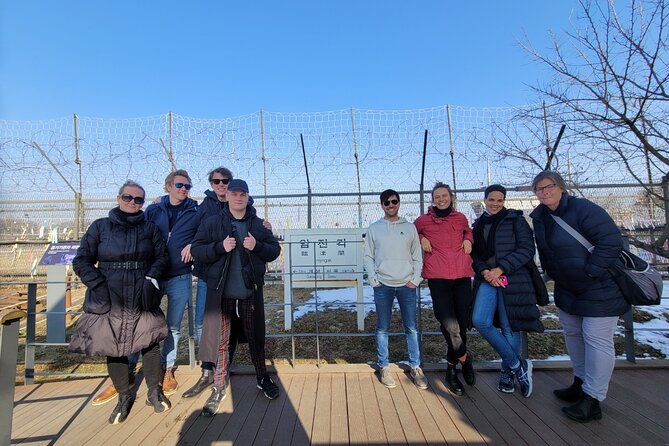
This tour’s quality depends heavily on the guide. In the feedback I’m using to understand the experience, SP Hong comes up again and again for organization and pacing. People describe him as punctual, energetic, and able to explain Korean history and society in a way that feels like conversation instead of a lecture.
One detail that seems to work well: he balances seriousness with humor. That balance keeps the day from getting emotionally heavy all at once. It also helps when the itinerary includes emotionally intense sites like the tunnel and Imjingak relics.
SP Hong also stands out for English clarity. When the defector interview happens, that translation quality is everything. If you’ve ever sat through a tour where the guide speed-runs the important parts, you’ll appreciate why a guide who can slow down and answer questions is a big deal here.
Value at $27: why this can be a smart DMZ day
At $27 per person, the value here is about focus. You’re not piecing together tickets and separate tours for each DMZ highlight. You’re covering key sites—Imjingak, tunnel access, Dora Observatory, and more—under one timed plan with an air-conditioned vehicle.
That price also matters because some of the included stops have admission tickets handled for you. The tour includes fees and taxes, and you also get the defector interview as part of the experience. In practical value terms, the interview is often the differentiator. Other DMZ tours may show the same geography, but this one is designed around hearing a lived escape story and asking follow-up questions.
Do note the tradeoff: it’s a packed day. The value comes with less room for wandering off schedule. If you want long pauses, a slower pace, and lots of independent time, a different style of tour might suit you better.
The two real risks: tunnel walking and sudden DMZ changes
The DMZ can close suddenly without notice. That’s not a “maybe,” it’s part of how this region operates. If it happens, an alternative tour is provided and you’re not given refunds. You’re also dealing with site rules and travel-time shifts, so tour duration can change based on traffic and on-site conditions.
Timing also connects to safety logistics. You’ll be in a controlled environment where you need to follow the group flow. If you’re late, it throws off the entire schedule, and the tour won’t wait.
The other risk is physical. Tunnel 3 is often described as a workout, and the day includes enough walking that you shouldn’t treat this as an easy stroll. If you know you get uncomfortable in enclosed spaces or with steep/unfamiliar walking, plan accordingly.
Should you book this DMZ highlights tour from Seoul?
Book it if you want a one-day DMZ plan that hits the core stops and gives you the emotional context to understand them. I’d especially recommend it if you like asking questions and if you’re eager for a real-world human perspective through the interview with Ms Cho and the guide’s translation.
Skip or rethink if you want a relaxed pace, easy walking, or lots of independent time. Also consider your comfort level with Tunnel 3 and with the optional Gamaksan uphill walk. If you want the suspension bridge option, confirm it clearly before the day, since it depends on participant minimums.
For most first-time visitors to Seoul who want a focused DMZ experience with real story power, this tour is a strong pick.
FAQ
What is the duration of the DMZ highlights tour?
The tour typically lasts about 7 to 9 hours.
How much does the tour cost?
The price is $27.00 per person.
Where do we meet, and what time does it start?
You meet at 92 Sejong-daero, Jung District, Seoul, and the tour starts at 7:30 am. The tour ends back near the meeting point (City Hall area).
Do I need a passport?
Yes, all participants must bring a passport.
Is lunch included?
No. Lunch is not included.
Is the mobile ticket included?
Yes, the tour uses a mobile ticket.
What if the DMZ closes suddenly?
The DMZ can close suddenly without notice. If it happens, an alternative tour is provided and there are no refunds.
Can I add the Gamaksan suspension bridge stop?
It is an option. Visiting requires a 20–30 minute uphill walk with comfortable shoes recommended, and it may require a minimum number of participants to proceed.
FAQ (continued)
How many people is the tour limited to?
The tour has a maximum of 90 travelers.
What is the cancellation policy?
Free cancellation is available up to 24 hours before the experience’s start time for a full refund.
Are tickets and fees included?
Yes, all fees and taxes are included, and the tour includes tickets for the DMZ stops where admission is required.
Is the tour suitable for everyone physically?
The tour asks for a moderate physical fitness level. The day includes walking, including time at the tunnel.
Is travel insurance included?
No, travel insurance is not included.
What language support do I get?
You’ll have a certified English guide. The defector interview is part of the tour experience.
What if I miss the departure time?
No changes or refunds are given for those who fail to arrive on time for departure.