REVIEW · SEOUL
Korean Traditional Music Performance Ticket
Book on GetYourGuide →Operated by The Creators · Bookable on GetYourGuide
A hanok makes the music feel closer. I really like the intimate setup in a quiet Joseon-style space, and I love how the program moves from ritual calm to court-style performance to folk songs with modern twists. One thing to plan for: access is stairs only, so it is not a great fit if you have mobility limits.
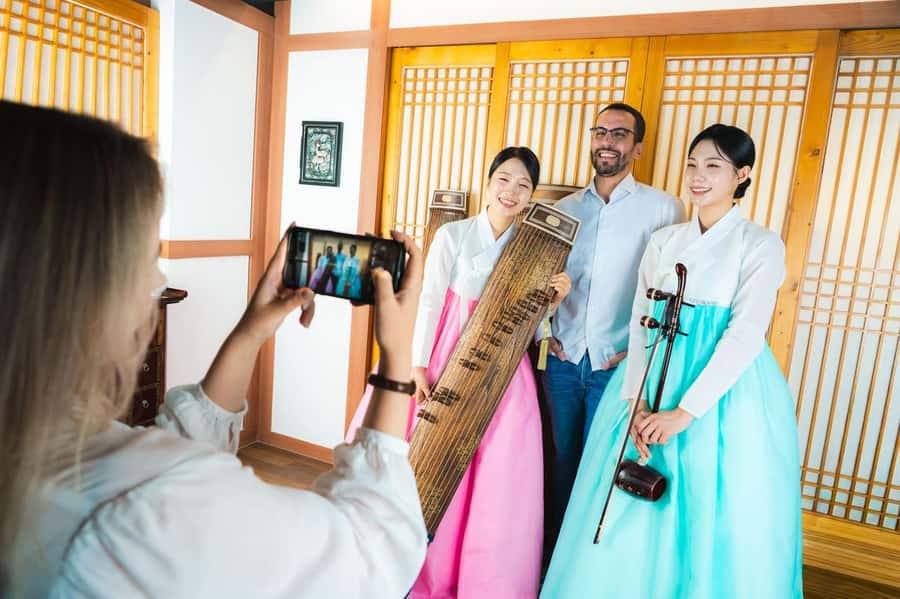
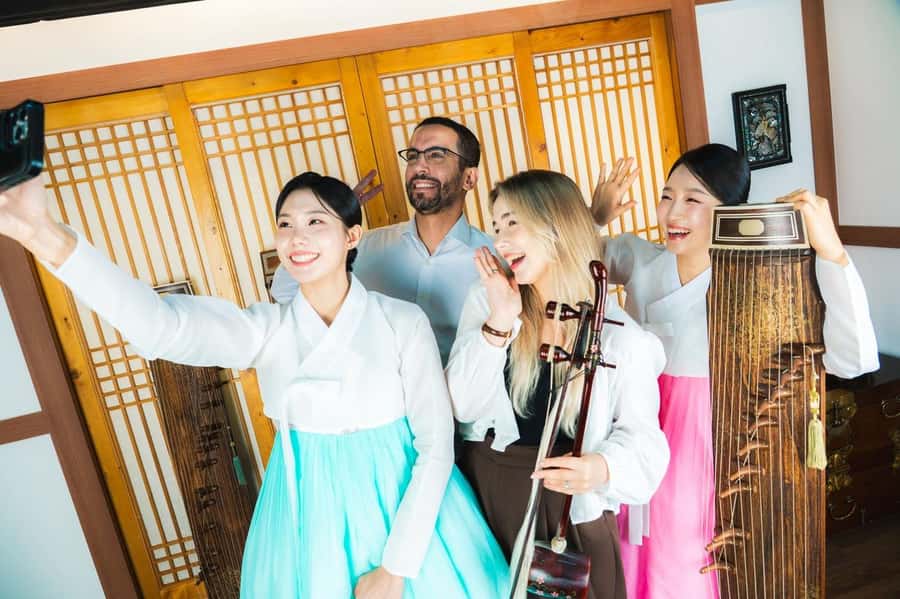
I also appreciate the fact that this is not just a sit-and-watch show. You get a performance by skilled musicians (10+ years experience) and then time afterward for photos with the performers and a chance to ask about the instruments. If you’re hoping for food or drink as part of the ticket, you’ll need to make other plans.
In This Review
- Key Highlights You Should Know Before You Go
- A Hanok Concert in Insadong: Joseon-Era Mood, Modern Set Times
- The 60-Minute Flow: Gilje, Jinyeon, and Together in Harmony
- Gilje: Opening Blessing Ceremony
- Jinyeon (The Banquet Performance): Court Music and Solos
- Together in Harmony: Folk Songs Plus K-Pop and Drama OST Fusion
- Instruments You’ll Hear: Gayageum, Haegeum, and the Sound of Korean Strings
- Fusion Without the Fake Energy: How K-Pop and Drama Fit Here
- How the Seating Works (and Why Arrive Early)
- Getting There: Jonggak and Jongno 3-ga Walk Times, Stairs Only
- Price and Value: Is $47 Worth It?
- Language and Timing: Weekdays Only Means You Must Choose Your Day
- Who Should Book This Concert (and Who Might Skip It)
- Should You Book This Korean Traditional Music Performance?
- FAQ
- Where is the meeting point for this performance?
- How long is the Korean traditional music performance?
- What times are available for the performance?
- What languages are used during the event?
- Are hotel pickup and drop-off included?
- Are food and drinks included?
- Is the venue accessible by elevator?
- Is the concert suitable for people with mobility impairments?
Key Highlights You Should Know Before You Go
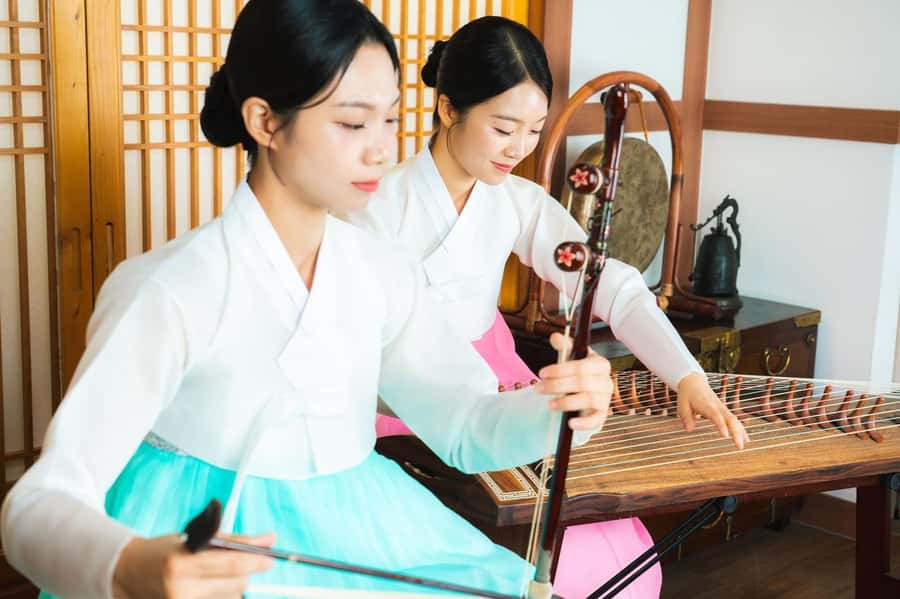
- Three-stage program that runs from blessing ceremony to court music to folk songs with fusion
- Hanok venue in Insadong (2F at 10 Insadong 5-gil) for a truly traditional listening vibe
- Traditional instruments plus K-pop and drama OST arrangements done with respect for the old sounds
- English and Korean performance support, with a small group size (1–20)
- Photo time and Q&A after the show, plus a chance to learn about the instruments
A Hanok Concert in Insadong: Joseon-Era Mood, Modern Set Times
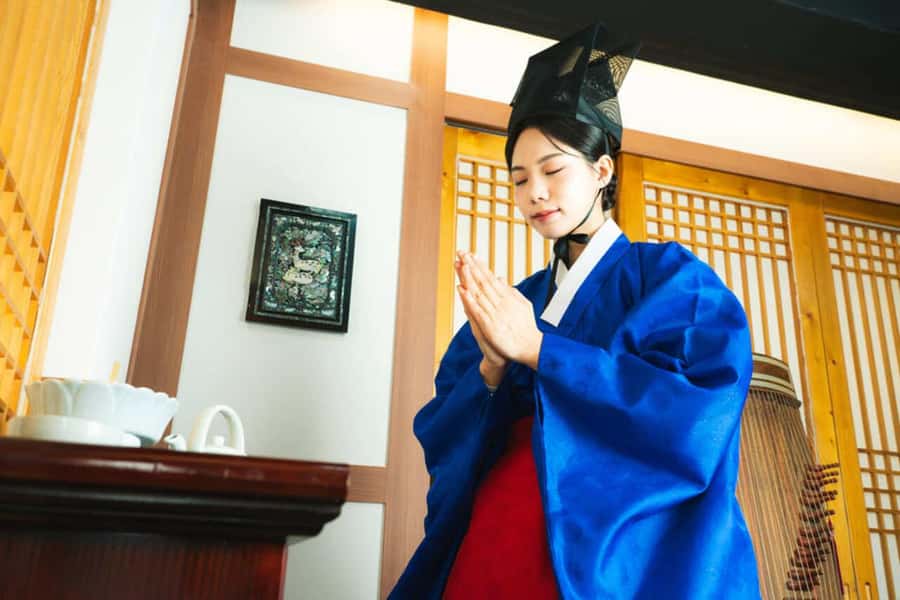
If you want Korea’s culture to feel physical, not just read about, this concert is a smart choice. The venue is a hanok with a solemn, focused atmosphere, so you can actually hear the details in the music instead of competing with street noise. It also helps that the show is short—about 60 minutes—so you can fit it into a packed Seoul day without losing the rest of your energy.
Insadong is the right neighborhood for this kind of evening. You’re in the heart of cultural Seoul, where you can easily pair this concert with browsing traditional crafts afterward. The performance location is 2F 10 Insadong 5-gil, Jongno-gu, which keeps it convenient for walking the area, but it does affect how you arrive (more on that soon).
Two practical tips that make a big difference:
- Arrive 10 minutes early, since the program starts on schedule and you’ll be seated quickly.
- Silence your phone. The performance is meant to be calm, and the mood matters here.
You can also read our reviews of more tours and experiences in Seoul



The 60-Minute Flow: Gilje, Jinyeon, and Together in Harmony
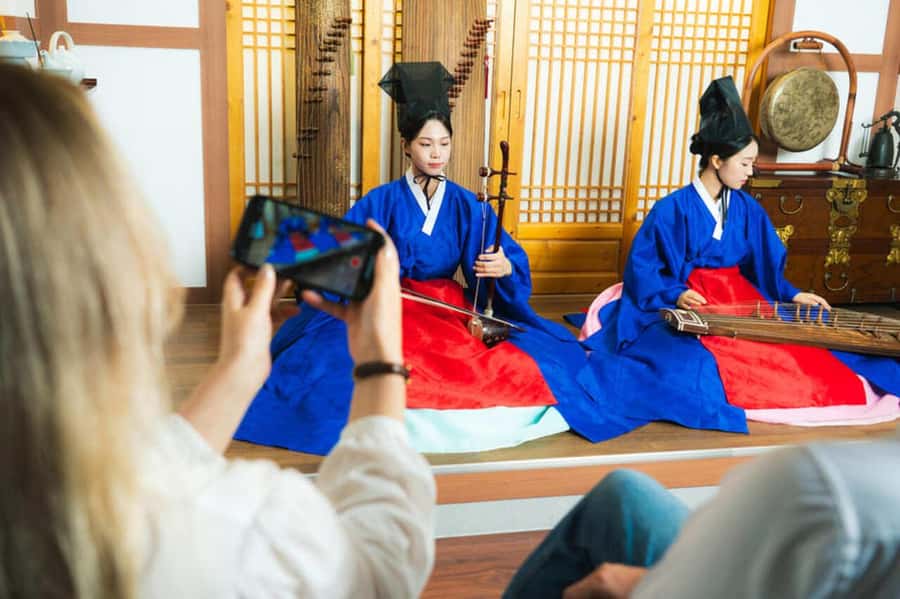
This isn’t one long performance blob. It’s structured in three stages, and you can hear the different sides of Korean music shift as the show progresses.
Gilje: Opening Blessing Ceremony
The experience begins with Gilje, an opening blessing ceremony. This part sets the tone—peaceful, ceremonial, and a bit like the curtain rising on a ritual space. Even if you don’t understand every detail, you’ll feel the pacing change as the musicians establish the mood.
Jinyeon (The Banquet Performance): Court Music and Solos
Next comes Jinyeon, described as a banquet performance. This is where court music takes the spotlight, with graceful ensemble moments plus powerful solo instrumentals. If you’re the type who likes to hear how a single instrument can carry emotion on its own, this is the section that tends to click.
I also like that the show doesn’t treat solo playing as a gimmick. It’s presented as part of the tradition—voice, instrument, and rhythm working together.
Together in Harmony: Folk Songs Plus K-Pop and Drama OST Fusion
The final stage is Together in Harmony. Here, you hear the soul of Korean folk songs and also creative fusions that include K-pop and drama OSTs, played using traditional instruments.
This is a good moment to pay attention. When modern songs get arranged for traditional instruments, the character changes fast—melodies feel different, and the rhythm can land in a new way. It’s a way to connect what you know with what you don’t yet.






Instruments You’ll Hear: Gayageum, Haegeum, and the Sound of Korean Strings
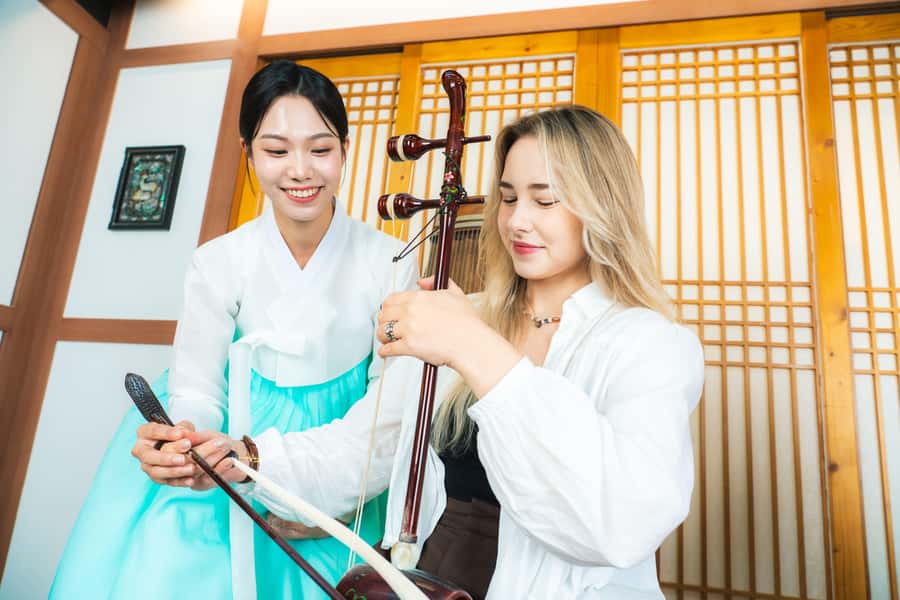
One of the most satisfying parts of this concert is that you actually get to focus on the instruments. The show highlights traditional performance skills, and the sound can feel both delicate and forceful depending on the moment.
You’ll likely hear instruments such as:
- Gayageum (a Korean zither known for bright, ringing tones)
- Haegeum (a bowed string instrument that can sound both singing and gritty in a good way)
In my view, that instrument pairing is a big reason this concert feels memorable. The gayageum can add shimmer and clarity, while the haegeum can bring a more direct, human tone to the melodies.
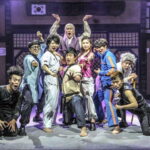
After the performance, I’d plan on using the time to ask questions if you want to go deeper. The follow-up interaction is a highlight: you can take photos with the musicians, and you may get explanations about the instruments. In one case, musicians even showed how to play their instruments, which is the kind of hands-on detail that makes a ticket feel more like an experience than a show.
Fusion Without the Fake Energy: How K-Pop and Drama Fit Here
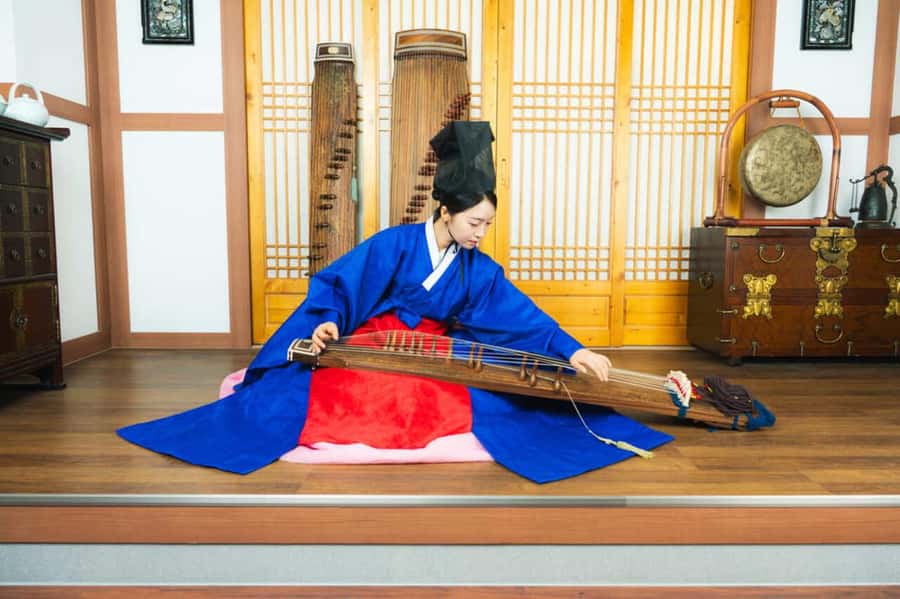
The promise of K-pop and drama OST fusion could sound like a marketing shortcut. In practice, it works best when it’s treated as arrangement rather than parody—and this performance leans that way.
You’re not just hearing songs you already know. You’re hearing them translated into traditional sound tools. That translation can be surprising in the best way. One review note that stood out to me was how well pop songs sounded when performed in traditional styles, and I think that’s the real value of this segment.
If you’re a fan of Korean music but mostly know the modern side, this is a bridge. You get familiar melodies, then you start noticing the patterns and timbre choices that come from older musical forms.
Also, the show may include Arirang as an ending. That matters because Arirang isn’t just a song you hum—it’s one of the most widely recognized symbols of Korean folk tradition, and hearing it at the end can make the whole set feel like a complete arc.
How the Seating Works (and Why Arrive Early)
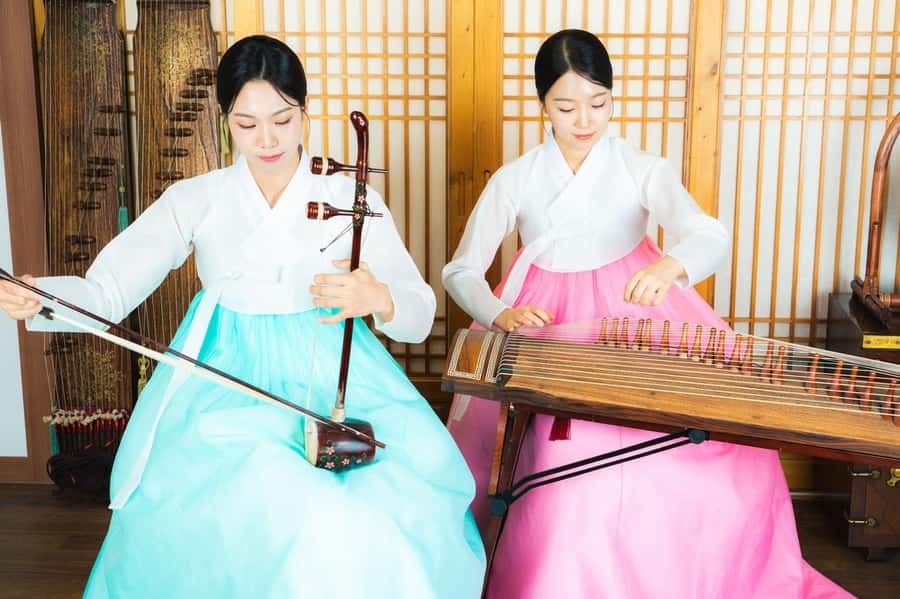
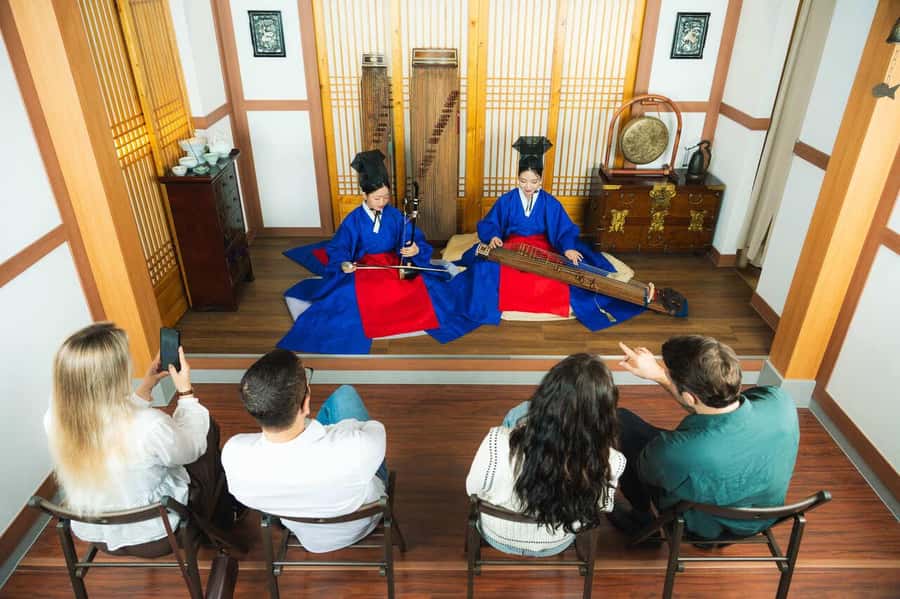
This is a seated concert. Chairs are provided, and you can settle in before the musicians enter. Because the venue is in a 2F space, it’s important to factor in time to find the right door, climb the stairs, and get seated without stress.
Arriving early is also the easiest way to avoid that awkward start feeling. If you show up late, you can miss the beginning—especially the opening blessing ceremony, which sets the tone for the rest of the program.
One useful real-world navigation tip: don’t assume every map app will drop you at the exact spot. I’d trust Google Maps if you’re finding that you’re being routed a little off target, and then use street-level checking to get to Insadong 5-gil quickly.
Getting There: Jonggak and Jongno 3-ga Walk Times, Stairs Only
The meeting point is Jinyeon Hall, on the 2F at 2F 10 Insadong 5-gil. That’s the key address to plug in.
Walking times from nearby stations are:
- About 6 minutes from Jonggak Station (Line 1), Exit 3-1
- About 8 minutes from Jongno 3-ga Station (Line 5), Exit 5
Now the catch: access is via stairs only, with no elevator. If you’re carrying bags, have knee issues, or just hate stair climbs after a long day of walking, this is the main factor that can change your comfort level. It is also listed as not suitable for people with mobility impairments.
You’re also asked to use nearby public parking facilities if you drive. That’s common in Seoul, but it’s worth noting if you’re combining the concert with other plans in the area.
Price and Value: Is $47 Worth It?
At $47 per person, you’re paying for a few things at once:
- a traditional hanok venue experience,
- a live performance by musicians with substantial experience,
- and a program that moves through multiple styles (ceremony, court music, folk with modern fusion).
This is not the cheapest activity in Seoul. But it can be excellent value when you compare it to other ticketed cultural performances that feel generic. Here, the small group size (1–20 people) matters because it keeps the space intimate and the sound focused. You’re not just an audience number.
Also, the after-show interaction (photos and instrument talk) is part of what you’re paying for. If you like culture that includes conversation and details, this helps justify the price more than a pass-through performance would.
Food and drinks are not included, so you’ll want to eat beforehand or plan a post-concert snack in Insadong.
Language and Timing: Weekdays Only Means You Must Choose Your Day
This performance runs on weekdays only, excluding weekends and public holidays. Times are scheduled at 11:00, 13:00, and 15:00.
Languages offered are English and Korean. That helps if you want to follow what’s happening in the program without needing to do extra research first.
Group size stays small, which is a plus for comfort and for the post-performance Q&A feeling. The downside is scheduling: if you’re visiting Seoul on a weekend, you may need to adjust your itinerary to match a weekday slot.
Who Should Book This Concert (and Who Might Skip It)
This concert is a great fit if you:
- like traditional arts but want something approachable,
- enjoy music that connects old and new styles,
- want an Insadong activity that is culture-first, not shopping-first,
- prefer a smaller, quieter show with real attention to instruments.
You might skip it if:
- stairs are a dealbreaker for you,
- you’re looking for a long evening with food included,
- or you only have weekend availability and can’t change plans.
Should You Book This Korean Traditional Music Performance?
Yes, if you want a focused, traditional Seoul experience in the heart of Insadong and you like live music that blends ceremony, court performance, and folk sound with modern arrangements. The price is fair for a small-group hanok concert with a structured program and time for photos and questions afterward.
Book it sooner rather than later if you can match one of the weekday time slots, since the schedule is limited. If you struggle with stairs or want an elevator venue, skip this one and look for a different performance format.
In short: if you care about hearing Korean traditional instruments up close, and you want a show that changes pace three times in one sitting, this ticket is a strong pick.
FAQ
Where is the meeting point for this performance?
The meeting point is Jinyeon Hall, located at 2F 10 Insadong 5-gil, Jongno District, Seoul, South Korea.
How long is the Korean traditional music performance?
The performance lasts about 60 minutes.
What times are available for the performance?
Performances are scheduled on weekdays only at 11:00, 13:00, and 15:00.
What languages are used during the event?
The performance is available in English and Korean.
Are hotel pickup and drop-off included?
No. Hotel pickup and drop-off are not included.
Are food and drinks included?
No. Food and drinks are not included.
Is the venue accessible by elevator?
No. Access is via stairs only and there is no elevator.
Is the concert suitable for people with mobility impairments?
It is not suitable for people with mobility impairments.