REVIEW · DMZ TOURS
DMZ Private Tour Admission Incl.
Book on Viator →Operated by Korea Season Tour · Bookable on Viator
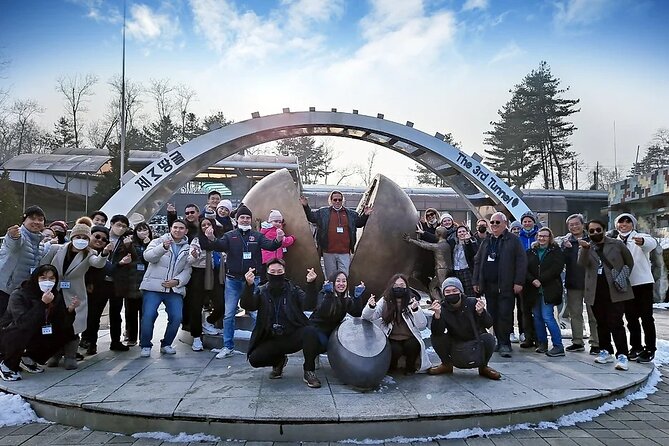
The DMZ is one of the world’s most tightly controlled places. This private day trip is designed to get you there with admission handled and door-to-door pickup, so you spend your time seeing, not waiting. You’ll hit the big checkpoints and viewpoints—Freedom Bridge, the Third Tunnel, and Dora Observatory—on a schedule that stays realistic for one day.
I really like how this tour removes the hassle factor. You get hotel transfer, a professional DMZ guide, and tickets/shuttle access included for the main sites, so your day runs like it has rails. I also like the way the stops are timed for what you’ll actually do: passport checks, a film, viewing decks, and short but meaningful time in each area.
One consideration: even with a private group, entry at the DMZ involves official procedures that run on their own clock. You may not get total flexibility minute-to-minute once you’re inside the controlled areas.
In This Review
- Key Highlights at a Glance
- DMZ in One Day: What This Private Format Really Solves
- Price and What You Actually Get for $261.58
- Seoul Pickup and the Ride to the DMZ: Comfort Matters
- Imjingak Park: Freedom Bridge, Bunker, and the Memorial Stops
- Tongildaegyo Bridge and the North Gate Checkpoint
- Third Tunnel: The Film, the Timing, and Why 70 Minutes Helps
- Dora Observatory: Seeing Gaeseong and the View Deck
- Tongilchon-gil Village: A Small Stop With Real Meaning
- Back to Seoul: A Controlled Day Ends Calmly
- Guide Quality: Why Wendy, Jun, Lily, and Cindy-Style Narration Helps
- Who Should Book This DMZ Private Tour (and Who Might Rethink It)
- Should You Book This DMZ Day Trip? My Decision Shortcut
- FAQ
- How long is the DMZ tour?
- Do I get hotel pickup and drop-off?
- What admissions or tickets are included?
- Is lunch included in the price?
- Is this really private?
- What happens at Tongildaegyo Bridge North Gate?
- Does the tour run only in certain weather?
- What is the cancellation window?
Key Highlights at a Glance
- Hotel pickup and drop-off in Seoul mean zero stress on transportation
- Included DMZ admissions and shuttle access help you skip the worst waiting
- A guided day with clear commentary between major sites
- Third Tunnel + Dora Observatory are built into the core route
- Reasonable total time (about 6–7 hours) for a one-day border experience
- Small private group format keeps the experience more personal
DMZ in One Day: What This Private Format Really Solves
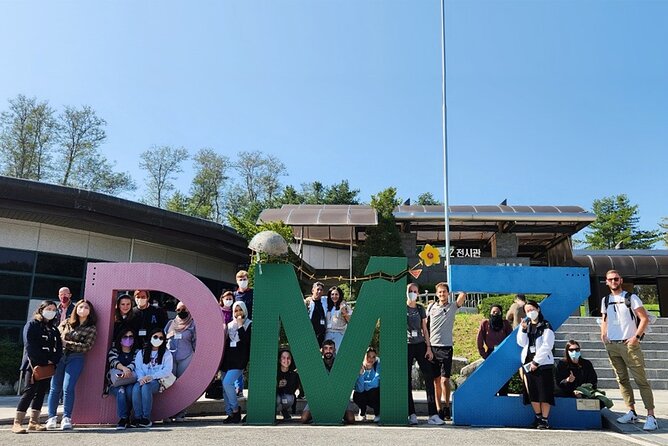
The DMZ can feel intimidating before you even start. Not because it’s complicated to book—it’s because once you’re there, everything is controlled: checkpoints, schedules, and set routes.
This private setup is valuable because it turns a stressful logistics day into a structured tour. From the moment the car picks you up in central Seoul, the plan is built around the official flow of the area. You’re also not trying to coordinate multiple tickets, transport, and meeting points on your own.
And you’re not stuck staring out the window either. The day is arranged around meaningful stops, with a guide providing context as you move from one landmark to the next. When you only have one day in Seoul, that’s the smart way to do it.
You can also read our reviews of more private tours in Seoul

Price and What You Actually Get for $261.58
At $261.58 per person, this isn’t a budget add-on. But the value isn’t just that you’re paying for a car—it’s that the price covers the parts that are hardest to manage independently.
Here’s what’s included that matters on the ground:
- hotel pickup and drop-off in Seoul
- professional DMZ guide
- admission/ticket handling for the DMZ shuttle and the Third Tunnel and Dora Observatory
- admission for the Freedom Bridge and underground bunker
- an air-conditioned vehicle for the day
That’s the practical payoff. Instead of spending time figuring out which ticket goes where, you arrive with access already built into the itinerary. If you’d rather spend your energy asking questions and looking closely, this format fits well.
The one cost not included is lunch (15,000 KRW per person). If you’re the type who prefers to plan food around tours, you’ll want to budget for that lunch break rather than assuming it’s covered.
Seoul Pickup and the Ride to the DMZ: Comfort Matters
The DMZ is about 52 km from downtown Seoul, and you should plan on roughly an hour each way, depending on conditions. That means the trip isn’t a quick hop, but it is still realistic for a 6–7 hour total day.
You’ll start by being picked up from your hotel in Seoul City, then head toward Imjingak Park, which is used as the entry point for the tour route. Since this includes an air-conditioned vehicle, the ride is comfortable even when Seoul weather is doing its thing.
One small detail that makes a big difference: your guide helps you stay oriented from the start. You’re moving straight to the first DMZ area rather than wandering around to figure out where you fit into the entry flow.
Imjingak Park: Freedom Bridge, Bunker, and the Memorial Stops
Imjingak Pyeonghoa-Nuri Park is where the story begins in a way you can actually see. This stop runs about 50 minutes, and it’s a mix of border-adjacent landmarks along the Imjin River.
The key sights you’ll be shown include:
- Freedom Bridge
- underground bunker
- Monument of US Forces
- Memorial Hall
- Peace bell
This is also the moment where the guide’s commentary helps the most. It’s easy to look at a bridge or a memorial and miss what makes it significant. With a guided route, you get the meaning tied to what you’re seeing instead of collecting facts you’ll forget later.
The trade-off is time. Fifty minutes sounds tight, but it’s enough for viewing and a sensible introduction before you move to the official checkpoint stage. If you want slow travel, you’ll feel the structure here—but it’s still one of the best ways to compress the DMZ into a single day.
Tongildaegyo Bridge and the North Gate Checkpoint
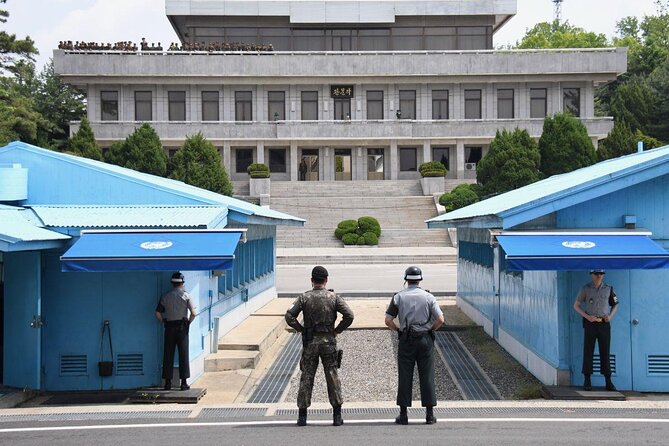
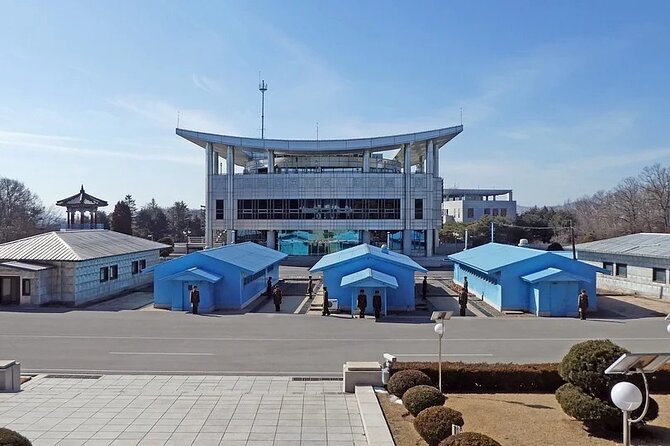
Next comes Tongildaegyo Bridge North Gate, the part of the day that feels most direct. You’ll spend about 20 minutes here, including passport checking.
This checkpoint happens at the Tongildaegyo (Unification) Bridge, where South Korean soldiers check passports. Expect this to be procedural and orderly, and plan on a little standing around even if everything moves smoothly.
The practical reason this stop matters: it’s your first real confirmation that you’re entering a controlled zone. By the time you finish checking in, the rest of the day starts to feel more immediate—less like a tour, more like access.
Also, there’s a mindset shift. At this point, you stop sightseeing and start observing. The viewing areas you’ll reach later make more sense because you already understand where you are in the route.




Third Tunnel: The Film, the Timing, and Why 70 Minutes Helps
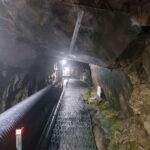
The Third Tunnel is the anchor for many DMZ visits for good reason. You’ll spend about 70 minutes there, plus roughly 15 minutes of travel time as you move into the tunnel area.
The flow usually starts after passports are confirmed. Then you’ll watch a documentary film and explore the tunnel area itself. The film part matters because it gives you a framework for what you’re about to experience—so you can look at the space with purpose rather than just taking photos.
One thing I appreciate about the time allocation: 70 minutes is enough to absorb what you see without feeling rushed. It’s also long enough that the guide can point out what’s important as you move deeper into the tunnel.
The drawback? You should be ready for the tunnel to feel less like a scenic stop and more like a structured visit. This is a place built around constraints, and your visit will feel that way.
Dora Observatory: Seeing Gaeseong and the View Deck
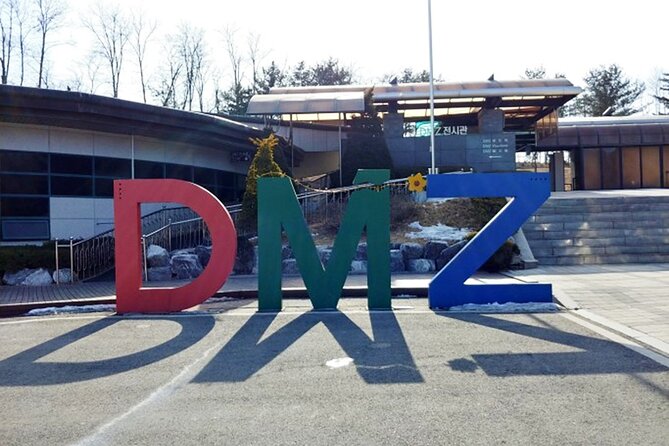
After the tunnel, you’ll head to Dora Observatory. Plan on about 30 minutes once you arrive, with about 10 minutes of travel time included in the stop sequence.
From this viewpoint, you can observe the North Korean city area referred to as Gaesung, along with statues connected to the founders of North Korea and his son. This is one of those moments where the guide’s explanation can change your perception fast, because a view alone can feel abstract without context.
This stop works well in a one-day plan because it’s relatively short but high-impact. You get a focused viewing window, enough time to look carefully, then you move on—before the day turns into exhaustion.
If you’re a photo person, bring patience. The viewing area is the main event, so your best shots will come from simply taking your time at the deck and using the guide’s cues on where to look.
Tongilchon-gil Village: A Small Stop With Real Meaning
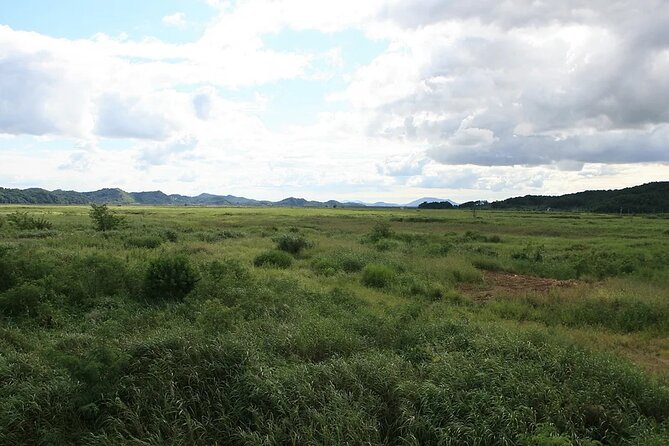
Tongilchon-gil (Unification Village) is a civilian off-limits area where a limited number of South Korean farmers cultivate ginseng. You’ll spend about 15 minutes here.
It’s not the kind of stop that takes over the day, but it adds an important human layer. The DMZ often gets framed in images of weapons and borders; this is a reminder that agriculture and daily life still exist in restricted zones.
You’ll get enough time for the basics and for the guide to connect the dots to what makes the area unusual. If you’re expecting a big attraction with lots of walking, you might feel it’s brief—but that’s actually the point. It’s a short perspective shift.
Back to Seoul: A Controlled Day Ends Calmly
The day wraps up after your DMZ route with a safe return to your Seoul hotel. The tour duration is typically about 6–7 hours total, with around 3 hours of time in the DMZ portion.
This matters more than people think. With a one-day DMZ trip, the worst outcome is arriving back exhausted and unclear on what you just saw. Here, the structure keeps the experience complete, so you can close the loop with a clear head.
If you’re pairing this with other Seoul plans, you’ll want to keep evening time flexible. The pickup and return timing is set up for a smooth day, but the ride time can vary with conditions.
Guide Quality: Why Wendy, Jun, Lily, and Cindy-Style Narration Helps
In a place like the DMZ, the guide isn’t a background detail. A good guide turns distance and rules into understanding.
From recent guide examples, you can expect English narration that’s more than a script. Guides like Wendy and Jun have been described as fluent and detail-oriented in explaining what you’re seeing. Another guide example is Lily, who’s been noted for being helpful and speaking good English while keeping the schedule efficient.
There’s also a personal touch that comes up more than you’d expect. One guide example mentions bringing bottled water and handling pacing so you don’t miss your connection to the first bus out. Another mentions strong communication and making the day feel seamless from pickup to return.
What you should take from all this: the guide’s role is to help you ask better questions and notice the right things. When the day is controlled, that guidance becomes part of the value.
Who Should Book This DMZ Private Tour (and Who Might Rethink It)
This tour is a great fit if you:
- only have one day in Seoul and want the DMZ highlights without planning stress
- prefer a guided route over DIY checkpoints and timing
- want included admissions for the major sites like the Third Tunnel and Dora Observatory
- like asking questions during the day and getting clear explanations on the spot
You might want to rethink it if your priority is total spontaneity. Even though it’s private for your group, the DMZ has official procedures and set visit mechanics. You won’t control everything inside the controlled areas, because those rules come first.
Also, if you’re the kind of traveler who loves long unstructured time at one stop, you’ll likely feel the compressed nature of a one-day itinerary. The day is paced to fit key landmarks into a realistic window.
Should You Book This DMZ Day Trip? My Decision Shortcut
Book it if you want a low-stress DMZ day with admission taken care of and pickup handled end-to-end. At this price, you’re paying for time saved, confusion avoided, and a guide who helps you understand what you’re looking at.
Skip it if you’re a hardcore DIY planner who enjoys chasing tickets, organizing transportation, and building your own DMZ schedule from scratch. In that case, you might find it cheaper to piece together logistics, but you’ll trade away the simplicity this package is built on.
If your goal is a clear, well-timed introduction to the DMZ highlights—this one delivers.
FAQ
How long is the DMZ tour?
The tour typically runs about 6 to 7 hours total, with roughly 3 hours in the DMZ area. The DMZ portion includes multiple stops like the Third Tunnel and Dora Observatory.
Do I get hotel pickup and drop-off?
Yes. Hotel pickup and drop-off from Seoul City are included, and the tour uses an air-conditioned vehicle.
What admissions or tickets are included?
Admissions are included for key DMZ sites, including the 3rd tunnel, Dora Observatory, Freedom Bridge, and an underground bunker. DMZ shuttle bus access is also included as part of the package.
Is lunch included in the price?
No. Lunch is not included, and it’s listed as 15,000 KRW per person.
Is this really private?
This is described as a private tour/activity, and only your group participates.
What happens at Tongildaegyo Bridge North Gate?
There is a passport checking process at the Tongildaegyo (Unification) Bridge checkpoint, and you should expect time there as part of the visit.
Does the tour run only in certain weather?
The experience requires good weather. If it’s canceled due to poor weather, you’ll be offered a different date or a full refund.
What is the cancellation window?
You can cancel for a full refund up to 24 hours before the experience start time. If you cancel less than 24 hours before, the amount paid is not refunded.