REVIEW · FOOD
Seoul Food Tours, Eat Like a Local : 100% Personalized & Private
Book on Viator →Operated by City Unscripted · Bookable on Viator
Your first meal in Seoul should be guided. This private, personalized half-day crawl helps you dodge the easy tourist traps and taste Korean food that locals actually order, from BBQ to dumplings to market snacks. You get a bespoke plan built around what you like, with 6–8 tastings and soft drinks along the way.
I especially like the way the route mixes neighborhoods with different food vibes, including sikdang-style small eateries and the hanok café street in Ikseondong. One thing to consider: the price is high for a 3-hour walk, so you’ll want to make sure the tastings match your appetite and priorities.
In This Review
- Key things to know before you go
- Private Seoul Food in 3 Hours: What You Actually Get
- Price, timing, and how to judge value in Seoul
- Meet at Starbucks Anguk: the logistics that keep the tour smooth
- How the host builds your tasting crawl
- Stop 1: Sikdang BBQ and small-eatery Seoul
- Stop 2: Ikseondong and the hanok café street
- Stop 3: Yago Mandoo mandu and comfort-food ordering
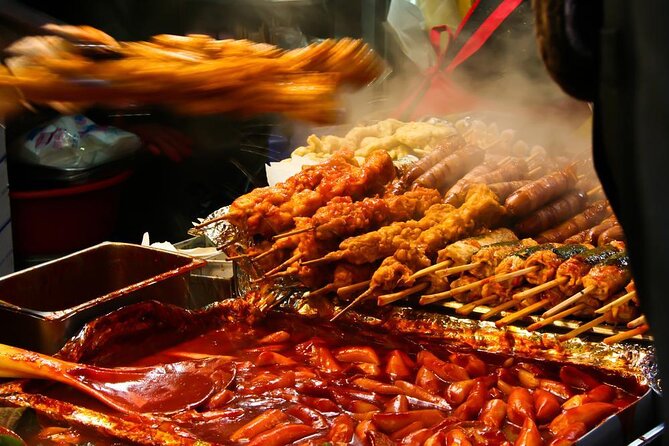
- Stop 4: Gwangjang Market street food and snack logic
- “Private” means more than just fewer people
- Your appetite strategy: how to pace tastings without regret
- Walking, transport, and what to wear in Seoul
- Guide impact: why Andrew and Ben kept getting praised
- A fair word on the one downside: price expectations
- Who should book this Seoul food-tasting crawl
- Should you book Seoul Food Tours Eat Like a Local?
- FAQ
- How long is the Seoul Food Tours Eat Like a Local tour?
- What food and drinks are included?
- Is this tour private?
- Where does the tour start and end?
- Can I request hotel meet-up instead of meeting at Starbucks?
- Is transportation included?
- What’s the cancellation policy?
Key things to know before you go
- Private and tailored: your host builds a custom itinerary around your tastes
- Plenty of variety in 3 hours: 6–8 Korean specialties plus 2 soft drinks per person
- Local neighborhood mix: sikdang BBQ, Ikseondong hanok cafés, and Gwangjang Market street food
- Dumpling focus: you can expect mandu at Yago Mandoo (plus other comfort foods)
- Meet at a specific landmark: Starbucks Anguk (Bukchon-ro area), then you end back there
- Walking with flexibility: walking is the base, with public transport or taxi options if needed
Private Seoul Food in 3 Hours: What You Actually Get
If you want Seoul to start with real food, not a parade of menus written for tourists, this tour is a strong fit. It’s a private, half-day tasting crawl designed to keep you moving through neighborhoods while still taking time to eat.
The basic promise is simple: you’ll sample 6 to 8 Korean specialties and get 2 soft drinks per person during about 3 hours. That matters, because it tells you the pacing won’t be “walk, look, maybe taste a bite.”
A good tour is also about choices. You’ll get a plan built around your preferences, and the route can flex to include the stuff you want—like dumplings, BBQ, or a hanok café stop—rather than forcing a one-size itinerary.
You can also read our reviews of more food & drink experiences in Seoul
Price, timing, and how to judge value in Seoul
At $221.45 per person, this isn’t a bargain. It’s priced like a premium private experience, and the “value” angle comes from two places: personalization and the fact you’re paying for a host to lead you to places you might not find on your own.
There’s a reason people book it in advance; the average booking window is about 35 days. If you’re traveling around weekends or peak seasons, you’ll likely want to lock it sooner rather than later.
For the math: you’re paying for roughly 3 hours of private guidance plus multiple food stops and included drinks. If you’re sharing the cost with friends, the per-person value usually improves fast. If you’re solo, you’ll feel the price more, so I’d choose this only if you’re serious about eating your way through Seoul with a plan.
Meet at Starbucks Anguk: the logistics that keep the tour smooth
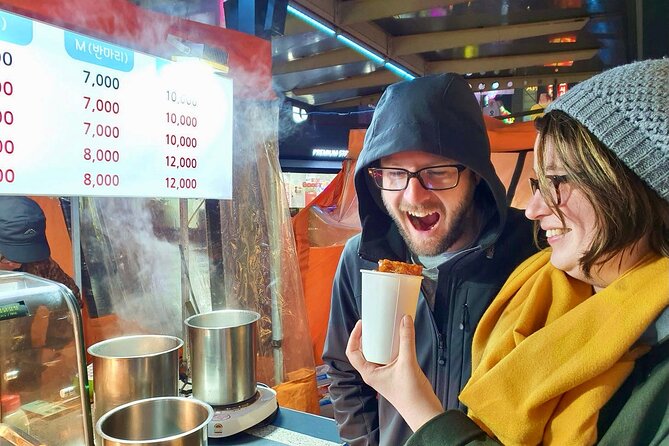
The tour begins at Starbucks Anguk 5-1, in the Jongno District near Bukchon-ro, and it ends back at the same meeting point. That sounds small, but it helps you anchor your day. You don’t need to figure out an awkward pickup/drop-off at the end.
Hotel meet-up is available on request for central locations, and walking is the default. If you’re staying farther away, it’s smart to confirm what your host suggests—because transportation costs aren’t included, and the tour relies on you (with help) to choose the quickest, simplest path.
It also helps that it’s near public transportation. Even if you’re running a little late, you have options to get back into the flow.
How the host builds your tasting crawl
This tour works because the host isn’t just following a script. You’ll discuss what you like, and the itinerary can adjust. The tour descriptions even spell out examples like Yago Mandoo for mandu and Ikseondong hanok café areas, which are exactly the kinds of stops that are hard to get right without local guidance.
In real life, that personalization shows up in two ways:
- you’re more likely to eat what you actually crave
- you spend less time staring at menus or wondering if a place is the right level of local
In reviews, guides like Andrew and Ben come up again and again for keeping things upbeat and adding context along the way. One review noted Andrew gave historic insights as you walked, which is a big deal if you want your food to connect to the city you’re seeing.
Stop 1: Sikdang BBQ and small-eatery Seoul
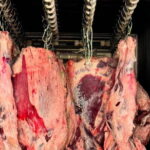
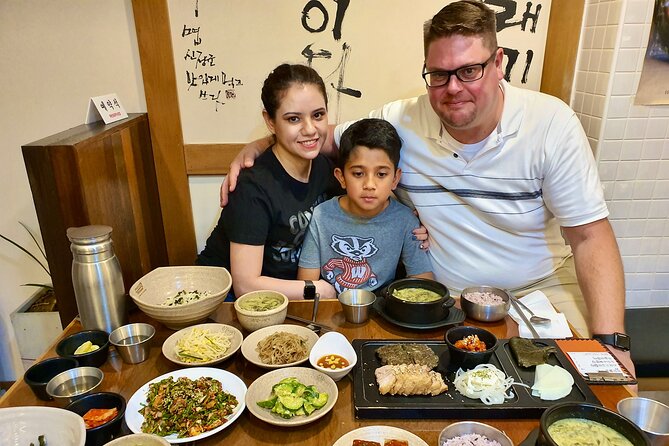
One of the first stops is a visit to sikdang-style eateries. The example place named is Pumpkin Korean BBQ, where the goal is authenticity: you should recognize you’re in a local eating rhythm, not a restaurant built for tour groups.
Sikdang food is often about comfort and repetition—things people order often because they work. That’s useful on a tasting tour, because you’re not just sampling. You’re learning what the local “default favorites” feel like.
What to expect here: you’ll eat one of the Korean comfort-food styles the tour is designed around, with your host helping you navigate ordering and timing. The main value is confidence. You stop guessing and start eating.
You can also read our reviews of more tours and experiences in Seoul

Stop 2: Ikseondong and the hanok café street
Next comes Ikseondong, known for its hanok-style café areas. Even if cafés aren’t your usual priority, this stop can still matter because it changes the mood of the day. You’re moving from small-eatery energy to a more scenic old-Seoul vibe, still focused on local flavor.
Ikseondong is also one of those places where you can easily drift into overpriced, tourist-facing spots if you’re wandering alone. Having a host guide you keeps the day on track and helps you use time where it counts.
In reviews, you’ll see people mention dessert or tea finishing touches as part of the experience. That’s not a guarantee in every route, but it fits the general idea of slowing down briefly in a hanok café setting—then moving back into the night-market-and-street-food lane.
Stop 3: Yago Mandoo mandu and comfort-food ordering
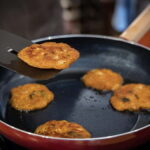
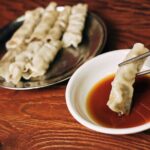
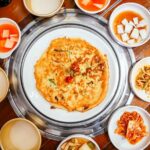
The dumpling stop is a highlight. The itinerary example includes Yago Mandoo for mandu, and it also points to other comfort foods like noodle soup and garlic chicken stew.
This is where the tour’s structure really pays off. Dumplings and stews are the kind of food where ordering matters—how it’s served, what pairs well, what you should try first. A host helps you avoid the common rookie move of ordering one predictable thing and calling it a day.
If you have dumplings on your Seoul “must eat” list, I’d treat this stop as the center of gravity. Mandu is one of those foods that works across seasons, and it’s also a great way to test your favorite flavors: savory, garlicky, rich broth, and that comforting chew of dough-based snacks.
Stop 4: Gwangjang Market street food and snack logic
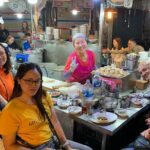
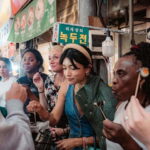
Then you get the street-food culture lesson while walking through Gwangjang Market. The tour description leans into the idea that you should pick up street snacks along the way—like rice cake or pancake-style treats.
Why this stop matters: markets teach you how Koreans snack between meals. It’s not just food. It’s rhythm—when you buy, what you share, and what tastes best hot off the grill or steamer.
Also, it helps that you’ve already eaten a few tasting rounds. By the time you hit the market, you’re not just hungry—you’re tasting with memory. You’ll start to notice flavor patterns and how sauces, fillings, and textures differ from place to place.
If you’re worried about overloading on sweets, you can usually steer the choices with your host. But don’t go in expecting a diet-friendly day. This tour is built for taste, not calorie math.
“Private” means more than just fewer people
On paper, private is about exclusivity. In practice, it’s about control. A private food tour lets you move at a pace that works for you, ask questions in the moment, and request specific foods.
That flexibility shows up in reviews. One person mentioned a guide helped them find specific dishes like galbijjim and kalguksu, and they also highlighted extra cultural talk while walking. That’s the kind of value you don’t get from a rigid group tour with a set list and limited Q and A time.
If you’re new to Seoul, this kind of guided start can also give you a “foundation.” You learn what to look for next day when you wander on your own. That alone can reduce the amount of second-guessing you do while trying to find great food.
Your appetite strategy: how to pace tastings without regret
The tour is designed around 6–8 tastings, which is a lot for 3 hours, even with frequent stops. If you eat slowly, take bites slowly, or like to chat between dishes, you’ll still be fine, but plan to go in hungry.
Here’s a practical approach I recommend:
- Eat a light breakfast or skip breakfast if you can
- Avoid heavy lunch beforehand
- Bring water if you tend to get thirsty, since the tour includes only two soft drinks
Also, pay attention to what you like as the day unfolds. If you notice you’re loving dumplings and stews, you can steer the rest of the day toward similar comfort flavors. The whole point is a plan that fits your taste.
Walking, transport, and what to wear in Seoul
Walking is the core format. The route can adapt for public transport or taxis if needed, and your host can suggest which is easiest for you. Transportation costs aren’t included, so if you’re planning to use taxis during the tour, expect that to be an add-on.
What to wear: comfy shoes. You’ll be moving between neighborhoods and stopping often, and Seoul sidewalks can vary from smooth to crowded to uneven. If you’re doing the tour at night or during warm weather, consider breathable layers. One review mentioned an extremely hot, sticky evening, and the tour still worked because the stops and pace are structured.
Guide impact: why Andrew and Ben kept getting praised
Two guide names show up repeatedly: Andrew and Ben. People praised them for being fun, cheerful, and effective at explaining the food and the area as you go.
That matters because Seoul isn’t just a place to eat. It’s a place to decode. When a guide can connect food to neighborhood life—why a dish is common, what locals do with street snacks—it changes how you experience the city.
Some reviews also mention medicinal tea and cultural conversation like traditional family dynamics. Again, that’s not listed as a guaranteed element, but it reflects how these tours can turn into more than “eat and go.”
A fair word on the one downside: price expectations
Not every review was 5 stars. One critical comment pointed out the price felt steep for the amount included, and they contrasted it with a different private option that included a dedicated car at a similar price.
So here’s the balanced takeaway: if you’re the type who expects more “extras” at this price—like transport comfort upgrades or bigger “tour scope”—you might feel like it’s not enough. If you’re primarily focused on the food and you’re comfortable walking, the cost starts to look more reasonable.
The best way to avoid disappointment is to be clear with yourself before booking. Are you paying for food guidance and tastings? Or are you paying for a full-service private day that feels like it includes everything?
Who should book this Seoul food-tasting crawl
This tour is a great match for you if:
- you want local Seoul favorites without hunting for them
- you like the idea of dumplings, BBQ, noodles, and market snacks
- you want a guided start that helps you explore more confidently afterward
- you’re traveling as a small group and can share the cost
It’s less ideal if:
- you hate walking or have limited mobility
- you want a long sit-down meal experience
- you’re shopping strictly on price and want maximum inclusions
Should you book Seoul Food Tours Eat Like a Local?
If you’re planning a first trip to Seoul—or you just want to stop wasting time on food guesses—this private tasting tour is an easy yes. You get a focused 3-hour plan, multiple dish tastings, and a host who can steer you toward the kinds of places that feel truly local.
Just book it with clear expectations. This isn’t a full-day tour with big transportation perks. It’s a guided food route, and the value comes from taste variety plus personalization. If that’s your goal, you’ll likely leave with both a full stomach and a better sense of where to eat next in Seoul.
FAQ
How long is the Seoul Food Tours Eat Like a Local tour?
It runs for about 3 hours.
What food and drinks are included?
You’ll taste between 6 and 8 Korean food specialties and receive 2 soft drinks per person.
Is this tour private?
Yes. It’s a private experience, meaning only your group participates.
Where does the tour start and end?
It starts at Starbucks Anguk 5-1, Bukchon-ro (Jongno District) and ends back at the same meeting point.
Can I request hotel meet-up instead of meeting at Starbucks?
Hotel meet-up is available on request for central locations.
Is transportation included?
Transportation costs are not included. The experience includes walking, and your host can suggest public transport or taxi options if needed.
What’s the cancellation policy?
Free cancellation is available up to 24 hours in advance for a full refund. If you cancel less than 24 hours before the start time, the amount paid is not refunded.