REVIEW · DMZ TOURS
DMZTour from Seoul:3rd Tunnel,North Korea View&UNESCO Valley
Book on GetYourGuide →Operated by Lecirt · Bookable on GetYourGuide
DMZ day trips feel like a history lesson with teeth. You’ll see how the peninsula stays divided—Third Tunnel on the North Korea side of the story—and then breathe out at the nearby Hantan Geopark scenery. The morning-to-afternoon pace is intense, and entry requires passport details up front.
I also like the balance here: you get the heavy stuff at the DMZ, then you get a real nature reset at Jaein Waterfall and the UNESCO geopark grounds. One possible drawback to keep in mind: you start early and security is strict, so the day can feel long even when everything runs smoothly.
In This Review
- Key Highlights You’ll Care About
- DMZ in One Day: What You Actually See Between Seoul and North Korea
- Early Pickup and Passport Prep for the DMZ Security Line
- Imjingak Peace Park and Tongilchon: Monuments That Point Toward Unification
- The Third Tunnel Walk-Through: A Concrete Look at the Underground Plan
- Dora Observatory Views into North Korea: How to Look Without Getting Lost
- Hantan Geopark and Jaein Waterfall UNESCO Stop: Nature Reset with Meaning
- Suspension Bridge Thrill: A Small Adventure After the Heavy Stops
- Guide Styles Matter: From Alex Kim to Apollo and Why It Changes the Day
- Price and Value at $125: What You’re Paying For
- What to Expect From the Timing and Pace
- Who This Tour Fits Best (and Who Might Prefer Something Else)
- Should You Book This DMZ and UNESCO Geopark Day Trip?
- FAQ
- What is included in the DMZ and UNESCO geopark tour?
- Is lunch included?
- What information do I need to provide for DMZ entry?
- Where does the tour start and end?
- What languages are available for the tour?
- How much does the tour cost?
- Are admissions included for the stops?
- Can I reserve now and pay later, and what is the cancellation rule?
Key Highlights You’ll Care About
- Third Tunnel walk-through gives you a concrete sense of what was built underground.
- Dora Observatory lets you take in the view toward North Korea while thinking through division.
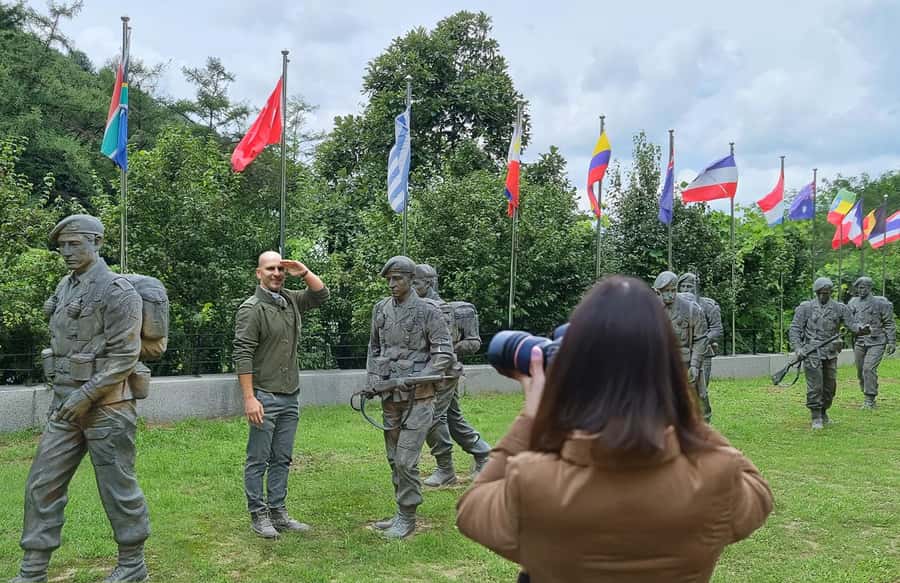
- Imjingak peace monuments focus on hope and unification rather than just dates.
- Tongilchon adds a human-scale stop tied to the idea of reunification.
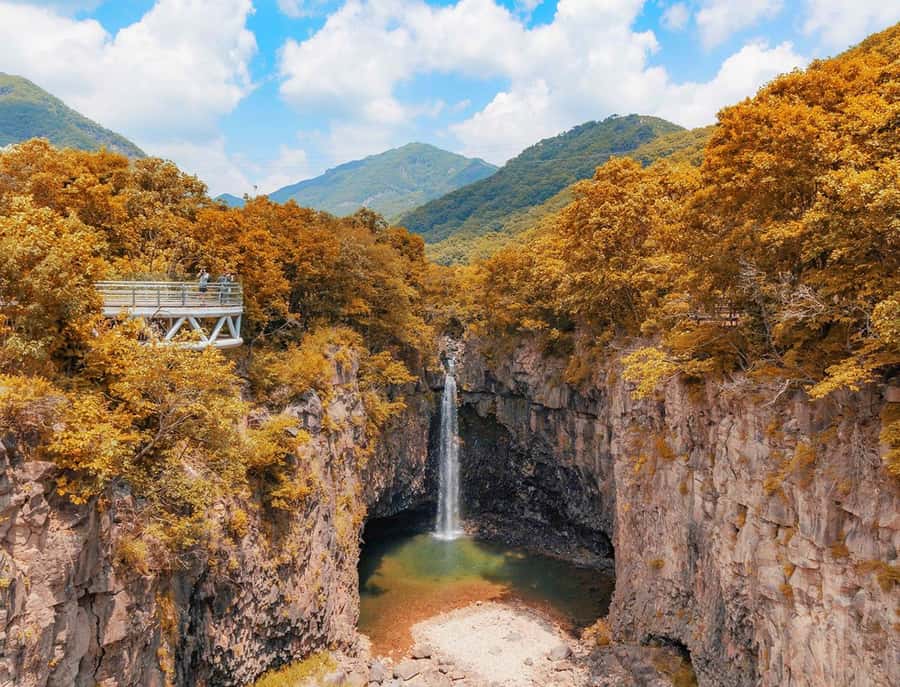
- Jaein Waterfall in Hantan Geopark is a photo-friendly UNESCO-linked nature break.
- Suspension bridge time brings a quick thrill after the quiet, reflective stops.
DMZ in One Day: What You Actually See Between Seoul and North Korea
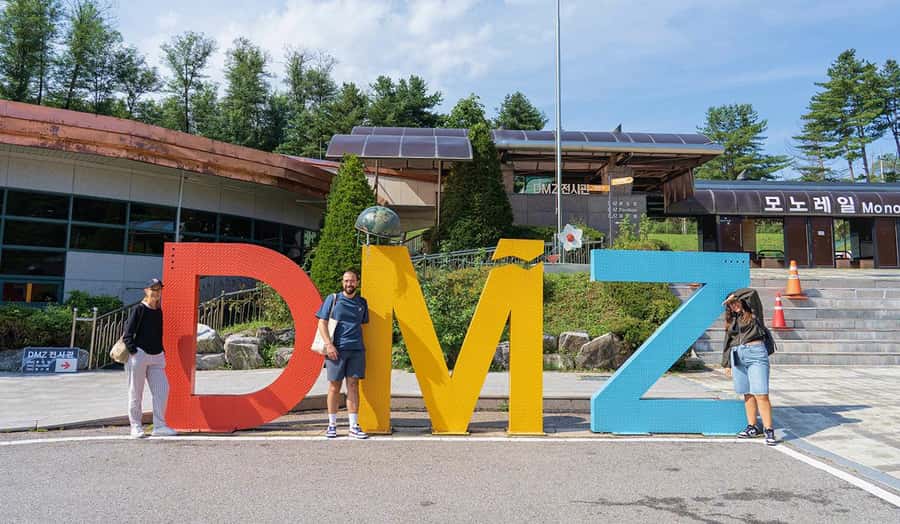
This tour is built for people who want more than a quick bus ride and a few lookouts. You’ll visit the DMZ area and the viewpoints that shape what you can understand from this border zone—plus the memorial spaces that explain why the separation matters to Korea. Even if you’re the type who usually just takes photos, the stops are set up to make you slow down and notice what each place is trying to say.
A big part of the experience is learning how “the DMZ” is more than a line on a map. You’ll move through key locations tied to conflict history and peace narratives, and each one gives a slightly different angle. That’s why the day feels like it has two moods: first, the border reality; second, a nature-and-reflection pause.
You’ll also be walking, standing, and waiting at times. So think of it as a structured day outdoors and inside controlled areas, guided by someone who knows how to connect the dots for you.
You can also read our reviews of more tours and experiences in Seoul.


Early Pickup and Passport Prep for the DMZ Security Line
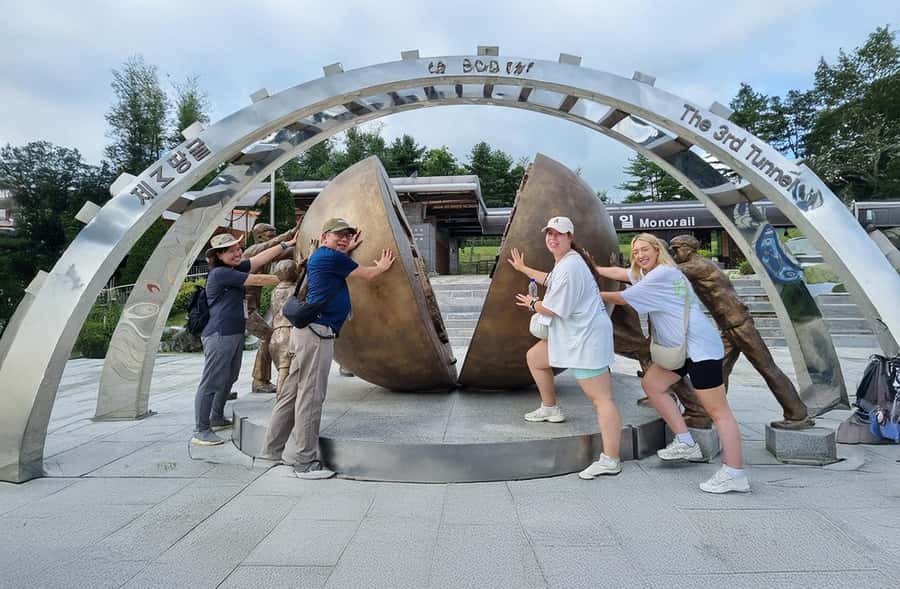
Here’s the practical reality: getting into the DMZ is a security-managed process. To enter, you must provide each participant’s passport information, including name, passport number, date of birth, and gender. Handing this over early saves you stress later.
Timing matters too. In at least some departures, the day begins around 6am, because access is limited—there’s a cap of 1,000 people at a time. The guide’s job includes getting into the early queue so entry doesn’t get pushed back. If you dislike early starts, plan for that up front. This is not a late-morning “sleep in” kind of day.
The good news: the early start isn’t just for convenience. It’s tied to how the system works, and it affects your actual time at the DMZ. A smoother morning often means you spend less of the day staring out a window.
Imjingak Peace Park and Tongilchon: Monuments That Point Toward Unification

Imjingak is where the mood shifts from military geography to human meaning. You’ll spend time at a space dedicated to peace and unification, and you’ll see monuments meant to communicate something more than political slogans. The tone is reflective: it’s about families, loss, and the desire for a different future.
This is also one of the best places for photos that don’t feel like souvenirs. Look for angles that include the monuments with open space around them—Imjingak is designed so the symbolism has room to land. If you like photography with context, this stop will make sense fast.
Then you’ll continue to Tongilchon. Even if you don’t know much going in, it helps to think of Tongilchon as a “why this matters” stop. The place gives you a grounded, everyday scale to the idea of reunification. It’s the kind of stop that makes history feel less abstract.
The Third Tunnel Walk-Through: A Concrete Look at the Underground Plan
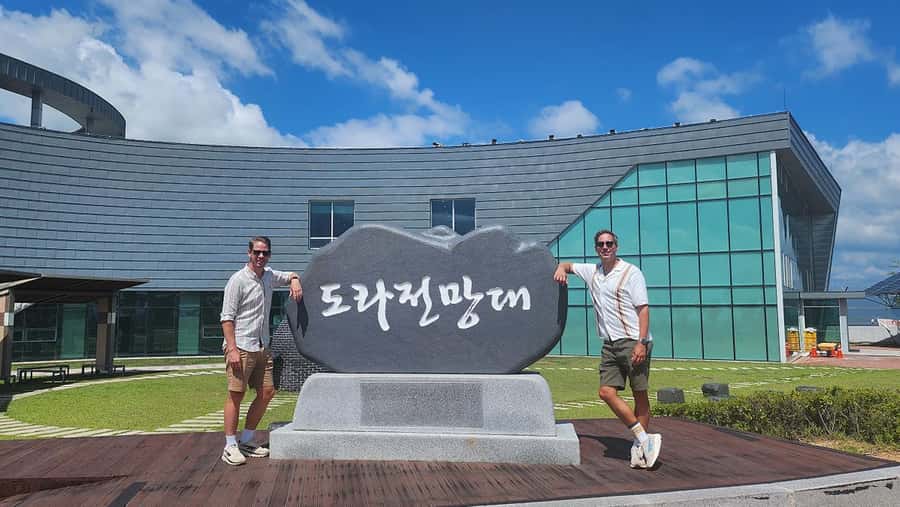
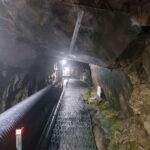
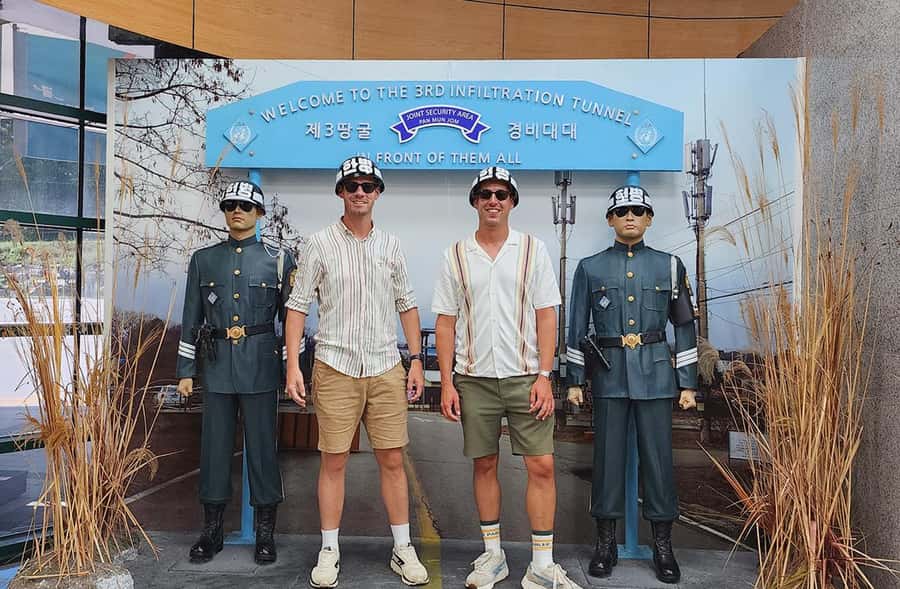
Walking through the Third Tunnel is often the moment people remember because you’re not only reading about history—you’re moving through a piece of it. This underground passage was dug by North Korea, and the walking portion makes the scale and purpose feel real.
The guide’s role here is crucial. You’ll hear what made the tunnel significant and how it fits the larger story of tensions on the peninsula. Without a good explanation, a tunnel can become just another concrete corridor. With the right framing, it turns into a lesson in engineering choices, strategy, and threat perception.
Practical advice: wear shoes that let you walk confidently. You’ll be down in an environment that’s meant for controlled movement. If you’re someone who prefers not to do stairs or enclosed spaces, consider whether a tunnel walk is your comfort zone. It’s part of the main draw, so you’ll want to be physically up for it.
Dora Observatory Views into North Korea: How to Look Without Getting Lost
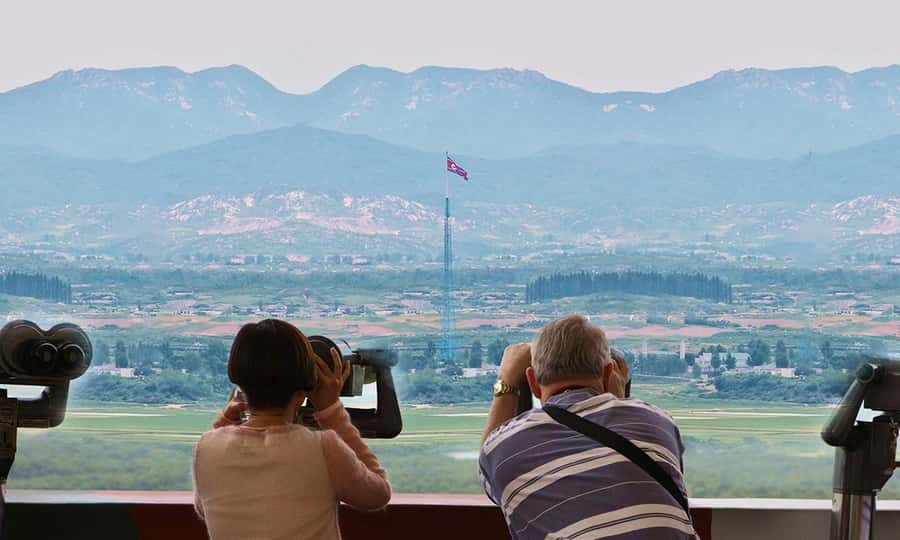
At the Dora Observatory, you’ll have the chance to look toward North Korea and take in the wide setting that comes with it. The value isn’t just the view—it’s the combination of viewpoint plus explanation. You’re meant to connect what you see with what you’re learning.
I like this stop because it forces a kind of mental discipline. It’s easy to treat it like a sightseeing platform, but the right approach is to use it as a prompt. Ask yourself: what can you actually see from here, and what does that mean in terms of separation?
Also, this is where it helps to have a guide who can point out details you might otherwise miss. A good guide will help you interpret the view without turning it into doom and gloom.
If you’re taking photos, focus on clean lines—viewpoints often look best when your frame doesn’t include too much clutter. You’ll likely want a few wider shots for context and a couple tighter ones for memory.




Hantan Geopark and Jaein Waterfall UNESCO Stop: Nature Reset with Meaning
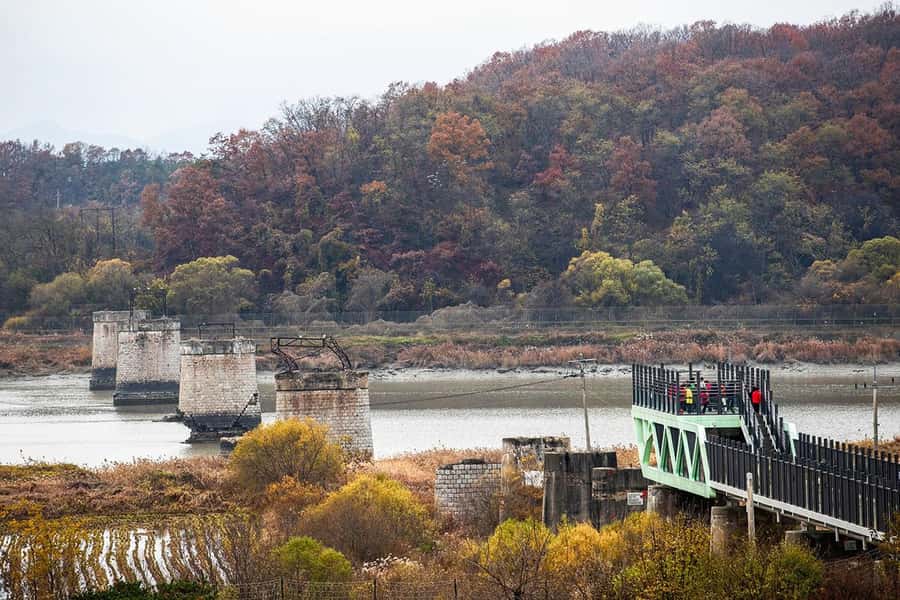
After the DMZ stops, the day gives you a sharp change of scenery at Hantan Geopark. You’ll visit Jaein Waterfalls, which is tied to UNESCO recognition, and this is where the tour offers a different kind of atmosphere: quieter, scenic, and a welcome break from the tension of the border sites.
The waterfall itself is described as stunning, and the setting around it is ideal for photos—especially when the weather cooperates. There’s also time to enjoy the surrounding grounds and scenic trails, which helps you stretch your legs after earlier walking and waiting.
A quick note on pacing: you’ll probably feel the contrast. The DMZ portion is heavy and structured; the geopark portion lets you slow down visually. If you’re someone who gets mentally drained on history-heavy tours, this second half is the built-in recovery period.
And yes, it’s not only about standing still and snapping a picture. You’ll have time to move around the area, and the suspension bridge adds activity and energy back into the day.
Suspension Bridge Thrill: A Small Adventure After the Heavy Stops
One of the more fun contrasts on this tour is the suspension bridge experience. After monuments and viewpoints, it brings motion and a little adrenaline—just enough to break the mood and keep the day from feeling all one note.
Don’t underestimate how much a short thrill can change the end of a long day. If you’re photographing, the bridge also gives you a strong foreground element, which can make waterfall shots look more layered and dynamic.
Just keep it simple: hold your phone or camera securely, move at a comfortable pace, and enjoy the fact that you’re ending the day somewhere your brain can breathe.
Guide Styles Matter: From Alex Kim to Apollo and Why It Changes the Day
The tour is led by professional guides, and in the past, guides such as Alex Kim and Apollo have been named for this route. What matters most is not just their language ability, but how they translate complex topics into something you can actually hold onto.
A great guide does three things for you:
- explains why each place exists in the story
- connects one stop to the next so it doesn’t feel random
- keeps you calm during the controlled, sometimes slow parts of the day
In smaller groups, you’re more likely to get questions answered and to move with less crowd friction. One example from a past day had just five people, and that kind of size tends to make the experience feel more personal—especially on long transit and timed access days.
If you’re the type who likes to ask questions, this tour rewards you. If you prefer a quiet, self-guided pace, the DMZ portion may still feel focused and talk-led, since you’ll be hearing explanations at key sites.
Price and Value at $125: What You’re Paying For
At $125 per person, this isn’t a bargain “grab-and-go” tour. You’re paying for a few things that matter on this route:
- round-trip transportation from Seoul
- admission to the attractions
- a professional guide to handle explanations and timed access
The DMZ is not a typical sightseeing zone. Entry involves strict controls and limited numbers at a time, which means operational effort is part of the cost. You’re also spending a full day, which includes travel time and guided stops that take structure seriously.
What’s not included is lunch. That’s the one expense you’ll need to plan for yourself, unless you choose to buy something on the way. If you’re budgeting, bring water and snacks if that fits your style, since the day can be long.
When a tour charges a fair price here, it’s usually because the logistics are hard and the guide work is real. In this case, the price lines up with the level of coordination required.
What to Expect From the Timing and Pace
This is a long day out of Seoul. You’ll start early, ride to the DMZ area, then move through multiple controlled or semi-controlled stops. You’ll also spend time at the UNESCO geopark afterward, including a waterfall visit and the suspension bridge.
Expect a mix of:
- guided time at monuments and viewpoints
- walking time at the Third Tunnel stop
- outdoor time at Hantan Geopark
If you’re sensitive to fatigue, plan for it now. The tour has a lot of “meaning stops,” so don’t pack the day after with another big activity. You’ll probably want a relaxed evening back in Seoul.
Language support is available in English, Chinese, and Korean, which can be helpful if your group mixes comfort levels.
Who This Tour Fits Best (and Who Might Prefer Something Else)
This tour fits best if you want a guided, structured day that connects the DMZ to peace themes, and then gives you nature time afterward. It’s also a strong option if you care about photos with context—Imjingak and Dora Observatory are built for powerful images, and Jaein Waterfalls gives you the softer counterbalance.
You might think twice if:
- you strongly dislike early starts
- you’re uncomfortable with a tunnel walk
- you want a lot of free time and minimal guidance
If you want a day that mixes reflection with real-world viewpoints, and you’re okay with a full schedule, this is the right shape of trip.
Should You Book This DMZ and UNESCO Geopark Day Trip?
I’d book it if you like tours that do more than transport you. This one gives you a clear set of stops that each explain a different part of Korea’s divided reality—then it pays you back with a UNESCO-linked nature stop at Jaein Waterfall plus the fun of a suspension bridge.
Book it especially if you value a guide who can connect what you see. The DMZ portion needs context, and the tunnel visit needs framing. If you want your day to feel meaningful and also visually satisfying, the balance here is the selling point.
Skip it if you want a lazy day, or if the early morning and passport prep sound like a hassle you can’t get past.
FAQ
What is included in the DMZ and UNESCO geopark tour?
The tour includes round trip transportation, admission to the attractions, and a professional tour guide.
Is lunch included?
No. Lunch expenses are not included.
What information do I need to provide for DMZ entry?
You must provide each participant’s passport information: name, passport number, date of birth, and gender.
Where does the tour start and end?
The meeting point can vary depending on the option booked, and the tour ends back at the meeting point.
What languages are available for the tour?
The tour is available in English, Chinese, and Korean.
How much does the tour cost?
The price is $125 per person.
Are admissions included for the stops?
Yes. Admission to the attractions is included.
Can I reserve now and pay later, and what is the cancellation rule?
You can reserve & pay later. Cancellation up to 24 hours in advance allows a full refund.