REVIEW · HISTORICAL TOURS
Buam dong Walking Tour Art, History and Parasite in Seoul
Book on Viator →Operated by ZenKimchi Experiences · Bookable on Viator
Seoul hides its best corners on slopes. This Buam-dong walking tour threads art, history, and mountain views through a calmer hillside neighborhood, with a mix of hanok culture, city-wall heritage, and even a well-known Parasite filming location.
I like that the pace is guided and story-led, not just a checklist: you’ll get background for the neighborhood, plus stop-by-stop context at places like the Cheongun Literature Library and Mugyewon. I also like the small group size (max 15), which makes it easier to ask questions while you’re walking. One thing to consider: it’s a true walking tour with a moderate fitness level, so wear shoes you trust on uneven sidewalks and slopes.
In This Review
- Key things you’ll notice
- Buam-dong: a quieter Seoul that actually feels local
- The stories you’ll hear on the poet’s hill and memorial stop
- Cheongun Literature Library: Seoul’s first hanok library stop
- Seoul City Wall and Changuimun Gate: defense in real stone
- Mugyewon: finishing in a hanok cultural space tied to Anpyeong
- Price and what you actually get from $38.50
- Who this Buam-dong walk is for (and who should skip it)
- Should you book this tour
- FAQ
- What is the tour duration?
- How much does the Buam dong Walking Tour cost?
- Where does the tour start and where does it end?
- What time does the tour begin?
- How many people are in the group?
- Is admission included for the stops?
- Do I need a printed ticket?
- Can I cancel for a full refund?
- Is this tour suitable for someone with moderate physical fitness?
Key things you’ll notice
- Buam-dong hillside routes with big viewpoints toward Bugaksan, Inwangsan, and Bukhansan
- Cheongun Literature Library, described as Seoul’s first hanok library, for quiet, old-meets-new atmosphere
- Seoul City Wall and Changuimun Gate (Jahamun Gate), with a practical explanation of defense and heritage
- Mugyewon, a hanok cultural space tied to Grand Prince Anpyeong
- Parasite filming location and other pop-culture nods mixed into real neighborhood history
- A guide who keeps it fun, with Jon noted as especially nice and funny in the tour experience
Buam-dong: a quieter Seoul that actually feels local
Buam-dong is the kind of Seoul you appreciate when you’re tired of neon and big-city rush. Up on the hillside, the streets slow down, and you start seeing how the city’s geography shapes daily life. This tour starts with a short 10-minute bus ride to get you into the right neighborhood mood before you begin walking.
Once you’re there, you’re not just moving between pretty spots. You’re learning why Buam-dong has a reputation for being a special part of Seoul. That matters because the neighborhood is made for wandering: small turns, old structures, and viewpoints that pop up without you hunting for them. With a guide steering the route, you’re less likely to miss the meaningful details that make these streets feel layered.
Also, this isn’t a long grind. The full tour runs about 2 hours 30 minutes, which is a sweet spot for people who want culture without losing an entire day. You’ll cover several distinct areas, but you still get time to pause, take in the views, and absorb the atmosphere at key stops.
You can also read our reviews of more walking tours in Seoul



The stories you’ll hear on the poet’s hill and memorial stop
One of the best parts of this tour is how it blends different kinds of “history” into a single walk. Buam-dong isn’t only about old buildings. You’ll also hear Cold War–era context, and you’ll visit landmarks that connect names, art, and memory to the landscape.
Along the way, you’ll see the Choi Gyu-sik Memorial Statue, then continue into the literary side of the neighborhood via the Hill of Poet Yoon Dong-ju. If you like cultural history, this is the moment where the walk stops being generic sightseeing. Poet stories and memorials work best when you understand the link between the person and the place, and that’s the tone of the tour.
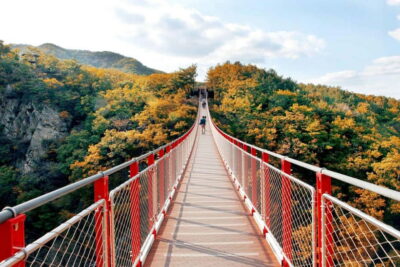
You’ll also get mountain views—Bugaksan, Inwangsan, and Bukhansan. Even if you don’t love hiking, these viewpoints are the payoff. They help you understand why Seoul’s hill towns feel both sheltered and strategic. You’re seeing the geography that influenced how people built, defended, and lived.
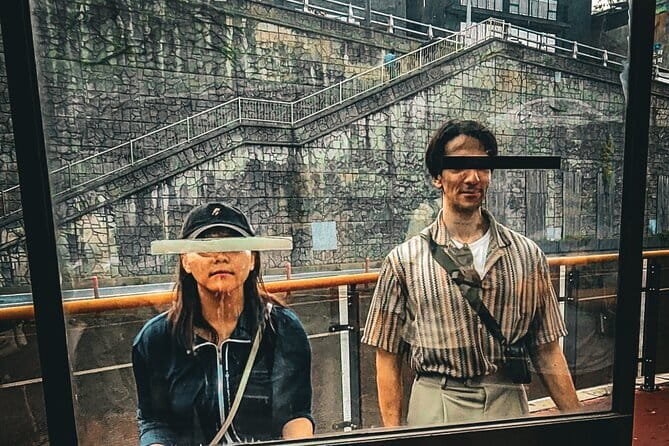
And then there’s the pop-culture layer: the tour includes a Parasite filming location. The neat trick here is that it’s not treated like a tack-on photo op. It’s woven into the neighborhood walk, so you’re learning and looking at the same time.
Cheongun Literature Library: Seoul’s first hanok library stop

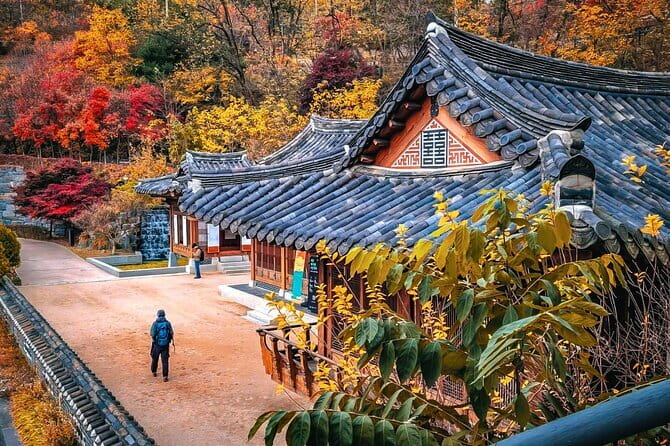
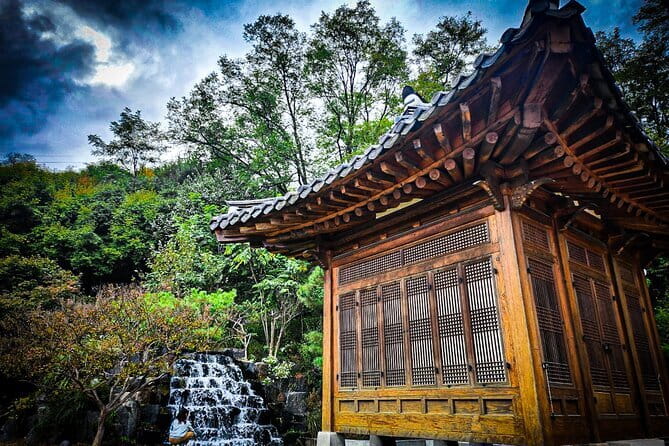
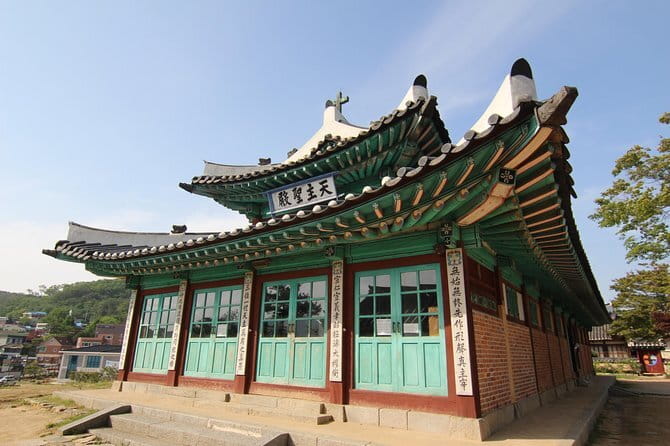
The Cheongun Literature Library is where the tour shifts gears from sweeping views to quiet, human-scale culture. This is Seoul’s first hanok library, and the stop lasts about 20 minutes. The big idea is simple: you’re stepping into a hanok setting that’s built for reading and reflection, not for rushing.
I like this part of the route because it gives you a mental break. After walking through hillside streets and city-wall history, this kind of calm pause matters. You’ll be surrounded by traditional architecture, and you’ll have time to absorb the atmosphere of artistic Seoul.
Practically, it’s also a smart stop for timing. If you’re visiting in warmer months or on a high-energy day, a serene indoor/outdoor hanok environment can help you keep your energy for the rest of the walk. You’re not just passing through; you’re given space to slow down for a bit.
And since the library admission is listed as free, you get an easy win for value. You’re paying for the guide and the route, not extra ticket fees at every turn.
Seoul City Wall and Changuimun Gate: defense in real stone
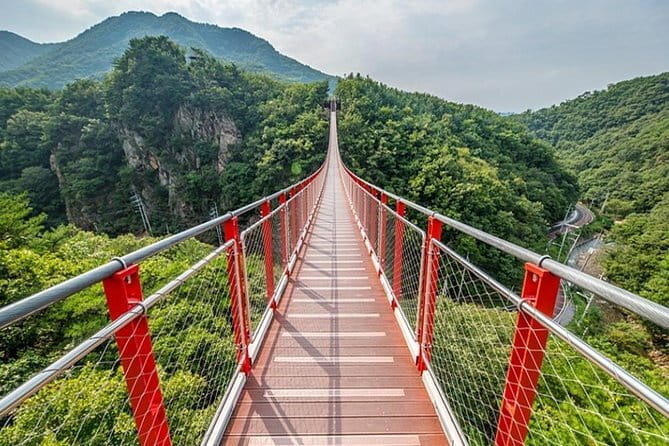
Next comes one of Seoul’s most iconic heritage themes: the city wall and gates. You’ll explore the Seoul City Wall and the Changuimun Gate (also called Jahamun Gate). This stop is about 15 minutes and, like the others mentioned on the route, it’s listed with admission as free.
What I like about this segment is the way it’s framed. Instead of treating the wall as a pretty background, the guide explains how these structures mattered for Seoul’s defense and heritage. That changes what you notice while you’re there. You start thinking about lines of sight, movement, and why gates sit where they do.
Also, it’s a helpful contrast to the hanok stops. A hanok library teaches you about domestic cultural life. The city wall teaches you about larger-scale planning—how a capital protected itself and how those decisions echo into today’s city map.
This is also a quick but meaningful stop if you’re short on time in Seoul. In about 15 minutes, you get context that makes the wall feel less like a relic and more like a system that shaped daily life.
Mugyewon: finishing in a hanok cultural space tied to Anpyeong

The tour ends at Mugyewon, a traditional Korean house that once served as the villa of Grand Prince Anpyeong. This is your final stop, lasting about 20 minutes, and it’s a strong finish because it’s a hanok you experience as a place, not just a photo.
Mugyewon works well as a closing chapter. Throughout the walk you move through memorials, literature, city defense, and views. Finishing with an elegant old-world domestic space gives the tour a grounded, human ending. It’s the kind of contrast that makes the whole experience feel cohesive: big stories earlier, a calmer setting at the end.
You’ll also be back at the meeting point area when the tour wraps up, which is convenient for planning dinner or hopping to another neighborhood afterward. If you like having a clean end point rather than getting dropped far away, this format is practical.
You can also read our reviews of more historical tours in Seoul



Price and what you actually get from $38.50
At $38.50 per person for about 2.5 hours, this tour sits in a fairly reasonable range for a guided walking experience in central Seoul. The value comes from the mix: multiple meaningful stops, a focused route in a lesser-walked neighborhood, and story context that helps you connect the dots.
Two value boosters stand out:
- Admission is listed as free at the key places included in the tour, so you’re less likely to get surprise costs mid-walk.
- The group size is capped at 15, which improves the experience. With smaller groups, you get fewer long pauses while everyone catches up, and you can hear the guide better while you’re outside.
There’s also a practical scheduling note: it’s commonly booked about 19 days in advance on average, so if you’re traveling during a busy period, don’t wait until the last minute. You’ll want a smooth plan more than a last-minute scramble.
One small consideration: since it’s a walking tour with moderate physical fitness suggested, you’ll get the most out of it if you’re comfortable with uphill sections and longer blocks of walking. If you’re nursing sore knees or hate uneven ground, you might feel it more than you expect.
Who this Buam-dong walk is for (and who should skip it)
This is a great fit if you want Seoul with fewer crowds and more context. I think you’ll especially enjoy it if you like:
- cultural history that connects names to places (memorials, poets, hanok sites)
- city heritage beyond the obvious landmarks
- viewpoints and photo stops that come as part of the walk
- a tour with personality, where the guide’s humor and stories help keep it moving
It may not be your best choice if you want zero walking or if you prefer totally independent exploring with no guidance. Also, if hanok interiors and outdoor pauses don’t appeal to you, you might find the mix a little too calm compared with higher-energy sightseeing routes.
If you do have moderate fitness, though, this is an efficient way to see a thoughtful side of Seoul in a half-day window.
Should you book this tour

Book it if you want a Buam-dong walking tour that feels purposeful: hanok culture, city-wall heritage, and story context all in one route. The value is strong because multiple stops are listed as free-entry, and the small group size keeps the experience human.
I’d skip or reconsider if you know you can’t handle uneven sidewalks or you’d rather spend your time entirely inside major museums. For everyone else, it’s an easy recommendation. It’s the kind of tour where you finish with more than photos—you leave with a clearer sense of why the neighborhood matters, and how Seoul’s layers fit together from literature to defense walls to pop-culture backdrops.
FAQ
What is the tour duration?
The tour lasts about 2 hours 30 minutes.
How much does the Buam dong Walking Tour cost?
It costs $38.50 per person.
Where does the tour start and where does it end?
The tour starts at 시민약국 106-3 Jeokseon-dong, Jongno District, Seoul, and it ends back at the meeting point.
What time does the tour begin?
The start time is 2:00 pm.
How many people are in the group?
The tour has a maximum of 15 travelers.
Is admission included for the stops?
Admission is listed as free for the stops mentioned in the itinerary.
Do I need a printed ticket?
A mobile ticket is included.
Can I cancel for a full refund?
Yes. You can cancel for a full refund if you cancel up to 24 hours in advance of the experience’s start time.
Is this tour suitable for someone with moderate physical fitness?
Yes, the tour recommends a moderate physical fitness level. Service animals are allowed, and the tour is near public transportation.