REVIEW · GYEONGBOKGUNG PALACE & HANBOK TOURS
Seoul Day Tour: Gyeongbok Palace, Bukchon, Gwangjang Market
Book on GetYourGuide →Operated by Lecirt · Bookable on GetYourGuide
Seoul looks different at night. This evening tour threads royal history, hanok neighborhoods, story locations, and market food into one practical route. I like that it keeps the pace manageable with a small group and van transfers, so you can spend your energy on the sights instead of logistics.
Two things I really liked: the guided storytelling at Gyeongbokgung Palace and the way the guide brings Bukchon and the filming locations to life as you walk. In particular, guides like Stella are praised for making ancient Seoul feel clear and memorable, while Yoon stands out for being friendly and quick to help.
One drawback to think about: it’s an evening plan with photos and walking, so comfortable shoes matter. Also, the tour’s length can vary (it runs roughly 4 to 9 hours depending on the route), so plan a bit of buffer for your dinner or later plans.
In This Review
- Key things I’d prioritize on this tour
- Seoul at night: a smart mix of palaces, story spots, and food
- Small-group comfort and the walking/van rhythm
- Gyeongbokgung Palace at dusk: what to look for and how the guide helps
- Bukchon Hanok Village: hanoks, narrow lanes, and story-meets-history
- Naksan Park at night: glowing fortress walls and viewpoint time
- Eungbongsan skyline stop: the night view that feels off the main track
- Gwangjang Market dinner: how to eat well in 2 hours
- Price and value: what you’re really paying for at $41
- Who this tour fits best (and who might prefer solo time)
- What to bring and how to make the most of the night
- Quick note on guides (and what kind of help you’ll likely get)
- Should you book this Seoul evening tour?
Key things I’d prioritize on this tour
- Small group (up to 8) with a guide, so questions actually get answered.
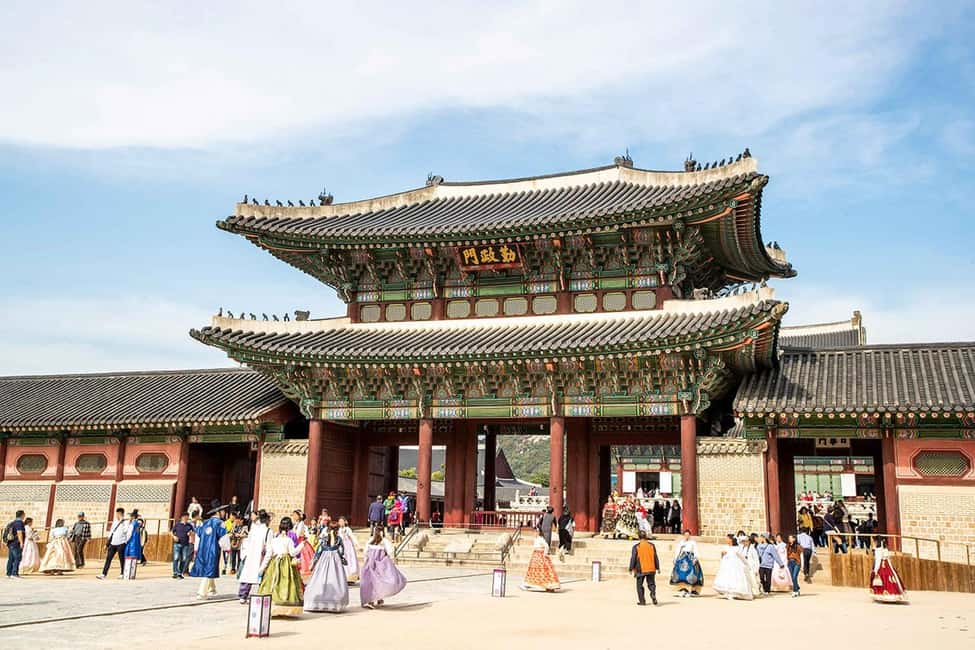
- Guided time at Gyeongbokgung (about 2.5 hours), not just a quick stop.
- Bukchon hanok lanes (about 80 minutes) where you’ll slow down for photos and context.
- Naksan Park + Eungbongsan for night views, with photo stops and free time.
- Gwangjang Market dinner stop (about 2 hours) with street-food sampling options like bindaetteok and tteokbokki.
- Van transfers mixed with walking, so you’re not spending the whole night commuting on foot.
Seoul at night: a smart mix of palaces, story spots, and food
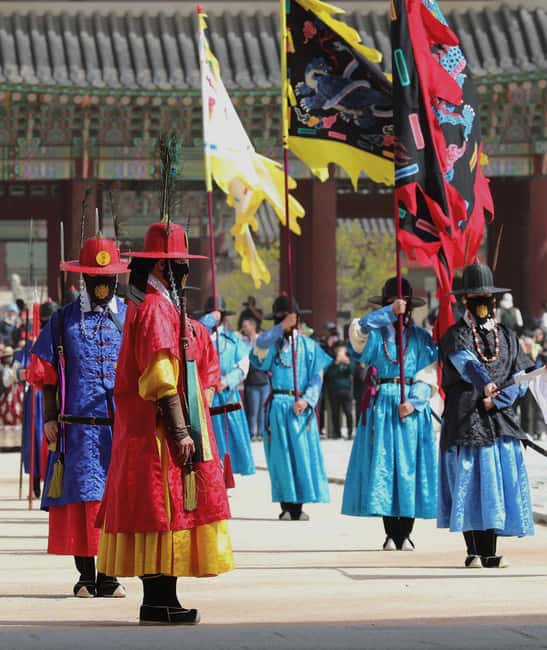
This is the kind of Seoul evening tour that helps you see more than one “Seoul mood” in a single night. You start with a palace that changes character when the lights come on, then move into Bukchon’s hanok neighborhood where the streets feel slower and more human-scaled.
Then you shift to views—first from Naksan Park, then from the Eungbongsan viewpoint—before finishing with dinner vibes at Gwangjang Market. The route feels designed for momentum: you get guided time where it counts, plus free time where you’ll want to take photos or wander.
If you’re a fan of K-Pop Demon Hunters, this adds another layer. The tour highlights filming location moments connected to Gyeongbokgung, Bukchon, and Naksan Park, so you’re not just sightseeing—you’re connecting story to place.
You can also read our reviews of more shopping tours in Seoul

Small-group comfort and the walking/van rhythm
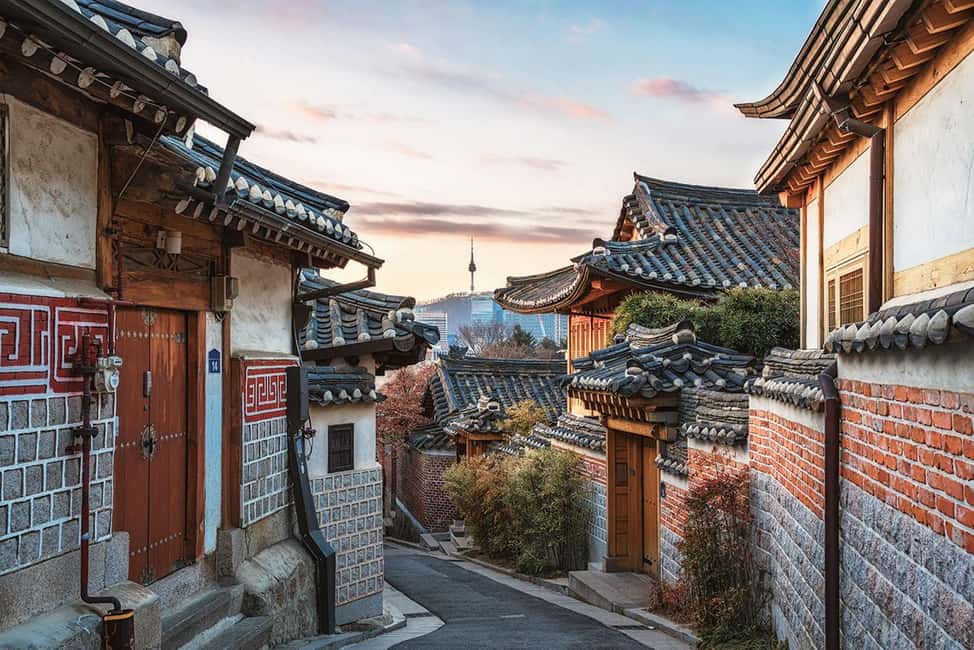
A big part of why this tour works is the format: small group up to 8 and a mix of walking tours plus comfortable van transfers. That matters in Seoul, where moving between neighborhoods can eat up time and patience if you do it all on your own.
In practice, you’ll spend time walking in the places that are best experienced on foot: the palace grounds, Bukchon’s lanes, and the viewpoint areas. Between those, you’ll ride so you’re not exhausted before dinner.
The guides also help keep the pace sane. People highlight guides like Mac for answering lots of questions during the market stop, and for getting fun, natural-looking photos at the scenic points. That kind of attention is a real value-add when you’re moving quickly and want good timing.
Gyeongbokgung Palace at dusk: what to look for and how the guide helps
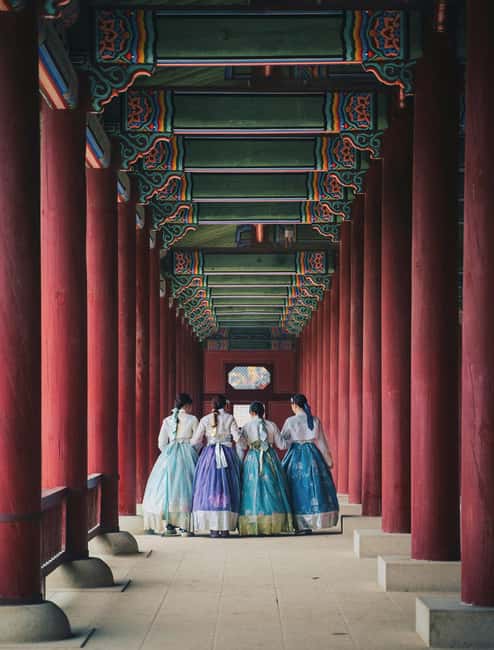
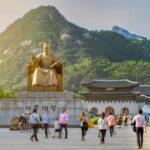
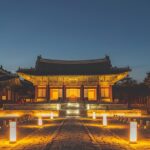
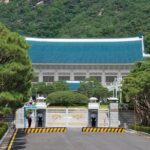
You begin at Gyeongbokgung Palace, which is Korea’s best-known royal palace in many first-time Seoul itineraries. The difference here is timing: you’ll see it in the evening, when illuminated courtyards and gates change the feel from daytime “history museum” to night-time atmosphere.
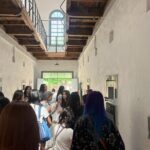
The tour gives you guided time for about 2.5 hours, which is long enough for more than a checklist. A strong guide can translate what you’re seeing—where the power sits in the layout, what the spaces were for, and why certain structures matter. Stella is specifically praised for sharing stories about ancient Seoul and making the visit feel memorable, and that lines up with what you want in a palace tour.
If you’re also connecting it to K-Pop Demon Hunters, Gyeongbokgung is one of the highlighted filming locations. The tour frames it as part of Jinu’s backstory moments, so you’ll likely notice details more sharply when the guide links them to the story setting. Even if you’re not a fan, you’ll still appreciate the way the lighting turns architecture into something you can actually “feel,” not just read about.
Practical tip: keep your phone charged. You’ll probably take more pictures than you expect, especially during the dusk-to-night transition when the palace lighting kicks in.
Bukchon Hanok Village: hanoks, narrow lanes, and story-meets-history
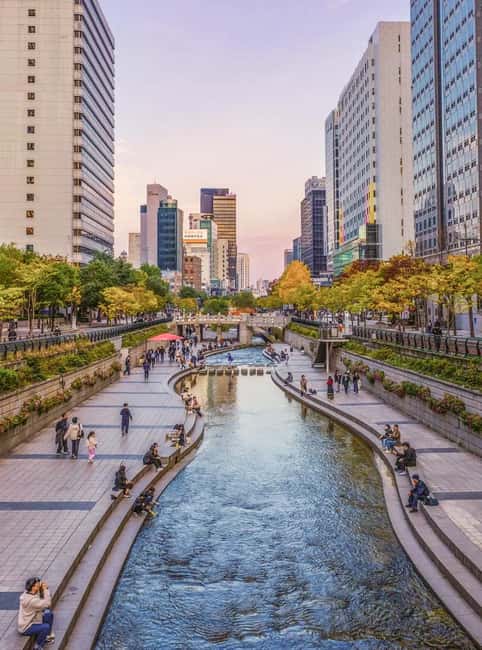
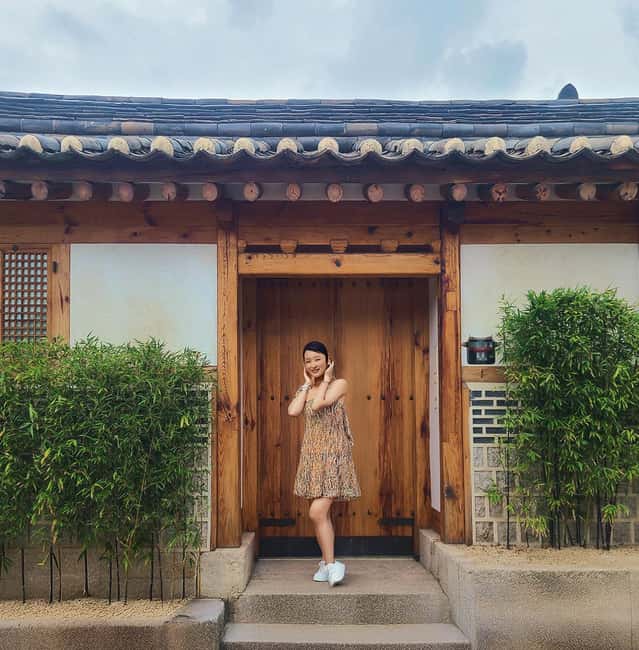
Next comes Bukchon Hanok Village, and the tour gives you both time to visit and time with a guide (about 80 minutes). This isn’t about racing through one street for a quick photo; it’s about walking the preserved neighborhood lanes and understanding what makes these areas distinct.
Bukchon works at night because the pace slows down. You’re still in central Seoul, but the hanok forms and alley layout encourage slower looking—doors, rooflines, stone pathways, and the way spaces transition from public lane to private home feel.
For fans of K-Pop Demon Hunters, Bukchon is another highlighted filming location. The tour specifically connects it to Rumi & Jinu’s secret meeting, which gives your photos a story context. It also makes the “where am I?” feeling easier. Instead of treating it like a generic traditional district, you’ll have scenes to orient around.
A drawback to keep in mind: Bukchon’s lanes can be uneven and narrow. Comfortable walking shoes will help you enjoy it instead of thinking about your footing.
Naksan Park at night: glowing fortress walls and viewpoint time
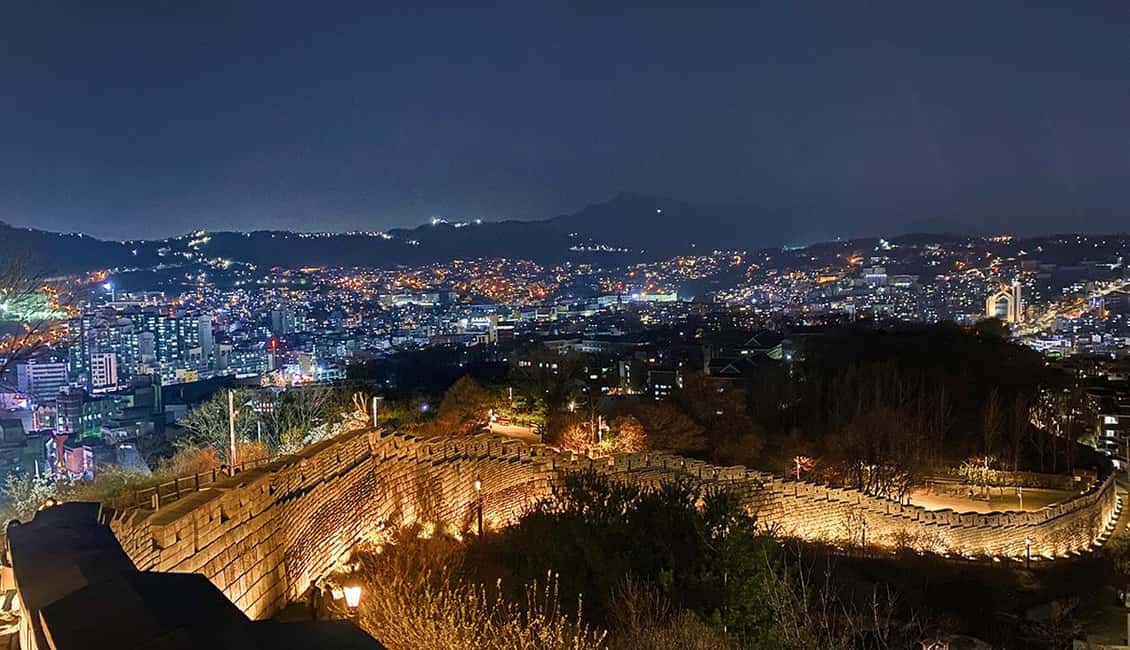
After Bukchon, the tour heads to Naksan Park. You’ll get a photo stop plus free time, with sightseeing time around 1 hour. The emphasis here is the lighting: the fortress walls and park views soften under night illumination, which is exactly why this stop pairs so well with the palace and hanok sections before it.
This is also a highlighted K-Pop Demon Hunters spot. The tour describes Naksan Park as a place where the storyline comes alive for Rumi & Jinu’s moments. That framing is helpful because viewpoints can otherwise feel like “stand and look.” With the story context, you’re more likely to remember what you’re seeing.
Expect a mix of guided orientation and personal time. The free time is important: you’ll want to adjust for your own photo angles, and you might want a minute just to watch the city lights settle.
Practical tip: if you want skyline photos later at Eungbongsan, don’t use up all your energy at Naksan. Take what you need here, then save your best patience for the bigger view.
You can also read our reviews of more tours and experiences in Seoul
Eungbongsan skyline stop: the night view that feels off the main track
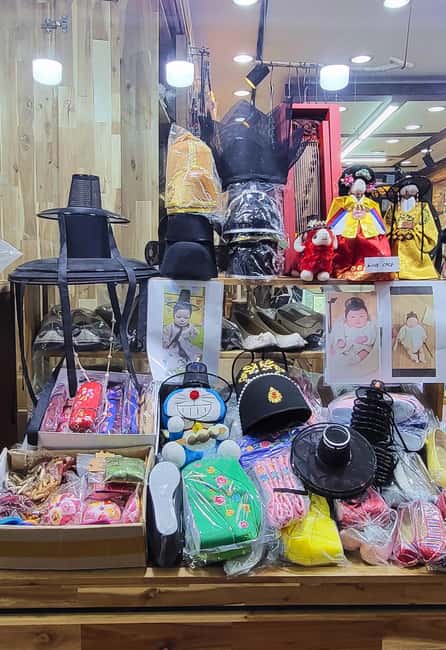
Then comes Eungbongsan Mountain for a panoramic look over Seoul. This is structured as another photo stop plus free time and sightseeing for about 1 hour. The tour describes Eungbongsan as a hidden-feeling side of Seoul that many visitors don’t reach as easily on their own, and the payoff is the skyline view under starlit skies.
What I like about this kind of stop is the contrast. You’ve been in historical spaces (palace and hanok) and story-focused neighborhoods, and now you get a clean “city at night” perspective. It helps your brain connect Seoul’s past to its present skyline, instead of keeping you trapped in one theme for the whole evening.
You might find the climb and time outside depends on the route and crowd flow. The tour does include van transfers, but once you’re at the viewpoint, bring the mindset of a casual evening walk, not a strenuous hike.
Also, take advantage of the guide if you want help getting photos. People praised Mac for taking amazing photos at scenic spots—exactly the kind of small help that can turn a decent picture into a keeper.
Gwangjang Market dinner: how to eat well in 2 hours
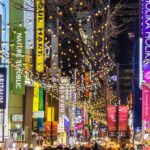
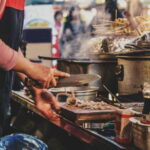
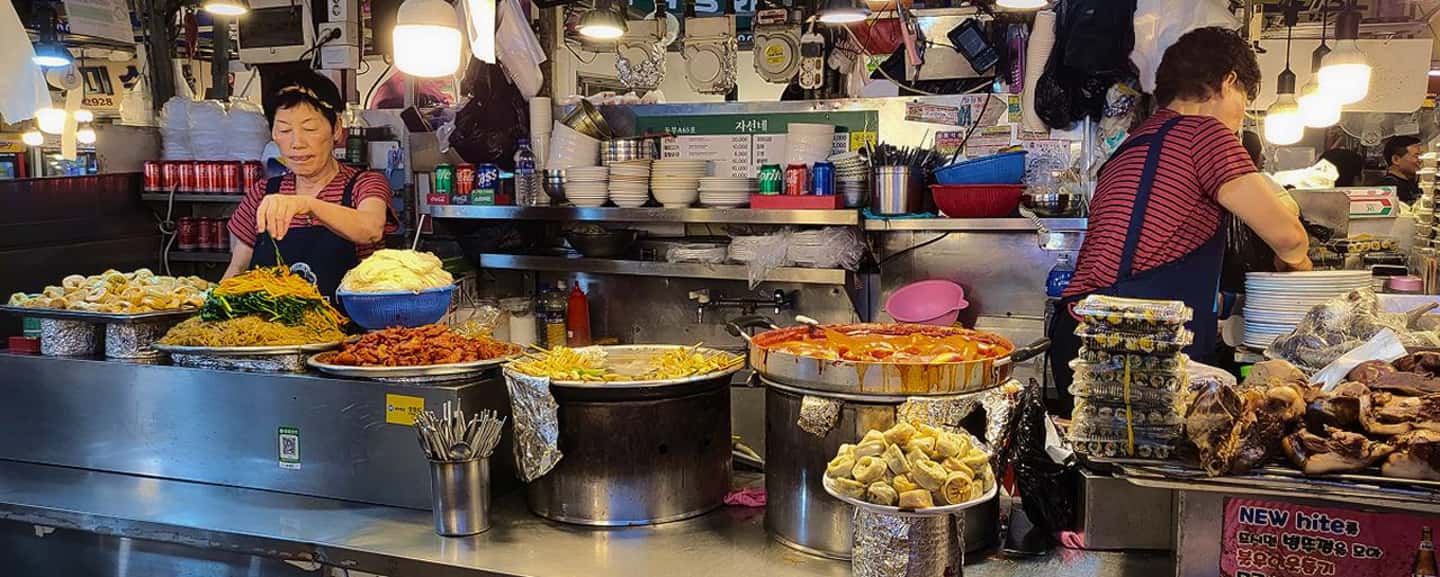
Finally, you end at Gwangjang Market, one of Seoul’s oldest and busiest food markets. The stop lasts about 2 hours and includes dinner time plus sightseeing. Since meals aren’t included as part of the price, you’ll be paying for your own food items, but the guide can help you choose and order smartly.
This is where the “small group + guide” combo really pays off. Food markets can be overwhelming when you don’t know what’s popular, what’s simple, and what you can realistically eat while standing. Mac is specifically praised for explaining fruit, vegetables, and meat options and for adding extra market touring, which is exactly the kind of support that saves you time and money.
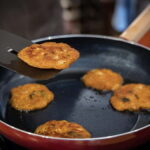
The tour also points you toward classic street-food options like bindaetteok and tteokbokki. You’ll probably see lots of other choices too, but having a guide who can talk through what you’re looking at helps you avoid the common problem of overbuying and under-eating.
Practical tip: go hungry but not starving. Two hours disappears fast once you start ordering, eating, and moving through stalls.
Price and value: what you’re really paying for at $41
At $41 per person, this tour is priced like a straightforward guided evening, but the value comes from what’s included. You get guided walking tours, van transfers, entrance fees, and a live guide in English or Chinese, all with a small group size (up to 8).
If you tried to copy the route on your own, you’d pay for guide help at one or two stops anyway, plus transportation, plus entrances. Here, you’re effectively bundling the costly parts—entrances and inter-neighborhood movement—into the package so you can focus on the experience.
Is it the cheapest option? Maybe not. But it’s also not the kind of tour where you’re shuffled onto a bus and left alone for hours. The guided palace time and the structured market stop are the big reasons the price feels fair.
Who this tour fits best (and who might prefer solo time)
This is a great match if you want:
- A guided first look at palace + hanok neighborhoods without doing 10 tabs and 20 walking detours.
- A night plan with photo stops and enough free time to actually enjoy the view.
- K-Pop Demon Hunters context tied to Gyeongbokgung, Bukchon, and Naksan Park.
It may be less ideal if you prefer totally freeform touring with zero structure. The palace and neighborhood portions are guided, and the itinerary has a flow. If you hate schedules, you may feel boxed in at parts of the route.
What to bring and how to make the most of the night
Because this tour mixes palace grounds, hanok lanes, and viewpoints, your best “upgrade” is simple: wear comfortable shoes and dress for nighttime temperature changes. You’ll be outside for significant blocks, even if parts of the trip include van rides.
Bring:
- A charged phone/camera (you’ll be taking photos at Naksan, Eungbongsan, and inside the palace lighting zones)
- A light layer for evening air
- Some cash or a card ready for market food (since dinner isn’t included)
And if you care about photos, ask the guide to help. The guides highlighted in feedback—Stella, Yoon, and Mac—are praised for being attentive and helpful, which tends to translate into better group photos.
Quick note on guides (and what kind of help you’ll likely get)
You won’t always get the same guide, but the feedback patterns are clear. Stella is praised for storytelling and attentiveness, Yoon for kindness and being available to help, and Mac for answering questions and supporting photos at the scenic stops.
That matters because an evening tour succeeds or fails on clarity. You want to understand what you’re looking at, and you want guidance that makes your time feel purposeful instead of like you’re just following a route.
Should you book this Seoul evening tour?
I’d book it if you want an easy, well-led night that covers the “big three” of atmosphere: palace at dusk, traditional hanok streets, and city lights from a viewpoint, then finishes with a dinner market stop. The included entrance fees, small-group size, and van transfers make the cost feel more justified than a self-made route.
I’d skip or rethink if you’re the type who hates guided time, or if you’re sensitive to uneven walking surfaces in Bukchon. Also, because the duration can vary by route, double-check your later-night plans so you’re not rushing at the end.
If you’re ready for a night that blends real Seoul culture with story-based stops, this is a solid pick.