Korea’s resistance story hits hard. This Seoul tour pairs the colonial-era struggle with later democracy battles, so you can see how the fight for freedom kept evolving over time. I especially love the way it connects independence with the push for democracy, and I also love the human side—guides like Joseph and Jonathan bring the details in a clear, grounded way.
The main thing to consider is that the themes are dark and intense, and the day can run longer than you expect. If you’re hoping for a light sightseeing break, this isn’t that kind of tour; it’s meant to leave you thinking.
In This Review
- Key Highlights You’ll Care About
- Two Routes Through Korea’s Freedom Struggle
- Seodaemun Prison History Hall: Where Freedom Fighters Paid in Pain
- Dongnimmun, Dilkusha, and Tapgol Park: Symbols You Can Actually Feel
- National Museum of Korean Contemporary History: The Road After the War
- Tongin Traditional Market Lunch: A Real Break, Not Just a Token Stop
- Namsan: KCIA HQ and the View from Repression
- Korea Democracy Foundation: How Resistance Became Institutions
- Price, Value, and How Long You Should Plan for
- What to Wear and Bring (So the Dark Parts Don’t Trip You Up)
- Who This Tour Fits Best
- Should You Book Blood and Tears: Korea Independence & Resistance Dark History Tour?
- FAQ
- How much does this tour cost?
- How long is the tour?
- What’s included in the price?
- Are meals included?
- Do I need to remove my shoes?
- Can I get a full refund if I cancel?
Key Highlights You’ll Care About
- Two routes, one bigger story: choose Then Fight for Independence, Now Road to Democracy, or both
- Small group feel (up to 10): easier questions and smoother pacing
- Seodaemun Prison History Hall: real, on-the-ground history of detention and torture under Japanese rule
- Namsan KCIA sites: a look at surveillance and repression during military rule
- Lunch at Tongin Market: a practical, local break during the democracy half
- Shoe rules at Dilkusha: you’ll likely need to remove shoes indoors (slippers provided)
Two Routes Through Korea’s Freedom Struggle
This tour is built like two chapters of the same book. Pick the Then route to focus on Korea under Japanese colonial rule and the early independence movement. Or pick the Now route to understand what came after the war—industrial growth, political conflict, and the struggle to rein in dictatorship. If you choose both, you get a stronger line from the early cries for freedom to later civic resistance.
What makes this format work well is that you don’t just “see places.” You learn what people were up against at the time and why it mattered. A symbol like a gate or a park isn’t just scenery—it becomes a marker of sovereignty lost, regained, or fought for again.
You’ll also notice the tour is structured for real movement across central Seoul. It uses public transport, and it runs with a mobile ticket. That’s helpful when you’re juggling tight schedules, since you’re not trying to coordinate paper tickets or hunt for entry windows at the last second.
You can also read our reviews of more historical tours in Seoul
Seodaemun Prison History Hall: Where Freedom Fighters Paid in Pain
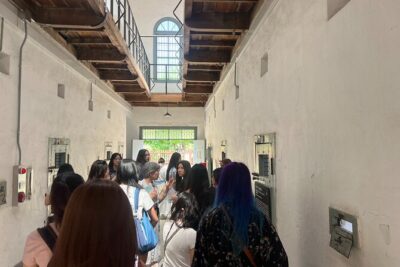
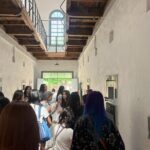
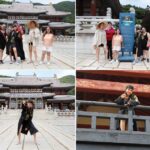
If you want one stop that sets the emotional tone, it’s Seodaemun Prison History Hall. This was a former prison where independence activists were held under Japanese rule, and the site gives you a direct look at what imprisonment meant—both physically and psychologically. You’re not watching distant history. You’re walking through the kind of space where a person’s hope gets tested, and that weight comes through fast.
The practical value here is context. Many people visit museums and learn dates. This stop adds stakes. It helps you understand why resistance wasn’t abstract. When the tour pairs this site with later political repression, you start seeing a pattern: power keeps trying to control dissent, and ordinary citizens keep finding ways to push back.
Time-wise, you’ll spend about 1 hour 35 minutes here, and admission is included. Plan for a slower, more attentive pace. On these kinds of visits, you don’t want to be rushing for photos or checking your phone every two minutes.
Dongnimmun, Dilkusha, and Tapgol Park: Symbols You Can Actually Feel
After Seodaemun, the tour shifts into lighter-footed walking—but not lighter themes. These stops are short, and that matters because you can absorb them without needing to power through another long museum block right away.
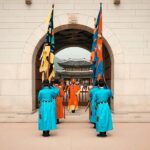
Dongnimmun Arch is brief—around 10 minutes—but it’s a strong symbol. It’s tied to lost sovereignty and resilience, and the way it’s used in the tour helps you connect architecture to national identity. Even though the stop is short, it sets a useful lens for the next locations.
Then you’ll visit Dilkusha (Albert W. Taylor House), a residence linked to an American journalist who exposed Japan’s atrocities to the world. The house is about 30 minutes on the schedule, and admission is free. Here’s the very practical note: you may need to remove your shoes when visiting Dilkusha to help preserve the historic building. Slippers are provided on-site. It’s smart to wear shoes that are easy to slip off quickly, so you don’t lose time fumbling with complicated laces.
Finally, Tapgol Park takes you to the birthplace of the March 1st Movement in 1919. This stop is about 30 minutes, and admission is free. What I like about this part is how it reframes “the independence movement.” Instead of treating it like one event, you start to understand it as a public spark—something that spreads when enough people decide they will not live quietly.
National Museum of Korean Contemporary History: The Road After the War
If you choose the Now route, your first major stop is the National Museum of Korean Contemporary History. This is about Korea’s transformation after liberation from colonial rule and the turbulence that followed, including postwar recovery and rapid change. The big value for me is that the museum gives you the broad picture before you start visiting sites tied to surveillance and oppression.
You’ll spend about 1 hour here, and admission is included (listed as free for the tour). This is a good time to reset your understanding of what you’re seeing later on the route. Without this museum stop, places like Namsan can feel like random “dark sites.” With it, they become part of a political system and a clear set of tensions.
Also, museum pacing matters. If you like reading signs and looking closely, budget a bit more time for this stop. If you prefer a quick sweep, you’ll still get enough structure from the guide to keep things coherent.
Tongin Traditional Market Lunch: A Real Break, Not Just a Token Stop
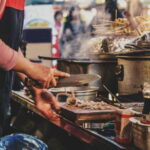
No matter which route you take, Korea’s history sits in daily life. That’s why the Now route includes Tongin Traditional Market for about 1 hour, with lunch available there. The tour doesn’t include meals, so you’re deciding your own budget and what to eat. That’s actually a plus: you can pick what you feel like eating instead of being locked into a set menu.
This market stop is valuable because it slows the emotional tone just enough to keep you functional. You’re coming off museum context and preparing for darker political sites afterward. Eating locally here helps the day feel more like a full human experience, not just a string of grim rooms and corridors.
A small practical note: if you’re sensitive to crowds or loud spaces, markets can feel busy. Go with calm expectations. Your energy level will matter later once the tour starts moving uphill.

Namsan: KCIA HQ and the View from Repression
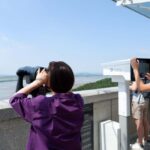
The tour’s Now route turns darker again at Namsan, spending about 1 hour. This area is connected to the KCIA headquarters and the interrogation and torture of dissidents during military rule. Even when you’re not inside a room tied to a specific event, the tour helps you connect the physical geography to the political reality.
This is one of those parts where a good guide makes a big difference. In the reviews, guides like Joseph and Jonathan are praised for sharing clear context and for being approachable when questions come up. That matters because this topic can feel personal, even if you aren’t from that era or country. A guide who keeps the tone respectful helps you stay engaged instead of overwhelmed.
If you’re someone who gets tired from stairs or sustained walking, this is the time to pace yourself. Bring water if you can, and don’t treat Namsan as a casual stroll—this is a guided, meaningful stop.
Korea Democracy Foundation: How Resistance Became Institutions
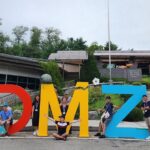
Next you’ll visit the Korea Democracy Foundation, about 40 minutes. It’s housed in a former police building, and the tour uses it to show how repression met organized civic action—protests, uprisings, reforms, and the people behind them.
What I appreciate here is that the focus isn’t only on suffering. It also honors the choices that pushed Korea toward a more democratic direction. The foundation’s role in the tour gives you a sense of “what came next,” which can make the darker stops easier to process.
There’s also a practical reason this stop works at the end of the route: you’re mentally ready to shift from interrogation and surveillance to meaning-making. When the day finishes, you leave with a clearer idea of what democracy cost and how it was fought for.
Price, Value, and How Long You Should Plan for
The price is $57.14 per person, and it covers English-speaking guiding, admission fees, and public transportation fees during the tour. Meals are not included, which is normal for a walking-and-site itinerary. To me, the real value is that the included fees remove a lot of guesswork. You’re paying for guided access and transport, not just a meeting point and a loose suggestion list.
Timing is the other value factor. The tour length is listed as 4 to 7 hours, and it’s also subject to traffic and weather. One review notes a longer run, from 9:50AM to 3PM, so you should treat this as a half-day to full-afternoon commitment. If you schedule dinner right after, you may be cutting it close.
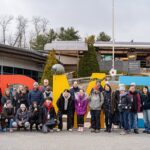
Group size is capped at 10 travelers, which usually means a smoother experience than big bus tours. It also makes the guide’s explanations easier to hear, especially in museums and quieter courtyards.
Booking timing matters too. On average, it’s booked about 25 days in advance, which tells you it’s popular enough that you shouldn’t wait until the last minute if you have fixed dates.
What to Wear and Bring (So the Dark Parts Don’t Trip You Up)
This isn’t a survival game, but small details matter. Because Dilkusha may require shoe removal, wear footwear that’s easy to take off and put back on. Slippers are provided, but you’ll still want to keep your feet comfortable for the rest of the day.
For the rest, think in terms of comfort and stamina:
- Comfortable walking shoes (especially if you choose the Now route with Namsan)
- A way to carry water and small personal items, since meals aren’t included
- Patience for schedule changes if weather or traffic slows things down
Also, bring your curiosity. The tour doesn’t just point at objects; it connects those objects to how people lived under colonial rule and military dictatorship.
Who This Tour Fits Best
This tour fits best if you want more than a quick photo stop. Choose it if you:
- like understanding the cause-and-effect story behind political change
- are comfortable with serious topics and want them explained clearly
- enjoy guided context that helps you read sites like Tapgol Park or Namsan in a deeper way
If you’re the type who wants only light, scenic sightseeing, this may feel heavy. The best “match” is someone who is okay with learning how people suffered, were monitored, or resisted—and then hearing how civic action grew from that.
Should You Book Blood and Tears: Korea Independence & Resistance Dark History Tour?
I think you should book it if you want the clearest link between Korea’s independence movement and the later fight for democracy, especially if you’re short on time in Seoul and want a guided path across key sites. The included admissions and transport make it a straightforward buy, and the small-group size helps the guide keep explanations personal and direct.
I’d skip it—or choose only one package—if you’re easily overwhelmed by dark material or if your schedule is too tight for a day that can stretch past the “half-day” expectation. Also, if you hate shoe-off rules, make sure you’re ready for Dilkusha slippers and the quick swap.
In short: if you want a thoughtful Seoul experience with real historical stakes, this tour earns its name.
FAQ
How much does this tour cost?
It costs $57.14 per person.
How long is the tour?
The tour runs about 4 to 7 hours. Exact timing can shift due to traffic and weather.
What’s included in the price?
The price includes an English-speaking guide, public transportation fees during the tour, and admission fees.
Are meals included?
No, meals are not included. On the Road to Democracy option, there’s time at Tongin Traditional Market where you can have lunch on your own.
Do I need to remove my shoes?
For Dilkusha (Albert W. Taylor House), you may need to remove your shoes. Slippers are provided on-site.
Can I get a full refund if I cancel?
Yes. Free cancellation is available, and you can cancel up to 24 hours before the start time for a full refund.