REVIEW · SEOUL
From Seoul: Korea Spring Cherry Blossom Day Tour
Book on GetYourGuide →Operated by Korea Time Tour · Bookable on GetYourGuide
Cherry blossoms, but also plums. That mix is what makes this day tour more interesting than the usual one-note spring outing. You get a full-day photo route built around Gwangyang’s white maehwa bloom scene, then temples, lake walks, and a hike in Seoraksan National Park. Two things I really like: the variety (plum blossoms, then cherry blossoms, then a national-park walk) and the cultural payoff in Jeonju Hanok Village on the way back.
The big thing to consider is timing. If spring bloom is late—or if you booked after peak—some of the cherry stops can feel less spectacular, even though the village time still shines.
In This Review
- Key Things I’d Book This For
- A Long Spring Day That Still Feels Worth It
- Starting From Seoul: Why the Round-Trip Matters
- Gwangyang Maehwa Plum Village: White Blossoms Like Snow
- Donghaksa Temple Cherry Blossom Framing: Old Stone + New Petals
- Maisan Mountain Cherry Blossoms: Twin-Peak Backdrops
- Yeongrangho Lake: An Easy Stroll With Big Photo Payoff
- Seoraksan National Park: The Hike Portion That Changes the Day
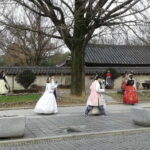
- Jeonju Hanok Village on the Way Back: Culture, Food Stops, and Hanbok
- Price and Value: $66 for a 16-Hour Blossom + Culture Plan
- The Real Schedule Reality: Long Day, Managed Pace, Some Walking
- Who This Tour Is Best For (and Who Might Prefer Something Else)
- Should You Book This Seoul Spring Cherry Blossom Day Tour?
- FAQ
- How long is the tour?
- Is this tour a round trip from Seoul?
- How much walking should I expect?
- Are food and drinks included?
- What’s included in the ticketing and entry?
- Which blossom destinations are included?
- Does the tour always visit the exact same places?
- Where do I meet the group?
- Is there free cancellation?
- Do guides help with more than just driving?
Key Things I’d Book This For
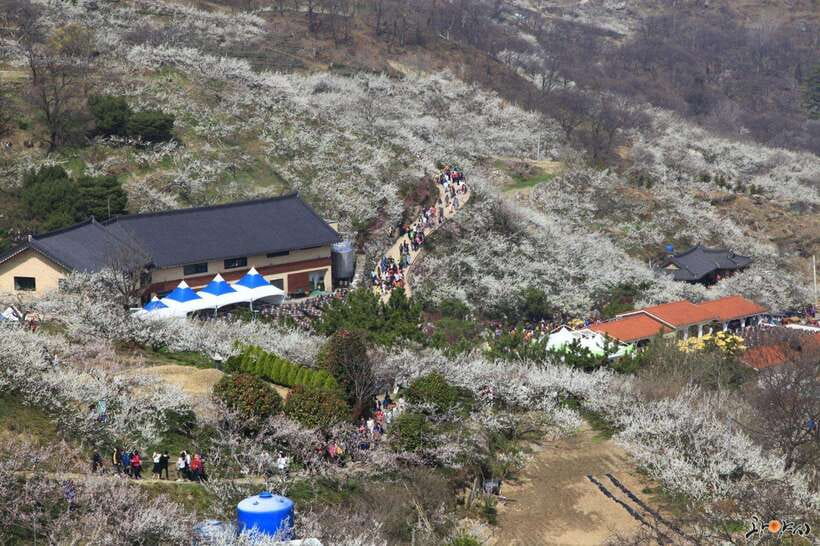
- Gwangyang Maehwa Village by the Seomjin River: white, snow-like blossoms and wide-open spring views
- Donghaksa Temple Cherry Blossoms: blossoms framing an old temple setting
- Yeongrangho Lake Shore Stroll: cherry trees lined along the water for an easy walk and photos
- Seoraksan National Park hike: trails made for different fitness levels, plus wild-spring flora
- Jeonju Hanok Village with hanbok and snacks: over 800 traditional houses and real local atmosphere
- A guide who helps, not just drives: Andrew and Leo are named in past tours, and both sound hands-on with food and photos
A Long Spring Day That Still Feels Worth It
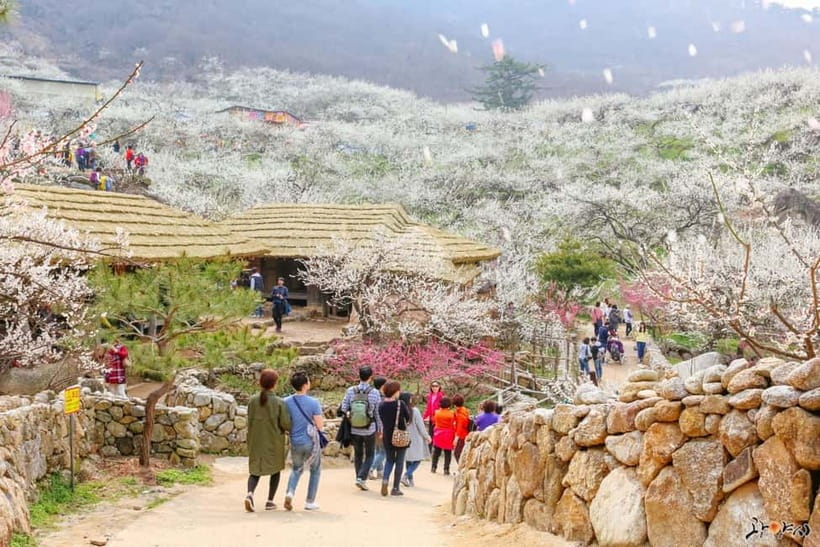
This is the kind of tour that works best when you stop thinking in hours and start thinking in chapters. The day moves from “bloom scenes” to “temple views,” then out to nature, and finally into one of Korea’s most famous traditional neighborhoods.
At $66 per person for a round-trip from Seoul plus a guide and entrance ticket coverage for Gwangyang and Jeonju, the value comes from what you are outsourcing: transport, timing, and ticket handling. You’re also paying for a steady pace—one where you’re not trying to string together multiple bus/train connections while hunting for the right photo spot.
One honest note: it’s a 16-hour day (750 minutes). Even with planned breaks, you’ll want a mindset of “good legs, light expectations,” and you’ll get more out of it if you’re okay with long transit.
You can also read our reviews of more tours and experiences in Seoul.

Starting From Seoul: Why the Round-Trip Matters
The whole idea is convenience. You get roundtrip transportation and a driver/guide, which is the difference between enjoying blossoms and spending your morning battling schedules.
Because the tour mentions that main destinations vary depending on your option, double-check what you selected before you lock it in. The highlights list gives the big names, but the exact flow can change. The smart move: confirm your option includes the stops you care about most (like Seoraksan, Jeonju, or the specific blossom sites).
Gwangyang Maehwa Plum Village: White Blossoms Like Snow
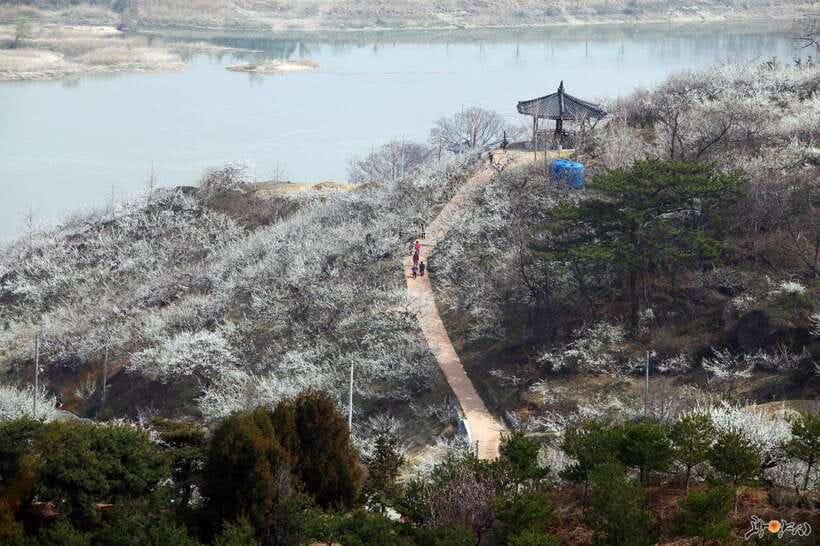
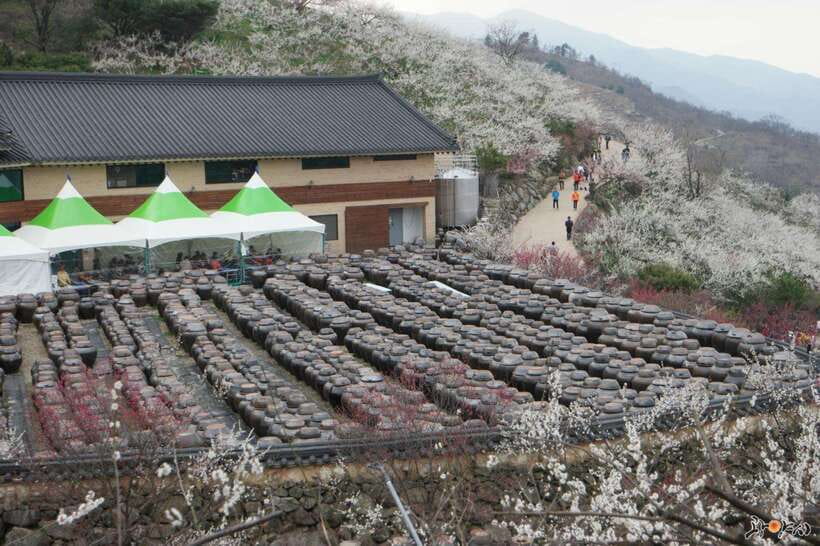
Gwangyang Maehwa Plum Village is the opening act for a reason. This is where the tour leans into spring variety: maehwa (plum) flowers are said to be in full bloom at the beginning of spring, creating a scene that feels like white snow across the village.
What you’ll like here is the contrast. Instead of cherry blossoms that can look delicate and fleeting, the maehwa effect is broader and more atmospheric—especially with the nearby Seomjin River. If you’re a photographer, this is your “set the baseline” stop: you’ll likely spend time walking and framing views without needing steep hills.
Possible drawback: because this is a season-dependent bloom experience, your results can vary. If timing is slightly off, you might still get a beautiful village and river walk, just with less of that peak coverage.
Donghaksa Temple Cherry Blossom Framing: Old Stone + New Petals
After the plum-village start, the tour shifts tone at Donghaksa Temple. The standout promise here is that cherry blossoms frame an ancient temple, giving you a classic Korea spring look: old stone structures with fresh spring color layered over them.
This is also a good “slow your pace” stop. Temples usually mean you’re not just rushing to one viewpoint. You’ll get a chance to experience the space, observe how the blossoms change the mood, and still take photos without feeling like you’re competing for a single angle.
If you’re the kind of traveler who likes small storytelling moments, this is where the day becomes more than a checklist. The setting makes blossoms feel meaningful instead of just pretty.
Maisan Mountain Cherry Blossoms: Twin-Peak Backdrops
Next up is Maisan Mountain Cherry Blossom scenery, specifically with Maisan’s unique twin peaks in the background. That’s the kind of detail that matters because it changes what your photos look like: you’re not only capturing branches and petals—you’re capturing scale.
This stop is best when you’re comfortable with modest walking. The tour overall includes about 1–2 hours of walking, so think of Maisan as a “get your legs moving for views” moment rather than a full-on climb.
Potential consideration: if cherry blossoms are past their best, mountain blossom timing can be less dramatic. Still, the mountain-and-peak framing is the draw, so even in imperfect bloom conditions you’ll likely get a satisfying viewpoint.


Yeongrangho Lake: An Easy Stroll With Big Photo Payoff
Then you move to Yeongrangho Cherry Blossom, described as a lake-shore stroll lined with cherry trees in full bloom. I like stops like this because they tend to be photo-friendly without demanding hiking stamina.
You can treat it like a relaxed walk: pause for shots, look for reflections if conditions allow, and just enjoy the feel of spring moving at a slower speed. For people who prefer scenery with less exertion, this is often the most comfortable “blossom focus” segment of the day.
If you’re traveling with someone who doesn’t want intense hiking, Yeongrangho is a great compromise. You get blossoms as the theme, but you don’t have to race uphill to enjoy the views.
Seoraksan National Park: The Hike Portion That Changes the Day
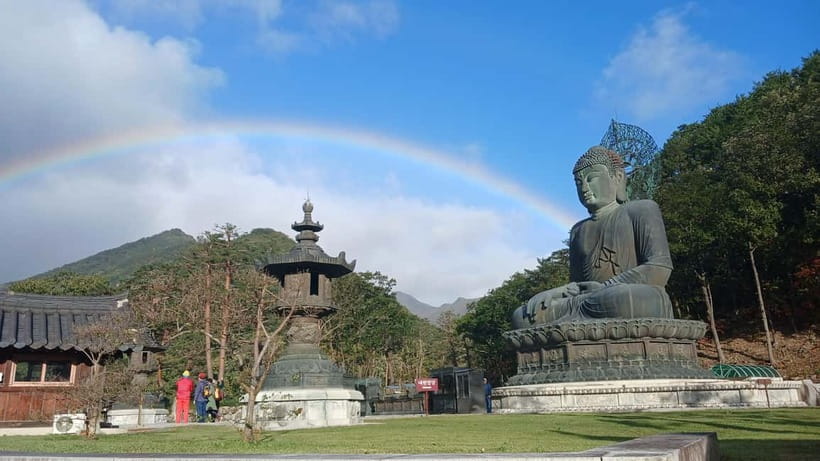
The tour includes Seoraksan National Park exploration, with hiking trails described as suitable for various fitness levels. This matters because Seoraksan is a place where the experience isn’t only about the blossoms. It’s about the feel of being in a major national park—fresh air, changing views, and a sense of scale.
The tour also highlights diverse flora, so even if flowers aren’t at peak intensity for every stop, the park experience still has value. This is the chapter where the tour turns from “spring sightseeing” into “spring nature.”
Practical tip: bring layers. Korean spring weather can shift fast, and a day that includes both walking and long transit can feel warmer or cooler depending on where you are.
Jeonju Hanok Village on the Way Back: Culture, Food Stops, and Hanbok
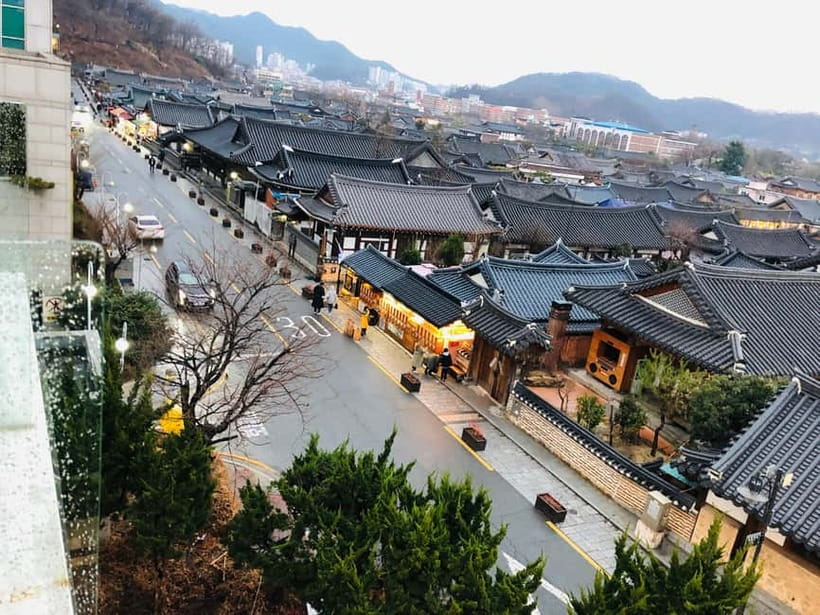
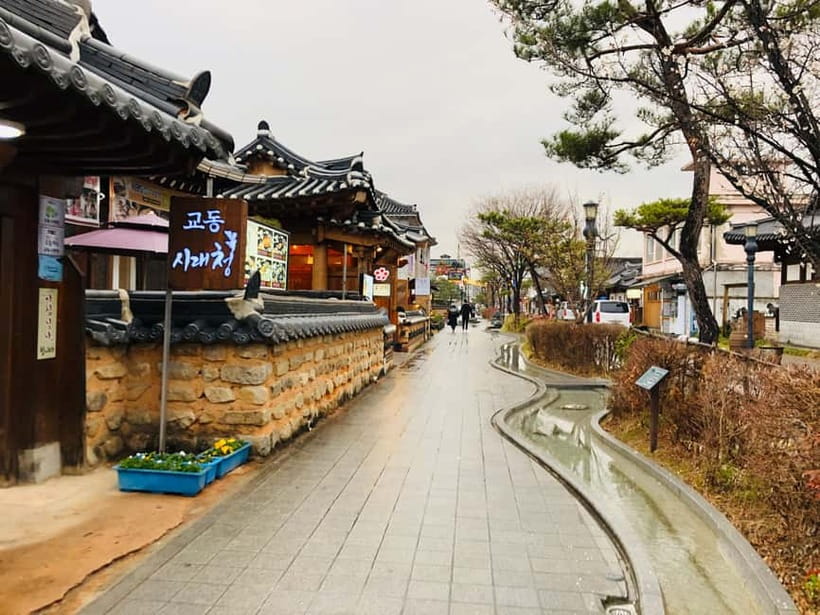
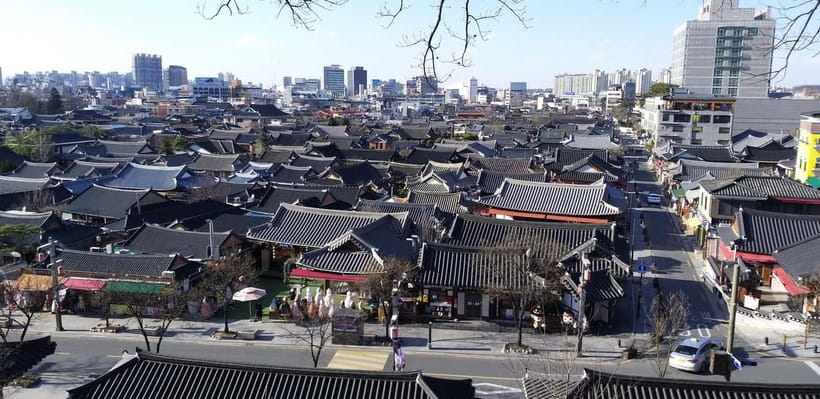
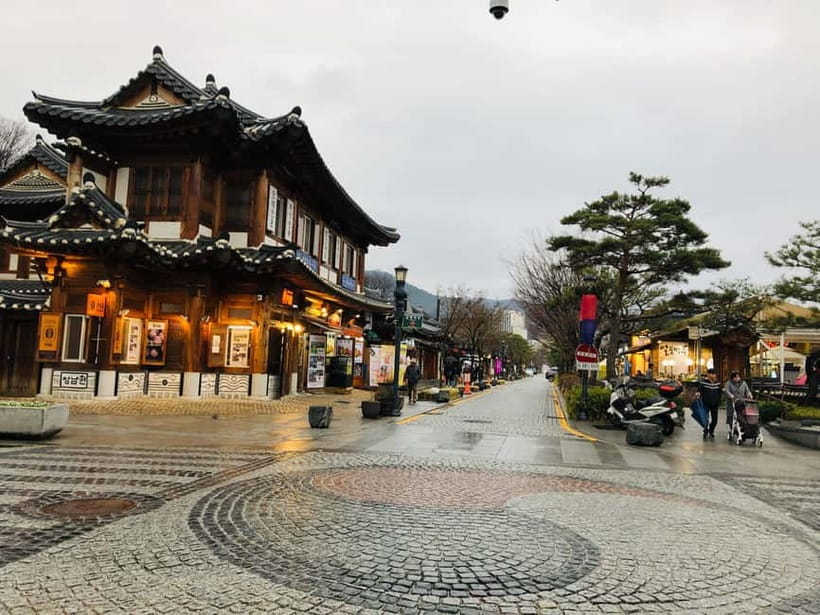
The last big highlight is Jeonju Hanok Village, positioned as a must-visit stop on the return toward Seoul. This is where the day becomes distinctly Korean in a different way: not just blossoms, but daily-life heritage.
The village is said to have over 800 traditional Korean houses (hanok). That number is the point—this is not a small, curated cluster. It’s a whole neighborhood feel, with streets that reward slow wandering rather than sprinting between set points.
You can also try hanbok and snack time here. One past review specifically noted that the guide helped with recommendations for food and what to do in the village, and the group even added extra sights like a liquor museum during the hanok wandering time.
Two details I’d emphasize: first, this stop is often what keeps the day satisfying if blossoms aren’t perfect. Second, guides like Andrew have been described as helpful with not just plans but also photos—so if you want clean portraits without awkward instructions, this can be a real advantage.
Price and Value: $66 for a 16-Hour Blossom + Culture Plan
Let’s talk value in plain terms. $66 for up to 16 hours with round-trip transportation is usually only a good deal if most of the time actually feels used. Here, the value comes from a combination: transport + guide + entrance ticket coverage for Gwangyang and Jeonju.
That means you’re not paying extra for every single stop while you’re stuck coordinating routes. And you’re not spending your day making your own timing calls between far-apart areas.
What’s not included is food and drinks, so budget for meals out of pocket. That’s normal for day tours, but it’s still the one “hidden cost” you should plan for. If you’re the type who needs snacks to keep energy up, pack light snacks if allowed by your comfort level—or plan cash for small bites.
The Real Schedule Reality: Long Day, Managed Pace, Some Walking
Even though the tour is long, it’s not just a full march from one place to the next. The provided info says there’s walking for about 1–2 hours, which suggests most stops are balanced with transit and time to explore.
So how should you behave?
- Wear comfortable shoes and expect uneven outdoor surfaces.
- Plan for photo-time. Blossom stops are all about pausing.
- Bring a small layer for morning/evening temperature swings.
If you like a relaxed pace, that can be part of why people rate this tour highly. One review highlighted that the trip was lovely and relaxed with free time to enjoy the route.
Who This Tour Is Best For (and Who Might Prefer Something Else)
This is a strong fit if you want:
- a one-day spring plan without transit headaches from Seoul
- a mix of blossoms and culture, not just one type of sightseeing
- a guided day where someone handles the flow
It’s also a solid option for people who like photography but don’t want to spend the whole day “figuring out logistics.” Past experiences credited guides with helping with recommendations and even pictures, which is exactly what makes a day tour smoother.
You might skip this specific tour if:
- you need guaranteed peak blooms at every single stop (timing can shift)
- you dislike long transit days (16 hours is a commitment)
- you don’t want to pay for meals separately since food and drinks aren’t included
Should You Book This Seoul Spring Cherry Blossom Day Tour?
I’d book this if you’re excited by the idea of a spring route with variety: maehwa in Gwangyang, cherry blossoms at temples and lake shores, a national park hike, and then Jeonju’s hanok neighborhood on the return. The price feels fair for what’s included, and Jeonju acts like the safety net when blossom timing isn’t perfect.
But if your priority is only one thing—like cherry blossoms at peak every single stop—then double-check your option and set expectations. This tour delivers more when you’re willing to enjoy the day as a whole, not just one bloom moment.
If you go in prepared, comfortable shoes on, camera ready, and an open mind for the culture in Jeonju, this becomes a memorable spring day rather than just a long bus ride.
FAQ
How long is the tour?
The duration is listed as 750 minutes to 16 hours.
Is this tour a round trip from Seoul?
Yes. It includes roundtrip transportation between Seoul and the tour stops.
How much walking should I expect?
There is walking for about 1 to 2 hours during the tour.
Are food and drinks included?
No. Food and drinks are not included.
What’s included in the ticketing and entry?
Roundtrip transportation and a driver/guide are included, along with entrance ticket coverage for Gwangyang and Jeonju.
Which blossom destinations are included?
The highlights include Gwangyang Maehwa Village, Donghaksa Temple cherry blossoms, Maisan Mountain cherry blossoms, Yeongrangho cherry blossoms, and also time around Seoraksan National Park. Jeonju Hanok Village is included as well.
Does the tour always visit the exact same places?
The information notes that main destinations vary depending on which option you choose, so it’s important to check your option carefully before booking.
Where do I meet the group?
The meeting point may vary depending on the option you booked.
Is there free cancellation?
Yes. You can cancel up to 24 hours in advance for a full refund.
Do guides help with more than just driving?
Guides are described as helpful with recommendations for food and activities in Jeonju, and at least some tours mention help with taking pictures.