REVIEW · GANGNAM TOURS
Gangnam Walking Tour on Youth and Society in Seoul Korea
Book on Viator →Operated by SeoulDude's Walking tours · Bookable on Viator
Gangnam can look shiny from far away. This walk turns it into a real-life class on what young people face in modern Seoul. I love the small group size (max 15), and I love how the guide uses everyday Gangnam scenes to talk about serious stuff like cram schools, beauty industry pressures, and love motels. One heads-up: it’s not a classic sightseeing loop, so if you want only scenic photos, you’ll feel a bit challenged.
The format works best when you’re curious and willing to ask questions. Expect a lot of walking, plus strong social themes—from housing stress to suicide at the Han River—so it’s mentally heavier than your average neighborhood stroll.
In This Review
- Key Points Before You Go
- Gangnam as a Classroom for Youth Pressure and Self-Image
- Price and Value: Why $31.98 Feels Fair Here
- Meeting Point and the 10:30 Start That Shapes Your Day
- Stop-by-Stop: Five Gangnam Scenes With Real Social Meaning
- Stop 1: 강남역사거리 (Gangnam Station Square Area)
- Stop 2: 호텔시애틀 (Love Hotel District)
- Stop 3: Gangnam Daeseong Cram School
- Stop 4: Sinsa-dong (Plastic Surgery Area)
- Stop 5: Hangang Park Playground (Han River)
- The Serious Topics: Beauty, School, Love, Suicide, and Housing Stress
- Guides June and Jessica: Storytelling That Keeps You Engaged
- What You’ll Actually Do: Walk, Learn, Ask Questions
- Weather and Walking Reality in Seoul
- Who Should Book This Gangnam Youth and Society Walk
- Should You Book This Gangnam Youth and Society Tour?
- FAQ
- How long is the Gangnam Walking Tour on Youth and Society?
- What’s the group size limit?
- What time does the tour start?
- Where do I meet the guide, and where does the tour end?
- Is there a mobile ticket?
- What topics are covered during the walk?
- What is included in the price?
- Is transportation included?
- What if the weather is poor?
- Do I get a refund if I cancel?
Key Points Before You Go
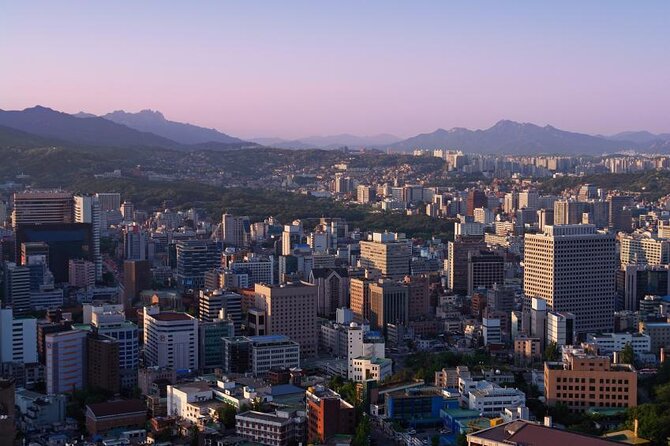
- A maximum of 15 people means you get room to ask questions and actually hear the stories.
- Mobile ticket setup keeps things simple at check-in.
- Gangnam as the classroom: each stop ties a street scene to a youth-and-society theme.
- Five focused stops over ~2.5 hours gives you structure without turning it into a long slog.
- You’ll ride the subway once (a small extra fee applies), and the rest is on foot.
Gangnam as a Classroom for Youth Pressure and Self-Image
This isn’t a tour that tries to sell you Gangnam as just luxury and K-pop. It uses Gangnam’s landscape—its education machine, beauty storefronts, and relationship culture—to explain how economic success can come with personal pressure.
What I like most is the way the tour doesn’t separate “history” from “today.” It treats the neighborhood’s development as context for why young Koreans can feel boxed in. You start in Gangnam’s growth story, then move through places tied to school competition, appearance standards, and dating/marriage expectations.
And yes, the topics can be uncomfortable. The point is balance: the city’s wins and the human costs are both on the schedule. If you can handle straight talk, this tour gives you a Seoul that most short stays never touch.
You can also read our reviews of more walking tours in Seoul

Price and Value: Why $31.98 Feels Fair Here

At $31.98 per person for a 2 hours 30 minutes walk, you’re paying for a guide-driven, topic-heavy route—not museum time or major paid entrances. Most stops are free to enter, and the tour’s structure keeps you from wandering aimlessly on your own.
Here’s the real value math: you’re getting a guided explanation of youth pressure through real locations you’d likely pass without understanding their meaning. The included item list is short (gratuities only), but the route itself is designed to teach without you paying for attractions.
The one cost you should plan for: the tour notes a subway fee of 1,800 won since there’s one subway ride during the walking route. That’s not a deal-breaker, but it’s worth budgeting so you’re not surprised halfway through.
Meeting Point and the 10:30 Start That Shapes Your Day
The tour starts at 10:30 am at 820-10 Yeoksam-dong, Gangnam District, Seoul. You’ll end at Apgujeong Station Exit 4, and the finish is at Han River Park (so your last stretch is timed around that riverside area).
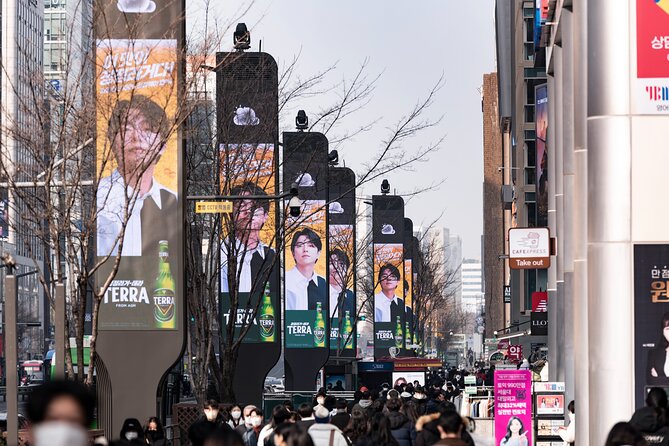
Starting earlier in the day matters. Gangnam can get loud and busy, and a morning start helps you stay focused on the guide’s storytelling instead of fighting the clock. Also, the tour is marked as near public transportation, which is exactly what you want for a route like this—one where you’ll likely hop around by subway just once.
If you hate being late, this is your friend. The tour moves on a schedule, and it’s built around a sequence of stops.
Stop-by-Stop: Five Gangnam Scenes With Real Social Meaning
This route is compact and deliberate. You’ll move through five main stops, each with a clear theme, then finish at the river. Here’s what each stop is doing for your understanding.
Stop 1: 강남역사거리 (Gangnam Station Square Area)
You begin in a spot tied to Gangnam’s development story. The tour frames Gangnam as one of South Korea’s most developed and wealth-focused areas, then connects that to how young people deal with pressures like housing problems and the neighborhood’s growth over time.
This first stop is important because it sets the tone. You’re not just learning “what exists.” You’re learning why it exists, and why it might feel harder for younger generations than for people who built their lives earlier.





Stop 2: 호텔시애틀 (Love Hotel District)
Next comes a love hotel area, and the tour uses it as a way to talk about relationship culture in South Korea. This is one of those topics where the meaning isn’t obvious from street level, so having a guide frame it helps.
I like that the tour doesn’t treat dating as a pop-culture fantasy. It treats it as a social system shaped by money, privacy norms, and everyday reality. If you’re even slightly curious about how people manage romance and intimacy in a place like Seoul, this stop gives you vocabulary.
Stop 3: Gangnam Daeseong Cram School
Then you hit the education pressure machine: a famous private institute tied to cram school culture. The tour connects what you see to education systems and even how school competition relates to birthrate concerns—big themes, tied to something very concrete on the ground.
This stop is usually where people go quiet, because you can feel how competition becomes a lifestyle. The lesson here is that youth pressure isn’t only a personal feeling. It’s built into systems—schools, schedules, expectations.
Stop 4: Sinsa-dong (Plastic Surgery Area)
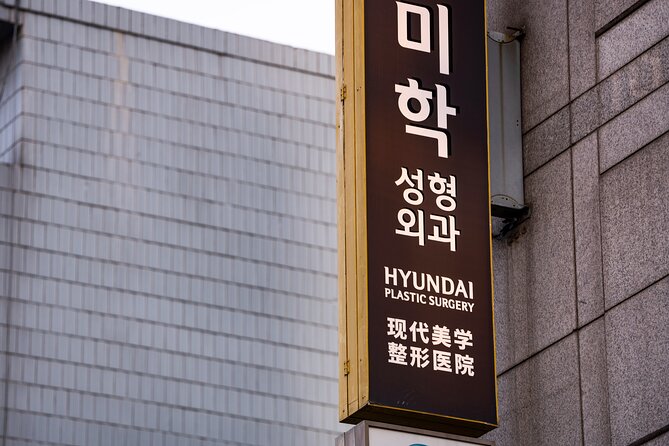
Sinsa-dong is presented as a leading area for plastic surgeries. The tour uses that to talk about beauty culture and lookism—how appearance standards can become a serious part of social survival.
You’ll probably understand the topic faster if you watch what changes around you: clinics, advertising styles, and the overall feel of how “improvement” is sold. The tour’s goal isn’t shock. It’s explanation.
Stop 5: Hangang Park Playground (Han River)
The final stop moves you to the Han River playground area. The tour frames the Han River as a symbol connected to development and suicide, and it ties those themes to the broader story of pressure and coping.
This ending choice works because it shifts the tone. Instead of ending in another commercial street, you end near a place many people associate with both relief and risk. It’s not a cheerful wrap-up—but it gives the walk weight.
The Serious Topics: Beauty, School, Love, Suicide, and Housing Stress
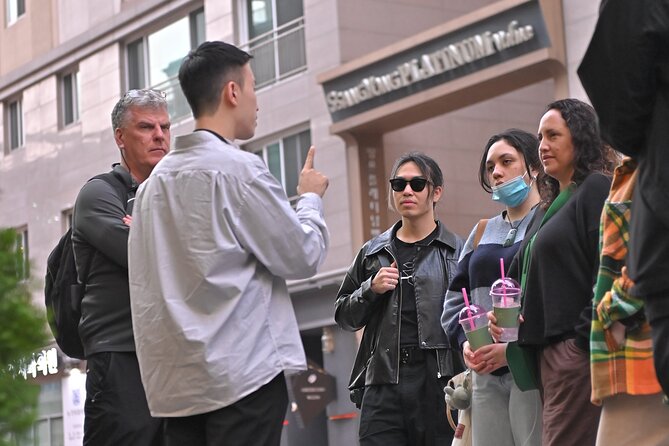
The topics on this tour are heavy by design: beauty industry pressures, cram school culture, dating and love motel norms, and the link between economic achievement and personal stress. That’s the heart of the experience: using Gangnam as the setting for how modern Korean society shapes young people’s choices.
One reason this feels valuable is that it’s not stuck in theory. You’re shown locations that help the social themes feel grounded. When a guide explains how lookism and education culture connect to daily life, you can see why the streets match the stories.
Just know your comfort level. If you prefer light themes only, you may find the emotional range demanding. If you want the full picture—sunshine and shadow—this tour is built for that.
Guides June and Jessica: Storytelling That Keeps You Engaged
The tour is run by SeoulDude’s Walking tours, and the guide names that show up repeatedly are June and Jessica. Both come across as story-led, not lecture-only.
June is described as loving history and sharing clear context about Seoul’s development over decades. You’ll also hear him connect youth topics—education, dating, marriage, birth rates, plastic surgery, and lookism—to that longer timeline, which makes it easier to understand why youth pressure didn’t just appear overnight.
Jessica is described as friendly and relatable, and importantly, as someone who can keep things moving when conditions change. One review note specifically mentions rainy weather, and the guide still modified the tour while keeping the main information on track. That’s a real plus for a walking format in Seoul.
If you get either guide, you’re likely to get calm, structured explanations with room for questions—exactly what you want when the topics are sensitive.
What You’ll Actually Do: Walk, Learn, Ask Questions

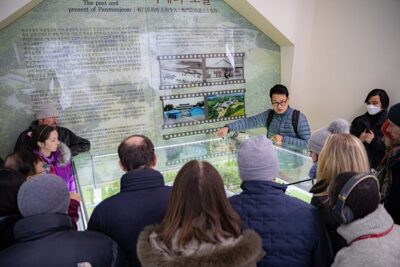
This is structured like a guided walk with explanations at each stop. The itinerary is built around short stop durations—roughly 10 to 20 minutes each—so the tour keeps momentum instead of getting stuck in one place too long.
The max group size of 15 matters here. It helps you hear the guide without shouting, and it makes questions easier to answer. If you like interactive travel, this format is a good fit.
You should still prepare for movement. The tour is 2.5 hours on foot with one subway transfer, so comfortable shoes aren’t optional.
Weather and Walking Reality in Seoul
This experience requires good weather. If poor weather cancels it, you’ll be offered a different date or a full refund. That’s smart for a daytime walking route.
Rain happens in Seoul, but you don’t want to guess day-of. If your schedule is tight, it can be worth choosing a day with a decent forecast and keeping a flexible backup plan in mind.
Who Should Book This Gangnam Youth and Society Walk
This tour fits you if:
- You want a Gangnam experience with meaning, not just photos.
- You’re curious about how education pressure, beauty culture, and relationship norms affect young people.
- You like guided context that ties neighborhood change to social change.
It may not fit you if:
- You’re only looking for classic sightseeing.
- You prefer light content and avoid topics like suicide or intense societal pressures.
- You want lots of unique “wow” sights rather than a guided explanation-driven walk.
Should You Book This Gangnam Youth and Society Tour?
I think you should book it if you want Seoul beyond the usual highlight reel. For the money, it’s a strong deal: you get a tightly run 2.5-hour route, free-entry stops, and a guide who connects what you see to why it matters for younger generations.
If you go in expecting a scenic tour, you’ll feel mismatch. If you go in ready for a thoughtful, sometimes uncomfortable look at modern Korea, this walk can change how you read Gangnam for the rest of your trip.
FAQ
How long is the Gangnam Walking Tour on Youth and Society?
It’s about 2 hours 30 minutes.
What’s the group size limit?
The tour has a maximum of 15 travelers.
What time does the tour start?
The start time is 10:30 am.
Where do I meet the guide, and where does the tour end?
You meet at 820-10 Yeoksam-dong, Gangnam District, Seoul. The tour finishes at Han River Park, with the closest station being Apgujeong Station Exit 4.
Is there a mobile ticket?
Yes, it’s listed as a mobile ticket.
What topics are covered during the walk?
The tour focuses on youth and society in Gangnam, including the beauty industry, cram schools, love motels, and related pressures in modern Korean life.
What is included in the price?
Gratuities are included.
Is transportation included?
Transportation is not fully included. The tour notes a subway fee of 1,800 won, and there is one subway ride during the tour.
What if the weather is poor?
The experience requires good weather. If it’s canceled due to poor weather, you’ll be offered a different date or a full refund.
Do I get a refund if I cancel?
Cancellation is free up to 24 hours in advance of the experience’s start time for a full refund. Less than 24 hours before start time is not refundable.