REVIEW · DMZ TOURS
[Private] DMZ & Imjingak Peace Gondola Experience Inter-Korean War
Book on Viator →Operated by Cosmojin Agency · Bookable on Viator
War-scarred rivers set the tone fast. This is the kind of Seoul tour where security lines, ID checks, and North-facing viewpoints make the division feel real, not abstract. I like that the day is led by strong English-speaking guides such as JJ and Jackie, and I like how the route strings together major stops like Dora Observatory and the Imjingak gondola for a full “see it all” perspective.
What you really get is a guided circuit that balances dramatic viewpoints with quiet, human details. The Imjingak area also includes multilingual exhibits, and one account highlights a heartbreaking letter displayed there, written before death.
One drawback to plan for: the DMZ schedule is sensitive. If weather is poor (fog can blunt the views) or if there’s an unannounced military training/event, your route can be swapped, and you may also face long waits when buses get organized.
In This Review
- Key things that make this DMZ + Imjingak day worth your time
- Entering the DMZ circuit from Seoul: the early start and the 8–10 hour rhythm
- What the DMZ day includes before you even get to the tunnel
- The 3rd Infiltration Tunnel: the stop that requires real effort
- Dora Observatory and Dorasan Station: looking north and learning what you’re seeing
- Imjingak Peace Park: the broken rail bridge and the unification feeling
- Riding the Imjingak gondola: views, multilingual exhibits, and Camp Greaves
- Lunch stop, Amethyst/Ginseng center, and how to handle extra spending
- When the plan changes: DMZ training/events and the alternate route
- The value question: is $195 fair for this kind of access?
- Who should book this DMZ + Imjingak gondola day (and who should think twice)
- Should you book? My practical call
- FAQ
- How long is the DMZ and Imjingak Peace Gondola experience?
- What’s included in the $195 price?
- Do I need a passport for this tour?
- Is the 3rd Infiltration Tunnel difficult?
- What should I wear or bring?
- Where do the tour activities start and end?
- Will the tour include Dora Observatory and views toward North Korea?
- What happens if the DMZ schedule is changed due to military training or an official event?
- Can I cancel for a full refund?
Key things that make this DMZ + Imjingak day worth your time
![[Private] DMZ & Imjingak Peace Gondola Experience Inter-Korean War - Key things that make this DMZ + Imjingak day worth your time](https://1.visitseoulkorea.com/wp-content/uploads/private-dmz-imjingak-peace-gondola-experience-inter-korean-war-1.jpg)
- Dora Observatory and North Korea views: You’re taken to a spot designed for looking across the border line.
- The steep 3rd Infiltration Tunnel: It’s physically demanding and requires leaning forward.
- Imjingak gondola with Camp Greaves: You get aerial views and a link to Korean drama filming.
- Unification Bridge and broken rail memories: The Gyeongui Line bridge left broken for decades gives context fast.
- ID check and DMZ theater/exhibits: The day isn’t only outdoor sightseeing.
- English guide quality matters here: Guides like JJ and Jackie are specifically praised for engagement and patience.
Entering the DMZ circuit from Seoul: the early start and the 8–10 hour rhythm
This is a long morning-to-afternoon plan, typically running about 8 to 10 hours. You start from the President Hotel area at 7:00 am, and you’ll end around Myeong-dong. That timing matters because DMZ travel is heavily structured, and you want to arrive ready to follow rules without rushing.
From the start, you’re in “authorized route” mode. You’ll travel by air-conditioned vehicle to the DMZ area, then move via the official bus system, which also comes with photo/time regulations. If you like flexibility, this won’t be your tour. If you like order and clear guidance, you’ll be happy.
Group size is capped at 99, so it’s not just you and your guide. Still, compared with huge-city bus tours, it feels more contained—especially because everyone is funneling through security and the same set of stops.
You can also read our reviews of more private tours in Seoul

What the DMZ day includes before you even get to the tunnel
![[Private] DMZ & Imjingak Peace Gondola Experience Inter-Korean War - What the DMZ day includes before you even get to the tunnel](https://1.visitseoulkorea.com/wp-content/uploads/private-dmz-imjingak-peace-gondola-experience-inter-korean-war-2.jpg)
A lot of tours sell the tunnel, but the real groundwork starts earlier. The route includes the walk-through of the Unification Bridge area and a formal ID check, then time at the DMZ theater and exhibition hall. This is where the day stops being “scenery” and becomes interpretation: what you’re seeing later is tied to the logic of the conflict.
Then the tour moves into major physical landmarks. You’re not just taking photos for bragging rights; you’re being placed at the key nodes the DMZ is known for. That matters because the DMZ can feel confusing if you arrive with only general knowledge. With a guide who can connect the dots, the morning reads like a story instead of a list.
The 3rd Infiltration Tunnel: the stop that requires real effort
![[Private] DMZ & Imjingak Peace Gondola Experience Inter-Korean War - The 3rd Infiltration Tunnel: the stop that requires real effort](https://1.visitseoulkorea.com/wp-content/uploads/private-dmz-imjingak-peace-gondola-experience-inter-korean-war.jpg)
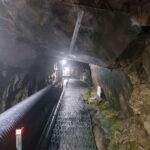
If you want one reason this tour gets picked again and again, it’s the 3rd Infiltration Tunnel. It’s steep, it requires physical effort, and it specifically involves leaning forward. If you’re someone who hates cramped spaces or struggles with stairs/slopes, take that seriously before you book.
This tunnel is also where the day’s emotional tone sharpens. The DMZ is often discussed as a concept of peace, but tunnels and infiltration planning are about war mechanics. You’ll feel that shift as soon as the tour becomes less about standing and more about moving through the site.
Practical tip: bring the right footwear. Sneakers are required, and that’s not just for show. You’ll be moving on structured paths under time limits, so comfort and grip are your best friends.
Dora Observatory and Dorasan Station: looking north and learning what you’re seeing
![[Private] DMZ & Imjingak Peace Gondola Experience Inter-Korean War - Dora Observatory and Dorasan Station: looking north and learning what you’re seeing](https://1.visitseoulkorea.com/wp-content/uploads/private-dmz-imjingak-peace-gondola-experience-inter-korean-war-4.jpg)
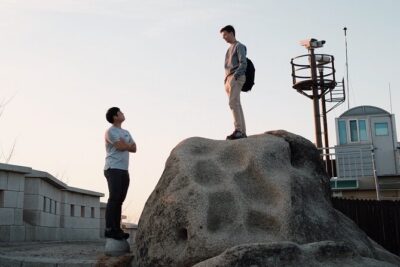
After the tunnel, you’ll go to the Dora Observatory, a key viewpoint where you can see North Korea. This is the kind of stop that sounds simple until you’re there—because the value isn’t only the view. It’s the way the surrounding explanations make the distance feel meaningful.
One practical reality: weather can change the whole mood. On foggy days, the view can become less dramatic, and that impacts your experience at the observatory. If you’re the type who hates uncertainty, you’ll want a flexible mindset when you book.
You’ll also visit Dorasan Station, described in the materials as part of the future-facing “wish for unification.” Stations are powerful because they’re about movement—people and trains, not just borders. Even if you know the political context, standing at a rail station in this setting gives it a different weight.
Imjingak Peace Park: the broken rail bridge and the unification feeling
![[Private] DMZ & Imjingak Peace Gondola Experience Inter-Korean War - Imjingak Peace Park: the broken rail bridge and the unification feeling](https://1.visitseoulkorea.com/wp-content/uploads/private-dmz-imjingak-peace-gondola-experience-inter-korean-war-5.jpg)
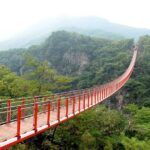
The tour shifts to Imjingak Resort / Imjingak Peace Park, where you’ll see the Dokgae Bridge area. The northbound line of the railroad bridge over the Imjingang River has been left broken for nearly 70 years. That one fact hits hard because it turns history into a physical object you can point to: a route that was meant to connect, then stopped.
There’s also Imjingak Pavilion in the broader area, built in 1972, known for a panoramic view. Even if you already understand the basics of the Korean Peninsula, places like this help you understand why locals remember and why visitors feel the tension.
Riding the Imjingak gondola: views, multilingual exhibits, and Camp Greaves
![[Private] DMZ & Imjingak Peace Gondola Experience Inter-Korean War - Riding the Imjingak gondola: views, multilingual exhibits, and Camp Greaves](https://1.visitseoulkorea.com/wp-content/uploads/private-dmz-imjingak-peace-gondola-experience-inter-korean-war-6.jpg)
The star “different from other DMZ tours” moment is the Imjingak gondola. The gondola ride gives you a different angle on the same tension-filled space—elevated, moving, and easier to take in as a whole.
Along the ride and at the area, you can see Camp Greaves, a filming location for Descendants of the Sun. The description also ties the camp to the 506th Regiment, noting that main characters from Band of Brothers and Saving Private Ryan were stationed in Korea in those stories. Whether you care about the pop-culture connection or not, it helps you visualize how the DMZ zone has been interpreted in media over time.
One of the best practical surprises: exhibits here are shown in multiple languages, including English, Japanese, and Chinese. One account specifically mentions a letter written by a young man to his mother before dying—one of those details that makes the whole “peace zone” idea feel painfully human.
Lunch stop, Amethyst/Ginseng center, and how to handle extra spending
![[Private] DMZ & Imjingak Peace Gondola Experience Inter-Korean War - Lunch stop, Amethyst/Ginseng center, and how to handle extra spending](https://1.visitseoulkorea.com/wp-content/uploads/private-dmz-imjingak-peace-gondola-experience-inter-korean-war-7.jpg)
The day includes a lunch stop, and it also includes a visit to an Amethyst or Ginseng Center. Your tour price covers DMZ and gondola admission fees, plus the guide and vehicle, but your own spending isn’t included—so plan to keep cash/card for meals and any purchases.
This matters for value. A $195 day can feel steep if you expect everything to be fully covered. But here, the core admissions and the guided DMZ access are the real expensive part. The additional centers and shopping stops are the “optional” friction: useful if you want shopping or cultural context, distracting if you’re travel-light.
If you’re trying to keep costs down, decide what you want from those stops before you’re standing inside them. Then you can enjoy the schedule without getting pressured by impulse buying.
When the plan changes: DMZ training/events and the alternate route
![[Private] DMZ & Imjingak Peace Gondola Experience Inter-Korean War - When the plan changes: DMZ training/events and the alternate route](https://1.visitseoulkorea.com/wp-content/uploads/private-dmz-imjingak-peace-gondola-experience-inter-korean-war-8.jpg)
One important thing about the DMZ: it’s not a theme park. If there’s an unannounced military training or an official event, the DMZ route can be replaced. In that case, the day may shift to Tomorrow’s Whistle, Bunker Beat 131, Odusan Unification Tower, and the War memorial of Korea.
This is a consideration, not a deal-breaker. I’d treat it like you’re booking a “DMZ and unification area experience,” not a guaranteed list of identical stops. If you’re okay with that, you’ll still get a meaningful day even when the DMZ itself can’t be accessed in the original way.
The value question: is $195 fair for this kind of access?
$195 per person for an 8–10 hour Seoul day that includes English guidance, air-conditioned transport, and admission fees for the DMZ and gondola is not a bargain—but it is not random pricing either. DMZ access is regulated and logistically heavy, and your guide also handles the translation of security rules and what each site is meant to represent.
Where you get good value is in coverage. This isn’t just one viewpoint. You’re moving through multiple high-signal locations: tunnel, observatory, station, peace-park bridges, and the gondola ride. If you’re traveling without a deep Korean War background, the guidance component becomes part of the “ticket cost.”
Where you may feel less value is in comfort expectations. You’re in structured time windows, and on some days you can spend time waiting for bus organization at DMZ points. Also, because weather affects what you can see at key lookouts, your results can vary. If you’re viewing only for scenic photos, you’ll likely feel more frustration.
Who should book this DMZ + Imjingak gondola day (and who should think twice)
This tour fits you if:
- you want a guided Seoul DMZ day with major stops in one run,
- you’re okay with rules and security checks,
- you can handle a physically demanding tunnel (good footwear and decent stamina),
- you value interpretation as much as photos.
Think twice if:
- you hate schedule uncertainty,
- you have mobility concerns with steep, confined sections,
- you’re expecting a leisurely sightseeing loop with lots of free roaming.
Also, this is a passport-required experience. Plan ahead so you don’t get caught out on the day.
Should you book? My practical call
Book it if you want one day in Seoul that actually explains the Peninsula through the places where the conflict is staged—tunnel, observatory, station, and peace-park reminders, then the gondola ride that shifts the angle and adds poignant exhibits.
Skip—or at least reconsider—if you’re primarily photo-focused and likely to be upset by fog, waits, or route changes. The experience is real and structured. It rewards patience.
If you do book, wear sneakers, bring your passport, and go in ready for a day that feels serious. You’ll come away with a clearer sense of what division looks like from ground level.
FAQ
How long is the DMZ and Imjingak Peace Gondola experience?
It runs about 8 to 10 hours, including multiple stops and a lunch break.
What’s included in the $195 price?
The price includes an air-conditioned vehicle, an English tour guide, and admission fees for the DMZ and the Imjingak gondola.
Do I need a passport for this tour?
Yes. A current valid passport is required on the day of travel.
Is the 3rd Infiltration Tunnel difficult?
It is quite steep and requires good physical condition. You also need to lean forward while going through it.
What should I wear or bring?
Sneakers are required for safety. You should also be ready for walking on structured routes and for security-area rules.
Where do the tour activities start and end?
It starts at the President Hotel area in central Seoul (near Euljiro 1-ga Subway Station Exit 8) at 7:00 am and ends in Myeong-dong.
Will the tour include Dora Observatory and views toward North Korea?
Yes. The route includes Dora Observatory, where you can see North Korea.
What happens if the DMZ schedule is changed due to military training or an official event?
If that happens, the DMZ portion can be replaced with an alternate program that may include Tomorrow’s Whistle, Bunker Beat 131, Odusan Unification Tower, and the War memorial of Korea.
Can I cancel for a full refund?
Yes. You can cancel up to 24 hours in advance for a full refund. Weather can also affect operation, and if canceled for poor weather you’re offered a different date or a full refund.