REVIEW · GYEONGBOKGUNG PALACE & HANBOK TOURS
Best Walking Tour to Gyeongbok Palace Bukchon Hanok Village
Book on Viator →Operated by Korealinx Corporation · Bookable on Viator
Seoul feels huge until you do it with a plan. This 3-hour walking tour takes you straight into Joseon-era sights at Gyeongbokgung Palace, then threads you toward Bukchon Hanok Village with a guide who keeps the story clear and human. I like that the pace is built for a first day in town, with a maximum of 8 people and entrance fees handled for you.
Two things I really like: you get the dramatic Royal guard changing ceremony at Gyeongbokgung Palace, and you also get structured context through stops like the King Sejong Statue so the palace doesn’t feel like random pretty buildings. One thing to think about: it is still a walking tour with steps and some uphill in Bukchon, so moderate fitness matters.
In This Review
- Quick Reasons This Tour Works So Well
- A First-Timer’s Seoul Route: Palaces, Then Hanok Streets
- Meeting Point to Insadong Finish: Simple, Walkable Flow
- Gyeongbokgung Palace: Guard Ceremony and Palace-Architecture Details
- King Sejong Statue Stop: A Shortcut to Joseon Context
- National Folk Museum of Korea: 98,000 Artifacts, Focused Visit
- Walking Between Palaces: Why the Route Matters
- Bukchon Hanok Village: Inside Views and the Feel of Past Daily Life
- Price and Value: What $88 Buys You in Real Terms
- Guide Quality: The Difference Between a Good Tour and a Great One
- What to Wear and Bring for Comfortable Walking
- Who Should Book This (and Who Should Skip It)
- Should You Book This Gyeongbokgung Palace and Bukchon Walking Tour?
- FAQ
- How long is the tour?
- How much does the tour cost?
- What’s included in the price?
- Does the tour include Gyeongbokgung Palace entry?
- Is a museum visit part of the experience?
- Where does the tour start and end?
- How large is the group?
- Is it okay if I’m not very mobile?
- What if the weather is bad or I need to cancel?
Quick Reasons This Tour Works So Well
- Small-group size (up to 8) keeps questions from getting lost.
- All entrance fees included, so you can focus on the sights instead of budgeting on the fly.
- Royal guard changing ceremony at Gyeongbokgung gives a memorable anchor moment.
- National Folk Museum of Korea adds depth without turning the day into a museum marathon.
- Bukchon Hanok Village house peeks help you picture daily life, not just royal power.
- Ends in Insadong, handy for continuing your day in one of Seoul’s most walkable neighborhoods.
A First-Timer’s Seoul Route: Palaces, Then Hanok Streets
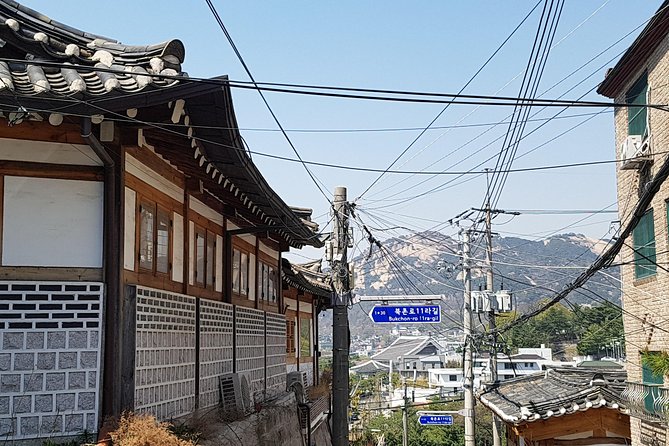
If this is your first trip to Seoul, you want two things: speed to key landmarks and a guide who can connect those landmarks into a story. This tour does both. You start near Taepyeongno in Jung District, move through the big palace zone, and then head toward Bukchon Hanok Village, finishing in Insadong—so you don’t feel stuck after the last photo.
What makes this route especially useful is the way it balances big-ticket history with small-scale human detail. Gyeongbokgung Palace shows you power and design. Bukchon shows you how people lived. And between those two, you get short stops that explain why the city’s layout and traditions still matter today.
You can also read our reviews of more walking tours in Seoul

Meeting Point to Insadong Finish: Simple, Walkable Flow
The tour begins at 24-1 Taepyeongno 2(i)-ga, Jung District and ends at 75-5 Insa-dong, Jongno District. That end point is a practical win: Insadong is packed with streets to explore at your own pace right after the tour, without needing more transit planning.
Because it is a guided walking route, timing matters. You’ll spend the first hour in the palace area, then continue through the surrounding historic zones, and finish with the Bukchon village time. The walking isn’t presented as a quick “hit everything” sprint, but it is still active—plan for comfortable shoes and a steady rhythm.
Gyeongbokgung Palace: Guard Ceremony and Palace-Architecture Details
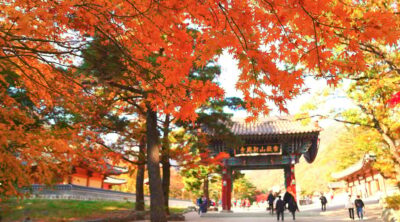
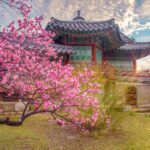
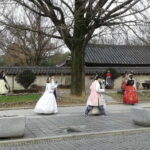
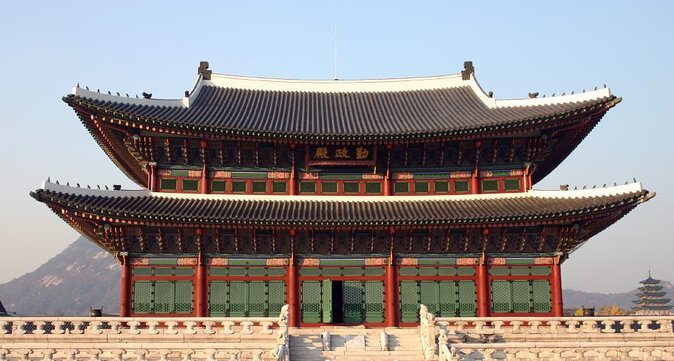
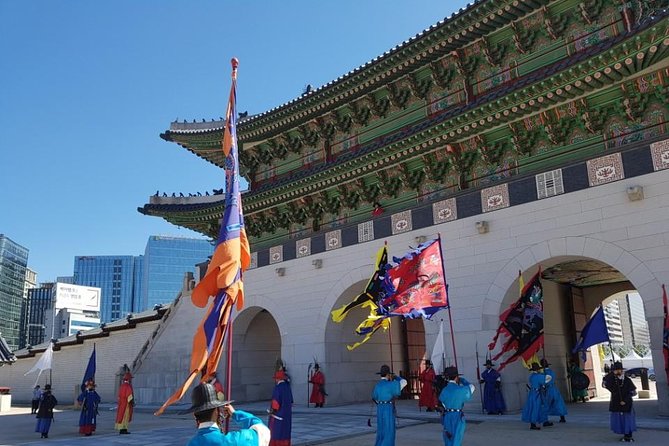
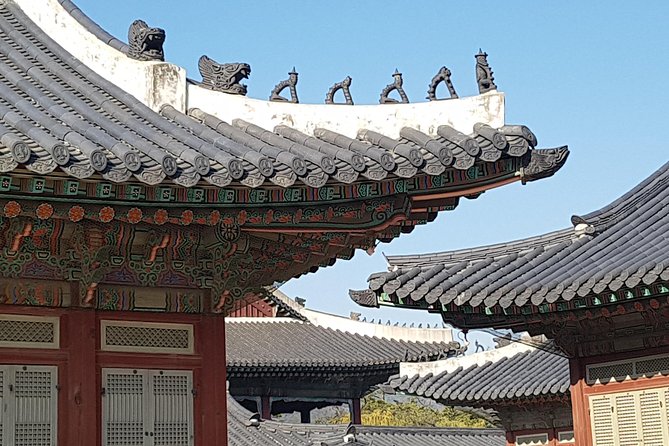
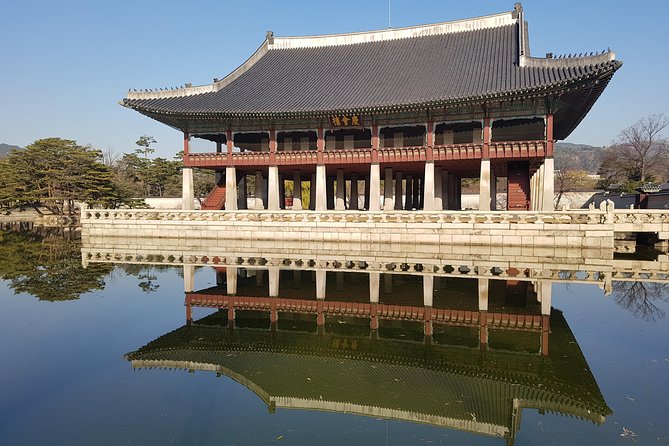
Gyeongbokgung Palace is the star of the show for good reason. It is where you can really feel how palace architecture communicates authority—through layout, scale, and the way buildings sit within courtyards and ceremonial spaces. During this tour you also catch the royal guard changing ceremony, which gives you that rare moment where history feels public, not just academic.
Your guide’s job here is not just to point. It’s to translate what you see. Expect explanations that tie Joseon Dynasty themes—government, tradition, court life—to the spaces around you. This is also where small-group format helps. In a bigger crowd, palace history turns into a one-way stream. In a group of up to 8, you’re more likely to ask a follow-up and actually get an answer.
Practical note: palaces can feel deceptively calm until you’re walking on uneven surfaces and dealing with crowds. If you get even mildly tired, pace yourself. Take breaks for photos, but don’t rush the story—this stop works best when you slow down enough to notice details.
King Sejong Statue Stop: A Shortcut to Joseon Context
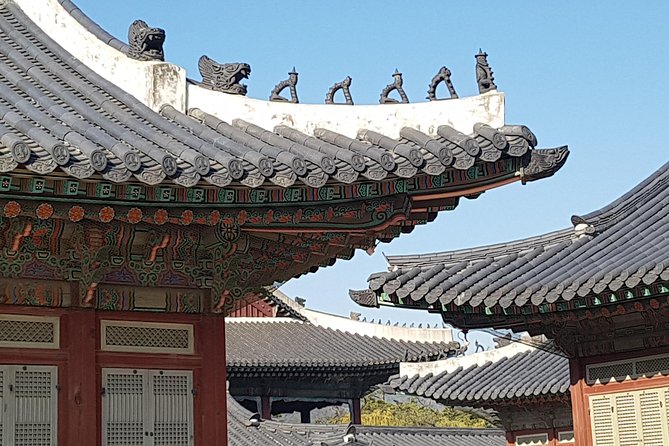
Between the major palace moments, the tour includes a stop at the King Sejong Statue. This is the kind of pause that seems simple until you realize it functions like a map legend. King Sejong is central to Joseon-era identity, so the guide’s explanation helps you interpret what you’ll see next rather than treating it like isolated landmarks.
I like this kind of “story stop” because it keeps you from memorizing dates only to forget them ten minutes later. When the guide connects the palace layout and ceremonial traditions back to Joseon themes, everything you’re seeing starts to click.
If you enjoy learning through quick anchors (rather than long lectures), this is a good match.
National Folk Museum of Korea: 98,000 Artifacts, Focused Visit
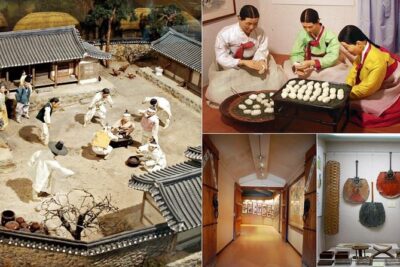
The tour also includes time at the National Folk Museum of Korea. The museum is described as holding over 98,000 artifacts, which sounds enormous—so the real value here is that the guide helps you choose what matters for your visit.
Instead of turning the day into an unstructured museum wander, you’re using the museum to understand daily life, not just royal pageantry. That’s a key balance for a palace-and-hanok day. Palace architecture can make history feel distant. Museum context brings it down to earth—what people owned, what they valued, and how culture lived outside ceremonial walls.
A museum stop can feel like a “break” during a walking tour, but you’ll still want to pay attention. If you treat it like a quick look, you’ll miss the points your guide is building toward later in Bukchon.





Walking Between Palaces: Why the Route Matters
After Gyeongbokgung, you head toward Bukchon Hanok Village, moving through the historic corridor between Gyeongbokgung Palace and Changdeokgung Palace. Even if you never enter Changdeokgung on this specific tour, the walking route still helps you understand how palaces shaped the city around them.
This “between-the-sites” stretch can be surprisingly important. It is where you notice changes in street character—from grand palace zones to neighborhood-scale streets. You’ll also get guidance on what to look for so you’re not just walking past beautiful scenery but learning how that scenery fits into the bigger story.
If you prefer to see a destination with meaning, this is one of the most satisfying parts of the route.
Bukchon Hanok Village: Inside Views and the Feel of Past Daily Life
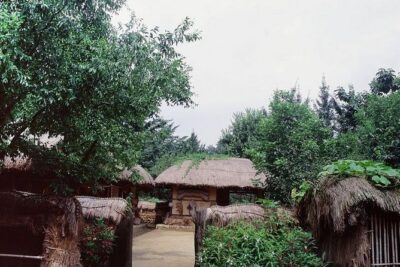
Bukchon Hanok Village is where you get the tour’s gentlest magic. Instead of only seeing heritage from outside, you get “hidden looks” and the chance to peer inside traditional houses. That shift—from spectacle to domestic life—is what makes this tour feel complete.
This stop is only about 30 minutes, so it won’t feel like you’re trying to cover every lane. You’re meant to get orientation fast and experience what Bukchon is like: the character of hanok architecture and the sense of how people once moved through their daily spaces.
The big consideration: Bukchon includes uphill walking and steps. The tour is marked as requiring moderate fitness, and it is not recommended if walking difficulty is a concern. If you have knee issues or fatigue problems, plan for slower movement and be honest with the guide about your limits.
A small tip: this is the part of the day where your photos will multiply. Take them, but keep an eye on where you are in the group. Narrow streets and stairways can bunch people up quickly.
Price and Value: What $88 Buys You in Real Terms
At $88 per person for roughly 3 hours, this tour isn’t the cheapest way to see Seoul’s historic core. But it does a few things that usually cost extra when you go DIY.
First, it includes admission fees. With palaces and museums, the bill adds up fast, especially when you’re paying for entry multiple times. Second, you’re not just buying tickets—you’re buying interpretation. A good guide turns buildings into story, and story into memory.
Third, you’re buying time efficiency. In a city like Seoul, getting from landmark to landmark while trying to figure out what’s worth your attention can eat hours. Here, the route is already set, the pacing is planned, and the small-group size means more interaction than the big-bus style tours.
So for me, the value logic is simple: if you want the highlights without spending your whole day piecing together directions, this is a fair price. If you love independent wandering and you’re comfortable building your own itinerary, you might choose DIY and spend less. But if you’d rather get the meaning up front, the bundled experience is strong.
Guide Quality: The Difference Between a Good Tour and a Great One
This tour’s success rides heavily on guide delivery, and the feedback you provided shows a clear pattern: when the guide connects Joseon history to what you’re standing in front of, the day becomes memorable.
Names that come up often include Jay Kim and Stella, along with Joe, Jack, and Paul/Joseph. Common praise points are friendly, professional guidance; strong English; answers to questions; and story-telling that links palace details to broader cultural themes. A few accounts also mention extra touches like helping with picture-taking, recommending good food afterward, or adding creative elements (like songs) during the tour.
That also leads to the fair consideration: if you end up with a guide who keeps things too general or doesn’t enjoy back-and-forth questions, you may finish the tour having seen the sites without feeling like you got much depth. If you care about learning, arrive ready to ask smart questions like how a building functioned, who used a specific space, or how everyday life differed from court life.
What to Wear and Bring for Comfortable Walking
Because the route includes palace grounds and Bukchon streets with steps and uphill sections, dress for movement.
- Wear comfortable shoes with grip.
- Choose light, weather-ready clothing.
- Bring water.
- Keep your camera/phone charged for palace ceremony moments and hanok viewpoints.
One more practical point: the experience is marked as requiring good weather. If it’s rainy or unusually harsh, plans can shift.
Who Should Book This (and Who Should Skip It)
This is a great fit if you:
- Are in Seoul for the first time and want a clear, curated historic day
- Like learning through walking routes rather than classroom-style tours
- Want entrance fees handled and a small group for better interaction
- Enjoy both big-history sights and daily-life cultural detail
You should think twice or choose a different option if you:
- Have walking difficulty with steps and uphill sections
- Want a long stay in one site rather than a varied highlights route
- Get frustrated by moderate walking in tourist-heavy areas
For families, this kind of pace can work well too, especially when the guide keeps questions moving and explains things in kid-friendly ways.
Should You Book This Gyeongbokgung Palace and Bukchon Walking Tour?
I’d book it if you want a first-day Seoul win: Gyeongbokgung Palace with the changing of the guard, a museum context stop, and a fast but meaningful introduction to Bukchon Hanok Village—without you doing logistics math all day.
Skip or reconsider if your main goal is slow, independent wandering, or if the uphill/steps in Bukchon will be uncomfortable. Also remember that the tour is only about 3 hours—so you’ll see a lot, but you won’t “live” in one location.
If you book, arrive with comfortable shoes and a curious mindset. This tour rewards attention. You’ll leave not just with photos, but with a clearer picture of how Joseon-era life shaped modern Seoul’s neighborhoods.
FAQ
How long is the tour?
It’s about 3 hours.
How much does the tour cost?
The price is $88.00 per person.
What’s included in the price?
A professional guide and admission fees are included.
Does the tour include Gyeongbokgung Palace entry?
Yes, admission for Gyeongbokgung Palace is included.
Is a museum visit part of the experience?
Yes, the National Folk Museum of Korea is included.
Where does the tour start and end?
It starts at 24-1 Taepyeongno 2(i)-ga in Jung District and ends in the Insadong area at 75-5 Insa-dong in Jongno District.
How large is the group?
The tour has a maximum of 8 travelers.
Is it okay if I’m not very mobile?
You should have moderate physical fitness. It’s not recommended for travelers with walking difficulty on steps and uphills.
What if the weather is bad or I need to cancel?
The tour requires good weather. If it’s canceled due to poor weather, you’ll be offered a different date or a full refund. Free cancellation is available up to 24 hours in advance for a full refund.