REVIEW · GYEONGBOKGUNG PALACE & HANBOK TOURS
Seoul: Gyeongbok Palace and Bukchon Hanok Walking Tour
Book on GetYourGuide →Operated by Korea Linx · Bookable on GetYourGuide
Old palaces, steep alleys, great context.
This tour turns a standard sights run into a clear story of Seoul’s past and present, starting at City Hall and moving through Gyeongbokgung Palace and Bukchon Hanok Village. I especially like how the guide connects what you see to what’s going on in Korea today, and how the group format keeps things hands-on and question-friendly. One thing to plan for: you’ll be on your feet a lot, with some uphill walking in Bukchon, so comfy shoes matter.
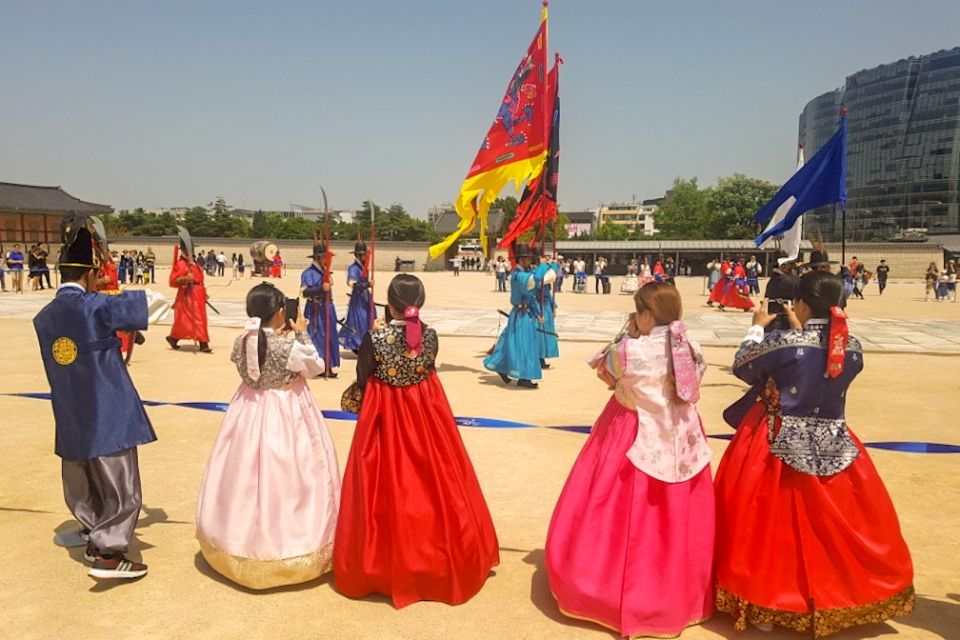
I love the moment you’re standing there for the palace guard changing ceremony, because it makes the palace feel alive instead of just impressive architecture. I also like that you get inside the National Folk Museum of Korea within the palace grounds, where the focus stays on Joseon-era daily life (and yes, the artifacts count is huge: 98,000+).
The possible drawback is simple: it’s only 3 hours, so you won’t get long, slow lingering at every corner. Also, the route can shift a bit when weather or traffic gets messy, which is common for any outdoor walking tour.
In This Review
- Key things you should know before you go
- Meeting at City Hall Station: the calm start that prevents stress
- Gyeongbokgung Palace walkthrough: more than photos
- What I like about the palace route
- The practical catch
- National Folk Museum of Korea: Joseon life, explained with objects
- Why this stop adds value
- Time reality check
- Bukchon Hanok Village and Samcheongdong Alley: old homes meet real Seoul
- Uphill walking and stairs
- The kind of guide that makes it click
- How the tour handles transport and local interaction
- Insadong finish point: your next step after the walk
- Price and time: why $88 can be worth it
- Who this tour fits best (and who should skip it)
- Should you book this Seoul palace-and-hanok walking tour?
- FAQ
- Where does the tour meet?
- How long is the tour?
- Is it a private tour?
- What’s included in the price?
- Do I need to pay extra for palace entry?
- How much walking is involved?
- Is the tour offered in English?
- What should I bring?
- What if the weather is bad?
Key things you should know before you go
- Small group (up to 8) means the guide can adjust pace and answer questions without rushing you.
- Gyeongbokgung + guard changing is the easy “wow” start, especially in the morning light.
- National Folk Museum inside the palace gives you real context for what daily life looked like in the Joseon era.
- Bukchon’s Samcheongdong Alley is where old homes and modern Seoul feel close enough to touch.
- Insadong at the end is a practical finish zone for snacks and souvenirs, especially if you’re continuing on your own.
Meeting at City Hall Station: the calm start that prevents stress
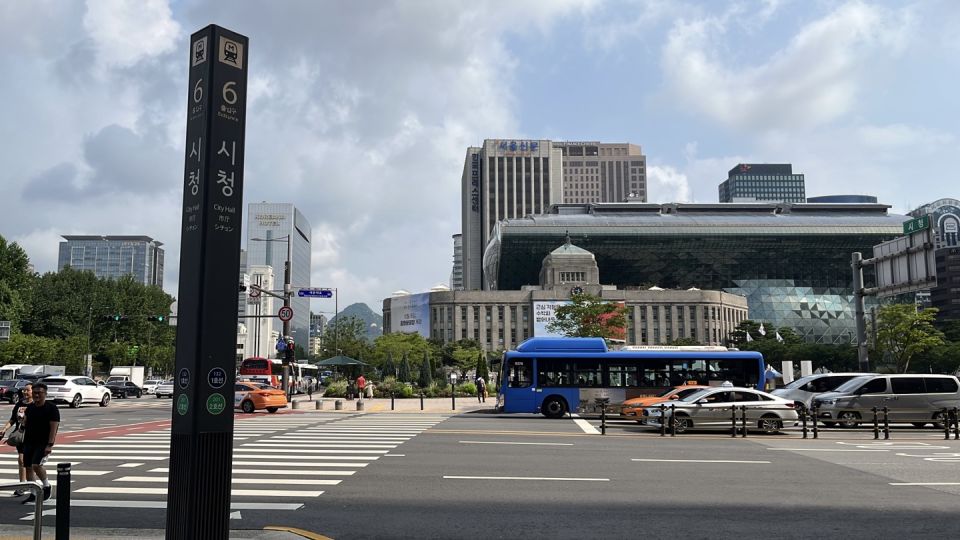
You’ll meet at City Hall Station, Exit 6, right outside the exit next to The Plaza hotel. This is a smart start point because you’re already in one of Seoul’s easier navigation zones, with lots of transit options nearby.
From there, the tour begins with a walk toward Gyeongbokgung Palace. That’s a good setup for first-timers: you get oriented on foot while your guide explains what you’re looking at, and you avoid the “Where do we even start?” scramble.
You can also read our reviews of more walking tours in Seoul

Gyeongbokgung Palace walkthrough: more than photos
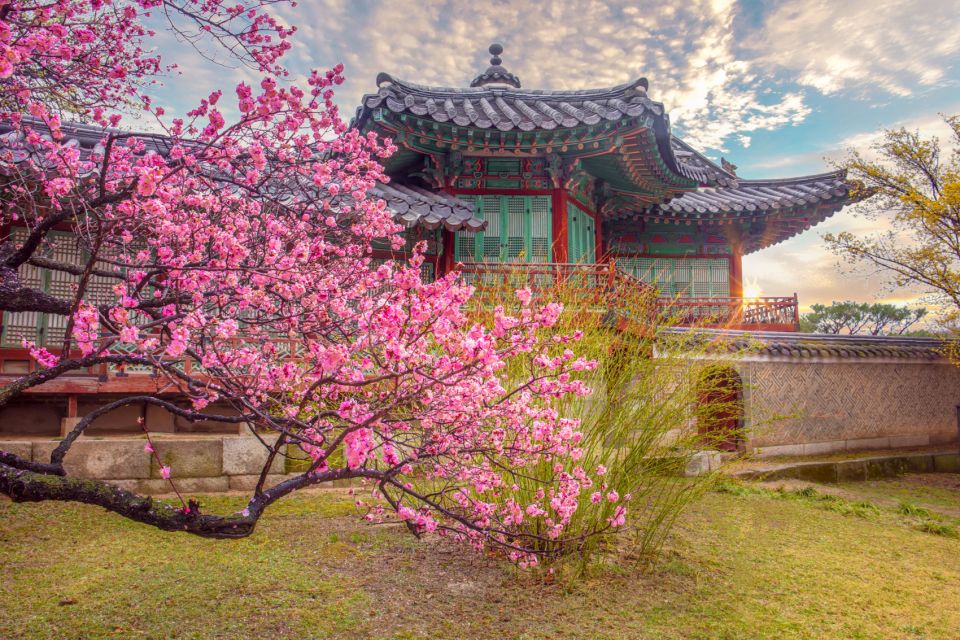
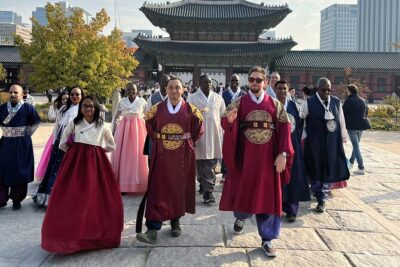
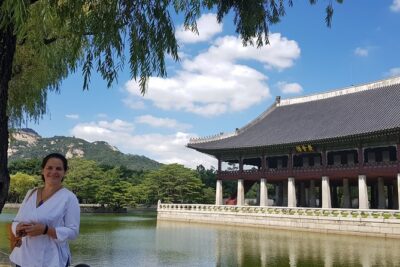
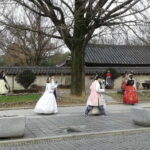
The tour morning centers on Gyeongbokgung Palace, one of Seoul’s biggest anchors for Joseon-era history and palace design. You’ll learn how the palace functioned, how ceremonies reinforced power and order, and how the layout supports the storytelling of the kingdom.
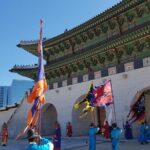
Then comes the highlight many people remember: the changing ceremony of the royal guards. It’s not just a colorful show. Your guide frames it so you understand why uniforms, timing, and positioning mattered in the Joseon period, which makes the ceremony feel purposeful instead of theatrical.
What I like about the palace route
I like that the guide points out details as you go, so you’re not wandering from one monument to the next. Guides such as Stella and Joe get mentioned often for being patient with questions and for making the history feel clear, even when it’s cold or snowy outside.
The practical catch
Gyeongbokgung is a palace complex, which means standing still for parts of the ceremony and walking between areas. If you’re the type who hates waiting, this might feel a bit slow. But if you can handle a short pause, it’s one of the most memorable moments in Seoul.
National Folk Museum of Korea: Joseon life, explained with objects
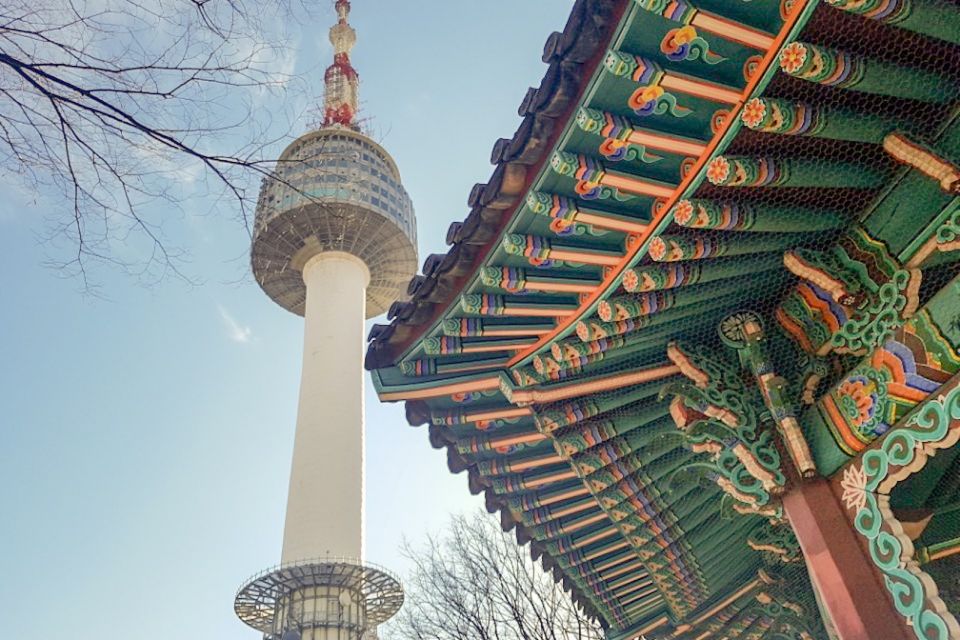
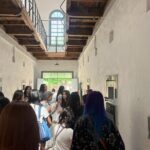
Inside the palace grounds, you’ll stop at the National Folk Museum of Korea. This is where the tour goes from “pretty palace” to “I get it now,” because the focus is daily life and material culture instead of only rulers and events.
You’ll see 98,000+ artifacts as part of the museum’s collection. Even if you can’t process everything in one morning, the guide’s job is to translate key objects into what they meant: how people lived, worked, dressed, and made choices day to day.





Why this stop adds value
A museum can feel like a time sink on tours. Here, it works because the guide connects the exhibits to what you’ve already seen in the palace setting. That helps you notice how Joseon beliefs show up in everyday life, not just royal formality.
Time reality check
Because the overall tour is 3 hours, you’ll have limited time at the museum compared to a full solo visit. I’d treat this as a strong orientation stop, not a replacement for a deeper museum visit later.
Bukchon Hanok Village and Samcheongdong Alley: old homes meet real Seoul
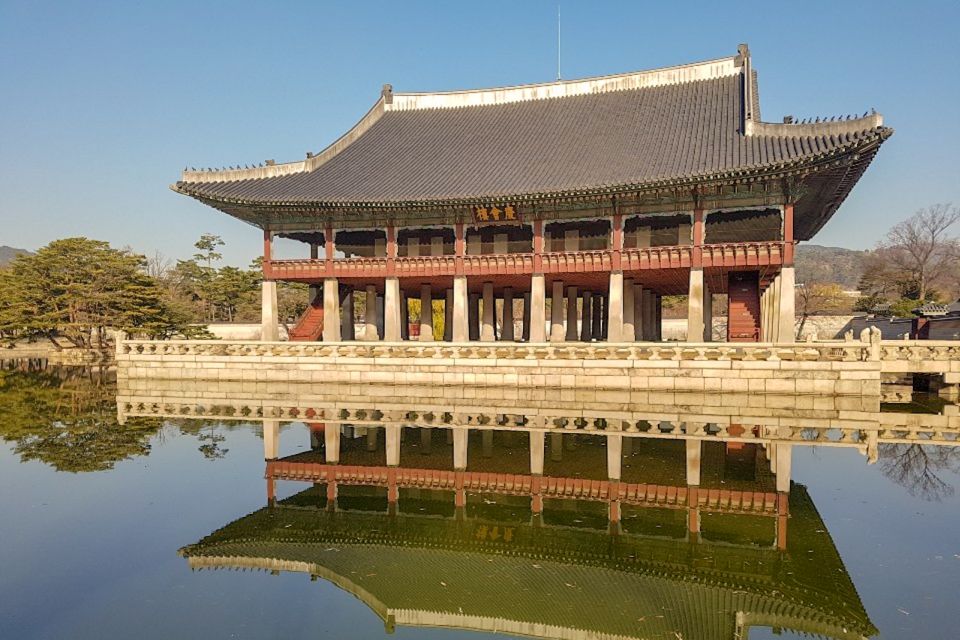
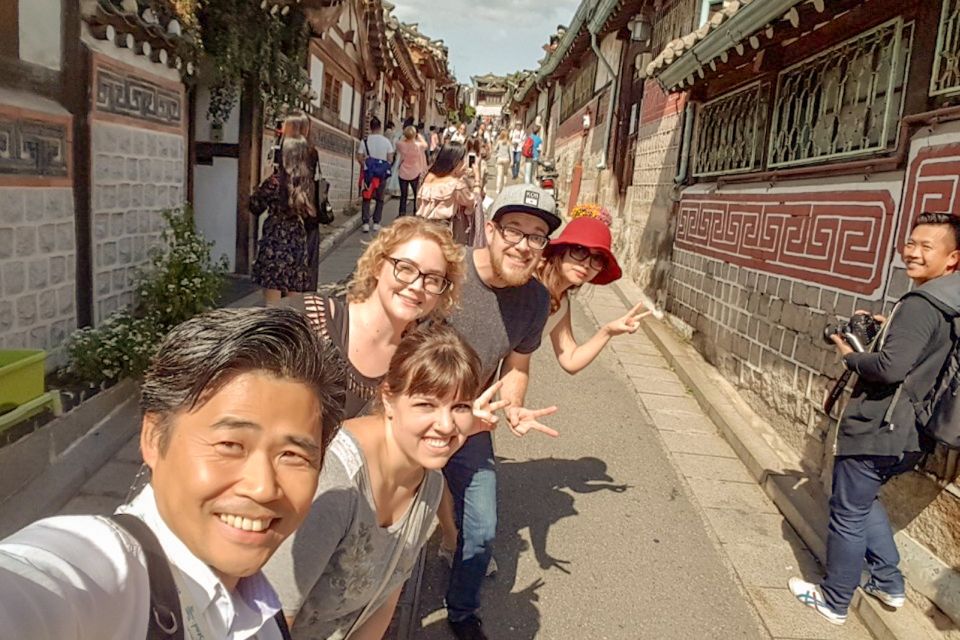
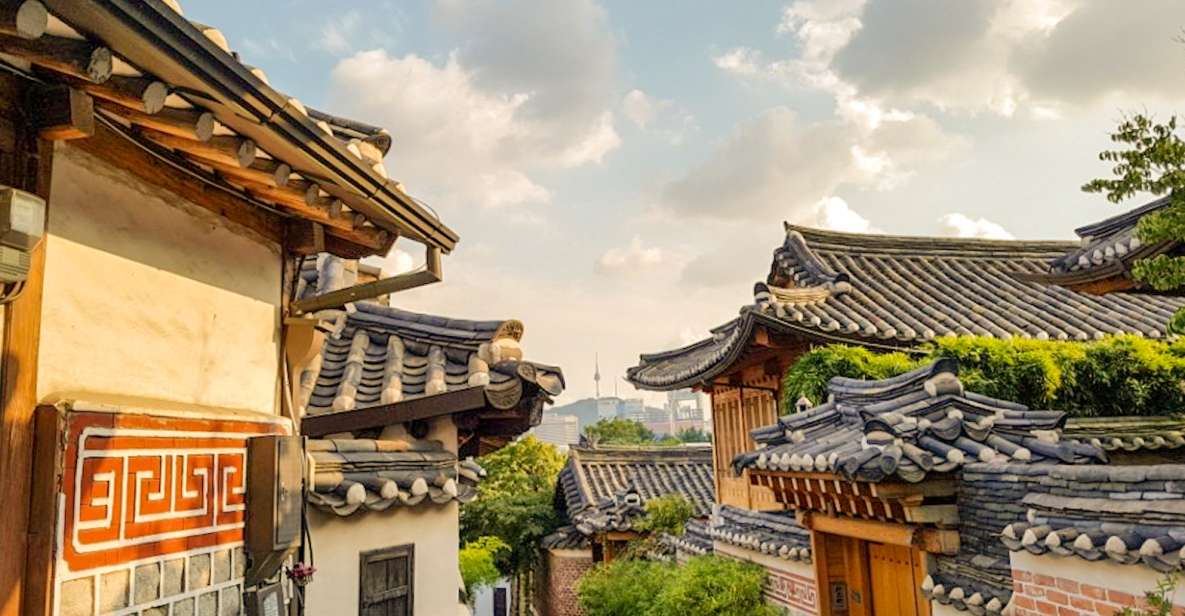
After the palace, you move into Bukchon Hanok Village, a neighborhood known for traditional Korean houses (hanok) tucked into busy city streets. The tour doesn’t just tell you “this is old.” It shows you how the old and new coexist, sometimes side by side in the same view.
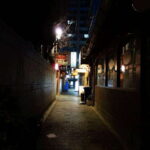
A key walking segment is through Samcheongdong Alley, which is exactly the kind of place where you slow down without being told. Traditional homes, narrow lanes, and small viewpoints create lots of photo angles, but your guide also uses the alley as a storytelling tool: how neighborhoods formed, why certain areas developed the way they did, and what makes hanok design distinct.
Uphill walking and stairs
This is the part where you should expect extra effort. Multiple reviews emphasize that there’s a fair bit of walking and some climbing in Bukchon. I’d take that seriously and wear shoes with grip, especially if it’s slick from rain, snow, or morning dew.
The kind of guide that makes it click
Names like Jay Kim, Kay, Jack, and Jae come up for a reason: people remember them for turning architecture into explanation. One guide style described is very story-driven, mixing history, politics, food, and even current conversations in Korea. If you like a guide who links past to present, Bukchon is where that connection feels most tangible.
How the tour handles transport and local interaction
One of the less flashy but genuinely useful parts of this experience is the focus on public transport in Korea and how to navigate like you belong. Instead of dropping you off with a map and hope, the guide helps you understand how to ride, what to watch for, and how to interact respectfully in everyday situations.
Some guides also share small, practical transit tips like using a T-money card (the transit payment system). That’s the kind of thing that saves time on your next day of exploring, especially if you’re arriving in Seoul with jet lag.
Insadong finish point: your next step after the walk
The morning tour ends in the Insadong area, which is a smart landing zone. It’s known for shopping and browsing, and it’s also where you can easily find snacks right after you’ve burned a chunk of morning energy.
Your guide can recommend where to shop or what to prioritize, which helps if you don’t want to waste time comparing every street stall. I like that this finish gives you flexibility: you can keep walking, pop into a café, or switch to a different neighborhood without feeling stranded.
Price and time: why $88 can be worth it
At $88 per person for 3 hours, this isn’t a “cheap and cheerful” add-on. But you’re paying for two things that DIY often can’t replicate well in limited time: guided context and the practical route.
You also get the Gyeongbokgung entrance ticket included, plus a live English guide. With a small group limited to 8 participants, the guide can keep the pace manageable and handle questions without turning it into a lecture you can’t interrupt.
A fair way to judge value is this: if you care about understanding Korean history while you tour, and you’d rather not guess your way through what matters at each stop, the price starts to make sense. If you only want snapshots and you’re happy reading from signs, then DIY might be cheaper.
Who this tour fits best (and who should skip it)
This works best if you want a strong intro to Seoul’s heart—palace history plus hanok neighborhood atmosphere—in a single morning.
You’ll probably love it if:
- you like guided explanations that connect what you see to larger Korean history
- you want photo-friendly routes without spending hours planning
- you’re comfortable with walking and standing in a 3-hour window
You might reconsider if:
- you dislike long walks or stair climbs (Bukchon is the tough spot)
- you expect time at each location to be slow and detailed like a self-guided half-day
- you’re traveling in conditions where weather disruption would ruin your day (the route can be affected by weather and traffic)
Should you book this Seoul palace-and-hanok walking tour?
I’d book it if you want your morning in Seoul to feel structured and meaningful, not just scenic. The combination of Gyeongbokgung, the National Folk Museum stop, and Bukchon’s alleys gives you a tight history-and-architecture lesson without needing a full day.
Skip it if you’re mainly after leisurely strolling and you’d rather spend extra time inside the palace or museum at your own pace. In that case, you might prefer individual tickets and a slower route—especially if you don’t want any uphill walking.
Overall, this is a strong “first Seoul week” experience: it gives you context, helps you navigate better later, and ends in a practical zone where you can keep exploring right away.
FAQ
Where does the tour meet?
You meet at City Hall Station, Exit 6, outside the exit right next to The Plaza hotel.
How long is the tour?
The tour runs for 3 hours.
Is it a private tour?
No. It’s a small group experience limited to 8 participants.
What’s included in the price?
The price includes a live English guide and the Gyeongbokgung entrance ticket.
Do I need to pay extra for palace entry?
You don’t need to buy the palace ticket separately for this tour, since the Gyeongbokgung entrance is included.
How much walking is involved?
Expect a fair amount of walking and standing, and some climbing/uphill in Bukchon Hanok Village.
Is the tour offered in English?
Yes, the tour has a live English guide.
What should I bring?
Bring comfortable shoes and comfortable clothes. If you’re visiting in cooler months, dress for cold weather too.
What if the weather is bad?
The itinerary can be adjusted due to weather and traffic conditions, so it’s smart to be ready for changes.