REVIEW · FOOD & DRINK
Seoul: Soju Tasting at Distillery
Book on GetYourGuide →Operated by environment design lab · Bookable on GetYourGuide
One sip can change your Seoul.
This soju tasting at a distillery in the Hongdae area turns Korean drinks into something you can actually name and understand, with Sam (fluent English) guiding you through the process and the culture in about 80 minutes.
I love two things most. I love that you’ll taste at least 7 samples, and the lineup mainly focuses on distilled soju rather than only mild introductions. I also love the care put into the story: Sam explains how soju sits in Korean alcohol categories and how this family recipe ties back to the Joseon dynasty, including the master Hyeonjong Kim and the family training from Taeksang Kim.
Here’s the main consideration: the premium soju you’ll try is 45–50% strength. If you usually avoid strong liquor like tequila or whisky, you may prefer a lighter makgeolli-focused tasting instead, and you’ll also want to show up on time since arriving late by more than 20 minutes means you can’t join.
In This Review
- Key things that make this soju tasting worth your night
- Seoul soju tasting: why the distillery lesson beats the bar menu
- Getting there near Hongik University: close, but don’t play late-game
- Meet Sam and set your taste expectations for Korean alcohol
- The family recipe angle: Joseon-era roots you can actually taste
- What you’ll drink: 7+ samples, mostly soju, with tak-ju and cheong-ju in the mix
- The “strong soju” reality check (and how to handle it)
- Soju vs makgeolli vs sake: the mental map you’ll carry into dinner
- The tasting flow: how the session teaches your palate
- After the distillery: what to do in Hongdae when the lesson ends
- Price and value: why $49 can feel fair if you treat it like an education
- Who should book this soju tasting, and who should skip
- Should you book the soju tasting at the distillery in Hongdae?
- FAQ
- How long is the soju tasting?
- Where do I meet the guide near Hongik University?
- What will I taste during the session?
- How strong is the soju?
- Is the guide able to speak English?
- Is this experience suitable for everyone?
- What if I’m late or want to cancel?
Key things that make this soju tasting worth your night
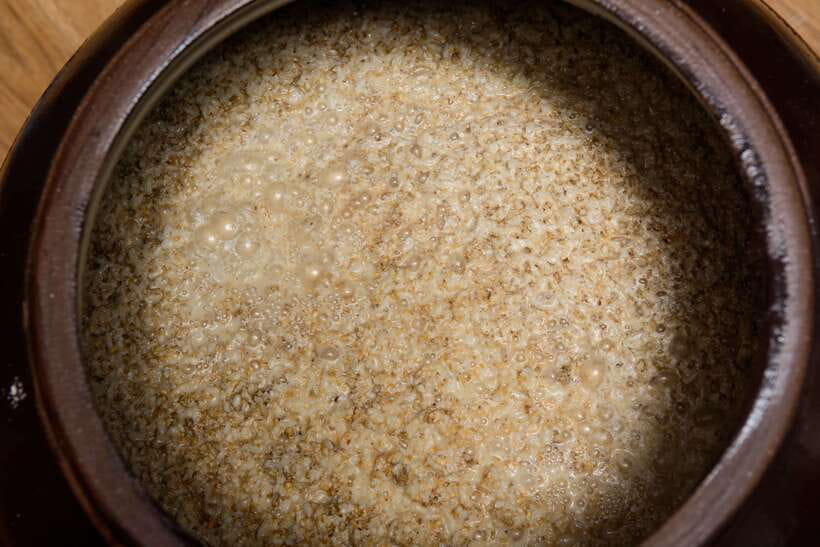
- Hongdae location in the middle of the city, near Hongik University Station (easy to tack onto dinner plans)
- Sam’s fluent English and clear explanations of soju vs other Korean rice drinks
- High-proof soju (45–50%) with real distilled samples, not watered-down impressions
- 7+ tastings that show the range of flavors across production stages and methods
- Practical local help at the end, including bar and restaurant recommendations in the area
Seoul soju tasting: why the distillery lesson beats the bar menu
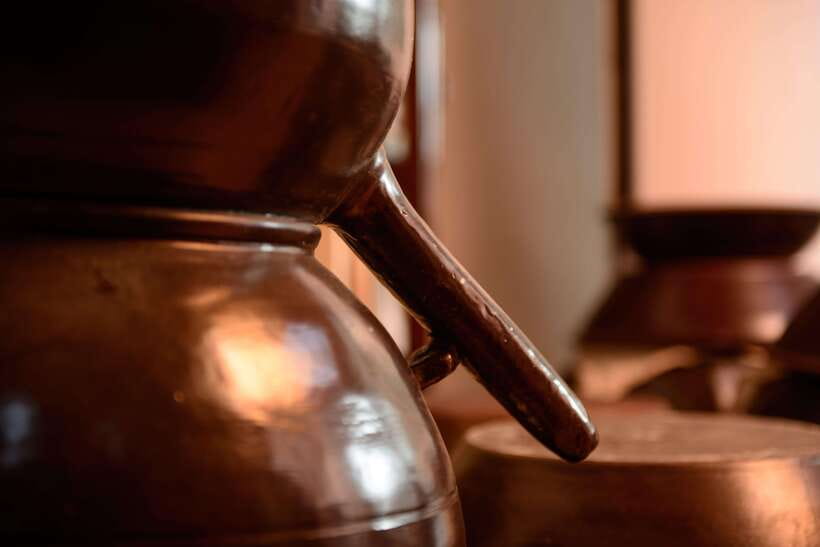
Soju in a bottle is one thing. Soju explained, tasted, and compared is another. This experience is built for people who think the green bottle is the whole story, then walk away with a much sharper idea of what Korean alcohol can be.
The best part is that it’s not just “drink and smile.” You get the framework: how Korean alcohol is commonly grouped (tak-ju, cheong-ju, soju), and why that matters for flavor and strength. Once you understand those categories, you start noticing things even when you’re just ordering in Hongdae.
And yes, there’s fun built in. The tone is social and light, with Sam turning questions into quick lessons. You’ll end the night with the feeling that you didn’t just spend money—you built a useful sense of taste.
You can also read our reviews of more food & drink experiences in Seoul
Getting there near Hongik University: close, but don’t play late-game
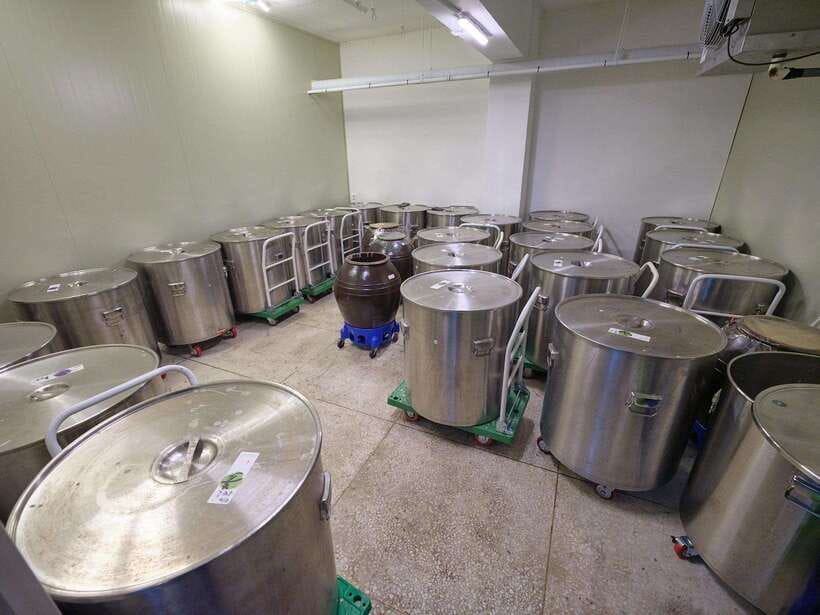
This is one of those Seoul activities that’s conveniently located, not hidden in some far-off industrial zone. The meeting spot is in the Hongdae area, about 1.3 km (1 mile) from Hongik University Station Exit 1, or roughly a 5-minute bus ride.
You want to arrive early. The rules are strict in a simple way: you can’t join if you’re late by more than 20 minutes, and you should get to the meeting point at least 5 minutes early. That matters because this starts as a group experience right at the start time.
For finding the location, use the exact map link provided for the meeting point. The taxi address is 서울특별시 마포구 성산동 103-5, and you’ll be looking for a small triangle-shaped parking lot next to the building (a photo is shared closer to the tasting). There’s also a Pizza Hut across the street, which can help you confirm you’re in the right pocket of Hongdae.
Practical tip: plan to be early enough that you’re not checking your phone in panic-mode. Seoul streets are easy once you’re oriented, but orientation is harder when you’re rushing.
Meet Sam and set your taste expectations for Korean alcohol
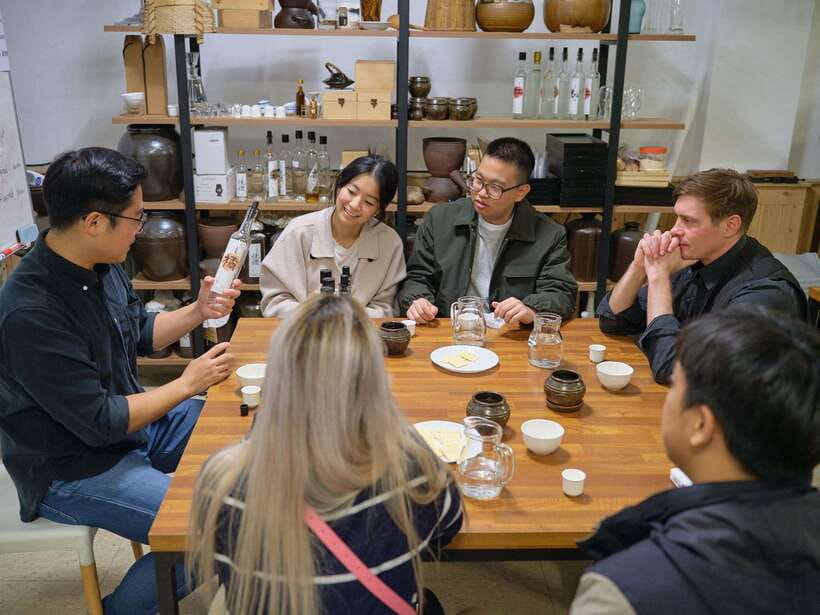
Your guide is Sam, and the biggest advantage is plain: he speaks fluent English, so the learning doesn’t depend on translation apps or guessing. From the first part of the session, he frames soju as part of a wider Korean alcohol world, not a single product.
You’ll get context on the broad categories of Korean alcohol:
- Tak-ju (unfiltered, often associated with makgeolli)
- Cheong-ju (filtered)
- So-ju (distilled spirit)
Even if your only plan was to taste soju, this quick map helps you decide what you’ll like later. Many people start with the green bottle because it’s easy to spot, then realize Korean drinks have different textures and aromas depending on filtration and distillation.
You’ll also hear how soju sits in Korean culture. Sam’s style links the science of production to everyday habits—what people notice, how they talk about it, and why strength is part of the conversation.
The family recipe angle: Joseon-era roots you can actually taste
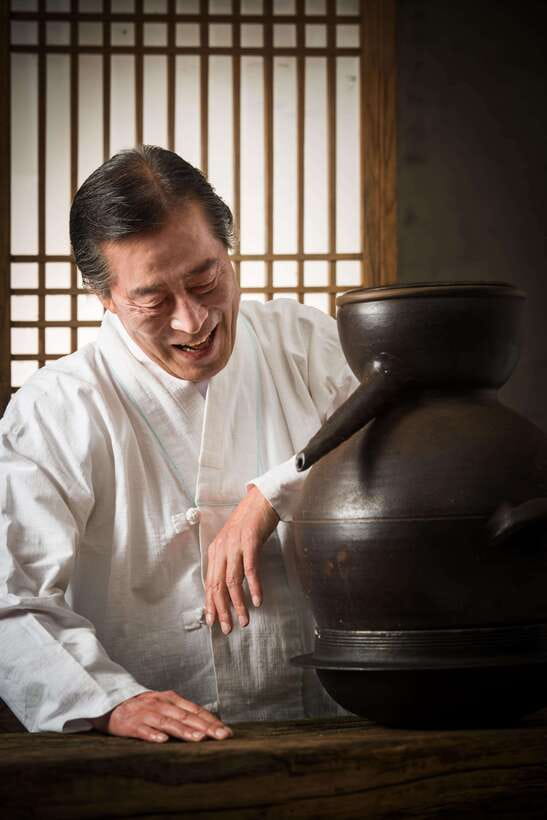
One reason this tasting feels different from a generic “spirits sampling” is the lineage story. Sam explains that Samhae soju was beloved by the noble class during the Joseon dynasty (1392–1894), and it had a cult following.
The family element is centered on Hyeonjong Kim, who trained for more than 10 years under master Taeksang Kim, who inherited and kept the recipe in the family. You aren’t just hearing facts—you’re tasting the result of a long practice tradition.
Why this matters for you: when you understand that soju-making is treated like craft over generations, it stops being a novelty. You’re more likely to notice differences in flavor and finish instead of treating all samples like “shots with different labels.”
If you like stories, you’ll get plenty here. If you don’t like stories, you’ll still benefit, because the history gives shape to what you’re tasting—especially when Sam connects the methods to the outcome in the glass.
What you’ll drink: 7+ samples, mostly soju, with tak-ju and cheong-ju in the mix
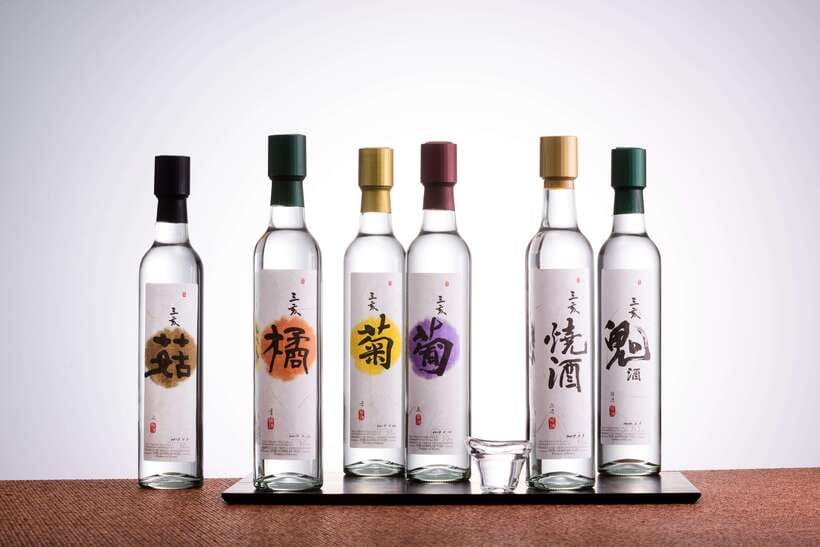
The included tasting is designed around a simple promise: a total of at least 7 samples will be served, mainly consisting of the spirits (soju). The exact variety can shift based on availability, so don’t expect a “one-size lineup” every single time.
Here’s what you can count on from the structure:
- You’ll try distilled rice spirit (soju) samples.
- You’ll also try unfiltered rice wine (tak-ju) and/or filtered rice wine (cheong-ju) depending on what’s available.
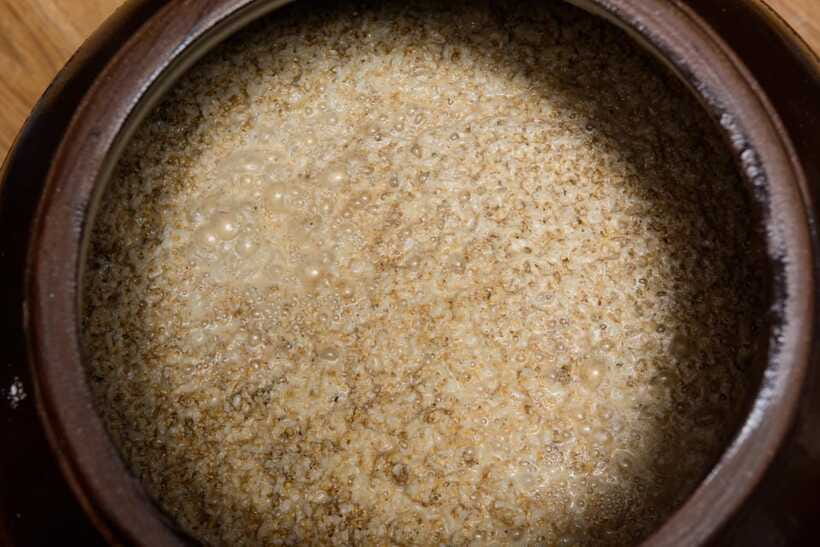
This is a smart way to do a tasting, because it gives you a comparison anchor. If you start with soju only, you might miss how much fermentation and filtration influence aroma and mouthfeel. By including tak-ju/cheong-ju, you build a clearer sense of where soju’s character comes from.
And the strength is a big deal: the premium soju you’ll be tasting is between 45% and 50%. That’s not a “tiny sample, no consequences” situation. You’ll want to taste slowly and pay attention to what the alcohol heat does to flavor.






The “strong soju” reality check (and how to handle it)
Let’s be honest: high-proof soju can sneak up on you. Even when the flavors are smooth, the warmth lands fast. The good news is you don’t have to power through. You’ll be guided through sampling, so you can pace yourself instead of treating it like a drinking contest.
I recommend thinking in steps:
- Taste small, then wait a moment.
- Notice the aroma first, then the first sip effect.
- Pay attention to the finish—does it feel clean, drying, or more rounded?
If you generally don’t enjoy strong liquor like tequila or whisky, this may not be your favorite drinking experience. The tasting is specifically built around these higher-strength soju samples. In that case, look for an alternative that focuses on lighter alcohol like makgeolli instead.
Also, plan what comes after. Hongdae is full of dinner options, but you’ll likely enjoy the rest of your night more if you keep pace with water and food.
Soju vs makgeolli vs sake: the mental map you’ll carry into dinner
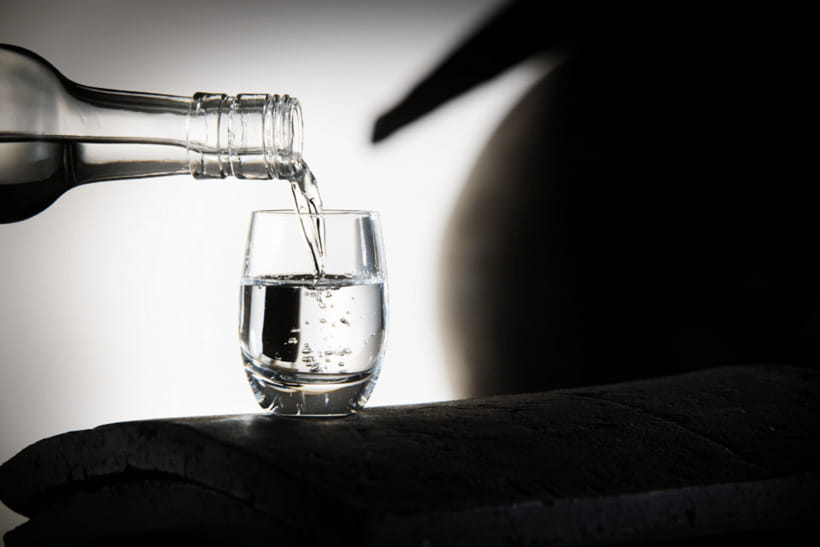
A recurring theme from the experience is comparisons. Sam explains differences between soju, sake, and makgeolli, which helps you stop describing everything as rice alcohol.
Makgeolli is often associated with a more cloudy, unfiltered style (linked to tak-ju). Soju, by contrast, is distilled and typically higher proof. Sake is a separate tradition, but Sam’s comparisons give you a way to understand why Korean rice drinks don’t always taste like what you expect from Japanese sake.
What you get from this in real life: when you order later, you’ll know what questions to ask the bartender or what label cues to trust. You’ll also feel less “uncertain drinker” energy, which is underrated travel confidence.
The tasting flow: how the session teaches your palate
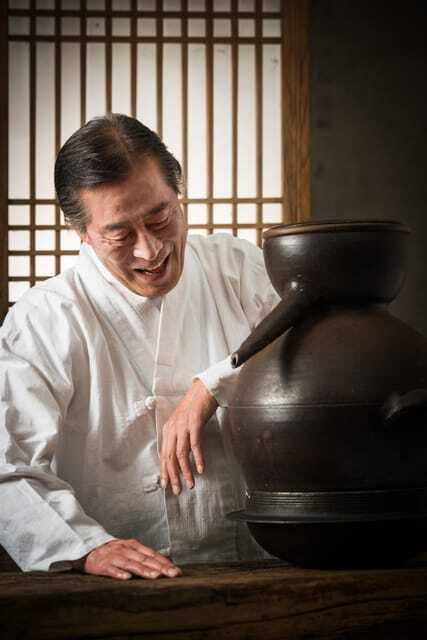
This experience isn’t only about holding different cups. It’s also about learning a progression. Sam talks you through the process of making soju, and then you taste in a way that highlights changes across methods and stages.
From the way the session is described, you can expect tastings that go through:
- early-stage samples (shown as part of the process)
- then finished products that demonstrate a range of tastes you can get from different brewing and distillation choices
That “range” part is key. It helps you see soju as a spectrum, not a single flavor profile. Even if the base ingredients are similar—rice, fermentation, distillation—the techniques change the outcome.
And the atmosphere helps. The tone is relaxed, with humor and room for questions. You won’t feel like you’re trapped in a classroom. You’re in an actual tasting rhythm.
After the distillery: what to do in Hongdae when the lesson ends
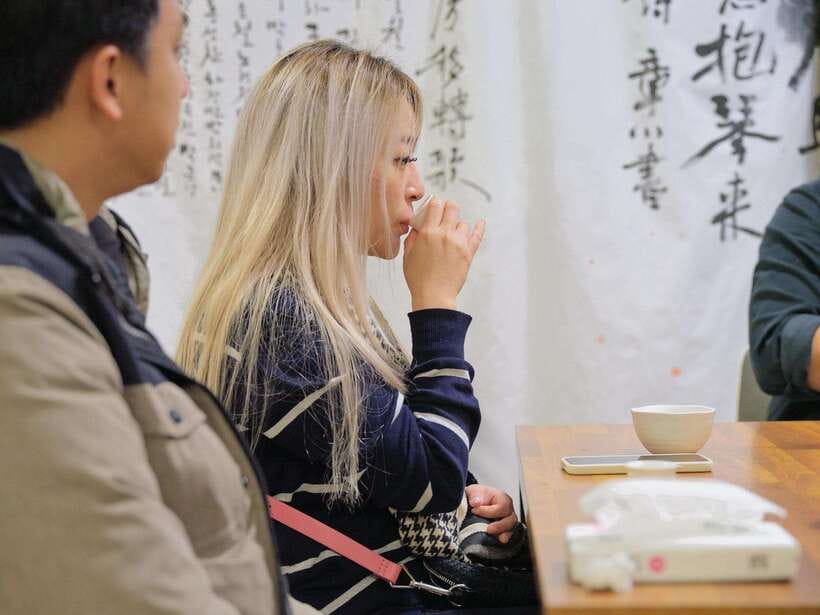
One of the best “end-of-tour” perks is that Sam gives out suggestions for where to go next—bars and restaurants in the area. That’s useful because Hongdae can look chaotic on a first walk, and it’s easy to drift into touristy menus.
A lot of people naturally pair this with food afterward, and Korean BBQ comes up as a strong match. Here’s why: BBQ’s salt and fat handle strong alcohol well, and it gives you something to chew while your palate resets.
If you want to keep your night on track, give yourself a short break after the tasting before you go heavy on the next drink. Your taste will be sharper when you return to ordering food.
Price and value: why $49 can feel fair if you treat it like an education
At $49 per person for about 80 minutes, this tasting sits in the “worth it if you’ll use it” category. You’re paying for more than samples:
- an English-speaking guide, Sam
- a guided explanation of process and cultural context
- at least 7 samples, mainly soju
- the inclusion of tak-ju and/or cheong-ju depending on availability
- a distillery setting, not a far-off bar counter
If you were to buy multiple soju bottles and a snack just to experiment, the cost would likely climb—plus you’d miss the structure that helps you taste with purpose. This experience gives you the “why” behind what you like, which is the part that keeps paying off when you order later.
It’s also a good use of a short Seoul evening. 80 minutes is long enough to learn and taste, but short enough that you don’t lose your whole night.
Who should book this soju tasting, and who should skip
This is a great pick if:
- you want real Korean soju, not only the generic versions you see everywhere
- you enjoy a guided lesson with practical tasting comparisons
- you like meeting people from different places while you learn something new
It might not be ideal if:
- you don’t tolerate strong liquor well—45–50% soju is part of the core experience
- you prefer lighter drinks like makgeolli instead
- you’re planning this as a kid-friendly outing (it’s not suitable for children under 18)
Also note a safety suitability rule: it’s not suitable for pregnant women. If that applies, choose a different alcohol-focused activity.
Wheelchair accessibility is listed, so if mobility access matters for your planning, this format is designed to be usable.
Should you book the soju tasting at the distillery in Hongdae?
I’d book it if you want a Seoul experience that’s both social and useful. The combination of English-led guidance, a strong lineup of soju-focused samples, and explanations that actually help you order better later makes it feel like a smart cultural purchase—not just a drink stop.
Skip it only if strong liquor really isn’t your thing. With 45–50% soju at the center, it’s meant for people who are curious about higher-proof spirits and want to learn how to taste them.
If you’re still deciding, ask yourself one question: do you want to leave Hongdae with a deeper sense of Korean rice alcohol, or do you just want a quick drink? This one is built for the first goal.
FAQ
How long is the soju tasting?
The experience runs about 80 minutes.
Where do I meet the guide near Hongik University?
You meet at the exact spot shown on the provided map, in the Hongdae area near Hongik University Station (about 1.3 km / 1 mile from Exit 1). The taxi address is 서울특별시 마포구 성산동 103-5, and you’ll look for the small triangle-shaped parking lot next to the building.
What will I taste during the session?
You’ll receive at least 7 samples total. The tasting mainly includes distilled rice spirit (soju), and you may also be served unfiltered rice wine (takju) and/or filtered rice wine (cheongju) depending on availability.
How strong is the soju?
The premium soju served is between about 45% and 50% strength.
Is the guide able to speak English?
Yes. The live guide is in English, and the guide named Sam speaks fluent English.
Is this experience suitable for everyone?
No. It’s not suitable for pregnant women and children under 18.
What if I’m late or want to cancel?
You cannot join if you’re late more than 20 minutes. Free cancellation is available up to 24 hours in advance for a full refund.