REVIEW · SEOUL CITY & PRIVATE TOURS
Seoul: Highlights of Seoul Full-Day Tour
Book on GetYourGuide →Operated by I LOVE SEOUL TOUR Co., Ltd. · Bookable on GetYourGuide
A full Seoul day can feel like a whirlwind. This one is built to hit iconic sights plus a few quieter stops, all with an English-speaking guide and air-conditioned transport. I especially like the mix of traditional Seoul (Gyeongbokgung, Bukchon, Jogyesa) and big-picture moments (War Memorial, independence history at Tapgol Park). One thing to consider: you’ll be on your feet for much of the day, so bring good walking shoes and expect plenty of stair-and-stroll time.
In practice, the day runs smoothly because someone handles the timing and logistics, while your guide handles the stories. Guides you may get—like Chloe, Sunny, Shin, Sophie, Stella, or Leo—are repeatedly praised for clear explanations and even helping with photos. And yes, this tour goes rain or shine, so it’s smart to wear layers and plan for weather.
In This Review
- Key Highlights You’ll Actually Feel in the Day
- Entering the Seoul Rhythm: One Guided Day, Many Eras
- Gyeongbokgung Palace and the Royal Guard Changing Ceremony
- Bukchon Hanok Village: Traditional Neighborhood, Real Photo Time
- Bugak Skyway (Bugak Palgakjeong): Seoul Views Without the Fuss
- Cheongha Korean Ginseng Museum: Shopping With Context
- Gwangjang Market Lunch: Eat Local, Pay Your Own
- War Memorial of Korea: History That Puts Things in Perspective
- Jogyesa Temple: Buddhism in the Middle of the City
- Tapgol Park: Independence-Movement History and Pop-Culture Cameos
- Price and Value: Is $60 a Good Deal?
- Getting There: Meeting Point, Optional Pickup, and Staying On Schedule
- Group Day Reality: What Walking, Weather, and Photos Look Like
- Who Should Book This Full-Day Seoul Highlights Tour
- Should You Book This Seoul Highlights Full-Day Tour?
- FAQ
- How long is the Seoul Highlights full-day tour?
- What does the $60 price include?
- Where do I meet the group?
- Is hotel pickup available?
- What’s the lunch situation?
- Does the tour run in bad weather?
- Is the tour suitable for wheelchair users?
- Are there any restrictions on what I can bring?
- Is hanbok rental included or available during the tour?
Key Highlights You’ll Actually Feel in the Day
- Gyeongbokgung Palace plus the Royal Guard Changing Ceremony for a high-impact start
- Bukchon Hanok Village for traditional houses that make photos easy (and fun)
- Bugak Palgakjeong (Bugak Pavilion) for panoramic Seoul views without hours of extra travel
- Cheongha Korean Ginseng Museum shopping with real background on ginseng’s reputation
- War Memorial of Korea for a serious, thoughtful stop that changes your perspective
- Jogyesa Temple and Tapgol Park for religion + independence-movement history in one sweep
Entering the Seoul Rhythm: One Guided Day, Many Eras
If you want a “best of” Seoul day without piecing together tickets, transport, and meet-up points, this is the kind of itinerary that works. You’re not just driving past places—you’re guided through them with context, so it doesn’t feel like photo checkpoints.
The pacing is built around a classic Seoul flow: start in a grand palace area, slide into older neighborhoods, climb for views, then shift to history and culture. The tour lasts about 8 hours, but traffic and site timing can stretch the day a bit. In winter, you might also get surprises like snow during viewpoints—your guide will still keep things moving.
A big value point here is what’s included. You get entrance fees, a local English guide, and air-conditioned transport by minivan or coach. The only real extra costs tend to be food and personal shopping—especially at the market lunch and the ginseng stop.
You can also read our reviews of more tours and experiences in Seoul
Gyeongbokgung Palace and the Royal Guard Changing Ceremony
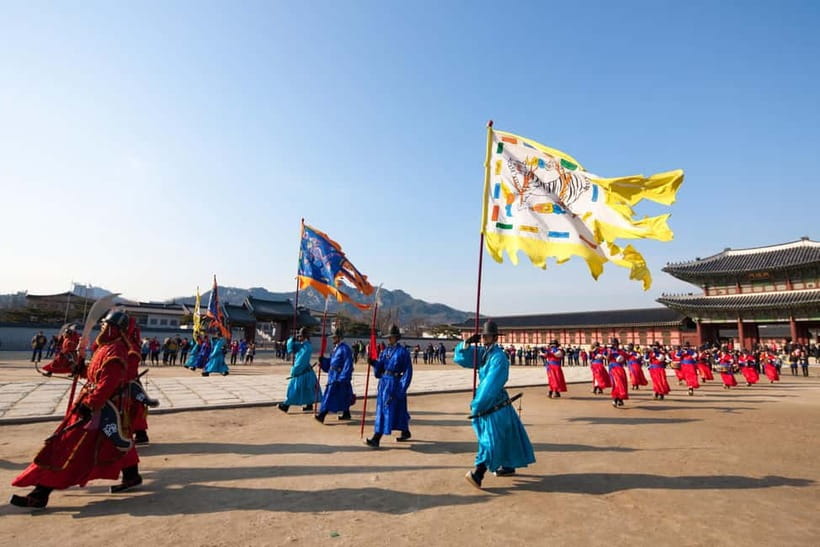
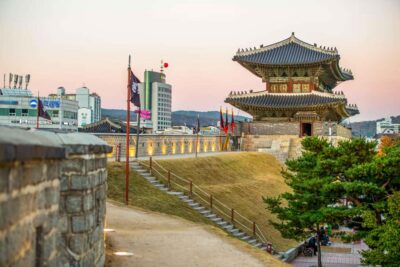
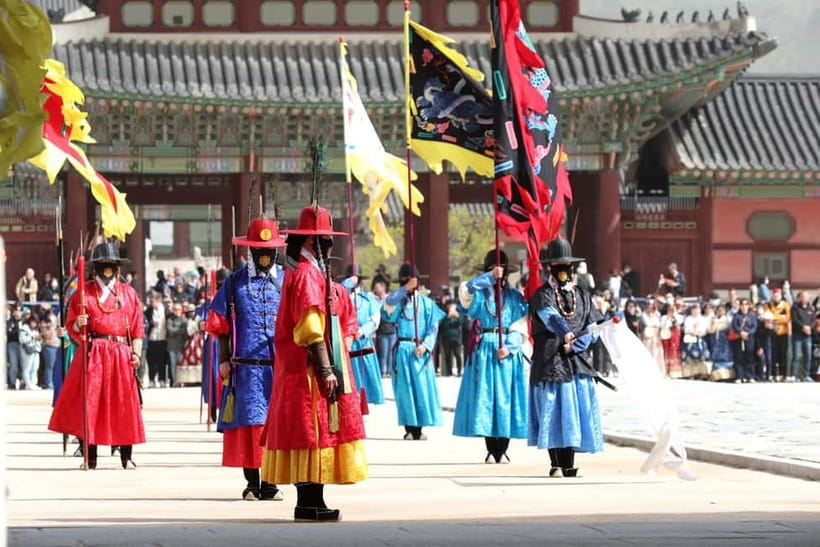
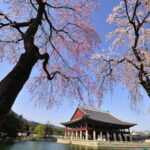
Your day starts with Gyeongbokgung Palace, which is often described as the most beautiful and largest of Seoul’s five main palaces. The guided portion is about one hour, and it sets the tone: grand architecture, ceremonial rules, and a sense of how power worked in earlier Korea.
The standout moment is the Palace Royal Guard Changing Ceremony. It’s the kind of spectacle that feels bigger than the photos make it look, because you’re watching the rhythm, spacing, and formality live. If you’ve never seen a palace ceremony before, this is an easy “wow” to lock in early.
Practical tip: arrive with time to settle your feet and eyes. Palace grounds and crowds can slow you down, and your guide will want everyone gathered before the ceremony starts.
Bukchon Hanok Village: Traditional Neighborhood, Real Photo Time
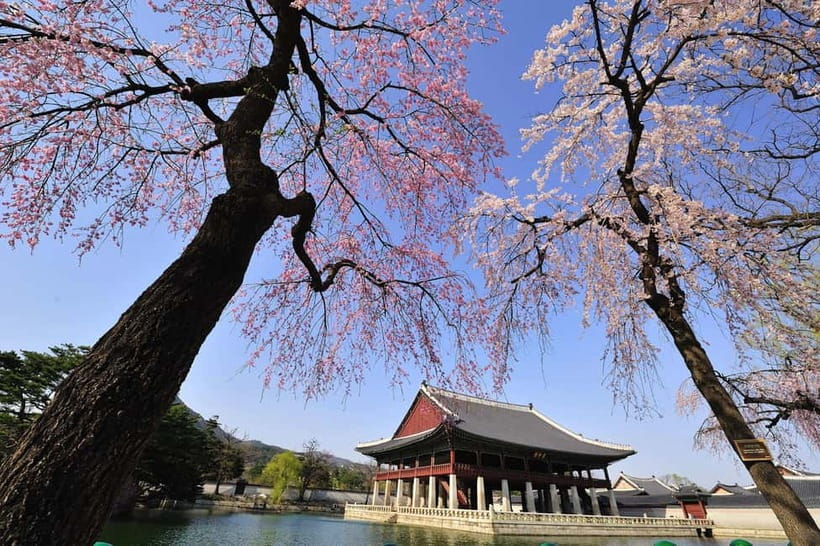
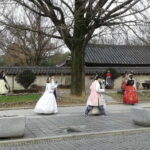
After the palace, you head to Bukchon Hanok Village—a place of old-school homes (hanok) that still function as cultural centers, guest spaces, and restaurants. You get about 30 minutes here, which is short, but that’s actually why it works on a full-day tour. You focus on key streets and viewpoints rather than trying to do everything alone.
What I like about Bukchon is that it’s not only staged-looking. The houses feel lived-in, and you get a better sense of what “traditional Seoul” means beyond a single landmark. The time also gives you a clear mission: walk the lanes, find angles, and get your photos without feeling rushed by exhaustion.
Wear shoes you don’t mind getting a workout. This stop is about walking and looking, and it’s easy to overdo the photo stopping if you don’t keep moving with the group.
Bugak Skyway (Bugak Palgakjeong): Seoul Views Without the Fuss
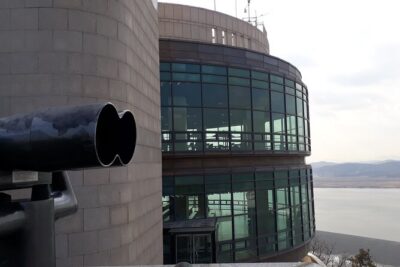
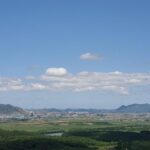
Next comes Bugak Palgakjeong, also called the Bugak Pavilion. This is on the slopes of Bugaksan Mountain, and the main payoff is the panoramic view of Seoul. You’ll have about 40 minutes for this guided stop, which is enough time to pause, scan the city, and take photos without feeling like you’re stuck for hours.
This is also where your guide’s storytelling matters. Instead of just saying that you’re looking at Seoul, they help you understand what you’re seeing—how the city spreads and how areas connect.
A weather note: this is an outdoor-ish viewpoint stop. The tour runs rain or shine, so bring a compact rain layer if the forecast looks uncertain. In cold weather, you may appreciate a pause where you can look first and then warm up.
Cheongha Korean Ginseng Museum: Shopping With Context
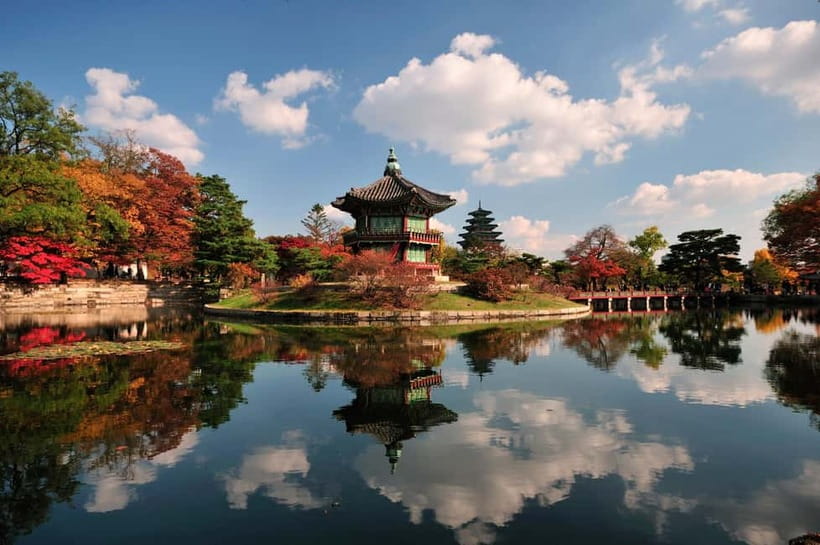
Then you’ll shop at Cheongha Korean Ginseng Museum. You get about 30 minutes here, and it’s part shop, part education.
Ginseng is treated like a serious cultural product, not a random souvenir. The guide usually ties it back to its long history—ginseng being referenced in old texts like Ji Jiu Zhang during the Han dynasty—and explains why Korean ginseng is known for strong adaptogenic reputation (based on the tour’s scientific framing).
Here’s the deal: this is also a shopping moment, so keep your expectations realistic. One visitor specifically flagged it as feeling a bit like a tourist trap because of higher prices. That doesn’t mean you shouldn’t go—it just means you should shop smart.
My practical advice:
- Decide what you want (tea? extracts? whole roots?) before you start wandering.
- Compare options quickly, then commit.
- If you’re unsure, treat it as a “look and learn” stop rather than a must-buy moment.


Gwangjang Market Lunch: Eat Local, Pay Your Own
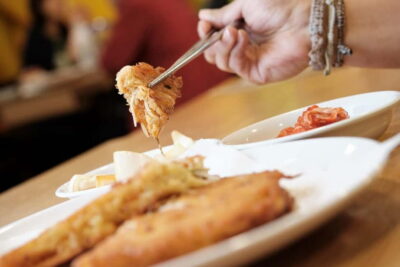
Lunch happens at Gwangjang Market, with time given so you can eat at your own expense. The market is described as the nation’s first market, and it’s a great place for browsing and grabbing something quick without planning a separate meal.
You’ll find lots of options, though they’re not brand-name shopping. Many people like it because prices can feel friendlier, and the sheer variety makes lunch feel like part of the experience.
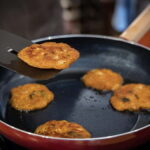
Bring some cash if you can. It gives you more freedom about which vendors you can choose during the stop. If you like sweet treats, one guide even handed out a red bean pancake as a small bonus moment—stuff like that is why this market stop feels memorable.
War Memorial of Korea: History That Puts Things in Perspective
After lunch, you head to War Memorial of Korea, a museum established in 1994. Your guided time here is about one hour, and the focus is on preventing war through lessons from the Korean War and hope for reunification of North and South Korea.
This isn’t a quick photo stop. It’s the kind of place where you’ll start thinking about the bigger stakes behind what you see today. The guide’s job is crucial here: it helps you connect what you’re reading and seeing to the reality of how Koreans view the modern story.
If you’re the type who tends to skip museums, this is the one I’d tell you not to skip. It gives you a deeper frame for understanding the country beyond palaces and markets.
Jogyesa Temple: Buddhism in the Middle of the City
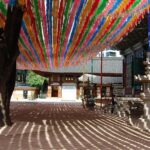
Next up is Jogyesa Temple, the chief temple of the Jogye order in Korean Buddhism. You’ll get about 25 minutes here, which is just enough time to slow down and notice details you’d miss at full speed.
The tour frames Jogyesa as a place tied to how society lives together, with Bodhisattva spirit as part of the temple’s message. It also has historic significance through Korea’s turbulent modern era, so you’re not only looking at beautiful objects—you’re seeing continuity.
This stop is a good contrast to the more intense war-history museum. Temples let you reset your head for a moment.
Tapgol Park: Independence-Movement History and Pop-Culture Cameos
You finish the day at Tapgol Park, near Insadong, with a guided visit of about 30 minutes. Tapgol Park is tied to the March 1st Korean Independence Movement that began in 1919—an important moment in Korea’s push for independence from Japanese rule.
Fun detail: the park is also mentioned as being featured briefly in Squid Game Season 2, episode 1 (Bread and Lottery). Even if you’re not a show watcher, it helps people anchor the park in their memory.
This stop works well as a closing chapter. After palaces, markets, and war history, you end with a place that connects national identity to real streets you can stand on.
Price and Value: Is $60 a Good Deal?
At $60 per person for about 8 hours, the value depends on how you travel.
You’re getting:
- Entrance fees
- Local guide
- Air-conditioned transport (minivan or coach)
- Optional hotel pickup in central Seoul (if you choose it)
Food isn’t included, and you’ll also likely spend a bit at the ginseng shop if you choose to buy. Hanbok rental time isn’t offered, either. So you need to budget for lunch and any shopping.
Still, for many people this is a smart deal because you’re paying for someone to manage timing and get you through multiple major stops without the stress of planning every link. If you’re short on time—like you’re doing a one-day transfer or you want a first-day orientation—this pricing often feels fair.
And from the practical side: the transport is comfortable, which matters in a city where you can waste time waiting and re-routing.
Getting There: Meeting Point, Optional Pickup, and Staying On Schedule
The meeting point is outside Myeongdong Station Exit 10, next to Sejong Hotel. If you’re not doing hotel pickup, you’ll still want to arrive early enough to find your group quickly.
If you choose optional hotel pickup, it’s only for central Seoul areas like Gangnam, Myeongdong, Gwanghwamun, Itaewon, and Dongdaemun. Pickup typically runs between 7:20 AM and 8:40 AM, and you should confirm your exact pickup time in your confirmation email.
A key rule: joining after the tour starts at Gyeongbokgung Palace isn’t permitted. Also, contacting the guide once the tour is already in progress isn’t allowed. Translation: be on time and stick with the group.
Your final stop is at Myeongdong Cathedral, near Myeong-dong Station, which is convenient if you’re planning to keep exploring after the tour.
Group Day Reality: What Walking, Weather, and Photos Look Like
This is a “move through the city” day. Even with transport between stops, you’ll spend plenty of time walking around palace areas, traditional lanes, and outdoor viewpoints.
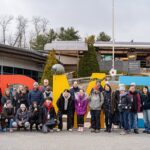
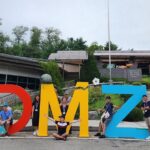
Your guide often helps with photos, and several visitors have noted guides like Chloe or Sophie being good at taking pictures for solo travelers. That’s a real comfort factor if you don’t want to keep begging strangers or wrestling with your phone timer.
Because it runs rain or shine, bring layers and plan for cold or light wet weather. Comfortable walking shoes are strongly recommended, and that’s not just company-speak. Your feet will do most of the work.
One more consideration: this tour isn’t suitable for wheelchair users, and pets, baby strollers, and alcohol/drugs aren’t allowed.
Who Should Book This Full-Day Seoul Highlights Tour
I think this tour fits best if you:
- Want a strong first taste of Seoul without building an itinerary from scratch
- Like a guide who explains what you’re looking at (not just where to stand)
- Prefer a day with both “pretty” sights and thought-provoking stops
- Travel with limited time, but still want more than one neighborhood
I’d reconsider if you:
- Want long, slow time in just one or two places
- Need step-free access
- Hate shopping stops (the ginseng museum is part of the program)
Should You Book This Seoul Highlights Full-Day Tour?
If you’re trying to choose one efficient Seoul day, I’d say this is a solid pick. For $60, you’re buying a guided route that strings together palace ceremony, hanok village streets, viewpoints, market lunch, war history, and temple + independence history—all with transport and entrance fees handled.
Book it if you want structure and stories, and you’re okay with a full day of walking. Pass if you want total freedom and don’t want any shopping moments. If you do book, bring cash for lunch options, wear comfortable shoes, and start the morning with patience—you’re about to see a lot, and your guide will help make it make sense.
FAQ
How long is the Seoul Highlights full-day tour?
The tour runs for about 8 hours.
What does the $60 price include?
The price includes entrance fees, a local English guide, and transport by air-conditioned minivan or coach. Hotel pickup is included only if you select the pickup option.
Where do I meet the group?
Meet outside Myeongdong Station Exit 10, next to Sejong Hotel.
Is hotel pickup available?
Optional pickup is available from central Seoul areas such as Gangnam, Myeongdong, Gwanghwamun, Itaewon, and Dongdaemun, typically between 7:20 AM and 8:40 AM. Your confirmation email will have the pickup timing.
What’s the lunch situation?
Lunch is not included. You’ll have time at Gwangjang Market for food purchases at your own expense.
Does the tour run in bad weather?
Yes. The tour runs rain or shine.
Is the tour suitable for wheelchair users?
No, it is not suitable for wheelchair users.
Are there any restrictions on what I can bring?
Pets, baby strollers, and alcohol/drugs are not allowed.
Is hanbok rental included or available during the tour?
Hanbok rental time is not offered as part of this tour.