REVIEW · CYCLING TOURS
Seoul E-bike Tour
Book on Viator →Operated by We Ride Korea Bicycle Tours · Bookable on Viator
Three hours, zero Seoul stress. This small-group e-bike tour is built for fast orientation: you glide between major sights, hit photogenic neighborhoods, and still leave time to keep exploring later on foot.
I especially like the way the route leans on included snacks at a traditional market, so your break isn’t just another stop on a schedule. You also get help when you need it, from the early bike fitting to the safety briefing and helmet/vest setup.
One thing to plan for: you’ll want to bring a reusable water bottle (or buy one before you start), and you should be comfortable with a moderate amount of riding even with electric assist.
In This Review
- Key points before you ride
- Why an e-bike loop is the best way to start Seoul
- Start smart: We Ride Korea bike fitting and safety gear
- Cheonggyecheon Stream: a peaceful reset between neighborhoods
- Gyeongbokgung Palace: iconic gates plus timed viewing
- Tongin Market: snack sampling that actually tastes like Seoul
- Seochon and the city wall: a short walk with real neighborhood flavor
- The Blue House stop: a big landmark without the long detour
- Bukchon Hanok Village: photos and scale, powered by electric assist
- Jogyesa Temple: the calm finish that makes the whole tour feel complete
- How the 3-hour pacing actually works (and why it matters)
- Price and value: why $120 can make sense here
- Guides and photos: more than just facts
- What to bring so the ride stays easy
- Should you book the Seoul e-bike tour?
- FAQ
- How long is the Seoul e-bike tour?
- What’s included in the price?
- Do I need to bring a water bottle?
- Is lunch included?
- Are attraction tickets included?
- Where do I meet the tour?
- Is the tour suitable for beginners or riders who aren’t very fit?
Key points before you ride
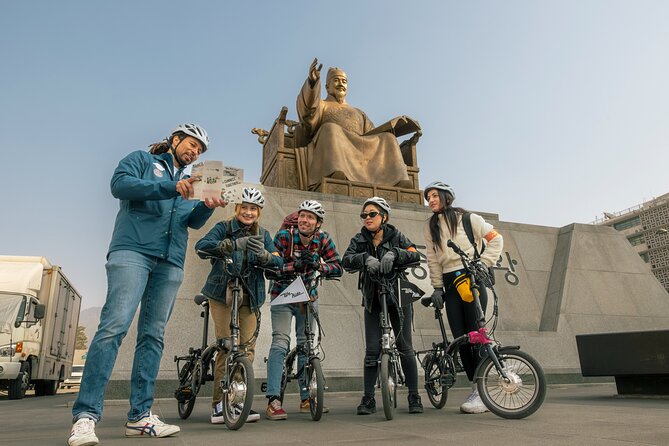
- Small group size (max 15) means less waiting and easier guide attention around busy sights
- 3-hour route covers big hitters like Gyeongbokgung Palace and Bukchon Hanok Village without tiring you out
- Market food sampling turns the Tongin Market stop into a real Seoul moment, not just sightseeing
- Photo-friendly timing helps you catch highlights like the changing of the guard at Gyeongbokgung
- Mostly bike-lane routing keeps the ride smoother and reduces the “where do we go?” stress
Why an e-bike loop is the best way to start Seoul
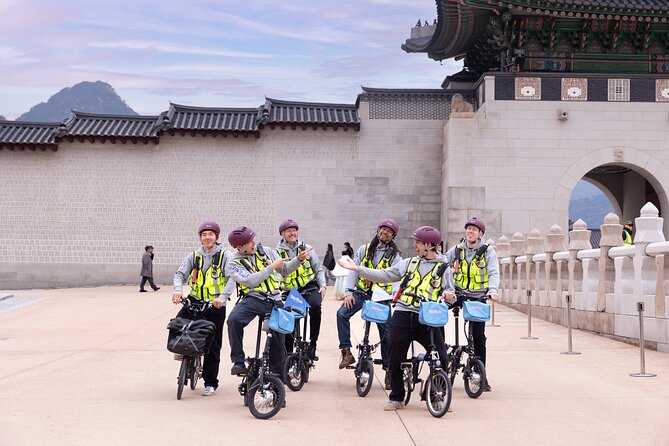
Seoul is huge, and the main sights tend to clump in ways that make walking feel like a whole second vacation. This tour focuses on a tight loop through historic areas, using electric bikes so you can move quickly and still enjoy the streetscape.
I like that the pacing is practical. You’re not stuck in a bus line for hours, and you can actually look around instead of just getting transported.
You’ll also get a sense of how Seoul is laid out: waterways, palaces, palace-area neighborhoods, then hanok streets, then temples. That mental map pays off for the rest of your trip.
You can also read our reviews of more cycling tours in Seoul
Start smart: We Ride Korea bike fitting and safety gear
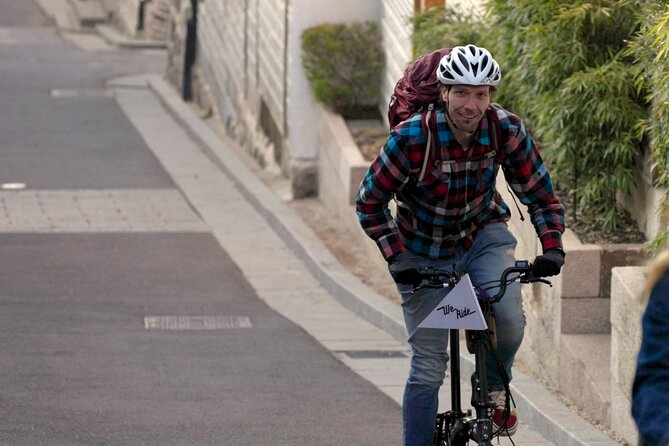
The tour starts at Le Meilleur Jongno Town (19 Jong-ro, Jongno District). You’ll then head to the We Ride Korea Bicycle Tours & Rentals location for fitting and a safety rundown, so arriving 20–30 minutes early isn’t optional if you want it to feel calm.
This is where you’ll get your e-bike set up and learn the basics before you join the ride. That matters, because the tour moves through real city streets and includes a few slightly tougher sections where you’ll appreciate having bike controls down.
You’ll be provided safety equipment like a helmet and vest, plus comprehensive insurance coverage. It’s the kind of “boring but important” detail that makes the whole day feel safer.
Cheonggyecheon Stream: a peaceful reset between neighborhoods
The first real sight stop is Cheonggyecheon Stream, where you get about 10 minutes to walk and look around. It’s a rare break from traffic energy, and it gives you an easy early win because the area is flat and scenic.
What you’ll enjoy here is the contrast. One minute you’re gearing up for palace-zone Seoul, and the next you’re watching the waterway that shaped the city’s central area.
You don’t need long here. Treat it like a warm-up and a moment to orient your eyes before the bigger monuments.
Gyeongbokgung Palace: iconic gates plus timed viewing
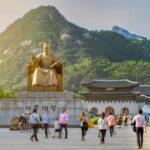
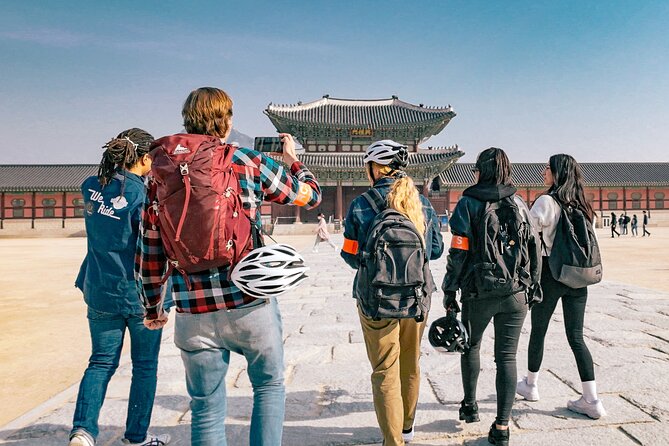
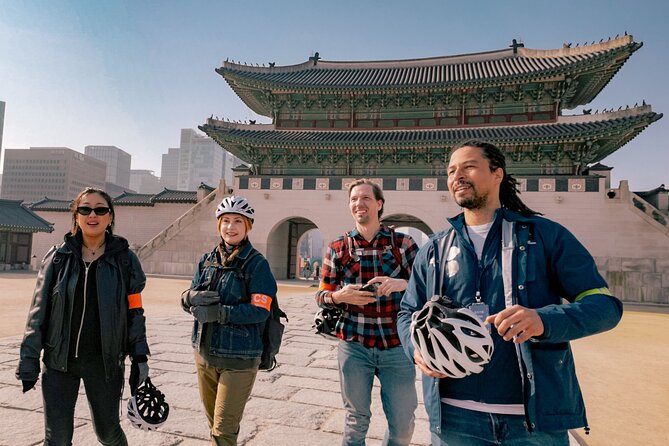
Next is Gyeongbokgung Palace, with 10 minutes on-site. Even in a short visit window, it hits the big visual payoff, including the iconic palace gate area.
A highlight you should plan for is the changing of the guard moment. Guides time arrival so you can see it from start to finish, and they also help with where to stand for photos afterward. If you care about pictures, this is the stop where the guide’s timing really shows.
The main drawback is also the same as most palace visits: it can get crowded. If you’re the type who likes wide open space for photos, accept that you’ll be working with a lively crowd and lean into the photo strategy your guide gives you.
Tongin Market: snack sampling that actually tastes like Seoul
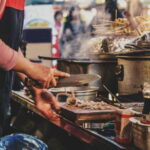
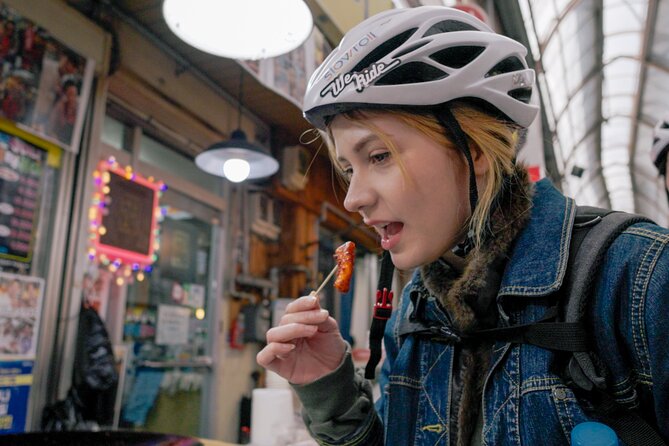
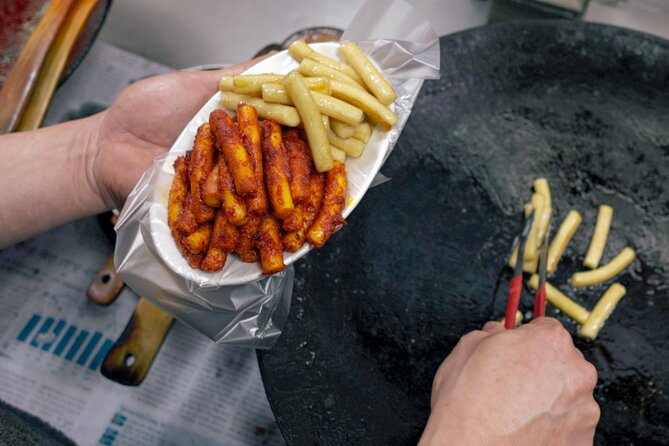
Tongin Market is next, with about 10 minutes to eat and wander. This is where the tour earns its keep for food lovers: you get recommended Korean street food, and you’ll be able to try items like tteokbokki and other rice-cake snacks.
I like that this isn’t a random “buy something if you want” moment. You’re guided to what to try, and the included snacks help you avoid the usual trap of spending your short time hungry and indecisive.
The smartest move here is to sample a bit, then keep moving. With only a brief window, you’ll get more out of the rest of the route than trying to turn it into a full meal.
Also note the water rule: you’re not getting lunch, so keep sipping along the way and plan for the next rides and photo stops to come in quick succession.
You can also read our reviews of more tours and experiences in Seoul

Seochon and the city wall: a short walk with real neighborhood flavor
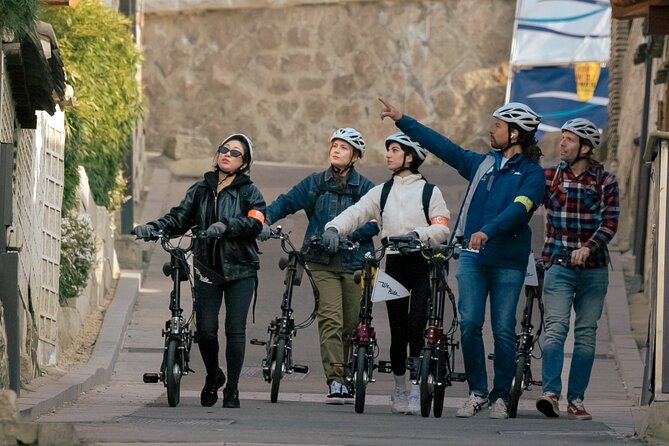
The tour then heads into Seochon, where you get about 10 minutes. This stop includes a look at the area’s historic defense vibe and passes along the oldest surviving gate in the city wall.
There’s also an optional hot drink component. Even if you skip it, the short walk helps you feel the neighborhood shape instead of just snapping photos from a roadside position.
One practical consideration: Seochon has hills. The e-bike helps a lot, but you’ll still feel the rhythm of the area more than you would on a flat river route. If you’re sensitive to uphill effort, make sure you start pedaling early instead of waiting until you’re already straining.
The Blue House stop: a big landmark without the long detour
You’ll then reach The Blue House area, with about 10 minutes. The tour describes it as taking you to the presidential house, and the route is designed to keep the landmark part of your day without turning it into a half-day detour.
This is one of those stops where you’re more focused on the overall look and the significance than on lingering. Expect it to feel like a quick “check it off” moment with a chance to photograph and move on.
If you’re someone who likes context, listen closely here. A few extra minutes of explanation from guides can make this spot feel less like a single photo and more like a piece of Seoul’s political story.
Bukchon Hanok Village: photos and scale, powered by electric assist
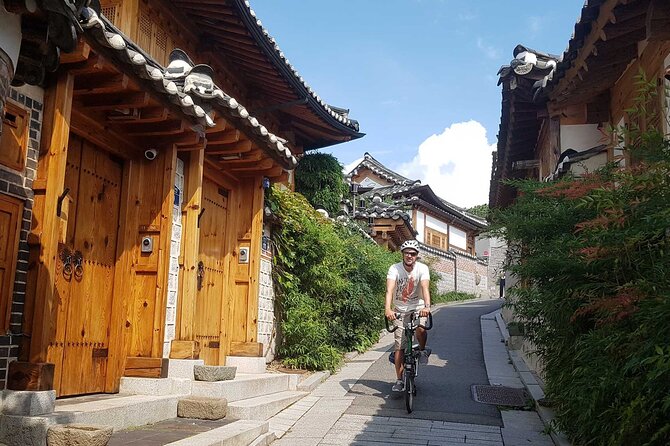
Next is Bukchon Hanok Village, with about 15 minutes. This is the famous hanok neighborhood where the traditional houses stack up across narrow streets, and you get a chance to see it in person and stop for photos.
What I like about this being on an e-bike loop is how you experience the streets leading into Bukchon. Instead of arriving exhausted and sweaty from a long walk, you’re set up to enjoy the atmosphere and take better pictures.
The time window is short, though. If you want a deeper wandering session, use this stop as your “first look,” then come back on your own with more time later.
Jogyesa Temple: the calm finish that makes the whole tour feel complete
To close, you end at Jogyesa Temple with about 15 minutes. It’s a peaceful way to end a day that started in transit energy and palace crowds.
This last stop is also a mood reset. After the built-up sightseeing, you get a quieter atmosphere where you can slow down, breathe, and let your brain catch up.
If you’re thinking about the “best order” of sights, this works. You don’t finish on the most intense crowd area; you finish where the pace can soften.
How the 3-hour pacing actually works (and why it matters)
The tour is about 3 hours, and the timing is built around minimizing the worst crowd pressure. An early start time helps you get to major sites before the city’s foot traffic swells too much.
Most of the riding is planned along bike lanes, which is a real quality-of-life factor. It reduces stress and helps the group stay together smoothly without constant stopping to negotiate traffic.
There’s also practical break planning built in, including a bathroom break mentioned by riders. That kind of detail makes a big difference on a half-day format, especially if you’re pairing this with later plans that same day.
And yes, there are lots of stops where you’ll be off the bike. The good news is you never feel stuck in one place too long. You’re constantly moving, but still getting actual viewing time.
Price and value: why $120 can make sense here
At $120 per person for a 3-hour small-group ride, this isn’t a budget pick. But it can be good value if you’re trying to cover multiple top sights in one go without renting and sorting bikes on your own.
You’re paying for a few things at once: the e-bike, safety gear, insurance, a local guide, and snacks at the market. When you add up the cost of bike logistics plus guide time in a city like Seoul, the price starts to feel less random.
You’re also not stuck paying separate entry costs in the way you might on a walking-only day, since the listed stops show admission tickets as free for these specific segments. That helps this tour function like a “pay once, see more” option.
Big takeaway: this tour shines for first-timers and for anyone with limited time. If you have two full days in Seoul’s core, you might choose to spend that time walking more. But if you want an efficient orientation day, this fits the bill.
Guides and photos: more than just facts
One of the most repeated strengths is guide energy and organization. Names that come up in the experience include TJ, Harry, Vincent, Taejin, Hagar, Jun, and Limmi, and riders consistently note how smoothly the group is handled and how safe everyone feels.
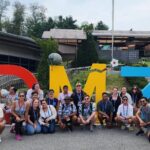
Another big win: photos. Guides take photos throughout the ride, often at each major stop, and then share them afterward. It’s the kind of service that helps you stay present instead of constantly juggling a phone and looking for the perfect shot angle.
Here’s the practical angle: if you care about photos, arrive a little early and wear clothes you’re comfortable riding in. Then follow your guide’s location suggestions at the palace and you’ll get better results with less effort.
What to bring so the ride stays easy
The tour tells you to bring a reusable bottle for water or purchase one from the team before you ride. I’d treat this as a must, because you’ll be moving between neighborhoods and you don’t want to rely on vending or last-minute purchases when you’re halfway through the loop.
Wear something you can ride comfortably in, because the time on the bike is real even with electric assist. Closed-toe shoes are a smart default for hopping off at short stops and walking a bit inside the neighborhoods.
Also, don’t expect lunch to be included. The snacks at Tongin Market are great, but they’re not a full meal plan, so plan your day around that gap.
Should you book the Seoul e-bike tour?
Book it if you want a fast, low-effort way to cover Seoul’s core historic sights in one morning or afternoon block. This is especially worth it for first-time visitors, people short on time, and anyone who prefers bike lanes and guided pacing over public transport transfers.
Skip it (or swap to a different style tour) if you want long, slow wandering at each attraction. With short windows like 10–15 minutes at major spots, you’ll be doing a “see it, then come back” version of sightseeing.
If you’re torn, I’d make the decision based on one question: do you want a guided orientation day with food stops and photos? If yes, this Seoul e-bike loop is a strong bet.
FAQ
How long is the Seoul e-bike tour?
The tour runs for about 3 hours.
What’s included in the price?
You get use of an e-bike, safety equipment (helmet and vest), comprehensive insurance, a local guide, and snacks from the traditional market stop.
Do I need to bring a water bottle?
Yes. You must bring a reusable bottle for water, or you can purchase one from the tour team before the ride.
Is lunch included?
No, lunch is not included.
Are attraction tickets included?
The tour notes admission as free for several key stops (such as Cheonggyecheon Stream, Gyeongbokgung Palace, Tongin Market, Seochon, the Blue House, Bukchon Hanok Village, and Jogyesa Temple). One entry shows admission ticket not included at the starting location, so bring expectations for only the listed stop details to be covered.
Where do I meet the tour?
Meet at Le Meilleur Jongno Town, 19 Jong-ro, Jongno District, Seoul. The tour ends back at this same meeting point.
Is the tour suitable for beginners or riders who aren’t very fit?
The tour recommends moderate physical fitness, but you’ll get a bike fitting and safety education before you ride, and you’ll be on an e-bike to make the experience easier.