REVIEW · CYCLING TOURS
Alpaca World and Nami Island with Gangchon Rail Bike Tour
Book on Viator →Operated by S.A. Tour · Bookable on Viator
Nami Island and alpacas in one day is a good problem. This 10-hour outing ties together Nami Island’s tree-lined paths with hands-on time at Alpaca World, plus a ride at Gangchon Rail Park. It’s a packed route, but it’s built for maximum cuteness and variety, all starting and ending back in Seoul.
I especially like two things: you get alpaca feeding and animal-friend interaction with an on-site alpaca expert, and you also ride an actual rail bike along scenic tracks instead of doing yet another bus-to-attraction shuffle. It feels like real experiences, not just checkmarks.
One thing to consider: time on each stop can feel quick because of the distance and schedule. And if you’re going outside peak seasons for foliage, Nami Island’s look may feel less dramatic than you hoped—though it’s still a classic stroll.
In This Review
- Key highlights to know before you go
- The Seoul logistics: what the 10-hour day actually feels like
- Nami Island’s tree-lined walk: why this place keeps pulling people back
- Alpaca World near Seoul: fluffy feeding, extra animals, and expert talk
- Gangchon Rail Park and the Rail Bike: the scenic ride part
- Guide-driven smoothness: Jesse, Rose, Alex, David, Zero, and more
- Timing and pacing: how to make the most of limited hours
- Price and value: is $65.45 a smart deal?
- Who this day trip fits best (and who should rethink it)
- Should you book Alpaca World + Nami Island + Gangchon Rail Bike?
- FAQ
- How long is the tour?
- Where does the tour start and end?
- Is pickup included?
- What’s included in the ticket price?
- What is not included?
- How many stops are there?
- Do I need good weather?
- What’s the cancellation window?
Key highlights to know before you go
- Alpaca World feeding time with an expert who explains alpacas’ habits and fun facts
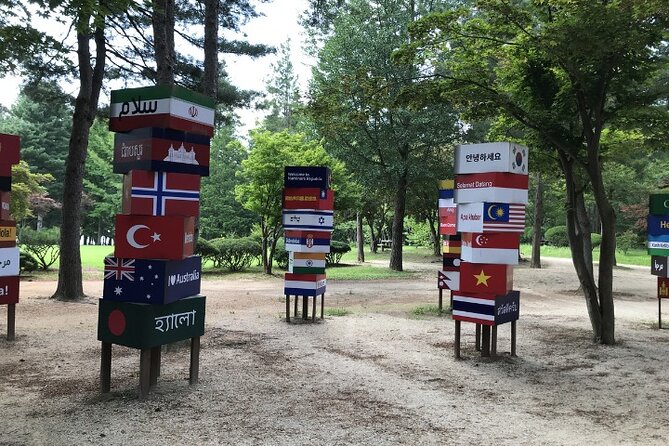
- Nami Island’s Winter Sonata fame and the iconic tree-lined walking paths
- Gangchon Rail Bike on old railroad tracks, with nature views along the route
- Air-conditioned group transport plus entrance fees for all stops included
- Guides with clear organization, including time adjustments when traffic hits
The Seoul logistics: what the 10-hour day actually feels like
This tour runs about 10 hours and moves between three very different settings: a filmed-for-the-postcard island, a themed animal farm, and an outdoor rail-bike park. The meeting point is Hongik Univ. Station, and the day ends there as well, though the return route may only stop at Hongdae if afternoon traffic is heavy.
The bus setup matters here. You’re in an air-conditioned vehicle, and the tour includes round-trip transportation plus a guide. That’s a big deal on a day like this because Gangchon Rail Park and Nami Island aren’t next door to Seoul. The schedule is the point: you get to experience each place without doing the “two transfers and a taxi” dance.
Group size is capped at 40 travelers, which usually keeps things manageable. The ride time can be long enough that it’s worth planning for comfort. One practical tip from past participants: bring something for the bus—music, a book, even just something to break up the quiet stretch.
Also keep your shoes in mind. This day includes walking at Nami Island and moving around at Alpaca World and Gangchon Rail Park, so wear comfortable walking shoes. You’ll thank yourself when the schedule turns from seated transport to active strolling.
You can also read our reviews of more cycling tours in Seoul
Nami Island’s tree-lined walk: why this place keeps pulling people back
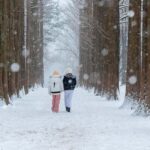
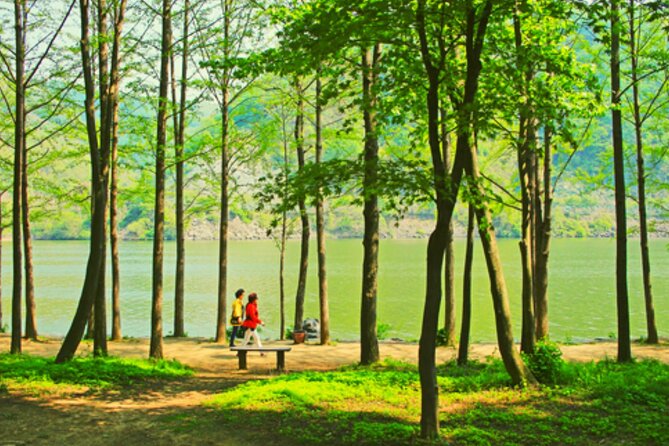
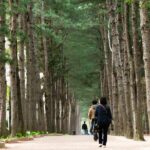
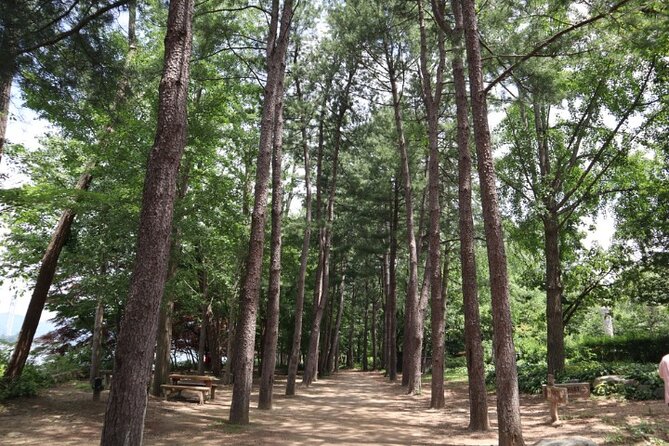
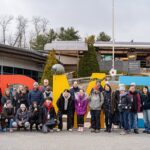
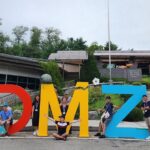
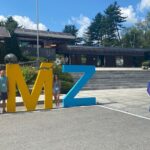
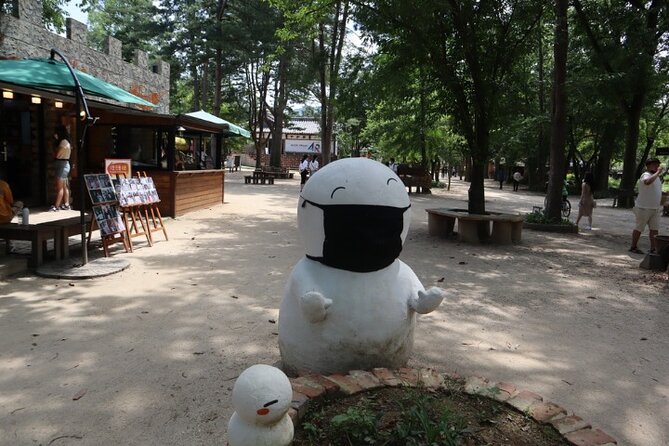
Nami Island is about 63 km from Seoul, in the direction of Chuncheon. It’s especially famous in winter thanks to the K-drama Winter Sonata, which is why so many people treat it like a live movie set. Even if you’re not watching the show, the island’s main vibe is the same: slow strolling, scenic framing, and that “walk and photograph” rhythm.
You’ll get around 2 hours here, which is enough to feel the island but not enough to treat it like a full-day getaway. The time is best used on the signature tree-lined roads and calmer river views around the area. If your priority is photos, plan to start with the most iconic walking sections early, before the group settles into its full roaming pace.
One more useful reality check: Nami Island can look different depending on season. If you go after leaves have dropped, the scenery can shift from lush-green drama to a more muted, crisp look. You might still have a lovely time—just don’t expect the exact same look you see in peak-season promo photos.
If you want to cover more of the island with less walking, there’s also an option some people take during their visit: renting a bike on Nami Island to see more in the limited time. If you’re the type who gets restless on slow walks, it can be a smart use of your time.
Alpaca World near Seoul: fluffy feeding, extra animals, and expert talk
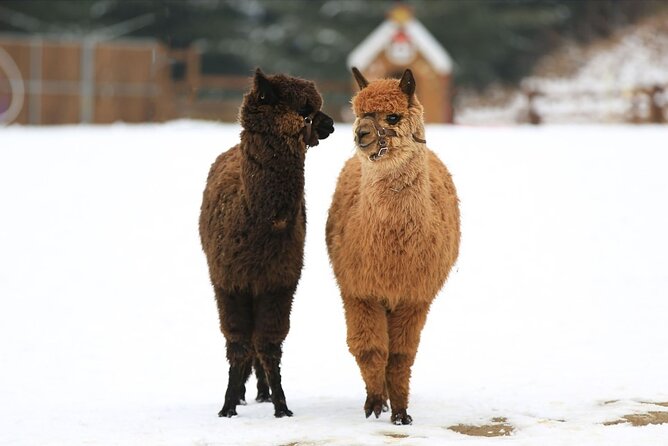
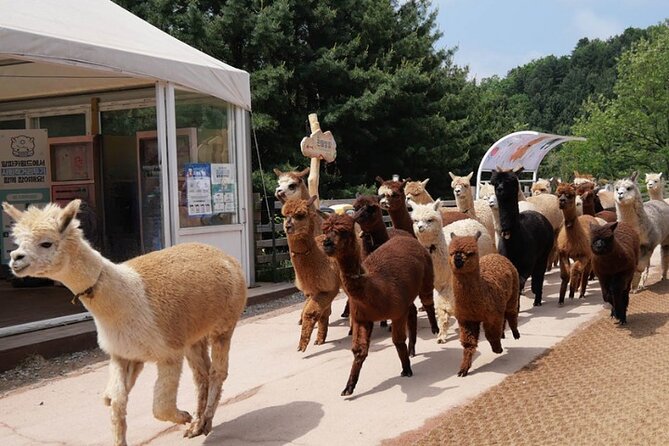
Alpaca World is the warm-and-wholesome stop of the day. It’s marketed as the alpaca theme farm near Seoul, and the experience is built around close encounters. You’re there for about 2 hours, with admission included, and the core activity is interacting with the alpacas—plus feeding and photo moments.
What I like about this stop is that it isn’t only about looking. There’s also a specialist or expert on-site who shares information about alpacas—habits, characteristics, and fun facts. That turns the visit from cute sightseeing into something you can actually talk about afterward, even if your Korean is limited.
The farm also includes other animals beyond alpacas, such as squirrels and ostriches, so it keeps the visit interesting even if you’ve already gotten your alpaca-photo fix. One practical reason this helps: it gives you options if a certain animal area is crowded or if you’re traveling with kids who want variety.
Some people describe the alpacas as having personality—what they do, how they react during feeding, and how they linger for photos. That matters because this is a “stay close to the animals” stop, not a quick pass-by. If you like hands-on animal time (and you’re comfortable following staff instructions), this is the kind of activity that makes the whole day feel memorable.
A small tip that makes a big difference: keep your hands free for photos. If you’re feeding, you’ll want to follow the flow and avoid juggling your stuff. Bring a crossbody bag or something secure, and consider having your phone ready before you enter the feeding or interaction zones.
Gangchon Rail Park and the Rail Bike: the scenic ride part
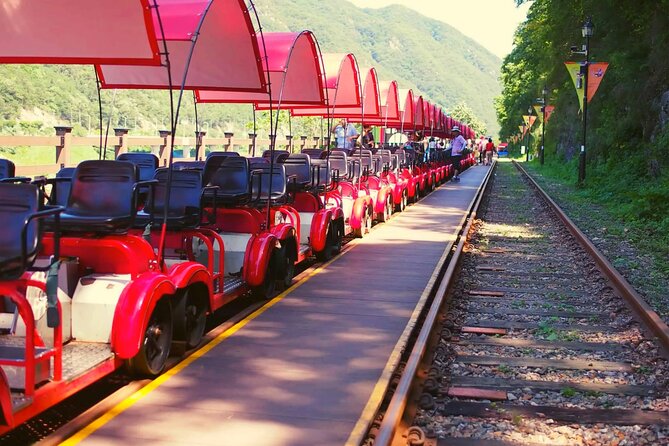
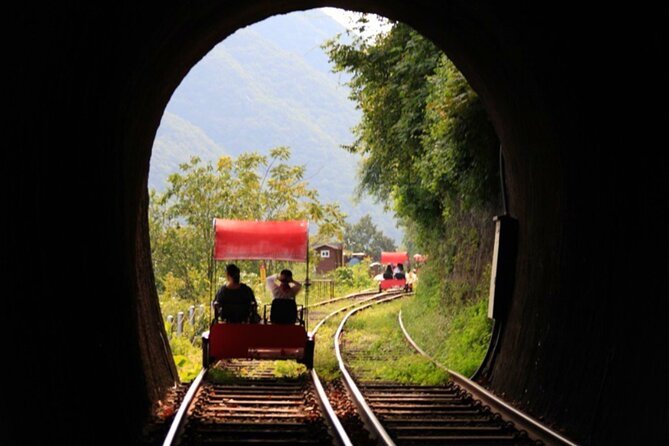
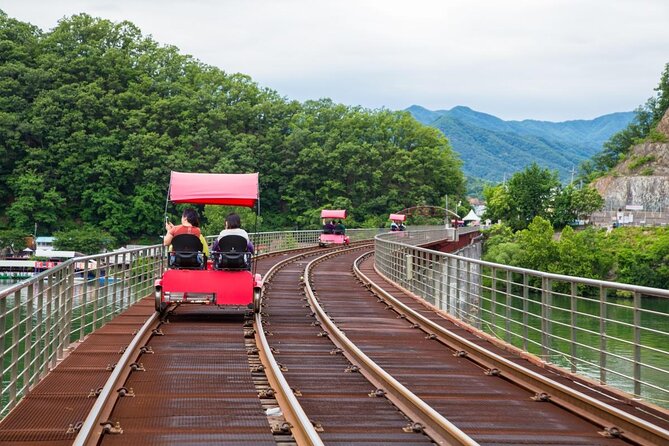
Then you switch from farm cuteness to motion. Gangchon Rail Park is where you take a rail bike ride along old railroad tracks, and the whole point is the ride + scenery combo. You’ll have about 2 hours here, including the rail bike experience as part of the included admissions.
The route is known for nature views, including Bukhangang River scenery referenced as part of the overall atmosphere around Gangchon Rail Park. Even if you’re not obsessed with trains, the rail bike format is a fun change from standard sightseeing because you’re actively doing something. It’s also easy to enjoy as a couple or as a family—everyone can take in the views at their own pace.
Here’s the consideration: you still need to pedal, steer, and manage the basics of a moving activity outdoors. That doesn’t have to be strenuous for everyone, but it does mean your day won’t be entirely sedentary. Wear good shoes, and if it’s breezy, expect wind. One practical note from past riders: the wind can be right in your face during the ride, so dress accordingly.
Weather can also affect how comfortable this part feels, which is why the tour is described as requiring good weather. If conditions aren’t right, the operator may adjust your date rather than running an uncomfortable outdoor activity.
Guide-driven smoothness: Jesse, Rose, Alex, David, Zero, and more
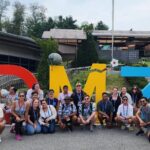
On a trip this packed, your guide isn’t a background character. They’re the difference between a smooth day and a chaotic one. The pattern across guides for this tour is organization and clear communication, with some guides even providing helpful extras like cultural context and practical suggestions for timing and comfort.
Names that come up often include Jesse, Rose, Alex, David, Zero, Alvin, and Josh. Different personalities, same goal: keep the day on track while still making time for photos and questions. People specifically note that guides stay engaged and helpful—especially during the moments where the schedule could otherwise slip due to traffic.
Traffic is real on routes out of Seoul, and there’s a practical upside: guides can adjust timing when needed. For example, one recurring theme is that when holiday or afternoon traffic hits, the plan may shift so that each location still gets a similar amount of time. That’s exactly what you want from a day trip.
Communication also tends to be a strong point. Some participants mention receiving updates through apps like WhatsApp, plus clear meeting instructions so you don’t lose time trying to figure out where everyone regrouped.
If you do anything to maximize your experience, do this: ask your guide what lunch spot they recommend and follow their advice. Past participants report that the guide-proposed lunch option was tasty and helped save time. It’s a simple move that usually improves the day more than people expect.


Timing and pacing: how to make the most of limited hours
This tour is built to fit three separate worlds into one day, so you need a “pick your priorities” mindset. The description sets 2 hours at each major stop, but in real life you may not use every minute exactly the way you imagine—especially if there’s delay. Reviews often mention the day can feel quick at Nami Island and Alpaca World simply because you’re seeing a lot.
The best way to handle that: decide what you care about most before you’re on the bus. For example:
- If your top goal is alpacas, focus on feeding and interaction time first.
- If your top goal is photos, prioritize iconic Nami Island tree-lined sections early.
- If your top goal is the experience, go into the rail bike ride ready to enjoy the movement, not just the scenery.
You’ll also benefit from knowing that there are restroom breaks and stops between locations. That small support makes a long bus day far less stressful.
And don’t ignore the trip rhythm. You’re starting in Seoul, leaving the city, then switching between outdoor areas and transport. If you can pack your day to reduce decision-making—snack in the morning, water on you, phone charged—you’ll feel less rushed the moment the group is moving again.
Price and value: is $65.45 a smart deal?
At $65.45 per person, this is not a “cheap and cheerful” tour, but it also isn’t just paying for a bus ride. You’re getting a guided day that includes:
- air-conditioned transport
- entrance fees to all three attractions
- round-trip traffic
- a tour guide
- a mobile ticket
That combination is what makes it feel like value. If you were to plan each stop on your own, you’d likely pay for transportation anyway (and then deal with the hassle of coordinating admission times and transit). Here, the main cost is packaged into one price.
The one item that is clearly not included is catering consumption (meals/snacks) and other personal spending. So budget for lunch and whatever you want to drink or snack on. The good news is that guides often help with lunch recommendations, which can help you avoid overpriced or inconvenient options.
If you’re the type who likes variety—animals, scenery, and an active ride—this route is a good fit. If you’re only interested in one stop, the price might feel less justified. This tour works best when you’re happy to enjoy all three.
Who this day trip fits best (and who should rethink it)
This tour is a strong match if you:
- want a one-day Seoul escape without complex planning
- enjoy animal interactions and plenty of photo time
- like scenic walks and also want one active component (the rail bike)
- travel as a couple, family, or mixed group and want something for everyone
It’s also a good option when you want a guide to keep the day organized across multiple locations. Many people come away praising the guide experience, not just the attractions.
You may want to rethink if:
- you’re sensitive to long driving days
- you only care about one attraction (like just Nami Island)
- you’re going during a season where Nami Island visuals may not match your expectations
The biggest “match test” is your tolerance for pacing. This isn’t a slow, linger-all-day style outing. It’s a do-three-things-in-one-day itinerary.
Should you book Alpaca World + Nami Island + Gangchon Rail Bike?
I’d book it if you want a packed, well-organized day where the highlights feel balanced: alpaca time that’s interactive, Nami Island that’s made for walking and photos, and a rail bike ride that adds movement and scenery. The included admissions and transport make the price easier to swallow, and the guide support seems to be a real strength.
Skip it (or at least lower expectations) if you want maximum time at just one place, or if you’re very picky about seasonal scenery. And always dress for outdoor movement and weather, because the rail bike and island strolling are the heart of the day.
If your ideal day includes animals plus scenery plus one memorable ride, this is a solid, efficient choice from Seoul.
FAQ
How long is the tour?
The tour is about 10 hours.
Where does the tour start and end?
It starts and ends at Hongik Univ. Station in Seoul.
Is pickup included?
Pickup is offered, and the tour includes round-trip traffic.
What’s included in the ticket price?
Entrance fees for Nami Island, Alpaca World, and Gangchon Rail Park are included, along with air-conditioned transportation and a tour guide.
What is not included?
Catering consumption (meals/snacks) and other personal spending are not included.
How many stops are there?
There are three stops: Nami Island, Alpaca World, and Gangchon Rail Park.
Do I need good weather?
Yes. The tour requires good weather, and if it’s canceled due to poor weather, you’ll be offered a different date or a full refund.
What’s the cancellation window?
Free cancellation is available up to 24 hours in advance for a full refund. If you cancel less than 24 hours before the start time, the amount paid is not refunded.
![The Seoul Pub Crawl [official] - Skip-the-line club entry: what VIP access changes in Seoul](https://1.visitseoulkorea.com/wp-content/uploads/the-seoul-pub-crawl-official-400x267.jpg)