REVIEW · FOOD & DRINK
Soju Tasting at Distillery – story of 3 pigs
Book on Viator →Operated by Sam LEE · Bookable on Viator
Soju gets a story, not a shortcut. This small-group session at Samhae Soju turns Korean alcohol trivia into a real distillery visit, then caps it with 7+ tastings led by Sam Lee. I love that it focuses on the spirit-making process you cannot really see elsewhere, and I also love the lineup leaning into higher-proof soju, not the mild stuff. One drawback to consider: you’re drinking a fair amount in about 90 minutes, so you’ll want to go in fed and ready to slow down.
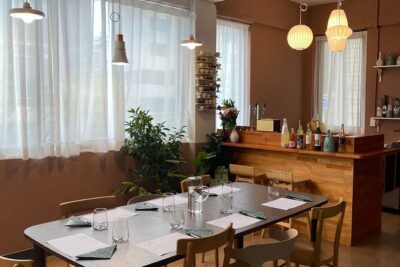
The setting helps. You meet in Mapo-gu and go downstairs into a working distillery, with a host who keeps the mood relaxed and question-friendly. If you want a low-key night with a bit of Korean culture built in, this fits well.
In This Review
- Key things that make this soju tasting worth your time
- Meet Samhae Soju in Mapo-gu, then head underground
- The three pigs story, plus the Joseon-class connection
- What you taste: 7+ pours, including 90-proof style soju
- A quick Korean alcohol map: Tak-ju, Cheong-ju, and So-ju
- Inside the distillery: what you’ll actually see
- The pace: 1 hour 30 minutes, and why it works
- Sam Lee’s hosting style: friendly talk, patient answers, real conversation
- Price and value: is $43.83 worth it in Seoul?
- Practical tips so you get the most out of the night
- Who should book this soju tasting, and who might not
- Should you book this Samhae Soju tasting?
- FAQ
- FAQ
- Where does the soju tasting start?
- How much does the tour cost?
- How long is the experience?
- How many people are in the group?
- What’s included in the tasting?
- Does the tasting include premium-strength soju?
- Is it a mobile ticket?
- Who is the experience provider?
- Is the experience ever canceled?
- What is the cancellation policy if I need to change plans?
Key things that make this soju tasting worth your time
- Real distillery access: you get inside a production space, not a public tasting room
- Sam Lee leads it: lots of Q&A and easy conversation during the pours
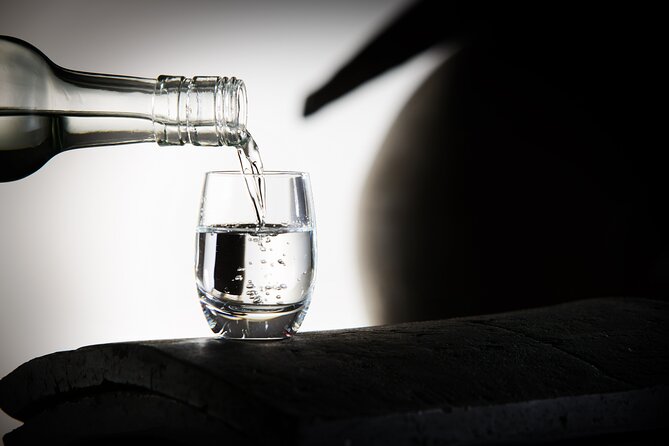
- Higher-proof soju focus: premium styles can be 45% and above (90 proof+)
- 7+ different Korean alcohols: the tasting is built as a progression, not random sips
- Joseon-era backstory: you learn how social class and hard resources shaped soju
- The three pigs story: the folklore angle gives the whole experience a memorable hook
Meet Samhae Soju in Mapo-gu, then head underground
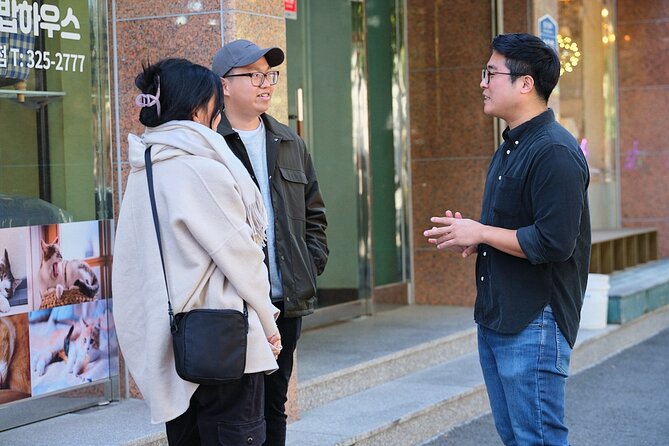
You start at Samhae Soju in Seoul’s Mapo-gu (World Cup buk-ro, underground level 1). The address matters because this is one of those experiences where showing up exactly where the organizer expects you saves time and stress. You also get a mobile ticket, so you can keep things simple on your phone.
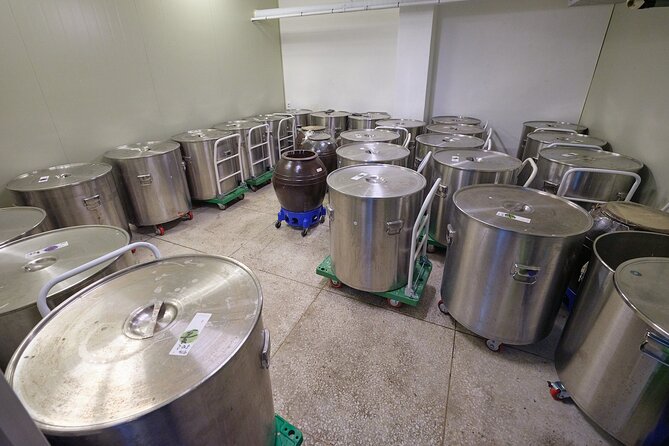
From there, you’re walking into a working distillery environment. That changes the feel right away. You’re not just holding a cup and reading a placard. You’re in the place where fermentation and distillation become liquid, and that makes every taste make more sense.
I like that it’s near public transportation. Seoul is easy to navigate, but you still want a tour that doesn’t require a last-mile scramble with a buzzed brain.
You can also read our reviews of more food & drink experiences in Seoul
The three pigs story, plus the Joseon-class connection
This tour does not treat soju like a generic party drink. It frames soju as an alcohol with social history and real constraints. You’ll hear how Samhae soju was reportedly favored by the noble class in the Joseon dynasty era (1392 to 1894). That matters, because it helps explain why soju became culturally sticky instead of just being another spirit.
Then comes the twist: making it was resource-heavy. Rice takes time and land, and during famines production had to stop. In other words, the story is not only about taste. It’s also about scarcity and who had access when times were rough.
You also get the modern “family recipe” line of continuity. The current master, Hyeonjong Kim, practiced for more than 10 years under master Taeksang Kim, who inherited and kept the recipe in the family. Taeksang Kim passed away in 2021, and the tour positions the tasting as a privilege connected to that lineage. Even if you’re not a history person, this helps the tasting feel like more than a food-and-drink stop.
What you taste: 7+ pours, including 90-proof style soju
The tasting is built around variety. You’ll sample at least 7 different types of Korean alcohols made by the master distiller, with soju as the main focus. That’s important: you’ll see how flavor and strength shift when you move across styles, instead of just doing one “soju flavor tour.”
The soju itself is not the watered-down idea many people carry from the familiar green bottle in convenience stores. This experience leans into premium soju, including styles at 45% or above (90 proof or above). That strength is not a gimmick. It changes aroma and texture, and it can catch you off guard if you’ve only ever had lower-alcohol versions.
You’ll also hear about Korean alcohol categories so you can place each pour. Korean alcohols are often grouped into Tak-ju (unfiltered rice wine), Cheong-ju (filtered rice wine), and So-ju (distilled spirit). Even though this is a soju-forward experience, tasting across styles (and getting the way they relate) makes your palate smarter fast.
One practical note: in about 90 minutes, 7+ tastings plus higher-proof alcohol can add up. If you’re sensitive to alcohol, plan a slow pace from the first pour.
A quick Korean alcohol map: Tak-ju, Cheong-ju, and So-ju
Even if you already know Korean alcohol basics, I like that this tour gives you a simple framework you can remember later. Starting with Tak-ju and Cheong-ju helps explain how you get from fermented rice to a distilled spirit.
Tak-ju is typically described as unfiltered rice wine. Cheong-ju is often described as filtered, making it clearer and usually lighter in certain sensory ways. Then comes So-ju, which is distilled. That distillation step is the big difference: it’s where you move from the wine world to the spirit world.
You might also pick up context on how yakju and takju relate to the steps before soju. The tour is not trying to turn you into a lab tech. It’s giving you just enough process language to understand what you’re tasting in the glass.
If you like learning by tasting, this kind of structure is exactly what you want. It helps your brain connect flavors to production, instead of treating each pour as a random experiment.
Inside the distillery: what you’ll actually see
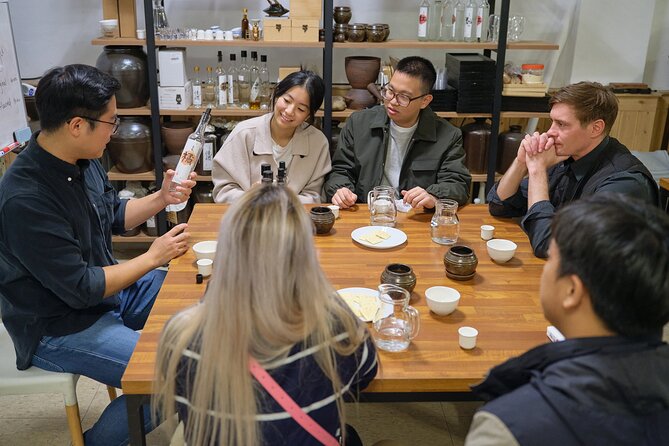
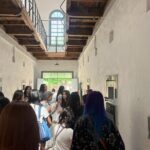
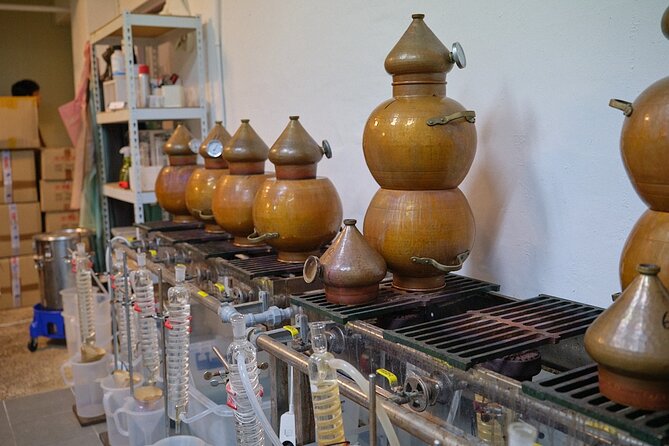
This is one of the main reasons to book. You’re inside a distillery space not open to the public. That means your experience includes a walking look around the production environment, not only seated sipping.
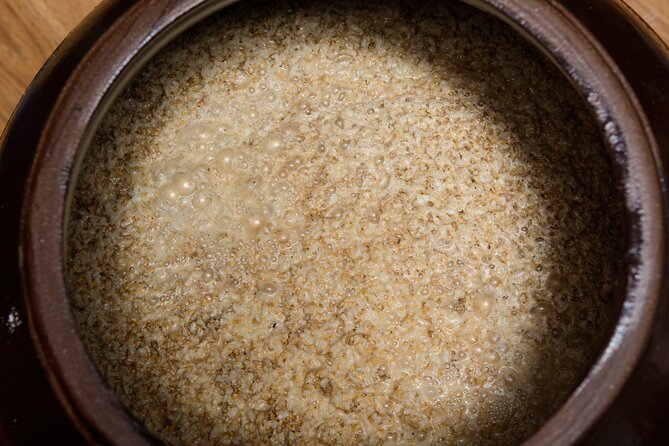
The tour also sets expectations around process. Based on what people report, you can see aspects of the making steps, including fermentation in progress. That is huge for understanding soju. Fermentation gives you the base materials; distillation shapes the final spirit. When you can see the stages, the flavors feel less mysterious.
I also like that the experience stays hands-on in a human way. The host answers questions during the tasting and connects what you see to what you taste. You’re not stuck watching a slideshow while you wait for a final sip.






The pace: 1 hour 30 minutes, and why it works
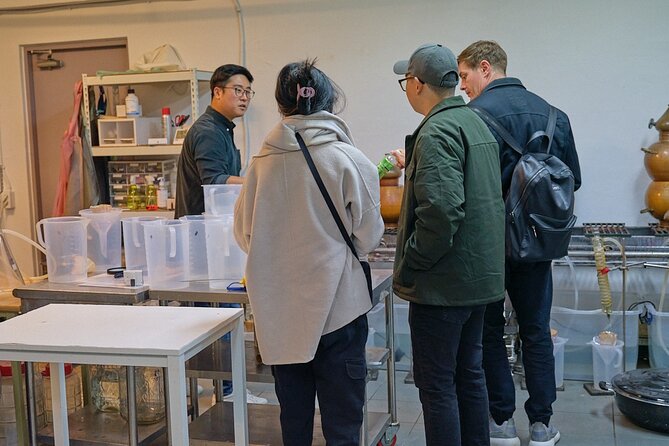
Timing matters with alcohol experiences. This one runs about 1 hour 30 minutes. That’s long enough to learn, walk around, and taste multiple styles. It’s also short enough that you do not lose your night to a long schedule.
The flow generally builds like this: introductions and background, time in the distillery space, then the tasting progression across types of Korean alcohol (with soju as the highlight). The pace is designed so you can keep up without feeling like your brain has to process everything after the first pour.
If you want to make the most of it, come with two mental goals: first, pay attention to aroma changes between styles; second, ask one or two process questions early, when you still have full focus.
Sam Lee’s hosting style: friendly talk, patient answers, real conversation
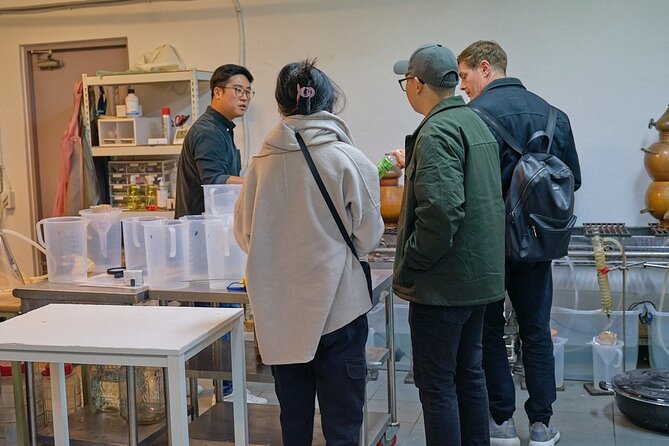
This experience is led by Sam Lee. People consistently describe him as welcoming, funny, and focused on explanation without making it feel like class. That matters because soju tours can go one of two ways: either stiff and scripted, or totally chaotic with no learning.
Here, the mood stays relaxed. You get conversation that feels like a group discussion, not a monologue. In a small group setting (maximum 10 travelers), you can actually hear the answers without straining, and you can ask things like why certain styles taste different or how the process affects strength and aroma.
There’s also a cultural angle. Expect explanations of Korean manners and culture alongside the distillation story. And at the end, you’ll likely leave with recommendations for where to eat in Seoul—useful if you’re trying to turn one good evening into a full food and drink plan.
One drawback for solo visitors: if you prefer being actively included in conversation, be the first to ask a question or share your interests early. The format is designed for group talk, but that still means participation affects how connected you feel.
Price and value: is $43.83 worth it in Seoul?
At $43.83 per person, this is not a cheap pour-by-the-number. But when you match the price to the experience, the value starts to make sense.
You’re paying for three things at once:
1) Access to a distillery not open to the general public
2) Instruction from a master distiller lineage and a host who connects process to flavor
3) Multiple tastings: at least 7 different types, with premium soju that can reach 45%+
In many Seoul tasting experiences, you pay for a set number of small samples, often with less context and less access. Here, the distillery element plus higher-proof tastings justify the cost more than you might expect. The time is also compact at 1 hour 30 minutes, which helps if you’re fitting Seoul into a tight schedule.
If you’re a soju lover, especially one who wants something stronger than the common convenience-store versions, this price feels like it buys you understanding, not just alcohol.
Practical tips so you get the most out of the night
These are small things that can make or break an alcohol-focused tour:
- Eat first. Multiple people note there will be a lot, and it helps to have food on board.
- Sip with intention. Higher-proof soju can hit faster than you expect.
- Bring questions. If you care about distillation, fermentation, or why certain styles taste sharper or smoother, ask early.
- Pace your water. Even if you feel fine at the start, the strength builds over the session.
If you’re planning other nights in Mapo-gu afterward, give yourself a little buffer. You’ll likely leave with a few new soju favorites, but also a more alert palate than you had when you arrived.
Who should book this soju tasting, and who might not
Book it if you want:
- A soju-forward tasting that includes higher-proof options (45%+)
- Real context: how Joseon-era social access shaped production, and why rice-based making mattered
- A relaxed group night led by Sam Lee, where Q&A is part of the experience
You might think twice if:
- You hate alcohol-heavy nights or you’re not comfortable with multiple spirits in a short window
- You want a totally quiet, solo experience with zero group interaction
Also keep in mind the experience requires good weather. If weather is poor, it can be canceled, with an alternative date or a full refund offered.
Should you book this Samhae Soju tasting?
If you like soju even a little, and you’re curious about what makes Korean spirits different from the industrial versions you might buy around the city, I think this is a smart booking. The big win is access to a distillery space plus a guided tasting that connects production to flavor.
If you’re the kind of person who remembers details from the way a process works, you’ll probably love this. And if you’re the kind of person who just wants a fun night, the strong tasting lineup and the lively host still give you plenty to enjoy. Just come fed, go in with a slower mindset, and ask your questions before the final pours.
FAQ
FAQ
Where does the soju tasting start?
It starts at Samhae Soju in Seoul, Mapo-gu, World Cup buk-ro, 109 지하 1호, and it ends back at the same meeting point.
How much does the tour cost?
The price is $43.83 per person.
How long is the experience?
It lasts about 1 hour 30 minutes.
How many people are in the group?
The maximum group size is 10 travelers.
What’s included in the tasting?
You’ll taste at least 7 different types of Korean alcohols made by the master distiller, with soju as the specialty.
Does the tasting include premium-strength soju?
Yes. The premium soju can be 45% or above (90 proof or above).
Is it a mobile ticket?
Yes. The tour includes a mobile ticket.
Who is the experience provider?
The provider is Sam LEE.
Is the experience ever canceled?
It requires good weather. If it’s canceled due to poor weather, you’ll be offered a different date or a full refund.
What is the cancellation policy if I need to change plans?
It is non-refundable and cannot be changed for any reason. If you cancel or ask for an amendment, the amount you paid will not be refunded.