REVIEW · 7-DAY EXPERIENCES
Discover Round Korea in 7days: All-Inclusive Experience
Book on Viator →Operated by Hanatour ITC (하나투어 아이티씨) · Bookable on Viator
One week, nine UNESCO-level stops, one plan. I like how this trip feels all-in-inclusive without the usual retail detours, and you get the basics handled: tickets, guides, meals, and lodging. I also like the English-speaking guide factor, because the itinerary is packed and you want someone who keeps the day moving while still explaining what you’re seeing.
The biggest thing I love is the pace-with-structure: you’ll hit major cultural and outdoor highlights like Gongju’s UNESCO fortress, Jeonju’s hanok alleyways, and Seoraksan’s Jujeongol Valley with fewer decisions on your end. The one possible drawback: the schedule is full, and you’ll do a fair amount of walking and sightseeing. If you’re hoping for slow mornings every day, you may feel a bit rushed.
In This Review
- Key highlights worth getting excited about
- All-in-one Korea: what this tour actually means for your time
- Value check: is $1,970 a good deal?
- Price vs reality: what you should plan for
- Day 1: Gongju’s fortress, royal tombs, and a museum that does the talking
- Gongsanseong Fortress (UNESCO)
- Songsan-ri Tombs & Royal Tomb of King Muryeong
- Gongju National Museum
- Day 2: Jeonju’s hanok village, hanbok time, and temple calm
- Gyeonggijeon Shrine in Jeonju Hanok Village
- Hanbok experience (Hanboknam)
- Baekyangsa Temple + tea conversation
- Day 3: Green tea terraces and a wetland reserve for people who like nature with rules
- Daehan Dawon tea fields
- Suncheon Bay Wetland Reserve
- Day 4: Busan’s UN memorial, a real fish market, and coastal views from above
- UN Memorial Cemetery
- Jagalchi Market
- Songdo Cable Car
- Day 5: From APEC modern Korea to Silla royal tombs in Gyeongju
- Nurimaru APEC House
- Bulguksa Temple (UNESCO)
- Daereungwon Tomb Complex
- Gyeongju National Museum
- Cheomseongdae Observatory
- Day 6: Dessert-making and Andong’s preserved traditions
- Momyeongjae dessert-making experience
- Andong Hahoe Folk Village (UNESCO)
- Day 7: Seoraksan’s Jujeongol Valley for a final nature win
- Guides, group size, and the human side of the plan
- The tradeoffs: what might not fit your style
- Should you book Discover Round Korea in 7 days?
- FAQ
- What cities and main regions does this tour cover?
- When does the tour start, and where do we meet?
- Where does the tour end?
- Is hotel pickup included on the first day?
- How many nights are included, and what kind of rooms?
- Are meals included?
- Are entrance fees included?
- Is this a shopping tour?
- What physical condition do I need?
- How far in advance can I cancel for a full refund?
Key highlights worth getting excited about
- No shopping, no options: the program is built to protect your time and keep the focus on sites and culture.
- English-speaking guidance: you’re not just dropped at entrances; you get context as you go.
- UNESCO hits every few days: from Gongju to Gyeongju to Andong’s historic village.
- Big “variety” across regions: fortress walls, royal tombs, tea fields, wetlands, markets, temples, and mountains.
- Meals plus entrance fees included: fewer budget surprises while you’re on the road.
- Small-to-mid group size: up to 35 people, so you’re still part of a group, not swallowed by a mega-bus.
All-in-one Korea: what this tour actually means for your time
This is the kind of Korea trip you choose when you want the big highlights without building a spreadsheet. You start in Seoul at 8:00am at AMID Hotel Seoul (38 Insadong 5-gil, Jongno District) and you end back at the same spot. You’re traveling by air-conditioned vehicle (the exact van/bus depends on group size), and you’re with an English-speaking guide (or driver-guide) for the full run.
The “all-inclusive” part matters most in Korea, where entrance fees add up and transit between regions can chew up your planning energy. Here, you’re told up front that entrance fees are included, and the itinerary also includes breakfasts, lunches, and dinners across the week (breakfast 6 mornings, dinner 6 evenings, lunch listed for all 7 days). That means you can spend your mental energy on enjoying the places instead of bargaining with maps.
One more small but real plus: it’s billed as no shopping. That doesn’t mean you can’t browse on your own if you’re interested, but it does mean your scheduled time won’t quietly turn into sales stops.
You can also read our reviews of more tours and experiences in Seoul
Value check: is $1,970 a good deal?
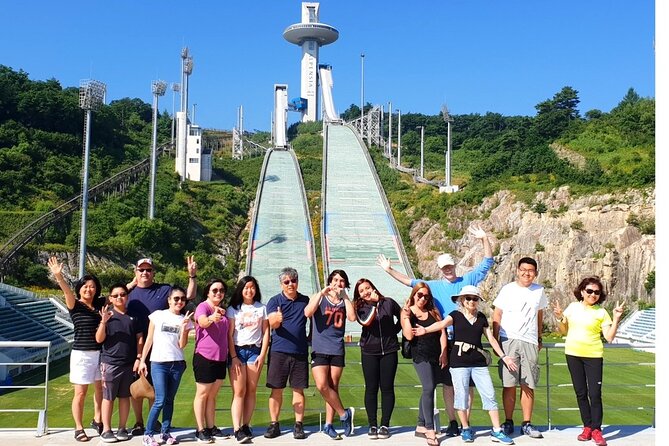
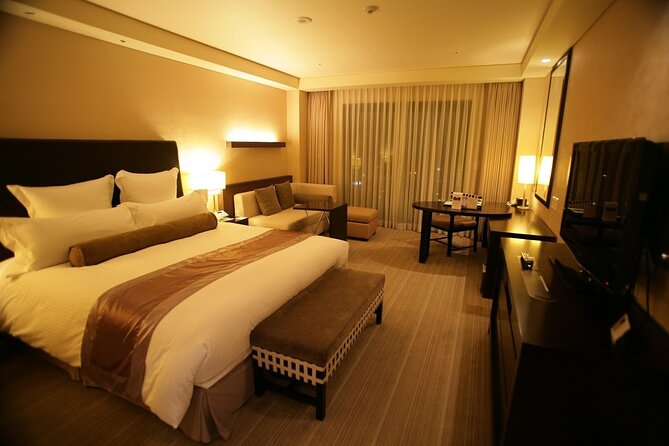
At $1,970 per person, this is not a budget “DIY on the cheap” trip. But it also isn’t just a bus ride. You’re getting six nights of lodging in twin or double rooms, plus an English-speaking guide, plus all entrance fees for the scheduled stops, plus most of your meals. The tour even includes a welcome kit, and it uses a mobile ticket format.
For me, the value comes down to this: if you were planning the same “big sights across multiple cities” week on your own, you’d be paying separately for rooms, tickets, and guide time, and you’d still be stuck coordinating everything between provinces. Here, the coordination is the product.
Also worth noting: the tour is often booked about 108 days in advance on average. That’s not a requirement, but it’s a hint that this itinerary is popular, especially with people who want an efficient route and reliable planning.
Price vs reality: what you should plan for

Even with meals and entrances included, you’ll still have personal spending needs (drinks, snacks, laundry, tips, and other extras aren’t included). You’ll also want moderate fitness. The itinerary is sightseeing-heavy, and some stops are outdoors or involve uphill/uneven terrain. If you’re okay with that, you’ll probably love the pace. If not, you might want to build rest breaks into your day on your own later.
Day 1: Gongju’s fortress, royal tombs, and a museum that does the talking
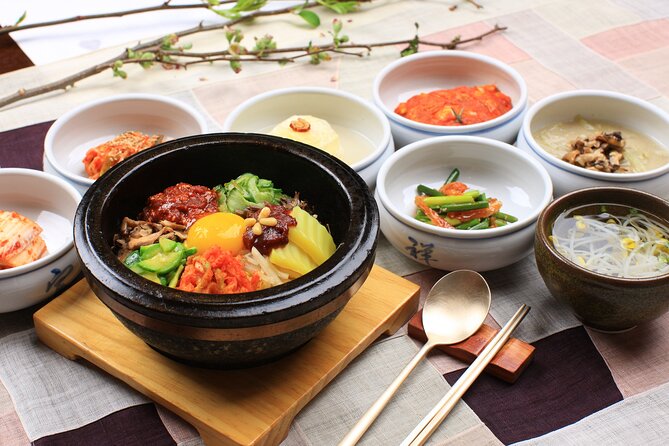
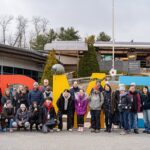
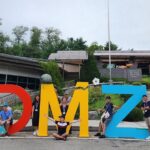
You start with a full historical day in Gongju, which is a smart way to begin because it sets the tone: Korea’s past isn’t just costumes and photos. It’s geography, engineering, and burial culture.
Gongsanseong Fortress (UNESCO)
This hillside fortress is a UNESCO World Heritage Site (2015). Fortresses like this are great early on because you learn to “read” the views. The stonework follows the hill, and the structure shows how defense and landscape worked together.
Practical tip: wear shoes with grip. Even if the walk isn’t extreme, old fortress paths can be uneven, and you’ll want stable footing for photos.


Songsan-ri Tombs & Royal Tomb of King Muryeong
Next is the Royal Tomb of King Muryeong, famous for its brick-built burial style. This is one of those places where the most interesting part is the craft: how the burial was constructed and what the artifacts later reveal about status and artistry.
You’ll get the sense that “royal” here means more than wealth. It means specialized building techniques and a system of objects placed with purpose.
Gongju National Museum
The day closes at Gongju National Museum with around 10,000 cultural artifacts. Museums are where you connect the dots between what you saw outside and what you didn’t know to look for. It’s also the best place to slow down just enough to absorb details.
You might find it helpful to pick a few highlights before you go in—focus on one theme (bronze, ornaments, burial finds) instead of trying to take in everything.
Day 2: Jeonju’s hanok village, hanbok time, and temple calm
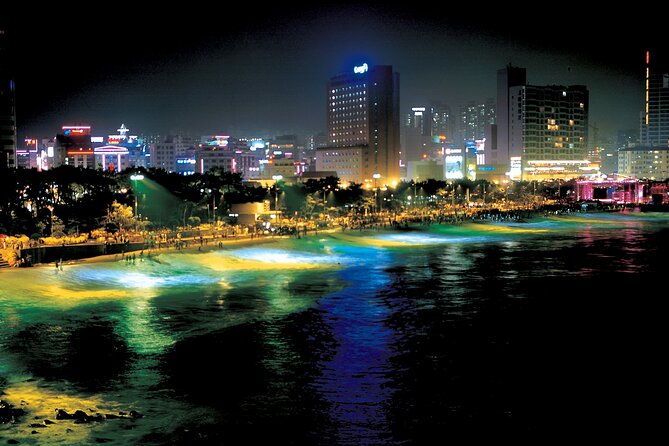
Jeonju is where this tour shifts from “ancient state power” to “lived-in tradition.” Expect classic alleys, the rhythm of a historic neighborhood, and a more personal cultural feel.
Gyeonggijeon Shrine in Jeonju Hanok Village
You begin in the heart of the village at Gyeonggijeon Shrine, built in 1410, with a portrait of King Tae-jo (founder of the Joseon Dynasty). This stop gives you a historical anchor for everything you’ll see in the hanok district.
Hanbok experience (Hanboknam)
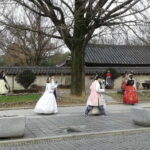
Then you get the hanbok experience. The point isn’t just the photos (though you’ll have plenty of those); it’s learning how to move within a traditional setting. It also works well for people who want culture without needing to speak the language.
Practical note: wear comfortable shoes under your outfit plan. Hanbok looks great, but you’ll still be walking.
Baekyangsa Temple + tea conversation
You finish the day at Baekyangsa Temple, followed by a tea conversation with a Buddhist monk. This is one of the more human moments on the schedule because it’s not only about architecture or artifacts; it’s about explanation and reflection.
This is also a good place to bring curiosity. If you’re open-minded, it can feel more meaningful than another temple tour where you just follow the group.
Day 3: Green tea terraces and a wetland reserve for people who like nature with rules
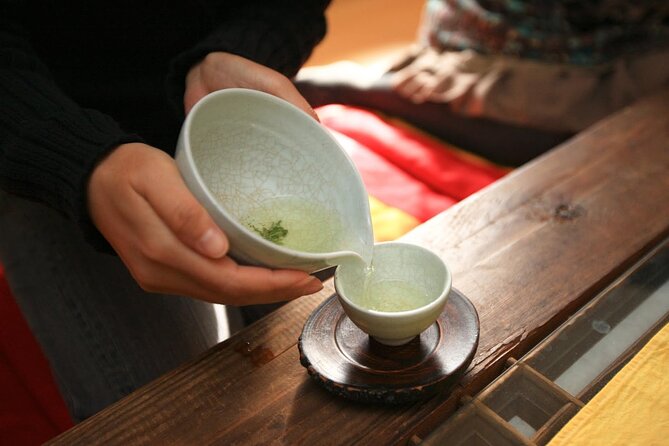
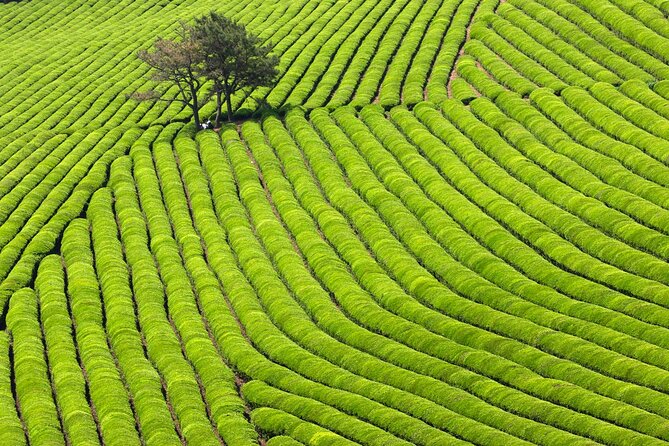
Day 3 is the tour’s outdoors and ecology shift, starting at Boseong Green Tea Plantation (Daehan Dawon), then moving to Suncheon Bay Wetland Reserve.
Daehan Dawon tea fields
Daehan Dawon is described as Korea’s largest green tea field. The terraced rows are a classic “walk and breathe” scene. Even if you’re not a tea fanatic, you’ll get how agriculture shapes the view and the schedule of the day.
Practical tip: bring sun protection. Tea fields are open, and weather changes quickly.
Suncheon Bay Wetland Reserve
After lunch, you head to Suncheon Bay Wetland Reserve, described as one of the world’s top five wetlands and a sanctuary for more than 250 species. Wetlands are one of those places where you notice the in-between world: water, reeds, and quiet spaces for wildlife.
The value here is balance. You get nature without sacrificing the cultural rhythm of the tour. Just be prepared for variable weather.
Day 4: Busan’s UN memorial, a real fish market, and coastal views from above
Busan day has emotional weight, local energy, and a skyline-style finale.
UN Memorial Cemetery
You start at the UN Memorial Cemetery in Busan, a solemn place for UN soldiers who lost their lives during the Korean War, with about 2,300 graves arranged by nation. This stop asks for respect and quiet attention.
A practical thought: go in with a steady pace. This isn’t a place to rush through for a quick photo.
Jagalchi Market
Then it’s straight into daily life at Jagalchi Market, Busan’s iconic fish market. You’ll see seafood and local specialties, and you’ll get that “market noise” feeling that no museum can replicate.
If seafood markets make you squeamish, you can still enjoy the atmosphere from a respectful distance. Just remember this is a working market, not a themed street.
Songdo Cable Car
Finally, you ride the Songdo Sea Cable Car, about 1.6 km from Songdo Beach Station to Songdo Sky Park. The value of cable cars isn’t just views; it’s a break from walking while still getting a dramatic perspective over the coastline.
Expect it to be popular. If you’re sensitive to crowds, plan your photos fast and then enjoy the ride.
Day 5: From APEC modern Korea to Silla royal tombs in Gyeongju
Day 5 takes you to Gyeongju, often called Korea’s ancient capital for about a thousand years. You’ll see how the region moves from modern importance (APEC) to deep-time history (Silla royal sites).
Nurimaru APEC House
You start at Nurimaru APEC House on Dongbaekseom Island, the venue for the 2005 APEC Summit. This is a good warm-up stop because it brings you into Korea’s modern global story before you go ancient.
Bulguksa Temple (UNESCO)
Next is Bulguksa Temple (UNESCO World Heritage Site). Temples like this reward slow attention: stone details, layout, and how the buildings sit in their setting.
Daereungwon Tomb Complex
Then comes the Daereungwon Ancient Tomb Complex, including royal burial mounds and relics such as elaborate gold crowns. This is where “power” becomes visible again, but in a Silla-era form.
If you like history explained visually, you’ll enjoy how burial forms and artifact finds work together.
Gyeongju National Museum
At the Gyeongju National Museum, you’ll see iconic artifacts including those golden crowns and other masterpieces from about a millennium ago. Museums here do a job tour guides can’t do alone: they help you understand what you’re staring at.
Cheomseongdae Observatory
You finish at Cheomseongdae Observatory, a beloved symbol of Gyeongju, with free admission and only about 20 minutes. It’s short, but it’s memorable: an ancient astronomy structure that connects daily life to the sky.
Day 6: Dessert-making and Andong’s preserved traditions
This is a day built for people who want hands-on culture, not only sightseeing.
Momyeongjae dessert-making experience
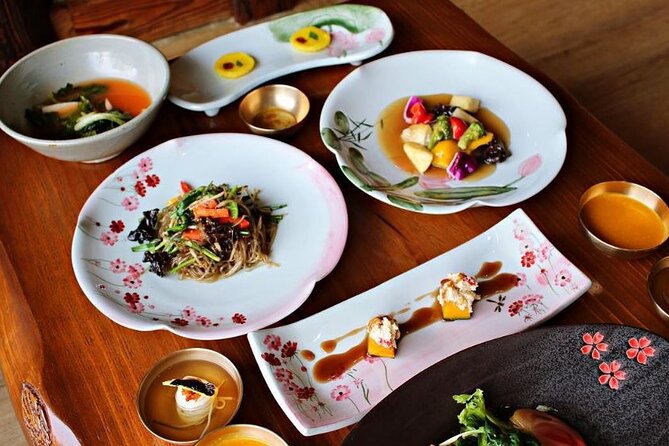
In the morning you head to Momyeongjae, described as an immersive Korean traditional dessert-making experience at the Korean Traditional Culture Center. You’ll learn from expert instructors and create a traditional dessert.
The upside of this kind of activity is timing: you get a break from walking, and you take home a story that doesn’t need translation. Since the exact dessert details aren’t specified, treat it as a learning class rather than a specific dish hunt.
Andong Hahoe Folk Village (UNESCO)
Then you go to Andong Hahoe Folk Village, a UNESCO World Heritage Site with more than 600 years of history, described as a best-preserved traditional village with a living cultural setting.
You’ll feel the difference between “historic as a backdrop” and “historic as a place people connect to.” That’s the value of a preserved village.
Day 7: Seoraksan’s Jujeongol Valley for a final nature win
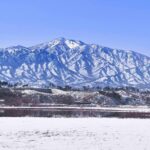
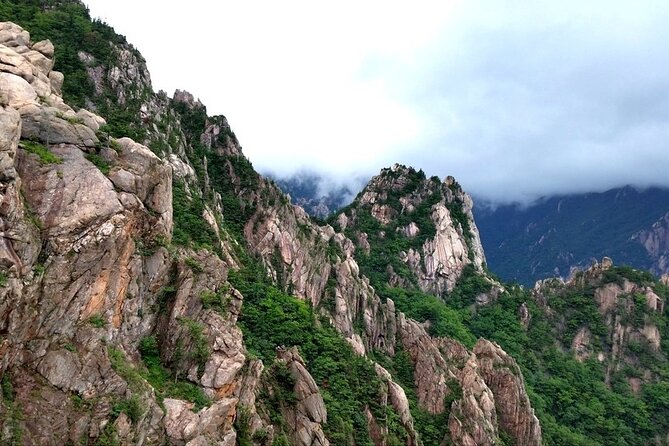
You start in Pyeongchang and then make your way to Seoraksan National Park, focused on Jujeongol Valley. This finale is all about outdoors drama: rock formations, soaring peaks, and crystal-clear streams.
The admission here is listed as free, and you spend about 2 hours in the area. This is also the day where your footwear and patience matter most. Mountain walks can feel longer than expected, especially if you’re stopping for photos.
If you’re the type who likes your last day to be scenic and memorable instead of another museum, this ending lands well.
Guides, group size, and the human side of the plan
A trip like this lives or dies by how well the guide manages timing and transitions. In the feedback I’ve seen from past departures, the tone is consistent: you’re cared for, the schedule stays on track, and the guide helps you enjoy the day without feeling lost.
One name that comes up is Jay, described as friendly, fun, kind, and someone who took good care of a group all the way to the end. That kind of guidance makes a big difference when you’re bouncing across cities every day.
Also: the tour caps at 35 travelers, which usually keeps things comfortable. It’s still a group tour, so expect waiting now and then, but it’s not a sardine situation.
The tradeoffs: what might not fit your style
This isn’t a “wander freely” itinerary. You’ll be on a set schedule with scheduled stops and set time blocks. If you want to pause for extra shopping (even though the tour avoids it) or extend your own explorations, you’ll need to do that on your free time, not during the tour’s main programming.
And because the days are full, you’ll likely want to keep your personal plans minimal. Think: comfortable clothes, water, good shoes, and an energy plan. If you try to “stack” extra sightseeing late every night, you’ll feel it by Day 4.
Should you book Discover Round Korea in 7 days?
Book this tour if you want:
- A structured week across multiple regions with entrances and meals handled
- Major cultural stops (Jeonju, Gyeongju) plus outdoor time (Suncheon Bay, Seoraksan)
- A trip that explicitly avoids shopping detours
- Confidence you’ll get English-speaking guidance and a plan that moves
Skip or rethink it if:
- You want lots of downtime or slow mornings every day
- You dislike group pacing and fixed schedules
- You’re very sensitive to walking and uneven ground
If you’re choosing between DIY planning and a guided route, this one sits in the sweet spot. It’s efficient without feeling like it’s rushing at random. It’s also a good option for first-timers who want the highlights and a taste of how Korea’s history and nature connect.
FAQ
What cities and main regions does this tour cover?
It covers Seoul at the start, then moves through Gongju, Jeonju, Boseong and Suncheon (tea fields and wetlands), Busan, Gyeongju, Andong, and Seoraksan National Park (Pyeongchang area), then returns to the Seoul meeting point.
When does the tour start, and where do we meet?
The tour starts at 8:00am at AMID Hotel Seoul, 38 Insadong 5-gil, Jongno District, Seoul.
Where does the tour end?
It ends back at the same meeting point in Seoul (AMID Hotel Seoul).
Is hotel pickup included on the first day?
No. Hotel pickup on the first day is listed as not included, and the tour meets at the AMID Hotel Seoul meeting point.
How many nights are included, and what kind of rooms?
You get 6 nights of accommodation in twin or double rooms.
Are meals included?
Yes. The tour includes breakfasts (6), lunches (7), and dinners (6).
Are entrance fees included?
Yes. Entrance fees for all scheduled sites are included.
Is this a shopping tour?
No. The program is described as having no shopping and no options.
What physical condition do I need?
It says travelers should have a moderate physical fitness level, since the days involve sightseeing and some walking.
How far in advance can I cancel for a full refund?
You can cancel up to 6 days in advance for a full refund (cancellation cutoff is based on local time).