REVIEW · 7-DAY EXPERIENCES
7 Day Essential Korea Tour(Seoul, Nami, DMZ, Andong, Gyeongju, Busan_Meal Incl.)
Book on Viator →Operated by Bergen travel · Bookable on Viator
Seven days, zero guesswork. You get a tightly planned route across Seoul, Nami Island, DMZ, Andong, Gyeongju, and Busan—plus 16 meals and a licensed English-speaking guide (Bergen Park) who handles the hard parts.
I especially liked the way the day feels “planned but not robotic”: you cover big sights like Gyeongbokgung Palace and then get room to wander on your own in each city. I also love that your meals are taken care of—breakfast, lunch, and dinner are included in big chunks, and you’re not stuck eating the same thing every day.
One consideration: this is a lot of moving around in 7 days. If you hate packed schedules or you need long free-time blocks, you’ll want to be realistic about pacing and rest.
In This Review
- Key reasons this tour feels like a smart use of time
- Why this 7-day route works: Seoul to Busan without the chaos
- Price and value check for $3,399 per person
- Seoul Day 1: Gyeongbokgung Palace, Hanok streets, Jogyesa, and Kwangjang Market
- Day 2 Nami Island, Petite France, and The Garden of Morning Calm
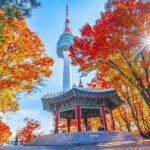
- DMZ and N Seoul Tower: a tense history stop plus a Seoul skyline finish
- Andong Hahoe Folk Village and Byeongsan Seowon: living tradition in slow time
- Gyeongju in one sweep: Bulguksa, Seokguram, Wolji, Cheomseongdae, and royal tombs
- Busan by the coast: Haedong Yonggungsa, Nurimaru APEC House, Dongbaekseom, Jagalchi, and UN Memorial Cemetery
- Gamcheon Culture Village: Busan’s staircase art neighborhood
- The guide experience: Bergen Park and the included food routine
- How much walking is “normal” here?
- Who should book this tour (and who might not)
- Should you book the 7 Day Essential Korea Tour?
- FAQ
- What does the tour price include?
- Is this a private tour?
- How many days is the tour?
- Where does the tour start, and what time?
- What is included for sightseeing tickets?
- Which cities are covered?
- Does the tour visit UNESCO World Heritage Sites?
- How and when do I get confirmation?
- What if I need to cancel?
- Is pickup and drop-off included?
Key reasons this tour feels like a smart use of time
- Private-tour pace with a licensed English guide, and only your group participates
- 16 included meals (3 breakfasts, 7 lunches, 6 dinners), including lots of local eating time
- DMZ + royal palaces + seaside Busan in one smooth arc, without you doing logistics math
- UNESCO World Heritage Sites are part of the itinerary, not just name-dropped
- Comfort-focused transport with a/c vehicle, pickup and drop-off in Seoul
- Free time in each city so you can reset and explore without the stress
Why this 7-day route works: Seoul to Busan without the chaos
This tour is built for the “I have limited time” traveler. You’re covering Korea’s main geographic sweep—capital energy, forest-and-garden day trips, Korean history on the tense side of the map, old-school village life, Silla-era highlights, and finally coastal Busan. It’s a lot, but it’s organized.
The best part is how the plan balances big-ticket sights with breathing space. You’re not just herded from one landmark to the next. You get guided time where it matters (story, layout, what to notice), then you get free time in each city to walk at your own speed.
And yes, the meals really matter here. When food is included, you stop spending mental energy figuring out what’s nearby and good. In the reviews, Bergen Park was praised specifically for guiding people to Korean food and keeping meals varied—no repeating the same menu day after day.
You can also read our reviews of more tours and experiences in Seoul
Price and value check for $3,399 per person
At $3,399 per person, this is not a budget tour. But it’s also not just a “bus tour with a guide.” Here’s what you’re paying for, based on what’s included:
- Private transportation in an air-conditioned vehicle
- Professional English-speaking guide with an official license
- Admissions for the listed stops
- Hotels for 3 nights (Andong, Gyeongju, Busan; 3-star or 4-star; 2 per room or 1 if odd group size)
- Pickup and drop-off at your Seoul hotel
- Meals included: 3 breakfasts, 7 lunches, 6 dinners (16 meals total)
If you’ve tried building a 7-day “best of” trip yourself, you know the hidden costs: intercity transport, ticketing, time lost to navigation, and the stress of constantly checking schedules. This tour wraps those pieces together, so you can spend your effort on seeing.
If you’re the kind of traveler who loves free-form planning and you’re comfortable handling transfers, you could do it cheaper. But for many people, the cost-to-time ratio is the point.
Seoul Day 1: Gyeongbokgung Palace, Hanok streets, Jogyesa, and Kwangjang Market
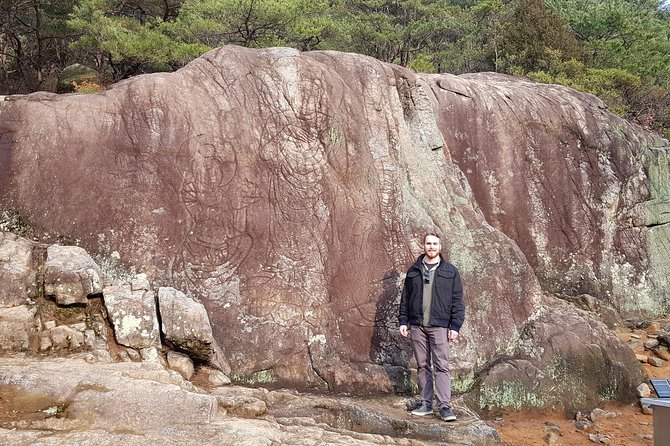
Seoul on this itinerary hits history, traditional neighborhoods, temple culture, and street food in one long, satisfying day.
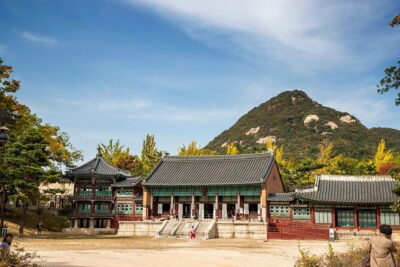
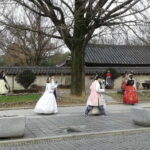
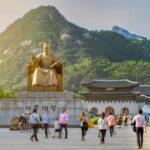
Start at Gyeongbokgung Palace—the major Joseon Dynasty palace and a perfect anchor for understanding Seoul’s royal past. Plan on paying attention to scale and layout. It’s not just pretty courtyards; you’re seeing how power was staged in the city.
Next you move into the cultural deep end at the National Folk Museum of Korea. It gives you context from prehistoric times through the Joseon period. If you’re the type who likes museums with a purpose (not just photos), this stop helps the later sights make more sense.
Then comes the “walk and feel Korea” part: Bukchon Hanok Village, where hanok-lined alleys climb around the hill. This area can be busy, but it’s still one of the best ways to grasp how traditional housing fits into the modern city grid. I’d wear comfortable shoes and don’t plan on sprinting through it.
Jogyesa Temple adds a different vibe: Buddhist life right in central Seoul. It’s short, but it’s a good reset between neighborhoods and markets.
You then get Insadong, with craft shops, antiques, and traditional tea-house style stops. It’s a tourist-friendly zone, but it’s also useful if you want souvenirs that don’t feel like airport copies.
One more thoughtful stop is the Kyung-In Museum of Fine Art tea garden—you taste a traditional tea and get a calmer pocket of time. This is the kind of inclusion that helps you avoid the “just sightseeing” fatigue.
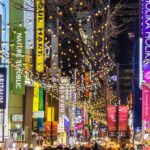
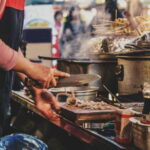
Finish with Cheonggyecheon Stream, a repurposed urban waterway that feels like a breather after palace crowds. Then you round out the day with Baek In-je’s House (another hanok-style preservation site) and Kwangjang Market, a classic for Korean street-food sampling.
A practical note: your Day 1 is long. Build in patience. Seoul is walking-heavy, and that’s the trade for seeing so much.
Day 2 Nami Island, Petite France, and The Garden of Morning Calm
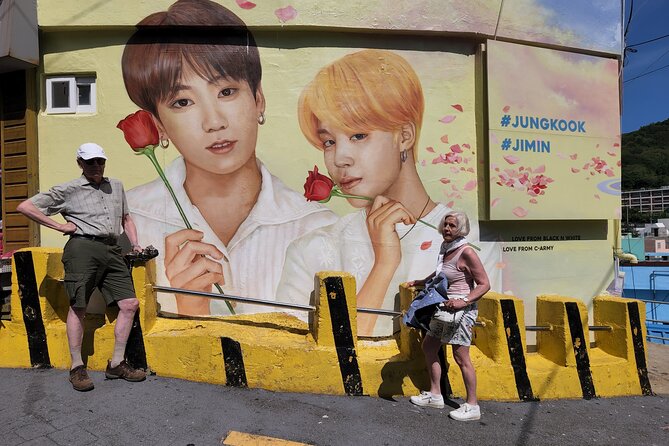
Day 2 is the “pretty Korea” day. You’re going beyond the city into scenic parks and storybook-style culture spaces.
Nami Island is the big one. Think tree-lined paths, woodland walks, and riverside scenery. It’s popular because it’s easy to enjoy: you can stroll, take photos, and just breathe for a few hours. The key is to treat it like a slow outing, not a checklist.
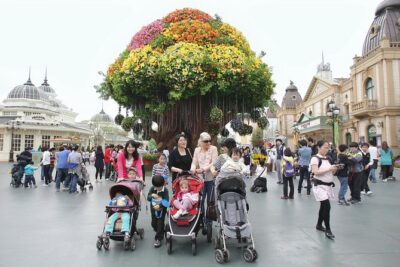
Then you visit Petite France, a small French-themed culture village in Korea. If you’re curious how Korea reimagines foreign design themes, this is fun. It’s also compact enough that you won’t feel trapped there all day.
Finally, The Garden of Morning Calm delivers the calm. It’s an 82-acre garden with many smaller themed areas. If you want something different from Seoul’s hard angles—more paths, more quiet pacing—this is where you get it.
The main drawback to this day: you might feel like you’re doing two “styled environments” in a row. If that’s not your thing, balance it by using free time thoughtfully (or taking breaks with tea or snacks where available).
DMZ and N Seoul Tower: a tense history stop plus a Seoul skyline finish
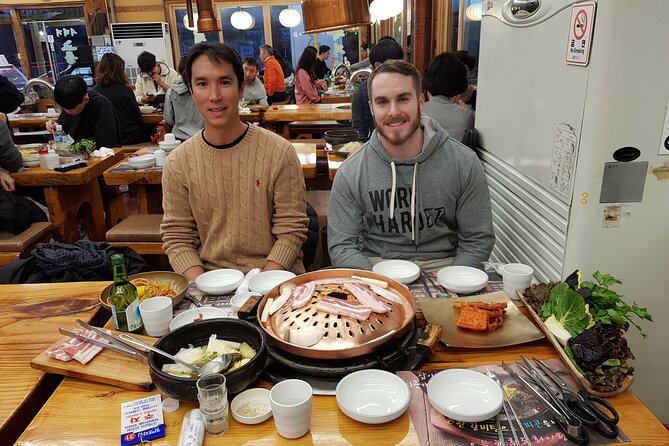
Day 3 pairs two very different moods: political history and panoramic city views.
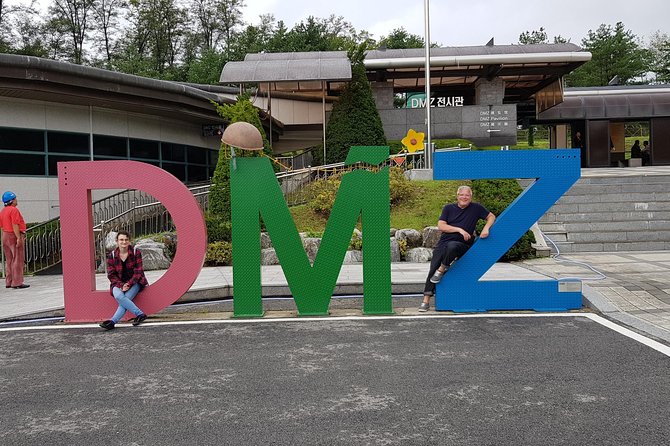
The DMZ visit is the centerpiece. The itinerary highlights key areas like the Freedom Bridge, the 3rd Infiltration Tunnel, Imjingak Park, and the Dora area. Even without getting lost in details, the DMZ works because it’s not just theory—it’s geography with meaning.
Because DMZ procedures can be strict, I strongly suggest you bring whatever identification or items your operator requests. Plan for a more controlled, rule-based environment compared with a palace or market stop.
Then you shift to the skyline at N Seoul Tower. The reward here is a view that helps you “place” the city in your mind. It’s also a nice contrast after a heavier morning. If you’re tired, the tower is still an efficient way to get a big payoff without walking miles.
This is the kind of day that makes a shorter trip feel complete: you see where Korea’s modern story is shaped, then you return to the everyday city picture.


Andong Hahoe Folk Village and Byeongsan Seowon: living tradition in slow time
Day 4 leans older, quieter, and more grounded in regional culture.
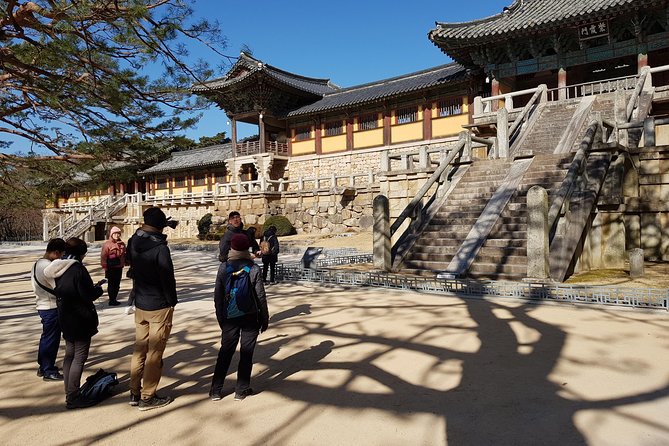
You start with Buseoksa Temple, known for its scenery and historic wooden architecture, including long wooden buildings and national treasure collections. This is a temple stop that doesn’t feel like a quick photo stop if you give it attention—light, stone, and wood make it easy to feel the age.
Then you move to Andong Hahoe Folk Village. This is one of the best parts of the route because it’s about how people lived—traditional community housing and preserved conditions from the early Joseon period. You’re not just looking at a building; you’re seeing a whole lifestyle structure.
Buyongdae provides the payoff view across the river and toward Hahoe village. It’s short but useful. Even a 30-minute viewpoint can help you understand why the village is arranged where it is.
Byeongsan Seowon follows, a Confucian school and shrine environment linked to historical scholars. Seowon places are fascinating because they show education, respect, and social order through physical spaces. It’s less flashy than a palace gate, but it’s one of the most meaningful “why” stops.
Main consideration: this day rewards slower observation. If you rush, you’ll miss why these sites feel different from Seoul.
Gyeongju in one sweep: Bulguksa, Seokguram, Wolji, Cheomseongdae, and royal tombs
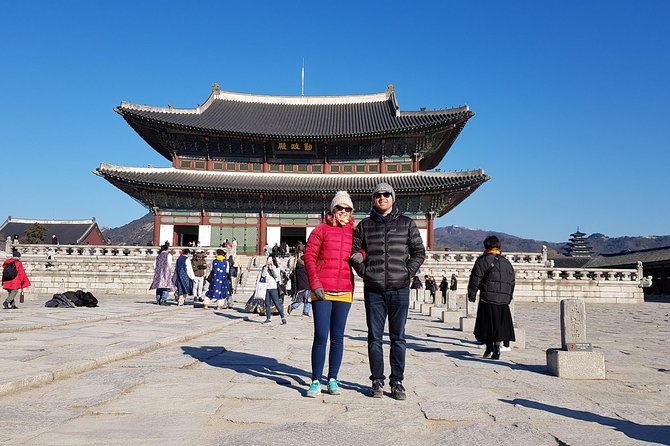
Gyeongju is where this tour turns into Silla-era highlights, with multiple stops that are easy to understand as separate “chapters.”
You begin with Bulguksa Temple, one of Korea’s major Buddhist temples. The itinerary frames it as a representative Silla relic. You’ll feel that in the scale and the craftsmanship, especially around the stone and temple structures.
Next is Seokguram, a stone temple on the slope of Mt. Tohamsan. It’s famous for its round main hall and the huge granite Bonjon statue and interior space. This stop is also about atmosphere—architecture that forces you to slow down.
Then you go to Donggung Palace and Wolji Pond, a secondary palace tied to the crown prince and important events. The key here is mixing water-and-palace settings; it changes the mood from temple-heavy time.
Cheomseongdae Observatory is short, but it’s a great example of how early Korea approached astronomy. You’ll see the hollow cylindrical design and feel the straightforward logic of the structure.
Finally, you finish with Daereungwon Tomb Complex, a large cluster of Silla tombs. The standout names mentioned include Cheonmachong and Hwangnamdaechong. Tomb complexes can feel repetitive if you only look at the outside—but with a guide, you’ll likely catch how power and status are encoded in the landscape.
If you’re the kind of traveler who hates multiple ticket lines, this city day is busy. The upside is that Gyeongju is worth the “stacked” format.
Busan by the coast: Haedong Yonggungsa, Nurimaru APEC House, Dongbaekseom, Jagalchi, and UN Memorial Cemetery
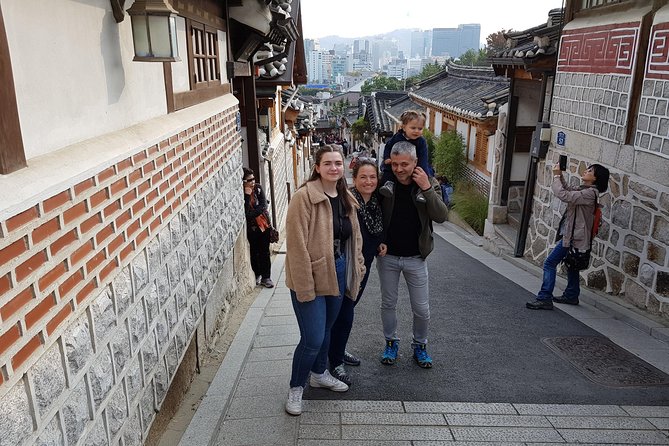
Busan is a smart ending because it shows another side of Korea: ocean air, food markets, and war memory.
You start at Haedong Yonggungsa Temple, which sits along the coastline—rare for Korean temples, which are often more inland. The sea setting changes the visual and the mood. It’s a temple stop that feels like a viewpoint too.
Then you visit Nurimaru APEC House, linked to the 13th APEC summit in 2005. Even if you’re not an APEC-history person, it’s useful because it’s Korea meeting global events in a modern building context.
Dongbaekseom gives you a nature-and-scenic break near Haeundae Beach. The itinerary notes the island name relates to camellias, so you get a small layer of local meaning with the walk.
Then comes the big food moment: Jagalchi Market, Korea’s biggest fish market. You’ll see the market setup where raw fish is sold and then brought to restaurants. This is one of the best places on the itinerary to understand how food economy works in Korea—less about tourist-style browsing, more about a system that locals rely on.
You then shift gears to the UN Memorial Cemetery, honoring UN soldiers from multiple countries killed in the Korean War. It’s a sobering stop. If you tend to get emotional at war memorials, give yourself a quiet moment instead of trying to rush it.
This is a “feel two different Busans” day: seaside beauty and historical remembrance, side by side.
Gamcheon Culture Village: Busan’s staircase art neighborhood
Day 7 ends in Gamcheon Culture Village, described as houses built in staircase-fashion along a coastal mountain. It has a nickname of the Santorini of Busan, and the value of this visit is the walking maze effect—alleys that force you to change direction and discover viewpoints.
Because the village is built into hillsides, you’ll want to pace yourself. Expect stairs and slopes. This is the best kind of last stop for a short trip: it’s not just “one thing to see,” it’s an area you experience by wandering.
The guide experience: Bergen Park and the included food routine
Here’s what really sets this tour apart from a basic highlights shuffle: the guide relationship and the meal flow.
From the feedback, Bergen Park was praised for making the experience feel personal. The private format matters. You can ask questions without waiting for a big group’s attention, and you’re less likely to get lost in translation when you want context, not just directions.
Food was also a standout. The reviews specifically mention that lunches and dinners happened with the guide daily and that meals stayed varied—nothing cookie-cutter. If you’re worried that “included meals” means bland or repetitive choices, this is the part of the itinerary that reassures you.
There’s also a human touch. In one response, Bergen Park thanked a visitor for a hand-made knitting gift and maple syrup from their hometown. That’s not the point of a tour, but it reflects how the guide engages beyond checklists.
How much walking is “normal” here?
This tour is not a sit-everywhere day. You’ll be on your feet in palaces, hanok neighborhoods, markets, gardens, and on hillsides in places like Gamcheon. Most stops include limited time on-site, which keeps momentum up.
So pack for comfort, not just style:
- comfortable shoes
- water and snacks for in-between moments (since not all food and drink is included)
- a light layer for gardens and coastal areas
Who should book this tour (and who might not)
This works best for you if:
- you want a guided “best of Korea” route in about a week
- you value admissions, transport, and hotels handled for you
- you want lots of local eating without making restaurant decisions every day
- you like a private-tour feel with room to wander
You might want to skip it if:
- you hate fast transitions and packed days
- you want long free-time blocks with no structure at all
- you already have a strong plan for intercity transport and tickets
Should you book the 7 Day Essential Korea Tour?
If your priority is efficiency with genuine cultural stops, I’d say yes—with eyes open. The route is packed, but it’s packed intelligently. You’re not just collecting stamps; you’re moving through Korea’s major regions with guiding context, 16 included meals, and private comfort that saves time and stress.
The biggest “green flag” is the combination of historical depth (palaces, folk culture, DMZ, Silla sites) plus real-world daily life (markets and local food). If that mix matches how you like to travel, you’ll likely feel like the week flew by—in a good way.
FAQ
What does the tour price include?
The price includes private transportation in an air-conditioned vehicle, 3 breakfasts, 7 lunches, and 6 dinners (16 meals total), admission fees for the listed stops, a professional English-speaking guide, and pickup and drop-off at your hotel in Seoul. It also includes 3 nights of accommodation in Andong, Gyeongju, and Busan (3-star or 4-star), with room sharing as specified.
Is this a private tour?
Yes. It is described as a private tour/activity where only your group participates.
How many days is the tour?
The duration is 7 days (approx.).
Where does the tour start, and what time?
The meeting point start time is 9:00 am.
What is included for sightseeing tickets?
Admission fees are included for the stops listed in the itinerary.
Which cities are covered?
The itinerary includes Seoul, Nami Island area (with nearby sites), DMZ (from Seoul), Andong, Gyeongju, and Busan (including Gamcheon Culture Village).
Does the tour visit UNESCO World Heritage Sites?
Yes. The overview states that the tour includes visits to multiple UNESCO World Heritage Sites in Korea.
How and when do I get confirmation?
Confirmation is received within 48 hours of booking, subject to availability.
What if I need to cancel?
You can cancel up to 3 days in advance for a full refund. If you cancel less than 3 days before the experience’s start time, the amount paid is not refunded.
Is pickup and drop-off included?
Yes. Pickup and drop-off are included at your hotel in Seoul.