REVIEW · DMZ TOURS
Half Day Korea DMZ Tour/ opt: suspension bridge
Book on Viator →Operated by SEOUL CITY TOUR CO. LTD. · Bookable on Viator
A border you can almost touch. This half-day DMZ tour from Seoul turns distant headlines into real sights, with stops at Imjingak Park and Dora Observatory, plus a look inside the 3rd Infiltration Tunnel area. You’ll ride out with an expert guide and come back with a clearer sense of how the Korean Peninsula’s split still shapes daily life.
Two things I like a lot: first, the guide-led history talk is built into the drive and each stop, so you’re not just staring at fences and signs. Second, the tour keeps things efficient—air-conditioned coach time, scheduled viewing windows, and admission included at the key sites, all for a low $35 price point.
One consideration: there’s moderate walking through a steep, narrow tunnel segment, so comfortable shoes and clothes matter more than you’d think.
In This Review
- Key highlights at a glance
- A DMZ day that feels structured, not chaotic
- How the tour value stacks up at $35
- From City Hall to the DMZ: the ride matters
- Mobile ticket and the one rule you should respect
- Stop 1: Imjingak Park, war artifacts, and the Freedom Bridge story
- The optional suspension bridge detail
- Dora Observatory and the 3rd Infiltration Tunnel: where the tour gets real
- The 3rd Infiltration Tunnel stop
- Dora Observatory: binocular peeks of Kijongdong
- How guides shape the experience (and why it matters)
- Timing and what to do with your camera
- When visibility helps
- What kind of travelers will love this tour?
- Who should think twice
- Price, group size, and value: the practical math
- Should you book this half-day DMZ tour from Seoul?
- FAQ
- How long is the DMZ tour from Seoul?
- What stops are included on the half-day itinerary?
- Do I need a passport for this tour?
- Is a mobile ticket used?
- Where does the tour start and end?
- Is hotel pickup included?
- Is there walking involved, and is the tunnel difficult?
- FAQ
- Can I cancel for a full refund?
- What if the itinerary is affected by military or local conditions?
- What’s the maximum group size?
- Do I need to send a copy of my passport?
- Are admission tickets included for the stops?
- Are photos allowed?
- What should I do if I miss the tour bus?
Key highlights at a glance
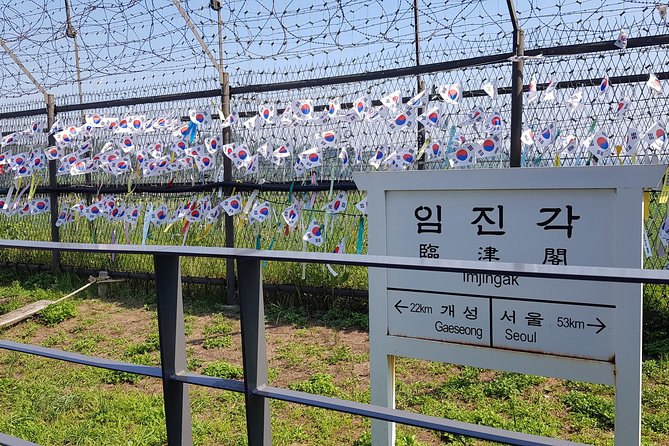
- Imjingak Pyeonghoa-Nuri Park war artifacts along the Imjin River before you reach the Freedom Bridge area
- Dora Observatory binocular time aimed across the river at North Korea’s Kijongdong village
- 3rd Infiltration Tunnel stop with a bit of a workout and the chance to see how infiltration is explained on-site
- Coach comfort with a small group cap (up to 40 travelers) for an organized experience
- Optional suspension bridge note tied to the Freedom Bridge/nearby experience
A DMZ day that feels structured, not chaotic
The DMZ is one of those places where you can feel the weight in the air. The tour format helps a lot: you don’t wander around guessing what you’re looking at. Instead, you get a guided storyline as you move from war relics to the observatory, then into the tunnel area, and finally back toward Seoul.
Even if you’ve read about the Korean War and the division of the peninsula, the DMZ hits differently because it’s built around separation—physical, political, and emotional. And the half-day pace is perfect if you’re visiting Seoul and want a serious stop without losing a full day.
You can also read our reviews of more tours and experiences in Seoul.

How the tour value stacks up at $35
At $35 per person, you’re buying more than transportation. You’re getting:
- an expert guide for the whole run
- air-conditioned coach transfers
- admission included at the main sites during the day
That’s why this often feels like good value: most of your money goes toward interpretation and access, not just getting on a bus. Add in that the group is capped at 40, and it stays manageable for questions and timing.
From City Hall to the DMZ: the ride matters
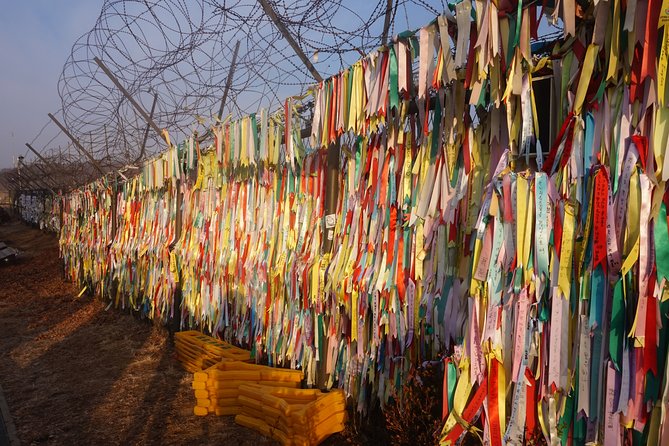
The day starts and ends at City Hall in Seoul. You’ll head out in the morning or afternoon depending on the departure, then travel by coach to the DMZ area. Along the way, the guide explains the dividing line and puts the stops into context.
This part may seem like “just travel,” but it’s actually the foundation of the whole experience. When the guide sets the scene early, each later stop makes more sense: why certain artifacts are shown, why the tunnel matters, and why the observatory view is treated like a major moment.
Mobile ticket and the one rule you should respect
You’ll use a mobile ticket, but the most important practical step is simple: get the exact meeting place and time from the local tour operator before you go. The meeting point is listed as City Hall, yet the operator can still specify exact details that matter on the day—especially if you’re traveling with luggage or you’re not fluent in Korean transit signs.
Stop 1: Imjingak Park, war artifacts, and the Freedom Bridge story
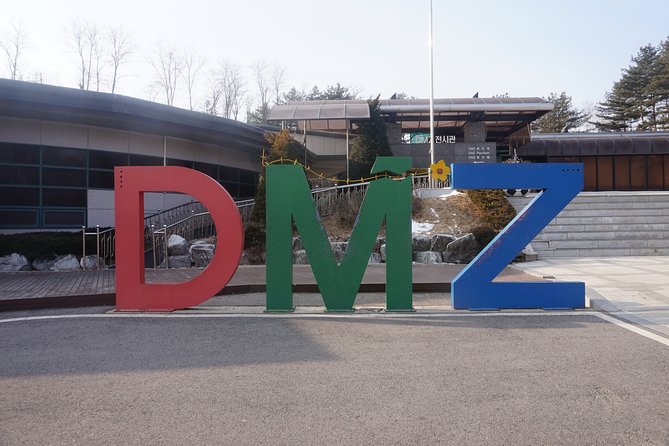
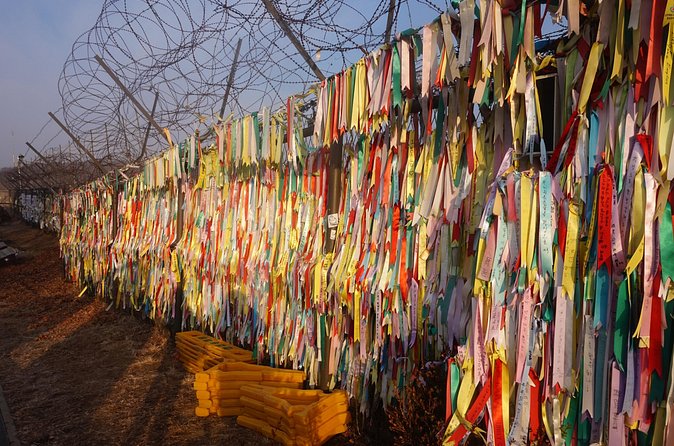
At Imjingak Pyeonghoa-Nuri Park, you step out near the Imjin River. This is where the tour slows down just enough for the artifacts to land. You’ll see artillery and war items used during the Korean conflict, placed so you can connect them to what you’ve just learned in the coach talk.
Then comes the Freedom Bridge area, where the tour focuses on the return of nearly 13,000 Korean POWs crossing back home. It’s a specific detail, and it matters because it turns the DMZ from an abstract border into a human timeline.





The optional suspension bridge detail
Your tour option mentions a suspension bridge. In practice, this usually means an added moment near the bridge experience so you can get a different angle and a more “there it is” feeling when you’re standing in that zone. If this option is offered at checkout, treat it like a bonus photo-and-feel stop rather than a separate attraction.
Dora Observatory and the 3rd Infiltration Tunnel: where the tour gets real
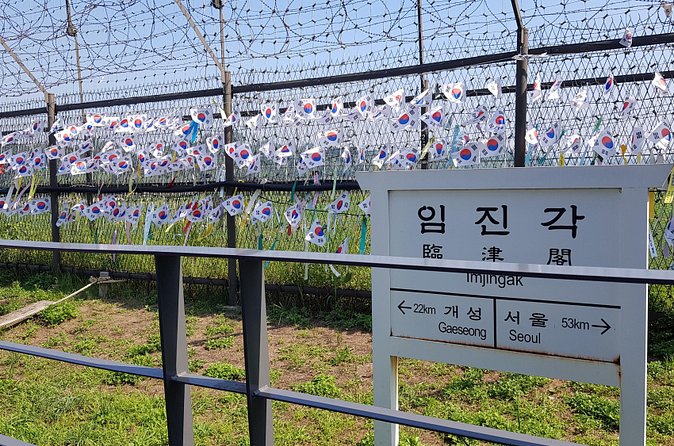
After Imjingak, you re-board the coach and head to the Dora Observatory area. This is where the schedule gets more intense—in a good way.
The 3rd Infiltration Tunnel stop
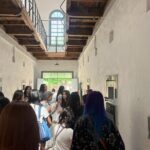
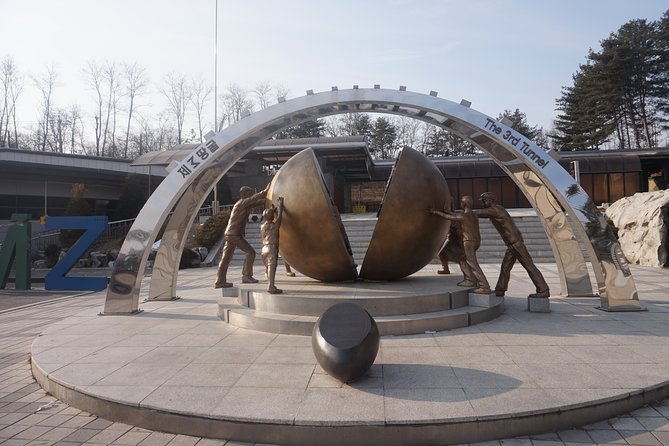
The itinerary includes the 3rd Infiltration Tunnel. Expect moderate walking through a steep, narrow tunnel section. This is the part of the day where I’d prioritize comfort over style: wear shoes with grip, dress in layers if weather flips quickly, and don’t plan on being able to move slowly or take long breaks.
The tunnel segment is also one of the reasons the tour is so memorable. It’s not just a view from outside—it’s a chance to see how infiltration is presented and how close the subject feels, even from a distance.
Dora Observatory: binocular peeks of Kijongdong
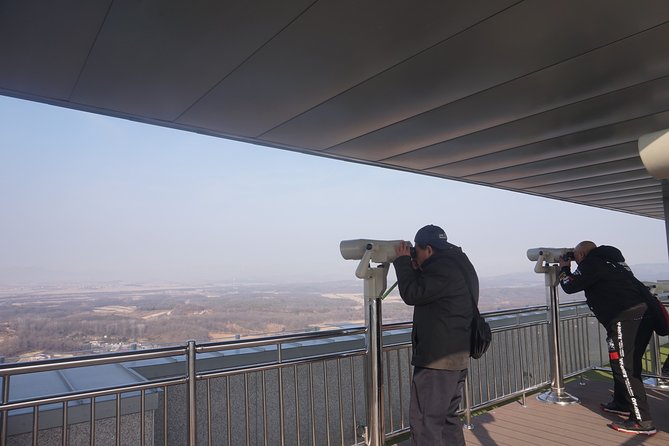
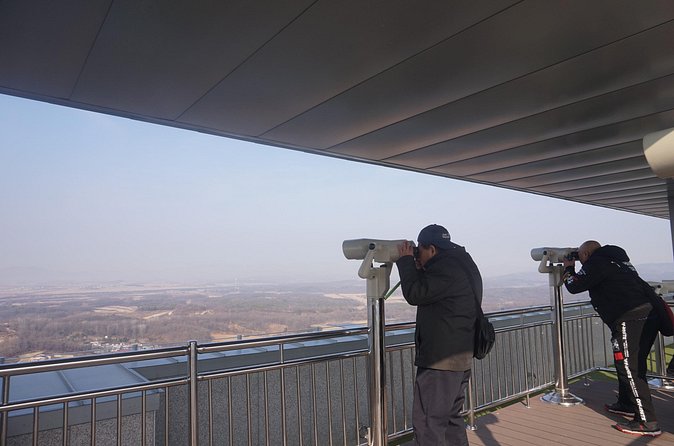
Next is Dora Observatory, where you use binoculars to get a glimpse across the border at the North Korean village of Kijongdong. This is the moment many people remember most, partly because the binocular time gives you something to do instead of just standing there.
Your guide explains daily life in Kijongdong across the river. Even without “what you can see with your eyes” being dramatic, the explanation adds weight to what you’re looking at. You’re not just seeing a distant settlement—you’re seeing how geography and politics shape lives.
How guides shape the experience (and why it matters)
A DMZ tour lives or dies on narration. The sites are heavy, but they also need translation into meaning.
In the guide lineup, several names show up again and again. For example:
- AJ is praised for being both entertaining and unusually sharp with history.
- Erica is noted for being funny and clear while managing timing.
- Grace shows up as passionate and engaging, with explanations that feel organized rather than rushed.
- Sadie gets credit for punctuality and caring, and for keeping people engaged with the story.
- Katie is described as energetic, with strong handling of the group and time.
- Lisa Choi is mentioned as a standout for an informative, meaningful experience.
One practical caution: there’s at least one report of a guide being hard to understand due to softer English. If that’s a concern for you, take your time with the operator details and make sure the tour language matches your needs.
Timing and what to do with your camera
The full tour runs about 6 hours. That includes travel time, stop times, and re-grouping. You’ll see the exhibition hall content tied to the Korean War artifacts, then you’ll move on to the observatory and tunnel areas.
Photo rules can apply, and the tour notes that you should follow your guide’s instructions about when and where you may take photos. So bring your camera, but keep it flexible. The best move is to watch what the group is doing, then mirror your guide’s cues.
When visibility helps
One review highlights how a clear day can improve viewing. Since binocular peeks are a key part of the observatory stop, treat weather as a real variable. You can’t control the sky, but you can control your readiness: bring sunglasses even if it’s cool, and keep your layers handy.
What kind of travelers will love this tour?
This is a strong fit if you:
- want a guided DMZ overview without dealing with complex logistics on your own
- like history that’s grounded in physical places (artifacts, tunnels, observatory view)
- prefer a half-day structure so you still have time back in Seoul
It’s also a good choice for first-timers to the peninsula who want the major DMZ moments in one go.
Who should think twice
If you have limited mobility or you’re worried about a steep, narrow tunnel segment, this may not be ideal. The tour description calls for moderate walking through that tunnel area. Plan around that reality instead of hoping you can skip it.
If you need a very high level of English clarity, it’s worth double-checking guide language expectations with the operator.
Price, group size, and value: the practical math
Let’s be blunt. A tour can be “famous” and still be overpriced. This one is priced at $35, which is hard to argue with given that it includes guided interpretation plus admissions at multiple stops.
The tour is also capped at 40 travelers, which tends to help in two ways:
- you spend less time herding and more time learning
- your guide can keep things organized with fewer delays
The air-conditioned coach ride is another small but real value point in Seoul’s weather extremes.
Should you book this half-day DMZ tour from Seoul?
Book it if you want your DMZ visit to be structured, guided, and efficient. You’ll get the main sites tied together in a single run—Imjingak war artifacts and POW story, Dora Observatory with binocular peeks of Kijongdong, and the 3rd Infiltration Tunnel segment that adds physical intensity to the day. With multiple highly praised guides like AJ, Grace, Erica, Sadie, and Katie, the odds are strong that you’ll leave with a better understanding than you started with.
Skip or reconsider if the tunnel walk doesn’t work for your body, or if you’re very sensitive to language clarity. Also, remember that the DMZ is subject to real-world conditions; the tour notes that if itinerary parts are canceled due to unexpected military or local circumstances, there’s no refund for that portion.
If you’re deciding between “research it yourself” and “go with a guide,” this is the kind of place where the guide saves you from getting lost in facts without meaning.
FAQ
How long is the DMZ tour from Seoul?
The tour runs about 6 hours (approx.), depending on the schedule and conditions during the day.
What stops are included on the half-day itinerary?
You’ll visit Imjingak Pyeonghoa-Nuri Park, then head to the Dora Observatory area for the 3rd Infiltration Tunnel, and then to Dora Observatory for binocular viewing.
Do I need a passport for this tour?
Yes. A current valid passport is required on the day of travel.
Is a mobile ticket used?
Yes. The tour includes a mobile ticket.
Where does the tour start and end?
It starts and ends at City Hall in Seoul. You should get the exact meeting place and time from the local tour operator before departure.
Is hotel pickup included?
The information provided says the meeting point is City Hall, and hotel pick up/drop off is listed as not included. Because details can vary, confirm the exact meeting arrangement with the local operator before you go.
Is there walking involved, and is the tunnel difficult?
There is moderate walking, including through a steep and narrow tunnel. Comfortable clothes and shoes are recommended.
FAQ
Can I cancel for a full refund?
Yes. You can cancel up to 24 hours in advance of the experience for a full refund.
What if the itinerary is affected by military or local conditions?
If a part of the itinerary is canceled due to unexpected military conditions or local circumstances, there will be no refund.
What’s the maximum group size?
The tour has a maximum of 40 travelers.
Do I need to send a copy of my passport?
No. You do not need to send a copy of your passport.
Are admission tickets included for the stops?
Yes. Admission tickets are included for the listed stops during the itinerary.
Are photos allowed?
You should follow your tour guide’s instructions about when and where you may take photos.
What should I do if I miss the tour bus?
If you miss the tour bus due to a late arrival or confusing tour date, there will be no refund.