REVIEW · DMZ TOURS
Private DMZ Tour
Book on Viator →Operated by SEOUL CITY TOUR CO. LTD. · Bookable on Viator
A DMZ day feels like stepping into a lesson. This private tour from Seoul pairs hotel pickup with a guide who shapes the day around your questions, taking you to the Freedom Bridge area and the 3rd Infiltration Tunnel. You also get a close look at the border story through stops like Imjingak Park, the DMZ Exhibition Hall, and a North Korea viewing moment at Dora Observatory.
I like the door-to-door convenience and the fact you’re not just herded through stops. One thing to plan for: the tunnel visit includes moderate walking in a steep, narrow space, and parts of the itinerary can be changed or shut down due to military or local conditions (no refund if that happens).
In This Review
- Key things to know before you go
- DMZ tour logistics from Seoul: private comfort, real-world rules
- Imjingak Park: the calm start that hits hard
- Freedom Bridge: when history has a name and a number
- DMZ Exhibition Hall: setting context before the tunnel
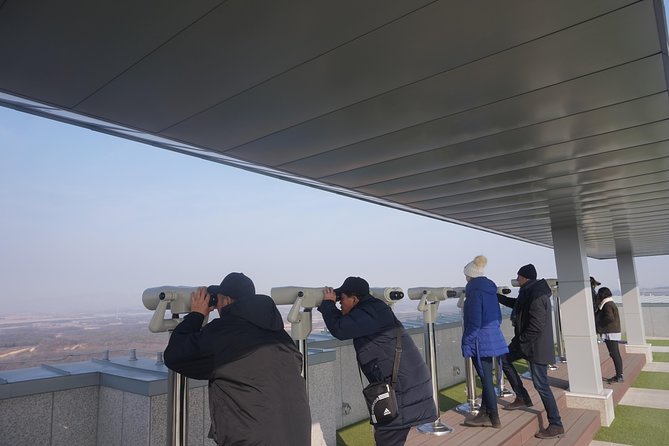
- Dora Observatory: binoculars and the view toward North Korea
- 3rd Infiltration Tunnel: steep, tight, and worth the effort
- Why the private guide factor really matters
- Price and value: $240 makes sense if you care about context
- What can change on your DMZ day
- Practical tips that make the tunnel feel easier
- Should you book this private DMZ tour from Seoul?
- FAQ
- What’s the duration of the Private DMZ Tour?
- What time does the tour start?
- Where does pickup happen?
- Is this tour actually private?
- What’s included in the price?
- What is not included?
- Do I need a passport?
- Do I need to send a copy of my passport in advance?
- Are photos allowed?
- What if part of the tour is cancelled due to conditions?
- FAQ
- What’s the cancellation policy for this tour?
- Is there walking involved?
- Does the tour include transport from central Seoul?
- Is a mobile ticket provided?
Key things to know before you go
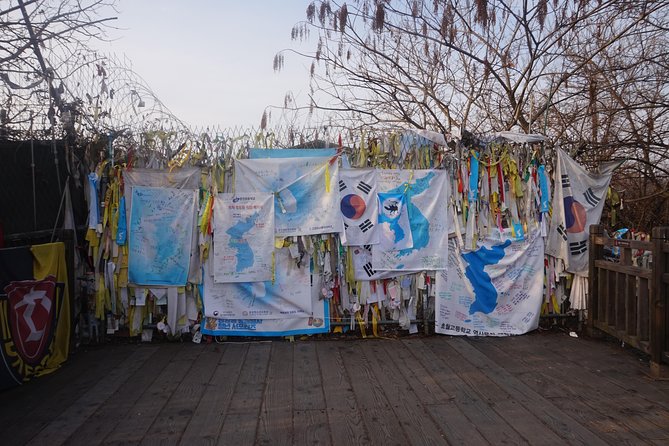
- Imjingak Park first: artillery and war artifacts along the Imjin River set the tone before you reach the bridge and tunnel areas.
- Freedom Bridge has a specific human story: nearly 13,000 Korean POWs crossed here on their return to South Korea.
- Dora Observatory uses binocular viewing: you’ll look toward North Korea as part of the experience.
- DMZ Exhibition Hall adds context: you’ll get background before you go into the more dramatic border sites.
- 3rd Infiltration Tunnel is physical: steep, narrow, and you may need stamina and some crouching.
- It’s private, but DMZ access can still be rules-based: even with private transport from your hotel, check-day logistics can affect how the day flows.
DMZ tour logistics from Seoul: private comfort, real-world rules
This is a private DMZ tour built for people who want more than a drive-by photo stop. The day runs about 6 hours, starting at 8:00 am (your operator will confirm your exact pickup time). You get round-trip transport from your Seoul hotel by a comfortable, air-conditioned coach, plus hotel pickup and drop-off.
The biggest practical win is the guide. A private setup means you’re not just getting dates and names, you’re getting explanations in real time—especially helpful at a place like the DMZ, where small details (significance, timing, geography) matter.
You’ll also deal with security-adjacent travel basics. You need a current valid passport on the day of travel, and the tour notes that you don’t need to send a copy in advance. You’ll also follow your guide’s instructions about when and where you can take photos.
One more planning note: this experience is listed as “private,” and only your group participates. Still, DMZ operations can be strict, and on the day you might find that you follow required access flow. The tour can stay private in how your guide handles your group, even if you have to match some official movement rules at certain checkpoints.
You can also read our reviews of more private tours in Seoul
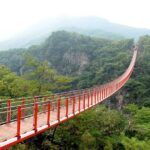


Imjingak Park: the calm start that hits hard
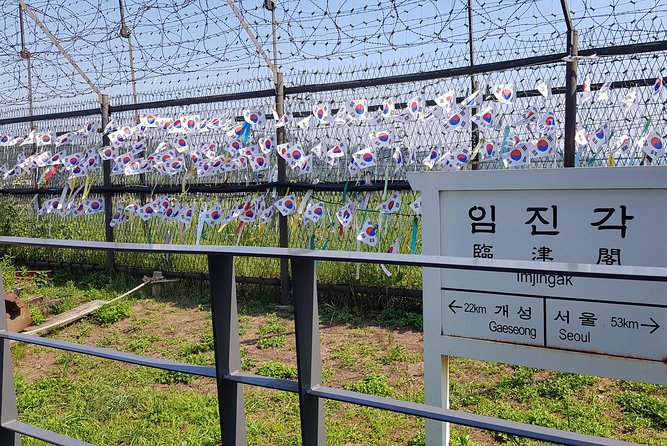
Most DMZ days would be easier to understand if you visited the border story in order. This one starts with drive-time commentary, then gets you out at Imjingak Park along the Imjin River.
Imjingak Park is where the day stops feeling abstract. You’ll see artillery and war artifacts tied to the Korean conflict. It’s not just “stuff on display.” The setting helps you connect the dots between what happened, why the DMZ exists, and what it means that people and objects from wartime ended up here.
If you’re the kind of traveler who likes to know what you’re looking at before you look, this sequence works. You go from overview on the way, to tangible artifacts, then you move toward the bridge and tunnel. It keeps the day from feeling like random stops stitched together by a bus schedule.
Freedom Bridge: when history has a name and a number
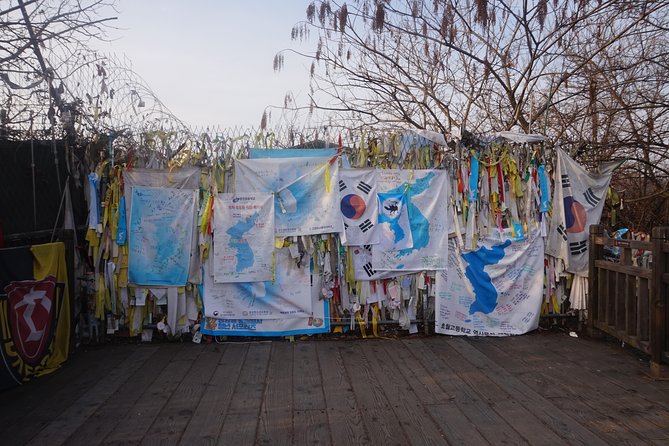
Next up is Freedom Bridge. This is one of the stops with the clearest “why this matters” moment. The tour focuses on the fact that nearly 13,000 Korean POWs crossed the bridge on their return back to South Korea.
Standing near a bridge like this is emotionally strange. It’s also clarifying. The DMZ is often framed as a military standoff, but this bridge highlights something more human: movement, return, and the end of one type of captivity—even if the broader division remained.
For first-time DMZ visitors, Freedom Bridge is a strong anchor point. Even if you’re not into Cold War details, you can track the story: conflict → captivity → return → still a divided peninsula.
DMZ Exhibition Hall: setting context before the tunnel
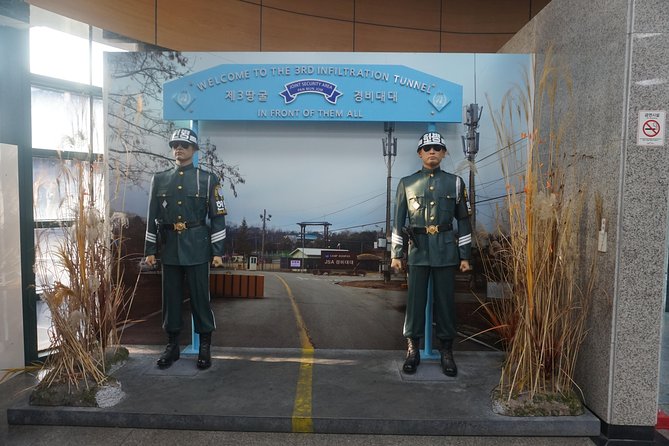
The DMZ Exhibition Hall fits a simple role: it gives you background so the tunnel and border sites land better. This is especially useful if you’re not starting from Korean War expertise. You’ll get a framework for what you see next, which can make the more intense stops feel less like a shock and more like a sequence.
One practical tip: give yourself a little patience here. Exhibition halls take a bit of time, and it’s easy to miss key labels if you rush. A private guide helps because you can ask, wait for your answers, and connect each stop to the next without losing your place.
Dora Observatory: binoculars and the view toward North Korea
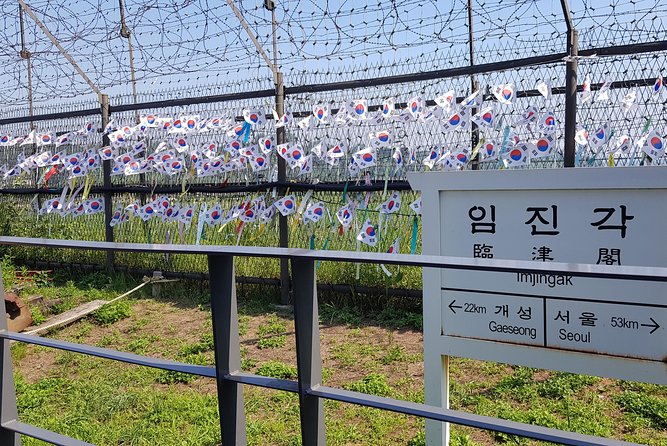
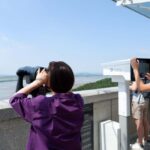
The tour includes a stop at Dora Observatory, where you’ll look toward North Korea using binoculars. This is the part many people have pictured from movies or photos, but the viewing here is grounded in the tour’s historical framing.
A few things to keep in mind:
- Weather can affect what you can see, so bring a “whatever the view is today” mindset.
- You’ll follow photo rules from your guide, since certain areas may restrict photography.
Dora Observatory isn’t about grabbing a perfect Instagram shot. It’s about getting the mental picture of distance and division—how far away North Korea is, and how much effort both sides put into controlling access and narratives.




3rd Infiltration Tunnel: steep, tight, and worth the effort
If you want one stop that explains why the DMZ is more than a line on a map, it’s the 3rd Infiltration Tunnel. The tunnel is located beneath the border area, and the tour has you see where South Koreans have blocked the Military Demarcation Line.
This is also the physically demanding part of the day. The tour description calls out moderate walking through a steep and narrow tunnel. Comfortable clothes and shoes are a must. Taller guests may need to deal with crouching—so if you’re tall or have knee issues, plan accordingly.
There’s also a common “don’t fight it” rule in these tunnel spaces: you’ll move at tunnel speed. It’s not a place to rush ahead. And per the guidance you’ll receive, photography restrictions may apply inside the tunnel.
Even if you’re not usually into military history, the tunnel experience changes how you picture the border. Suddenly it’s not just a boundary. It’s an engineering challenge, a tactical idea, and a long-term fear made into concrete and steel.
Why the private guide factor really matters
At a DMZ site, a private guide isn’t just a luxury. It changes how you process everything you’re seeing. When your guide is focused on your group, you can ask clarifying questions instead of guessing your way through a scripted explanation.
In this tour’s world, guide style seems to be a big deal. People have praised guides by name across many departures—examples include Lloyd, Sally, Jun, AJ, Lizzy, Felicity, Miel, BK, Dora, DK, Grace, and Laura. I can’t guarantee which guide you’ll get, but the pattern is consistent: the guides tend to be hands-on, attentive, and good at turning facts into something you can follow.
That also shows up in how the day is handled. When weather or access changes, a guide can pivot so you still get a coherent experience rather than feeling like the tour was broken. The best days are the ones where the story stays connected even if the route changes slightly.
Price and value: $240 makes sense if you care about context
The price is $240 per person for a private DMZ day (about 6 hours). On paper, it’s not cheap. But check what’s included:
- Expert guide
- Transport by comfortable, air-conditioned coach
- Hotel pickup & drop-off
- Admission fees
What’s not included is also clear: tram and lunch.
So the value question becomes simple: do you want the DMZ day to be guided, scheduled, and explained—or do you want to manage more of it yourself and pay extra for admissions and transport? If you’re coming in with limited time in Seoul, paying for the organizer is often the cleanest move. You buy time and stress reduction, and you get a guide to help you turn a hard-to-read setting into an understandable narrative.
There’s also the “private” element. Even if DMZ access rules require some standard movement on the day, the tour’s core idea is that your guide stays with your group and keeps the explanations tailored to you.
What can change on your DMZ day
This kind of tour has one enemy: unpredictability. The tour notes that if part of the itinerary is cancelled due to unexpected military conditions or local circumstances, there may be no refund. Rain and closures can also affect what’s possible.
The smartest way to handle this is to book with flexibility in mind. If Dora Observatory or a specific segment gets modified, ask your guide what parts still deliver the story. In general, the best guides don’t just stop—they re-route and explain what you’re missing so the day doesn’t feel pointless.
Also, follow guide instructions on photos. At the DMZ, rules can change by area, and the guide is the one who knows what’s allowed in that moment.
Practical tips that make the tunnel feel easier
For your comfort, focus on the tunnel and the walking. The tour description flags a steep, narrow tunnel with a moderate amount of walking. Based on that, I’d do three things before you go:
- Wear shoes that won’t punish you on stairs and ramps.
- Dress for comfort and movement, not fashion.
- Bring the mindset that you’ll be crouching or adjusting your posture in tight spaces.
For food: lunch isn’t included. That means you should plan your timing around the tour length and consider light snacks if your day starts early.
For entry: bring your passport and keep it handy for the day of travel. You don’t need to send a copy in advance, but you do need the real document.
Should you book this private DMZ tour from Seoul?
Book it if you fit one of these profiles:
- You want a guided DMZ day with a clear story order: artifacts → bridge → observatory → tunnel.
- You care about understanding the divided history, not just checking boxes.
- You prefer private attention over “listen fast, move fast.”
Consider skipping or tempering expectations if:
- You’re uncomfortable with steep, narrow tunnel walking or crouching.
- You hate the idea that weather or security conditions can change what you get to do.
If you’re the kind of traveler who likes your history with structure—and you’re okay doing a bit of physical work for a real sense of place—this is a strong way to spend a day in Seoul. It’s not just about seeing the DMZ. It’s about understanding why it’s still there, and what the border means in human terms.
FAQ
What’s the duration of the Private DMZ Tour?
The tour runs about 6 hours (approx.).
What time does the tour start?
The listed start time is 8:00 am. Your exact pickup time is confirmed by the local operator.
Where does pickup happen?
You’ll have hotel pickup and drop-off in Seoul.
Is this tour actually private?
Yes. It’s described as a private tour/activity, and only your group will participate.
What’s included in the price?
The tour includes an expert guide, round-trip transport by comfortable air-conditioned coach, hotel pickup & drop-off, and the admission fee.
What is not included?
Tram access and lunch are not included.
Do I need a passport?
Yes. A current valid passport is required on the day of travel.
Do I need to send a copy of my passport in advance?
No. You do not need to send a copy of your passport.
Are photos allowed?
You’ll need to follow your tour guide’s instructions about when and where you may take photos.
What if part of the tour is cancelled due to conditions?
If part of the itinerary is cancelled due to unexpected military conditions or local circumstances, there will be no refund.
FAQ
What’s the cancellation policy for this tour?
You can cancel up to 24 hours in advance for a full refund. If you cancel less than 24 hours before the start time, the amount paid is not refunded.
Is there walking involved?
Yes. The tour involves a moderate amount of walking through a steep and narrow tunnel, so comfortable shoes and clothes are recommended.
Does the tour include transport from central Seoul?
It includes round-trip transport from Seoul with hotel pickup and drop-off.
Is a mobile ticket provided?
Yes, a mobile ticket is part of the tour features.