REVIEW · SEOUL
Spiritual Adventure : Into Inwangsan and Korean Shamanism
Book on Viator →Operated by Mystical seoul tour · Bookable on Viator
You come for the myths; you leave with the meaning. This 2.5-hour Seoul walk takes you up the sacred slopes of Inwangsan, where rituals, legends, and everyday beliefs still overlap in real life. I love how it stays practical and human: you’re guided to sacred sites and shown what ritual objects and offerings are for, not just what they look like.
I also love the rare chance to meet a real Korean shaman and witness (or take part in) a fortune reading session, with time for a Q&A so you can ask about love, health, or career. The main drawback to consider: it involves walking on a hillside, so you’ll want moderate fitness and good weather.
In This Review
- Key things you’ll notice on the walk
- Inwangsan’s Sacred Slopes: What You’re Really Getting
- Getting There: Dongnimmun Start and a Practical Route
- The Guksadang Stop: Ritual Objects and Deities Made Understandable
- Meeting a Real Shaman: Fortune Reading With Cultural Context
- Talismans: What You Can Request or Purchase
- Photos, Q&A, and the Part That Makes It Click
- Price and Value: Why $28.20 Feels Reasonable
- Who Should Book This Inwangsan Shamanism Walk
- Small Practical Tips That Make the Session Easier
- Should You Book? My Take
- FAQ
- Where does the tour start and end?
- How long is the experience?
- How much does it cost?
- Is this a private tour?
- Is an air-conditioned vehicle included?
- Is bottled water included?
- What kind of fitness level do I need?
- What happens if the weather is bad?
- Does the tour include a fortune reading or meeting a shaman?
Key things you’ll notice on the walk
- Guksadang stop: You visit a sacred site tied to shamanism and ritual practice.
- Rituals you can observe: Candles, chants, and offerings are part of what you’ll see.
- Meet and talk with a shaman: Your session is framed as cultural insight, not a staged performance.
- Ask personal questions: You can bring topics like love, health, or career.
- Talisman options: You can purchase or request a custom talisman.
- Photos and Q&A: There’s built-in time to ask questions and capture the moment.
Inwangsan’s Sacred Slopes: What You’re Really Getting
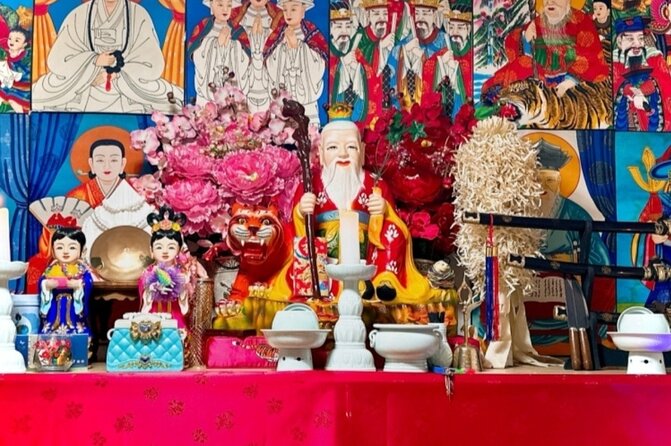
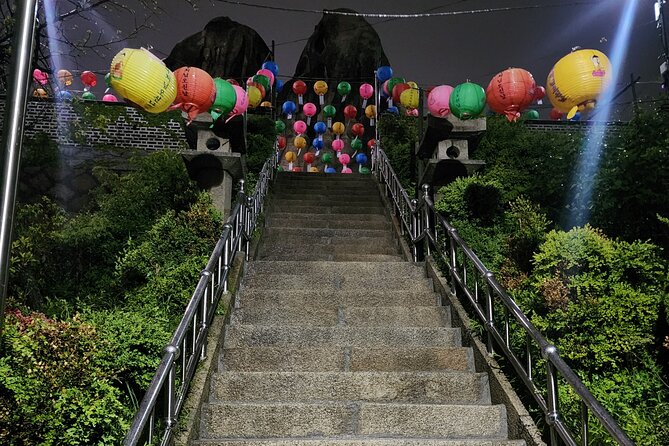
This tour isn’t trying to turn Korean shamanism into a costume drama. The emphasis is on the practice as something people still do—through rituals, beliefs, and the stories that keep getting passed along. You go onto Inwangsan, one of Seoul’s more spiritual-feeling hills, and you walk between points that connect religion, legend, and daily life.
The vibe is part classroom, part cultural conversation. Your interpreter is there to explain what you’re seeing as you move—so the shrines and ritual items don’t feel random. It also helps that the tour frames shamanism alongside Confucianism and Buddhism, plus modern life. That context matters, because it helps you understand why these beliefs can exist side by side instead of feeling like a single, isolated tradition.
The biggest reason this feels different from the usual Seoul sightseeing is that you aren’t just looking at monuments. You’re watching how people approach meaning—through symbols, offerings, and ritual speech. Then you get a chance to ask questions and process it in a guided way.
You can also read our reviews of more tours and experiences in Seoul.


Getting There: Dongnimmun Start and a Practical Route
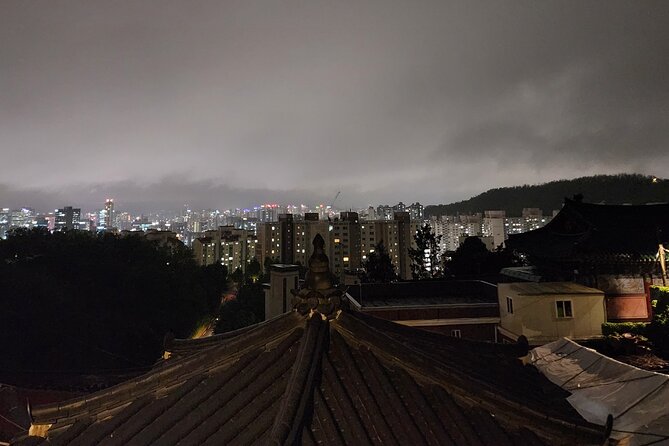
You start at Dongnimmun Station Exit 3 in Seoul. That’s an easy entry point for most visitors, because Dongdaemun-area transit makes it simple to arrive on time. The walk ends at Muakjae Station (411 Moraenae-ro, Seodaemun-gu), so you don’t finish deep in the countryside and have to backtrack through the whole city.
This is a small-group private experience. That can make a big difference with a subject like this. If you’re curious, you’ll likely get more time to ask. If you’re hesitant, you’ll still be able to watch and follow without feeling pushed into anything.
Duration is about 2 hours 30 minutes, so you get enough time to walk, stop, and take part in the session. It’s not a half-day commitment, and it won’t swallow your entire evening. Just plan your schedule so you’re not sprinting afterward—your brain will be busy.
The Guksadang Stop: Ritual Objects and Deities Made Understandable
One highlight is the visit to Guksadang. You’re not just handed a location; the guide explains why it matters and how it fits into Korean shamanism. This stop is where the tour shifts from general storytelling into specific meaning.
Here’s what I like about this approach: you’ll hear about the meaning behind rituals, deities, and talismans as you encounter them. Even if you don’t know a single thing about Korean shamanism before you go, you’re given a framework that helps you interpret what you see. Candles, chants, and offerings aren’t treated as a spectacle. They’re treated as communication—something people use with the spiritual world.
You’ll also have a chance to ask questions during the tour, which makes it easier to connect what you’re seeing to your own curiosity. If you want to know what certain ritual steps are for, this is the moment to press for answers.
Practical note: this isn’t a flat stroll. It’s a mountain-side walk, and the experience is designed for people with moderate physical fitness. Comfortable shoes and steady pacing will help you enjoy the stops without feeling worn out.
Meeting a Real Shaman: Fortune Reading With Cultural Context
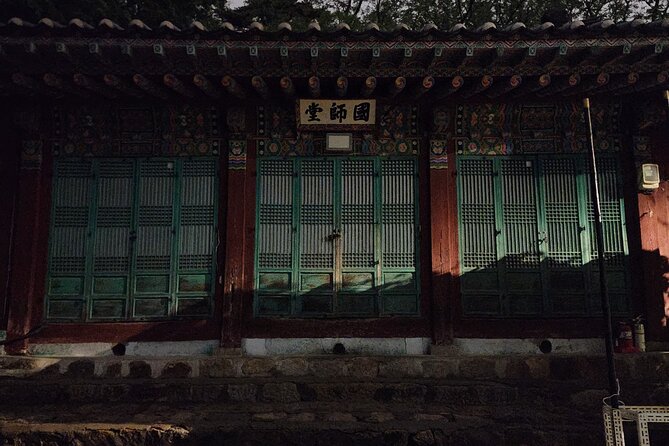
The tour includes a rare opportunity to witness or take part in a fortune reading session with a shaman. The framing is important. It’s presented as cultural insight—how the practice works, what it means to people, and how it coexists with other belief systems and modern life.
This is not marketed as a pop-up entertainment show. The point is to understand the ritual logic: what the session is trying to do, how it connects to daily concerns, and why people turn to it when they want guidance. The guide helps translate the experience so it’s not just unfamiliar sounds and gestures.
What you can do during the session matters too. You can ask personal questions about love, health, or career. That’s a very normal set of topics for many travelers, because it’s where most people look for clarity. If you prefer a lighter approach, you can also keep it more general. The tour structure gives you a safe path to engage.
One more realistic consideration: a shaman session depends on the shaman being present and well. On days when something changes, your guide is expected to adjust how the experience flows. The tour is still built to keep you learning and moving between sacred sites, so you’re not left with only a cancelled highlight.
Talismans: What You Can Request or Purchase
If fortune reading gets you curious, the tour also offers a chance to talk about talismans. You can purchase one or even request a custom talisman. That’s a big step, so it’s worth thinking ahead about what kind of question you’d like answered—or what kind of guidance you want to carry with you.
Even if you don’t plan to buy, the talisman portion is useful. It ties together the tour’s main themes: rituals as lived practice, belief as something people reference in everyday life, and symbols as tools people use to make meaning.
I’d treat it like this: don’t rush into a purchase just because you can. Use the Q&A time to ask what the talisman is meant to do and how it fits your personal question. Then decide.
And yes, you’ll want to be ready for a real conversation. If you’re shy, that’s okay. You can ask fewer questions and focus on understanding what you’re seeing. The tour’s goal is to teach you how the system thinks.




Photos, Q&A, and the Part That Makes It Click
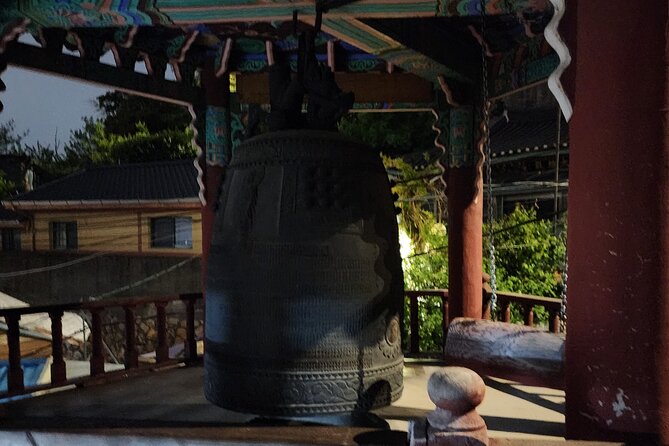
The experience includes time for photos and a Q&A session. That’s more than a nice extra. It lets you slow down and make sense of what you just experienced.
When people try to photograph rituals without context, it can feel awkward. Here, the guide’s explanations give you a reason to frame your photos with care. You’ll understand what you’re capturing, so the pictures become memory with meaning—not just background shots.
The Q&A time is where I’d lean in. Ask about what you saw, what it connects to, and how it fits into a modern Seoul life where you also have churches, temples, and state institutions. The tour’s emphasis on the overlap between shamanism and other belief systems gives your questions a clear direction.
It’s also helpful if you’re wondering how this tradition is understood by Korean people today. The tour is designed to give you that angle, not just a tourist-friendly story.
Price and Value: Why $28.20 Feels Reasonable
At $28.20 per person for about 2 hours 30 minutes, this tour prices like a small-group cultural experience, not a big-ticket museum or private driver day. The value comes from the access.
For that price, you’re getting:
- guided movement up the mountain-side trails to sacred sites
- explanations of ritual meanings, deities, and talismans
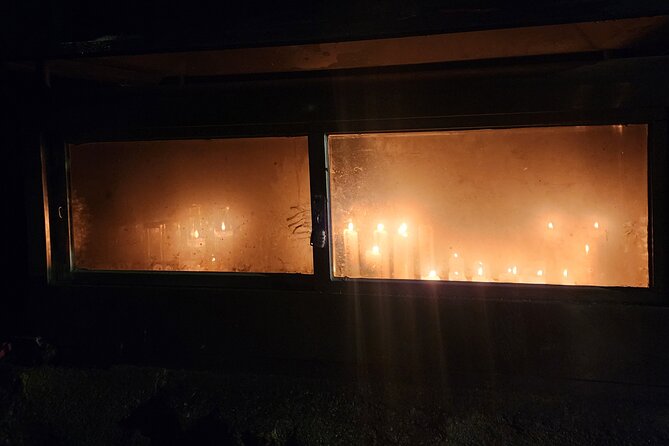
- witness time for a ceremony with candles, chants, and offerings
- the rare element of a fortune reading session with a shaman
That access is the difference. A typical city tour can teach you about culture from behind a glass case. This one puts you closer to living practice. Even if you’re skeptical at first, the guided context helps you evaluate what you’re seeing on its own terms.
Optional air-conditioned vehicle is listed as included. That’s a comfort bonus, especially if the day is hot or humid. Just remember that the tour is near public transportation, and it doesn’t list bottled water as included—so bring your own small water plan if you tend to get thirsty.
Who Should Book This Inwangsan Shamanism Walk
This is a strong fit if you want Seoul beyond the standard city loop. I’d especially recommend it if you’re interested in:
- Korean folklore and spiritual traditions as living practices
- the way beliefs influence daily life, not just ancient texts
- a guided structure that helps you ask questions without feeling lost
It’s also a good choice if you like shorter, focused tours. The timing works for visitors who still want nature time and city views, but don’t want to commit to a full day.
You might want to skip or choose another option if:
- you don’t like walking uphill and prefer flat routes
- you’d feel uncomfortable attending a real ritual setting, even with guidance
- you’re hoping for purely historical, museum-style information only
In terms of effort, plan on moderate physical fitness. The walk up the mountain-side matters, even though the tour keeps you moving at a tour-friendly pace.
Small Practical Tips That Make the Session Easier
A spiritual tour can feel personal fast. These small prep habits help:
- Wear comfortable shoes for mountain-side walking.
- Keep your questions short. If you’re asking about love, health, or career, decide the main theme you want clarity on.
- If you’re considering a talisman, ask what it’s meant to do first, then decide.
- Build in a little patience. Rituals take time, and you’re there to follow the flow, not just watch it like a clip.
Also, think about how you’ll handle photos. Sometimes it’s better to wait for the right moment. The guide’s explanations will help you recognize when it’s appropriate.
Should You Book? My Take
Yes, I’d book it if you want a real window into Korean spiritual culture—and you’re comfortable with the idea that shamanism isn’t frozen in the past. This tour feels built for understanding: sacred sites on Inwangsan, clear explanations of ritual meaning, and the chance to witness or participate in a fortune reading session with a shaman, led by Ethan as described by past participants.
One final deciding factor: the experience requires good weather. If weather turns, you’ll either get offered a different date or a full refund. And cancellations are free up to 24 hours before, which makes it easier to plan your Seoul schedule without stress.
If you’re the kind of traveler who likes your culture to be active and human—not just scenic—this is a strong bet.
FAQ
Where does the tour start and end?
It starts at Dongnimmun Station Exit 3 in Seoul and ends at Muakjae Station (411 Moraenae-ro, Seodaemun-gu).
How long is the experience?
The tour lasts about 2 hours 30 minutes.
How much does it cost?
The price is $28.20 per person.
Is this a private tour?
Yes, it’s a private tour/activity, so only your group participates.
Is an air-conditioned vehicle included?
Air-conditioned vehicle use is listed as optional.
Is bottled water included?
No, bottled water is not included.
What kind of fitness level do I need?
You should have a moderate physical fitness level, since the tour includes walking on Inwangsan.
What happens if the weather is bad?
This experience requires good weather. If it’s canceled due to poor weather, you’ll be offered a different date or a full refund.
Does the tour include a fortune reading or meeting a shaman?
Yes. You visit sacred sites like Guksadang, meet a real Korean shaman, and you can witness or take part in a fortune reading session.