REVIEW · FOOD
Seoul: Gwangjang Market Netflix Food Tour
Book on GetYourGuide →Operated by S.A. Seoul · Bookable on GetYourGuide
Korean street food is better with context, and this tour gives you both. I like the way it strings together Insa-dong art streets, Ikseon-dong hanok lanes, and then lands you at Gwangjang Market for guided tastings. The trade-off: it’s not a full meal, and the heavier portions come later, so go hungry-ish rather than starving.
You start at Anguk Station (Line 3) and finish back at Gwangjang, which makes the whole thing feel efficient and easy to repeat. I also really like the guide approach: in recent departures, people mention guides like Sam, Charlie, Peter Park, Sally, and Alan for their cultural stories and smart food choices. If you’re the type who wants more market time early, plan for the pacing to build toward the end.
In This Review
- Key things to know before you go
- Seoul street food starts with Insa-dong culture streets
- Ikseon-dong hanok lanes: where old Seoul still breathes
- Gwangjang Market: the tasting stage (and where you’ll want to pace yourself)
- The octopus moment tends to land at the end
- Don’t treat it like a slow buffet
- What the guides actually add to the food (beyond pointing)
- Walking time, pace, and route logic in 3 hours
- Price and value: why $64 can feel fair for Seoul
- Who this tour suits best
- My honest recommendation: book it if you plan to eat before and after
- Final call: should you book?
- FAQ
- How long is the Seoul Gwangjang Market Netflix Food Tour?
- Where do I meet the guide?
- What’s included in the price?
- Is this a whole meal or just tastings?
- What languages are the guides?
- What if my plans change?
Key things to know before you go
- Anguk Station meetup, smart route flow: You begin at Exit 6 and end at Gwangjang, so you’re not zig-zagging across Seoul.
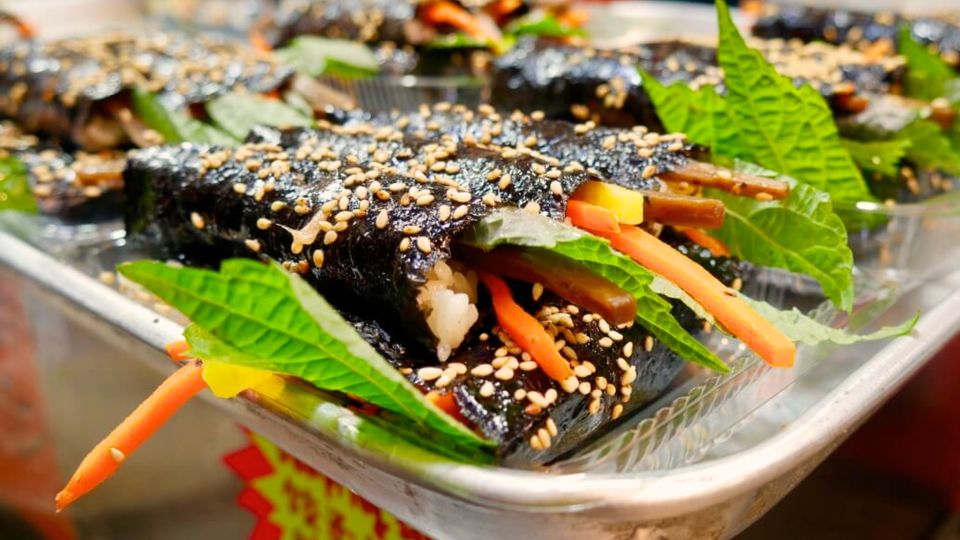
- 3–5 tastings (not a full meal): Expect street food sampling, with the bigger bites showing up later.
- Insa-dong for Korean arts and antiques: You get the background behind galleries, shops, and street culture rather than just walking past it.
- Ikseon-dong’s hanok + modern cafes mix: Narrow alleys let you see the older Seoul feel and the newer style side by side.
- Gwangjang Market is the payoff: You’ll focus on the market experience—food stalls and also textile/handmade goods.
- Real guide energy, even in rough weather: One booking called out bad weather but still highlighted the tour as a standout with Peter Park.
Seoul street food starts with Insa-dong culture streets
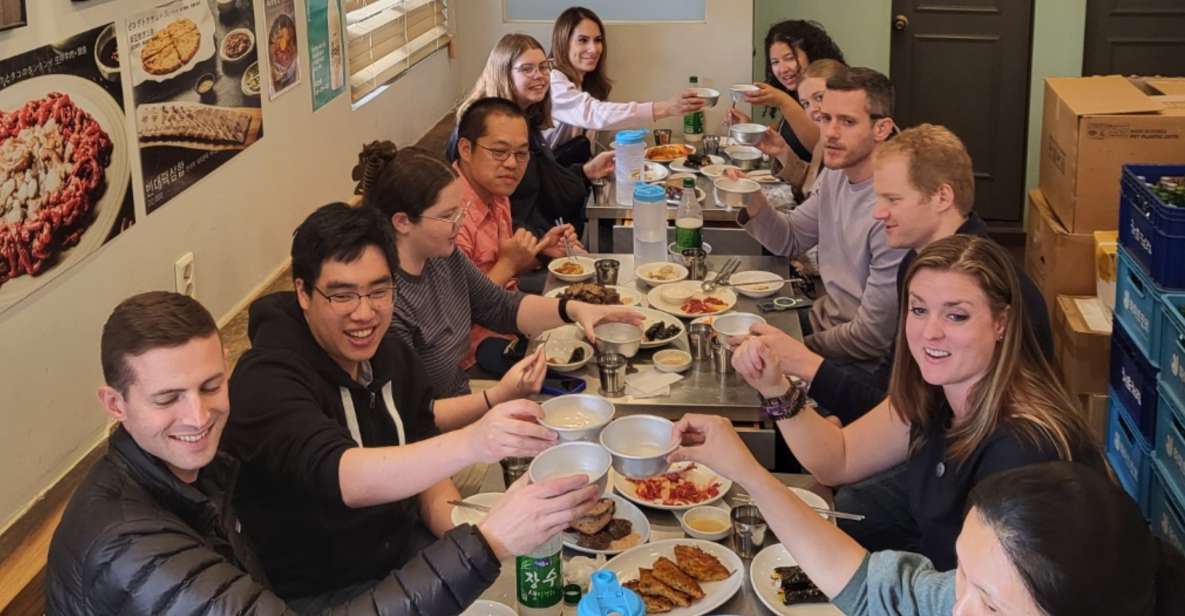
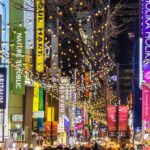
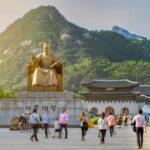
This tour begins where a lot of first-time Seoul navigation starts to click: Anguk Station. You meet in front of Exit 6 on Subway Line 3, then you head into Insa-dong Culture Avenue, an area built around traditional Korean arts, antiques, and shopfront browsing.
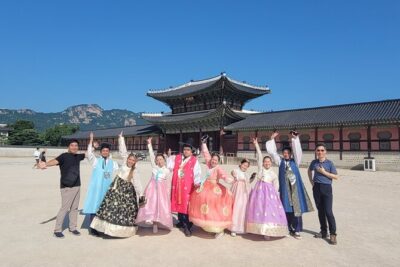
What I like about starting here is that you’re not immediately shoved onto a food-only mission. You’re learning the setting first. Insa-dong is where you’ll see art galleries, antique shops, and small artisanal boutiques all layered into the same walking flow. Your guide explains how the neighborhood evolved from a traditional hub into today’s mix of old and new. That matters because when you reach the market later, the food doesn’t feel random. It feels like part of the same culture chain.
A practical note: Insa-dong is shop-heavy. If you’re the type who loves taking photos at storefront scale or reading signboards, you’ll do fine. If you rush and hate browsing, just treat it like a story walk—listen for what your guide points out and let the stalls blur a bit.
You can also read our reviews of more food & drink experiences in Seoul
Ikseon-dong hanok lanes: where old Seoul still breathes
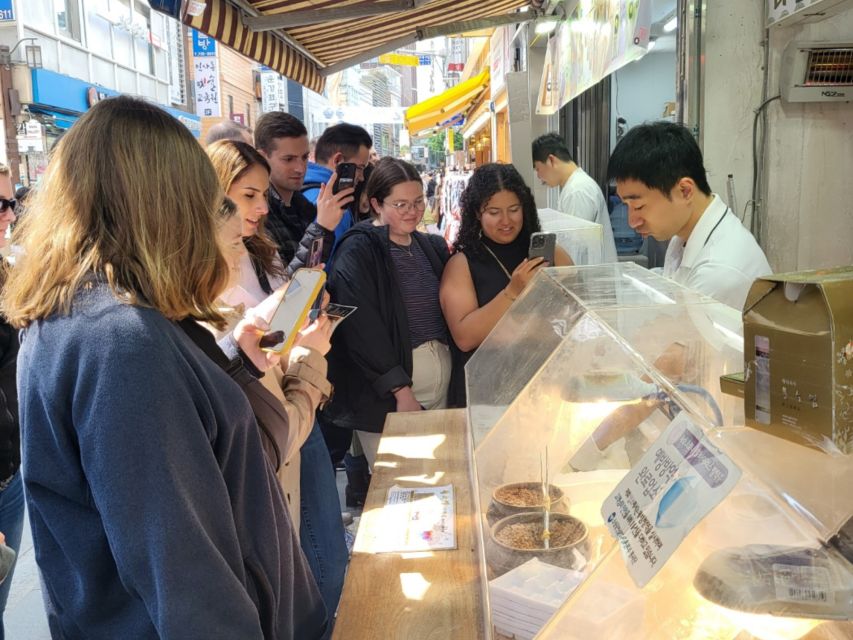
After Insa-dong, the route shifts into Ikseon-dong, often described as one of those places where the older Seoul atmosphere is still visible even while cafés and modern conveniences move in.
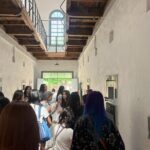
Here’s the best part for most people: you get to walk the narrow alleys lined with hanok buildings. Even if you’ve seen hanoks in photos, the alley scale is what makes it real. The street corners feel slower. The texture of the neighborhood feels different from the wider roads elsewhere in Seoul.
Your guide weaves in what you’re looking at—how the hanok architecture fits into everyday neighborhood life now, and why this zone works as a bridge between history and present-day hangouts. In recent bookings, guests specifically called out guides taking time to explain history and culture while keeping the walk fun, which is exactly what you want here. You’ll be watching doorways, courtyards, and street rhythm, so you don’t want a guide who speed-walks past the interesting parts.
Gwangjang Market: the tasting stage (and where you’ll want to pace yourself)
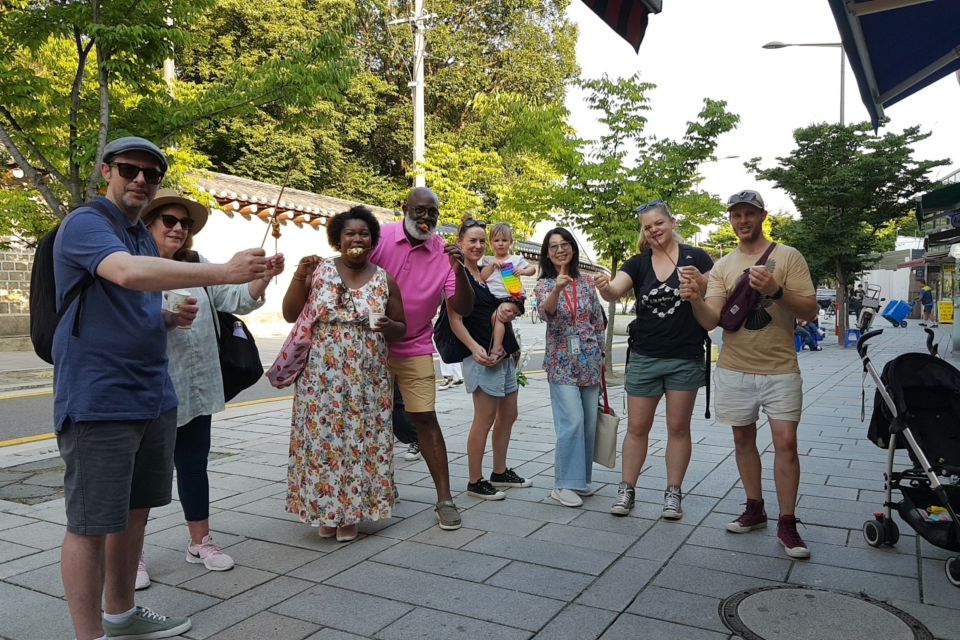
Now the focus tightens: Gwangjang Market, a historic marketplace dating back to the early 1900s. This is the moment the tour earns its keep.
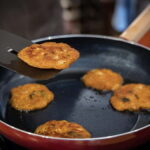
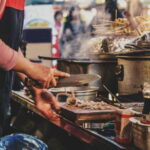
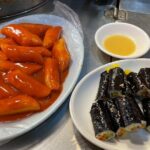
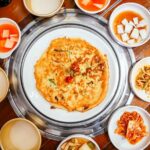
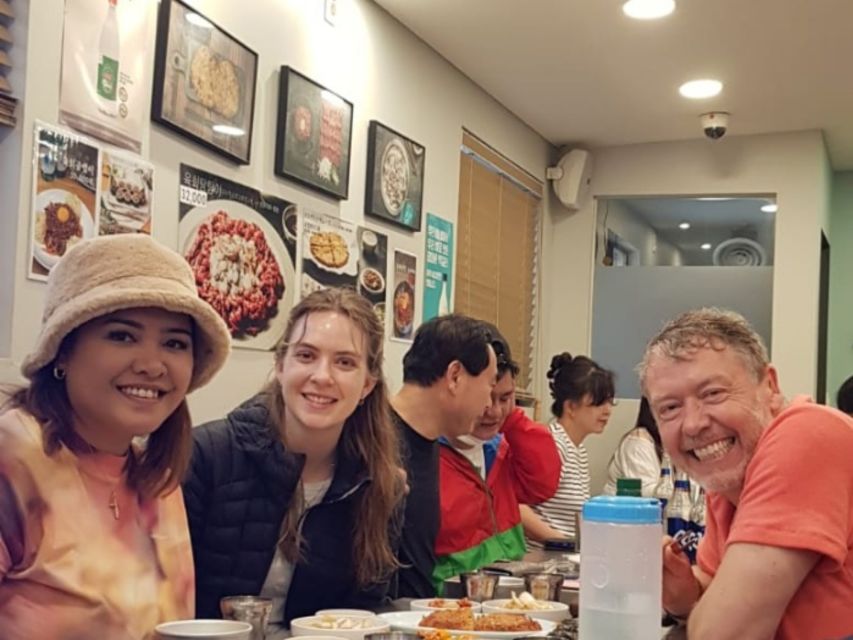
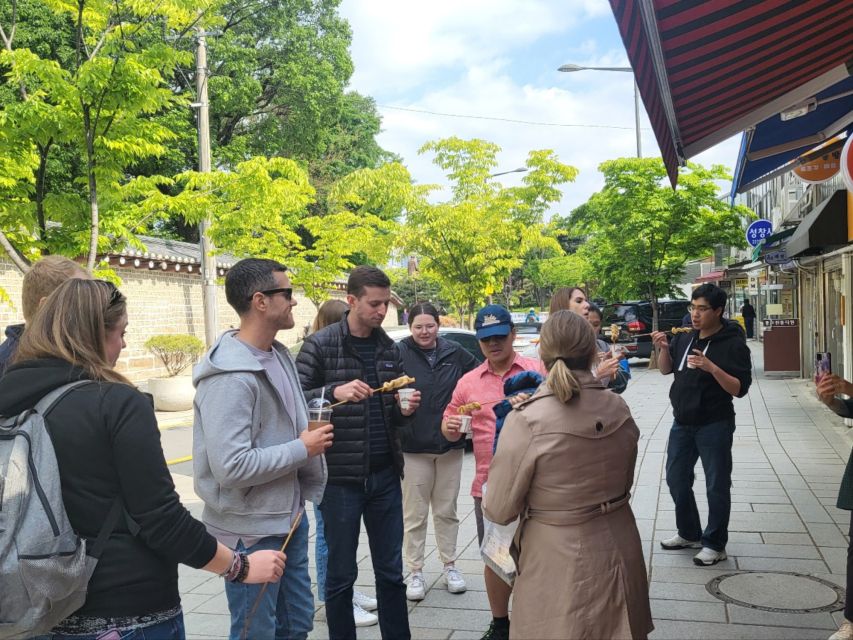
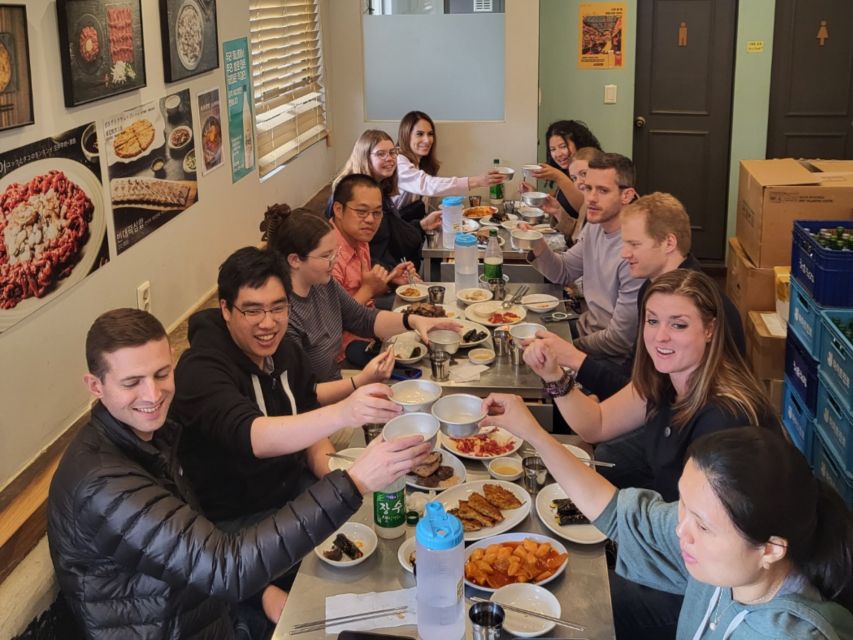
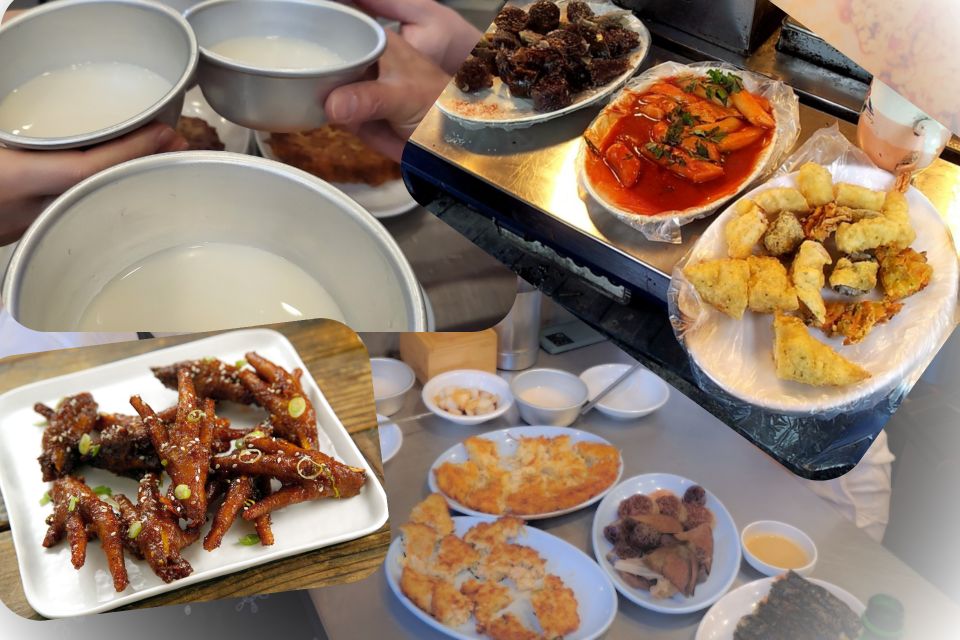
You’ll move through the market with a guide and sample 3–5 kinds of street food (the exact picks depend on the option). That structure is important. It means you’re not trying to choose everything yourself in a busy maze. Instead, you get a guided sampling route—enough variety to understand Korean street food styles, without forcing you into full meals at every stop.
Gwangjang isn’t just food. You’ll also notice textiles and handmade goods alongside the snack stalls. That’s a smart inclusion because it prevents the market from feeling like a food theme park. You’re seeing how markets function: one place where shopping and eating overlap in everyday life.
The octopus moment tends to land at the end
One highlight from a past booking: the octopus at the end of the tour was singled out as a must-try. That fits the tour’s overall pacing: the biggest portions and the more memorable items show up later rather than right away.
This also explains the one drawback I’d plan around. The tour includes tastings, but it’s not a whole meal. If you’re already eating lightly, you’ll feel better. If you show up totally empty, you might be tempted to grab extra food on your own while you wait for the end-stage bites. The tour note is clear: don’t skip meals beforehand, because the best volume is at the finish.
Don’t treat it like a slow buffet
A 3-hour walking format means you move. Some people love this because it keeps things energetic and prevents the long, wandering “stare at stalls” phase. Others want more market time and more bites. If that’s you, keep your expectations aligned: this is a guided tasting route, not a free-form full-day market shopping spree.
You can also read our reviews of more tours and experiences in Seoul

What the guides actually add to the food (beyond pointing)
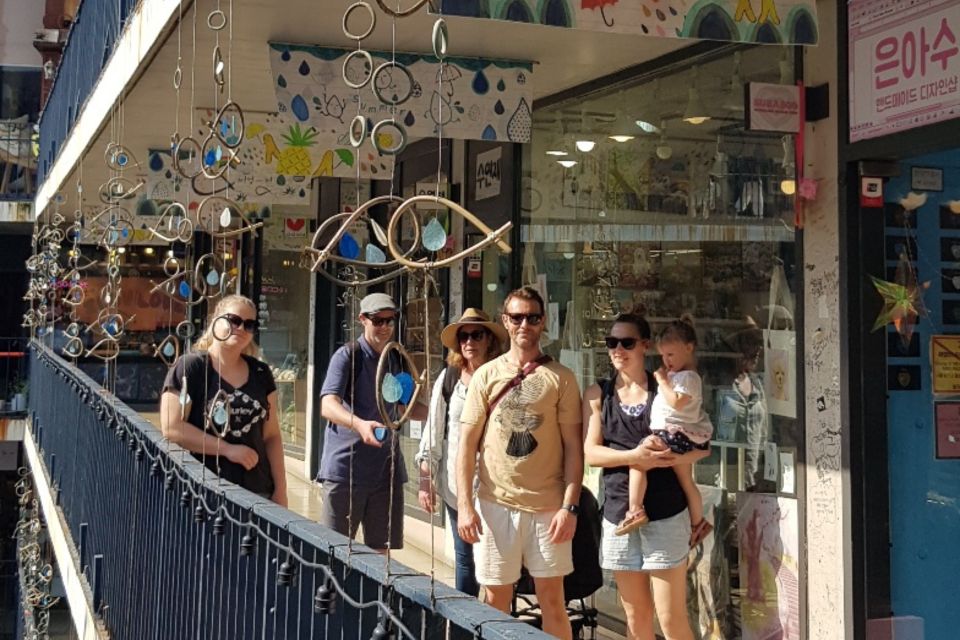
This type of tour lives or dies on the guide. Based on the names that come up for recent departures—Sam, Charlie, Peter Park, Sally, and Alan—what guests keep describing is a balance: cultural context plus practical food guidance.
Here’s what that looks like in real terms:
- You get the meaning behind foods and customs, not just a list of items.
- You’re guided to better choices and timing, especially in a market where it’s easy to order something you can’t pronounce and regret.
- You get a sense of how Korean food works as a system—textures, sauces, typical pairing logic—even when you’re only tasting small amounts.
If you’re nervous about ordering in Korea, this is exactly where a good guide helps. You don’t need perfect Korean or menu confidence. You just follow the route and listen for the why behind each bite.
Walking time, pace, and route logic in 3 hours
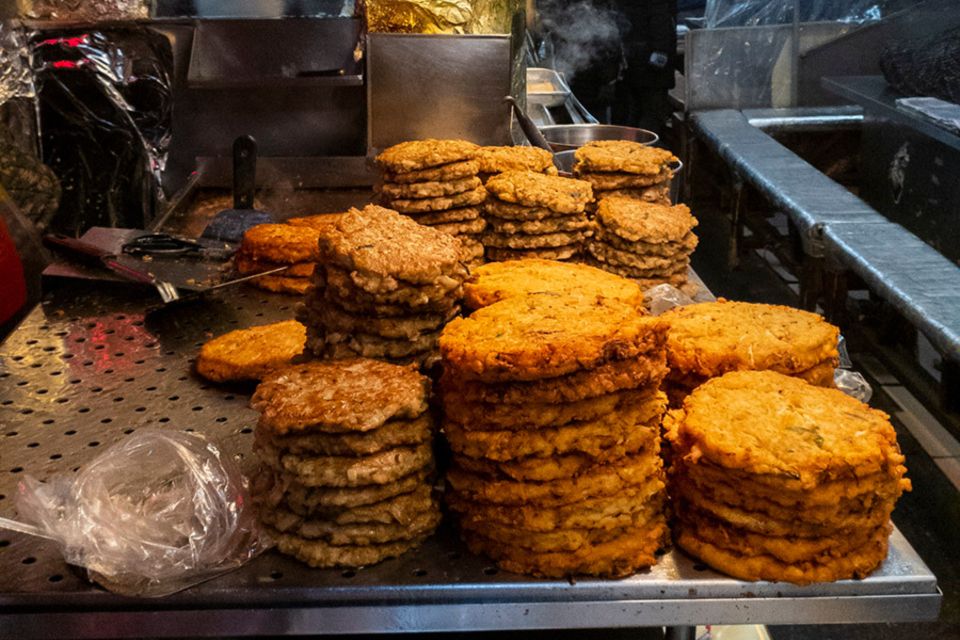
At 3 hours, this is designed to be a morning or afternoon-style activity that won’t swallow your entire day. The route makes sense geographically: you start at Anguk Station, walk through Insa-dong, shift to Ikseon-dong, then finish at Gwangjang Market.
That finishing point matters. When a tour ends in the same place you want to keep exploring, you can extend the day without backtracking. And if you want to shop afterward—textiles, handmade goods, small souvenirs—the market is still right there.
The duration also means you’ll spend a lot of the time looking at streets and stalls. If you’re very heat-sensitive (or you just hate standing in lines), bring water and plan for that human reality. Even one booking mentioned terrible weather but still praised the experience, which is a good sign that the guide keeps the flow moving.
Price and value: why $64 can feel fair for Seoul
For $64 per person over 3 hours, you’re paying for three things: the guide, paid entry/fees, and the guided tasting set of 3–5 street foods.
Is it cheap? No. But it doesn’t try to be. Instead, it’s closer to “a guided sampler plus neighborhood orientation.” In a busy market, your guide saves time and reduces ordering guesswork. You also get a cultural walking component across Insa-dong and Ikseon-dong, not just one market block.
Where value can depend on you:
- If you’re the type who likes learning why things are the way they are, the guide context makes the price feel more worthwhile.
- If you only want to eat and don’t care about background, you might feel it’s pricier than doing your own Gwangjang Market food crawl.
- If you’re expecting it to be a full meal, you could end up spending extra on your own after the tour because the tastings are built to finish strong, not replace lunch or dinner.
My practical advice: treat this as a “structured food + culture sampler.” If you also plan a separate meal before or after, the math works much better.
Who this tour suits best
This tour is a great match if:
- You want Seoul street food with a guide so you don’t waste time figuring out what to order.
- You like walking and learning, not just shopping.
- You’re visiting for the first time and want a quick hit of Insa-dong, Ikseon-dong, and Gwangjang in one connected loop.
- You enjoy hanok areas but also want the modern street life side by side.
It may not be ideal if:
- You’re purely a “max food per hour” traveler and don’t want the cultural stops.
- You hate pacing that builds toward the end and want heavy eating from the first tasting.
- You’re looking for long market browsing time rather than a guided route.
My honest recommendation: book it if you plan to eat before and after
If you want an efficient, guided path through three of Seoul’s most character-filled zones, this tour is a strong pick. The real win is the ordering help and the cultural framing, especially once you reach Gwangjang Market and start sampling with confidence.
Final call: should you book?
Yes, if you like street food tasting and you want the story behind where it comes from. Start with a normal meal beforehand, then let the tour take care of the variety. If you’re the kind of person who needs “a full meal included,” you might prefer a different option—or plan to top up your appetite after the tour at Gwangjang while you’re already there.
FAQ
How long is the Seoul Gwangjang Market Netflix Food Tour?
The tour lasts 3 hours.
Where do I meet the guide?
Meet in front of Exit 6 of Anguk Station (Subway Line 3).
What’s included in the price?
You get a live guide, entrance fees, and 3–5 kinds of street food tasting (the exact number depends on the option).
Is this a whole meal or just tastings?
It’s not a whole meal. You’ll get multiple street food tastings, and the larger portions are at the end of the tour, so it’s smart not to skip meals beforehand.
What languages are the guides?
The live tour guide is available in English and Korean.
What if my plans change?
You can cancel up to 24 hours in advance for a full refund, and you can reserve and pay later to keep plans flexible.