REVIEW · DMZ TOURS
Seoul: DMZ Tour with Japanese-Speaking Guide
Book on GetYourGuide →Operated by I LOVE SEOUL TOUR Co., Ltd. · Bookable on GetYourGuide
A border day that feels real fast. This Seoul DMZ tour takes you to Imjingak Park and the Freedom Bridge, then adds a rare walk into the Third Infiltration Tunnel.
I love how direct the experience feels: you’re looking at the exact places where the Korean War still echoes. One possible drawback: it’s a long, structured day, and the tunnel route involves a steep slope and solid walking time.
In This Review
- Key things that make this DMZ day work
- The DMZ reality check you see in person
- Price and logistics: why $50 is reasonable for a military-operated site
- From Seoul to Imjingak: the park stop that sets the mood
- Freedom Bridge: a short stop with big meaning
- Walking the Third Infiltration Tunnel: where you feel the scale
- Dora Observatory on Mountain Dora: seeing North Korea from the south
- Unification Village: souvenirs with a peace-and-reconciliation theme
- When DMZ access changes: plan for swaps, not refunds
- Who this tour suits best (and who should skip it)
- The best guides make it click: language clarity matters here
- Should you book the Seoul DMZ Tour with Japanese-Speaking Guide?
- FAQ
- How long is the DMZ tour from Seoul?
- What language is the guide?
- Is JSA (Joint Security Area / Panmunjom) included?
- What do I need to bring?
- Are food and drinks included?
- Where do I get dropped off at the end?
- What should I wear or bring for the day?
- Is alcohol or smoking allowed?
- Who is this tour not suitable for?
- Is cancellation free?
Key things that make this DMZ day work
- Japanese-speaking, licensed DMZ guides keep the history clear, not lecture-y
- Freedom Bridge and POW repatriation give the border a human scale
- Third Infiltration Tunnel on foot means you feel the space, not just read about it
- Dora Observatory views can stretch far north on clear weather
- Unification Village shopping turns the peace theme into real souvenirs and snacks
The DMZ reality check you see in person
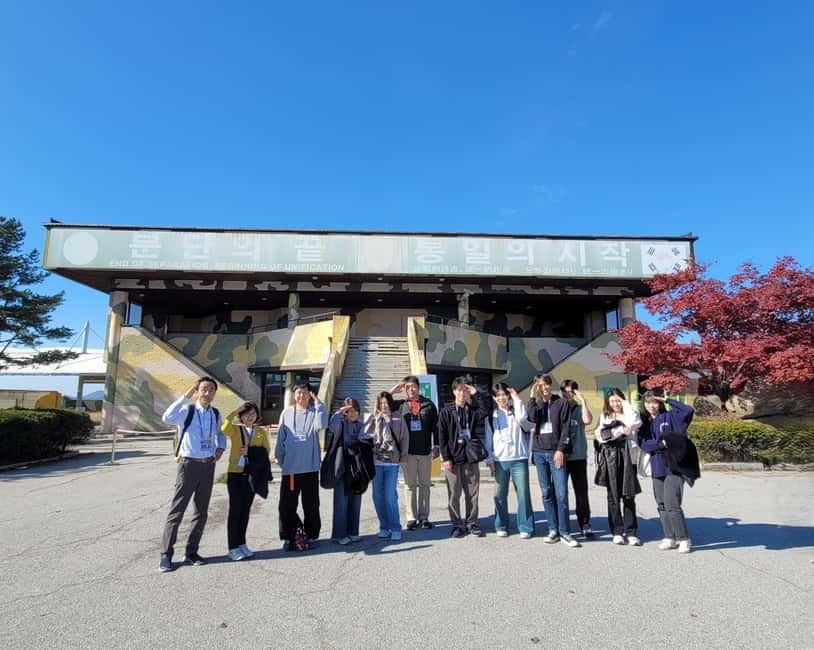
The Demilitarized Zone is not some abstract line on a map. It’s a real 4 km (2.4-mile) strip that’s divided Korea since 1953, and this tour is built to help you understand what that means. You’ll spend the day moving between sites that each explain a different layer of the same story: separation, memory, military planning, and peace attempts.
What I like here is the pacing. You don’t just “go to the sights.” You visit places that connect to each other: war-era repatriation at one stop, engineering under the ground at another, and then long-range observation from Mountain Dora.
Also, you’ll get a rare glimpse of North Korea territory from Dora Observatory. On a good weather day, you can even see far enough without using the telescope. That’s the kind of small detail that makes the day click.
You can also read our reviews of more guided tours in Seoul

Price and logistics: why $50 is reasonable for a military-operated site
At about $50 per person for 7–8 hours, this is one of those “value-for-time” tours. A big chunk of what you’re paying for is not the van ride. It’s the ability to access DMZ-operated areas with a licensed professional DMZ tour guide, plus entrance fees and the included roundtrip shared transfer from Seoul.
You’ll start from one of three meeting points tied to Myeongdong-area access. The common options are Myeongdong Station Exit 10 or nearby address points listed for the day. From there, you ride in an air-conditioned bus or minivan.
One logistics detail that matters: if the group in the vehicle is under 30 people, transfer to a DMZ shuttle bus is required by government policy. You don’t need to plan for it, but it’s good to know the day can include an extra switch in transportation.
Shoes matter too. The tour strongly recommends you do not wear flip-flops, slippers, or heels. You’ll be walking outdoors in a military region, and later you’ll go into a tunnel that takes time and effort.
From Seoul to Imjingak: the park stop that sets the mood

The day usually begins with a bus ride (about an hour), then a guided stop at Imjingak (Imjingak Park). This is where the DMZ day starts feeling less like tourism and more like memory.
Imjingak is positioned near the DMZ, so it works as a transition point. You’re not yet underground or staring across the border. You’re getting grounded in what the peninsula conflict has meant for families and nations, with the park acting like a physical “buffer” between normal Seoul life and the controlled border zone.
Even if your Korean is limited, the structure helps. The guide’s job is to translate the meaning of each stop, and the reviews consistently praise Japanese explanations that are clear and interesting. Names you may hear include guides like Hong Yuseon and Yun, and also Pak in other bookings.
Freedom Bridge: a short stop with big meaning
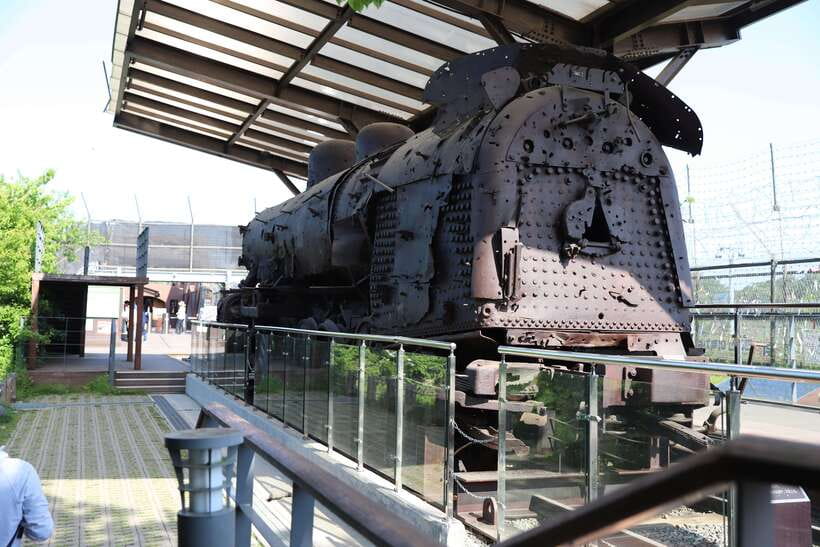
Next comes Freedom Bridge, visited with a guided explanation (around 30 minutes). This bridge is tied to prisoner-of-war repatriations from the North, and that is the key point to absorb while you’re there.
What makes this stop valuable is that it’s not just a photo stop. You’re standing somewhere that represents a specific historical process: returning people across a divided space. When you connect that to the fact that the DMZ still exists as a 1953 division, the site becomes more than scenery.
If you want a practical tip: take a moment before your photos to listen fully. You’ll usually have a guided narrative that explains why the bridge matters in the larger timeline.
Walking the Third Infiltration Tunnel: where you feel the scale
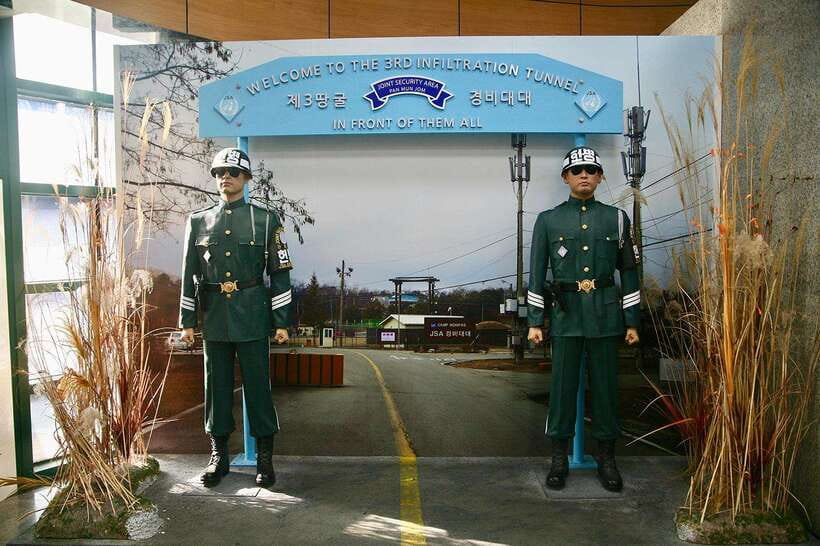
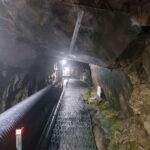
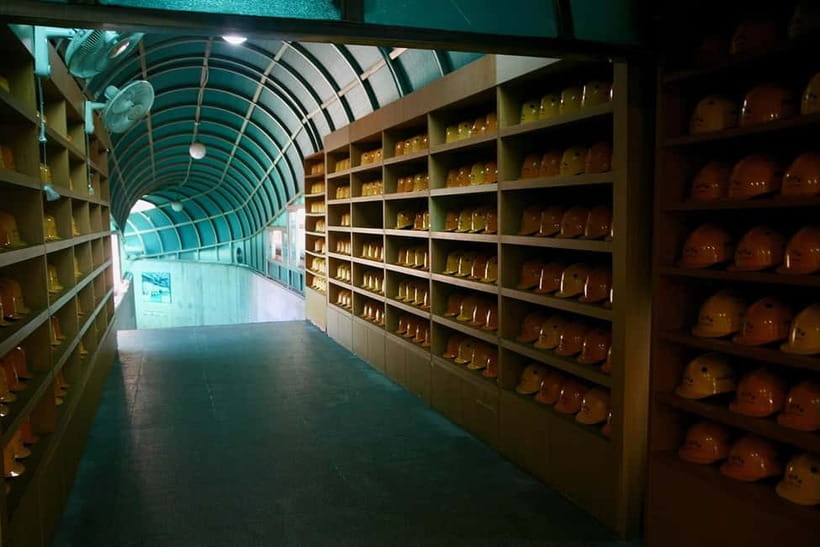
Then you hit the most physical part of the day: the 3rd Infiltration Tunnel of Aggression. This is an incomplete passage built by North Korea under the DMZ, and you go inside on foot. Expect about 40 minutes of guided time for the tunnel portion, with the round-trip walk inside typically taking around 30–40 minutes.
Here’s the honest consideration: the tunnel has a steep slope. It can be challenging for children and for the elderly, and the tour allows you to wait in front of the tunnel if you decide you need a break.
What you should take away is not just that it’s “cool to go underground.” It’s the way the tunnel forces you to think about secrecy, engineering, and the physical effort behind military planning. Even with a guide explaining what to look for, you’ll feel why this kind of construction matters in a divided border.
One review detail that makes me trust the experience design: guides have helped people keep the day on track during disruptions, including arranging ways for the group to continue sightseeing even when timing gets tight. That kind of problem-solving matters on a DMZ day because access can be sensitive.
Also, the tunnel environment is cooler than outside. One booking specifically notes that even in August heat, the tunnel felt cooler. So if you’re traveling in summer, the tunnel can actually be a relief.



Dora Observatory on Mountain Dora: seeing North Korea from the south
After the tunnel, you go up to Dora Observatory for a guided stop (about an hour). The drive and walk to Mountain Dora are part of the value here. The day shifts from “history you stand inside” to “history you look across.”
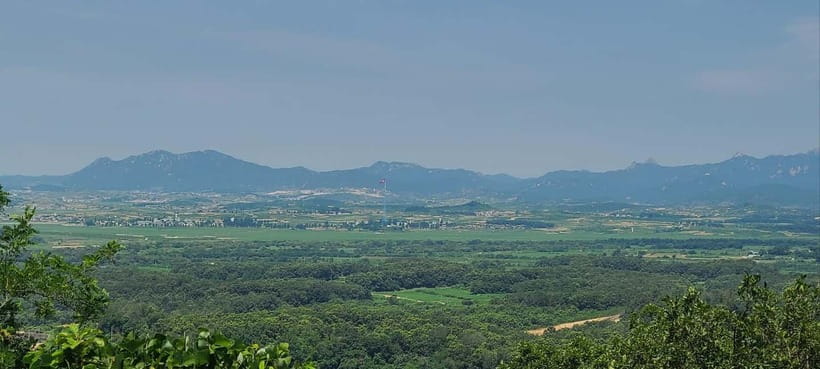
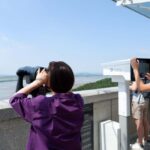
From the observatory, you can look out at the DMZ’s 4 km stretch, and in good weather you may be able to see toward North Korea without relying on the telescope. That weather note isn’t fluff. It changes the feel of the day from “watchtowers and signs” to “a long visual connection across a real division.”
A practical way to enjoy this stop: give yourself time to scan slowly. Don’t burn all your attention on a single photo spot. The guide’s explanation will usually help you understand what you’re looking at, but your eyes still do the final work.
Unification Village: souvenirs with a peace-and-reconciliation theme
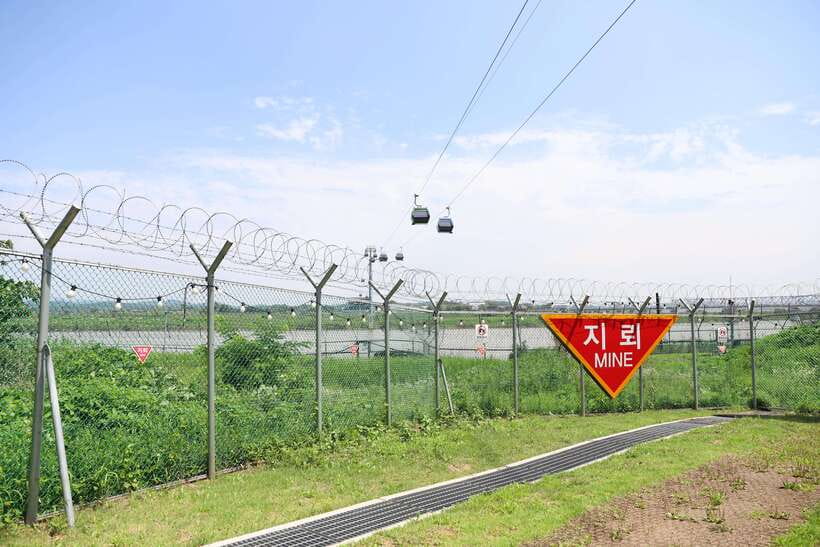
Near the DMZ in South Korea, the tour stops at Unification Village (about 30 minutes). This is where the day gets lighter in tone.
You can browse peace and reconciliation-themed items, and shops often carry goods connected to North Korea too. That’s part of why Unification Village is worth the time. You’re not only seeing the political border; you’re also seeing how people package the idea of reunification into everyday purchases—snacks, small souvenirs, and themed items.
If you’re shopping, set aside a little mental budget before you arrive. This is one of the few truly flexible moments in the schedule, and it’s smart to decide what you want before you get pulled into browsing.
When DMZ access changes: plan for swaps, not refunds
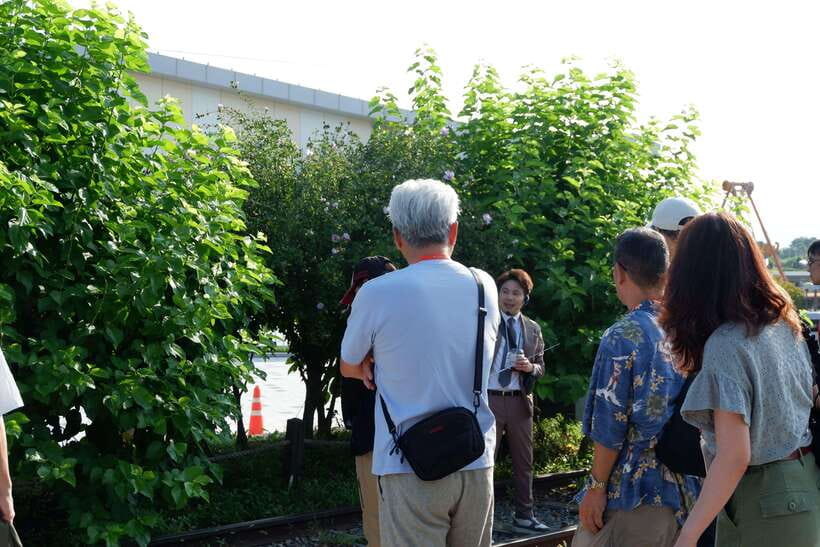
One reality of visiting the DMZ: it’s operated by the military, and the trip may be canceled without prior notice. Even when the tour runs, the exact flow is subject to weather, military decisions, and government regulations.
The good news is you’re not left totally empty-handed. If the original DMZ access changes, the schedule may swap in other visits such as Art Space BEAT 131, Odusan Unification Observatory, the War Memorial of Korea, and stops at City Hall or Myeongdong (depending on the day’s plan).
A key point: the information provided for this tour is clear that a refund won’t be offered if the itinerary is altered for these reasons. So instead of treating this as a “guaranteed DMZ checklist,” treat it as a structured border-day experience with adaptable components.
On-the-ground guidance can make a difference. There are examples of guides handling disruptions by finding options so the group still gets the tunnel shuttle timing and additional sightseeing where possible. That’s a real part of the value of having a professional guide here.
Who this tour suits best (and who should skip it)
This tour is a strong fit if you want a focused, guided introduction to the peninsula divide without building your own transportation plan. At the end of the day, you’ll have seen multiple sites—Imjingak, Freedom Bridge, a tunnel on foot, and Dora Observatory—each with a different perspective.
It’s not suitable for everyone. The tour specifically lists:
- People with heart problems
- Wheelchair users
- And it also notes unaccompanied minors aren’t allowed
If you fall into the “I can handle walking” category, you’ll likely do well. The big physical ask is the tunnel slope and the time spent moving in controlled areas.
The best guides make it click: language clarity matters here
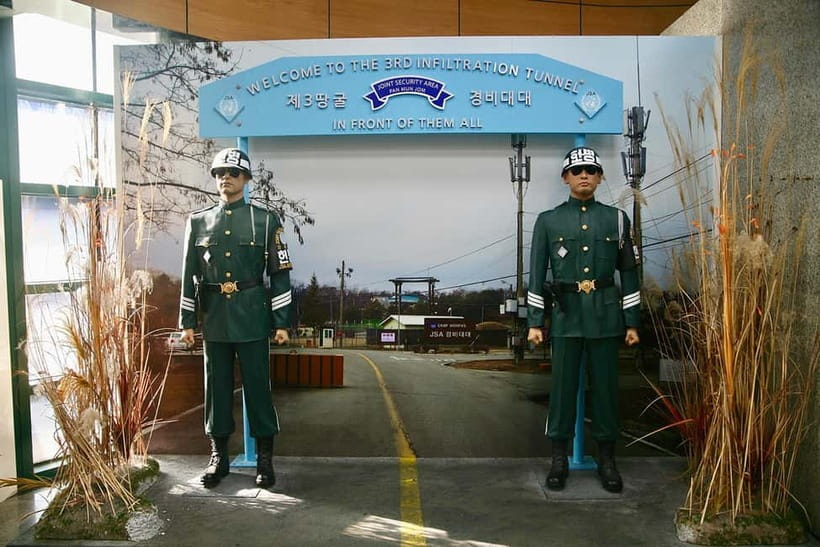
Because the guide language is Japanese, your comfort with Japanese will shape your experience. The tour is built as a Japanese-language experience, but there are also indications that guides can check in if someone in the group needs extra support.
That said, even if your Japanese is limited, you’ll still benefit from the structure. You’ll hear consistent explanations at each stop, and the sites are visual. The guide becomes especially important when they connect the story pieces—why Freedom Bridge matters, what makes the tunnel special, and what you should look for at Dora Observatory.
In recent bookings tied to this tour, Japanese-speaking guides such as Hong Yuseon, Yun, and Pak were praised for clear, interesting explanations and for keeping the group moving through surprises. That kind of calm competence is exactly what you want on a day where schedules can shift.
Should you book the Seoul DMZ Tour with Japanese-Speaking Guide?
Yes—if you want a guided, structured DMZ day and you’re comfortable with a long itinerary and moderate walking.
Book this tour if you care about:
- seeing major DMZ landmarks like Freedom Bridge and the Third Infiltration Tunnel
- getting guided context in Japanese
- making the day practical with roundtrip transfer, entrance fees, and a licensed guide
Consider skipping if you:
- need wheelchair access or have health limits that make steep slopes risky
- want a slow, free-form day (this is a time-controlled experience)
- are traveling without the essentials: you’ll need a passport, and you should bring yourself dressed for walking
One last thought: the DMZ isn’t about collecting stamps. It’s about seeing how history, security, and separation still shape the landscape. If that’s what you’re after, this tour is a good match for your expectations.
FAQ
How long is the DMZ tour from Seoul?
The tour duration is listed as 7–8 hours.
What language is the guide?
The guide language is Japanese.
Is JSA (Joint Security Area / Panmunjom) included?
No. JSA is not included on this tour.
What do I need to bring?
You need a passport.
Are food and drinks included?
No. Food and drinks are not included.
Where do I get dropped off at the end?
Your finish location can be Myeongdong or City Hall Station, depending on your preference.
What should I wear or bring for the day?
The tour strongly recommends you don’t wear flip-flops, slippers, or shoes with heels. You should also be prepared for walking, including the steep-slope tunnel portion.
Is alcohol or smoking allowed?
No. Smoking in the vehicle is not allowed, and intoxication, alcohol, and drugs are not permitted.
Who is this tour not suitable for?
It is not suitable for people with heart problems and wheelchair users.
Is cancellation free?
Yes. Free cancellation is available up to 24 hours in advance for a full refund.
![Andong Hahoe Folk Village [UNESCO World Heritage] Private Tour from Seoul - The cliff stop: Buyongdae’s 64 meters of perspective](https://1.visitseoulkorea.com/wp-content/uploads/andong-hahoe-folk-village-unesco-world-heritage-private-tour-from-seoul-400x266.jpg)