REVIEW · PRIVATE
Seoul Half Day Tour with a Local: 100% Personalized & Private
Book on Viator →Operated by City Unscripted · Bookable on Viator
Seoul in four hours, one local at your pace. I like how this private walking tour lets you start when your schedule allows while still hitting major sights and calmer streets that most people miss. You’ll get local context as you go, so the places feel less like a checklist and more like a living city.
Two things I especially like: first, you customize the route (shopping, food, history, or culture) to match what you care about most. Second, the guide experience is built for real conversation, not just walking point-to-point—expect explanations about daily life and cultural cues as you pass through each neighborhood.
One thing to plan for: it’s mostly on your feet, and food, drinks, and attraction tickets aren’t included, so your final day budget depends on what you choose to pay for along the way.
In This Review
- Key highlights worth knowing
- A private half-day you can shape around your interests
- Starting in Jongno: how the timing and route feel in practice
- Gyeongbokgung Palace: Joseon-era grandeur and real context
- Insadong street life, tea houses, and craft shopping without chaos
- Dongdaemun Design Plaza: modern Seoul with fashion and tech energy
- Bukchon Hanok Village: traditional houses and how people lived
- Pacing, walking, and weather: make it easy on yourself
- Price and value: what $111.37 really covers
- Guides bring the day: big differences you can feel
- Who should book this Seoul half-day tour?
- Should you book this private walking tour?
- FAQ
- FAQ
- How long is the Seoul half-day tour?
- Is this a private tour or a group tour?
- Where does the tour start and end?
- Can the guide meet me at my hotel?
- Is food included?
- Are attraction tickets included?
- Do we need to use public transportation?
- What kind of ticket do I receive?
- Is there free cancellation?
- Is the tour ever canceled due to weather?
Key highlights worth knowing
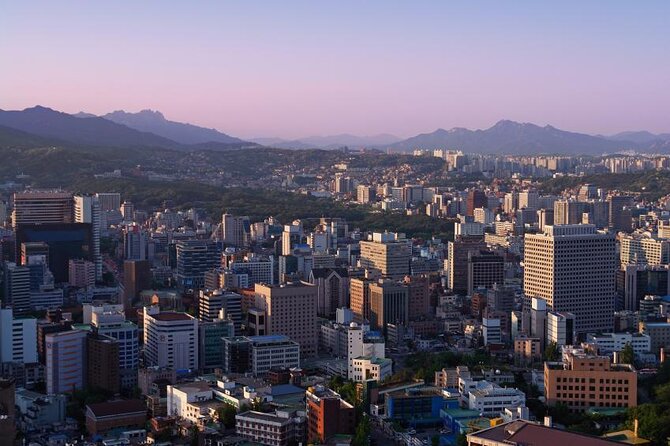
- Pick 3 or 4 hours so you can match the tour to your jet lag and your next plan
- A personal, private guide means no waiting for a group pace
- Central meet-up near Jongno District (109 Jae-dong) keeps you close to multiple neighborhoods
- A smart mix of stops: Gyeongbokgung Palace, Insadong, Dongdaemun Design Plaza, and Bukchon Hanok Village
- Hotel meet-up may be possible for central locations if you request it in the questionnaire
A private half-day you can shape around your interests
This tour works because it starts with you. You choose themes like food, history, culture, or shopping, and your guide builds the half-day around that. In a city as big as Seoul, that’s a big deal: otherwise you spend your limited time bouncing between “must-sees” that may not even match your mood.
What you’ll feel on the walk is how your guide connects the dots. Instead of only telling you what something is called, they explain why it matters—how it relates to the Joseon-era story behind the palace areas, how traditional arts show up in everyday shopping streets, and how modern creativity is expressed around design and technology.
This is also a tour style that suits short trips. One-night visitors, first-timers with limited time, and people who want structure without a rigid schedule can use the half-day format to get oriented fast. You’ll likely walk away with a mental map of Seoul that makes your remaining free time easier.
You can also read our reviews of more private tours in Seoul


Starting in Jongno: how the timing and route feel in practice
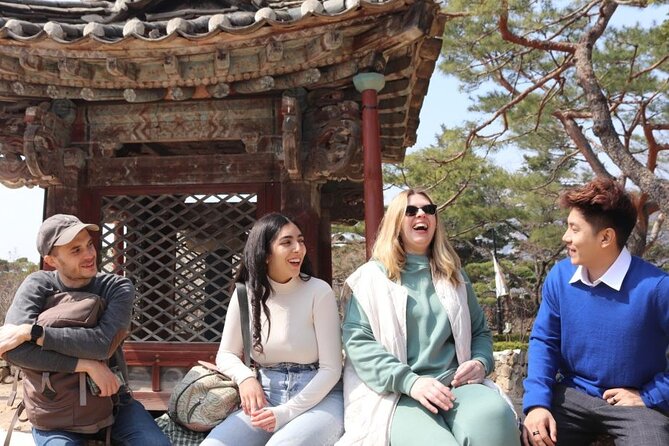
The meet-up is at 109 Jae-dong, Jongno District, and the tour ends back at that same starting point. That matters for planning. You’re not trying to get across town at the end of a walking day while your energy fades.
You also get a real choice of duration: 3 or 4 hours. If your schedule is tight, go shorter and prioritize the “big hits.” If you want breathing room for stops, photos, and questions, choose the full time window. Private tours are often quicker than group tours because you don’t have to wait for others—but you should still expect a steady walking day, especially when the plan includes hanok streets and palace-area paths.
One more practical point: this is mostly a walking experience. Public transport might be used, but it’s noted as an additional cost. So if you prefer minimal walking, tell your guide what “comfortable” means for you in advance.
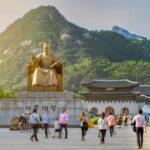
Gyeongbokgung Palace: Joseon-era grandeur and real context
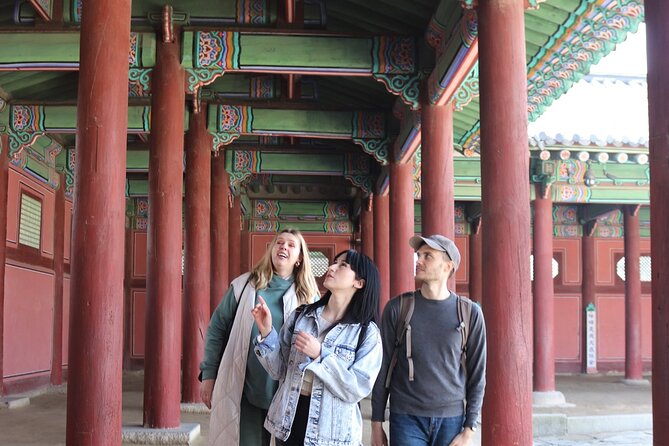
Gyeongbokgung Palace is the classic Seoul starting point for a reason: it instantly frames how Korea organized power and culture through architecture and tradition. In this tour, it’s not just a photo stop. You’ll learn about the Joseon Dynasty and see the traditional Korean architecture in a way that feels connected to the rest of the city rather than isolated behind palace gates.
Why this works at the beginning of the half-day: it sets the cultural baseline. After you’ve built that foundation, places like Insadong and Bukchon land differently. You’ll notice how the city preserves identity while still moving forward.
A downside to consider: palace areas can mean more walking and more open outdoor time. If weather is hot or rainy, you’ll want to have a plan (hat or umbrella, water, and shoes you trust on pavement).
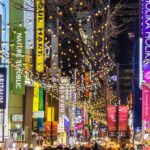
Insadong street life, tea houses, and craft shopping without chaos
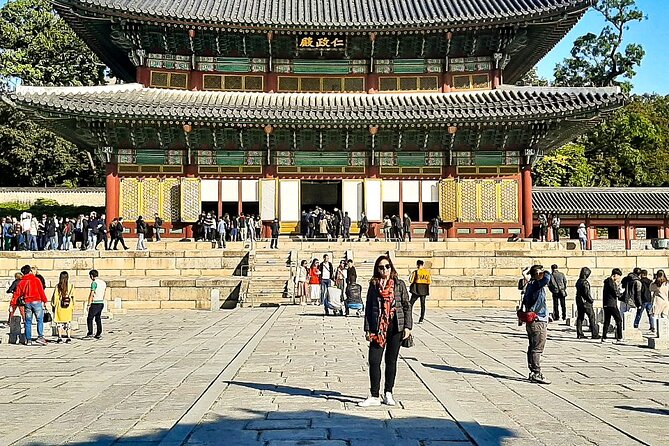
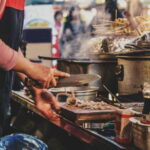
Insadong is where Seoul slows down into a cultural shopping lane. Your guide takes you through the area as a living neighborhood, not a theme park. Expect traditional Korean arts, chances to sample authentic street food, and time for tea houses and antique shops.
This part of the tour tends to be the most flexible. If you tell your guide you want food, they’ll likely build in tasting stops. If you want souvenirs, they can steer you toward the right kinds of shops (and help you avoid the tourist-trap feel that can happen in older market zones). If you’re a history person, Insadong can serve as the bridge between palace-era tradition and what daily culture looks like today.
If you hate shopping pressure, you can still enjoy Insadong. The value here is the guide’s sense of what’s worth your time and what isn’t, plus their ability to explain the cultural meaning behind what you’re seeing.
Dongdaemun Design Plaza: modern Seoul with fashion and tech energy
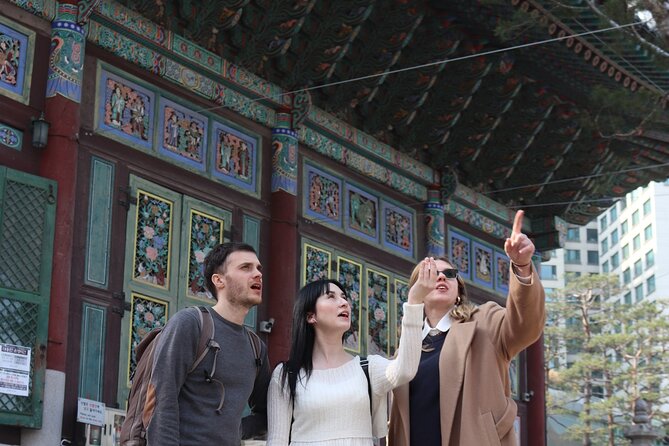
Dongdaemun Design Plaza (often called DDP) is the contrast stop. It’s the cutting-edge architecture section of your day—plus the creative culture around it, tied to fashion, design, and technology exhibitions.
This works well in a private half-day because you get the viewpoint-shaping conversation without needing to spend extra time figuring out how the area fits together. Your guide can help you see DDP not just as a dramatic building, but as a symbol of how Seoul reinvents itself.
A practical trade-off: DDP can feel busy, and your half-day time is limited. If you want deep time inside exhibitions, you may need to adjust expectations or extend your day. If your goal is to understand the design story from the outside and through nearby creative spaces, this stop fits the format well.





Bukchon Hanok Village: traditional houses and how people lived
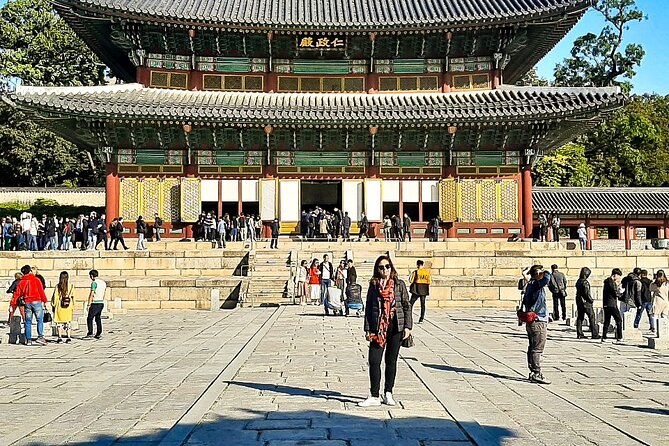
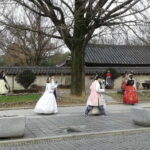
Bukchon Hanok Village is the half-day’s “slow down and look” moment. You’ll stroll through beautifully preserved traditional Korean houses and learn about historical lifestyles in this picturesque neighborhood.
This stop is especially helpful if you’ve only ever seen hanok houses from the outside. With a local guide, the neighborhood becomes more than scenery. You start seeing the logic of the area—how traditional residential forms relate to the city around them.
The only consideration here is comfort. Streets in and around hanok areas can include uneven surfaces and steps depending on the exact route. If you’re traveling with older relatives or anyone with mobility limits, flag that early so your guide can plan around it.
Pacing, walking, and weather: make it easy on yourself
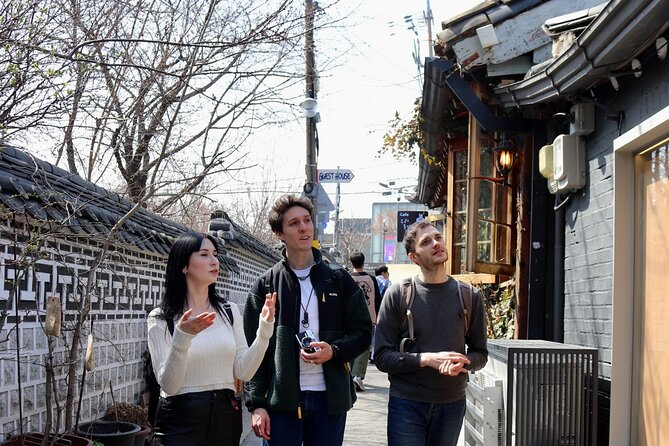
A private walking tour can feel ideal—until you hit weather or stamina limits. This experience is best when you’re ready for a 3–4 hour walking stretch. Even though transportation isn’t the main component, the tour can still use public transport if needed, and you might pay extra for that.
Weather matters here. The tour is described as requiring good weather. If it’s canceled due to poor weather, you’re offered a different date or a full refund. That’s good protection, but it still means your planning needs flexibility.
What I’d do if you book:
- Wear shoes you can walk in for hours.
- Bring water and something for sun or rain.
- Be clear about your pace. A private guide can slow down or speed up, but only if you tell them what you want.
Price and value: what $111.37 really covers
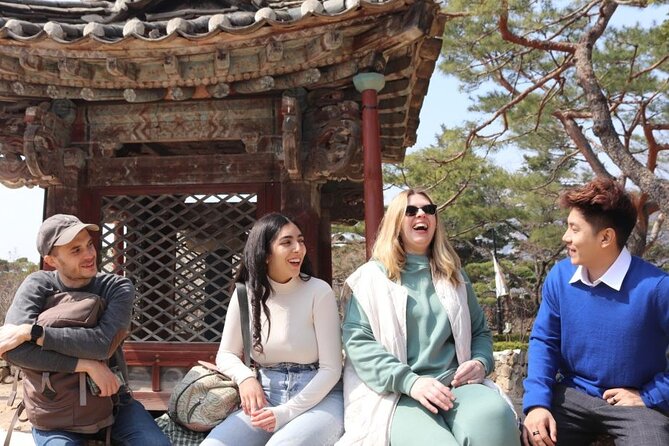
The price is $111.37 per person for a private, personalized walking tour lasting about 3 to 4 hours. Value is strongest when you take full advantage of personalization. A private tour is not just “less crowded sightseeing.” It’s time with a local who can match your interests—history vs food, shopping vs architecture, quick highlights vs more conversation.
Here’s what you should expect to pay beyond the tour price:
- Food, drinks, and attraction tickets are not included.
- Transportation is primarily walking, with public transport possible as an additional cost.
- Gratuities are optional.
So your best value move is simple: decide in advance what you want to spend your money on during the tour. If you want street food and a tea stop, plan that budget now so it doesn’t surprise you later. If you mainly want walking, stories, and photo time, you can keep extra spending low.
Also, hotel meet-up is available for central locations on request through the questionnaire after booking. If you can get that extra convenience, it often improves overall value because it saves you time before the tour even begins.
Guides bring the day: big differences you can feel
The biggest quality variable with private tours is the guide. In this case, you can see that strong guiding tends to show up in specific ways: smooth timing, clear explanations, and personalization that changes what you see.
Some examples from the guide names you’ll be paired with include Bella, Jay, GJ, Andrew, Jihyun, Ruth, Paul, Giwon, Sujeong/Sujeon, Yujin, and Bergen. People highlight that certain guides are great at:
- Adjusting the plan to match your interests in real time (not sticking rigidly to a script)
- Making the history feel connected, including Joseon-era context and how it shows up today
- Keeping the pace comfortable and moving efficiently through multiple neighborhoods
- Answering lots of questions patiently
There are also a couple of cautionary signals to keep in mind. In at least one case, a tour felt rushed, and in another, communication didn’t meet expectations and the tour leaned toward K-pop rather than the cultural direction the guests wanted. That’s a reminder to do two things:
1) Tell your guide exactly what you want (and what you don’t).
2) Mention any pace or mobility limits upfront.
If you communicate your priorities clearly in advance, you’ll give yourself the best odds of getting a guide match that fits your expectations.
Who should book this Seoul half-day tour?
I’d book this if you:
- Want a first-time introduction that still feels personal
- Have limited time in Seoul and want the big historic-modern contrast in one afternoon
- Prefer walking with a guide over squeezing into group tours
- Enjoy culture explanations as you go, not only at the stop
You might think twice if:
- You’re trying to keep spending very low, since food and tickets are on you
- Your group needs very low walking or step-free routes (still possible to work around, but plan carefully)
- You want ticketed museum time in a very structured way (this is built around a walking route and street-level experiences)
Should you book this private walking tour?
If you want the efficient Seoul “map” without turning your day into a march through landmarks, I think this is a solid choice. The combination of palace tradition, Insadong culture, DDP modern design, and Bukchon hanok streets gives you a balanced picture of how Seoul holds onto heritage while building new identity.
Book it if you’re comfortable paying for your own food and any attraction tickets, and if you’ll communicate your pace and interests before you meet the guide. Pass or choose something else if your priority is mostly indoor ticketed attractions or if your group can’t handle the walking and uneven areas that typically come with these neighborhoods.
FAQ
FAQ
How long is the Seoul half-day tour?
It runs for about 3 to 4 hours. You choose your preferred duration when you book.
Is this a private tour or a group tour?
This is private. Only your group participates.
Where does the tour start and end?
It starts at 109 Jae-dong, Jongno District, Seoul, South Korea, and ends back at the same meeting point.
Can the guide meet me at my hotel?
Hotel meet-up for central locations is available on request. You’ll be asked through a questionnaire after booking.
Is food included?
No. Food and drinks are not included.
Are attraction tickets included?
No. Tickets to attractions are not included.
Do we need to use public transportation?
The experience is primarily a walking tour. Public transport may be used at an additional cost.
What kind of ticket do I receive?
You get a mobile ticket.
Is there free cancellation?
Yes. You can cancel up to 24 hours in advance for a full refund.
Is the tour ever canceled due to weather?
It requires good weather. If it’s canceled due to poor weather, you’ll be offered a different date or a full refund.