REVIEW · GYEONGBOKGUNG PALACE & HANBOK TOURS
Seoul Cultural Tour – Kimchi Making, Gyeongbok palace with Hanbok
Book on Viator →Operated by VIP TRAVEL Co.Ltd · Bookable on Viator
Kimchi lessons and palace manners in one day. This is a Seoul cultural tour that mixes hanbok photo moments, a tea ceremony, classic folk games, and a hands-on kimchi class, all wrapped in a guided, small-group flow. You also get round-trip hotel transport, so you spend less time figuring out logistics and more time doing the fun parts.
I especially love the combination of Gyeongbokgung Palace plus hanbok. It’s one thing to see the palace from street level, and another to practice formal etiquette while you’re dressed for the role.
I also like how the day doesn’t just explain kimchi. You learn to make it in a 30-minute class and get guided context on its place in Korean meals, then you keep the experience moving with tea and folk games.
One possible drawback: lunch isn’t included, and the schedule is packed into about 6 hours 30 minutes starting at 9:30 am—so you’ll want a plan for when hunger hits.
In This Review
- Key things I like about this Seoul culture day
- Gyeongbokgung Palace in Hanbok: More than a photo stop
- Insadong area: Tea ceremony, folk games, and photo support
- Kimchi making in 30 minutes: What you’re really learning
- Hanbok options: Wedding and royal-style choices, not just one outfit
- Ginseng or amethyst stop: A quirky closer to the day
- Value check: Is $99 worth it for this Seoul mix?
- Who this tour is best for (and who should look elsewhere)
- Guides and pacing: The “friendly, professional” factor
- Practical tips: Wear smart, plan for mess, and time your food
- Should you book this Seoul Cultural Tour?
- FAQ
- How long is the Seoul Cultural Tour?
- What time does the tour start?
- Does the tour include hotel pickup?
- What are the main stops on the tour?
- Is lunch included?
- Is there a kimchi-making class?
- Do I get to wear hanbok?
- How big is the group?
- What is the cancellation policy?
Key things I like about this Seoul culture day
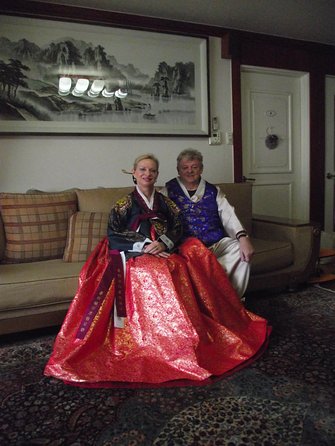
- Hanbok with etiquette coaching so your photos look intentional, not accidental
- Gyeongbokgung Palace time paired with a guided cultural explanation
- Tea ceremony + traditional folk game for hands-on cultural practice
- 30-minute kimchi class designed for real participation, not passive watching
- Small group (max 10) that makes questions easier and the pace more personal
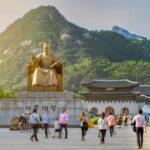
Gyeongbokgung Palace in Hanbok: More than a photo stop
The day starts around 9:30 am, and you’ll be picked up from your hotel in Seoul. That matters because Gyeongbokgung Palace is a major site, and you don’t want your schedule eaten by transit and finding the right entrance.
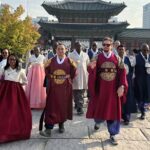
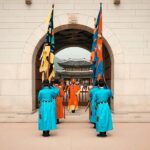
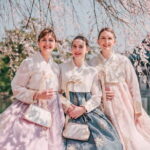
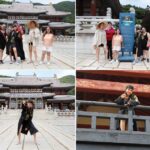
Once you arrive, the tour shifts into “historical vibe” mode. You get a chance to try on hanbok and step into a palace setting that feels more like the way people imagined Joseon-era court life. The tour also emphasizes formal social etiquette, which is a smart add-on. A quick lesson on posture and manners makes a big difference in how you carry yourself for photos and how you feel during the visit.
The practical upside is timing. You’re not wandering the palace for hours alone. A guide helps you connect what you’re seeing to the cultural rules around it, so the palace doesn’t become just a list of buildings.
You can also read our reviews of more historical tours in Seoul
Insadong area: Tea ceremony, folk games, and photo support
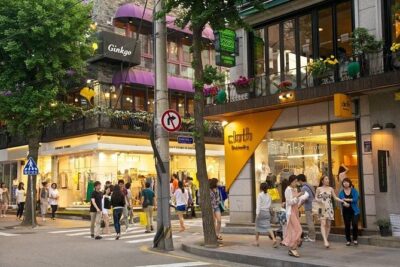
After the palace, the itinerary moves to Insadong, a neighborhood known for traditional crafts and classic Seoul culture. This is where the tour becomes more interactive and less “museum pace.”
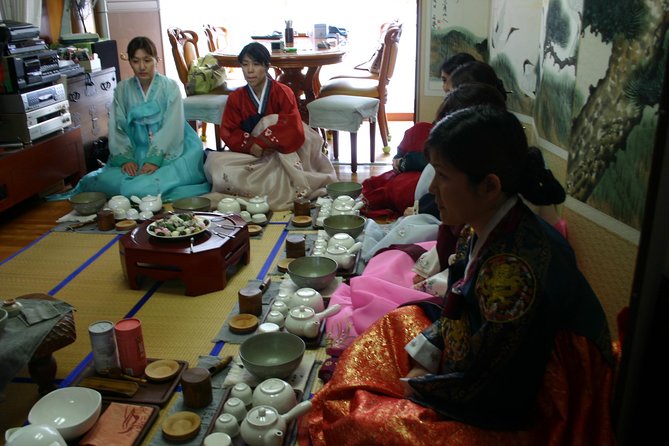
You’ll do a tea ceremony as part of the cultural center portion of the experience. Even if tea ceremonies aren’t your thing, this moment is useful because it slows you down. You learn how Koreans frame hospitality and ritual in everyday life, and you’re not just moving from one site to another.
Then you play a traditional folk game popular in the Joseon era. Names vary by region and the guide’s presentation, but the vibe stays the same: you’re doing something with your hands, not just watching. In particular, the “old-fashioned game” moments tend to be the part people remember most, because you laugh, you learn rules quickly, and you’re actively included.
One of the most praised parts from real experiences is the photo help. You’re not left to fend for yourself in hanbok. The hosts help take lots of pictures, and you get feedback on how to pose so you end up with clear, good shots instead of a bunch of blurred “look how busy it is” photos.
Kimchi making in 30 minutes: What you’re really learning
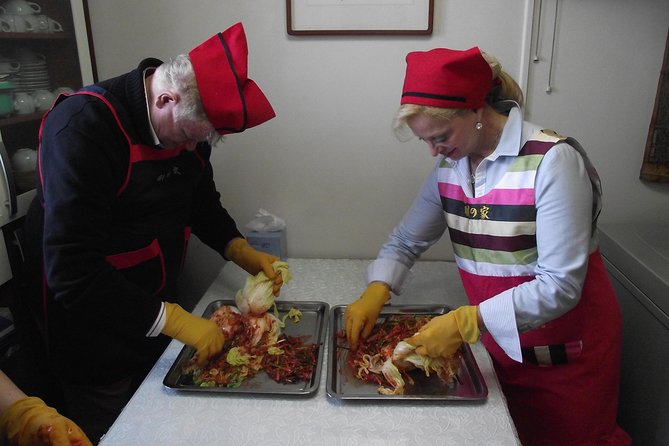
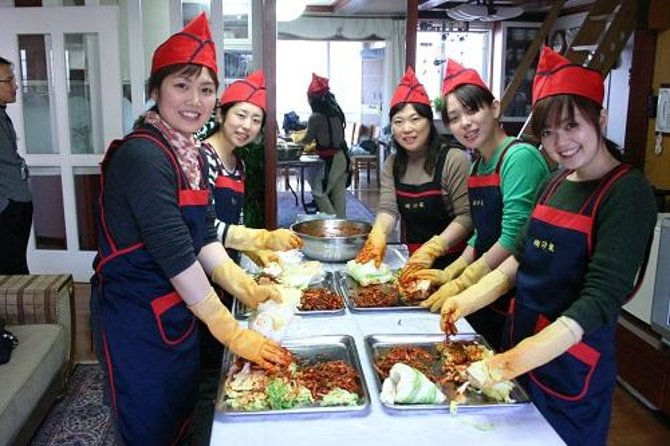
The centerpiece is the kimchi-making class, focused for about 30 minutes. That timing is intentional. It’s long enough for you to get your hands into the process, but short enough that the day stays on track with palace and cultural activities.
You’ll get a kimchi-making lecture that includes the history and traditions around Korean kimchi, along with guidance on the ingredients and method. The tour frames kimchi as an iconic Korean dish with global recognition, and it connects the cooking to real Korean eating habits. That context is what turns “I made kimchi” into “I understand what makes it kimchi.”
Expect participation. A hands-on class means your experience will include mixing and handling the ingredients that go into kimchi. Plan for the mess factor: bring or buy travel wipes, and wear something you’re comfortable getting a bit messy. If you show up in delicate fabric, you’ll spend mental energy worrying about it.
Also, ask questions while you’re there. Guides often have a knack for explaining what to taste, what to watch, and how kimchi changes in different uses. Even when the class time is short, the instruction tends to focus on “why this matters,” not only “what you do next.”
Hanbok options: Wedding and royal-style choices, not just one outfit
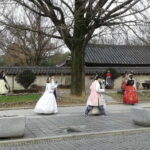
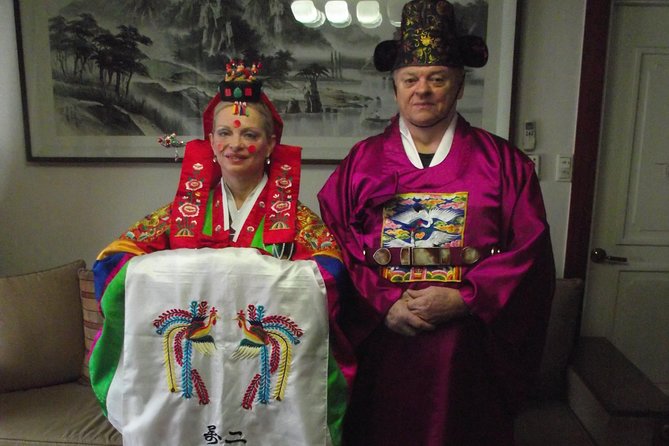
Hanbok is a major reason people book this tour, and the details matter. You don’t just get one fixed outfit and hope it fits right. You generally have a selection, and you can often choose from a range of styles, including wedding and royal-inspired outfits.
That’s worth paying attention to because it changes the feel of the whole day. If you pick a style that matches your taste—dramatic, classic, or more wedding-like—you’ll get better photos and more confidence standing in front of palace backdrops.
Also, the hanbok isn’t treated as a costume with zero guidance. The tour connects clothing to etiquette. So while you’re dressed like nobility for the photos, you’re also practicing how to hold yourself and how to move respectfully. That’s the difference between “wearing traditional clothing” and having a meaningful cultural moment.
If you care about photos, this is where the host support shines. Multiple guide experiences highlight the way hosts help take photos for you, so you can stay in the frame instead of constantly swapping places with your phone.
Ginseng or amethyst stop: A quirky closer to the day
At the end, the return to your hotel is routed through either an amethyst factory or a ginseng educational facility. Which one you see can depend on the day and the tour flow, so don’t assume you’ll get both.
If you’re curious about Korean consumer culture beyond food and palaces, this stop adds variety. It’s not the same as another palace gate or another craft market. It’s more like a structured “education plus product” experience, where you learn what people believe in and why certain items are popular.
The practical value here is pacing. After active parts of the day—hanbok fitting, palace walking, tea ceremony, folk game, kimchi hands-on—this final stop is a gentle landing before you head back to the hotel.





Value check: Is $99 worth it for this Seoul mix?
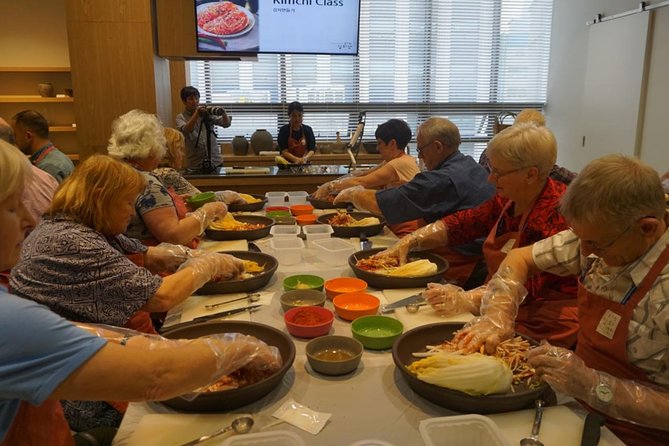
At $99 per person, the value depends on what you want most from Seoul: a guided day with multiple cultural activities and less time spent planning.
Here’s why the price can make sense:
- Your tour includes hotel pickup and return transport, which reduces the “figure it out” cost in time and energy.
- You pay for the kimchi class lecture fee, plus a professional guide (English or Chinese).
- You’re also getting multiple included activities: hanbok photo time, tea ceremony, and a traditional folk game.
What can reduce value for some people: lunch isn’t included. If you’re the type who needs a sit-down meal, you’ll want to plan for that break yourself.
The biggest “value booster” is group size. This tour has a maximum of 10 travelers. That usually means you get more attention, fewer waiting gaps, and easier interaction when you have questions during etiquette training or kimchi instruction.
If you’re traveling as a couple, this also tends to feel comfortable. Several experiences describe small groups (sometimes even two people), which makes the day feel less like a factory tour and more like a guided culture session with plenty of attention.
Who this tour is best for (and who should look elsewhere)
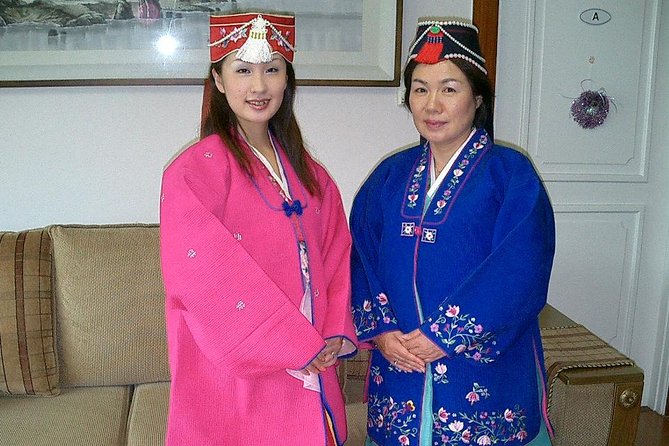
This works well if you want a single day that hits multiple cultural themes: palace life and manners, traditional clothing, tea ritual, folk games, and a hands-on cooking skill. It’s a great match for couples, friends, and families because it’s active without being physically intense.
It’s also a strong choice if you care about photos and prefer having someone help you get them right. The host photo support comes up again and again in the strongest reviews.
If you’re the type who wants deep time at one major site—like only focusing on Gyeongbokgung Palace with long, slow walking—this may feel a bit too scheduled. The day is designed for variety, not for lingering.
Guides and pacing: The “friendly, professional” factor
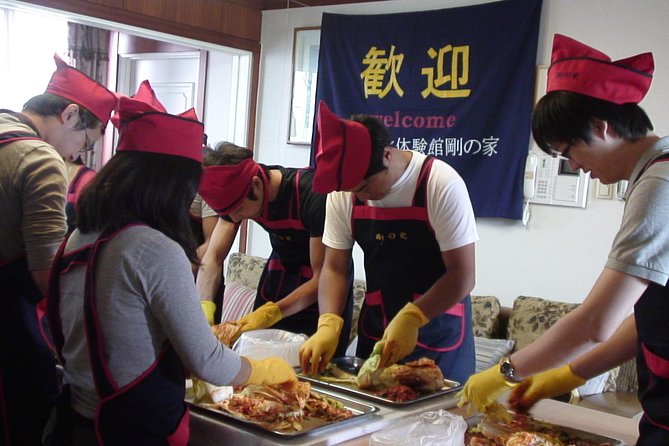
One thing that clearly shows up in strong reviews is guide quality. Names you might see include Jay, Eva, Lena, Tom, Alice, Grace, Lady K, and Mi So. What matters most isn’t the name on the schedule; it’s the consistent style: friendly, interactive, and professional.
That shows up in how the tour handles questions. People highlighted guides who answered lots of topics, and some even shared extra recommendations beyond the official stops, like where to eat, shop, or focus on skincare. Even if you don’t follow those suggestions, it’s a reminder that a good guide can help you steer the rest of your trip.
Pacing is another factor. The schedule is full, but the tour is structured so you keep moving between activities. That keeps energy up, and it helps you avoid the late-day “we’re still nowhere near done” feeling.
Practical tips: Wear smart, plan for mess, and time your food
A few tips will make this day smoother:
- Wear comfortable shoes for palace walking. Even with pickup and guidance, you’ll still be on your feet.
- Bring or buy wet wipes for kimchi class. It’s hands-on, so plan for contact with red ingredients.
- If you’re sensitive to cold, bring a light layer. Palace and cultural center schedules can vary with weather.
- Eat something light before you start. Starting at 9:30 am with lunch not included means you should manage your energy.
For hanbok: treat it like part of the instruction, not just a costume. Follow the guidance on posture and movement. You’ll look better in photos, and you’ll feel more comfortable inside the setting.
And if photos matter to you, communicate your preferences early. If you want group shots, close-ups, or a specific hanbok style look, asking at the start helps the host plan angles and timing while you’re ready.
Should you book this Seoul Cultural Tour?
Yes, if you want a high-activity culture day that combines hanbok, palace manners, tea, folk games, and a real kimchi class—without the hassle of planning each piece yourself. The included hotel pickup, small group size (max 10), and photo assistance make it feel built for visitors who want more done per day.
I’d skip it if your top priority is slow travel and deep time at just one major site. This tour is designed for variety and momentum, so it won’t feel like the quiet, unstructured kind of Seoul day.
If you’re deciding between this and another cultural option, use a simple test: do you want to come home with a hands-on cooking memory and a pile of meaningful hanbok photos? If yes, this tour is a solid fit.
FAQ
How long is the Seoul Cultural Tour?
It’s about 6 hours 30 minutes.
What time does the tour start?
The start time is 9:30 am.
Does the tour include hotel pickup?
Yes, hotel pickup in Seoul is included, and round-trip transport is provided.
What are the main stops on the tour?
You visit Gyeongbokgung Palace and then go to Insadong.
Is lunch included?
No, lunch is not included.
Is there a kimchi-making class?
Yes. You’ll take part in a kimchi-making class that lasts about 30 minutes, with a lecture included.
Do I get to wear hanbok?
Yes. You’ll try on Korean clothing called hanbok for photos, and you’ll practice etiquette while dressed in it.
How big is the group?
The tour has a maximum of 10 travelers.
What is the cancellation policy?
You can cancel for a full refund up to 24 hours before the experience’s start time.